Saginaw Bay, Natural bay in eastern Michigan, United States.
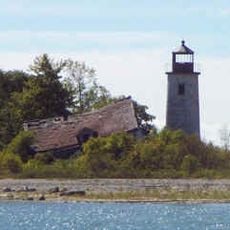
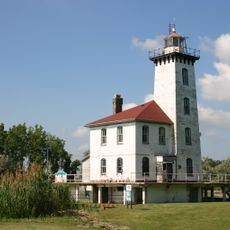
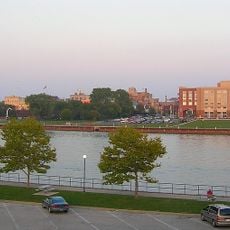
Saginaw Bay is a large body of water on Michigan's eastern coast, stretching between two points of land and covering a considerable area. The water varies in width along its length and receives water from several rivers flowing in from inland.
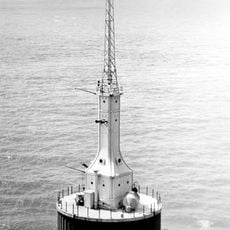
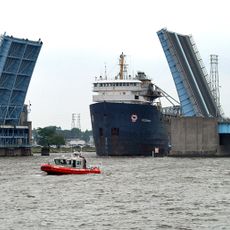
The bay was documented by European explorers in the late 1600s, leading to French trading activities and eventual settlements. Over time, the region became centered on fishing and shipping, which shaped its economy.
The Ojibwe people who lived here shaped the name of the bay, which references how the water moves and flows. Their heritage remains visible through cultural sites and stories shared by local communities along the shoreline.
Access to different parts of the water and shoreline is available through multiple public access points and parks, with warmer months offering the best visiting conditions. Visitors should prepare for changing weather, as conditions on large bodies of water can shift quickly.
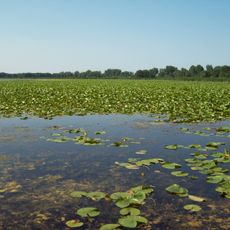
The area contains one of the largest intact coastal wetland systems in the country, supporting diverse wildlife and plant life. This ecosystem is notable for its biodiversity and role in filtering water.
The community of curious travelers
AroundUs brings together thousands of curated places, local tips, and hidden gems, enriched daily by 60,000 contributors worldwide.