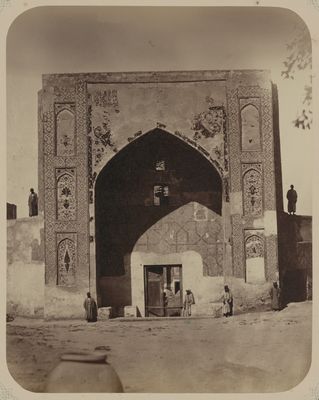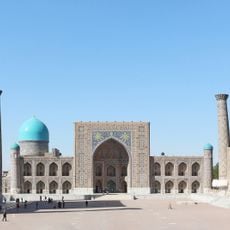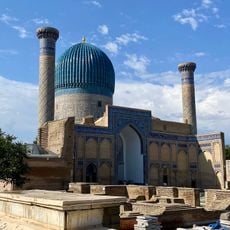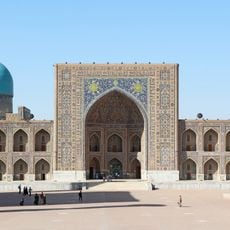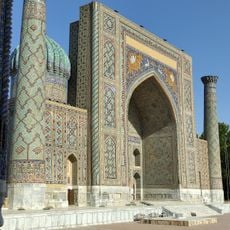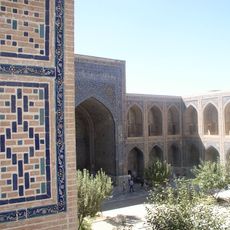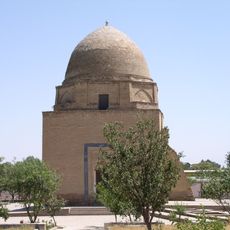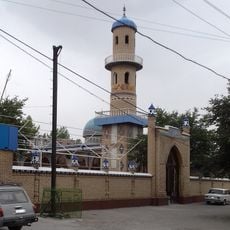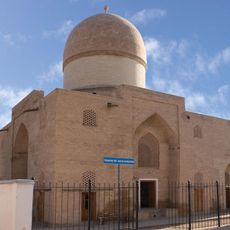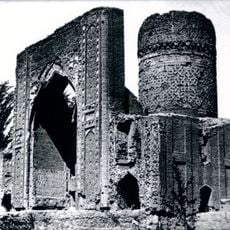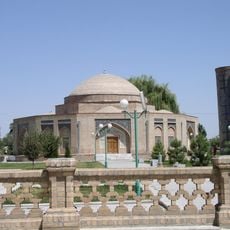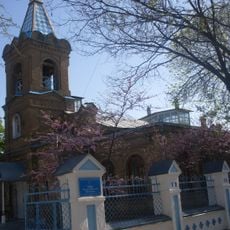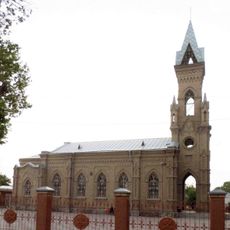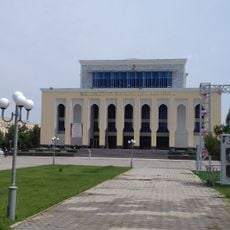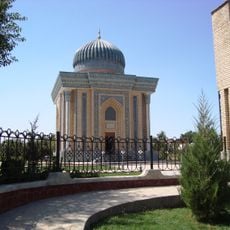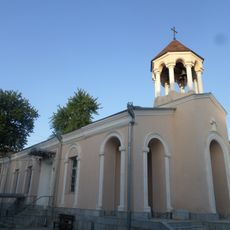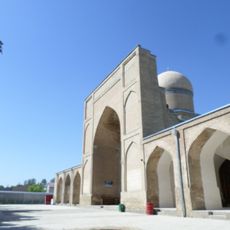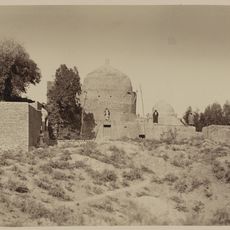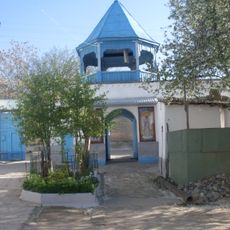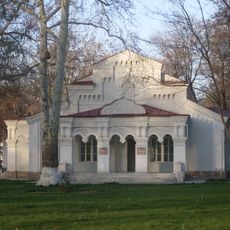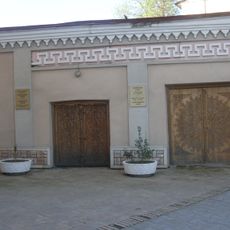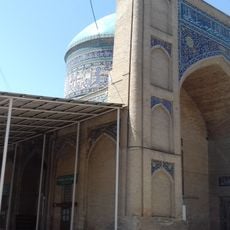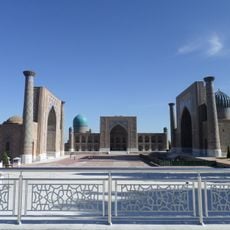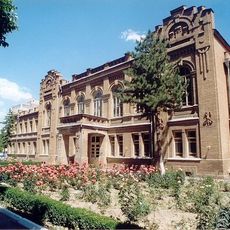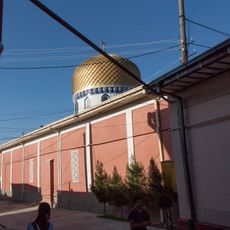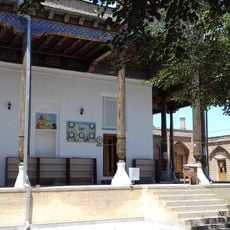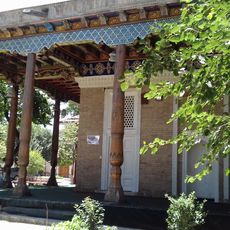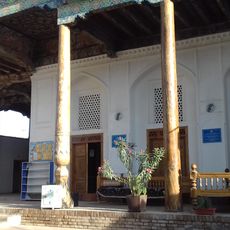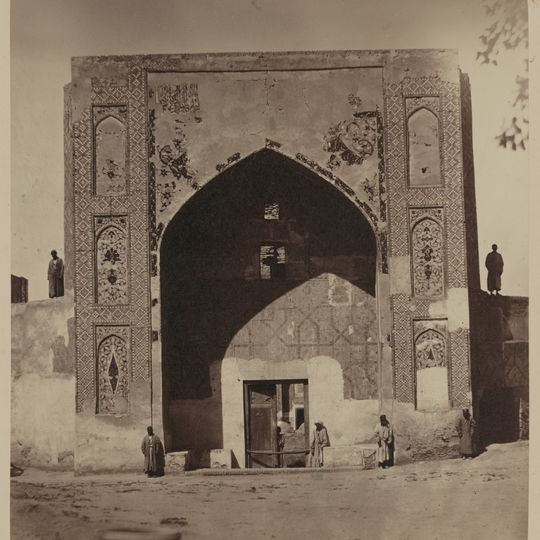
Khoja Ahrar complex, Samarkand, Islamic complex with madrasa and mosque in Samarkand, Uzbekistan
The Khoja Ahrar complex is an Islamic site with a madrasa and mosque in Samarkand that combines traditional Islamic architecture with domes, arches, and intricate tile patterns. The buildings are functionally divided into areas for religious study and prayer spaces.
The complex was built in 1630 and named after Khoja Ahrar, a 15th-century Sufi leader who shaped spiritual life in Central Asia. His influence persisted through the promotion of community welfare in the region.
The complex features gates decorated with lion motifs that represent authority and virtue, reflecting design traditions shared with other important structures in the city. These decorative elements shape the appearance of the entrances and show the regional craft heritage.
The site remains an active center for Islamic education and prayer with clear areas for religious activities. Visitors should expect regular prayer times and wear appropriate clothing.
Following the earthquake of 1907, the complex underwent extensive restoration to preserve its original architectural elements and educational functions. These restoration efforts demonstrate the site's historical resilience against natural disaster.
The community of curious travelers
AroundUs brings together thousands of curated places, local tips, and hidden gems, enriched daily by 60,000 contributors worldwide.