See the monuments around you in AROpen chests in the app
Around Us is built for your phone — point your camera at the streets and discover the monuments and places around you in augmented reality.Around Us is built for your phone — chests unlock when you walk, explore and capture nearby places.
Hong Kong connects Eastern and Western cultures across a compact territory. The city spreads over several islands and a section of mainland, with modern towers standing alongside traditional temples and markets. The streetscape shifts between densely built business districts like Central and older residential areas such as Mong Kok, where markets and local restaurants shape daily life.
From Victoria Peak, visitors can survey the city's extent across the harbor. The Star Ferry has linked Hong Kong Island with Kowloon for over a century, offering a direct view of the skyline. On Lantau Island, the Tian Tan Buddha rises above the Ngong Ping plateau, accessible by cable car or bus. Throughout the districts, religious sites include Wong Tai Sin Temple and the Ten Thousand Buddhas Monastery in Sha Tin, while Nan Lian Garden in Diamond Hill presents a formal Chinese garden layout.
Markets such as the Temple Street Night Market in Yau Ma Tei and the Ladies Market in Mong Kok draw those seeking local goods and street food. The Hong Kong Museum of History documents the region's development, while Hong Kong Wetland Park offers insight into natural habitats. Coastal areas like Repulse Bay and the fishing village of Tai O on Lantau reveal different aspects of the city beyond the urban centers.
Hong Kong connects Eastern and Western cultures across a compact territory. The city spreads over several islands and a section of mainland, with modern towers standing alongside traditional temples and markets. The streetscape shifts between densely built business districts like Central and older residential areas such as Mong Kok, where markets and local restaurants shape daily life.
From Victoria Peak, visitors can survey the city's extent across the harbor. The Star Ferry has linked Hong Kong Island with Kowloon for over a century, offering a direct view of the skyline. On Lantau Island, the Tian Tan Buddha rises above the Ngong Ping plateau, accessible by cable car or bus. Throughout the districts, religious sites include Wong Tai Sin Temple and the Ten Thousand Buddhas Monastery in Sha Tin, while Nan Lian Garden in Diamond Hill presents a formal Chinese garden layout.
Markets such as the Temple Street Night Market in Yau Ma Tei and the Ladies Market in Mong Kok draw those seeking local goods and street food. The Hong Kong Museum of History documents the region's development, while Hong Kong Wetland Park offers insight into natural habitats. Coastal areas like Repulse Bay and the fishing village of Tai O on Lantau reveal different aspects of the city beyond the urban centers.
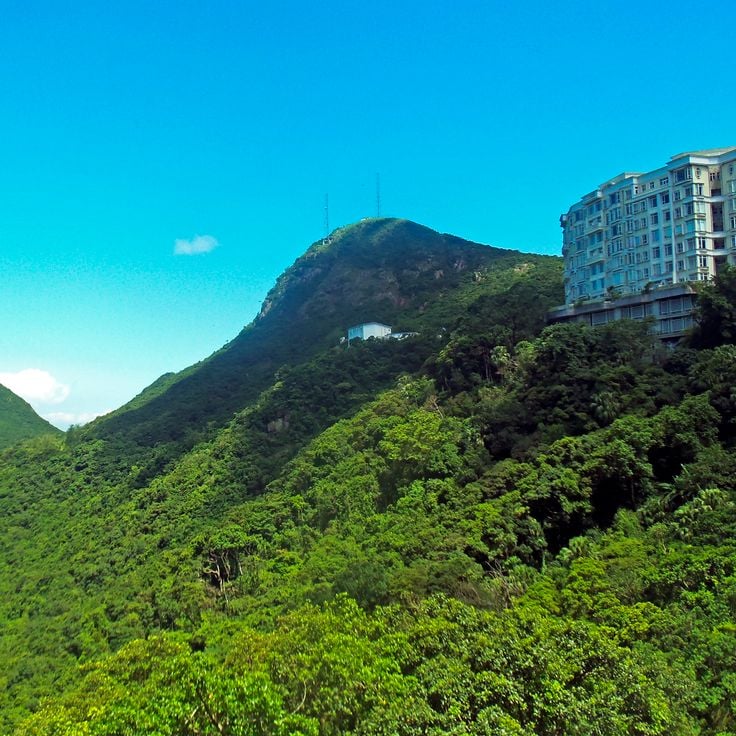
Pic Victoria rises 552 meters (1,811 feet) above Hong Kong Island, making it the highest point in the territory. The summit provides expansive views across the city's skyline, Victoria Harbour and the outlying islands. A historic funicular railway has connected the peak to the Central district since 1888. Multiple observation points and hiking trails allow visitors to take in the urban sprawl below and understand the island's topography. The mountain has served as a residential area and recreational destination since colonial times.
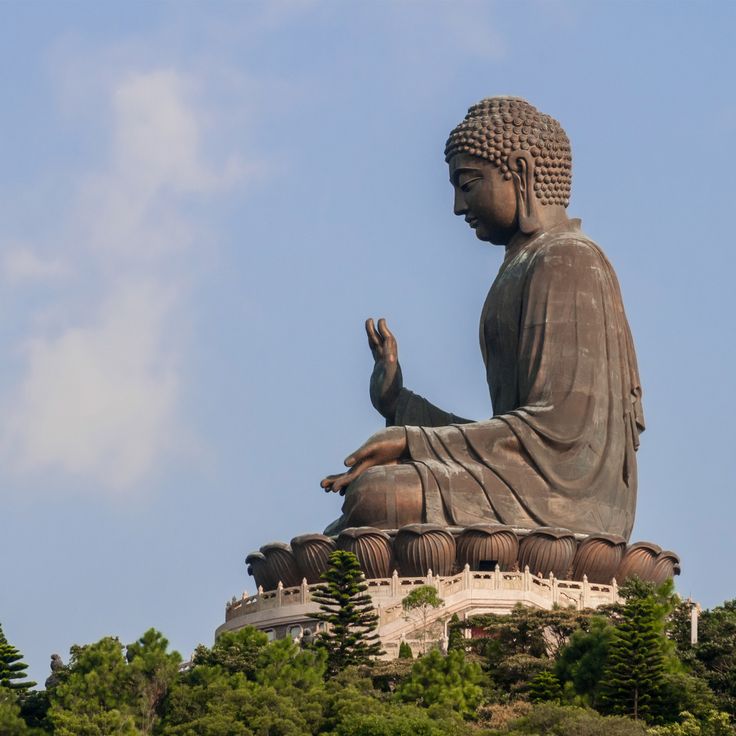
This bronze statue sits on a lotus throne at 34 meters (112 feet) high and weighs around 250 tons. The seated Buddha figure is reached by climbing 268 steps to the plateau. The Tian Tan Buddha combines Chinese craftsmanship with Buddhist symbolism and stands in the forested landscape of Lantau, where monasteries and hiking trails shape the surroundings.
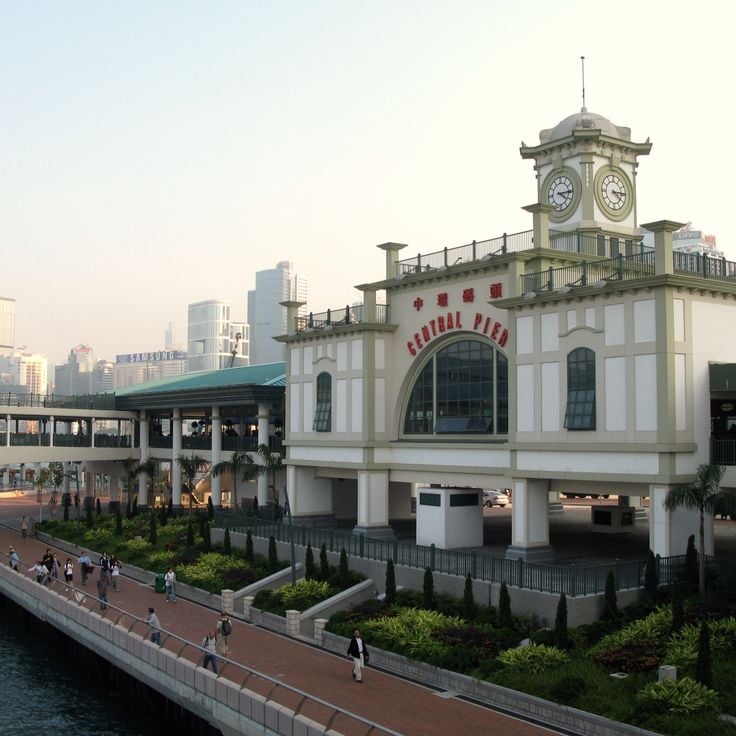
This ferry service has connected Hong Kong Island and Kowloon across Victoria Harbour since 1888, carrying thousands of passengers daily on the short route between the two urban centers. The crossing takes about eight minutes and provides a practical view of the skyline and harbor activity. The fleet consists of twelve double-deck ferries painted in green and white. Star Ferry ranks among the oldest operating ferry services worldwide and has established itself as a fixed component of Hong Kong's public transportation system.
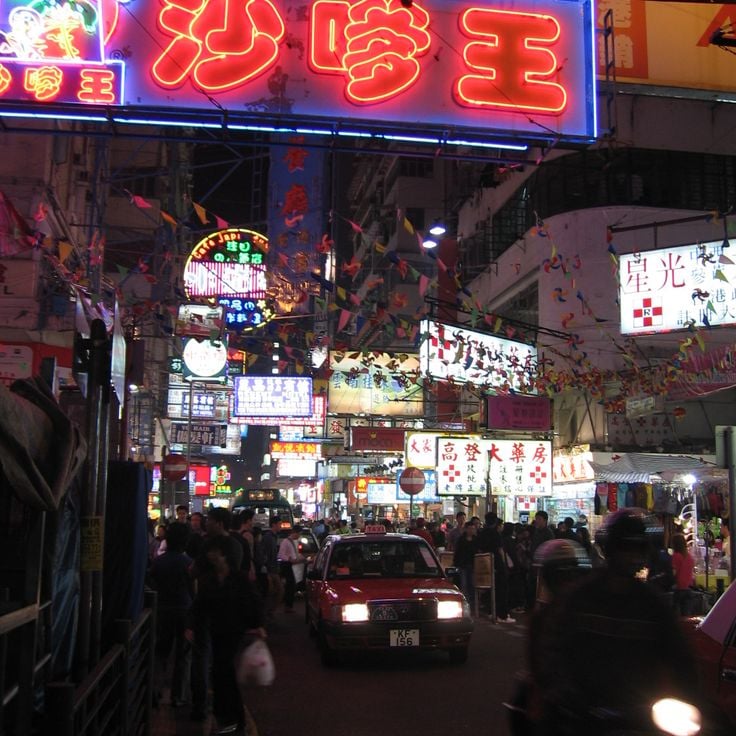
The Temple Street Night Market opens daily at 6 PM and sells souvenirs, clothing, electronics and street food until midnight. Vendors set up their stalls along the street, creating a typical Hong Kong street market environment. Beyond the merchandise, visitors find fortune tellers and occasional street performers. The market stretches several blocks through Yau Ma Tei and attracts both locals and tourists looking for affordable goods and authentic street food. Haggling is common practice, and the selection ranges from inexpensive trinkets to secondhand electronics.
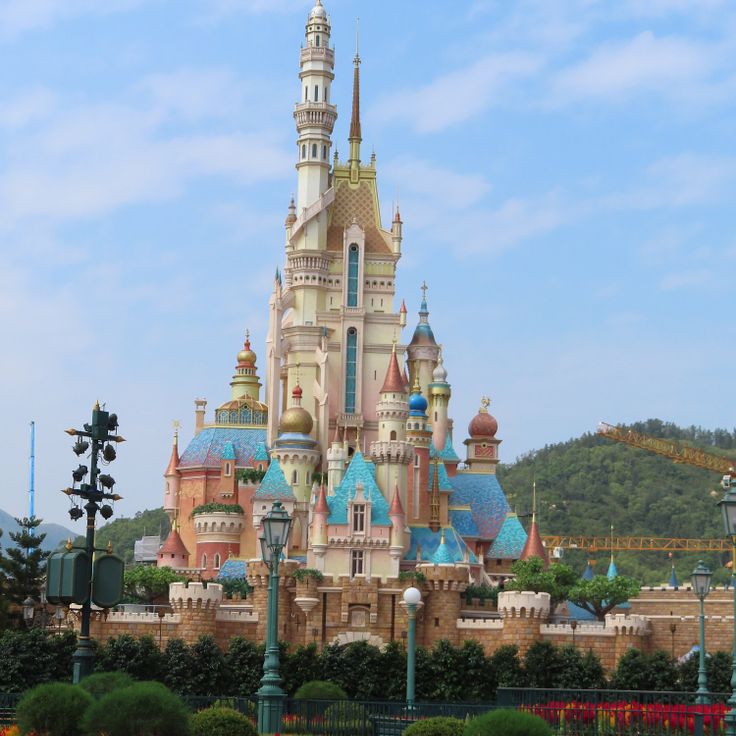
Disneyland Hong Kong spans seven themed areas on Lantau Island, featuring rides, roller coasters and daily parades with Disney characters. The park combines American entertainment concepts with regional touches and draws families from across the region. Located about 19 miles (30 kilometers) from the city center, the complex connects to Hong Kong via the MTR rail system.
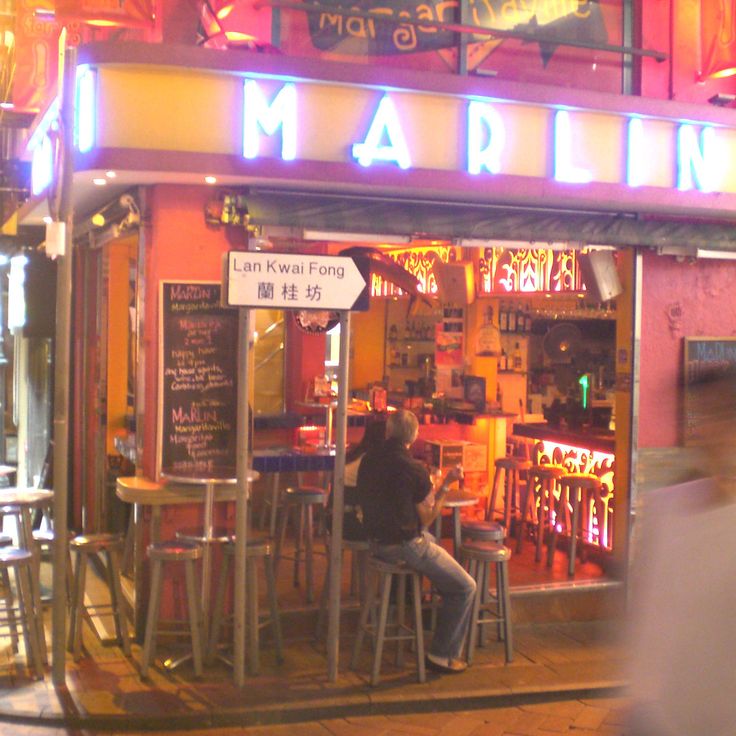
Lan Kwai Fong is a dining and entertainment district in Central featuring numerous restaurants, bars and clubs that draw locals and visitors from across the city. The narrow lanes fill with crowds in the evening as people gather at the various establishments to eat and drink. This area developed in the 1980s into the city's main nightlife hub and now offers a mix of Western and Asian dining and drinking venues.
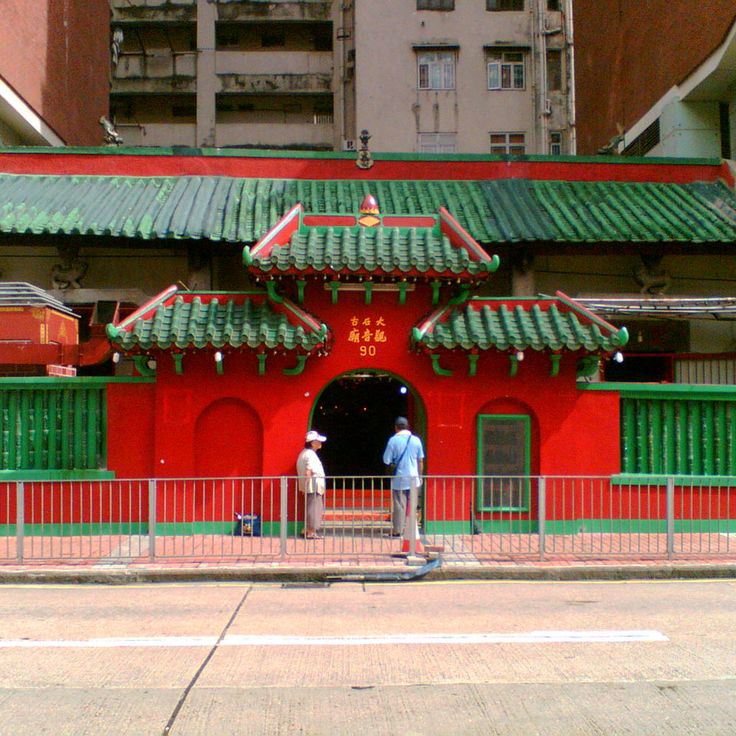
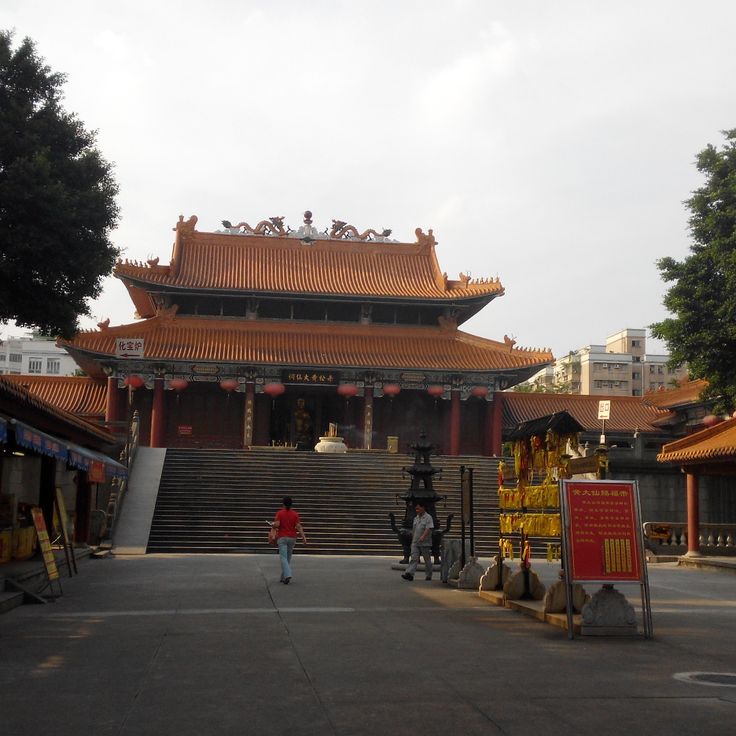
This Taoist temple in Kowloon draws daily crowds of worshippers and visitors who come to pray at ornately decorated altars and light incense sticks. The Wong Tai Sin combines Taoist, Buddhist and Confucian elements in its architecture and rituals. The complex includes multiple prayer halls, a traditional Chinese garden and an arcade where fortune tellers offer their services. Founded in 1921, the temple honors the monk Wong Tai Sin, revered for his healing powers.
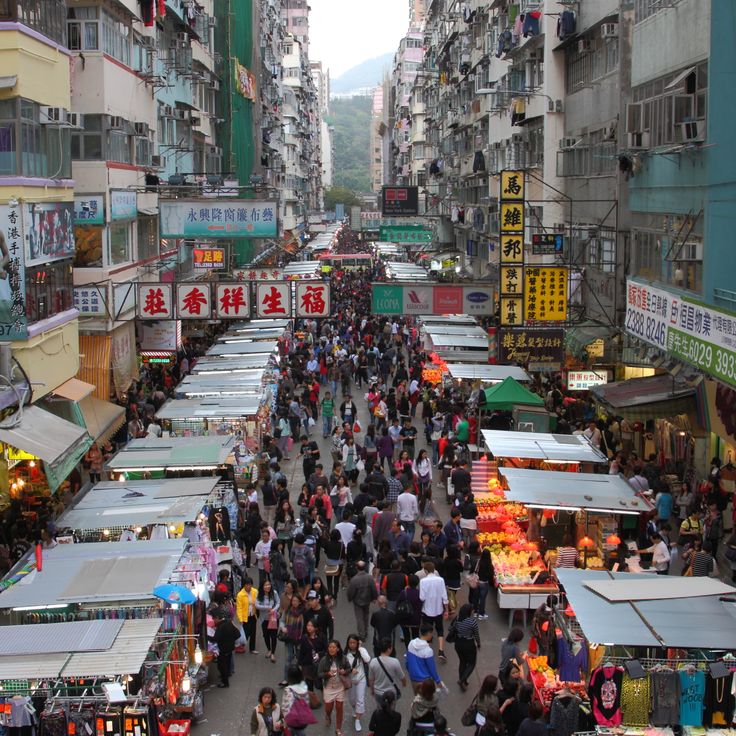
This street market in Mong Kok extends about half a mile (1 kilometer) along Tung Choi Street, offering hundreds of stalls selling clothing, bags, jewelry, accessories and electronic goods at competitive prices. The market draws both locals and visitors looking for fashion items and souvenirs. The densely packed stalls open daily from late morning through late evening, and bargaining is expected here.
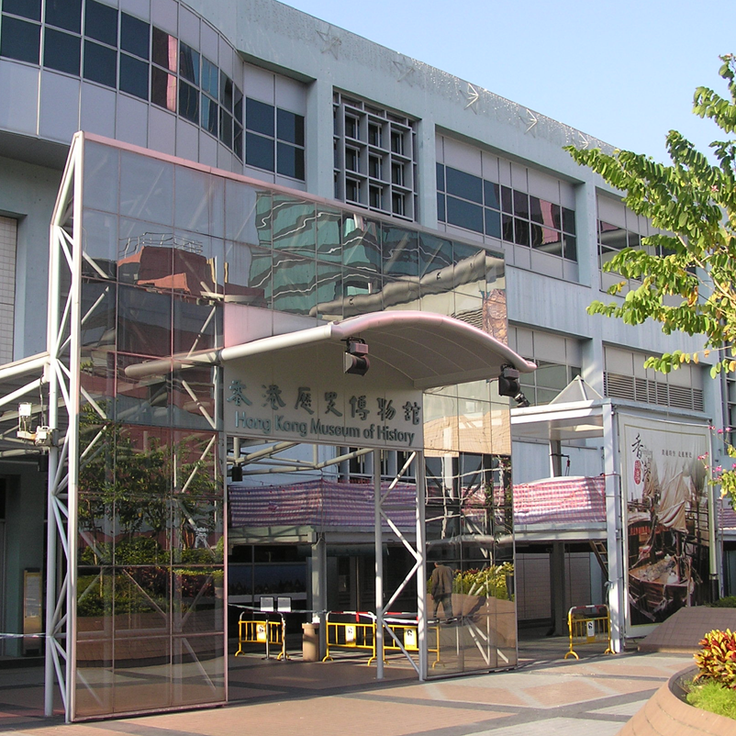
The museum documents 400 years of development from the Stone Age to the modern metropolis through artifacts, historical objects and multimedia installations. The permanent exhibition traces different epochs of the region and examines the colonial past as well as economic and social transformation. Thematic sections present traditional life, maritime history and the transition to an international financial center.
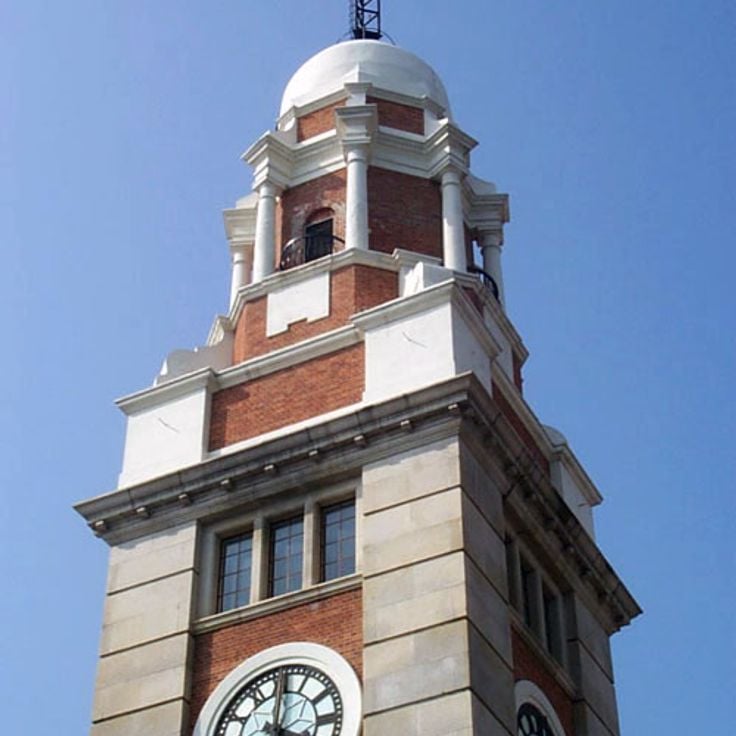
The 144-foot (44-meter) red brick tower was built in 1915 at the former Kowloon Station and stands today as an architectural remnant of British colonial rule in Hong Kong. The Clock Tower remains as the sole surviving structure of the Kowloon-Canton Railway Terminal Station and serves as a landmark along the Tsim Sha Tsui waterfront.
This park covers 20 acres (8 hectares) in the heart of Central, combining green spaces with water features including ponds and fountains. The grounds include an aviary housing over 80 bird species, a conservatory for tropical plants, and a tai chi garden used daily by local practitioners. The contrast between the surrounding towers and the natural setting provides a break from the urban pace.
Ocean Park occupies more than 225 acres (90 hectares) along the southern shore of the island, combining marine exhibits with theme park attractions. The site hosts giant pandas, Indo-Pacific bottlenose dolphins and over 400 fish species across zones linked by a cable car system. The grounds span two levels, with the upper section including roller coasters and viewpoints overlooking the South China Sea.
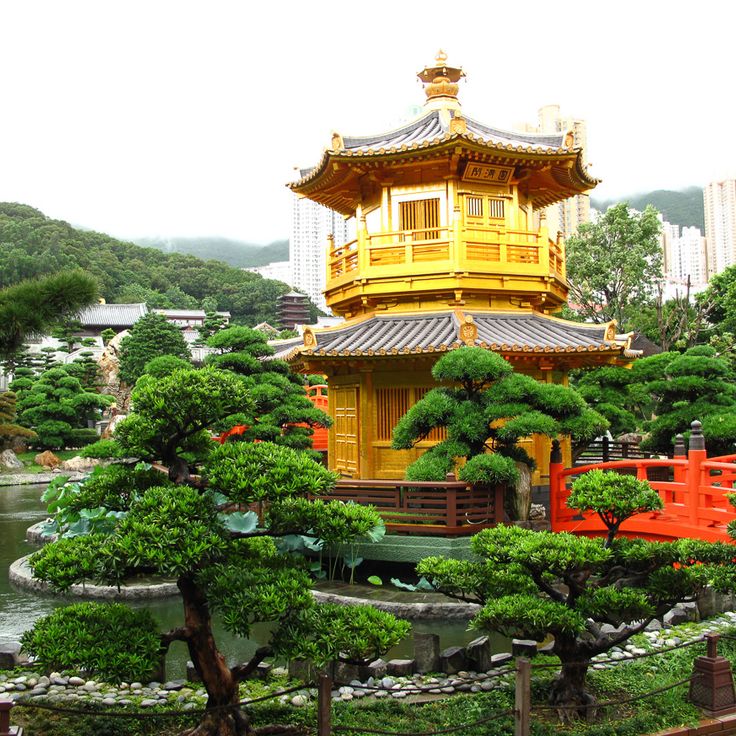
The Nan Lian Garden follows Tang Dynasty design principles and covers 8.6 acres (3.5 hectares) in Diamond Hill. The garden presents timber pavilions, koi ponds, pines, willows and over a hundred bonsai trees of various species. In the southern section stands the Chi Lin Nunnery with its golden pagoda and several Buddhist temple halls. Stone pathways connect the different areas, while water features and traditional Chinese architecture shape the overall setting.
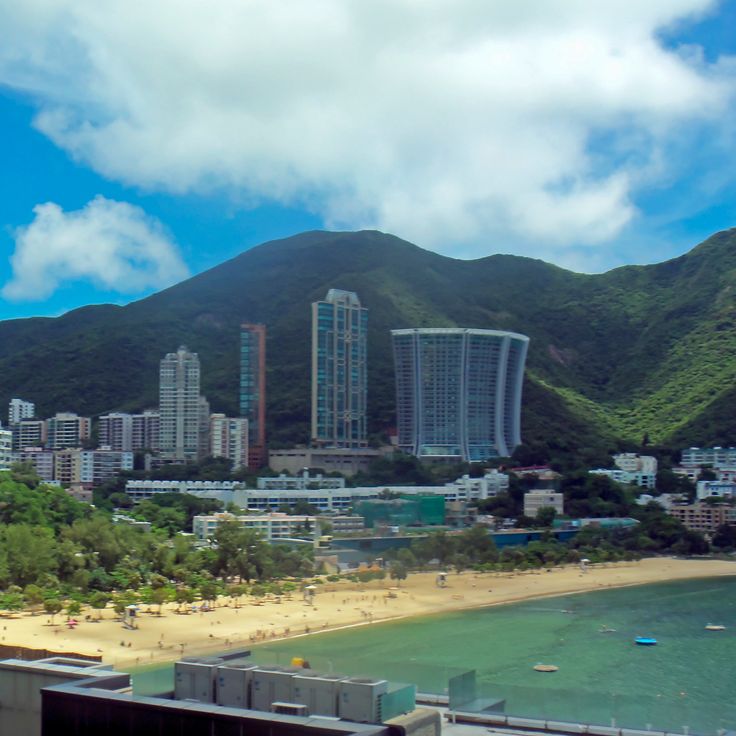
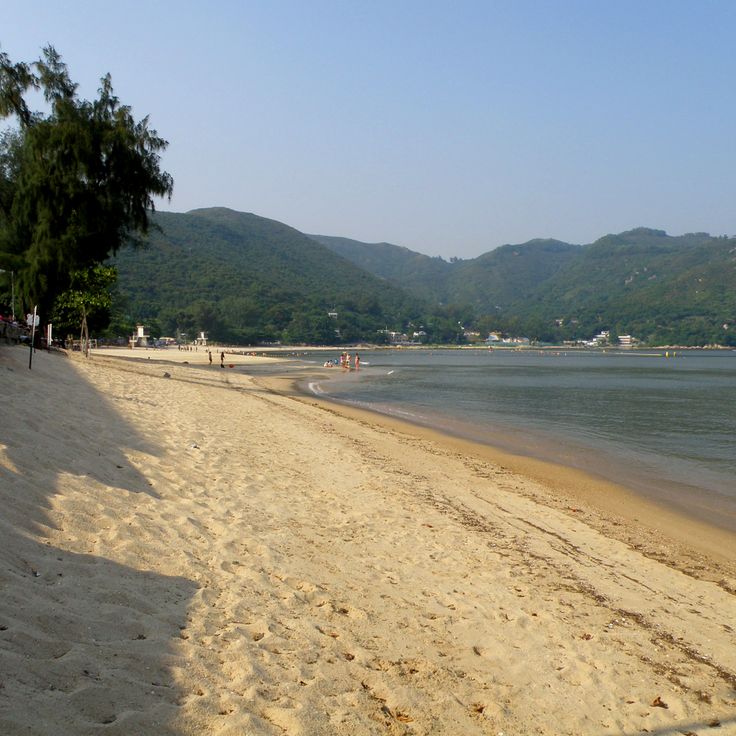
This bay on Hong Kong's southern shore offers a long sand beach that stretches along the coast. The water invites swimming, while forested hills behind provide a natural backdrop. Several Chinese temples and statues stand along the shore, giving Repulse Bay a cultural dimension alongside its function as a bathing beach.
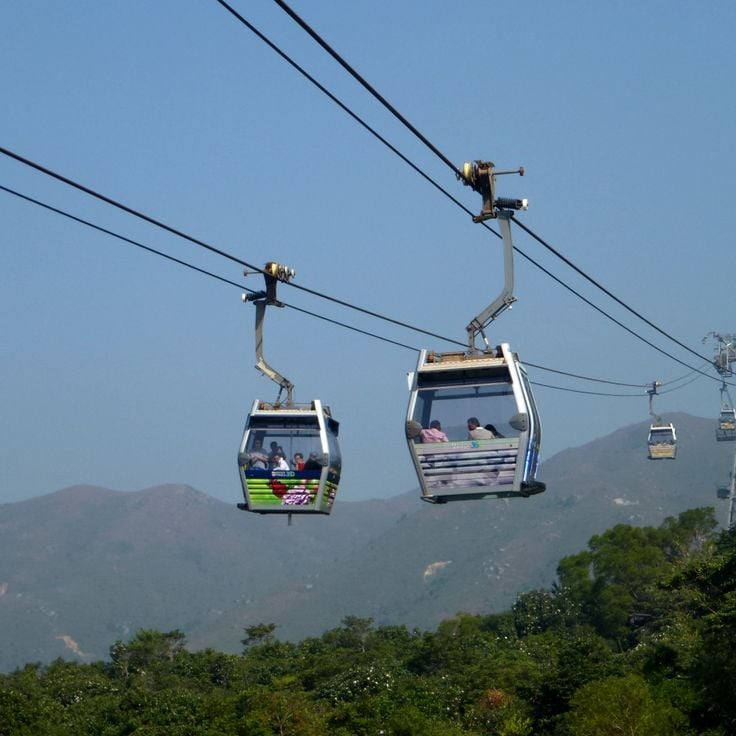
This cable car connects Tung Chung with Ngong Ping plateau across 3.5 miles (5.7 kilometers) on Lantau Island, providing views of forested mountains, the South China Sea and the nearby airport during the 25-minute journey, with access to Po Lin Monastery and Tian Tan Buddha at the upper station.
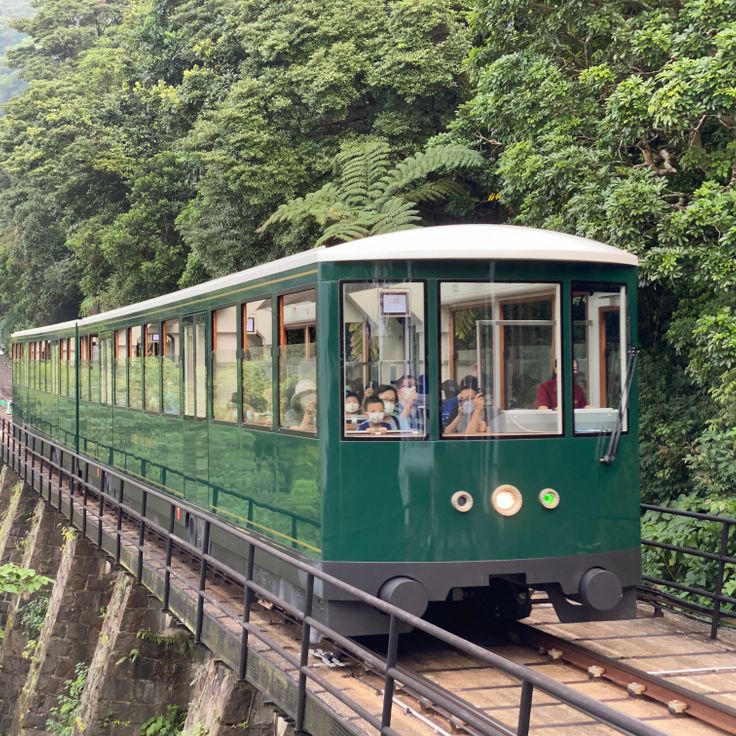
This funicular railway has operated since 1888 between Central and Victoria Peak, climbing 1300 feet (400 meters) in elevation. The winding route travels through the steep terrain of the island, offering changing perspectives of the city and harbor during the journey. The railway transports thousands of visitors daily to the highest mountain on the island, where observation points and dining facilities are located. The cars operate using a cable-hauled system and follow a route with several tunnel sections and bridges.
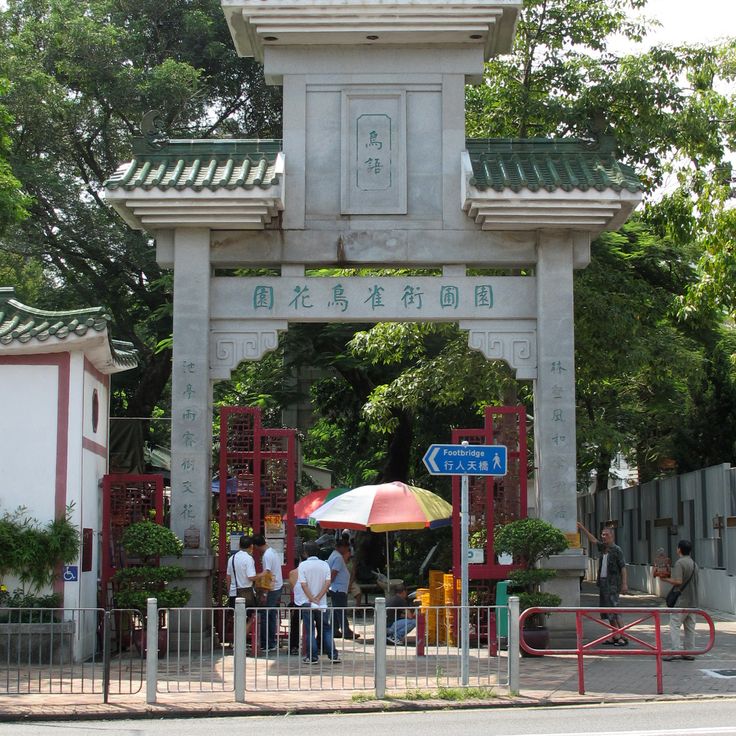
This traditional market in Mong Kok gathers vendors selling songbirds in bamboo cages. The site combines stalls with a Chinese garden where pavilions provide shade. Visitors observe various bird species while owners hang their cages and purchase feed and accessories. The market demonstrates a Hong Kong tradition where older residents bring their birds for singing sessions and social gatherings.
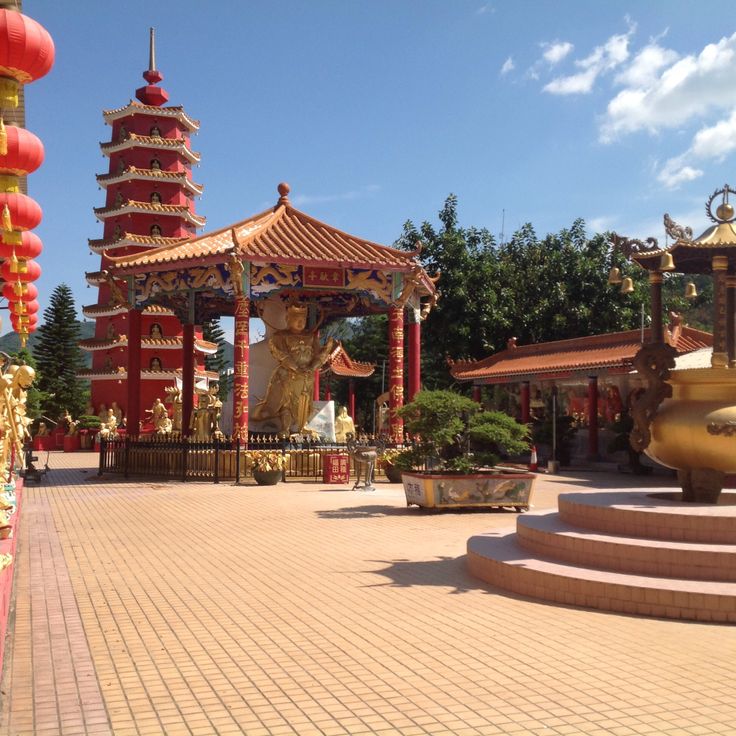
This monastery houses over 13,000 gilded and ceramic Buddha statues distributed across five hillside levels. Located in Sha Tin, the complex combines religious devotion with Chinese craftsmanship. A steep path lined with hundreds of Buddha figures leads to the main temple.
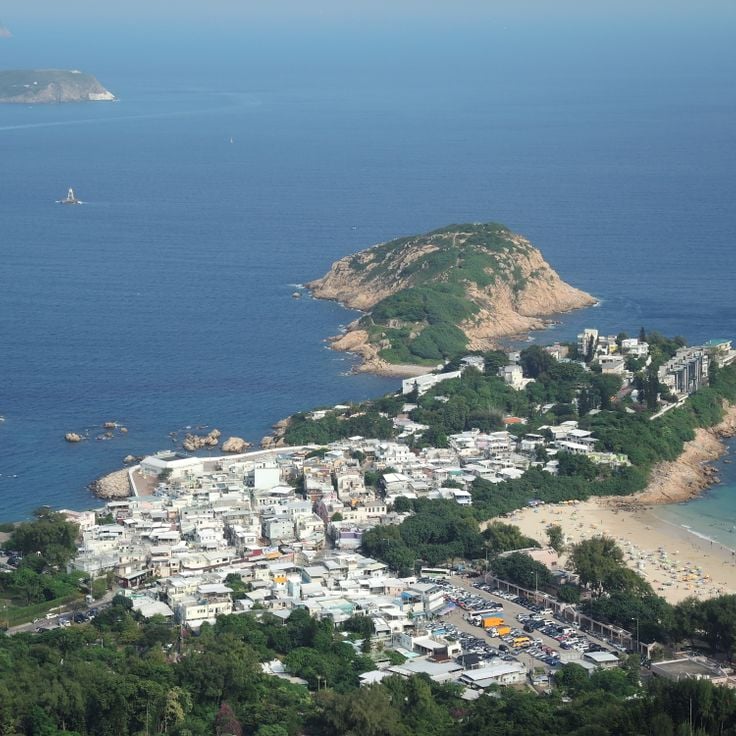
The Dragon's Back follows 8.5 kilometers (5.3 miles) of ridgeline across several hills on Hong Kong Island, offering views of the southern coastline, sandy beaches including Shek O and Big Wave Bay, and offshore islands in the South China Sea. The trail begins at Shek O Peak and runs along gently rolling crests before descending to Tai Long Wan. The route combines open grassland sections with forested areas and ranks among the more accessible highland walks in the territory.
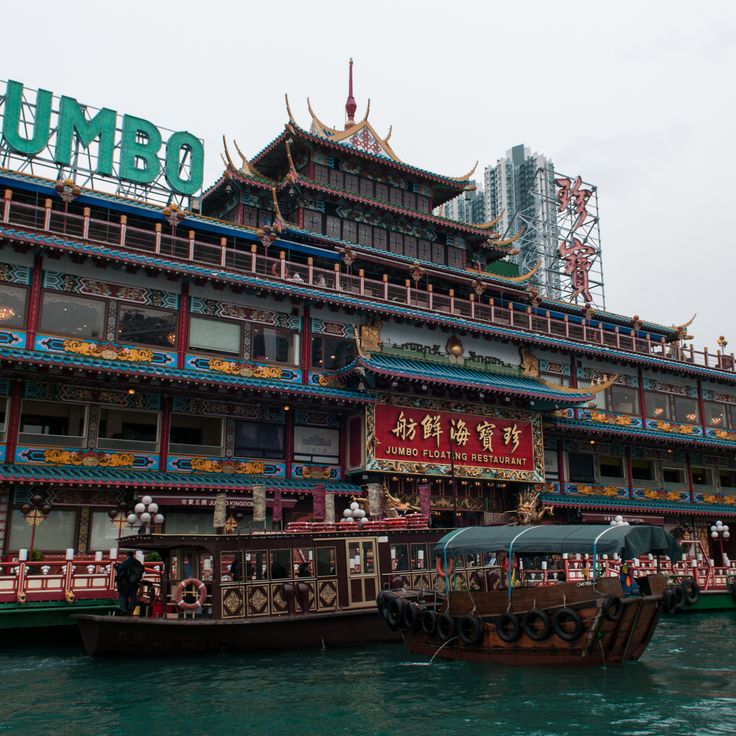
This multi-story floating restaurant serves Cantonese seafood beneath green and red pagoda roofs. The structure embodies traditional Chinese architectural design with its tiered eaves and colorful ornamentation, while the menu focuses on steamed, fried and grilled seafood dishes prepared according to Cantonese cooking methods.
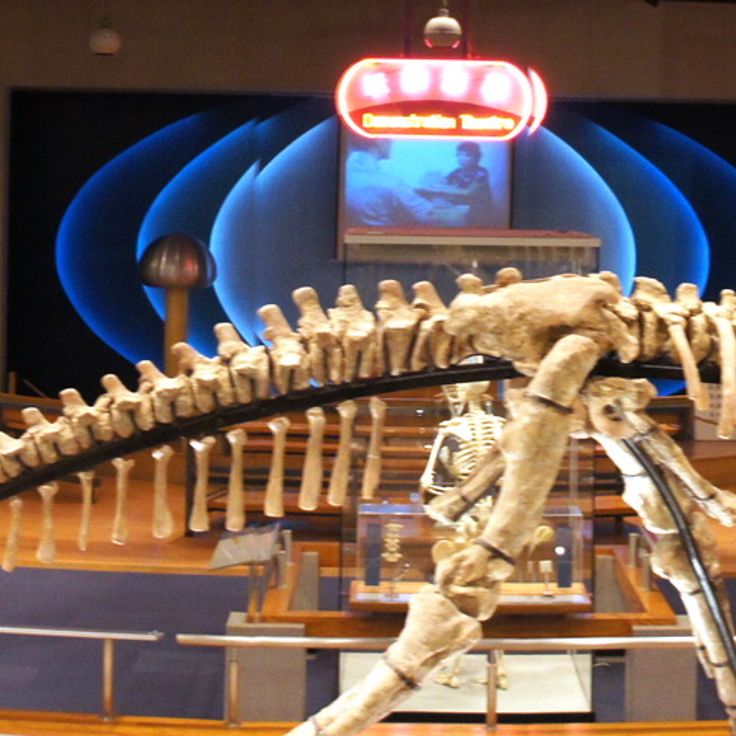
The museum presents 500 exhibits covering physics, robotics, transportation and biology. Visitors conduct hands-on experiments and learn about scientific principles. The displays connect theoretical knowledge with practical application and serve all age groups.
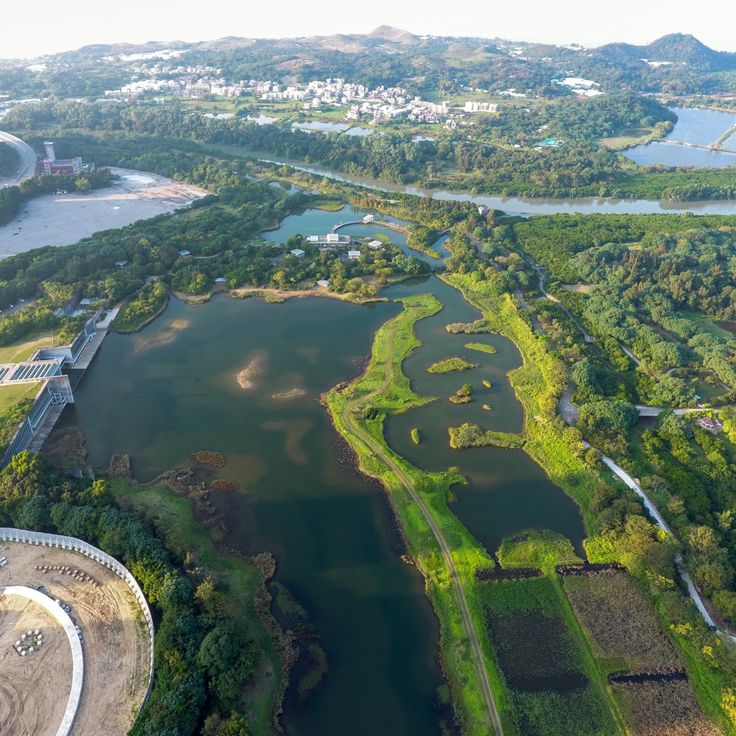
The Hong Kong Wetland Park covers 60 hectares (150 acres) and supports over 200 bird species along with various amphibians. The reserve includes mangrove stands and wetland zones that serve as stopover and breeding sites for migratory birds. Visitor centers provide ecology exhibits and observation platforms allow views of the wildlife.
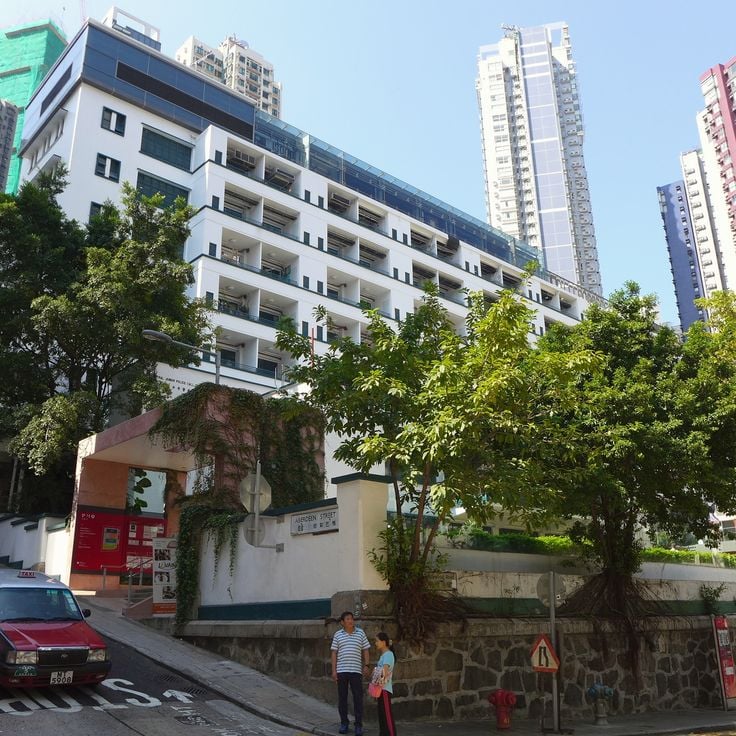
The PMQ occupies a former police married quarters complex, converted into a hub for local designers and creative enterprises. The mid-20th century buildings now house over one hundred studios, workshops and boutiques showcasing fashion, jewelry, home goods and handcrafted items. Several restaurants and cafés operate on site. The complex preserves its original architectural character while serving as a platform for Hong Kong's contemporary design community. Visitors can browse the studios, attend exhibitions and observe craftspeople at work.
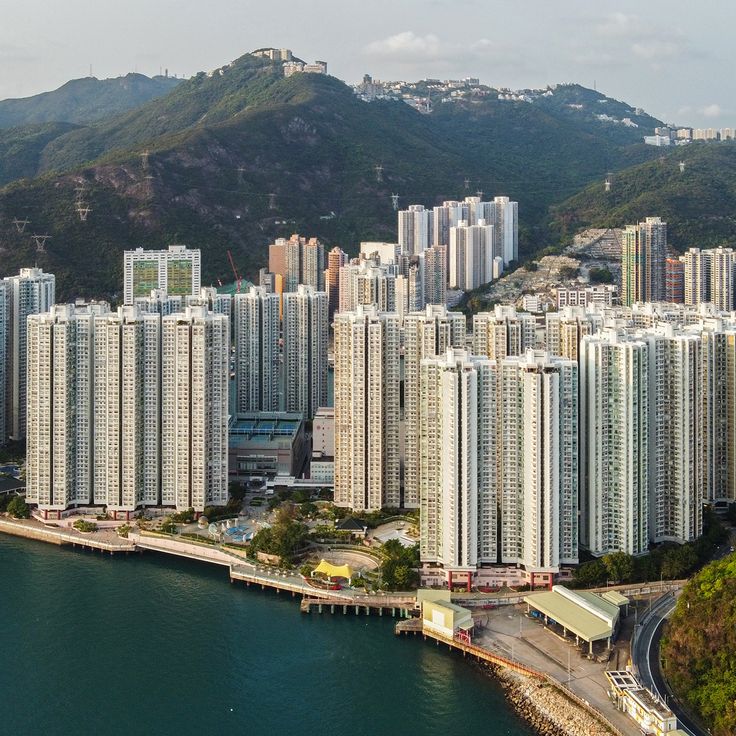
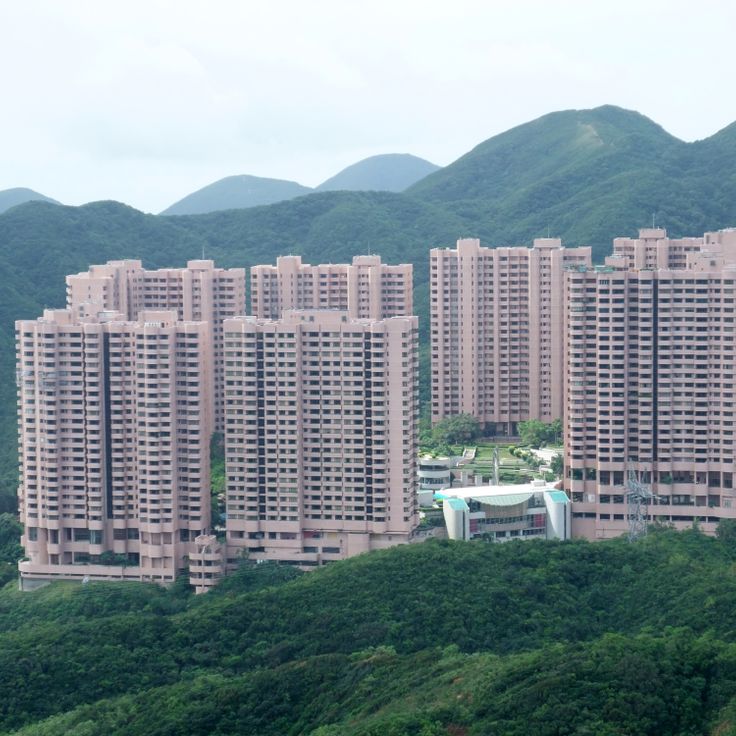
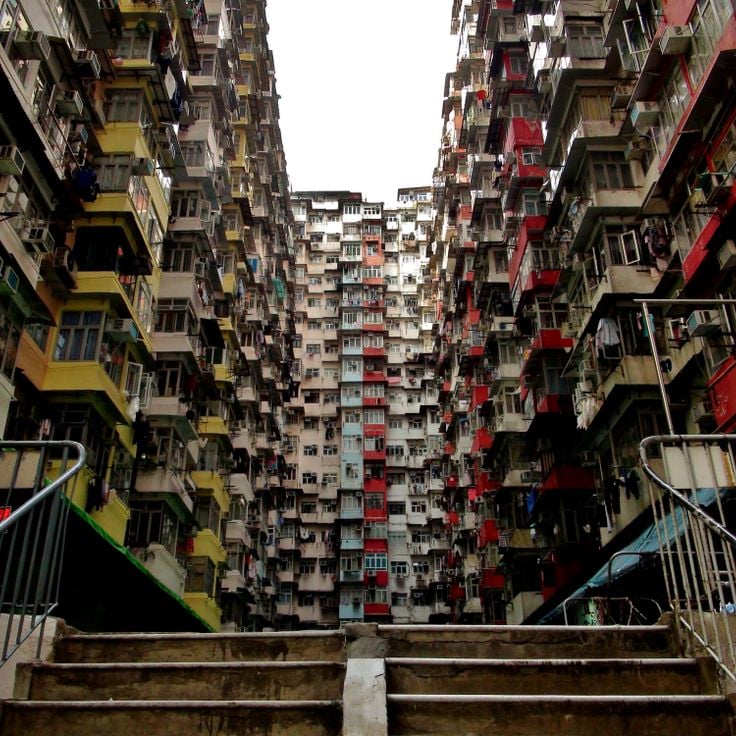
The Yick Fat Building is a residential complex of five connected towers containing approximately 1,000 apartments in the Eastern District. The structure demonstrates typical housing solutions in Hong Kong, where limited land area has led to compact vertical development. The narrow corridors between buildings and the dense arrangement of units illustrate daily life in this densely populated city. Visitors can observe the characteristic architecture from outside and gain perspective on urban living conditions in Hong Kong.
Kowloon City is a neighborhood known for its diverse food scene. Restaurants and eateries serve Thai, Vietnamese and Cantonese dishes. The area attracts locals and visitors seeking regional specialties and authentic Asian cuisine. Street markets and small establishments shape the culinary offerings.
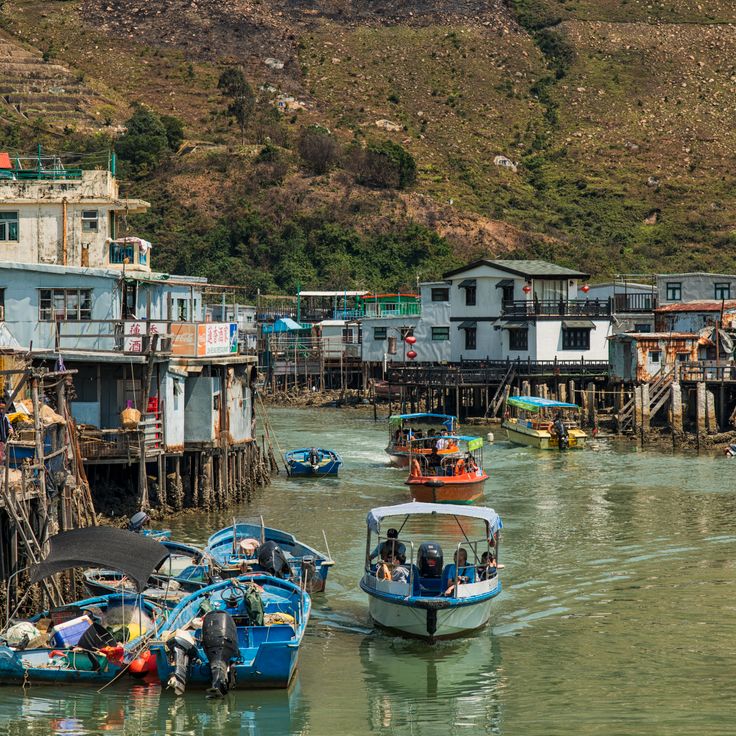
Tai O sits on the western coast of Lantau Island and shows life in a traditional fishing village. The settlement spreads across several small channels lined with houses on stilts. Residents sell dried fish and shrimp paste in small shops along the main street. Some families continue to live in the stilt houses, which connect through narrow wooden walkways. Visitors can take small boats through the waterways to observe the construction methods up close.
Silvermine Bay Beach in Mui Wo stretches along the eastern shore of Lantau Island, serving as the main swimming area for the island community. The beach features a wide sand section facing the outlying islands and the ferries that operate between Mui Wo and Central. Lifeguards monitor the swimming area during summer months, and changing rooms and toilets are available on site. The proximity to the ferry pier makes this beach a practical destination for day visitors from the city.
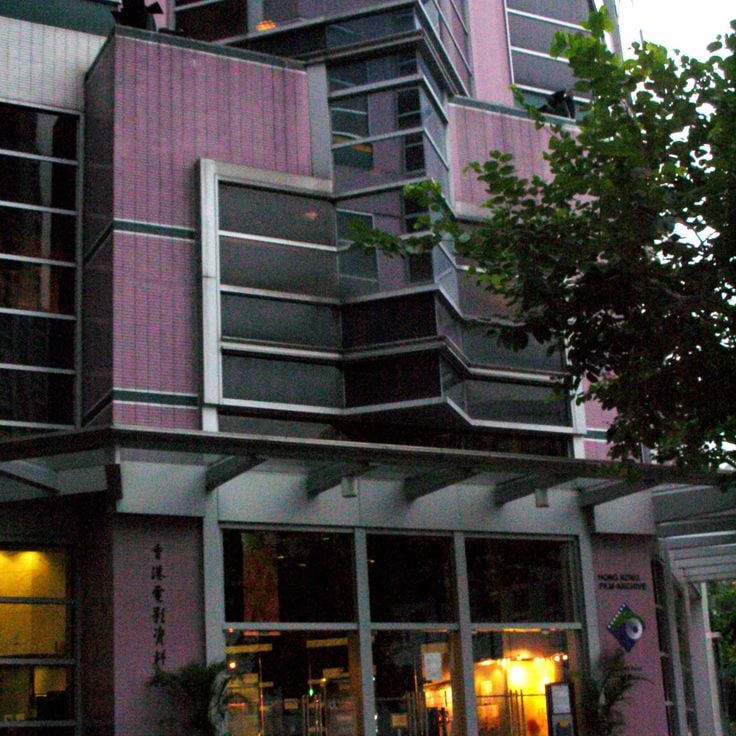
The Hong Kong Film Archive preserves the city's cinematic heritage and presents collections on the local film industry. The institute provides access to historical productions, documents developments in regional cinema and organizes screenings. The facility serves as a research center for film scholars and interested visitors.
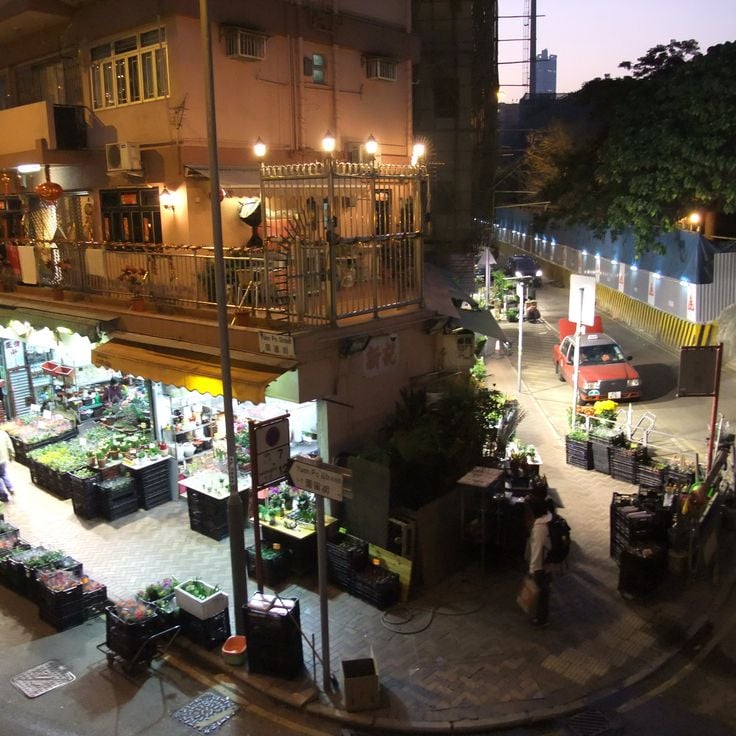
This flower market stretches across several streets with shops and stalls selling cut flowers, potted plants, bonsai trees and gardening supplies. The selection ranges from everyday blooms to rare orchids and ornamental plants traditionally used in Chinese culture. The market sees heavy foot traffic on weekends and before festivals when locals purchase arrangements for ceremonies or home decoration.
This island south of Hong Kong Island houses 86,000 residents across 0.5 square miles (1.3 square kilometers). Ap Lei Chau features residential towers and an industrial zone that once served fishing and boatbuilding trades. The dense development makes the island one of the most populated places globally by area. A bridge connects Ap Lei Chau to Aberdeen on Hong Kong Island.
Pic Victoria rises 552 meters (1,811 feet) above Hong Kong Island, making it the highest point in the territory. The summit provides expansive views across the city's skyline, Victoria Harbour and the outlying islands. A historic funicular railway has connected the peak to the Central district since 1888. Multiple observation points and hiking trails allow visitors to take in the urban sprawl below and understand the island's topography. The mountain has served as a residential area and recreational destination since colonial times.
This bronze statue sits on a lotus throne at 34 meters (112 feet) high and weighs around 250 tons. The seated Buddha figure is reached by climbing 268 steps to the plateau. The Tian Tan Buddha combines Chinese craftsmanship with Buddhist symbolism and stands in the forested landscape of Lantau, where monasteries and hiking trails shape the surroundings.
This ferry service has connected Hong Kong Island and Kowloon across Victoria Harbour since 1888, carrying thousands of passengers daily on the short route between the two urban centers. The crossing takes about eight minutes and provides a practical view of the skyline and harbor activity. The fleet consists of twelve double-deck ferries painted in green and white. Star Ferry ranks among the oldest operating ferry services worldwide and has established itself as a fixed component of Hong Kong's public transportation system.
The Temple Street Night Market opens daily at 6 PM and sells souvenirs, clothing, electronics and street food until midnight. Vendors set up their stalls along the street, creating a typical Hong Kong street market environment. Beyond the merchandise, visitors find fortune tellers and occasional street performers. The market stretches several blocks through Yau Ma Tei and attracts both locals and tourists looking for affordable goods and authentic street food. Haggling is common practice, and the selection ranges from inexpensive trinkets to secondhand electronics.
Disneyland Hong Kong spans seven themed areas on Lantau Island, featuring rides, roller coasters and daily parades with Disney characters. The park combines American entertainment concepts with regional touches and draws families from across the region. Located about 19 miles (30 kilometers) from the city center, the complex connects to Hong Kong via the MTR rail system.
Lan Kwai Fong is a dining and entertainment district in Central featuring numerous restaurants, bars and clubs that draw locals and visitors from across the city. The narrow lanes fill with crowds in the evening as people gather at the various establishments to eat and drink. This area developed in the 1980s into the city's main nightlife hub and now offers a mix of Western and Asian dining and drinking venues.
This Taoist temple in Kowloon draws daily crowds of worshippers and visitors who come to pray at ornately decorated altars and light incense sticks. The Wong Tai Sin combines Taoist, Buddhist and Confucian elements in its architecture and rituals. The complex includes multiple prayer halls, a traditional Chinese garden and an arcade where fortune tellers offer their services. Founded in 1921, the temple honors the monk Wong Tai Sin, revered for his healing powers.
This street market in Mong Kok extends about half a mile (1 kilometer) along Tung Choi Street, offering hundreds of stalls selling clothing, bags, jewelry, accessories and electronic goods at competitive prices. The market draws both locals and visitors looking for fashion items and souvenirs. The densely packed stalls open daily from late morning through late evening, and bargaining is expected here.
The museum documents 400 years of development from the Stone Age to the modern metropolis through artifacts, historical objects and multimedia installations. The permanent exhibition traces different epochs of the region and examines the colonial past as well as economic and social transformation. Thematic sections present traditional life, maritime history and the transition to an international financial center.
The 144-foot (44-meter) red brick tower was built in 1915 at the former Kowloon Station and stands today as an architectural remnant of British colonial rule in Hong Kong. The Clock Tower remains as the sole surviving structure of the Kowloon-Canton Railway Terminal Station and serves as a landmark along the Tsim Sha Tsui waterfront.
This park covers 20 acres (8 hectares) in the heart of Central, combining green spaces with water features including ponds and fountains. The grounds include an aviary housing over 80 bird species, a conservatory for tropical plants, and a tai chi garden used daily by local practitioners. The contrast between the surrounding towers and the natural setting provides a break from the urban pace.
Ocean Park occupies more than 225 acres (90 hectares) along the southern shore of the island, combining marine exhibits with theme park attractions. The site hosts giant pandas, Indo-Pacific bottlenose dolphins and over 400 fish species across zones linked by a cable car system. The grounds span two levels, with the upper section including roller coasters and viewpoints overlooking the South China Sea.
The Nan Lian Garden follows Tang Dynasty design principles and covers 8.6 acres (3.5 hectares) in Diamond Hill. The garden presents timber pavilions, koi ponds, pines, willows and over a hundred bonsai trees of various species. In the southern section stands the Chi Lin Nunnery with its golden pagoda and several Buddhist temple halls. Stone pathways connect the different areas, while water features and traditional Chinese architecture shape the overall setting.
This bay on Hong Kong's southern shore offers a long sand beach that stretches along the coast. The water invites swimming, while forested hills behind provide a natural backdrop. Several Chinese temples and statues stand along the shore, giving Repulse Bay a cultural dimension alongside its function as a bathing beach.
This cable car connects Tung Chung with Ngong Ping plateau across 3.5 miles (5.7 kilometers) on Lantau Island, providing views of forested mountains, the South China Sea and the nearby airport during the 25-minute journey, with access to Po Lin Monastery and Tian Tan Buddha at the upper station.
This funicular railway has operated since 1888 between Central and Victoria Peak, climbing 1300 feet (400 meters) in elevation. The winding route travels through the steep terrain of the island, offering changing perspectives of the city and harbor during the journey. The railway transports thousands of visitors daily to the highest mountain on the island, where observation points and dining facilities are located. The cars operate using a cable-hauled system and follow a route with several tunnel sections and bridges.
This traditional market in Mong Kok gathers vendors selling songbirds in bamboo cages. The site combines stalls with a Chinese garden where pavilions provide shade. Visitors observe various bird species while owners hang their cages and purchase feed and accessories. The market demonstrates a Hong Kong tradition where older residents bring their birds for singing sessions and social gatherings.
This monastery houses over 13,000 gilded and ceramic Buddha statues distributed across five hillside levels. Located in Sha Tin, the complex combines religious devotion with Chinese craftsmanship. A steep path lined with hundreds of Buddha figures leads to the main temple.
The Dragon's Back follows 8.5 kilometers (5.3 miles) of ridgeline across several hills on Hong Kong Island, offering views of the southern coastline, sandy beaches including Shek O and Big Wave Bay, and offshore islands in the South China Sea. The trail begins at Shek O Peak and runs along gently rolling crests before descending to Tai Long Wan. The route combines open grassland sections with forested areas and ranks among the more accessible highland walks in the territory.
This multi-story floating restaurant serves Cantonese seafood beneath green and red pagoda roofs. The structure embodies traditional Chinese architectural design with its tiered eaves and colorful ornamentation, while the menu focuses on steamed, fried and grilled seafood dishes prepared according to Cantonese cooking methods.
The museum presents 500 exhibits covering physics, robotics, transportation and biology. Visitors conduct hands-on experiments and learn about scientific principles. The displays connect theoretical knowledge with practical application and serve all age groups.
The Hong Kong Wetland Park covers 60 hectares (150 acres) and supports over 200 bird species along with various amphibians. The reserve includes mangrove stands and wetland zones that serve as stopover and breeding sites for migratory birds. Visitor centers provide ecology exhibits and observation platforms allow views of the wildlife.
The PMQ occupies a former police married quarters complex, converted into a hub for local designers and creative enterprises. The mid-20th century buildings now house over one hundred studios, workshops and boutiques showcasing fashion, jewelry, home goods and handcrafted items. Several restaurants and cafés operate on site. The complex preserves its original architectural character while serving as a platform for Hong Kong's contemporary design community. Visitors can browse the studios, attend exhibitions and observe craftspeople at work.
The Yick Fat Building is a residential complex of five connected towers containing approximately 1,000 apartments in the Eastern District. The structure demonstrates typical housing solutions in Hong Kong, where limited land area has led to compact vertical development. The narrow corridors between buildings and the dense arrangement of units illustrate daily life in this densely populated city. Visitors can observe the characteristic architecture from outside and gain perspective on urban living conditions in Hong Kong.
Kowloon City is a neighborhood known for its diverse food scene. Restaurants and eateries serve Thai, Vietnamese and Cantonese dishes. The area attracts locals and visitors seeking regional specialties and authentic Asian cuisine. Street markets and small establishments shape the culinary offerings.
Tai O sits on the western coast of Lantau Island and shows life in a traditional fishing village. The settlement spreads across several small channels lined with houses on stilts. Residents sell dried fish and shrimp paste in small shops along the main street. Some families continue to live in the stilt houses, which connect through narrow wooden walkways. Visitors can take small boats through the waterways to observe the construction methods up close.
Silvermine Bay Beach in Mui Wo stretches along the eastern shore of Lantau Island, serving as the main swimming area for the island community. The beach features a wide sand section facing the outlying islands and the ferries that operate between Mui Wo and Central. Lifeguards monitor the swimming area during summer months, and changing rooms and toilets are available on site. The proximity to the ferry pier makes this beach a practical destination for day visitors from the city.
The Hong Kong Film Archive preserves the city's cinematic heritage and presents collections on the local film industry. The institute provides access to historical productions, documents developments in regional cinema and organizes screenings. The facility serves as a research center for film scholars and interested visitors.
This flower market stretches across several streets with shops and stalls selling cut flowers, potted plants, bonsai trees and gardening supplies. The selection ranges from everyday blooms to rare orchids and ornamental plants traditionally used in Chinese culture. The market sees heavy foot traffic on weekends and before festivals when locals purchase arrangements for ceremonies or home decoration.
This island south of Hong Kong Island houses 86,000 residents across 0.5 square miles (1.3 square kilometers). Ap Lei Chau features residential towers and an industrial zone that once served fishing and boatbuilding trades. The dense development makes the island one of the most populated places globally by area. A bridge connects Ap Lei Chau to Aberdeen on Hong Kong Island.
Pic Victoria rises 552 meters (1,811 feet) above Hong Kong Island, making it the highest point in the territory. The summit provides expansive views across the city's skyline, Victoria Harbour and the outlying islands. A historic funicular railway has connected the peak to the Central district since 1888. Multiple observation points and hiking trails allow visitors to take in the urban sprawl below and understand the island's topography. The mountain has served as a residential area and recreational destination since colonial times.
This bronze statue sits on a lotus throne at 34 meters (112 feet) high and weighs around 250 tons. The seated Buddha figure is reached by climbing 268 steps to the plateau. The Tian Tan Buddha combines Chinese craftsmanship with Buddhist symbolism and stands in the forested landscape of Lantau, where monasteries and hiking trails shape the surroundings.
This ferry service has connected Hong Kong Island and Kowloon across Victoria Harbour since 1888, carrying thousands of passengers daily on the short route between the two urban centers. The crossing takes about eight minutes and provides a practical view of the skyline and harbor activity. The fleet consists of twelve double-deck ferries painted in green and white. Star Ferry ranks among the oldest operating ferry services worldwide and has established itself as a fixed component of Hong Kong's public transportation system.
The Temple Street Night Market opens daily at 6 PM and sells souvenirs, clothing, electronics and street food until midnight. Vendors set up their stalls along the street, creating a typical Hong Kong street market environment. Beyond the merchandise, visitors find fortune tellers and occasional street performers. The market stretches several blocks through Yau Ma Tei and attracts both locals and tourists looking for affordable goods and authentic street food. Haggling is common practice, and the selection ranges from inexpensive trinkets to secondhand electronics.
Disneyland Hong Kong spans seven themed areas on Lantau Island, featuring rides, roller coasters and daily parades with Disney characters. The park combines American entertainment concepts with regional touches and draws families from across the region. Located about 19 miles (30 kilometers) from the city center, the complex connects to Hong Kong via the MTR rail system.
Lan Kwai Fong is a dining and entertainment district in Central featuring numerous restaurants, bars and clubs that draw locals and visitors from across the city. The narrow lanes fill with crowds in the evening as people gather at the various establishments to eat and drink. This area developed in the 1980s into the city's main nightlife hub and now offers a mix of Western and Asian dining and drinking venues.
This Taoist temple in Kowloon draws daily crowds of worshippers and visitors who come to pray at ornately decorated altars and light incense sticks. The Wong Tai Sin combines Taoist, Buddhist and Confucian elements in its architecture and rituals. The complex includes multiple prayer halls, a traditional Chinese garden and an arcade where fortune tellers offer their services. Founded in 1921, the temple honors the monk Wong Tai Sin, revered for his healing powers.
This street market in Mong Kok extends about half a mile (1 kilometer) along Tung Choi Street, offering hundreds of stalls selling clothing, bags, jewelry, accessories and electronic goods at competitive prices. The market draws both locals and visitors looking for fashion items and souvenirs. The densely packed stalls open daily from late morning through late evening, and bargaining is expected here.
The museum documents 400 years of development from the Stone Age to the modern metropolis through artifacts, historical objects and multimedia installations. The permanent exhibition traces different epochs of the region and examines the colonial past as well as economic and social transformation. Thematic sections present traditional life, maritime history and the transition to an international financial center.
The 144-foot (44-meter) red brick tower was built in 1915 at the former Kowloon Station and stands today as an architectural remnant of British colonial rule in Hong Kong. The Clock Tower remains as the sole surviving structure of the Kowloon-Canton Railway Terminal Station and serves as a landmark along the Tsim Sha Tsui waterfront.
This park covers 20 acres (8 hectares) in the heart of Central, combining green spaces with water features including ponds and fountains. The grounds include an aviary housing over 80 bird species, a conservatory for tropical plants, and a tai chi garden used daily by local practitioners. The contrast between the surrounding towers and the natural setting provides a break from the urban pace.
Ocean Park occupies more than 225 acres (90 hectares) along the southern shore of the island, combining marine exhibits with theme park attractions. The site hosts giant pandas, Indo-Pacific bottlenose dolphins and over 400 fish species across zones linked by a cable car system. The grounds span two levels, with the upper section including roller coasters and viewpoints overlooking the South China Sea.
The Nan Lian Garden follows Tang Dynasty design principles and covers 8.6 acres (3.5 hectares) in Diamond Hill. The garden presents timber pavilions, koi ponds, pines, willows and over a hundred bonsai trees of various species. In the southern section stands the Chi Lin Nunnery with its golden pagoda and several Buddhist temple halls. Stone pathways connect the different areas, while water features and traditional Chinese architecture shape the overall setting.
This bay on Hong Kong's southern shore offers a long sand beach that stretches along the coast. The water invites swimming, while forested hills behind provide a natural backdrop. Several Chinese temples and statues stand along the shore, giving Repulse Bay a cultural dimension alongside its function as a bathing beach.
This cable car connects Tung Chung with Ngong Ping plateau across 3.5 miles (5.7 kilometers) on Lantau Island, providing views of forested mountains, the South China Sea and the nearby airport during the 25-minute journey, with access to Po Lin Monastery and Tian Tan Buddha at the upper station.
This funicular railway has operated since 1888 between Central and Victoria Peak, climbing 1300 feet (400 meters) in elevation. The winding route travels through the steep terrain of the island, offering changing perspectives of the city and harbor during the journey. The railway transports thousands of visitors daily to the highest mountain on the island, where observation points and dining facilities are located. The cars operate using a cable-hauled system and follow a route with several tunnel sections and bridges.
This traditional market in Mong Kok gathers vendors selling songbirds in bamboo cages. The site combines stalls with a Chinese garden where pavilions provide shade. Visitors observe various bird species while owners hang their cages and purchase feed and accessories. The market demonstrates a Hong Kong tradition where older residents bring their birds for singing sessions and social gatherings.
This monastery houses over 13,000 gilded and ceramic Buddha statues distributed across five hillside levels. Located in Sha Tin, the complex combines religious devotion with Chinese craftsmanship. A steep path lined with hundreds of Buddha figures leads to the main temple.
The Dragon's Back follows 8.5 kilometers (5.3 miles) of ridgeline across several hills on Hong Kong Island, offering views of the southern coastline, sandy beaches including Shek O and Big Wave Bay, and offshore islands in the South China Sea. The trail begins at Shek O Peak and runs along gently rolling crests before descending to Tai Long Wan. The route combines open grassland sections with forested areas and ranks among the more accessible highland walks in the territory.
This multi-story floating restaurant serves Cantonese seafood beneath green and red pagoda roofs. The structure embodies traditional Chinese architectural design with its tiered eaves and colorful ornamentation, while the menu focuses on steamed, fried and grilled seafood dishes prepared according to Cantonese cooking methods.
The museum presents 500 exhibits covering physics, robotics, transportation and biology. Visitors conduct hands-on experiments and learn about scientific principles. The displays connect theoretical knowledge with practical application and serve all age groups.
The Hong Kong Wetland Park covers 60 hectares (150 acres) and supports over 200 bird species along with various amphibians. The reserve includes mangrove stands and wetland zones that serve as stopover and breeding sites for migratory birds. Visitor centers provide ecology exhibits and observation platforms allow views of the wildlife.
The PMQ occupies a former police married quarters complex, converted into a hub for local designers and creative enterprises. The mid-20th century buildings now house over one hundred studios, workshops and boutiques showcasing fashion, jewelry, home goods and handcrafted items. Several restaurants and cafés operate on site. The complex preserves its original architectural character while serving as a platform for Hong Kong's contemporary design community. Visitors can browse the studios, attend exhibitions and observe craftspeople at work.
The Yick Fat Building is a residential complex of five connected towers containing approximately 1,000 apartments in the Eastern District. The structure demonstrates typical housing solutions in Hong Kong, where limited land area has led to compact vertical development. The narrow corridors between buildings and the dense arrangement of units illustrate daily life in this densely populated city. Visitors can observe the characteristic architecture from outside and gain perspective on urban living conditions in Hong Kong.
Kowloon City is a neighborhood known for its diverse food scene. Restaurants and eateries serve Thai, Vietnamese and Cantonese dishes. The area attracts locals and visitors seeking regional specialties and authentic Asian cuisine. Street markets and small establishments shape the culinary offerings.
Tai O sits on the western coast of Lantau Island and shows life in a traditional fishing village. The settlement spreads across several small channels lined with houses on stilts. Residents sell dried fish and shrimp paste in small shops along the main street. Some families continue to live in the stilt houses, which connect through narrow wooden walkways. Visitors can take small boats through the waterways to observe the construction methods up close.
Silvermine Bay Beach in Mui Wo stretches along the eastern shore of Lantau Island, serving as the main swimming area for the island community. The beach features a wide sand section facing the outlying islands and the ferries that operate between Mui Wo and Central. Lifeguards monitor the swimming area during summer months, and changing rooms and toilets are available on site. The proximity to the ferry pier makes this beach a practical destination for day visitors from the city.
The Hong Kong Film Archive preserves the city's cinematic heritage and presents collections on the local film industry. The institute provides access to historical productions, documents developments in regional cinema and organizes screenings. The facility serves as a research center for film scholars and interested visitors.
This flower market stretches across several streets with shops and stalls selling cut flowers, potted plants, bonsai trees and gardening supplies. The selection ranges from everyday blooms to rare orchids and ornamental plants traditionally used in Chinese culture. The market sees heavy foot traffic on weekends and before festivals when locals purchase arrangements for ceremonies or home decoration.
This island south of Hong Kong Island houses 86,000 residents across 0.5 square miles (1.3 square kilometers). Ap Lei Chau features residential towers and an industrial zone that once served fishing and boatbuilding trades. The dense development makes the island one of the most populated places globally by area. A bridge connects Ap Lei Chau to Aberdeen on Hong Kong Island.