See the monuments around you in AROpen chests in the app
Around Us is built for your phone — point your camera at the streets and discover the monuments and places around you in augmented reality.Around Us is built for your phone — chests unlock when you walk, explore and capture nearby places.
Vietnam preserves numerous military and prison sites that bear witness to the conflicts between 1955 and 1975. These facilities include defensive tunnel networks, converted colonial prisons, combat bases, and memorials. Visitors can trace the progression of the conflict across different regions of the country, from the Mekong Delta to northern provinces and the central highlands.
Notable locations include the Vinh Moc tunnels, where 60 families lived underground during bombings; Hoa Lo Prison in Hanoi, which recounts the country's prison history; and the War Remnants Museum in Ho Chi Minh City with its collections of equipment and documents from the era. The Khe Sanh base offers insight into military operations conducted near border areas, while the Son My memorial commemorates civilian casualties. These sites provide a direct perspective on a period that has significantly shaped Vietnam’s history and help visitors understand the ground realities beyond broad narratives.
Vietnam preserves numerous military and prison sites that bear witness to the conflicts between 1955 and 1975. These facilities include defensive tunnel networks, converted colonial prisons, combat bases, and memorials. Visitors can trace the progression of the conflict across different regions of the country, from the Mekong Delta to northern provinces and the central highlands.
Notable locations include the Vinh Moc tunnels, where 60 families lived underground during bombings; Hoa Lo Prison in Hanoi, which recounts the country's prison history; and the War Remnants Museum in Ho Chi Minh City with its collections of equipment and documents from the era. The Khe Sanh base offers insight into military operations conducted near border areas, while the Son My memorial commemorates civilian casualties. These sites provide a direct perspective on a period that has significantly shaped Vietnam’s history and help visitors understand the ground realities beyond broad narratives.
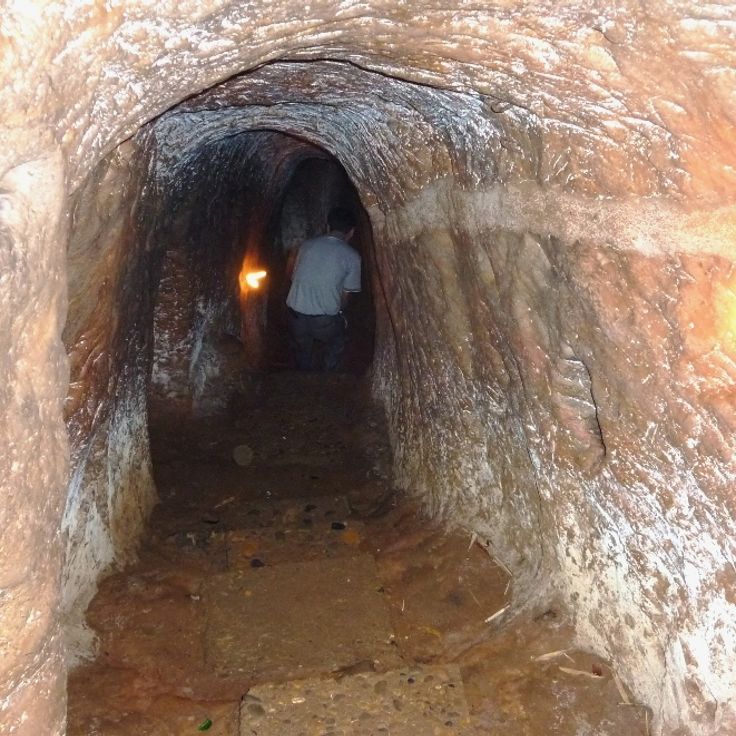
The Vinh Moc tunnels formed an underground shelter system for civilians during the bombing campaigns between 1966 and 1972. The network spans three levels and reaches depths of 75 feet (23 meters) below the surface. About 60 families lived in the 1.7 miles (2.8 kilometers) of passages, where they established living quarters, wells, medical stations and delivery rooms. The complex sits north of the demilitarized zone and also served as a supply route to offshore islands. Visitors can walk through the preserved tunnels today and understand the conditions under which residents spent several years underground while the conflict continued above them.
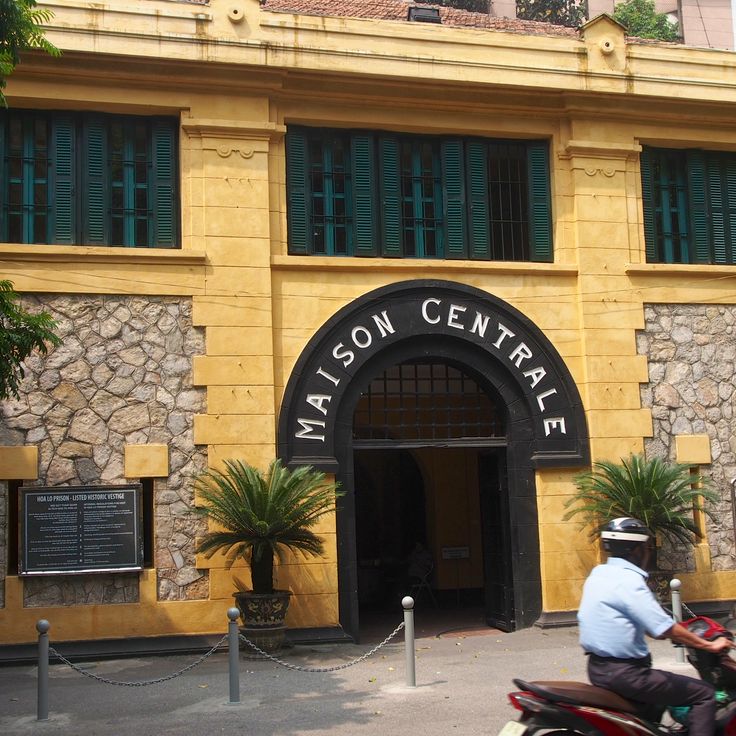
This detention facility in Hanoi was originally built in 1896 during French colonial rule and later held American prisoners of war during the Vietnam War. The museum now occupies the site and documents both periods of its operation, displaying the remaining cell blocks, interrogation rooms and communal areas. Exhibits include photographs, personal belongings of former inmates and reconstructed scenes showing detention conditions across different decades. The facility provides insight into Vietnamese penal practices and the treatment of military prisoners during the 1955-1975 conflict.
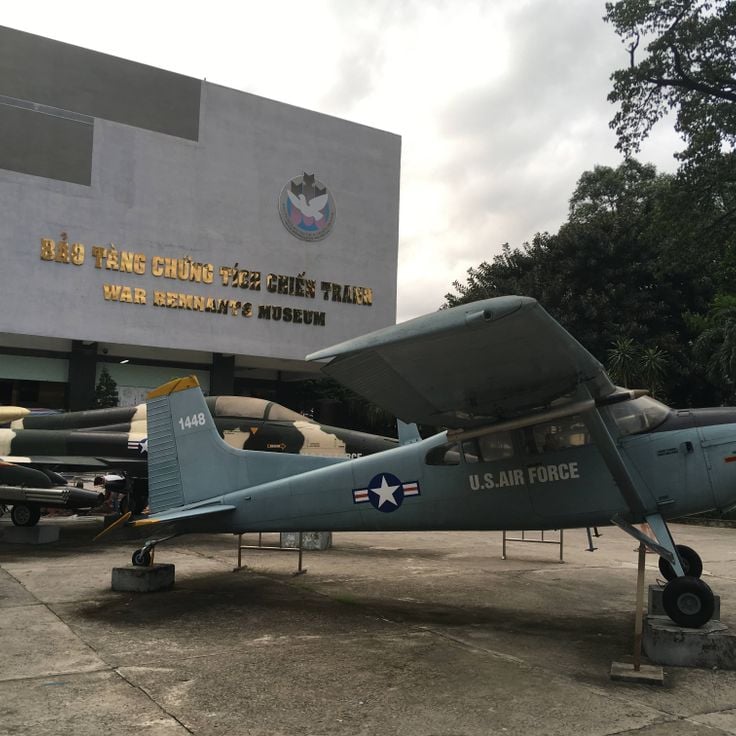
The museum displays military equipment, photographs and documents from the Vietnam War between 1955 and 1975. The collection includes tanks, aircraft and helicopters exhibited in the outdoor grounds, along with indoor sections documenting warfare tactics, weapons systems and civilian impact. Several exhibition areas address the use of chemical agents and their long-term consequences. The museum presents the military operations from a Vietnamese perspective and uses original objects and photographic evidence to illustrate the different phases of the conflict.
The Musée du Triomphe B-52 documents Hanoi's air defense during the Vietnam War with a collection of aircraft wreckage, missile defense systems and military equipment. The exhibition displays fragments from downed American B-52 bombers, anti-aircraft artillery and documents related to air operations over the city. This museum is among the military sites that bear witness to the conflict between 1955 and 1975 and conveys the technical aspects of air defense in the capital region.
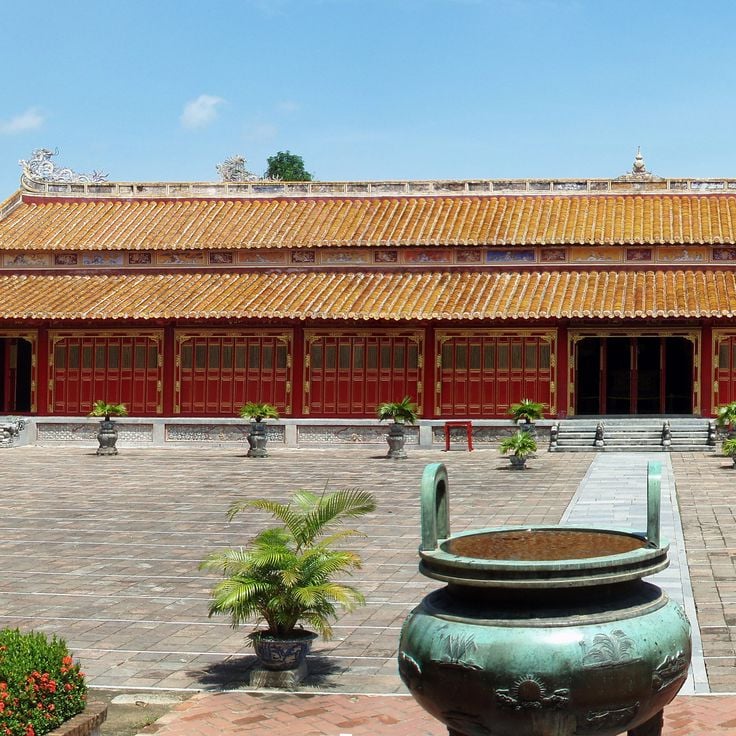
This citadel in Thua Thien Hue served as the site of the heaviest urban fighting during the Tet Offensive in February 1968, when North Vietnamese forces occupied the city and held it for 24 days. The historic complex sustained major damage from artillery fire and aerial bombardment during U.S. and South Vietnamese efforts to retake the city. Visitors today can observe the impact of these battles on the walls, temples and palaces, which have been partially restored since the conflict. The site demonstrates the military importance of Hue during the Vietnam War and documents the cost to the country's historic heritage during the fighting.
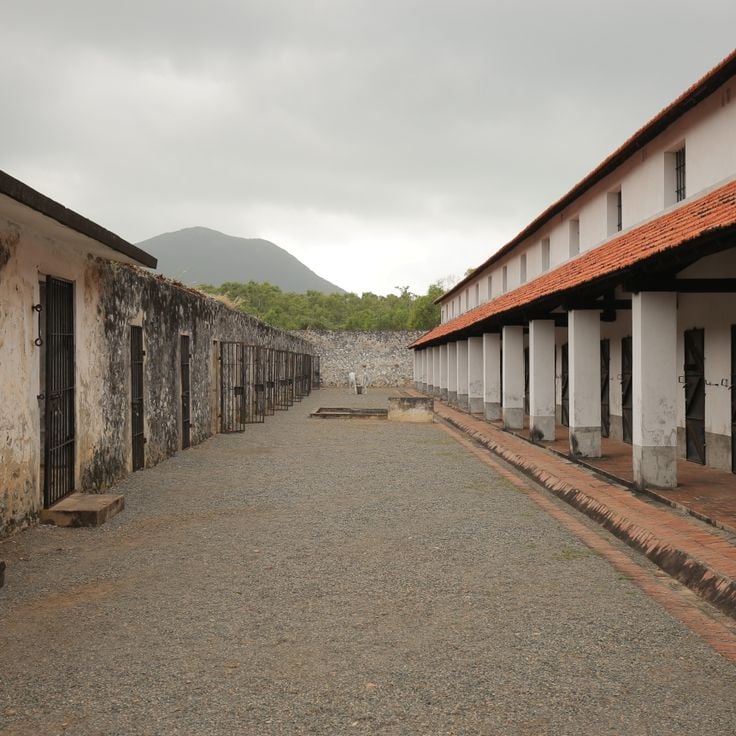
The Con Dao prison complex sits on Côn Sơn Island off the southern Vietnamese coast and documents the history of political imprisonment through successive conflict periods. French colonial administrators established multiple detention facilities here beginning in 1862, which later saw continued use during the American presence in the Vietnam conflict. Visitors can walk through preserved cell blocks, including the tiger cages where prisoners were held under severely restricted conditions. The grounds include memorials to those who were detained and provide insight into methods of political suppression during the war years. The site represents a significant component of the military and civilian infrastructure the regime used to control dissenting voices.
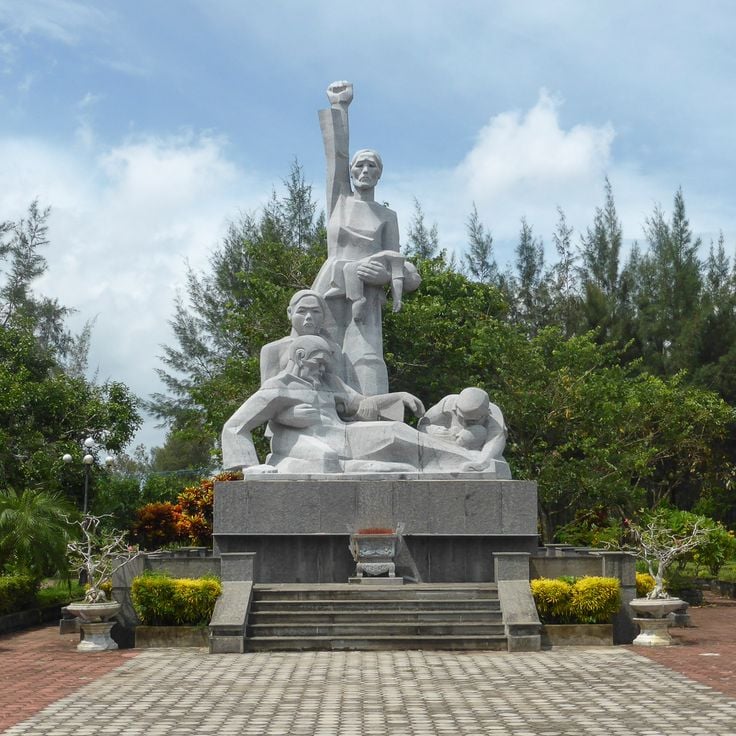
The Mémorial de Son My marks the site where 504 civilians were killed in 1968. This memorial documents one of the most serious war crimes during the Vietnam War and demonstrates the human costs of the conflict. Stone plaques bear the names of the victims, while a museum presents photographs, personal belongings and witness testimonies. Visitors can see the remains of the village, including house foundations and an irrigation ditch where many people died. The grounds also include a Buddhist temple and a monument in the form of a kneeling woman holding a dead child. The site provides context about military strategy in the contested coastal provinces and the impact on civilian populations in this region.
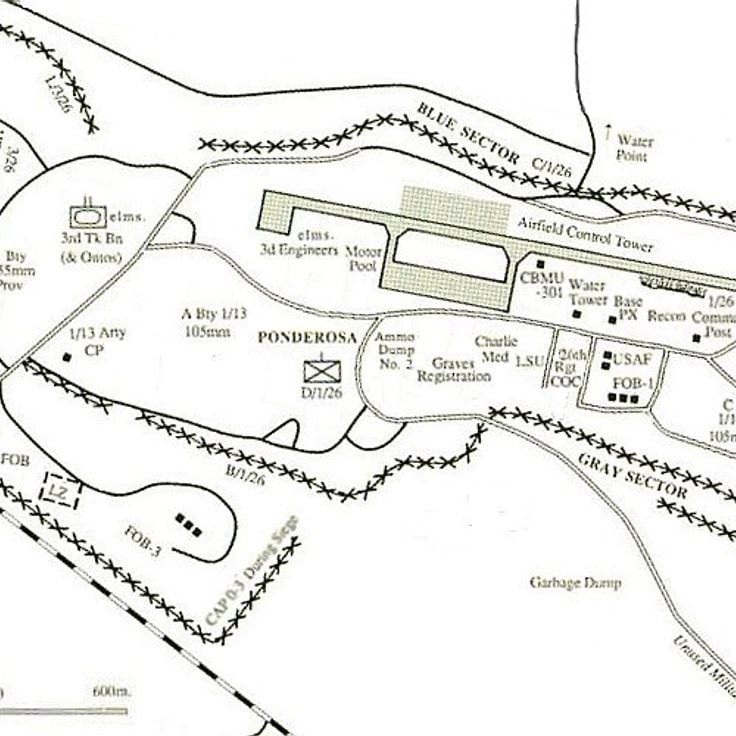
The Base de Combat de Khe Sanh sits near the Laotian border and documents one of the longest military sieges of the Vietnam War. Between January and April 1968, roughly 6,000 American and South Vietnamese troops held the base while North Vietnamese forces surrounded the position. The on-site museum displays tanks, artillery pieces, aircraft and personal equipment that illustrate daily life under bombardment. Visitors can examine reconstructed bunkers, airstrips and defensive fortifications. The highland location provides context for understanding the strategic importance of this border region during the conflict.
This battlefield in the Iron Triangle northwest of Saigon was a major site of military operations between 1965 and 1972 during the Vietnam War. The region takes its name from its triangular shape formed by the confluence of the Saigon and Thi Tinh rivers. The area contains an extensive tunnel system spanning approximately 155 miles (250 kilometers) that the Viet Cong used for troop movements, supply routes and tactical operations. American forces conducted several large-scale military campaigns here, including Operation Cedar Falls in January 1967. Visitors today can explore portions of the underground network and examine military installations that provide insight into the guerrilla tactics and logistics of the conflict.
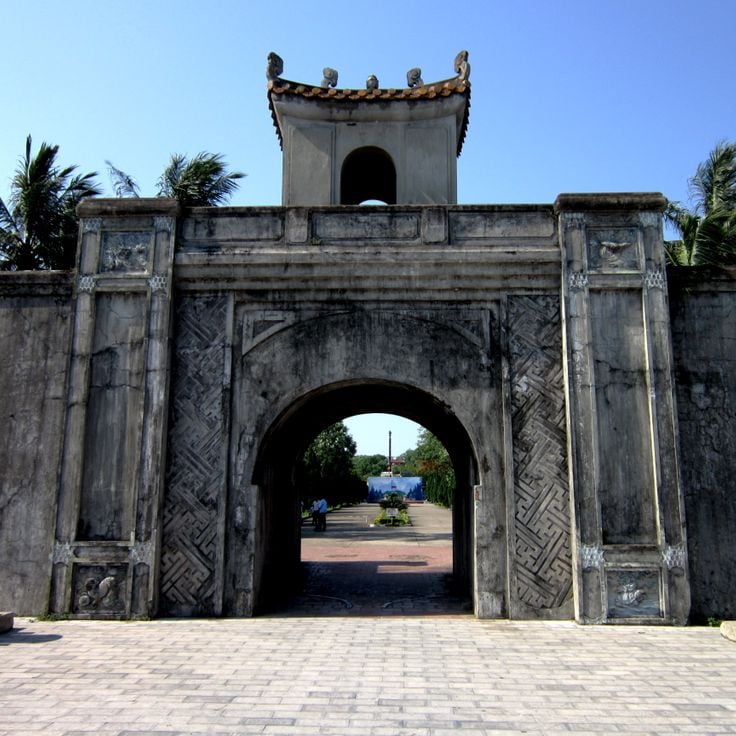
The old citadel of Quang Tri was built in the 19th century and served as a strategic military position during the Vietnam War. The fortress sustained heavy damage during the 1968 Tet Offensive and was largely destroyed during the 1972 Battle of Quang Tri, when the city remained under siege for 81 days. Today the citadel ruins stand as a military history site, showing the traces of intense combat in Quang Tri Province. Visitors can examine the remaining wall sections, bunker structures and a memorial park that documents the events of the conflict.
This military cemetery contains over 5,000 graves of South Vietnamese soldiers who died during the war between 1955 and 1975. The site is located in Bien Hoa, a city that served as an important military base during the conflict. The burial grounds document the losses of South Vietnamese forces across two decades of combat and provide insight into the scale of military casualties on the South Vietnamese side.
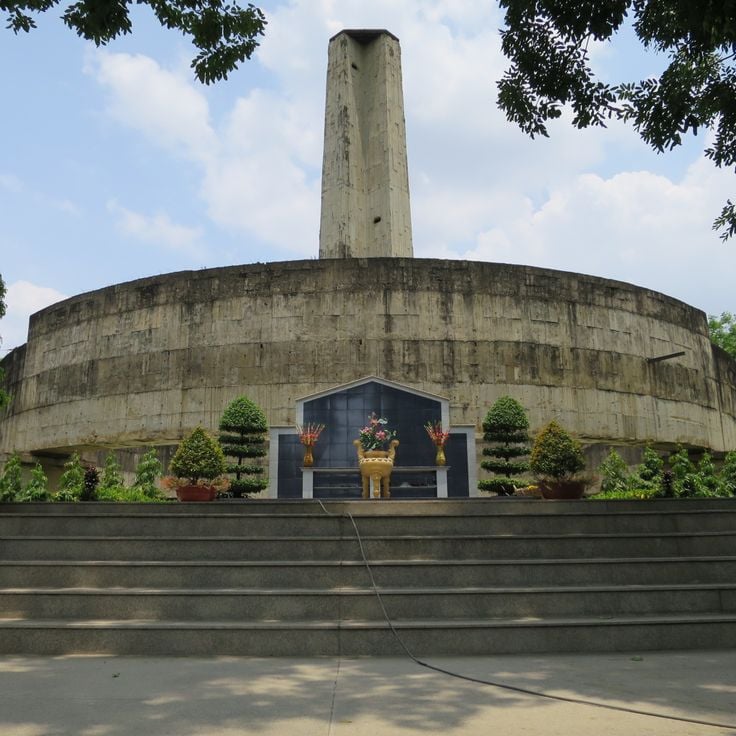
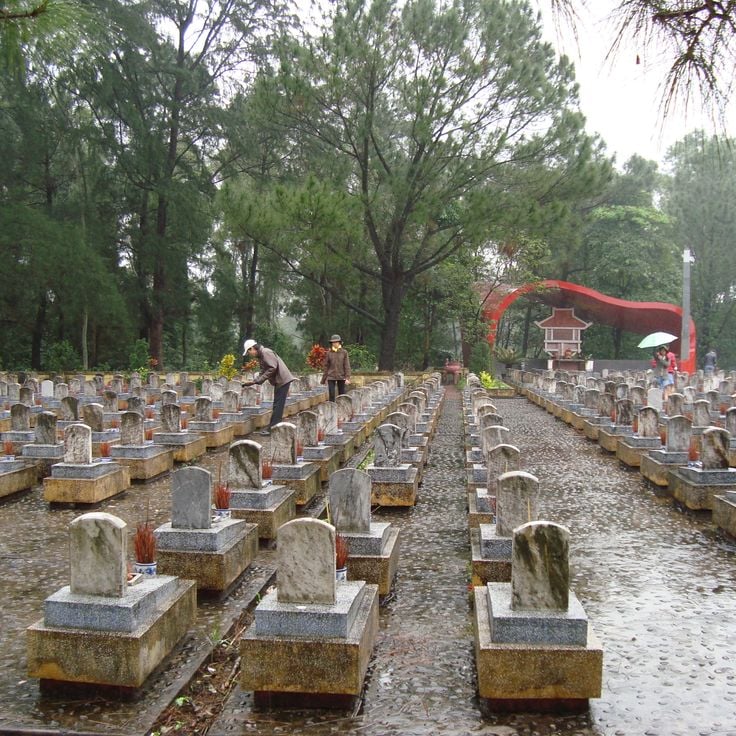
This national cemetery in Quang Tri Province holds the graves of over 10,000 North Vietnamese soldiers who died between 1955 and 1975 along the strategic supply route. The site spans several hectares and documents with its white headstones the scale of military losses during the conflict. Most soldiers buried here died in combat along the Ho Chi Minh Trail or from bombing raids on supply lines through the Central Highlands.
Military Defense Post A1 occupied a hilltop position near the main Dien Bien Phu stronghold and played a central role during the battle in the spring of 1954. The defensive installation formed part of a network of fortified positions that French forces established to control the valley basin. During the 56-day siege, the post came under sustained bombardment and changed hands multiple times in fierce fighting. Visitors can examine the preserved trenches, dugouts and shell craters that illustrate the scale of combat at this location. The elevated position also provides an overview of the entire former battlefield.
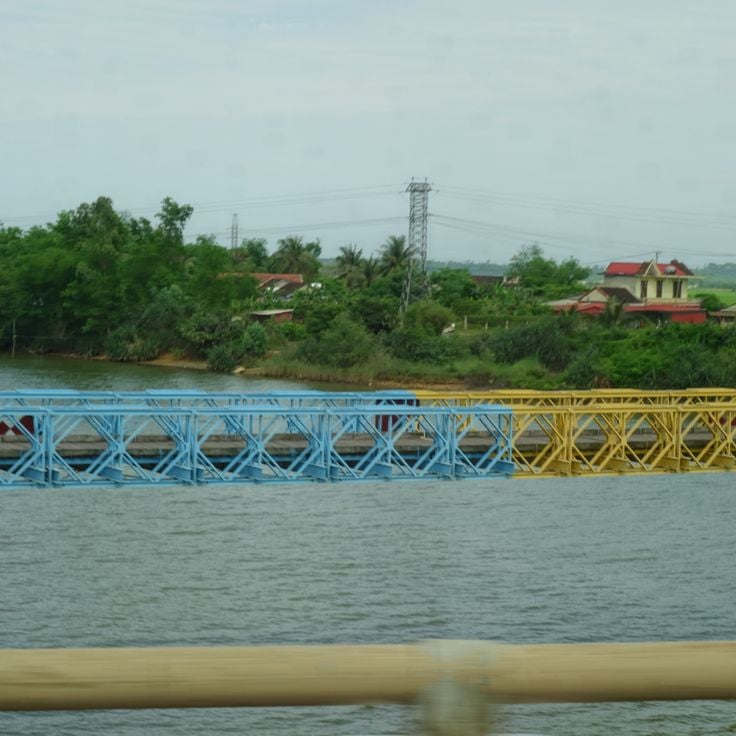
This bridge in Quang Tri marks the 17th parallel that divided Vietnam in two parts from 1954 to 1975. The original 1952 construction spanned the Ben Hai River and formed the demarcation line between North and South Vietnam following the Geneva Accords. During the partition, both sides controlled half of the bridge. The current structure was rebuilt after the war ended and serves as a memorial to the national division. Information panels at the site explain the significance of the demarcation line and the impact of separation on the local population.
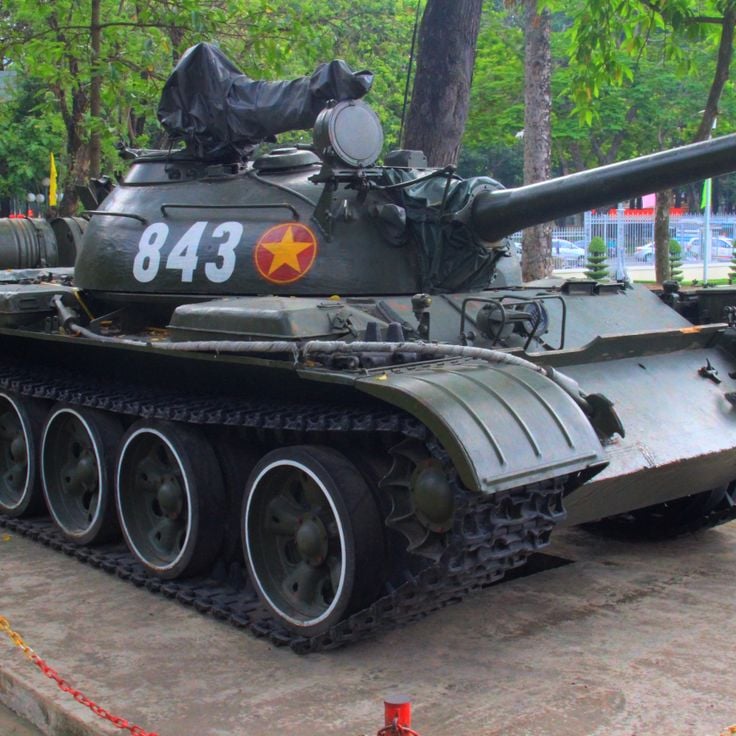
This Soviet-made T-54 tank broke through the main gate of the Presidential Palace in Saigon on April 30, 1975, marking the end of the Vietnam War. The monument now stands in the courtyard of the Reunification Palace in Ho Chi Minh City and ranks among the most significant military artifacts in the collection. The tank, operated by the North Vietnamese Army, symbolizes the fall of Saigon and the reunification of the country. Visitors can examine the vehicle up close and understand the historical weight of this moment, which ended two decades of armed conflict.
The Vinh Moc tunnels formed an underground shelter system for civilians during the bombing campaigns between 1966 and 1972. The network spans three levels and reaches depths of 75 feet (23 meters) below the surface. About 60 families lived in the 1.7 miles (2.8 kilometers) of passages, where they established living quarters, wells, medical stations and delivery rooms. The complex sits north of the demilitarized zone and also served as a supply route to offshore islands. Visitors can walk through the preserved tunnels today and understand the conditions under which residents spent several years underground while the conflict continued above them.
This detention facility in Hanoi was originally built in 1896 during French colonial rule and later held American prisoners of war during the Vietnam War. The museum now occupies the site and documents both periods of its operation, displaying the remaining cell blocks, interrogation rooms and communal areas. Exhibits include photographs, personal belongings of former inmates and reconstructed scenes showing detention conditions across different decades. The facility provides insight into Vietnamese penal practices and the treatment of military prisoners during the 1955-1975 conflict.
The museum displays military equipment, photographs and documents from the Vietnam War between 1955 and 1975. The collection includes tanks, aircraft and helicopters exhibited in the outdoor grounds, along with indoor sections documenting warfare tactics, weapons systems and civilian impact. Several exhibition areas address the use of chemical agents and their long-term consequences. The museum presents the military operations from a Vietnamese perspective and uses original objects and photographic evidence to illustrate the different phases of the conflict.
The Musée du Triomphe B-52 documents Hanoi's air defense during the Vietnam War with a collection of aircraft wreckage, missile defense systems and military equipment. The exhibition displays fragments from downed American B-52 bombers, anti-aircraft artillery and documents related to air operations over the city. This museum is among the military sites that bear witness to the conflict between 1955 and 1975 and conveys the technical aspects of air defense in the capital region.
This citadel in Thua Thien Hue served as the site of the heaviest urban fighting during the Tet Offensive in February 1968, when North Vietnamese forces occupied the city and held it for 24 days. The historic complex sustained major damage from artillery fire and aerial bombardment during U.S. and South Vietnamese efforts to retake the city. Visitors today can observe the impact of these battles on the walls, temples and palaces, which have been partially restored since the conflict. The site demonstrates the military importance of Hue during the Vietnam War and documents the cost to the country's historic heritage during the fighting.
The Con Dao prison complex sits on Côn Sơn Island off the southern Vietnamese coast and documents the history of political imprisonment through successive conflict periods. French colonial administrators established multiple detention facilities here beginning in 1862, which later saw continued use during the American presence in the Vietnam conflict. Visitors can walk through preserved cell blocks, including the tiger cages where prisoners were held under severely restricted conditions. The grounds include memorials to those who were detained and provide insight into methods of political suppression during the war years. The site represents a significant component of the military and civilian infrastructure the regime used to control dissenting voices.
The Mémorial de Son My marks the site where 504 civilians were killed in 1968. This memorial documents one of the most serious war crimes during the Vietnam War and demonstrates the human costs of the conflict. Stone plaques bear the names of the victims, while a museum presents photographs, personal belongings and witness testimonies. Visitors can see the remains of the village, including house foundations and an irrigation ditch where many people died. The grounds also include a Buddhist temple and a monument in the form of a kneeling woman holding a dead child. The site provides context about military strategy in the contested coastal provinces and the impact on civilian populations in this region.
The Base de Combat de Khe Sanh sits near the Laotian border and documents one of the longest military sieges of the Vietnam War. Between January and April 1968, roughly 6,000 American and South Vietnamese troops held the base while North Vietnamese forces surrounded the position. The on-site museum displays tanks, artillery pieces, aircraft and personal equipment that illustrate daily life under bombardment. Visitors can examine reconstructed bunkers, airstrips and defensive fortifications. The highland location provides context for understanding the strategic importance of this border region during the conflict.
This battlefield in the Iron Triangle northwest of Saigon was a major site of military operations between 1965 and 1972 during the Vietnam War. The region takes its name from its triangular shape formed by the confluence of the Saigon and Thi Tinh rivers. The area contains an extensive tunnel system spanning approximately 155 miles (250 kilometers) that the Viet Cong used for troop movements, supply routes and tactical operations. American forces conducted several large-scale military campaigns here, including Operation Cedar Falls in January 1967. Visitors today can explore portions of the underground network and examine military installations that provide insight into the guerrilla tactics and logistics of the conflict.
The old citadel of Quang Tri was built in the 19th century and served as a strategic military position during the Vietnam War. The fortress sustained heavy damage during the 1968 Tet Offensive and was largely destroyed during the 1972 Battle of Quang Tri, when the city remained under siege for 81 days. Today the citadel ruins stand as a military history site, showing the traces of intense combat in Quang Tri Province. Visitors can examine the remaining wall sections, bunker structures and a memorial park that documents the events of the conflict.
This military cemetery contains over 5,000 graves of South Vietnamese soldiers who died during the war between 1955 and 1975. The site is located in Bien Hoa, a city that served as an important military base during the conflict. The burial grounds document the losses of South Vietnamese forces across two decades of combat and provide insight into the scale of military casualties on the South Vietnamese side.
This national cemetery in Quang Tri Province holds the graves of over 10,000 North Vietnamese soldiers who died between 1955 and 1975 along the strategic supply route. The site spans several hectares and documents with its white headstones the scale of military losses during the conflict. Most soldiers buried here died in combat along the Ho Chi Minh Trail or from bombing raids on supply lines through the Central Highlands.
Military Defense Post A1 occupied a hilltop position near the main Dien Bien Phu stronghold and played a central role during the battle in the spring of 1954. The defensive installation formed part of a network of fortified positions that French forces established to control the valley basin. During the 56-day siege, the post came under sustained bombardment and changed hands multiple times in fierce fighting. Visitors can examine the preserved trenches, dugouts and shell craters that illustrate the scale of combat at this location. The elevated position also provides an overview of the entire former battlefield.
This bridge in Quang Tri marks the 17th parallel that divided Vietnam in two parts from 1954 to 1975. The original 1952 construction spanned the Ben Hai River and formed the demarcation line between North and South Vietnam following the Geneva Accords. During the partition, both sides controlled half of the bridge. The current structure was rebuilt after the war ended and serves as a memorial to the national division. Information panels at the site explain the significance of the demarcation line and the impact of separation on the local population.
This Soviet-made T-54 tank broke through the main gate of the Presidential Palace in Saigon on April 30, 1975, marking the end of the Vietnam War. The monument now stands in the courtyard of the Reunification Palace in Ho Chi Minh City and ranks among the most significant military artifacts in the collection. The tank, operated by the North Vietnamese Army, symbolizes the fall of Saigon and the reunification of the country. Visitors can examine the vehicle up close and understand the historical weight of this moment, which ended two decades of armed conflict.
The Vinh Moc tunnels formed an underground shelter system for civilians during the bombing campaigns between 1966 and 1972. The network spans three levels and reaches depths of 75 feet (23 meters) below the surface. About 60 families lived in the 1.7 miles (2.8 kilometers) of passages, where they established living quarters, wells, medical stations and delivery rooms. The complex sits north of the demilitarized zone and also served as a supply route to offshore islands. Visitors can walk through the preserved tunnels today and understand the conditions under which residents spent several years underground while the conflict continued above them.
This detention facility in Hanoi was originally built in 1896 during French colonial rule and later held American prisoners of war during the Vietnam War. The museum now occupies the site and documents both periods of its operation, displaying the remaining cell blocks, interrogation rooms and communal areas. Exhibits include photographs, personal belongings of former inmates and reconstructed scenes showing detention conditions across different decades. The facility provides insight into Vietnamese penal practices and the treatment of military prisoners during the 1955-1975 conflict.
The museum displays military equipment, photographs and documents from the Vietnam War between 1955 and 1975. The collection includes tanks, aircraft and helicopters exhibited in the outdoor grounds, along with indoor sections documenting warfare tactics, weapons systems and civilian impact. Several exhibition areas address the use of chemical agents and their long-term consequences. The museum presents the military operations from a Vietnamese perspective and uses original objects and photographic evidence to illustrate the different phases of the conflict.
The Musée du Triomphe B-52 documents Hanoi's air defense during the Vietnam War with a collection of aircraft wreckage, missile defense systems and military equipment. The exhibition displays fragments from downed American B-52 bombers, anti-aircraft artillery and documents related to air operations over the city. This museum is among the military sites that bear witness to the conflict between 1955 and 1975 and conveys the technical aspects of air defense in the capital region.
This citadel in Thua Thien Hue served as the site of the heaviest urban fighting during the Tet Offensive in February 1968, when North Vietnamese forces occupied the city and held it for 24 days. The historic complex sustained major damage from artillery fire and aerial bombardment during U.S. and South Vietnamese efforts to retake the city. Visitors today can observe the impact of these battles on the walls, temples and palaces, which have been partially restored since the conflict. The site demonstrates the military importance of Hue during the Vietnam War and documents the cost to the country's historic heritage during the fighting.
The Con Dao prison complex sits on Côn Sơn Island off the southern Vietnamese coast and documents the history of political imprisonment through successive conflict periods. French colonial administrators established multiple detention facilities here beginning in 1862, which later saw continued use during the American presence in the Vietnam conflict. Visitors can walk through preserved cell blocks, including the tiger cages where prisoners were held under severely restricted conditions. The grounds include memorials to those who were detained and provide insight into methods of political suppression during the war years. The site represents a significant component of the military and civilian infrastructure the regime used to control dissenting voices.
The Mémorial de Son My marks the site where 504 civilians were killed in 1968. This memorial documents one of the most serious war crimes during the Vietnam War and demonstrates the human costs of the conflict. Stone plaques bear the names of the victims, while a museum presents photographs, personal belongings and witness testimonies. Visitors can see the remains of the village, including house foundations and an irrigation ditch where many people died. The grounds also include a Buddhist temple and a monument in the form of a kneeling woman holding a dead child. The site provides context about military strategy in the contested coastal provinces and the impact on civilian populations in this region.
The Base de Combat de Khe Sanh sits near the Laotian border and documents one of the longest military sieges of the Vietnam War. Between January and April 1968, roughly 6,000 American and South Vietnamese troops held the base while North Vietnamese forces surrounded the position. The on-site museum displays tanks, artillery pieces, aircraft and personal equipment that illustrate daily life under bombardment. Visitors can examine reconstructed bunkers, airstrips and defensive fortifications. The highland location provides context for understanding the strategic importance of this border region during the conflict.
This battlefield in the Iron Triangle northwest of Saigon was a major site of military operations between 1965 and 1972 during the Vietnam War. The region takes its name from its triangular shape formed by the confluence of the Saigon and Thi Tinh rivers. The area contains an extensive tunnel system spanning approximately 155 miles (250 kilometers) that the Viet Cong used for troop movements, supply routes and tactical operations. American forces conducted several large-scale military campaigns here, including Operation Cedar Falls in January 1967. Visitors today can explore portions of the underground network and examine military installations that provide insight into the guerrilla tactics and logistics of the conflict.
The old citadel of Quang Tri was built in the 19th century and served as a strategic military position during the Vietnam War. The fortress sustained heavy damage during the 1968 Tet Offensive and was largely destroyed during the 1972 Battle of Quang Tri, when the city remained under siege for 81 days. Today the citadel ruins stand as a military history site, showing the traces of intense combat in Quang Tri Province. Visitors can examine the remaining wall sections, bunker structures and a memorial park that documents the events of the conflict.
This military cemetery contains over 5,000 graves of South Vietnamese soldiers who died during the war between 1955 and 1975. The site is located in Bien Hoa, a city that served as an important military base during the conflict. The burial grounds document the losses of South Vietnamese forces across two decades of combat and provide insight into the scale of military casualties on the South Vietnamese side.
This national cemetery in Quang Tri Province holds the graves of over 10,000 North Vietnamese soldiers who died between 1955 and 1975 along the strategic supply route. The site spans several hectares and documents with its white headstones the scale of military losses during the conflict. Most soldiers buried here died in combat along the Ho Chi Minh Trail or from bombing raids on supply lines through the Central Highlands.
Military Defense Post A1 occupied a hilltop position near the main Dien Bien Phu stronghold and played a central role during the battle in the spring of 1954. The defensive installation formed part of a network of fortified positions that French forces established to control the valley basin. During the 56-day siege, the post came under sustained bombardment and changed hands multiple times in fierce fighting. Visitors can examine the preserved trenches, dugouts and shell craters that illustrate the scale of combat at this location. The elevated position also provides an overview of the entire former battlefield.
This bridge in Quang Tri marks the 17th parallel that divided Vietnam in two parts from 1954 to 1975. The original 1952 construction spanned the Ben Hai River and formed the demarcation line between North and South Vietnam following the Geneva Accords. During the partition, both sides controlled half of the bridge. The current structure was rebuilt after the war ended and serves as a memorial to the national division. Information panels at the site explain the significance of the demarcation line and the impact of separation on the local population.
This Soviet-made T-54 tank broke through the main gate of the Presidential Palace in Saigon on April 30, 1975, marking the end of the Vietnam War. The monument now stands in the courtyard of the Reunification Palace in Ho Chi Minh City and ranks among the most significant military artifacts in the collection. The tank, operated by the North Vietnamese Army, symbolizes the fall of Saigon and the reunification of the country. Visitors can examine the vehicle up close and understand the historical weight of this moment, which ended two decades of armed conflict.