Italy features golf courses set within varied landscapes that span from the Alps to the Mediterranean coastline. In the north, facilities such as the Villa d'Este Golf Club on Lake Como, the Franciacorta Golf Club near Brescia, and the Dolomiti Golf Club in Trentino are located in mountain settings. In Tuscany, courses like the Castelfalfi Golf Club near Florence, the Saturnia Golf Course near Grosseto, and the Ugolino Golf Club blend into rolling terrain with vineyards and olive groves. Along the Adriatic coast, the Cervia Adriatic Golf Club near Ravenna provides access to coastal play, while near Rome, the Marco Simone Golf and Country Club and the Olgiata Golf Club serve the region. On the islands, the Pevero Golf Club on the Costa Smeralda and the Is Arenas Golf and Country Club near Oristano in Sardinia offer courses with views of the sea and dune landscapes. In Sicily, the Verdura Resort near Sciacca, the Il Picciolo Golf Club near Catania, and the Donnafugata Golf Resort near Ragusa expand the selection. In central Italy, the Antognolla Golf Course near Perugia and the San Domenico Golf in Apulia are situated. Golf courses in Italy combine sporting challenges with opportunities to experience different regions and their landscapes.
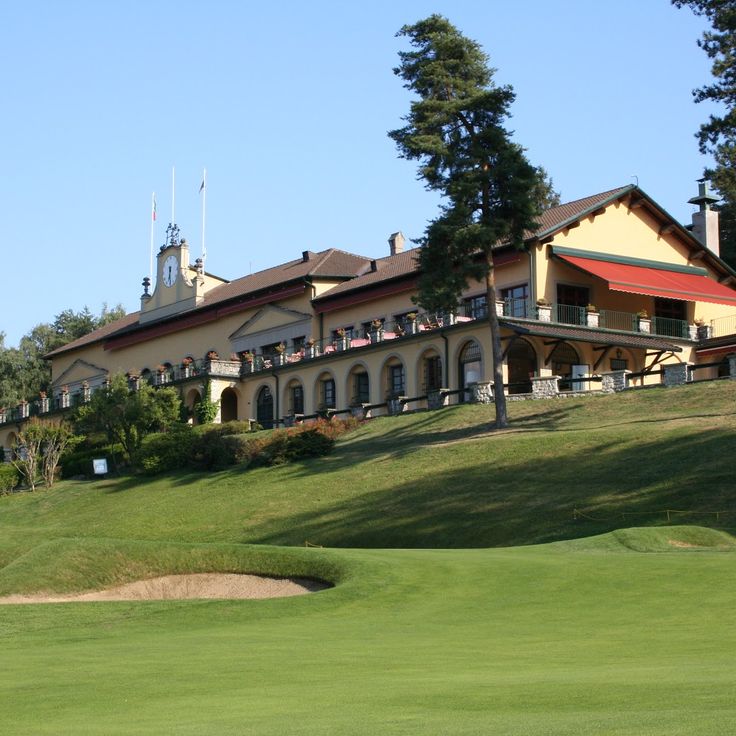
Como, Italy
This golf course is located on Lake Como and combines sport with the landscape tradition of northern Italy. The Villa d'Este Golf Club opened in 1926 and follows the natural contours of the hilly terrain. Play proceeds among mature trees, with each hole having its own topography. The facility belongs to those Italian courses where golf is played amid historic parks and lakes, in a region known for centuries for its villas and gardens.
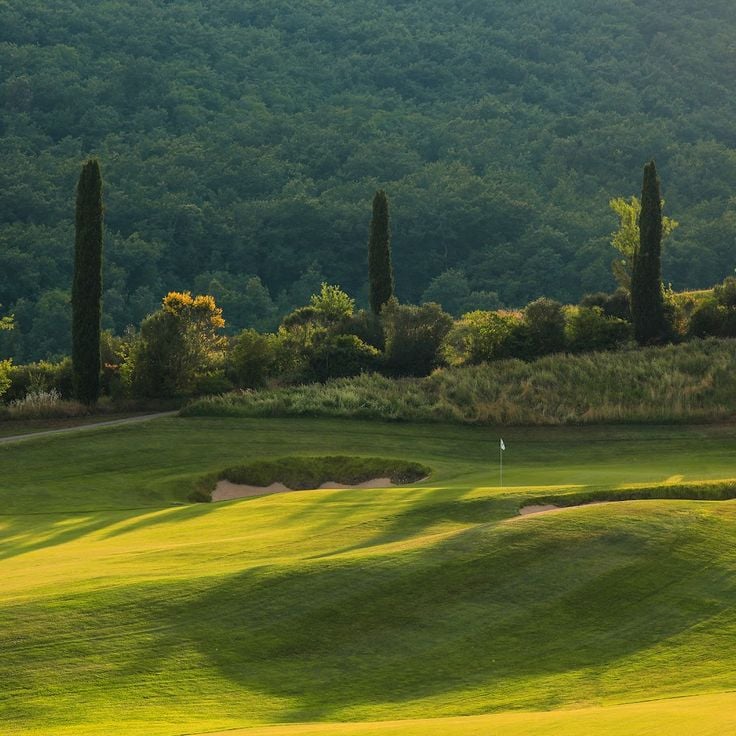
Perugia, Italy
This golf course in the Umbrian landscape combines play with the region's history. The Antognolla Golf Club was built next to a medieval castle and features 18 holes that spread across hilly terrain. The fairways run through varied ground with different elevations and technical requirements. The facility sits within the wooded hills of Umbria, where open playing corridors alternate with sections surrounded by vegetation. The course lies near Lake Trasimeno and offers views of the surrounding hills and valleys.
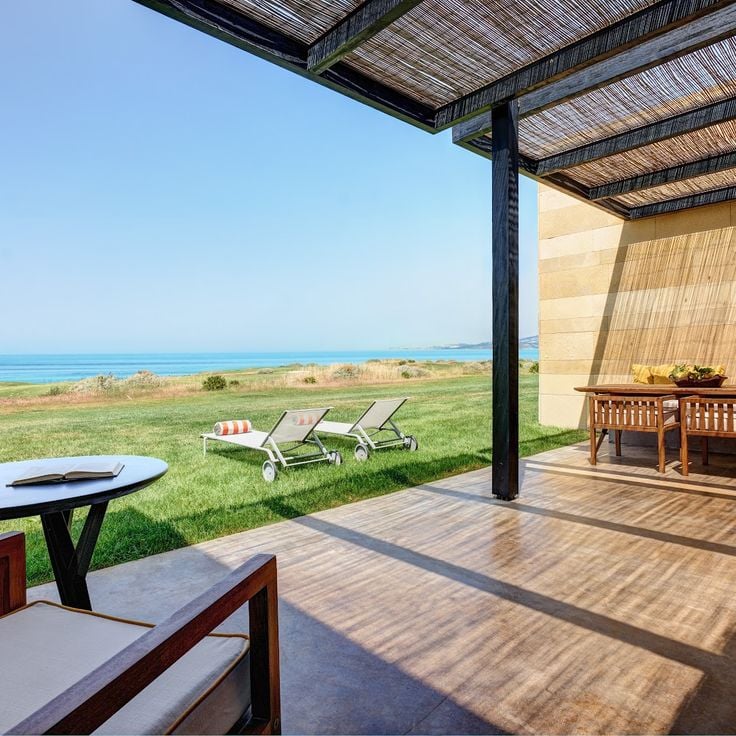
Sciacca, Italy
Verdura Resort features two 18-hole golf courses that stretch along the southwestern coast of Sicily. Designed by Kyle Phillips, the courses combine Mediterranean vegetation with natural water hazards and strategically placed sand bunkers. The fairways run between olive groves and offer views of the Mediterranean Sea. The facility adds to the Italian golf offering with a coastal character that incorporates the Sicilian landscape into the game.
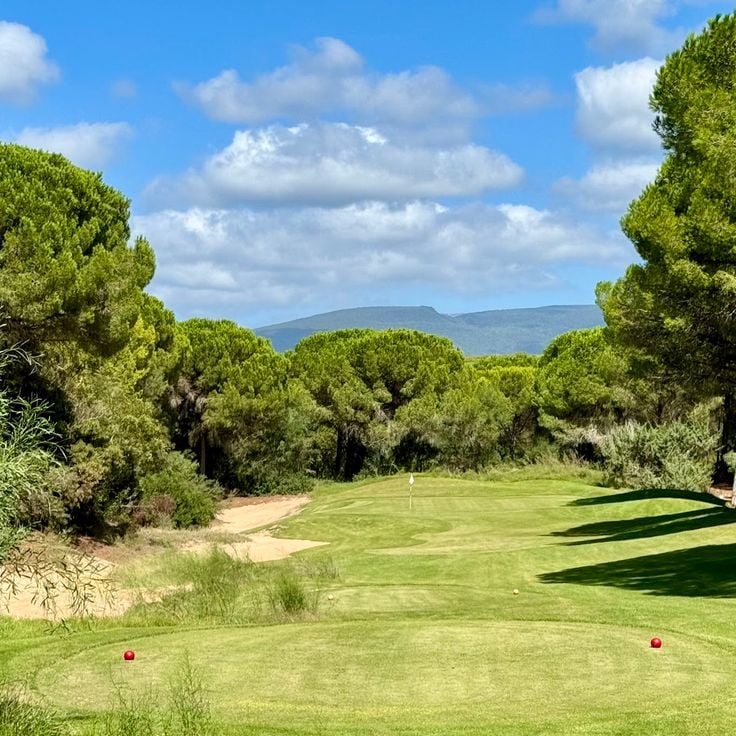
Oristano, Italy
The Is Arenas Golf and Country Club is located in Sardinia between pine trees and dunes, where 18 holes run through Mediterranean vegetation. The course requires technical play and combines golf with the Sardinian coastal landscape, typical of the Italian golf scene – a connection between fairways and natural elements such as olive trees, vineyards, and coastal formations that shape play between sea and hinterland.
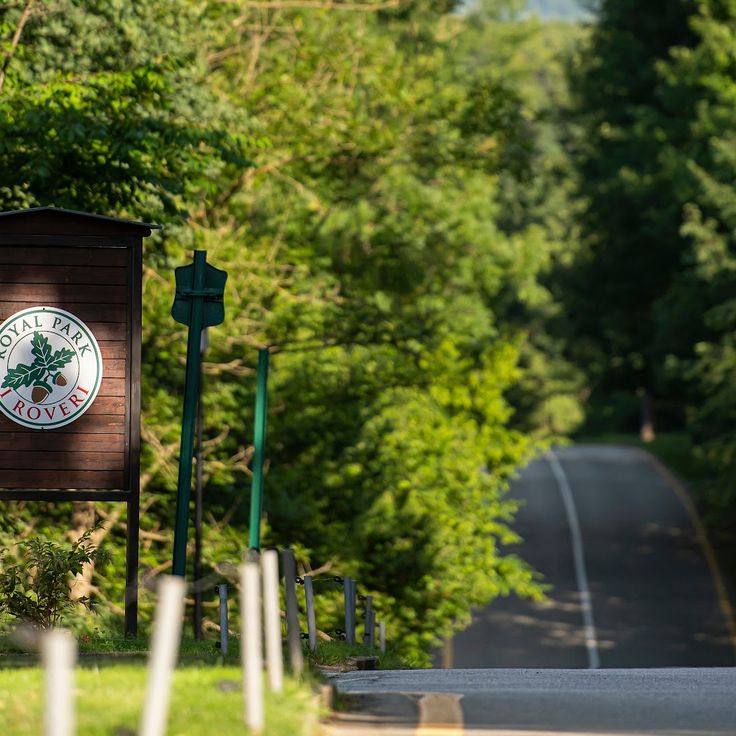
Turin, Italy
The Royal Park I Roveri includes two 18-hole golf courses laid out in Mandria Natural Park and surrounded by the Alps. The fairways run through a wooded landscape of oaks and pines, while the mountains shape the horizon. Both courses offer different playing characteristics: one leads through dense groups of trees, the other opens to wider areas. Here golf is played in an environment where parkland and mountain topography combine, without the sport overshadowing the natural setting.
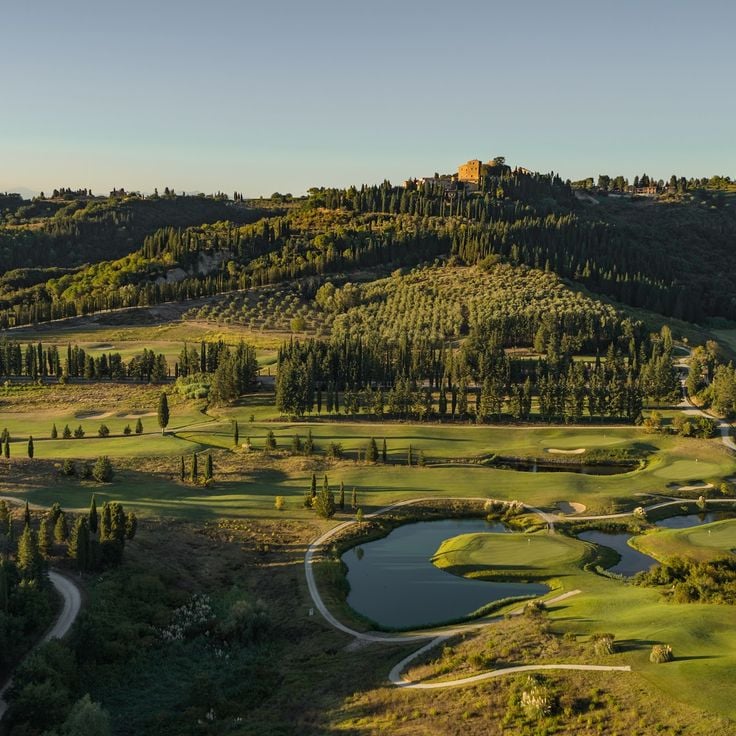
Florence, Italy
This golf course in the Tuscan hills near Florence is part of the Castelfalfi resort and distributes 27 holes across the wooded slopes and plains of the region. The fairways run through forests, past water hazards, and over natural areas that stretch between vineyards and olive groves. The course architecture uses the existing terrain and integrates gentle slopes, valley floors, and open areas. Castelfalfi connects the playing facility with historic buildings, wineries, and lodging options. The course offers various playing combinations and fits into the Tuscan landscape, between vineyards and dense greenery.
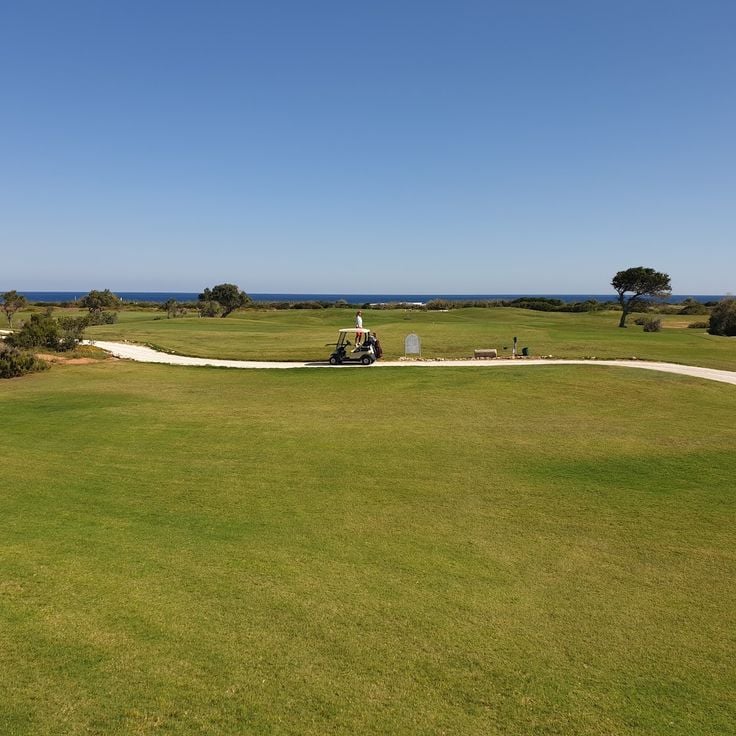
Savelletri, Italy
San Domenico Golf runs along the Apulian Adriatic coast, between the sea and the remains of Roman settlements. The course integrates Mediterranean vegetation – olive groves, pine trees, and carob trees – into its layout and offers fairways that wind through gentle rolls of terrain. Some holes run near the shoreline, while others lead through areas where archaeological sites remain visible. The design uses the natural topography and proximity to water to bring changing wind conditions and views of the Adriatic Sea into play. San Domenico Golf combines sporting challenges with the landscape of Apulia and its history.
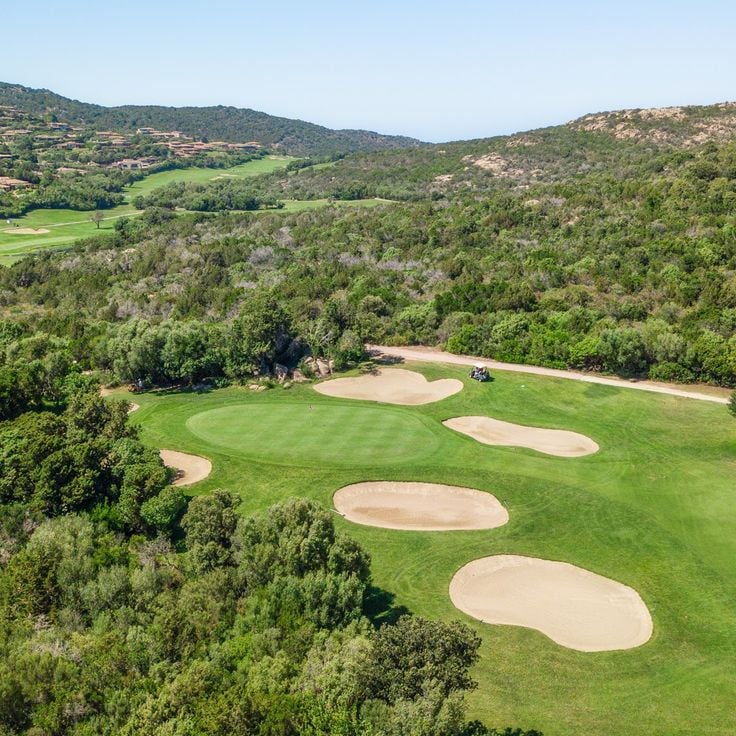
Costa Smeralda, Italy
The Pevero Golf Club extends across a peninsula on the Costa Smeralda and combines golf with the Sardinian coastal landscape. This 18-hole course offers fairways that run between two sea bays and are surrounded by granite rocks, Mediterranean scrubland, and the colors of the Sardinian coastline. The holes follow the natural topography and provide views of the turquoise water and the island formations of the region. Players move between dune vegetation and coastal winds, while the course architecture respects the characteristics of the peninsula. The club demonstrates how golf architecture can integrate into the Mediterranean nature of Sardinia.
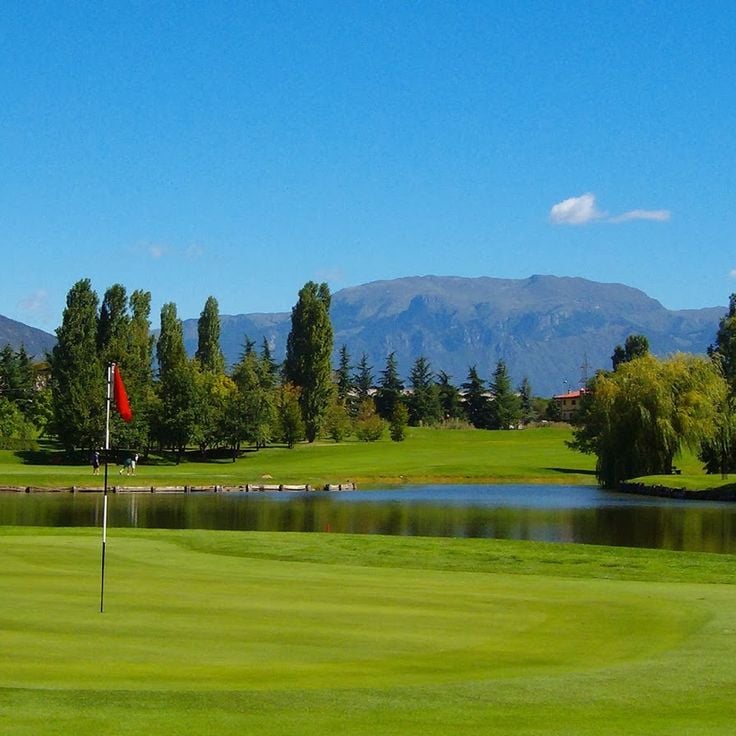
Brescia, Italy
This golf course in Franciacorta combines sport with the wine-producing landscape of the region. The 27 holes are spread across the rolling terrain between Brescia and Lake Iseo, where vineyards line the fairways. The design incorporates natural waterways, bunkers, and changing elevations. Players find both technically demanding holes and more open sections that wind through the typical hill formations of the area. After a round, one can enjoy the local wines and views of the Lombard Prealps.

Brescia, Italy
The Gardagolf Country Club features 27 holes and provides players with views of Lake Garda and the surrounding mountains of the region. The facility is located near Brescia and combines sporting challenge with the natural landscape of northern Italy. The course follows the gentle topography of the area and allows for golfing amid vegetation and views that are characteristic of this part of Lombardy. The different holes offer varying levels of difficulty and make use of the natural terrain.
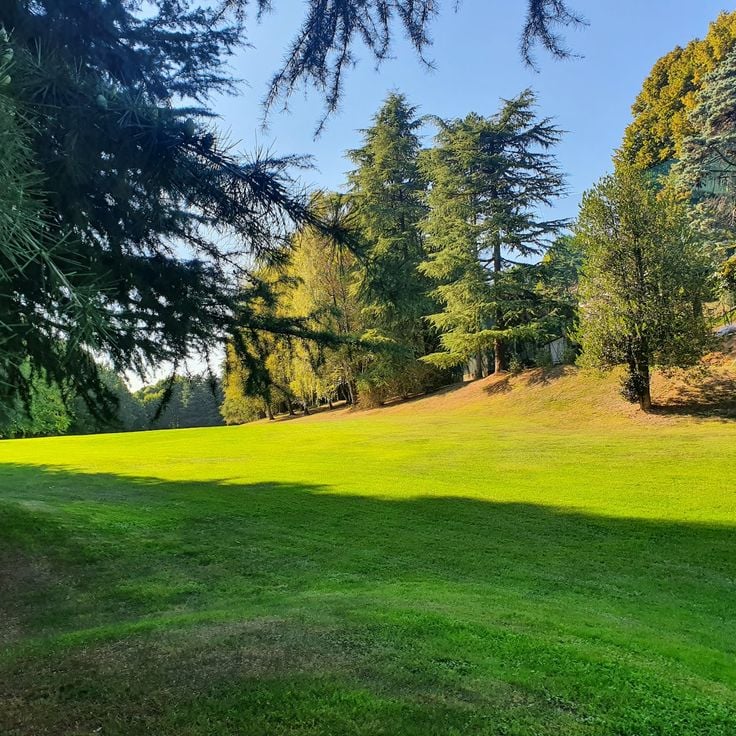
Carimate, Italy
The Carimate Golf Club opened in 1961 and is located in the hills of Brianza, among woods and chestnut groves. The course features 18 holes on rolling terrain, where narrow fairways wind through dense tree cover. The layout combines technical demands with a landscape of green lawns and historic country houses in the surroundings. Each hole requires precision on the tee shot and on approach to the green. The clubhouse dates from the early 20th century and retains the feel of a traditional golf club in Lombardy.
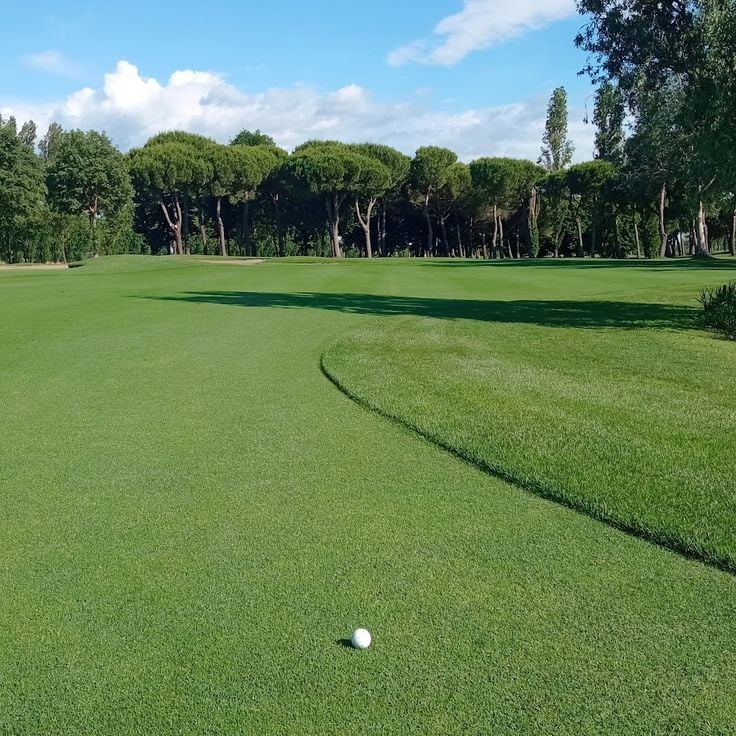
Ravenna, Italy
The Cervia Adriatic Golf Club is located in the plains of Ravenna, 980 feet (300 meters) from the Adriatic Sea. The course features 18 holes set among pine groves and water hazards. The fairways run flat and are lined with Mediterranean vegetation. This golf course fits into the concept of Italian golf culture, where sport and landscape are interconnected. The proximity to the sea and the natural surroundings shape the playing experience.
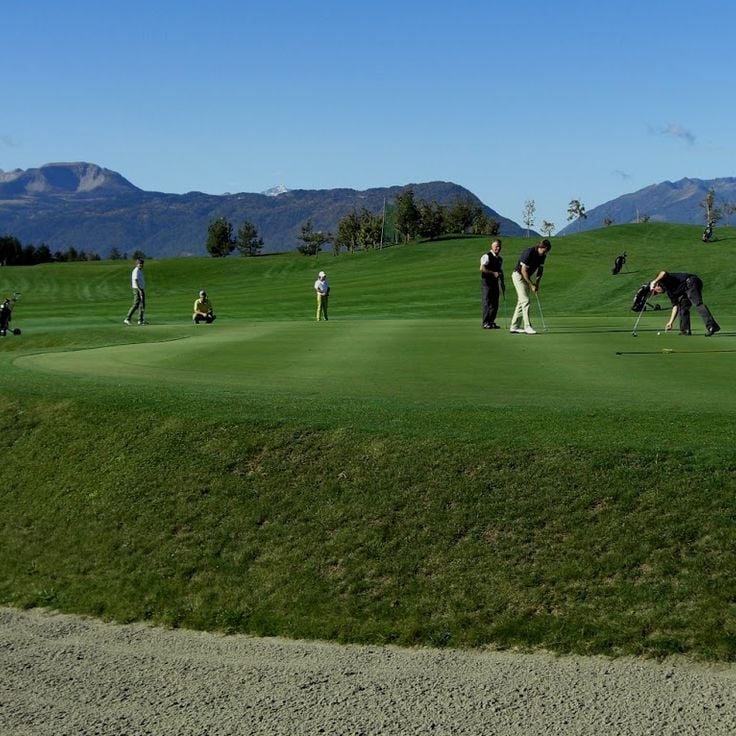
Sarnonico, Italy
Dolomiti Golf Club combines golf with the landscape of the Brenta Dolomites. This 18-hole course was built at an altitude of 3,280 feet (1,000 meters) and runs through forests that open up views toward the mountain ranges. The fairways occupy an area where the sport blends with the contours of alpine terrain. Those who come here play in a setting shaped by elevation, the alternation between wooded sections and open spaces, and the presence of the Dolomites in the background. The course exemplifies the connection between golf and alpine geography in northern Italy.
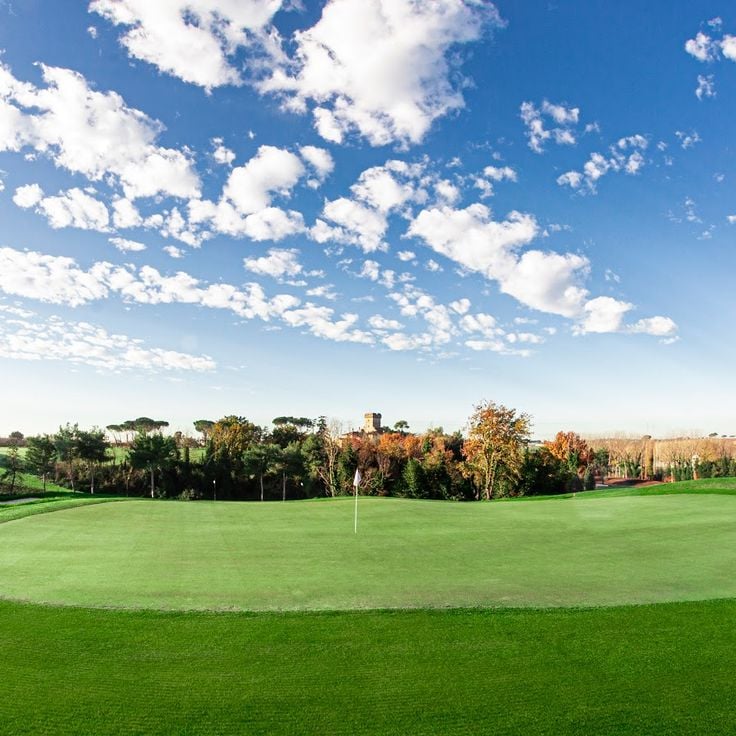
Rome, Italy
The Marco Simone Golf and Country Club sits in the gentle hills outside Rome, combining Italian landscape with golfing design. The 18-hole course was extensively redesigned in 2021 to host the Ryder Cup between Europe and the United States. Fairways wind through Mediterranean vegetation, among pines and softly sculpted rises. This club fits into the Roman countryside, where golf meets historic setting and where each shot is played near the Eternal City.

Biella, Italy
The Biella Le Betulle Golf Club has been set in the wooded hills of Piedmont since 1958, offering an 18-hole course characterized by narrow fairways and technically demanding greens. This course combines athletic challenge with the natural setting of birch trees and forests that define the terrain, and is among those Italian golf facilities where precision and landscape meet.
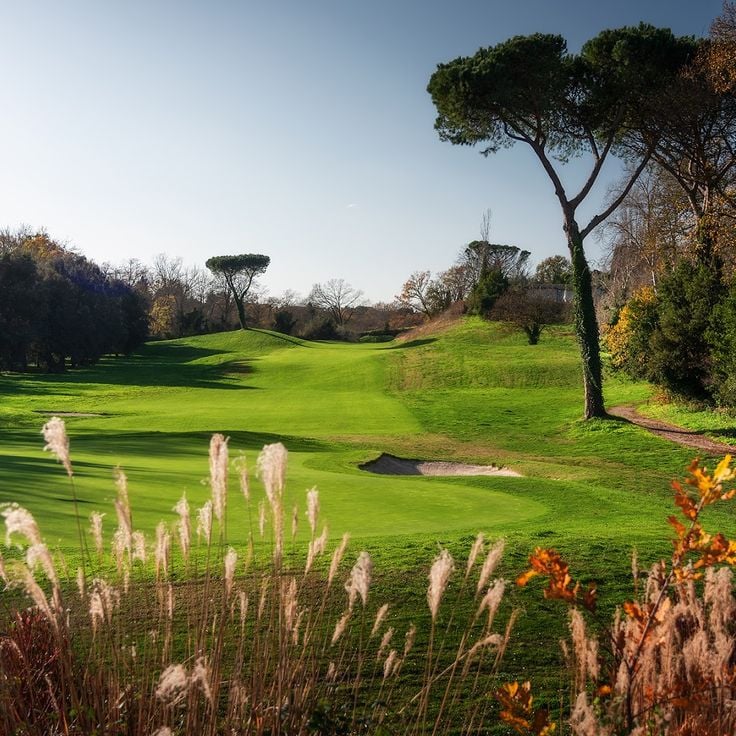
Latium, Italy
The Olgiata Golf Club was laid out in 1961 according to plans by C. Kenneth Cotton and combines three nine-hole loops into a 27-hole course north of Rome. This course has hosted the Italian Open several times and offers fairways lined with Mediterranean trees. The layout sits on gently rolling terrain and allows players to choose between different course combinations. Several water hazards and strategically placed bunkers shape the play.
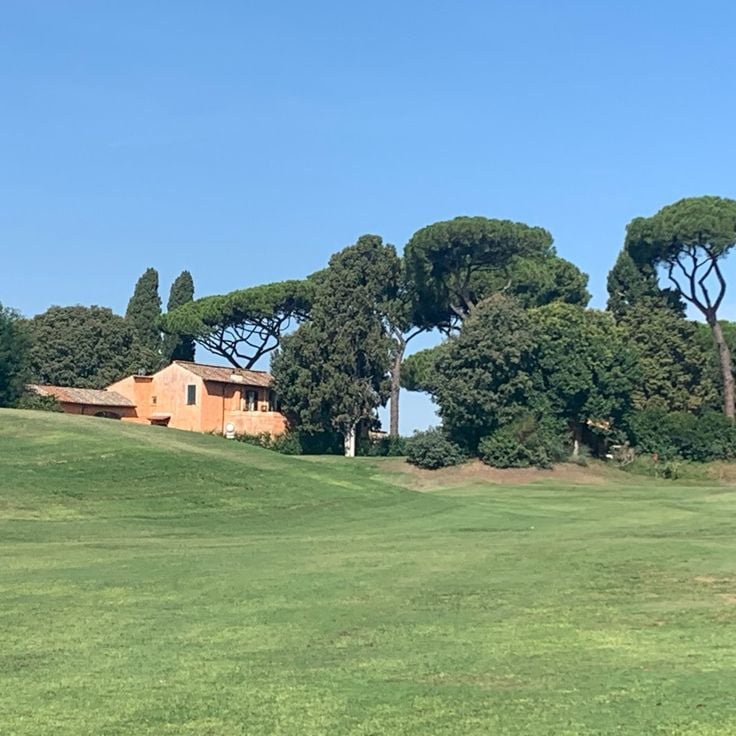
Rome, Italy
Circolo Golf Roma Acquasanta sits on the edge of Rome and ranks among the oldest golf courses in Italy, established in 1903. The 18 holes stretch between umbrella pines, holm oaks, and remnants of Roman aqueducts preserved on the grounds. The gently rolling terrain follows the natural hills of Via Appia Antica and combines sporting challenges with a walk through history. The course is crossed by walls and arches from ancient times, lending it a distinctive character. Fairways are surrounded by Mediterranean vegetation, and the clubhouse occupies a historic building from the early 20th century.
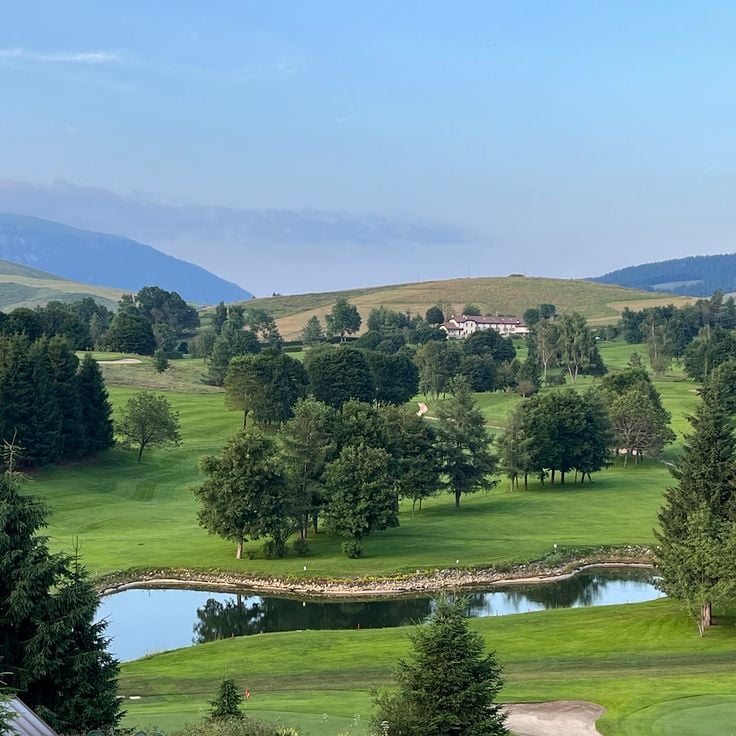
Vicenza, Italy
Asiago Golf Club sits on the Altopiano dei Sette Comuni plateau and offers an 18-hole course at an elevation above 3,280 feet (1,000 meters). Founded in 1967, it combines technical challenges with views of the Dolomites and the Venetian Prealps. The fairways cross forests and open areas where firs and larches line the playing corridors. The club features a clubhouse built with regional stone and provides access to a historic area that played a central role in World War I.
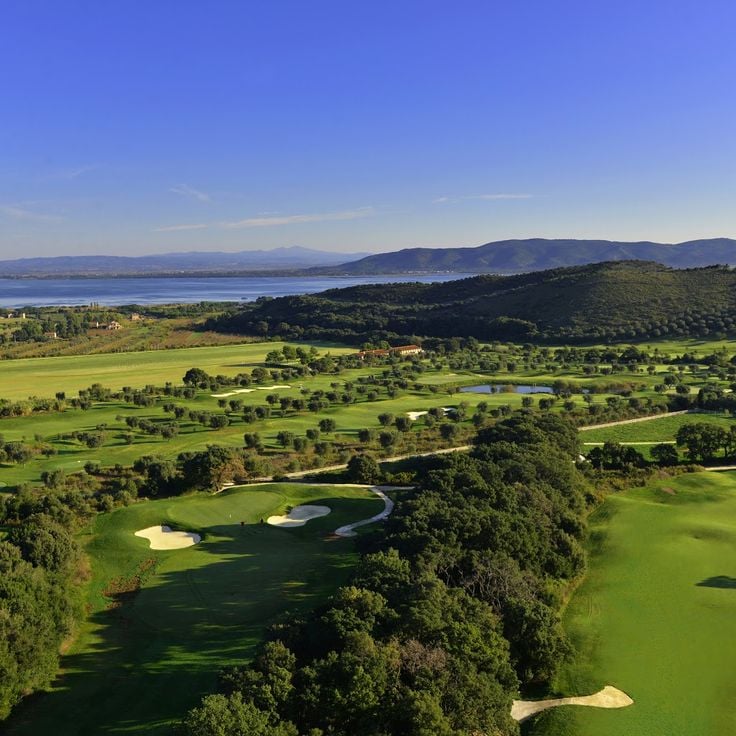
Grosseto, Italy
The Argentario Golf Resort and Spa features an 18-hole course set in the rolling hills of the Tuscan Maremma. The course was designed following environmental principles and uses native plants along with water-saving irrigation methods. Views from the clubhouse and several fairways extend to the Tyrrhenian Sea and the coastline. The resort includes practice areas, a restaurant, and a spa. Located a few miles from Monte Argentario, the facility combines golf with the vineyards, olive groves, and coastal towns of the region.
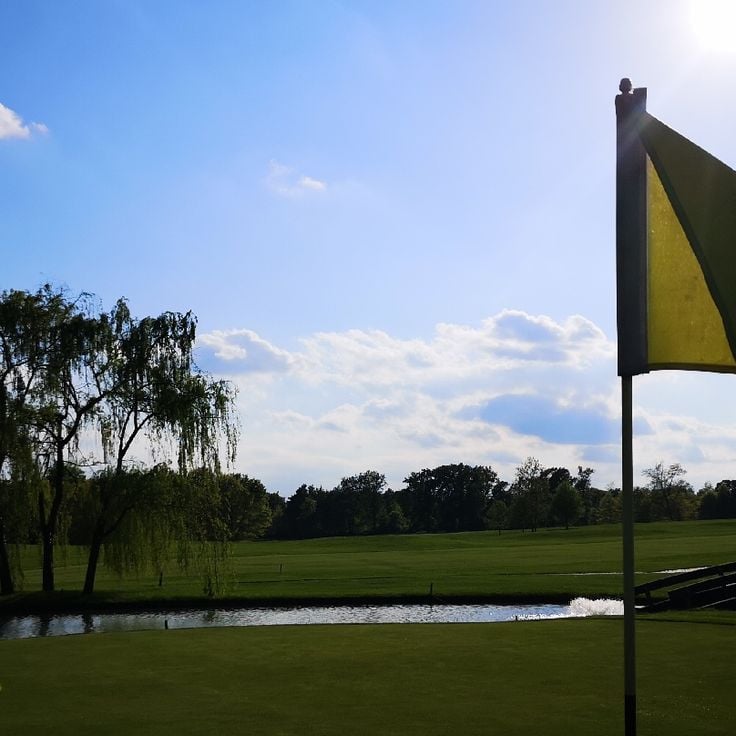
Novara, Italy
Golf Club Castelconturbia combines 27 holes across multiple courses in the Piedmont countryside near Novara. The facility extends over rolling terrain with fairways lined by mature trees and provides views of Monte Rosa. Water hazards and strategically placed bunkers define the rounds. The club sits between woodlands and agricultural fields, where golf merges with the rural setting of this northern Italian region.
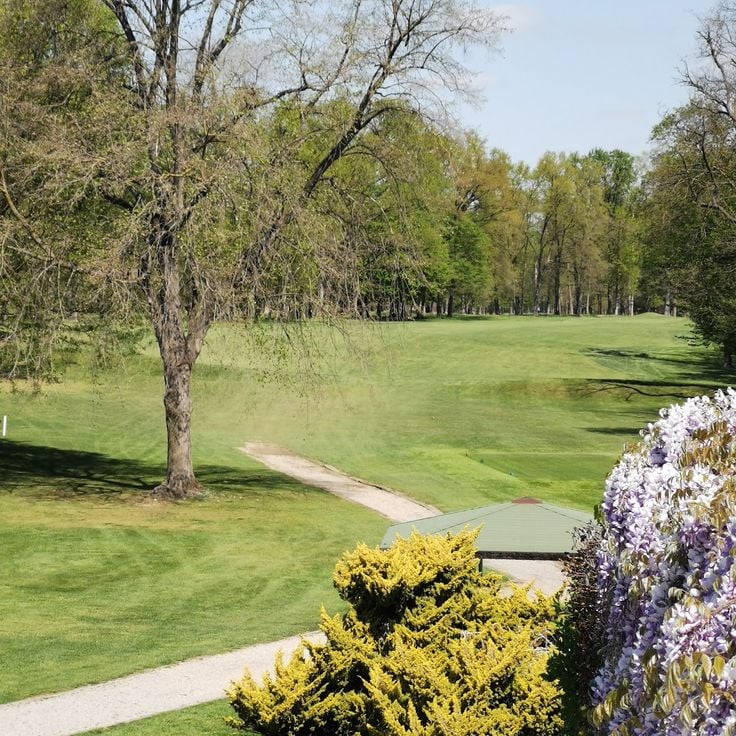
Monza, Italy
This club uses the grounds of the Royal Park of Monza for three technical courses that together form 27 holes. The fairways run between tree-lined avenues and open meadows, where the terrain alternates between gentle hills and flat sections. The layout combines technical requirements with historic landscape elements and fits into the Italian tradition of playing golf on protected grounds with mature trees. Each of the three courses offers different levels of difficulty and uses the natural vegetation of the park.
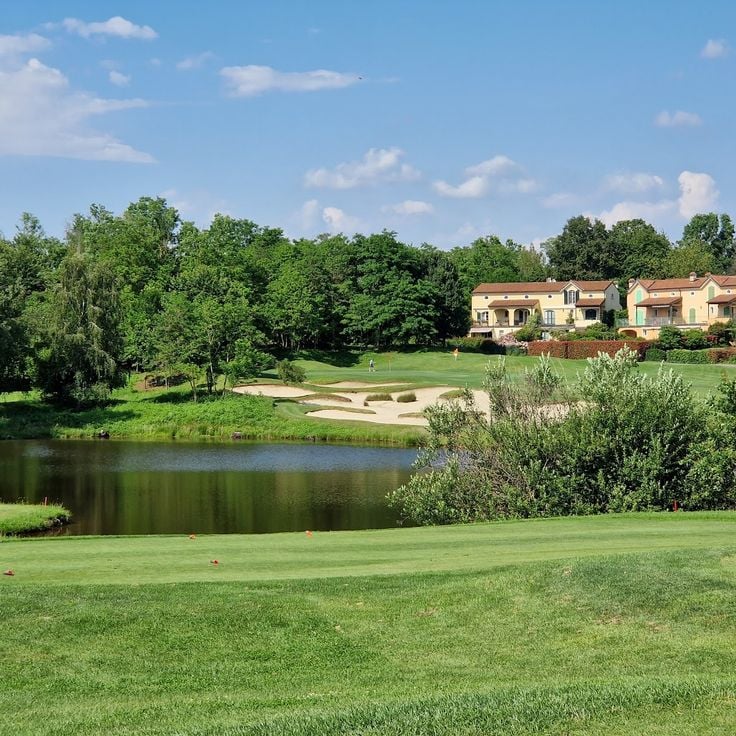
Novara, Italy
The Bogogno Golf Resort offers two 18-hole courses set in the Piedmont landscape. One course extends over open terrain with wide fairways and water hazards, while the other winds through gentle hills with wooded areas and natural elevations. The resort combines modern infrastructure with the Piedmont landscape between Novara and the Alps, where golfers find technical challenges in a setting of meadows, forests, and views of the surrounding mountains.
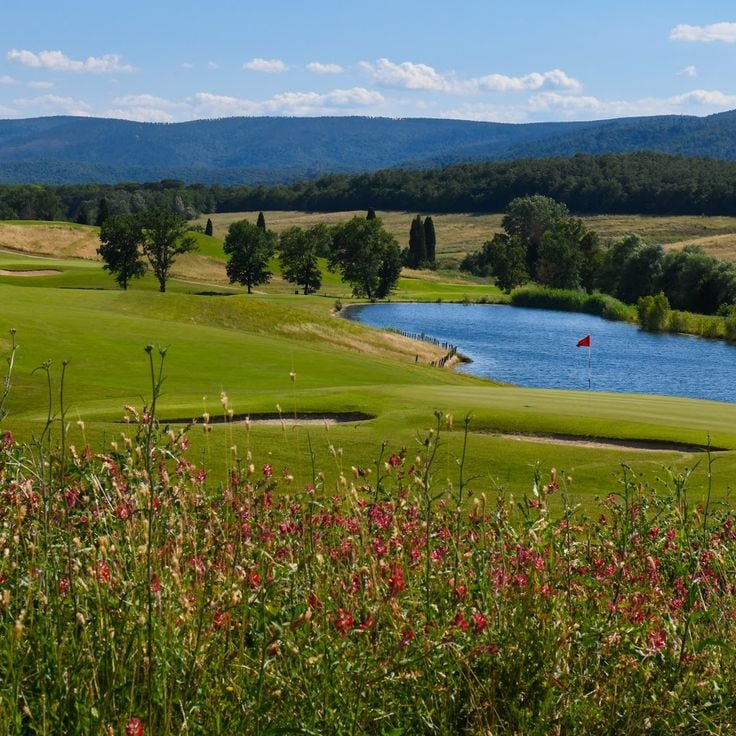
Siena, Italy
This golf course was designed by Robert Trent Jones Jr. and extends across the Tuscan hills south of Siena. The fairways run through gentle slopes with views of vineyards and wooded heights. The facility includes 18 holes and incorporates natural terrain features with strategically placed bunkers and water hazards. The course sits on grounds with elevation changes that provide both technical challenges and views of the surrounding landscape. The design considers the topography and integrates into the traditional cultural landscape of Tuscany.
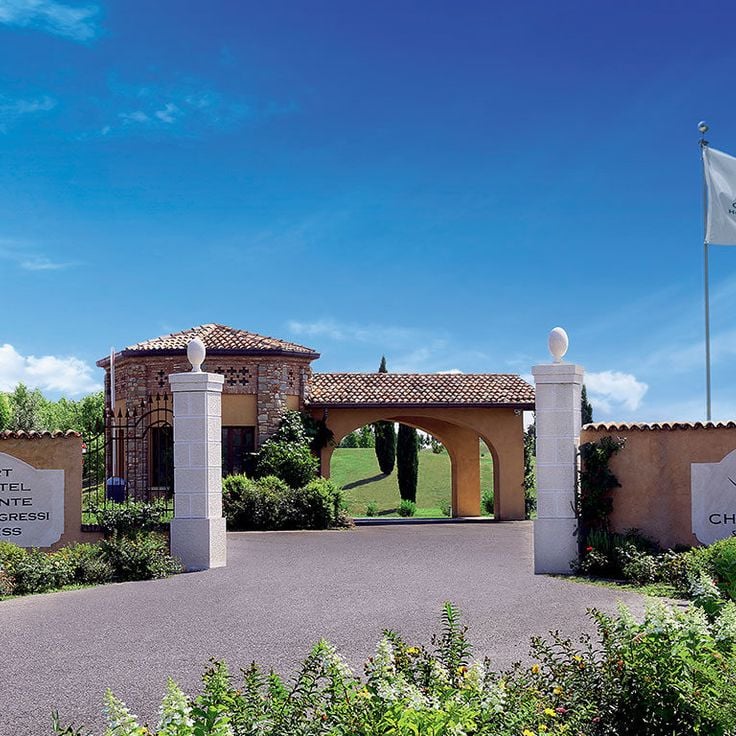
Brescia, Italy
This golf club near Lake Garda combines two 18-hole courses set among the gentle hills outside Brescia. Chervò Golf San Vigilio offers a sporting challenge within a landscape of olive groves and lake views. The facility includes practice areas for short and long shots, a pro shop for equipment, and a restaurant for breaks between rounds. The grounds lie in a region where golf meets northern Italian vegetation and the light that sweeps across the water.

Turin, Italy
The Circolo Golf Torino La Mandria combines two 18-hole courses within La Mandria Regional Park near Turin, where tall trees and wooded sections shape the layout. Founded in 1957, this club occupies land that once served as royal hunting grounds and now hosts protected natural areas. The fairways run between oaks and plane trees, while the greens are framed by tree-lined avenues that bring both technical demands and quiet to each round. This golf course sits at the base of the Piedmont hills and allows views of the Alps between shots.
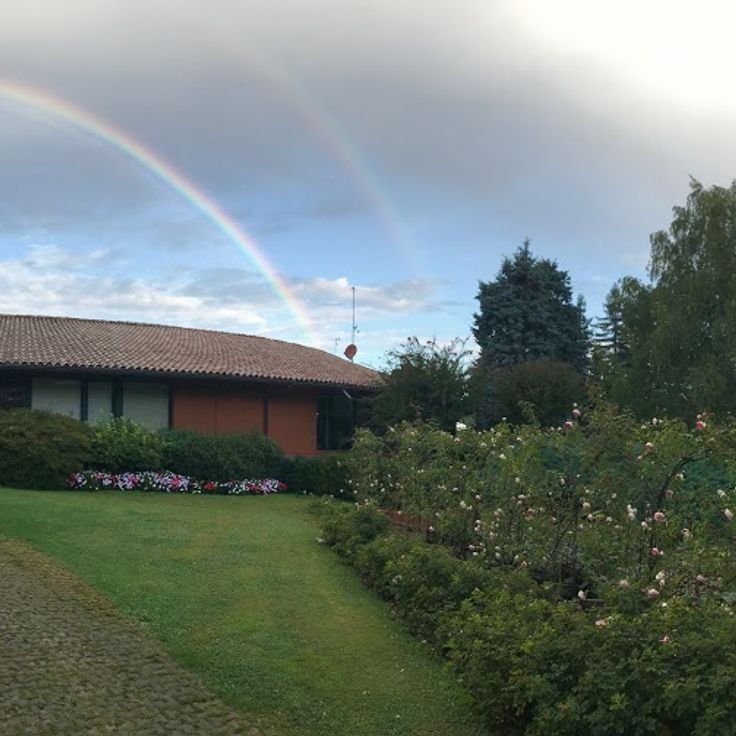
Como, Italy
Golf Club Monticello sits in the Brianza hills and offers two courses: the Red Course stretching 6,867 yards (6,295 meters) and the White Course measuring 6,693 yards (6,130 meters), both with 18 holes. The facility covers 345 acres (140 hectares) and combines fairways with historic woods and natural water features. This club has practice facilities, a golf school, and modern training equipment, located between Lake Como and the Alpine foothills, where golf and Italian countryside come together.
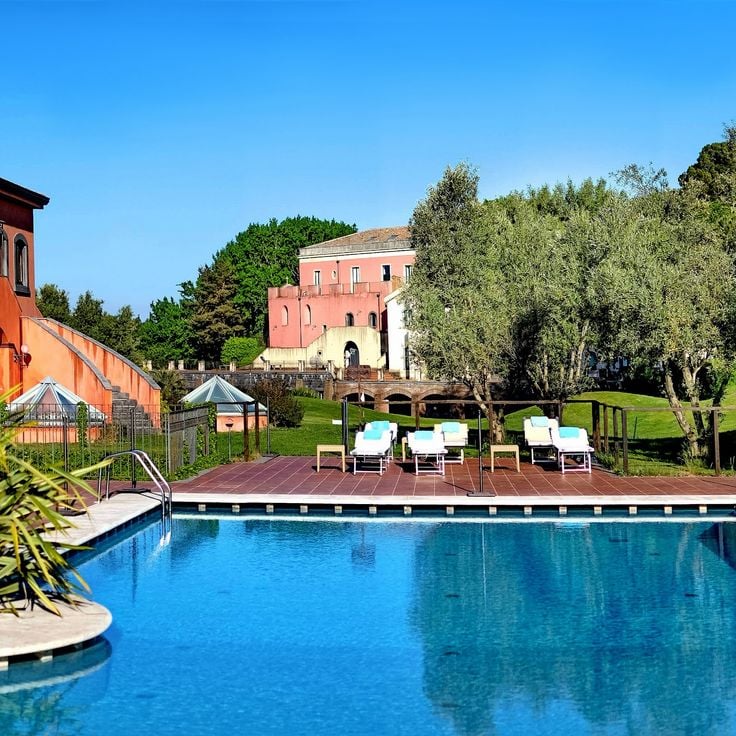
Catania, Italy
This golf course on Mount Etna was established as Sicily's first at an elevation of 2,132 feet (650 meters) and uses the region's volcanic rock as its natural foundation. The 18 holes fit into the landscape and combine technical challenges with views of the active volcano and the Ionian Sea. Fairways run between lava formations and Mediterranean vegetation, while the elevation provides a cooler climate than the coast. Il Picciolo Golf Club shows how golf in Sicily combines with geological features and mountain views.
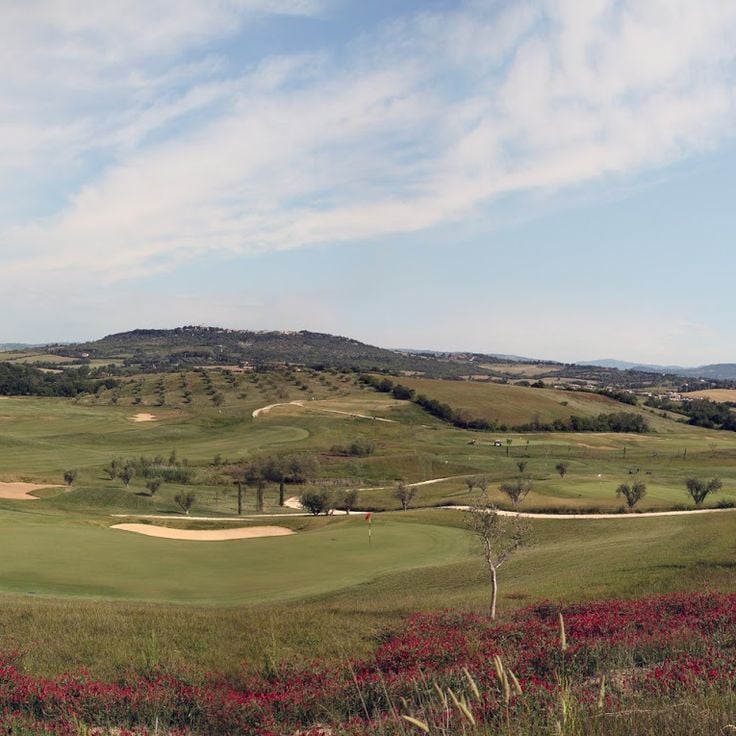
Grosseto, Italy
This 18-hole course is located in southern Tuscany, where golf meets thermal springs and rolling hills. Water hazards appear on six holes, adding rhythm to the round. The facility is part of a resort that combines golf with thermal water relaxation. The surroundings display hills, cypresses, and olive groves. Saturnia Golfplatz was built on terrain that incorporates both the natural topography and the regional tradition.
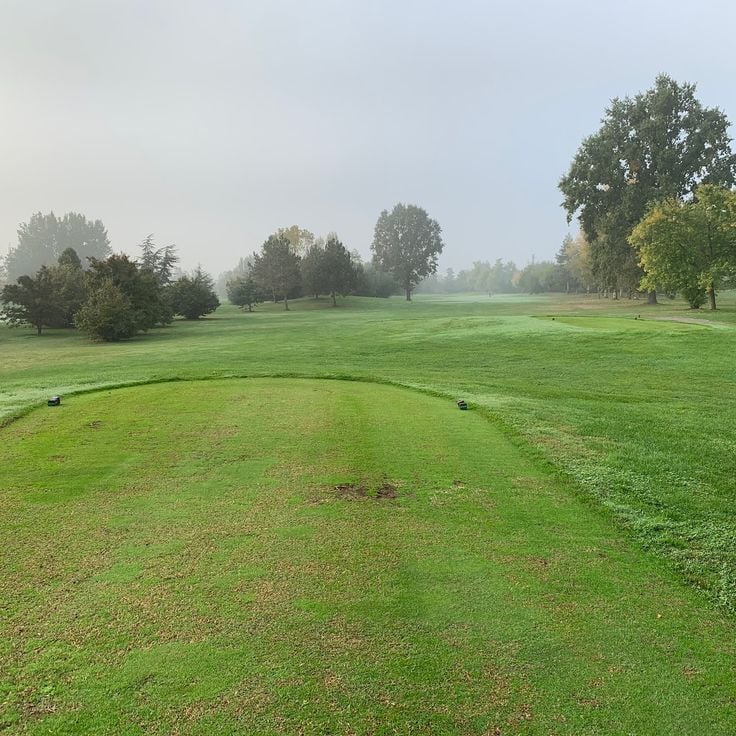
Modena, Italy
The Modena Golf and Country Club combines technically demanding fairways with the gentle landscape of Emilia-Romagna. The 18 holes stretch across well-maintained grass and are structured by several water hazards that require strategic play. The course is situated in the Po Valley, surrounded by farmland and tree rows, and offers tees suitable for both experienced players and beginners. The fairways are designed to utilize natural terrain features and are complemented by man-made ponds and bunker installations. The clubhouse serves as the starting point for rounds on one of the established golf courses in the region.
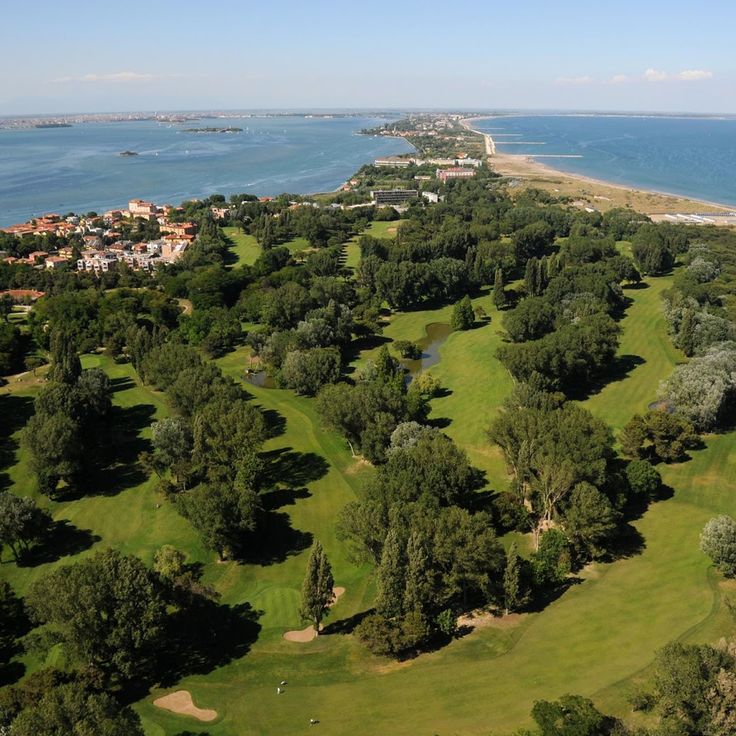
Venice, Italy
Venezia Golf Club sits along the Venetian Lagoon and combines play between canals and natural wetlands. The 18 holes stretch across flat terrain intersected by water hazards that recall the region's amphibious landscape. Fairways run through an area where grassland and reed beds alternate. The course offers technical challenges through its strategically placed water features. From some points, the outlines of the city and its islands are visible.
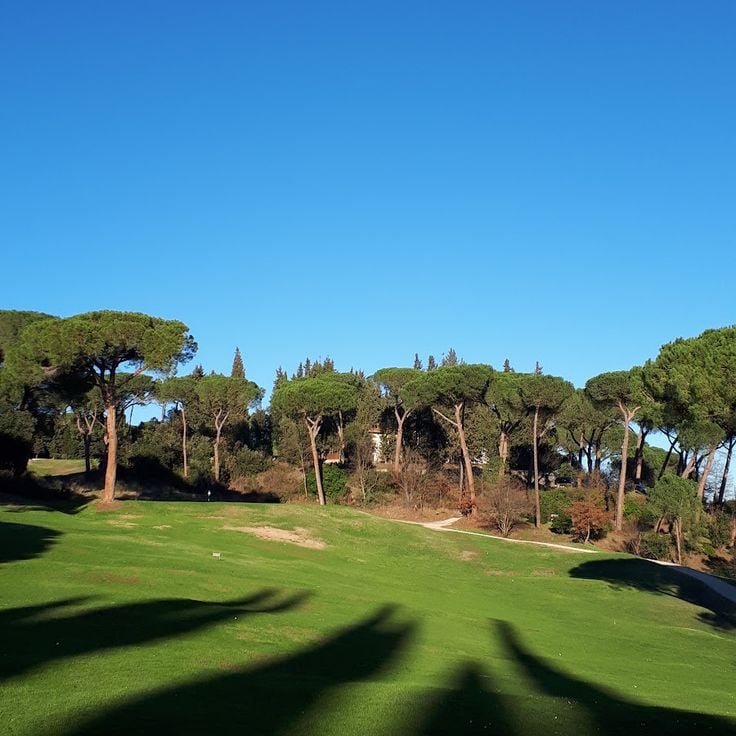
Florence, Italy
This golf course spreads across Tuscan hills south of Florence and combines sport with the region's landscape. The 18 holes fit into terrain featuring olive groves, cypresses, and gentle rises that provide varied shots and views over the surrounding valleys. Ugolino Golf Club was established in the 1930s and is one of the oldest golf courses in Italy. The fairways run between tree clusters and natural areas typical of the Tuscan hill country, offering both calm and technical demands.
Treviso, Italy
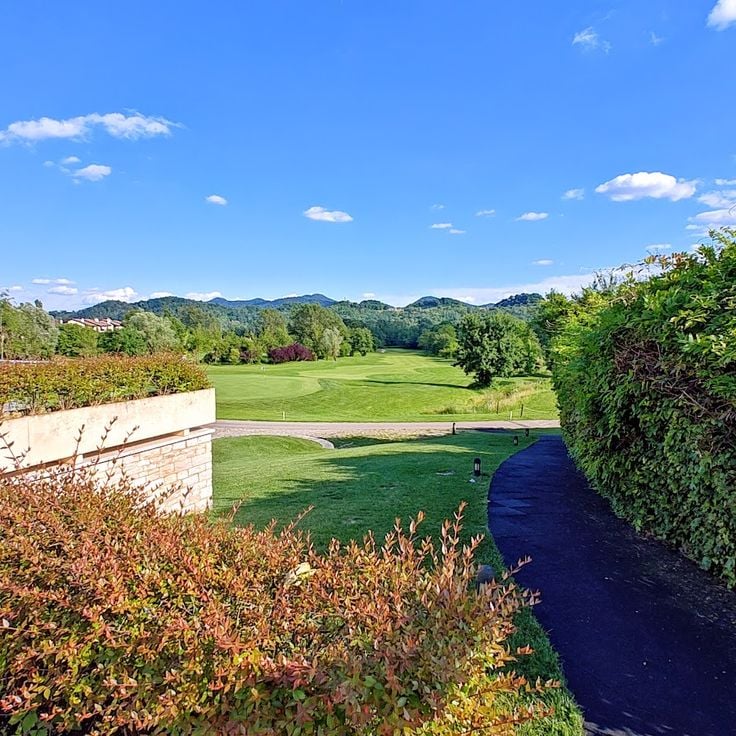
The Asolo Golf Club is located in the hills of Treviso and offers three nine-hole courses that wind through the gentle landscape of Veneto. This facility combines the game of golf with the typical character of the Italian foothills, where the topography provides varied playing situations. Each round leads over rolling terrain and offers views of the surrounding region, shaped by vineyards and villages, as described in this collection.

Trentino-South Tyrol, Italy
The San Vigilio Golf Club is located in the Dolomites and spreads across 27 holes that blend into the natural mountain terrain. This course sits in South Tyrol at an elevation of approximately 4900 feet (1500 meters) and offers players conditions that adapt to the alpine setting. The clubhouse is available to visitors, along with a practice area, a restaurant, and a golf shop for technical equipment. The facility was designed to use the region's contours and place the game within surroundings marked by coniferous trees and alpine meadows. The holes are divided into three loops, allowing for different playing approaches. From the clubhouse, one can see the surrounding peaks, which are snow covered or vegetated depending on the season.
Viterbo, Italy
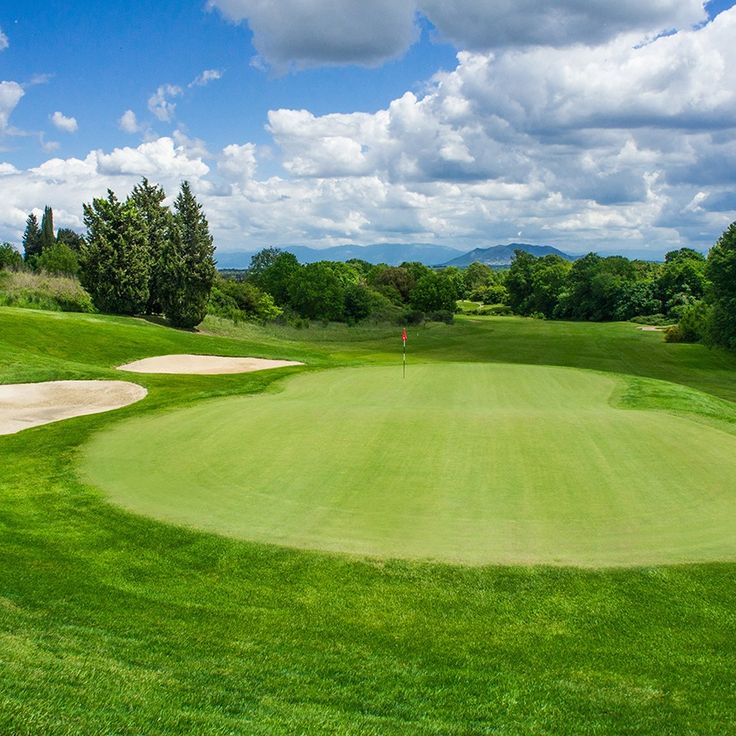
Le Querce Golf Club sits in the woods near Viterbo and is a par-72 course requiring technical play across 18 holes. The fairways run between oaks and chestnuts, while the greens are shaped by natural elevation changes. This golf course caters to experienced players and hosts the Italian PGA Tournament. The facility fits into the volcanic hills north of Rome and offers a quiet setting for demanding golf.
Bergamo, Italy
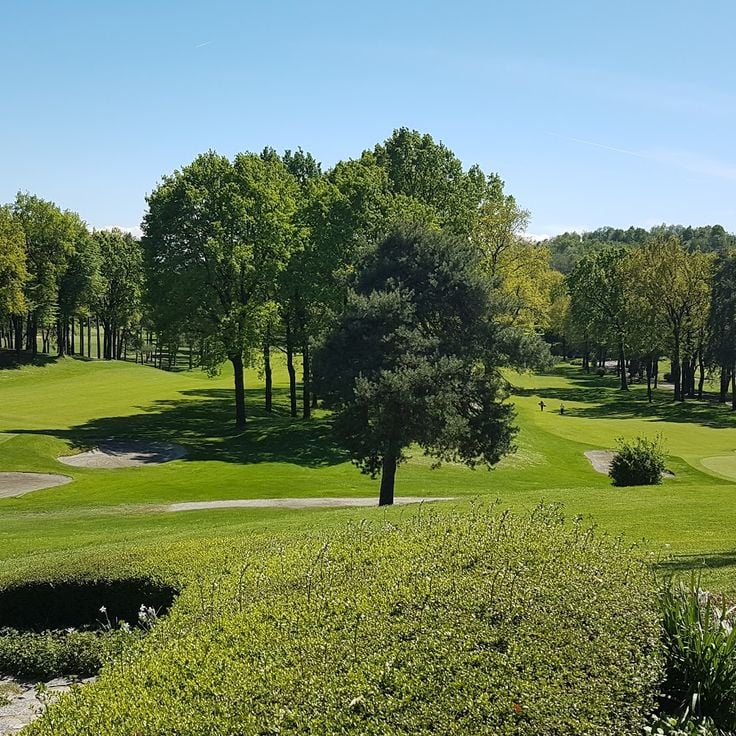
This golf course sits in the gentle hills north of Milan and offers a 27-hole layout that blends sport with the natural landscape of Lombardy. The fairways at Golf Club L'Albenza wind through terrain marked by water features and numerous sand bunkers. The narrow playing corridors demand precision and follow the contours of hills where olive trees and vineyards thrive. The facility combines technical challenges with the characteristic features of northern Italian countryside.
Lago Maggiore, Italy
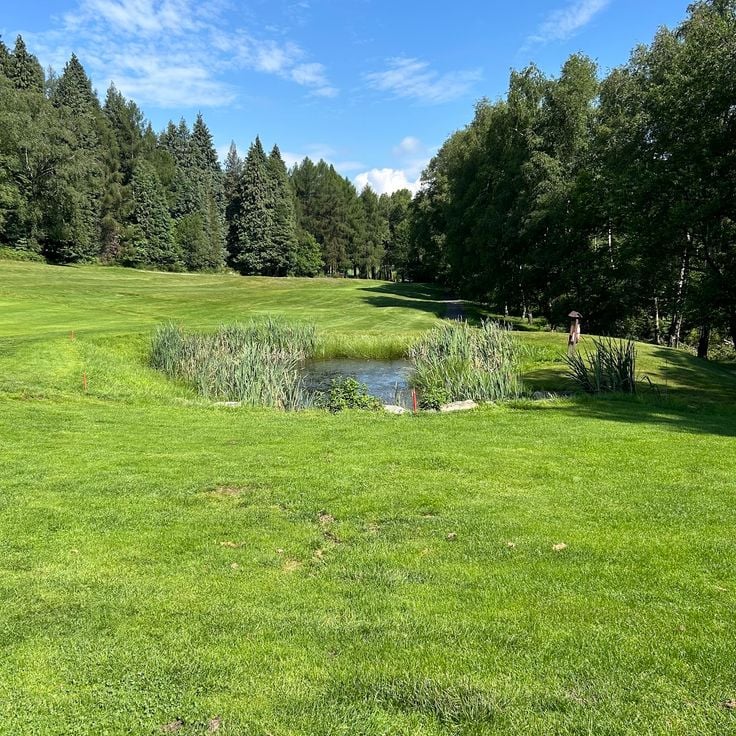
The Iles Borromées Golf Club combines golfing with the landscape of Lago Maggiore, where water and mountains define the horizon. The course's 18 holes follow terrain that unfolds between plains and gentle rises, with trees and natural obstacles that shape the technical aspects of play. Players experience an environment that shifts between alpine slopes and Italian waters, with views of the Borromean Islands and surrounding peaks. The course fits into this region where golf and nature meet without artificial drama.
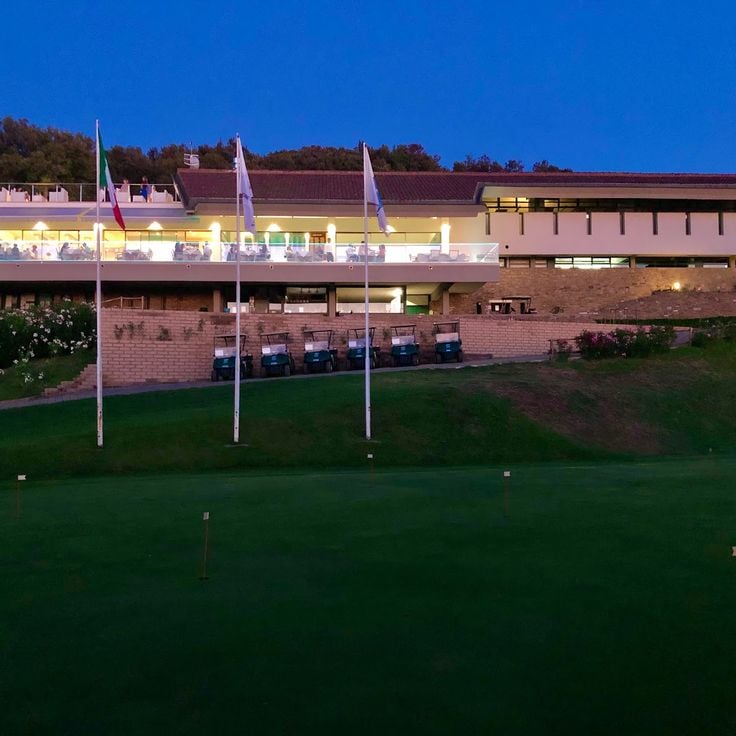
Grosseto, Italy
The Punta Ala Golf Club sits within a Mediterranean pine forest along the Tuscan coast, combining golf with the natural environment of Grosseto. This facility offers 18 holes that wind through the forest while providing views of the Tyrrhenian Sea. Players move between pines, Mediterranean vegetation, and wooded sections, with some holes running directly along the coastal strip. The course was established in the 1960s and uses the existing terrain with its natural elevation changes. The combination of forest passages and sea proximity makes this club an example of golf courses that connect the Italian landscape of Tuscany with athletic activity.
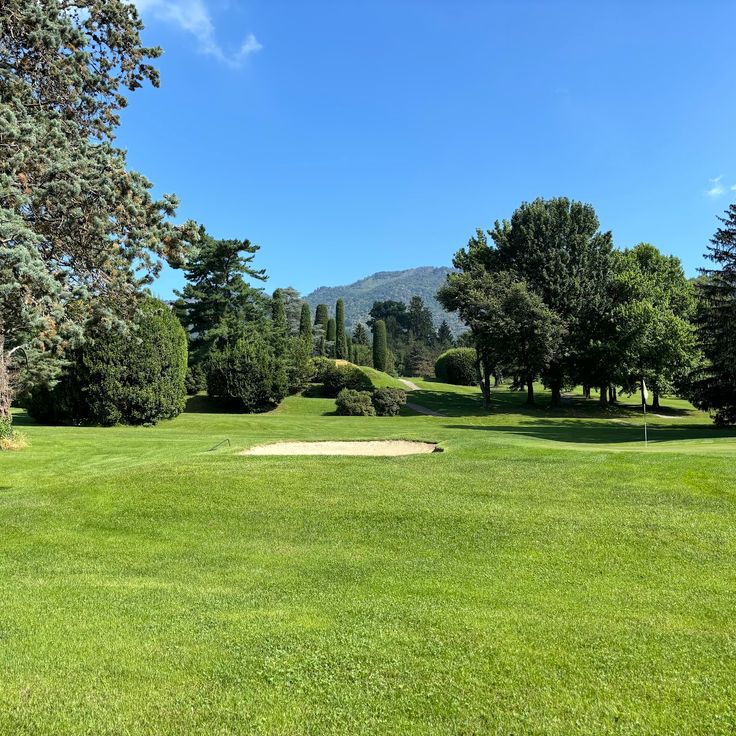
Varese, Italy
This golf course combines the alpine character of northern Italian hills with a technical layout that has attracted players since 1934. The 18 holes of Varese Golf Club are set in a wooded landscape where gentle slopes and precise fairways alternate. Between tree groves and meadows, the game unfolds through terrain that influences each shot and demands concentration. The course belongs to those Italian golf facilities that have preserved their historical design while adapting to the requirements of modern golf.