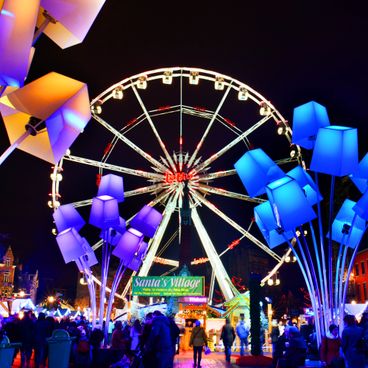
Collection of historical and architectural landmarks in the medieval city of Bruges, including religious buildings, squares, canals, and museums that represent the city's cultural heritage from the 13th to 15th centuries.
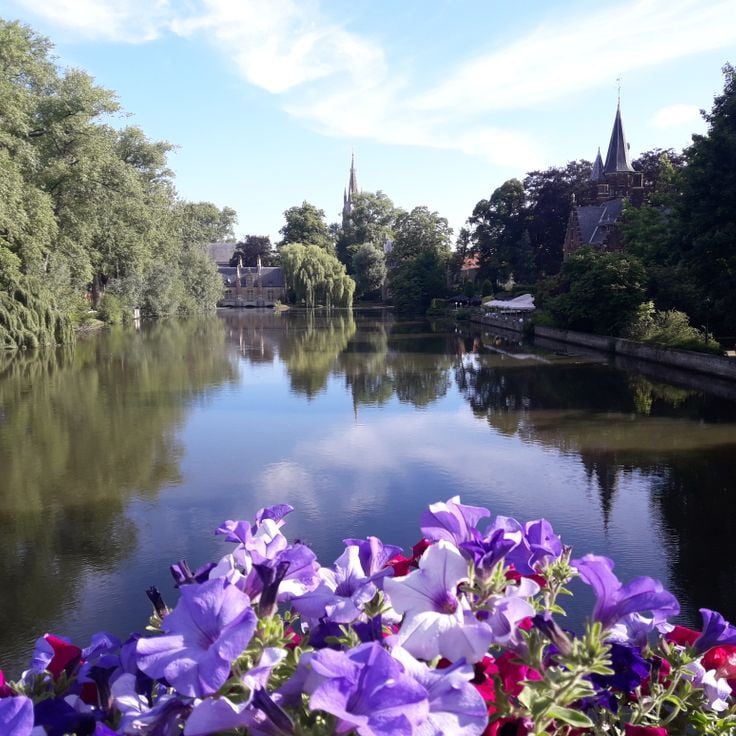
Bruges, Belgium
Historic lake from medieval times, formerly believed to be inhabited by water spirits.
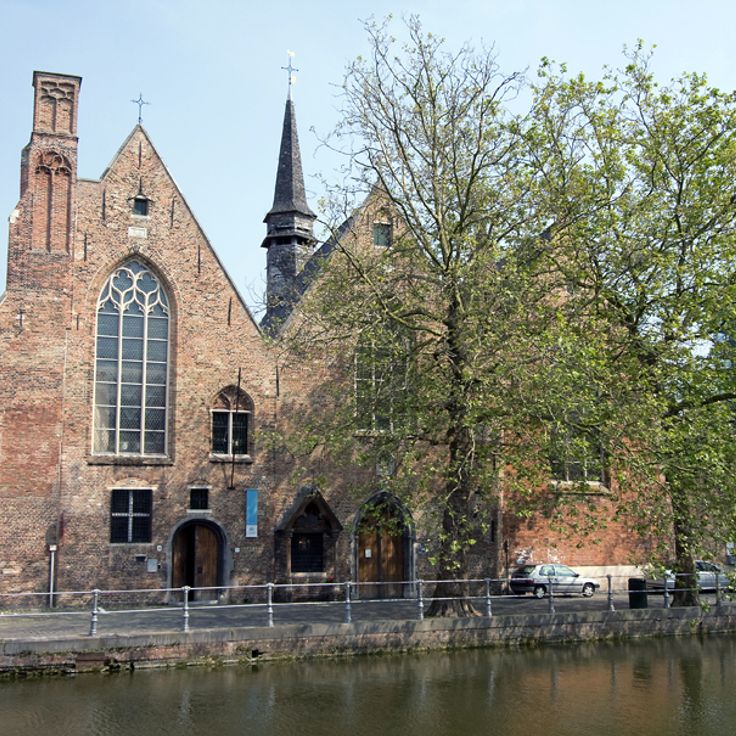
Bruges, Belgium
Gothic church with a 115.5-meter brick tower, the second tallest in the world. Built between the 13th and 15th centuries, it contains a marble sculpture by Michelangelo.
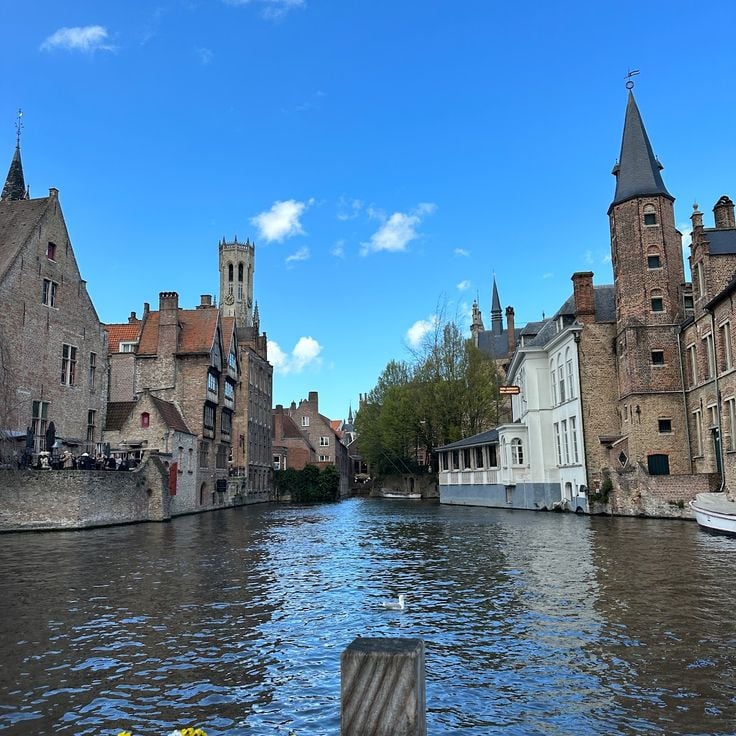
Bruges, Belgium
Waterfront street along the canal where merchants sold religious items in medieval times. The stone buildings reflect in the water of the canal.
Bruges, Belgium
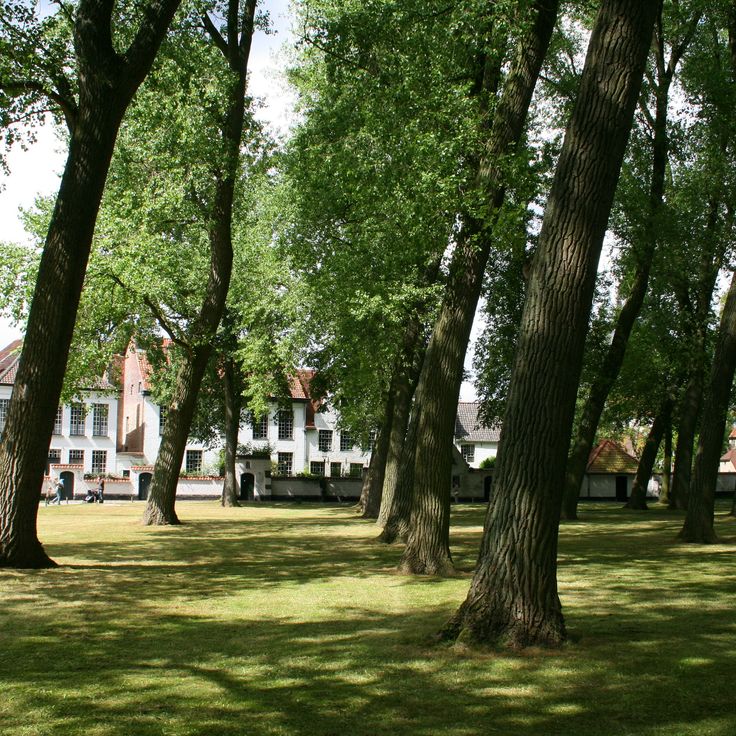
Historical religious community founded in 1245 where nuns lived in small houses around a central courtyard. The buildings display traditional white walls.
Bruges, Belgium
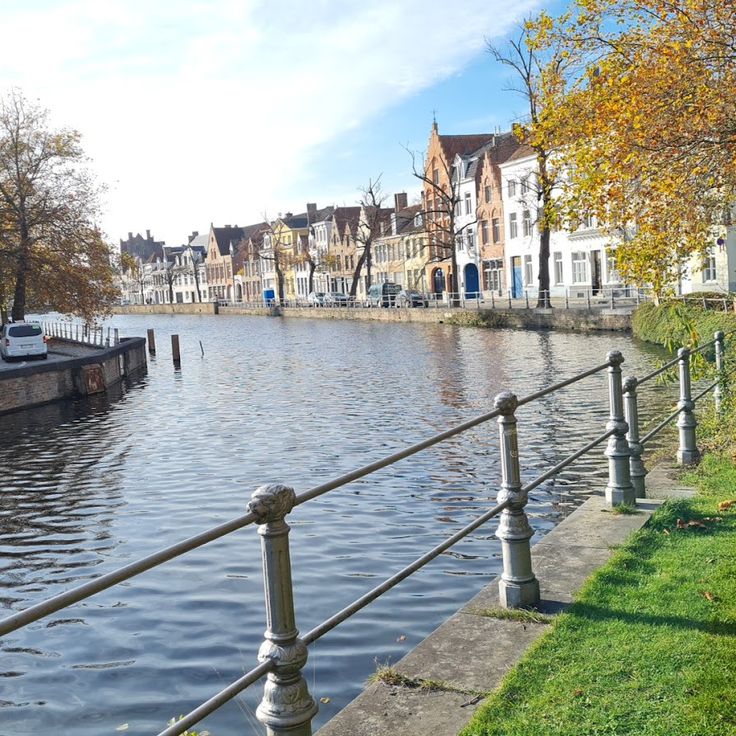
Waterways built in the Middle Ages connect different parts of the city through stone bridges and are used for tourist boat rides.
Bruges, Belgium
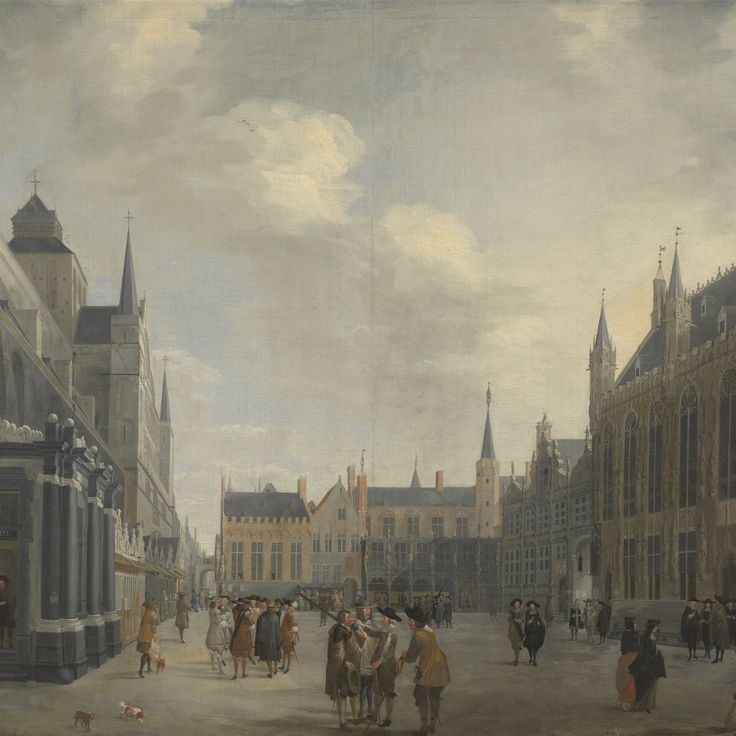
This square housed the first fortress of Bruges in the 9th century and contains the Gothic City Hall and the Basilica of the Holy Blood.
Bruges, Belgium
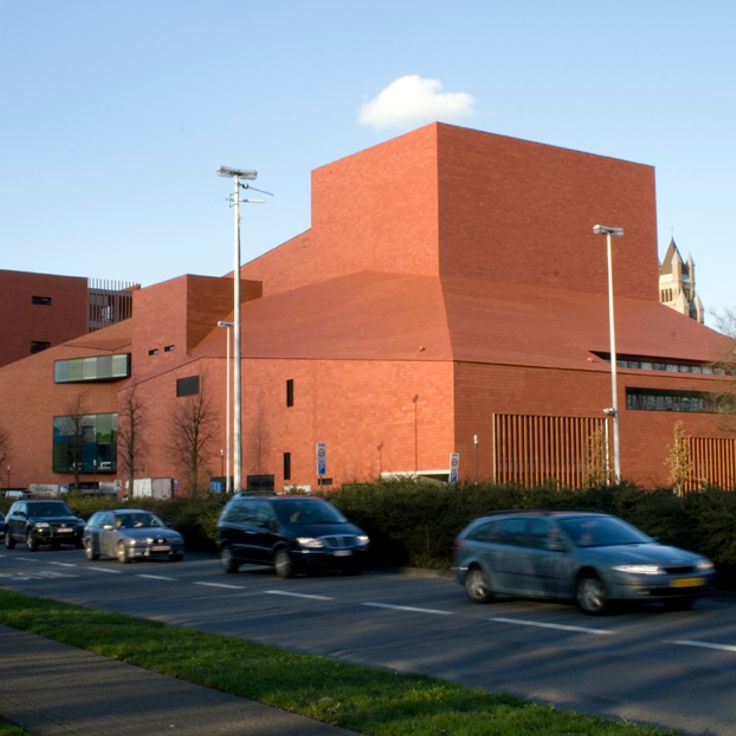
Modern music venue with two performance halls for classical and contemporary concerts, featuring regular orchestra and chamber music performances throughout the year.
Bruges, Belgium
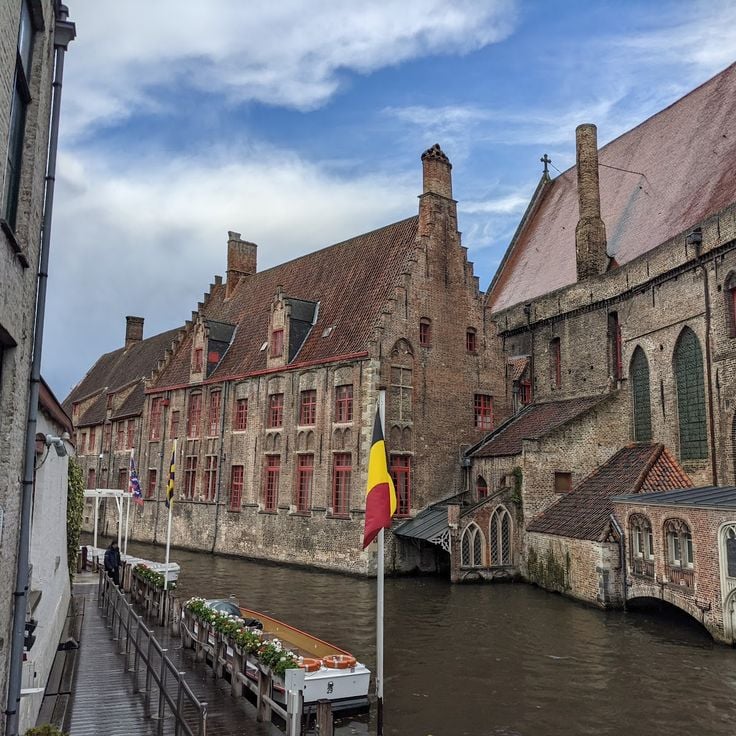
Historical dwellings built to accommodate elderly and poor residents, with inner courtyards and private chapels, featuring traditional Flemish architecture.
Bruges, Belgium
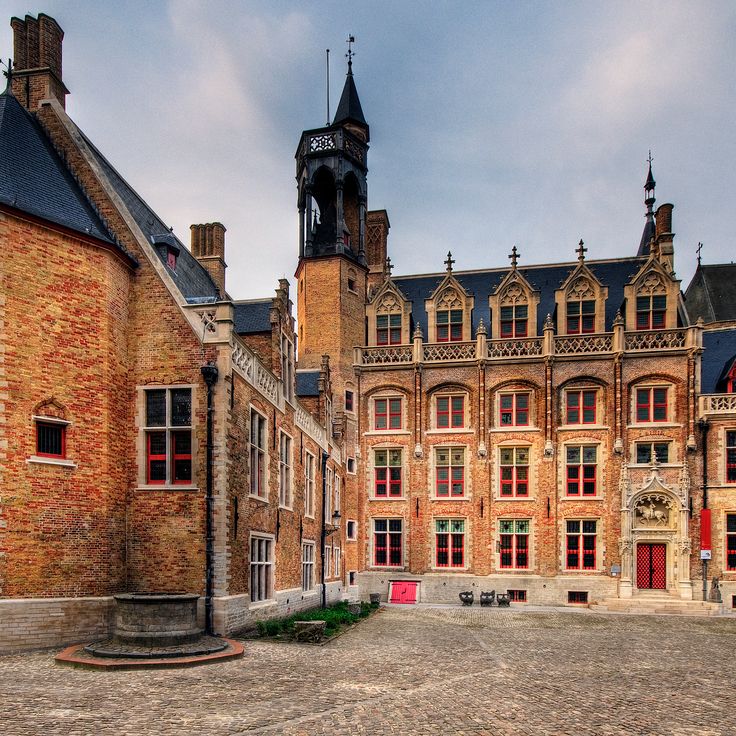
Museum displaying medieval arts, crafts and household items from 15th to 19th century in a restored Gothic palace of a merchant family.
Bruges, Belgium
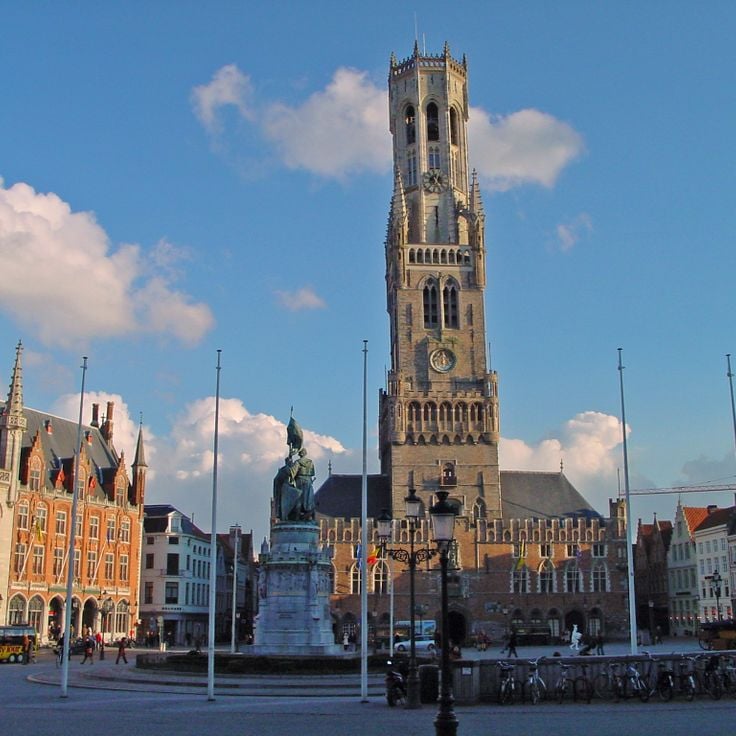
Central square dominated by the 83-meter Belfry tower. The square contains many medieval buildings and hosts markets and city events.
Bruges, Belgium
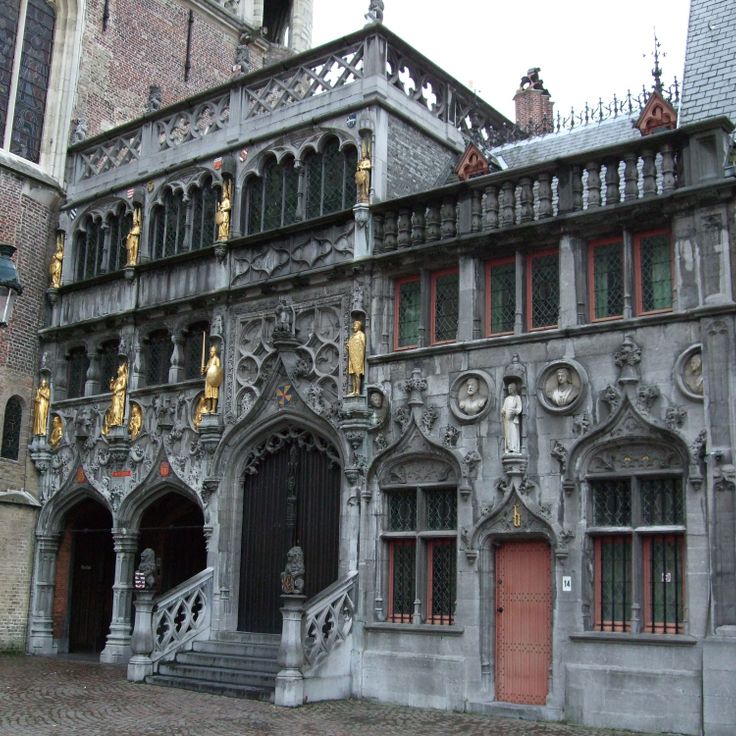
12th-century church containing a relic of cloth with Holy Blood, displayed in annual procession on Ascension Day.
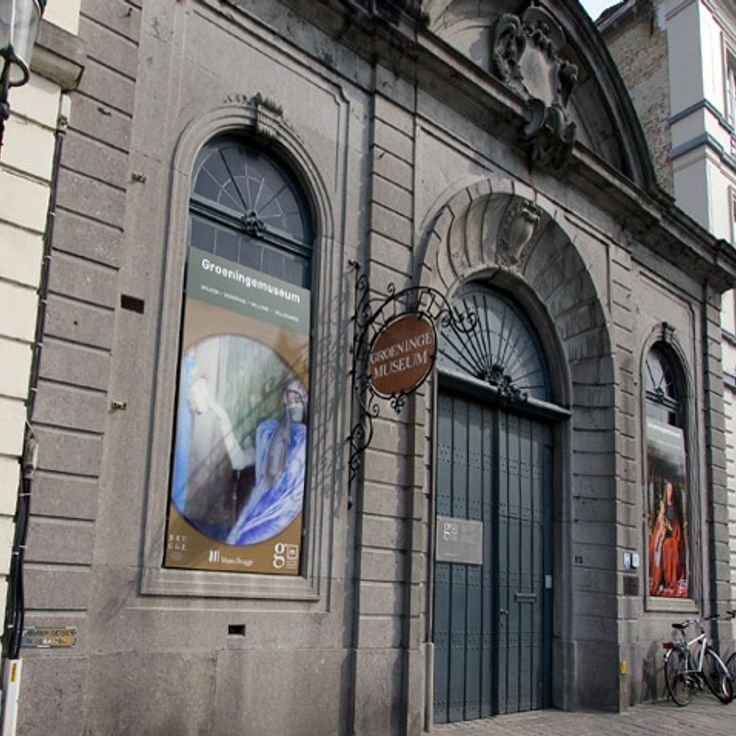
Bruges, Belgium
Museum of Fine Arts displaying Flemish and Belgian paintings from 15th century to present.
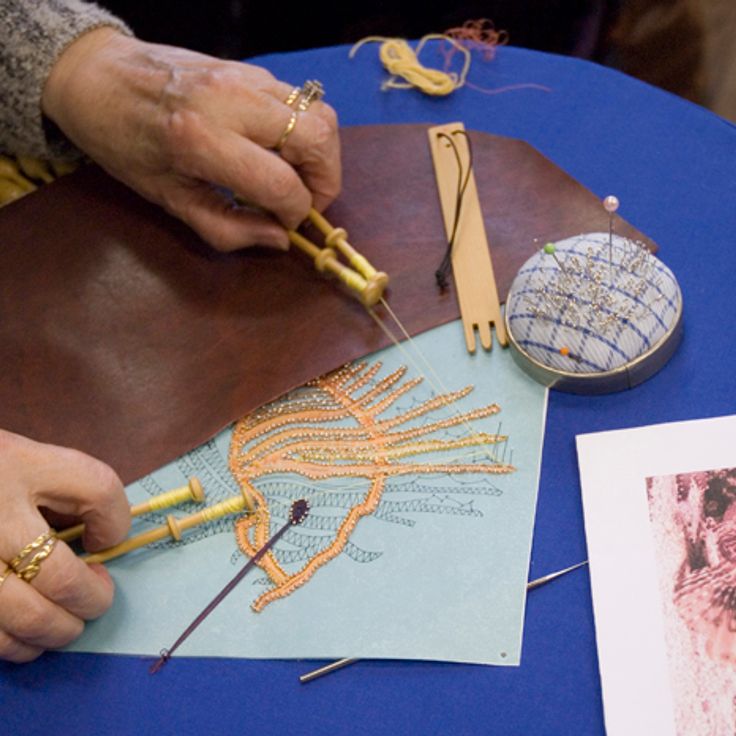
Bruges, Belgium
Center exhibiting lace crafting methods from the 16th century to modern day, with demonstrations by artisans and historical collections of Bruges lace.
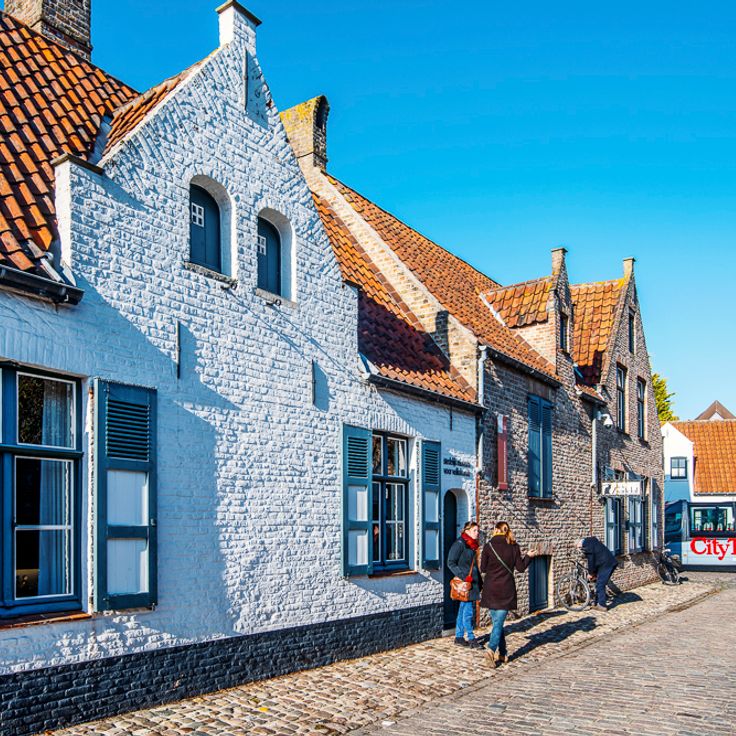
Bruges, Belgium
Museum housed in former almshouses displaying West Flemish daily life traditions.
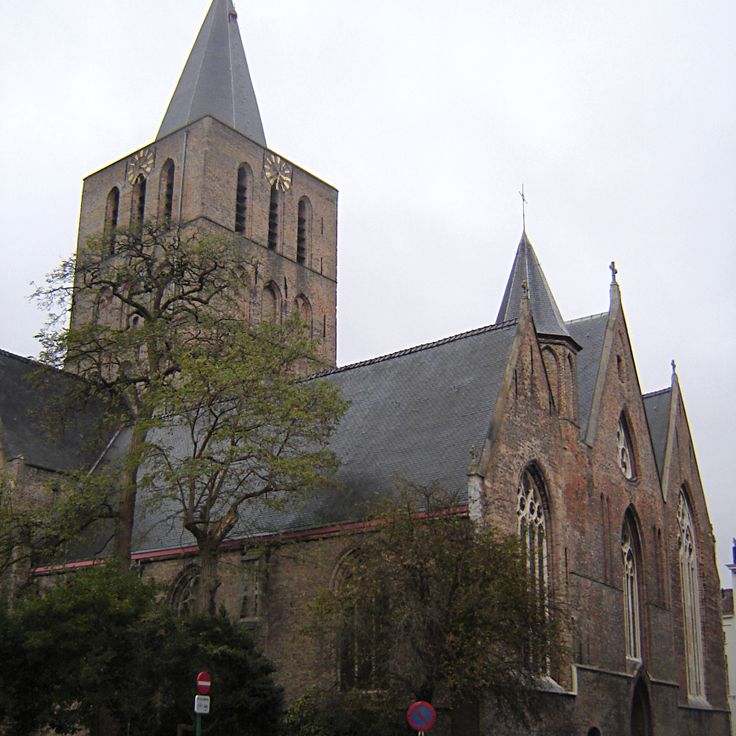
Bruges, Belgium
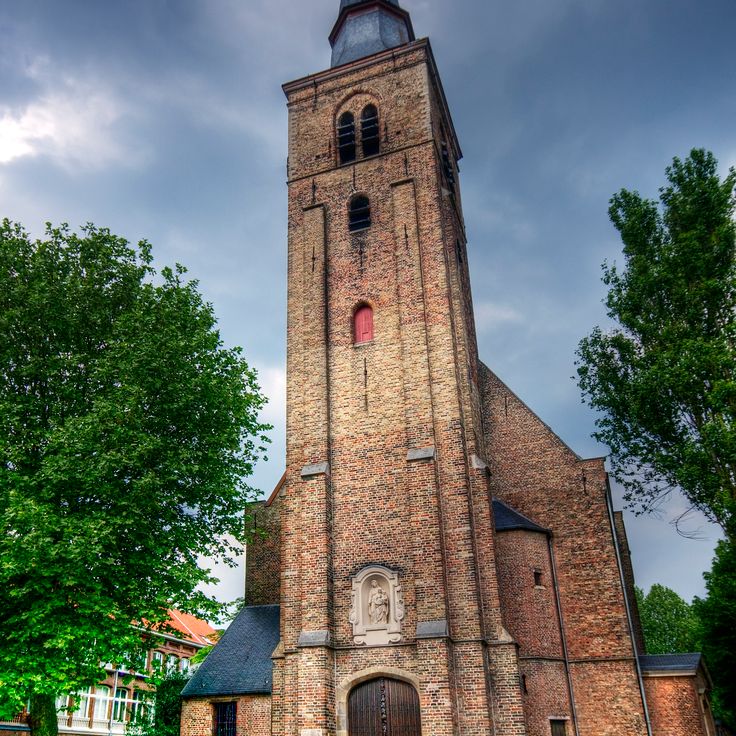
15th century church with a monumental crossing tower and gothic architectural elements.
Bruges, Belgium
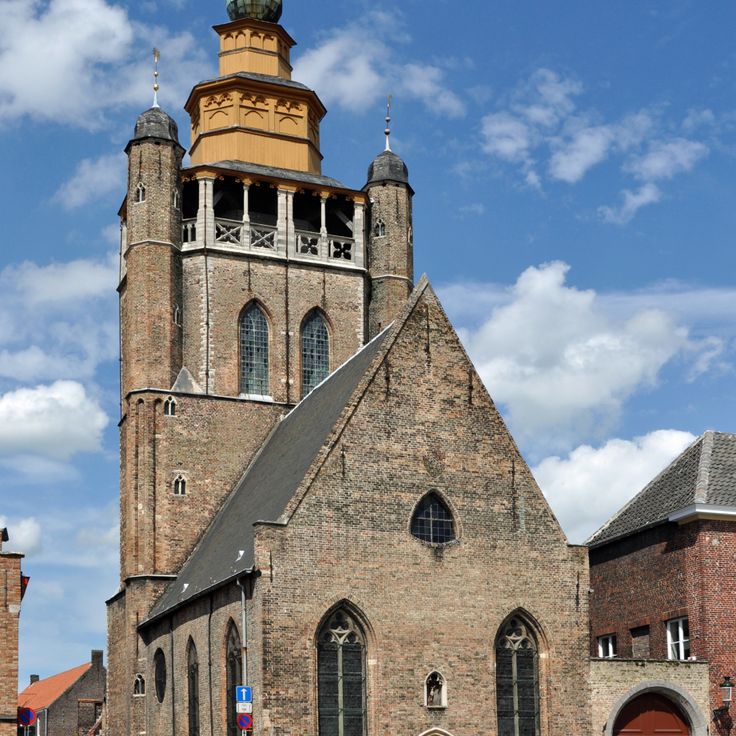
Church built between 1611-1628 with baroque interior from 1657-1661.
Bruges, Belgium
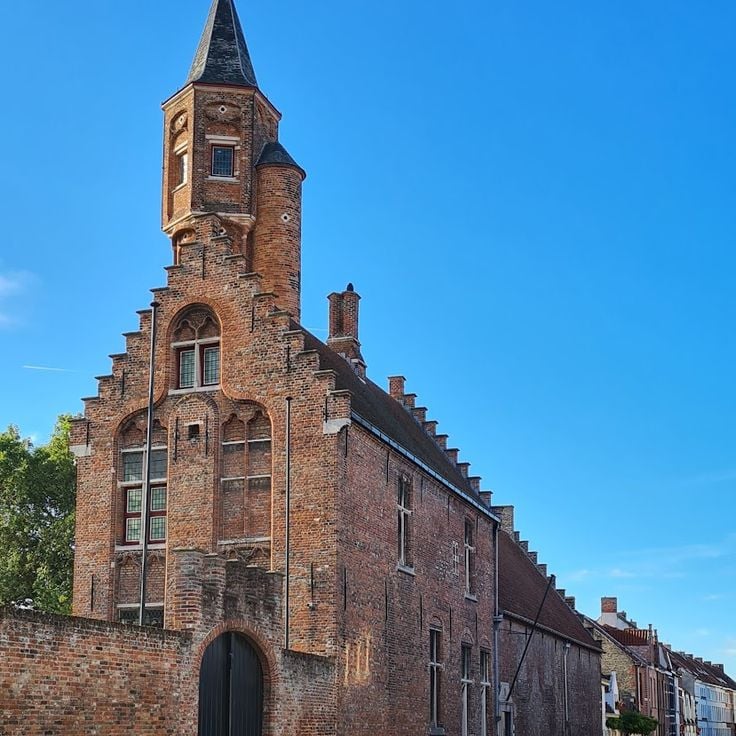
15th century noble residence with L-shaped layout and square stair tower, built before 1452.
Bruges, Belgium
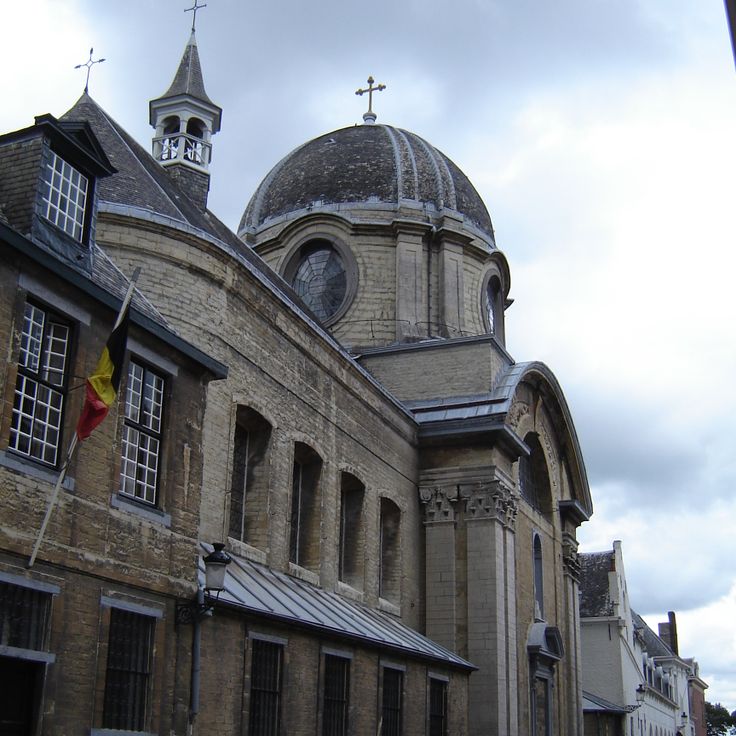
Religious complex from 1629 with church, cloisters and dome by architect H. Pulinx senior from 1736-1739.
Bruges, Belgium
Historic archery guild building from 1573 with polygonal stair tower.
Bruges, Belgium
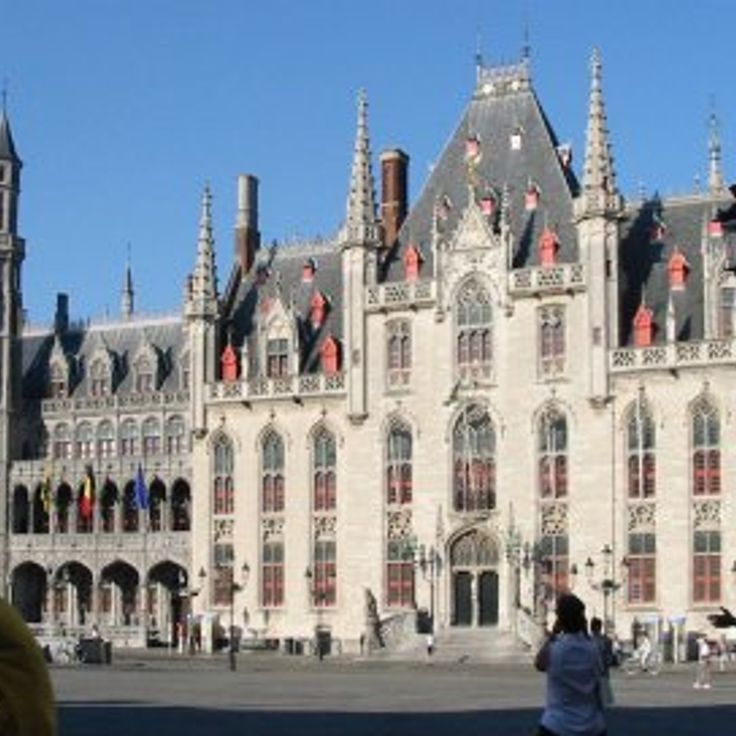
19th-century neo-gothic provincial palace of West Flanders located on Market Square. The building serves as administrative center with ornate stone facade.
Bruges, Belgium
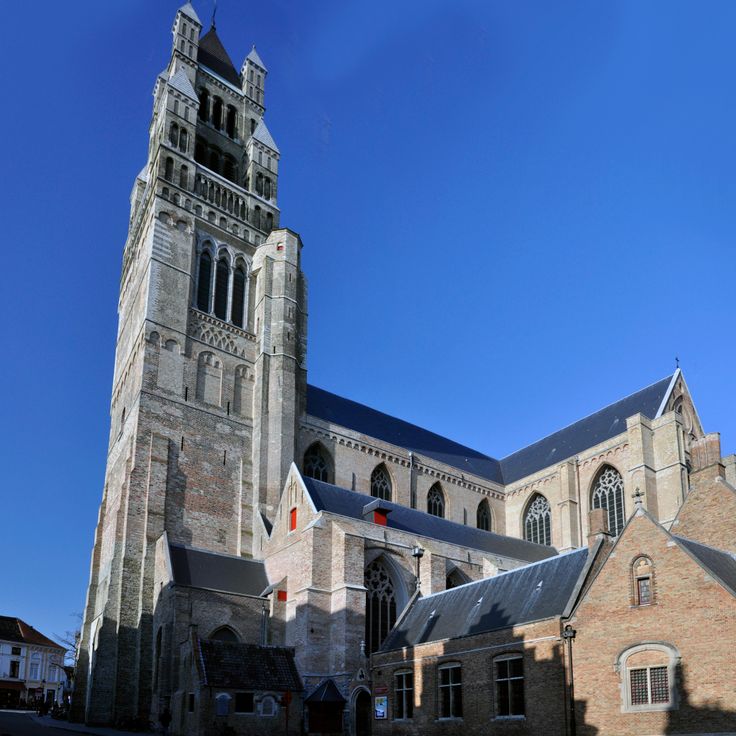
Nine centuries old cathedral with its stone walls, massive towers and pointed windows. Inside, medieval tombs and Flemish paintings adorn the walls.
Bruges, Belgium
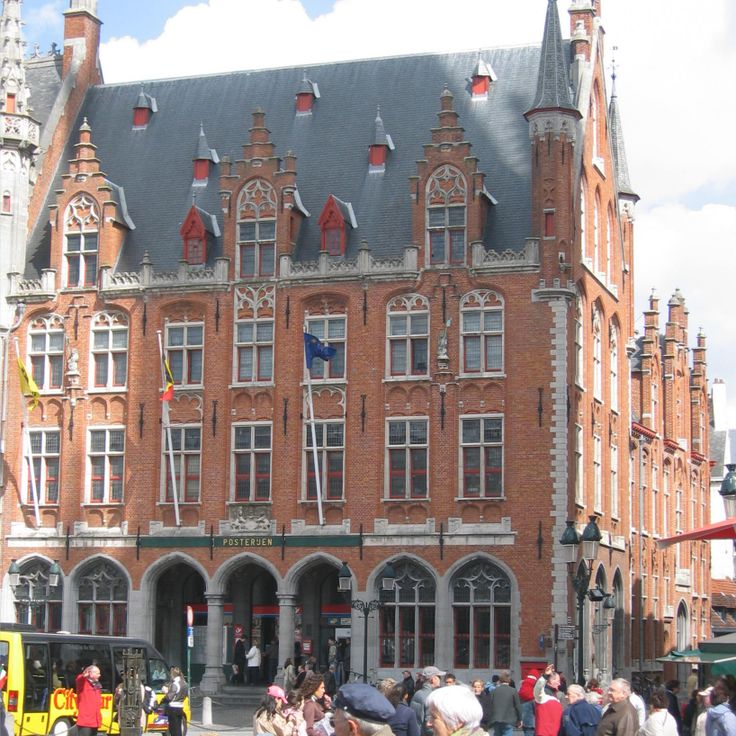
Three-story museum explaining the history of Belgian beers, with displays of brewing equipment and a tasting room on the top floor.
Bruges, Belgium
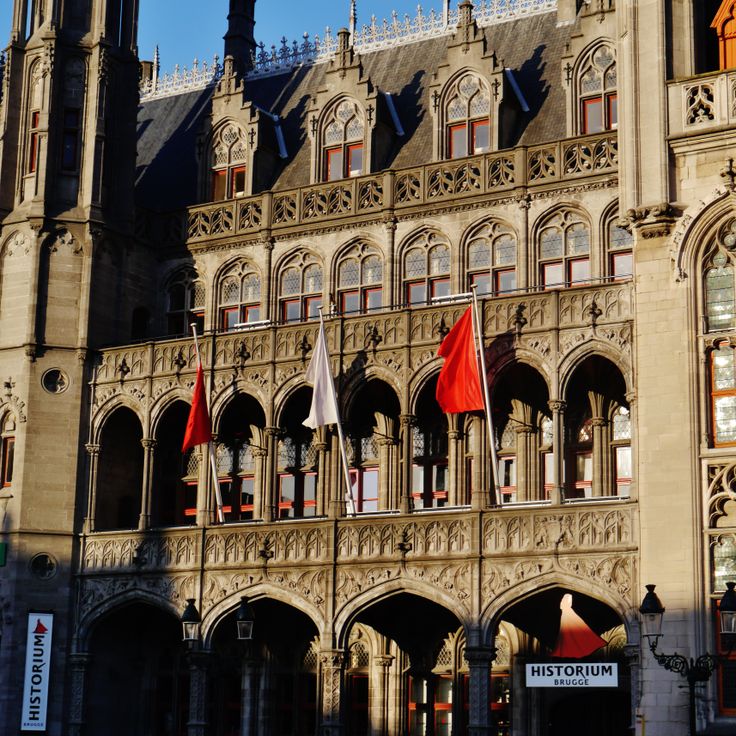
Interactive museum presenting medieval Bruges through multimedia experiences and historical reconstructions showing daily life during medieval times.
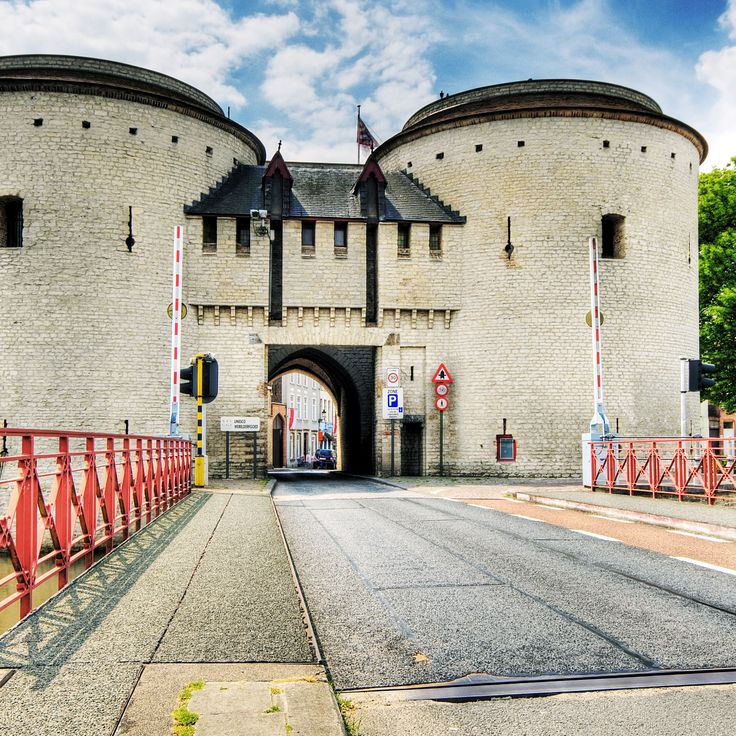
Bruges, Belgium
Stone gate built in 1400, located at the eastern entrance to Bruges old town, with octagonal flanking towers and arched passage.
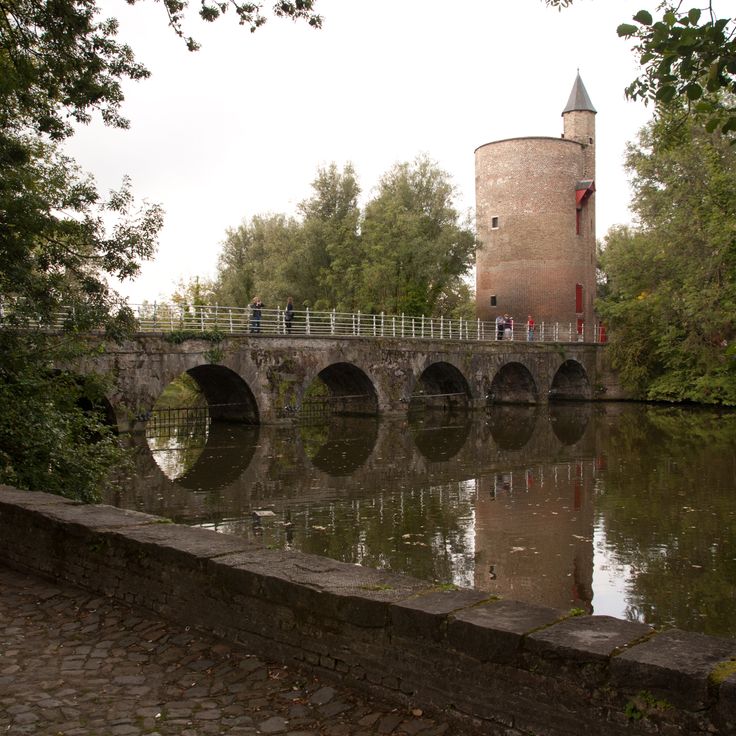
Bruges, Belgium
Stone bridge from 1739 connecting the Katelijne and Beguinage ramparts, with iron railings.
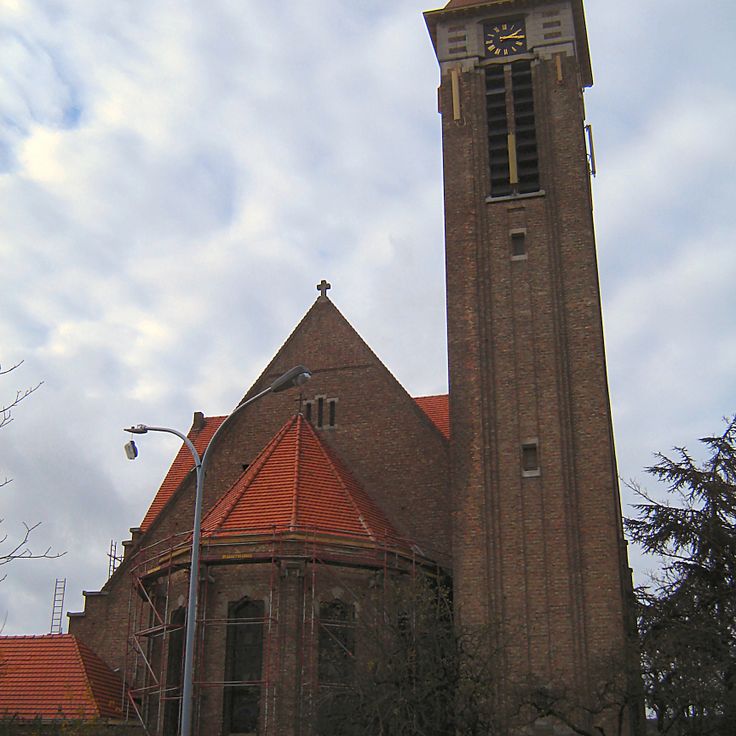
Bruges, Belgium
Gothic church built between 1851-1864 with a tall spire and pointed arches. This religious building stands among the first neo-Gothic churches in Belgium.
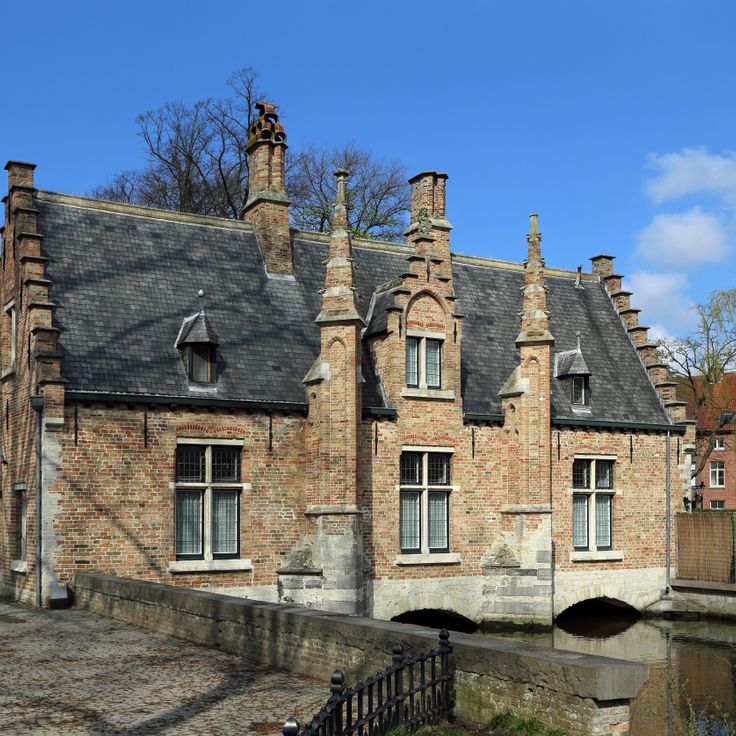
Bruges, Belgium
Lock house built in 1519 to control water levels on the inner canals, with pinnacles and stepped dormers.
Bruges, Belgium
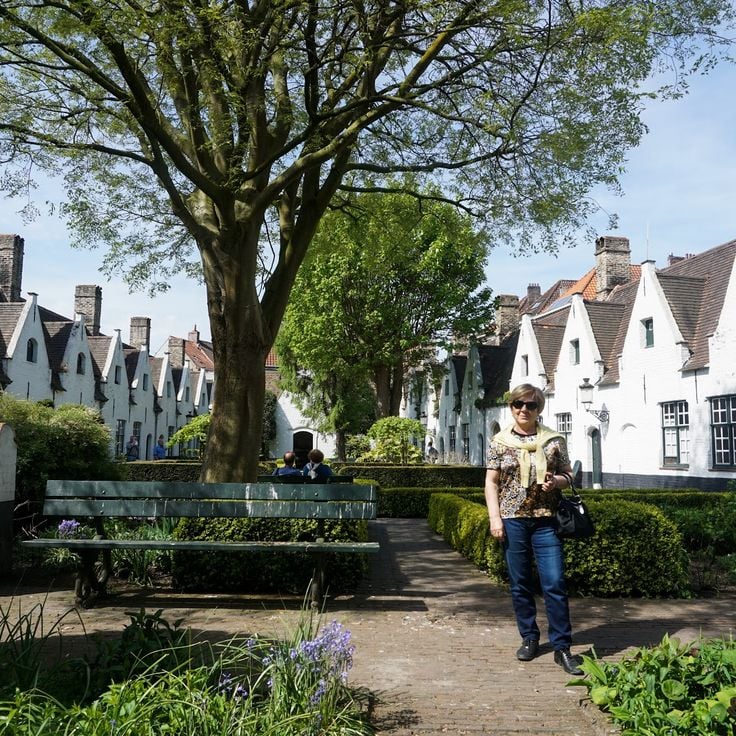
Almshouse complex from 1613 with a central chapel and two wings of single-room dwellings.
Bruges, Belgium
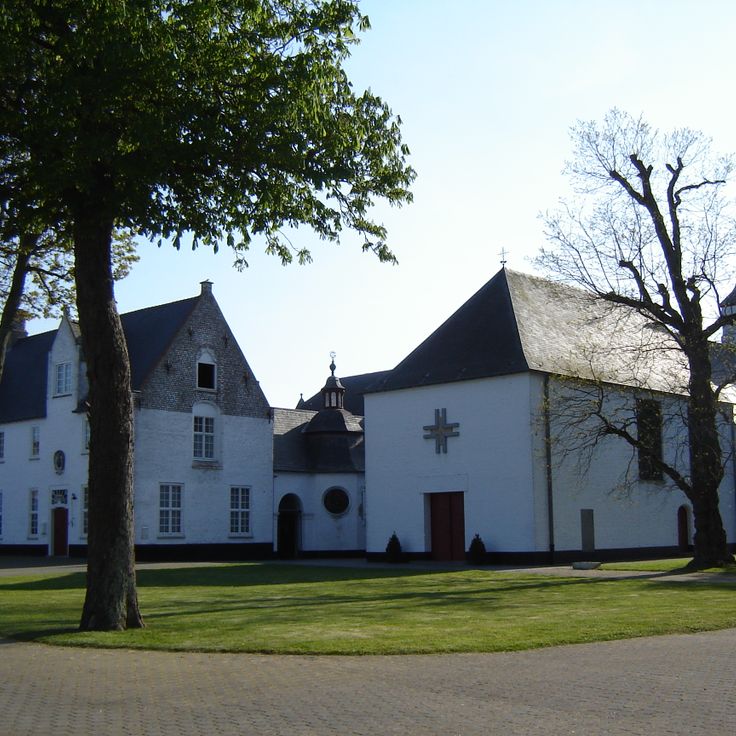
Abbey founded in 1623 with a church from 1626 and a gate building from 1633.
Bruges, Belgium
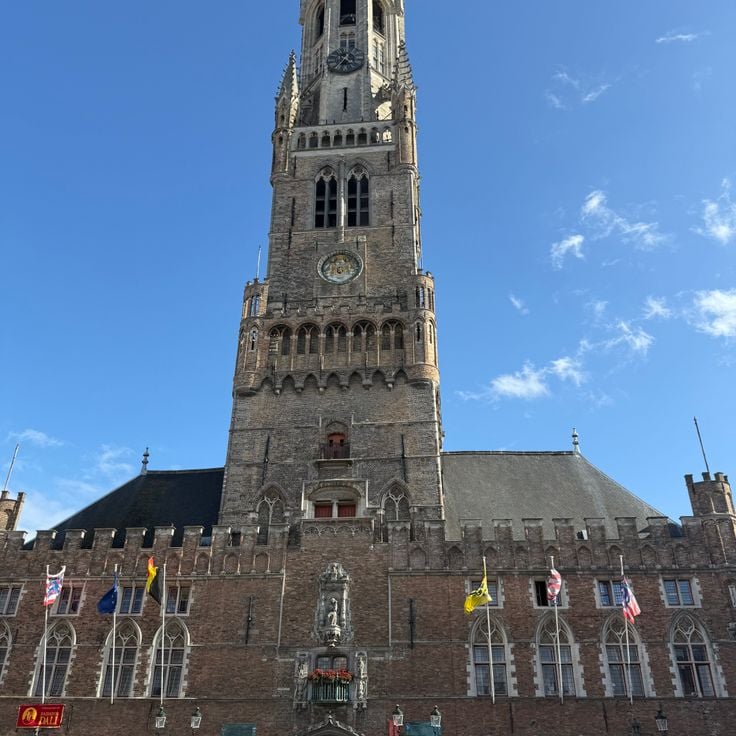
Medieval tower 83 meters high with a carillon of 47 bells, located above the former cloth market.
Bruges, Belgium
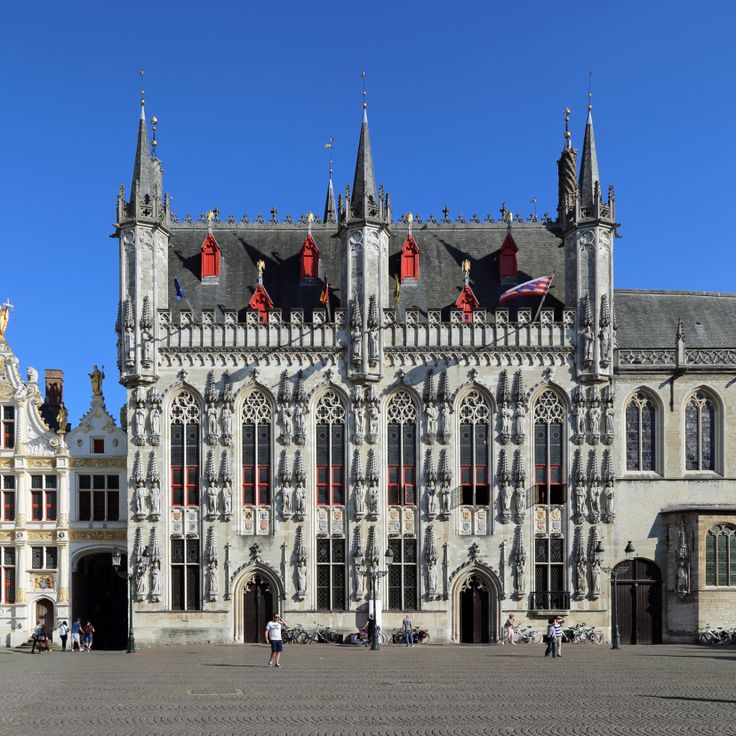
Gothic monument built between 1376 and 1420 whose façade features six mullioned windows and 48 niches with historical statues of the counts of Flanders.
Bruges, Belgium
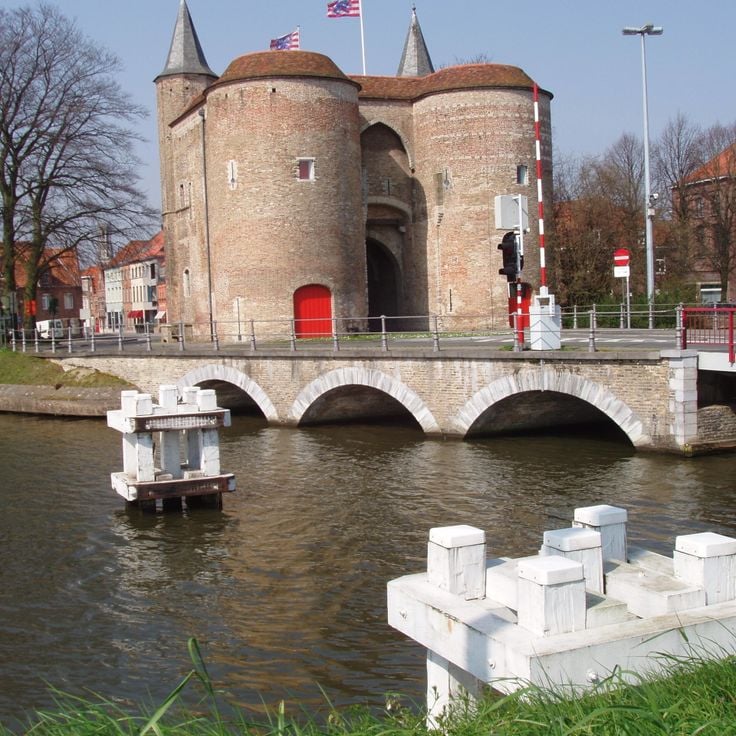
This fortified 13th-century gate was one of the four main entrances to the city's ramparts. Its stone structure includes loopholes and a bridge.
Bruges, Belgium
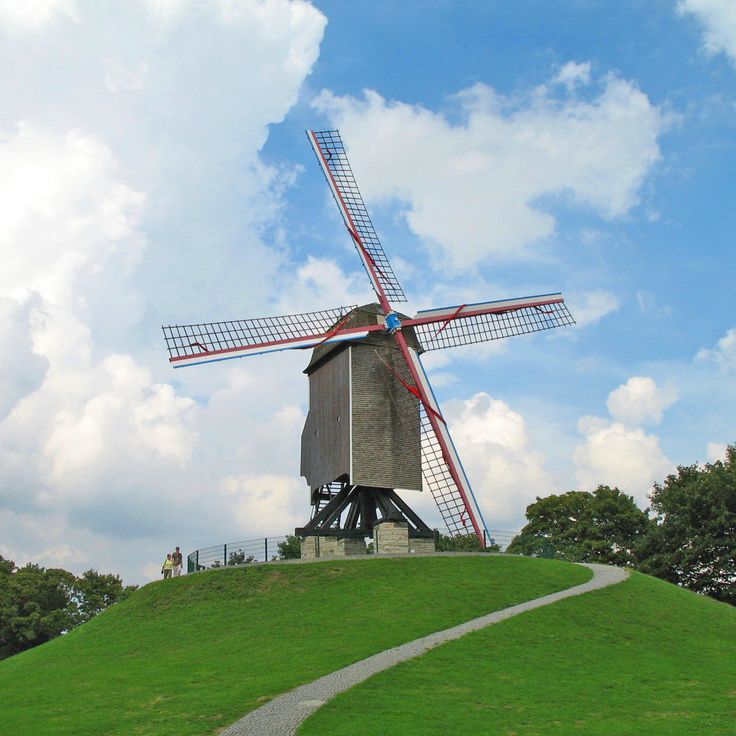
This 18th-century wooden windmill still produces flour. It is located on the city rampart and retains its original mechanisms.
Bruges, Belgium
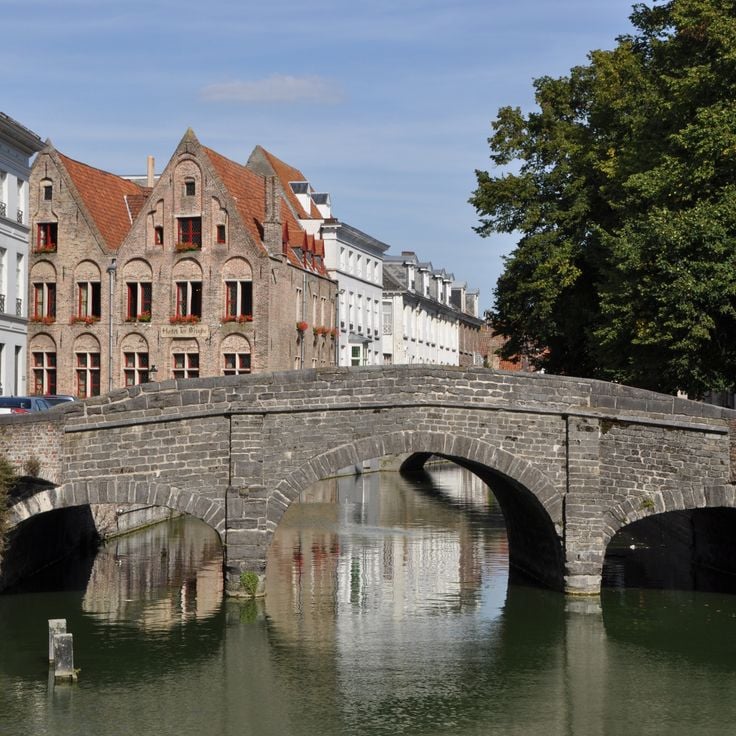
This stone bridge built in the 13th century spans the canal connecting Augustinians street to Mariastraat. It is among the first bridges constructed in the city.