Washington D.C offers far more than what you see in news coverage of the White House. The city is home to remarkable monuments, world-class museums, and buildings that tell the story of American history and culture. Many visitors come here and follow the same routes, seeing the same well-known spots. But if you take time to explore beyond the main crowds, you will find places that give you a real sense of what makes this city matter. You can walk through neighborhoods, sit in quieter galleries, and stand in front of buildings and memorials that shaped the nation in ways you might not expect. The Lincoln Memorial, the National Museum of Natural History, the Library of Congress, and the Albert Einstein Memorial are just some of the places worth spending time in. Each one tells a different story and reveals something new about American life and thought. Arlington National Cemetery, just across the river, offers a solemn and moving experience that many people remember long after they leave. This collection invites you to look beyond the politics and discover the depth and richness of what Washington D.C actually holds. You will find that the city speaks to you in ways that go much deeper than headlines and official tours.
Washington D.C., United States
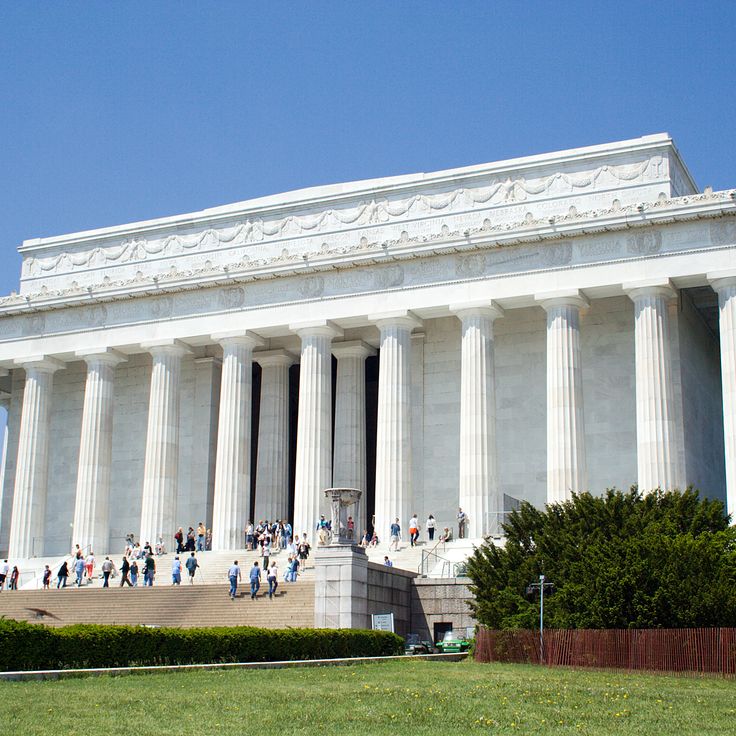
The Lincoln Memorial is a commemorative structure built in white marble, designed like a Greek temple with Doric columns and a peristyle. Inside sits a monumental statue of Abraham Lincoln. This memorial shows how American history is carved in marble and helps you understand why this president matters so much to the nation's story.
Washington D.C., United States
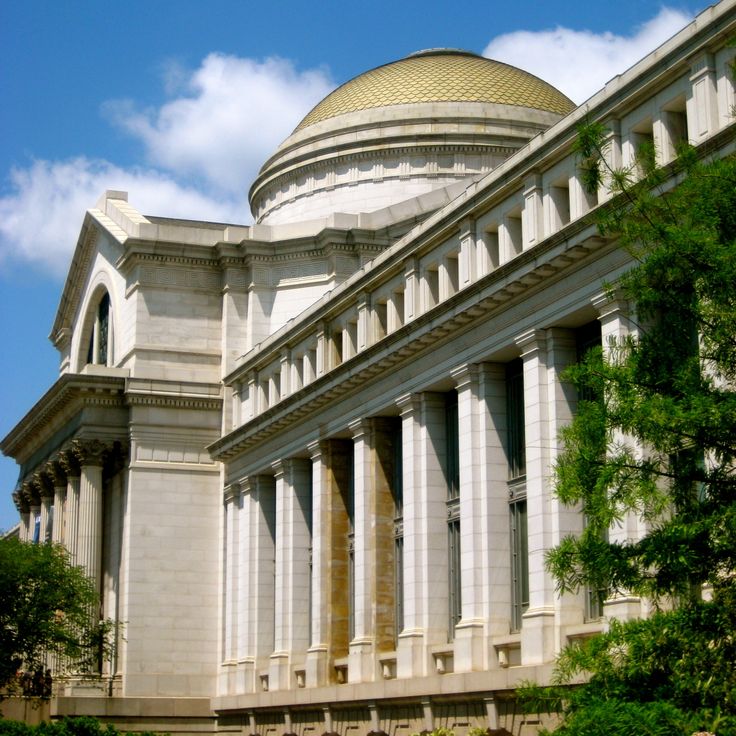
This museum holds extensive collections of minerals, fossils, dinosaur skeletons, and animal specimens that show the history of life on Earth. The famous Hope Diamond, a large blue diamond, is one of the highlights visitors come to see. Walking through the galleries, you get a sense of how the natural world works and how life has changed over time. This is one of the places in Washington D.C that reveals the depth of American scientific knowledge and curiosity about the natural world.
Washington D.C., United States
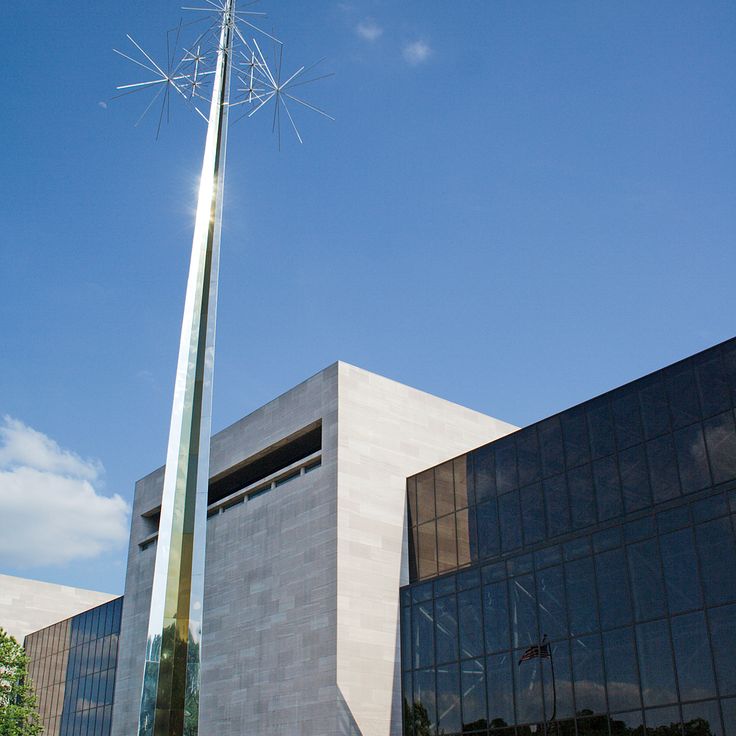
The National Air and Space Museum holds airplanes, rockets, and objects from the history of flight and space exploration, starting from the Wright brothers through to modern missions. Within this collection of Washington D.C. locations, this museum offers a window into a field that changed America. Visitors walk among actual aircraft that made history and learn how humans learned to fly and reach space. The exhibits reveal both the technical achievements and the people and ideas that drove them forward.
Washington D.C., United States
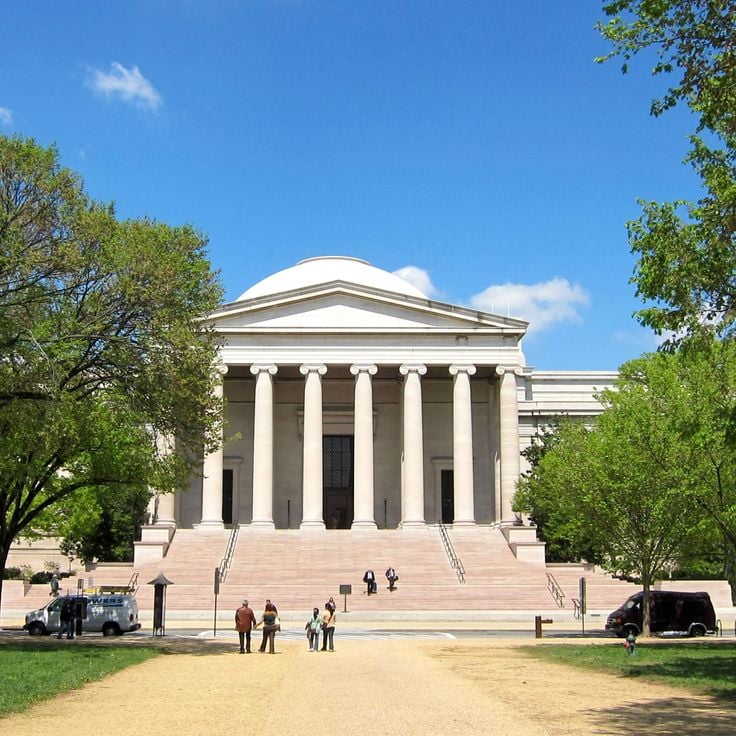
The National Gallery of Art in Washington D.C. houses about 4,000 works of Western art spanning from the Middle Ages to today. You can walk through the galleries at your own pace and spend time looking at paintings, sculptures, and drawings that shaped how people see the world. The museum regularly presents special exhibitions and hosts cultural lectures. When you explore beyond the main tourist routes, you discover how artists have thought about power, nature, religion, and everyday life across centuries.

Washington D.C., United States
The Library of Congress is a national institution founded in 1800 that preserves millions of books, documents, photos, and recordings for the service of Congress and the American public. Within this collection of historical sites and hidden spots in Washington D.C., the library shows how knowledge and information have shaped American history. Visitors can walk through the rooms and see how generations of Americans have recorded their thoughts, discoveries, and dreams. The buildings themselves are striking, with their architecture and details that speak to craftsmanship and care. Here you find more than just books - you find the voices and stories that have formed a nation.
Washington D.C., United States
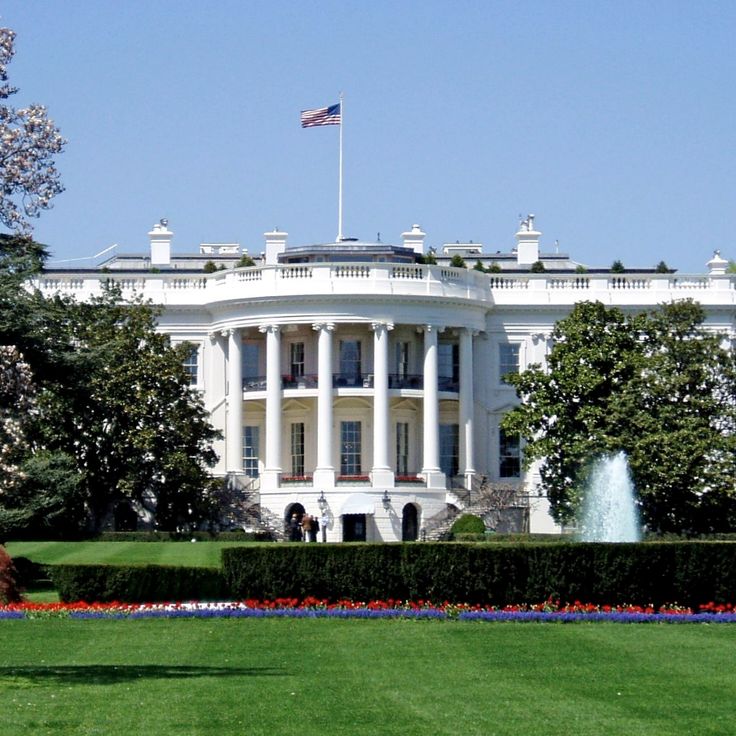
The White House is the official residence and workplace of the President of the United States. Standing at 1600 Pennsylvania Avenue, it houses the Executive Residence, the West Wing, and the East Wing. In this collection of historical sites and hidden spots across Washington D.C., the White House represents one of the most recognized buildings in the nation. Beyond the political headlines, the building itself tells the story of American leadership and the decisions made within its walls across more than two centuries. Visiting this place offers a chance to connect with the location where major moments in American history have unfolded.
Washington D.C., United States
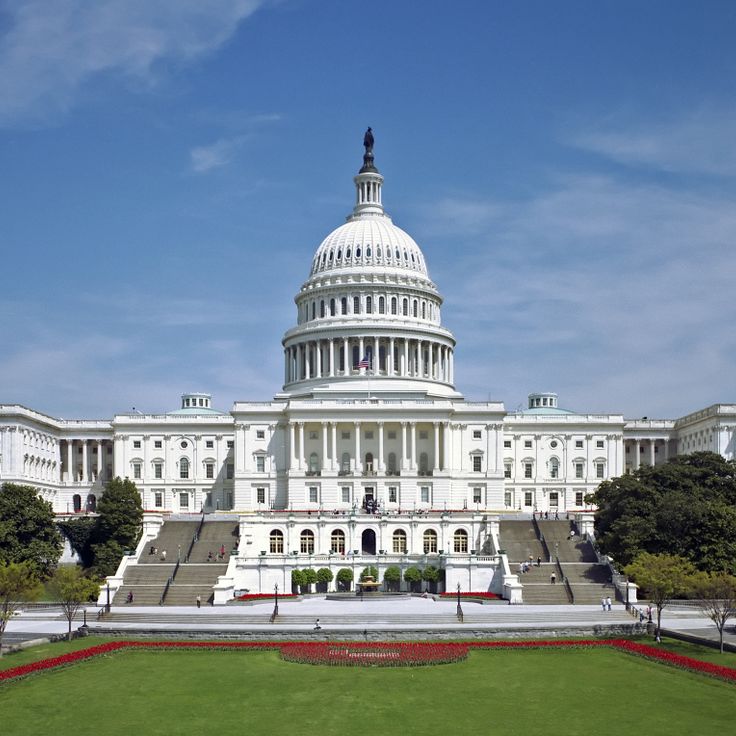
The United States Capitol is the building where the House of Representatives and the U.S. Senate meet. Built in 1793, it features a distinctive white dome visible across the city. For this collection, the Capitol represents how American government works and where major decisions about the nation are made. Inside, you can walk through hallways and chambers where debates that shaped the country took place. The building itself speaks to the ideals of democracy and the weight of the decisions made within its walls.
Washington D.C., United States
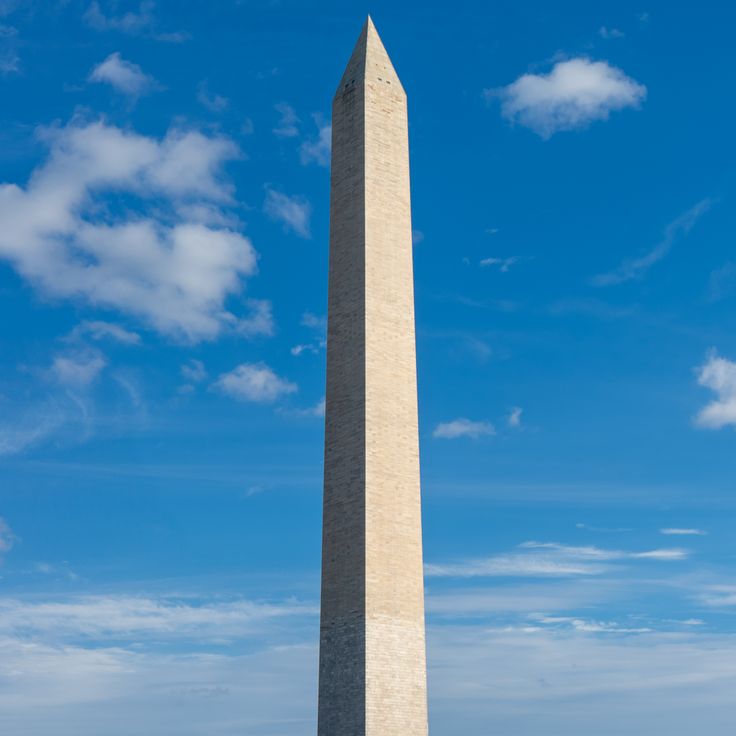
The Washington Monument stands at the heart of Washington D.C. as a white marble obelisk honoring the first president of the United States. Rising 169 meters tall, this massive column shapes the city's skyline and is visible from many points throughout the capital. It serves as a central landmark that draws people from across the world to reflect on American history and leadership. As part of the collection exploring Washington D.C. beyond the headlines, this monument reveals how the nation chose to remember its founding figure and the values that guided early American governance.
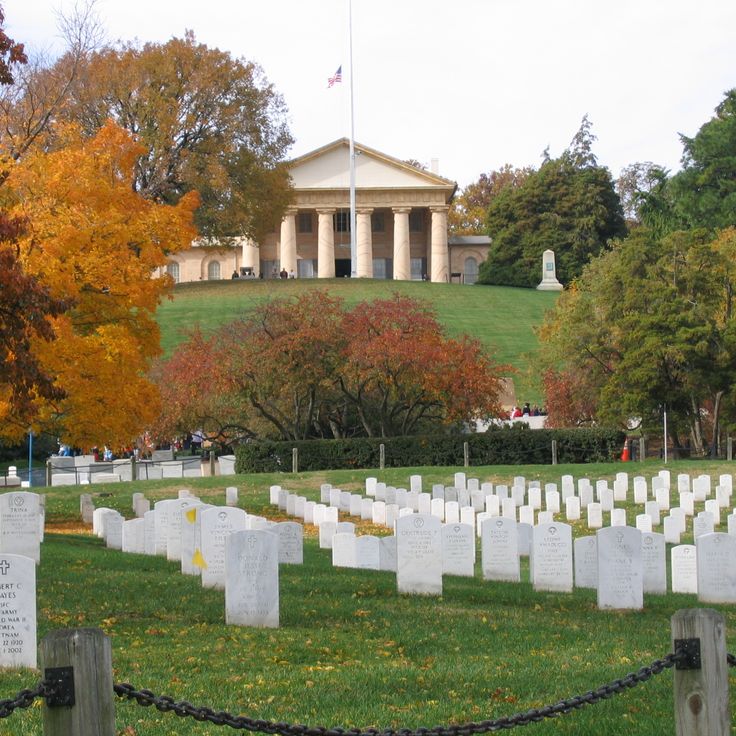
Arlington, United States
Arlington National Cemetery is a military cemetery established in 1864 that covers 253 hectares and holds approximately 300,000 graves of American soldiers. President Kennedy rests here beneath an eternal flame. This cemetery offers a solemn and moving experience that stays with many visitors long after they leave. Walking through its grounds, you encounter row after row of white headstones set against green hills. The cemetery tells the story of Americans who gave their lives in service, from the Civil War to recent conflicts. It is a place where history becomes personal and the cost of war becomes real.
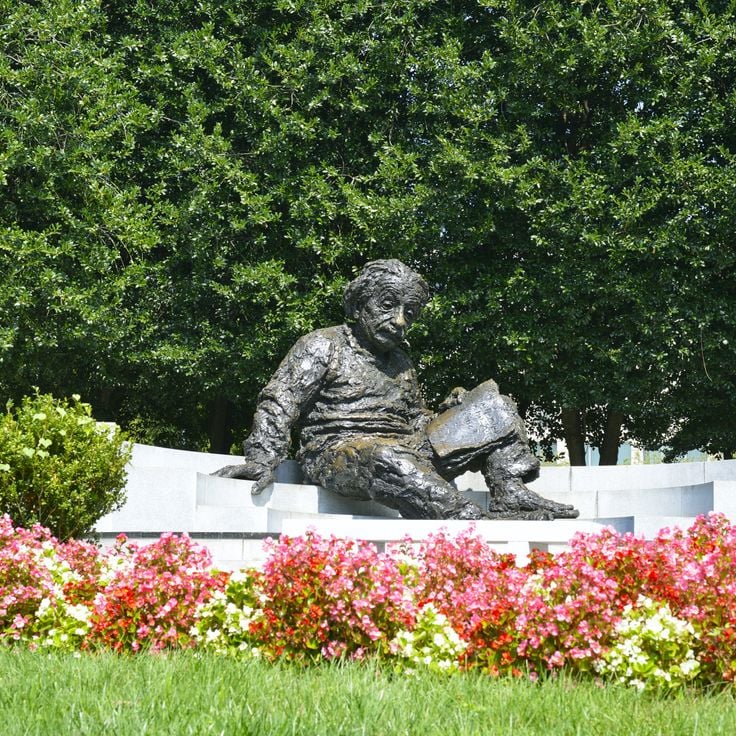
Washington D.C., United States
The Albert Einstein Memorial sits in Washington D.C. as a tribute to one of history's greatest scientific minds. Within this collection of historical sites and hidden spots, this monument offers a quiet place to reflect on the physicist's extraordinary contributions to human knowledge. A bronze statue shows Einstein seated on granite steps, holding sheets inscribed with mathematical equations that represent his groundbreaking work. The memorial invites visitors to pause and consider the scientific ideas that shaped the modern world.
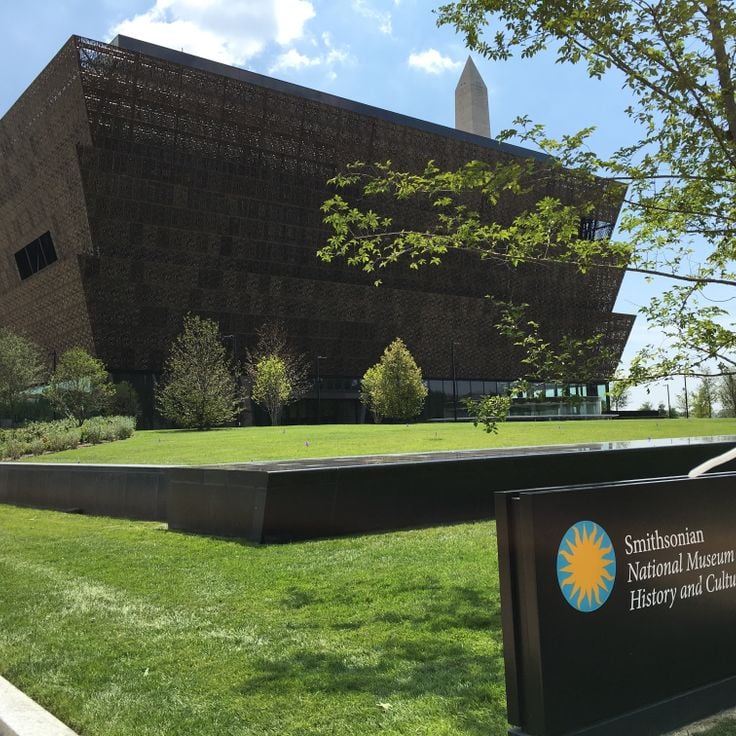
Washington D.C., United States
The National Museum of American History presents the story of the United States from colonial times to the present day. Within the context of this collection, it offers insight into the technological, social, and historical development of America. The museum helps you understand the depth and richness of Washington D.C. by showing how people and inventions have shaped the nation.
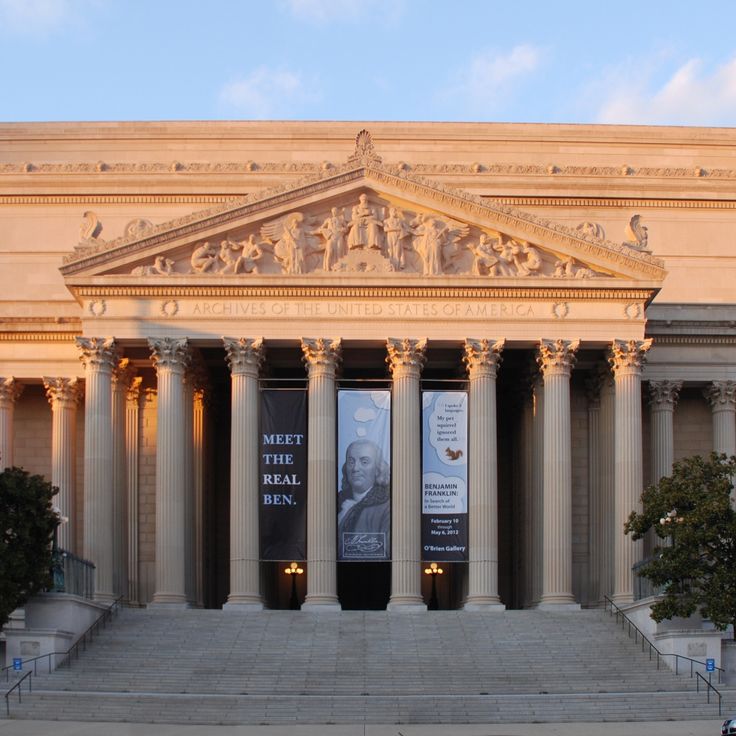
Washington D.C., United States
The National Archives is a federal institution that preserves and protects the Declaration of Independence, Constitution, and Bill of Rights, storing the original documents that founded the nation. Within this collection of historical sites in Washington D.C., the National Archives offers a window into the foundations of American history and government. Visitors can see the documents that shaped the country and understand how these words continue to influence American society today.
Washington D.C., United States
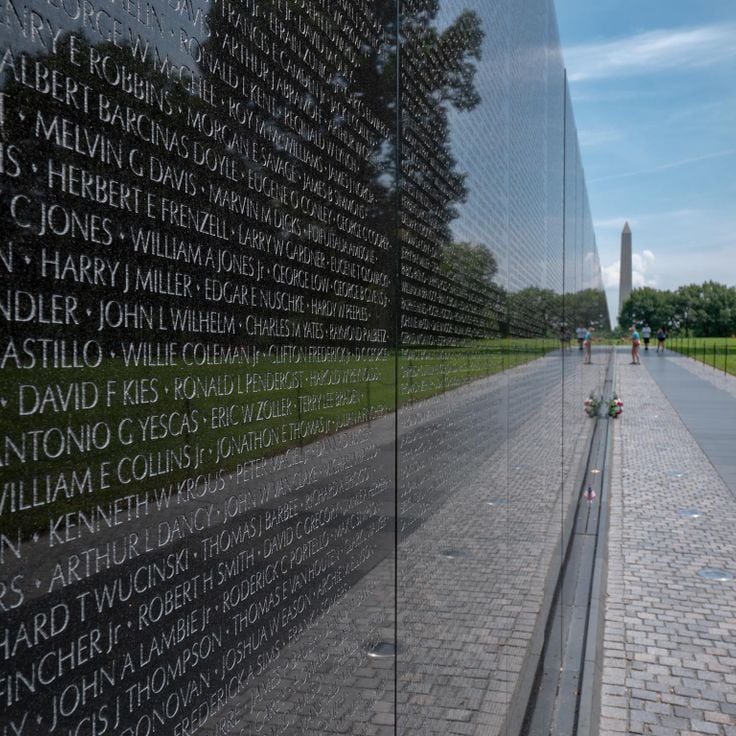
The Vietnam Veterans Memorial is a place of remembrance within this collection of historical sites spread across Washington D.C. The black granite wall carries the names of approximately 58,000 American service members who died or went missing during the Vietnam War between 1959 and 1975. Visitors come here to find the names of people they knew and to spend time in quiet reflection. This memorial draws people who want to understand this chapter of American history. It is a solemn space that shows how the city honors those whose lives shaped the nation.
Washington D.C., United States
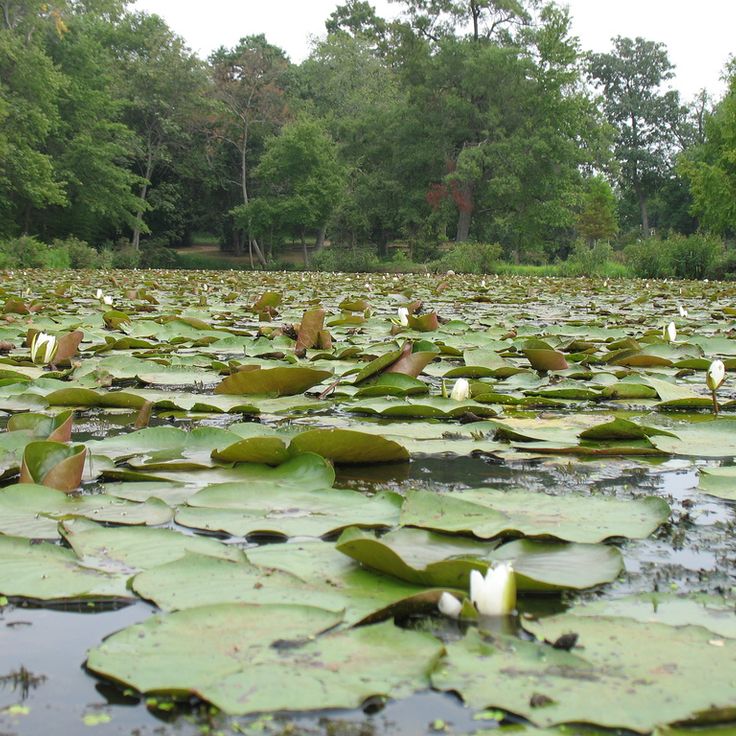
Kenilworth Aquatic Gardens is a 12-hectare protected natural area featured in this collection to show what lies beyond Washington D.C.'s famous monuments. The gardens consist of marshes and ponds where aquatic plants flourish. Visitors walk on trails and boardwalks to observe the plants and watch how life thrives in and around the water. This place offers a quiet experience that reveals the natural side of the city, helping you understand the depth that Washington D.C. actually holds beyond its political center.
Washington D.C., United States
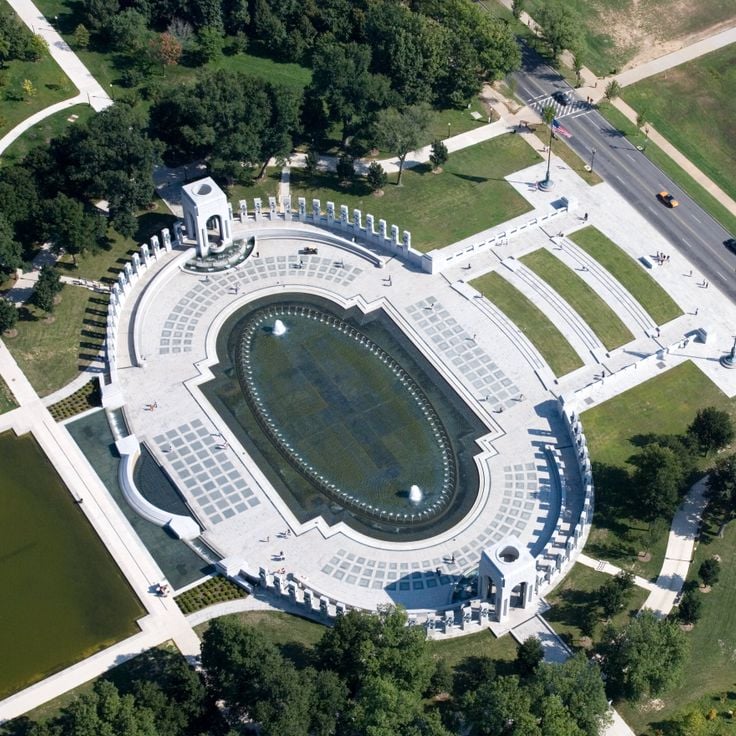
The National World War II Memorial stands in Washington D.C as a commemorative structure inaugurated in 2004, built to honor the 16 million American soldiers and civilians who served during the war. Its design features 56 columns and a central pool with fountains, creating a space for reflection on a defining moment in American history. This memorial helps visitors understand the scale and human cost of the conflict, and stands as a reminder of the sacrifice that shaped the nation.
Washington D.C., United States
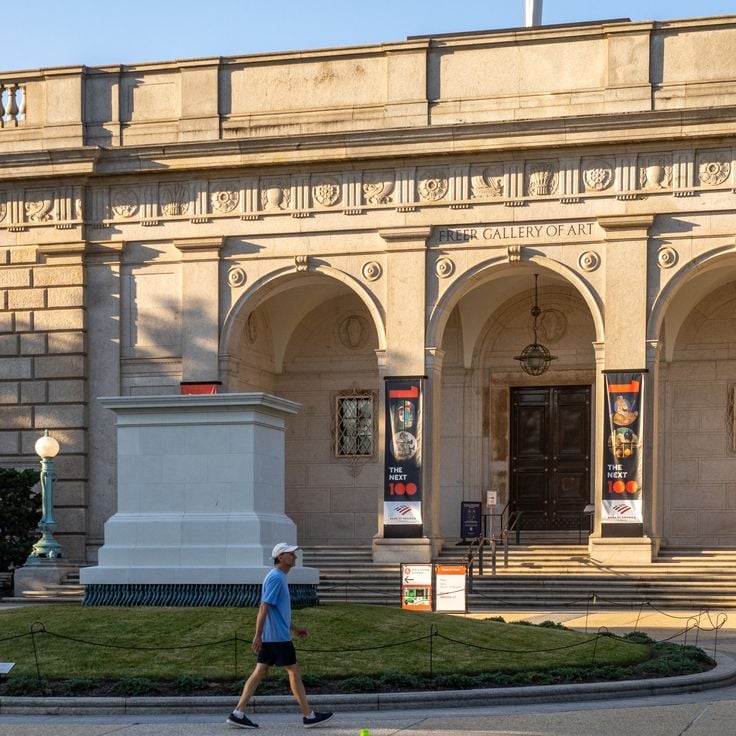
The Asian Art Museum presents four thousand years of history through paintings, sculptures, and art objects from China, Japan, Korea, and other Asian countries. In this collection of historical sites and hidden spots of Washington D.C., this museum offers a way to explore the city beyond the main routes and discover the cultural depth that shapes the nation.
Washington D.C., United States
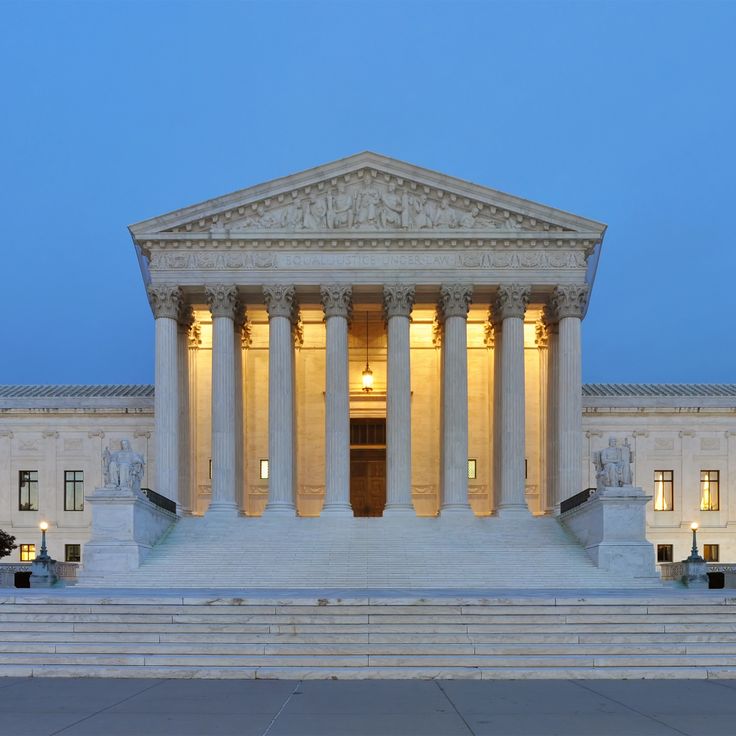
The Supreme Court has been seated in this neoclassical building since 1935, its facade adorned with Corinthian columns that speak to the traditions of American law. Within Washington D.C's collection of historical sites, this building stands as a place where fundamental decisions about the nation have been made. Public hearings take place from October through April, allowing visitors to witness the judicial process firsthand. Walking through the building reveals the craftsmanship and design that reflect the weight of constitutional authority, making it a destination for those seeking to understand how law shapes American life.
Washington D.C., United States
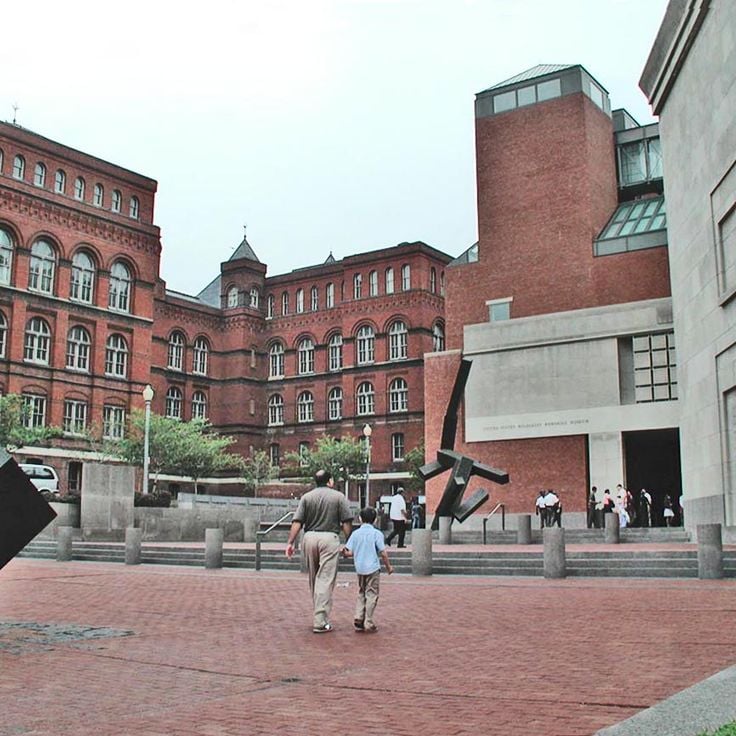
The Holocaust Museum is a national institution presenting exhibitions, documents, and testimonies on the history of the Holocaust during World War II. Within this collection of historical sites, the museum offers a deeper understanding of a critical chapter in human history. Here you can take time to learn the stories of people whose lives were changed by this dark moment. The museum invites you to think about resistance, courage, and the importance of action. The exhibitions are thoughtful and respectful, challenging you to engage with difficult questions. It is a place where history comes alive and where remembering truly matters.
Washington D.C., United States
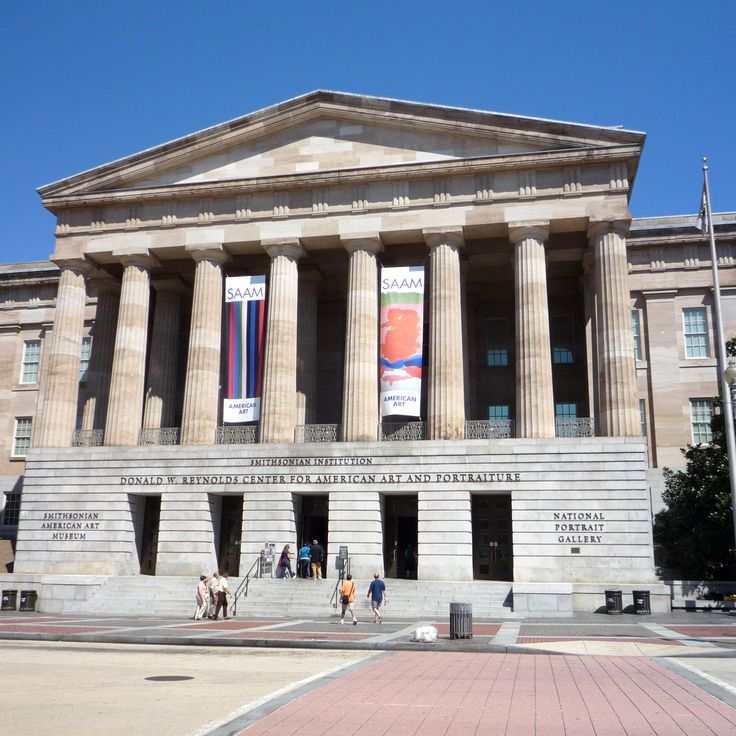
The National Portrait Gallery displays paintings, photographs, drawings, sculptures, and engravings of people who have shaped American history. Housed in the historic Old Patent Office building, this museum invites you to spend time with the faces and stories of those who formed the nation. You can move through its galleries at your own pace and discover lesser-known figures alongside well-known names, finding personal connections to the people whose choices and ideas changed America.
Washington D.C., United States
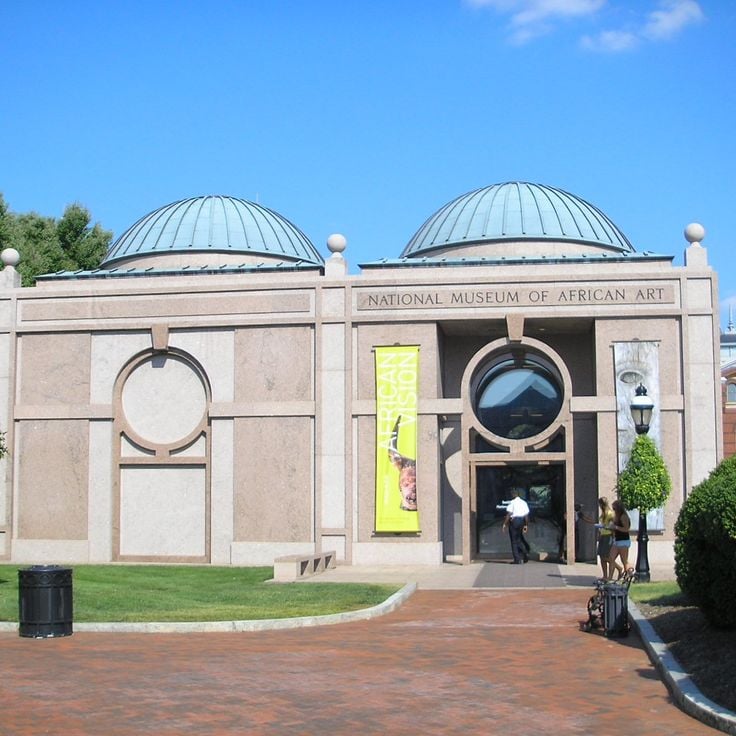
The National Museum of African Art holds over 12,000 works of traditional and contemporary art from the African continent. Here you will find sculptures, masks, textiles, and ritual objects that reflect the artistic range and history of Africa. This museum is part of Washington D.C's cultural landscape and offers deeper insight into African cultures and artistic expression that many visitors overlook. You can discover the craftsmanship and creative traditions of different African communities and see how these art forms have shaped the continent's history and identity.
Washington D.C., United States
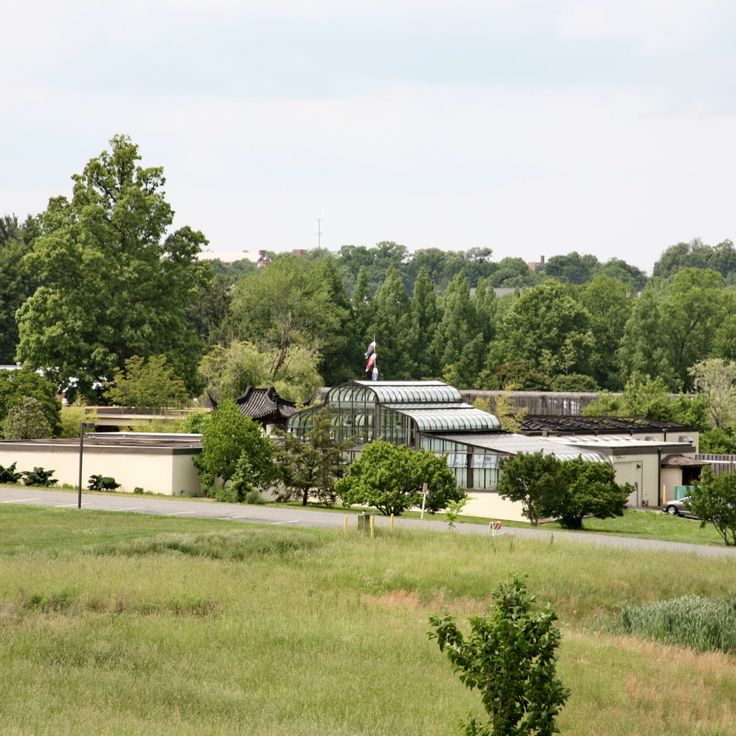
The United States National Arboretum gives you a chance to see thousands of trees and plants from around the world in one place. This research center was created to teach people about plants and their importance, showing rare species alongside common ones you might recognize. As you walk through the different gardens, each one focuses on something different, from flowering plants to trees shaped by time. The collection of historical bonsai trees shows the skill and patience needed to work with nature. Unlike the crowded monuments of Washington D.C, this arboretum offers a quieter space where you can spend hours exploring and understand why trees and plants matter to the city and the world.
Washington D.C., United States
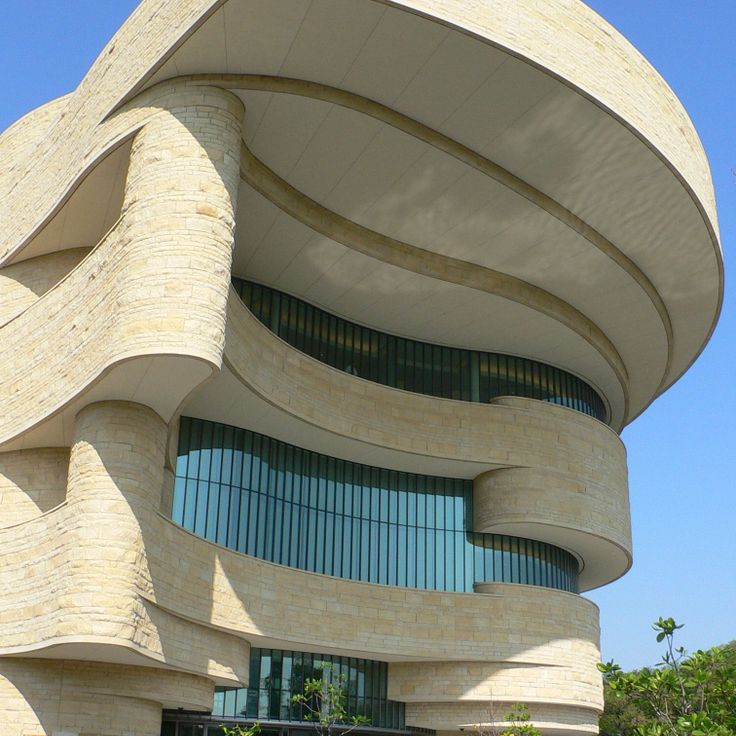
The National Museum of the American Indian displays the history of Native American nations across North, Central, and South America through objects, artifacts, and documents. Within this collection of hidden gems and notable sites, it invites you to go deeper than typical tourist routes and understand how these nations shaped American history and culture.
Washington D.C., United States
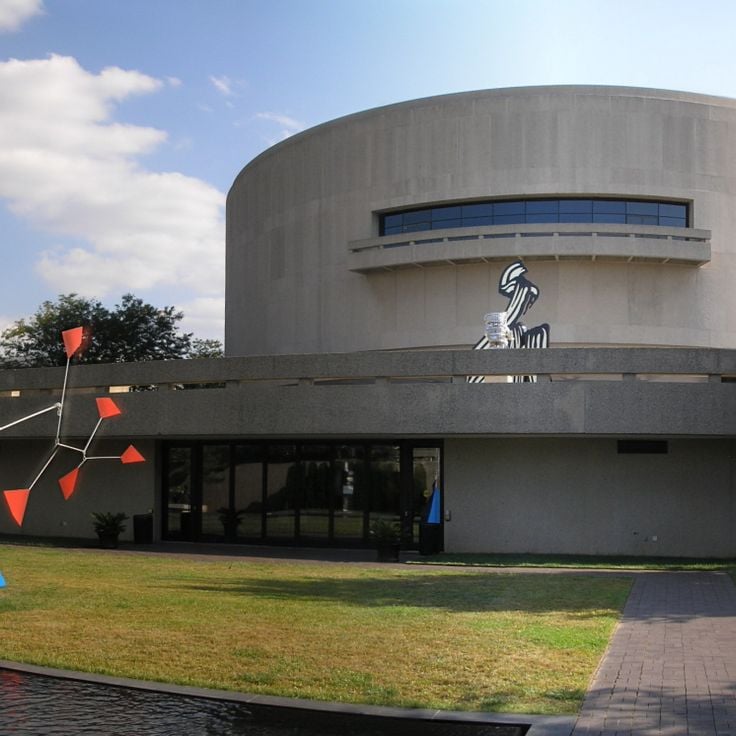
The Hirshhorn Museum and Sculpture Garden displays modern and contemporary art from the 20th and 21st centuries. Its cylindrical building houses a permanent collection, while the outdoor garden features monumental sculptures placed across the lawn. This museum is one of the cultural institutions in Washington D.C. that reveals how art shapes American thought and society. You can explore modern works in a quieter setting and see how artists have responded to the world around them.
Washington D.C., United States
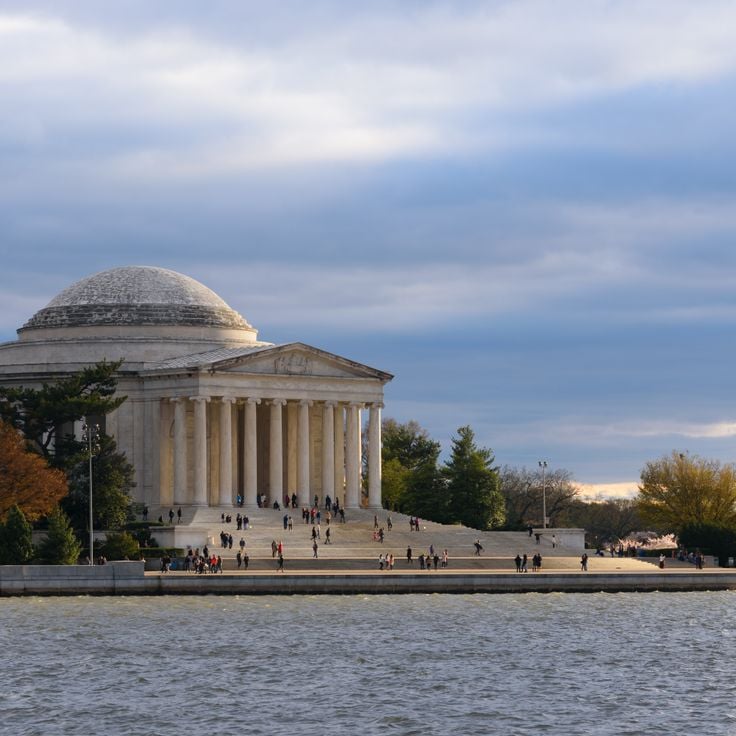
The Thomas Jefferson Memorial is a circular building with white marble columns, built between 1939 and 1943 in the style of the Roman Pantheon. This memorial honors President Thomas Jefferson and his contributions to the nation. In this collection, it represents one of many places in Washington D.C that go beyond the usual tourist routes to tell deeper stories about American history and thought. Visitors can spend time here to reflect on Jefferson's legacy and the ideals he championed.
Washington D.C., United States
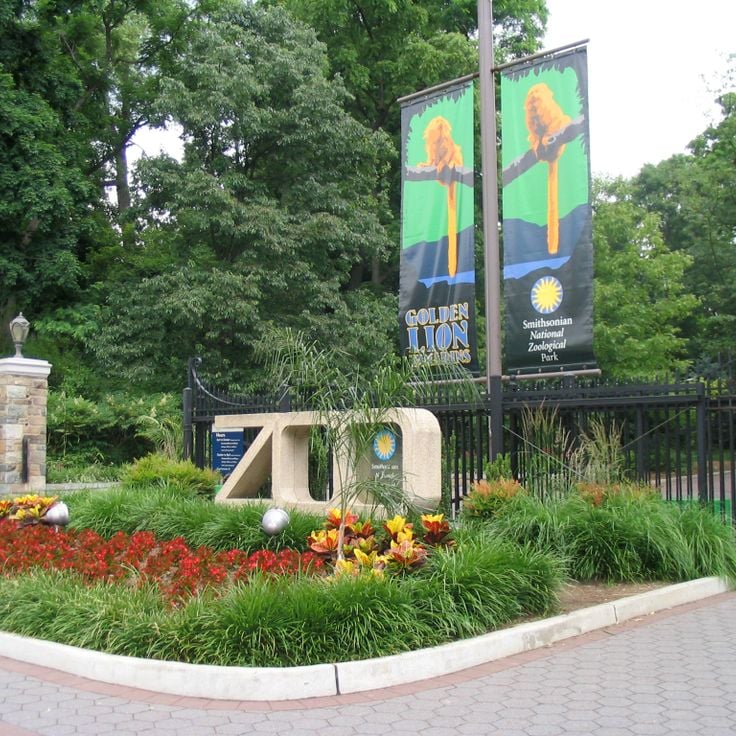
The Smithsonian National Zoological Park is a place where you can spend time watching animals from around the world. Created in 1889, the zoo focuses on protecting animal species. Giant pandas and more than 2,000 animals from about 400 different species live here. This zoo fits well into the collection of historical sites and hidden spots of Washington because it shows how the city is devoted to knowledge and nature. You can walk through the grounds, explore different regions, and experience how the park changes throughout the day. The zoo gives you a sense of why it matters to protect and understand wildlife.
Washington D.C., United States
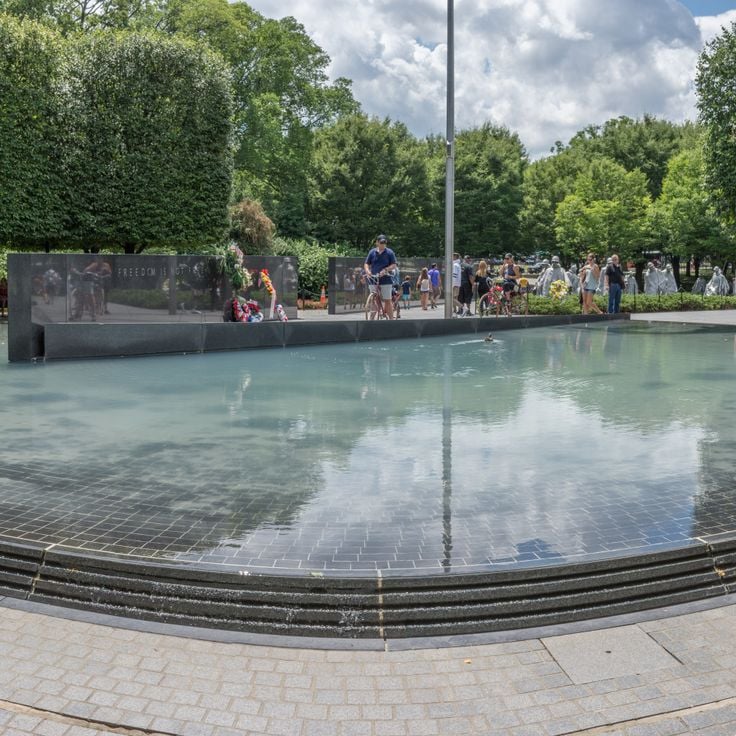
The Korean War Veterans Memorial is a monument made of 19 stainless steel soldier statues that honors those who served in the Korean War. It stands in Washington D.C. alongside other places that tell America's story, capturing a chapter of the nation's past that many people overlook. The statues look lifelike and appear to walk across the ground as if on patrol. The memorial offers a quiet space to reflect on the war and the sacrifice of those who fought there.
Washington, D.C., United States
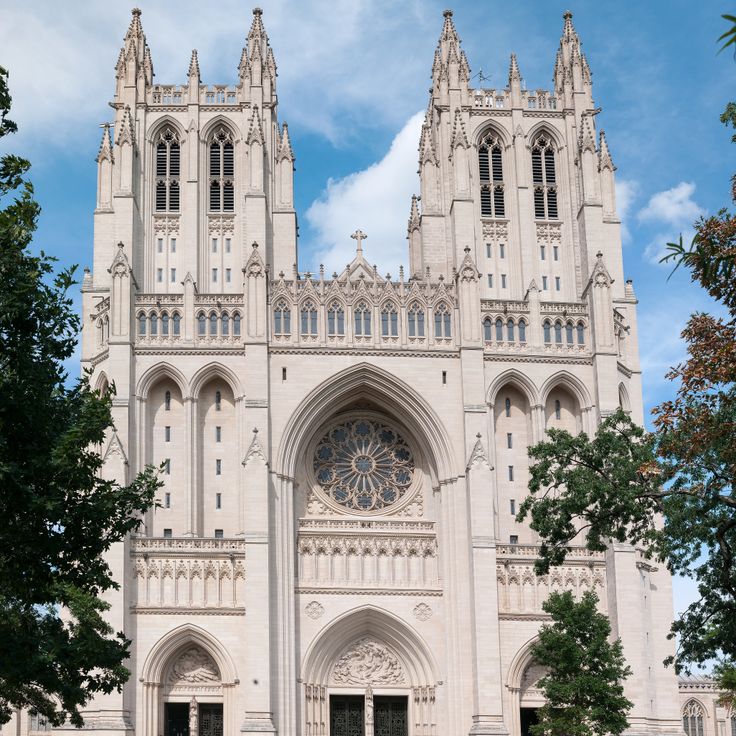
The Washington National Cathedral stands as a fascinating blend of tradition and modernity in this exploration of the city's deeper places. This Gothic structure built in the 20th century tells a story that goes beyond typical religious architecture. A gargoyle on its facade depicts Darth Vader, and inside you will find a window dedicated to space exploration that contains an actual piece of lunar rock. Walking through this cathedral, you experience how history and culture can exist side by side, offering a quiet place to reflect on how a building can honor both faith and human achievement.
Washington D.C., United States
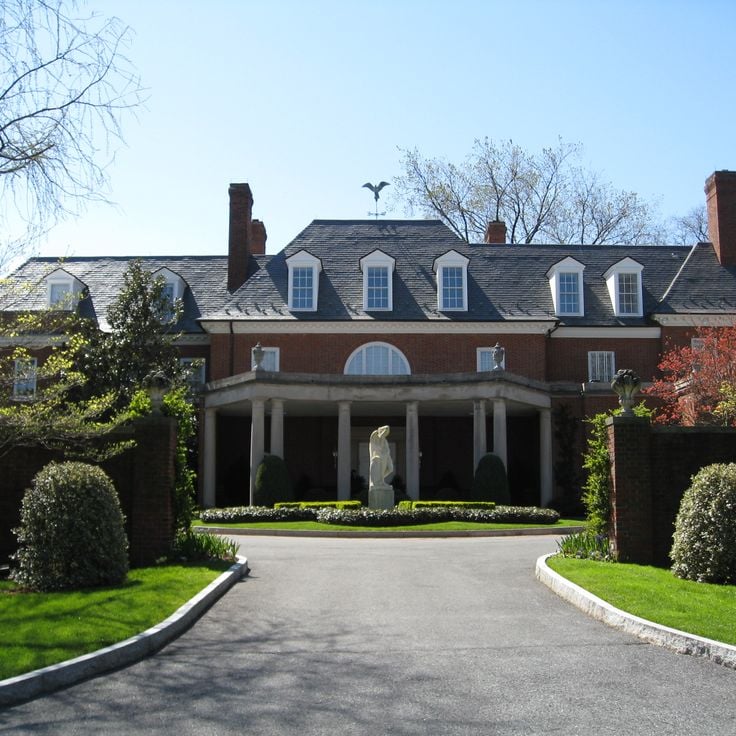
The Hillwood Museum was once the home of Marjorie Post and now displays Russian and French decorative art from the 18th century. This museum gives you a view into the private collections of a wealthy collector and sits surrounded by themed gardens. It is a place where you can learn about the tastes and interests of a past era and understand how wealthy people lived in their time.
Washington D.C., United States
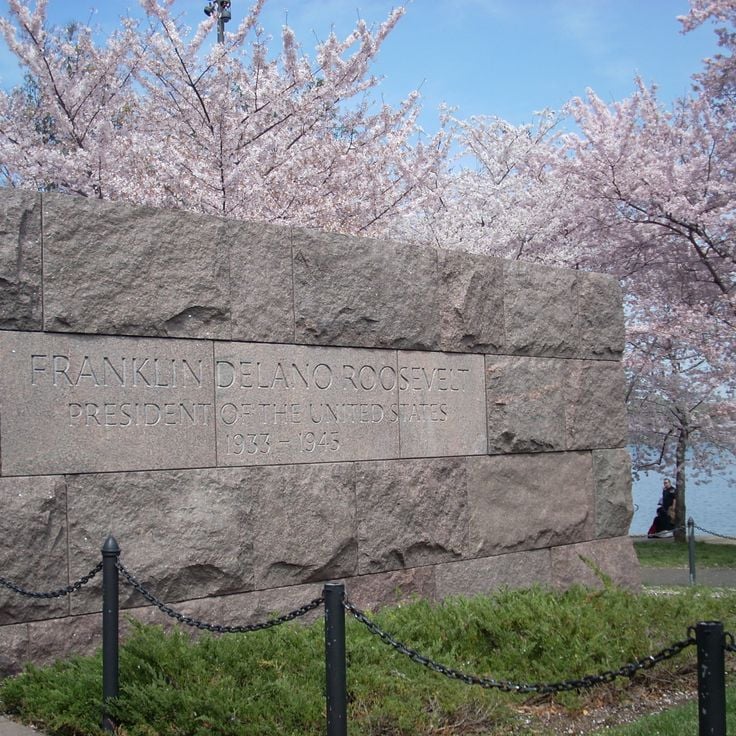
The Franklin D. Roosevelt Memorial is a commemorative site with four outdoor rooms, each representing one of Roosevelt's presidential terms. Sculptures, fountains, and quotations are placed throughout to illustrate key moments from his time in office. The memorial sits along the Tidal Basin shore and invites visitors to move through it slowly, reflecting on the history it presents. Unlike some other monuments in the city, this one allows you to walk through different spaces and feel the weight of Roosevelt's presidency in a more personal way.
Washington D.C., United States
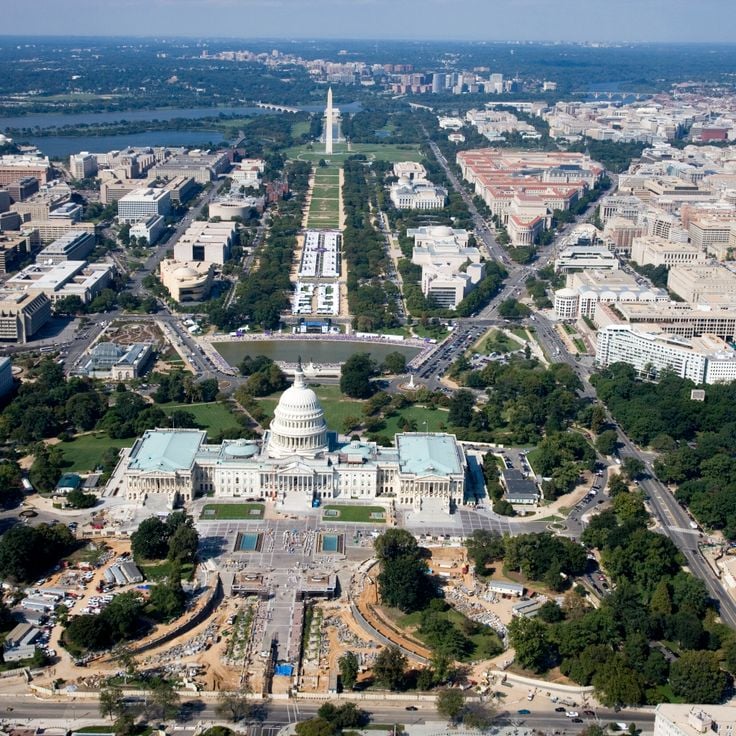
The National Mall is a broad open space in the heart of the capital and serves as a centerpiece of this collection of historical sites. Here you will find free museums and memorials that showcase American history and culture. The space is used for demonstrations and official ceremonies and draws visitors daily who come to see the nation's most important places. You can walk between the buildings and explore the various exhibitions that range from natural history to American art. The National Mall is where major moments of American history have taken place and where people gather to make their voices heard.
Washington D.C., United States
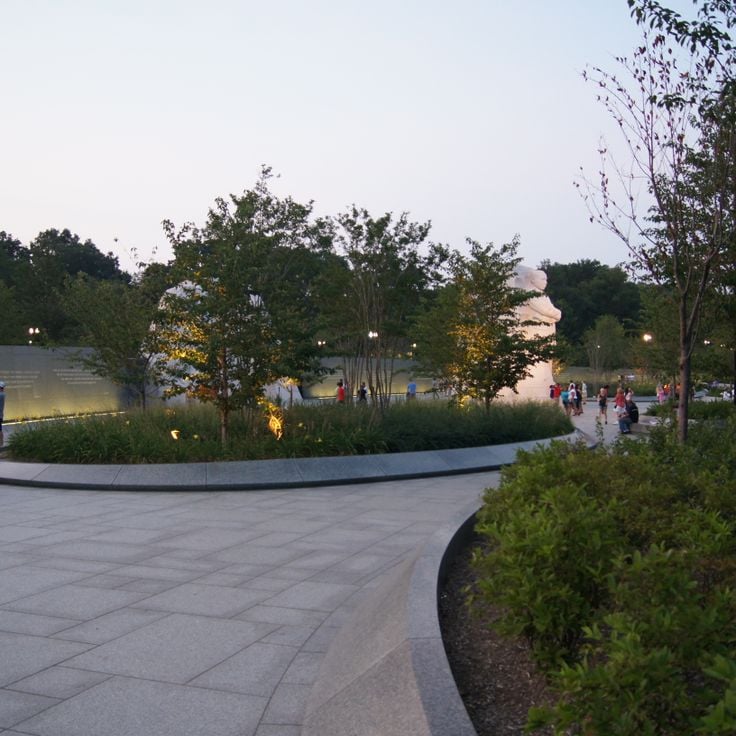
The Martin Luther King Jr. Memorial stands as a monumental granite statue on the National Mall, inaugurated in 2011. The figure emerges from a stone, symbolizing the transition from the mountain of despair to the stone of hope. This memorial honors a man whose words and actions changed American history. When you stand here, you feel the power of his message and understand why this place holds such meaning for so many people.
Similar collections
Washington DC guide of United States capital
Architectural domes: historical structures, religious edifices, and monuments worldwide
Neogothic architecture: cathedrals, parliaments, universities
Space research and UFOs: scientific facilities, museums, and observation sites