Mendoza combines the wine heritage with remarkable natural landscapes, including Aconcagua, the highest peak in the Americas.
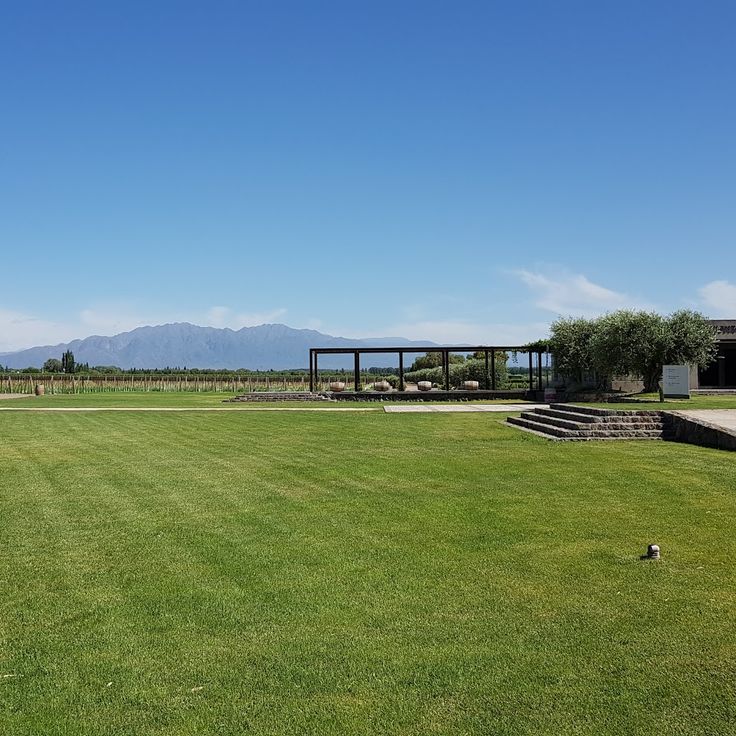
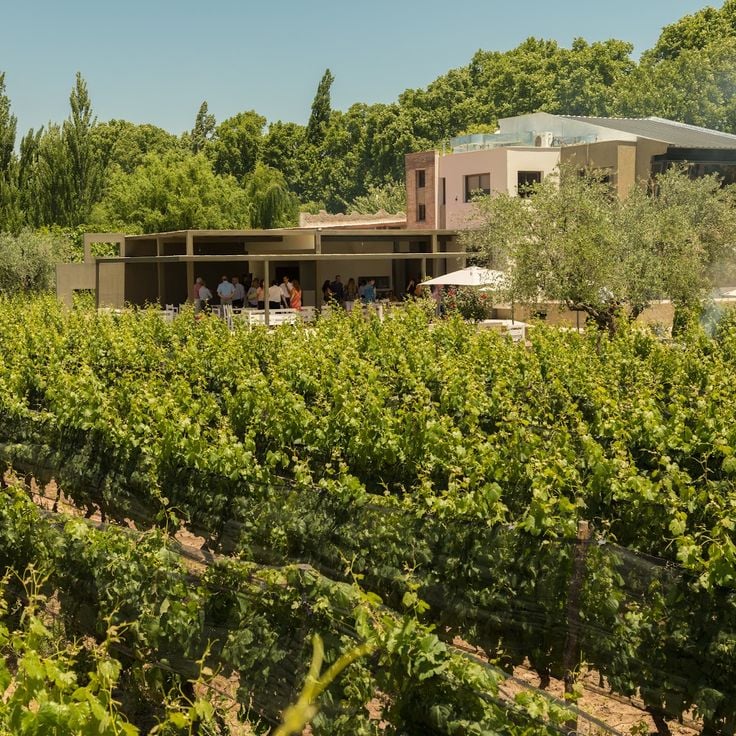
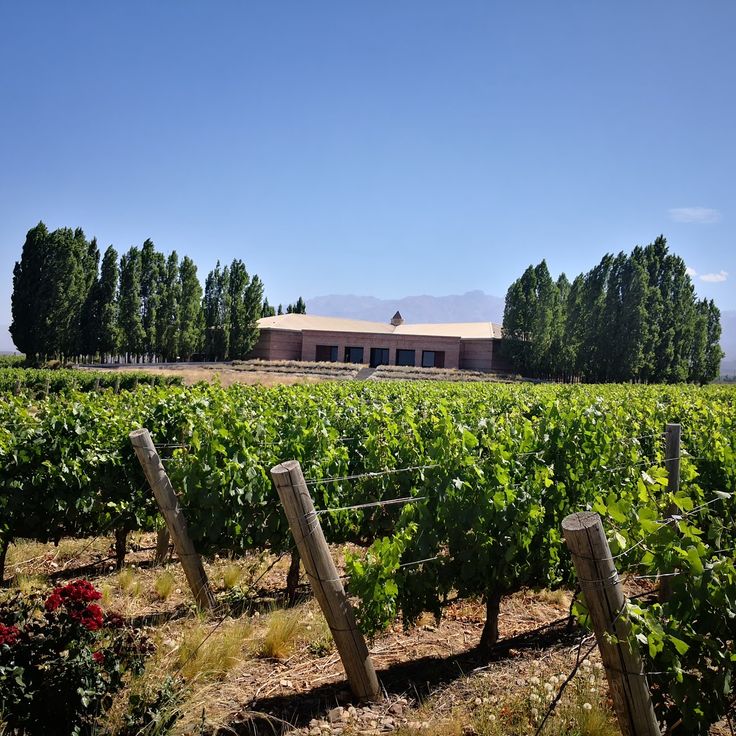
The Mendoza region sits at the heart of Argentina's wine country, where you can visit wineries that range from centuries-old cellars to newly built ones using the latest techniques. The vineyards spread across valleys backed by the Andes Mountains, which create the perfect conditions for growing grapes. Beyond the wine, the region holds some of the country's most important natural attractions, including Aconcagua, the tallest mountain in the Americas.
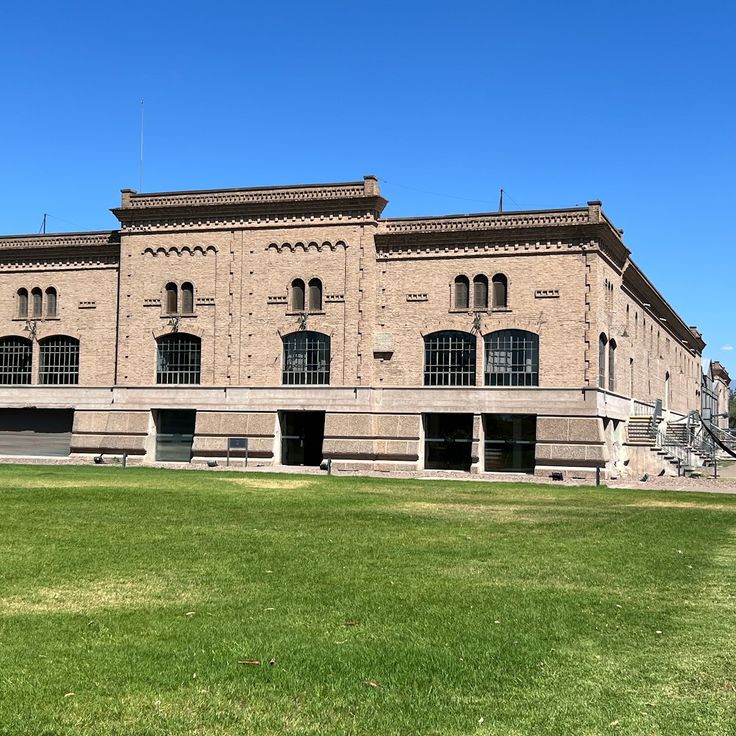
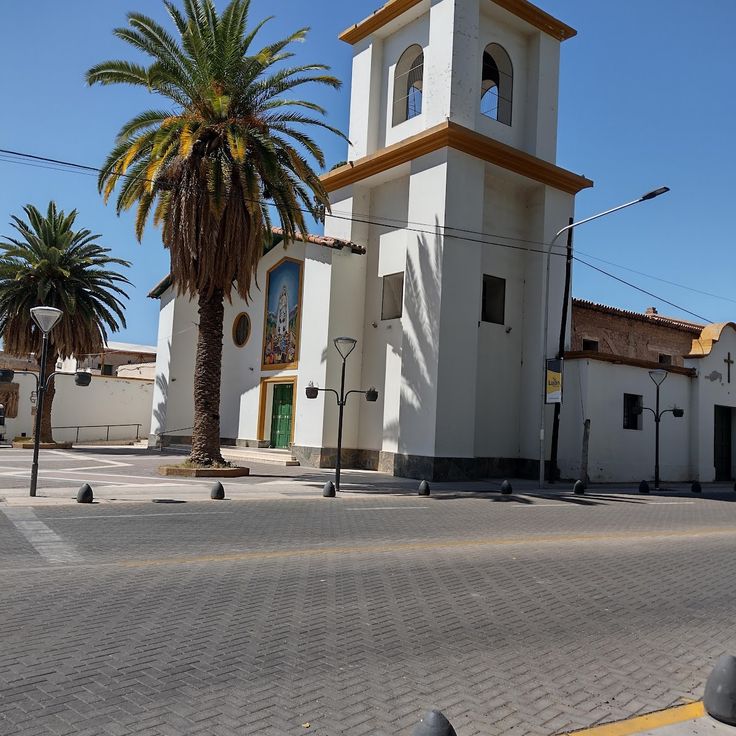
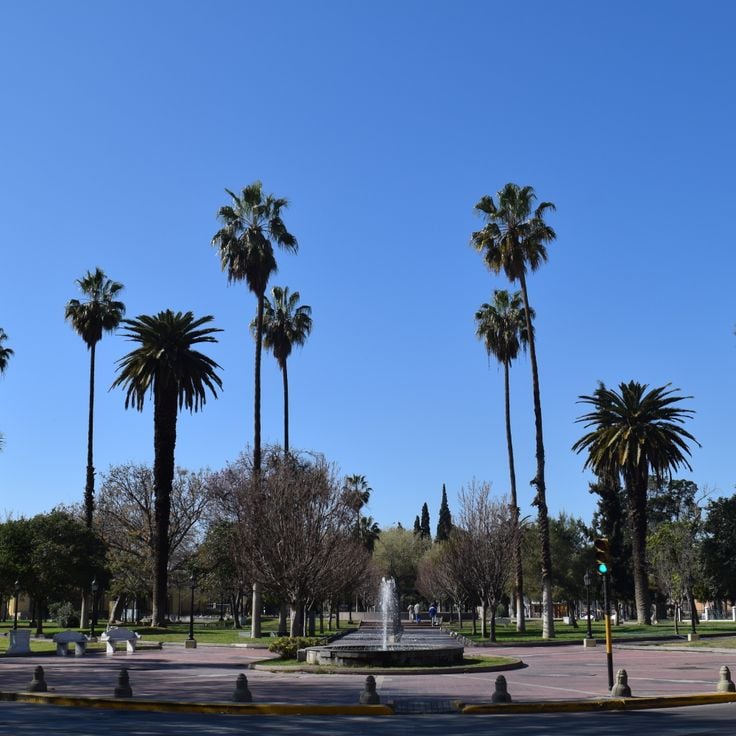
Walking through Mendoza's cities and towns, you'll find public squares with statues and monuments that mark important moments in local history. Museums throughout the region tell the story of how people have lived here over centuries, from indigenous communities through colonial times to today. The religious buildings scattered across the landscape are mostly from the colonial period, when Spanish settlers first established their presence here.
Nature lovers have plenty to explore beyond the mountains. Lakes offer opportunities to spend time by the water, while ski resorts open during winter months for those who want mountain sports. Throughout the region, you can see volcanic rock formations and geological features that show the earth's dramatic history. Natural reserves protect these landscapes and give you chances to see native plants and wildlife in their natural settings.
Mendoza combines the wine heritage with remarkable natural landscapes, including Aconcagua, the highest peak in the Americas.
The Mendoza region sits at the heart of Argentina's wine country, where you can visit wineries that range from centuries-old cellars to newly built ones using the latest techniques. The vineyards spread across valleys backed by the Andes Mountains, which create the perfect conditions for growing grapes. Beyond the wine, the region holds some of the country's most important natural attractions, including Aconcagua, the tallest mountain in the Americas.
Walking through Mendoza's cities and towns, you'll find public squares with statues and monuments that mark important moments in local history. Museums throughout the region tell the story of how people have lived here over centuries, from indigenous communities through colonial times to today. The religious buildings scattered across the landscape are mostly from the colonial period, when Spanish settlers first established their presence here.
Nature lovers have plenty to explore beyond the mountains. Lakes offer opportunities to spend time by the water, while ski resorts open during winter months for those who want mountain sports. Throughout the region, you can see volcanic rock formations and geological features that show the earth's dramatic history. Natural reserves protect these landscapes and give you chances to see native plants and wildlife in their natural settings.
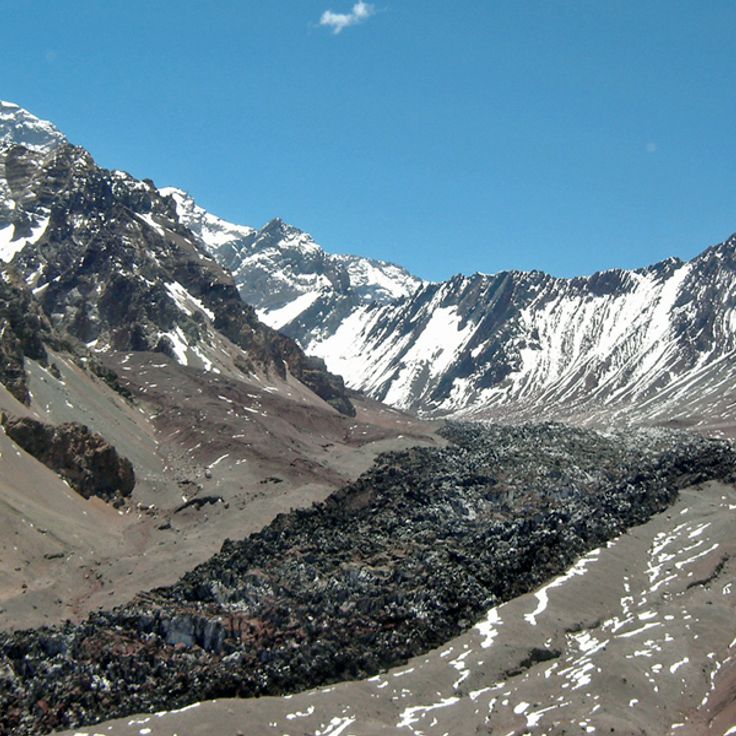
Aconcagua Provincial Park protects one of South America's most impressive mountain landscapes and stands as a key natural attraction in the Mendoza region. The park covers a vast area in the Andes and offers trails suitable for different skill levels. Mount Aconcagua rises dramatically above the valley, drawing mountaineers from around the world. Within the park you'll find shelters and rest areas that support the demanding climb. The landscape reveals how mountains and valleys have been shaped by geological forces over time. Here you can observe native plants and wildlife in their natural environment.
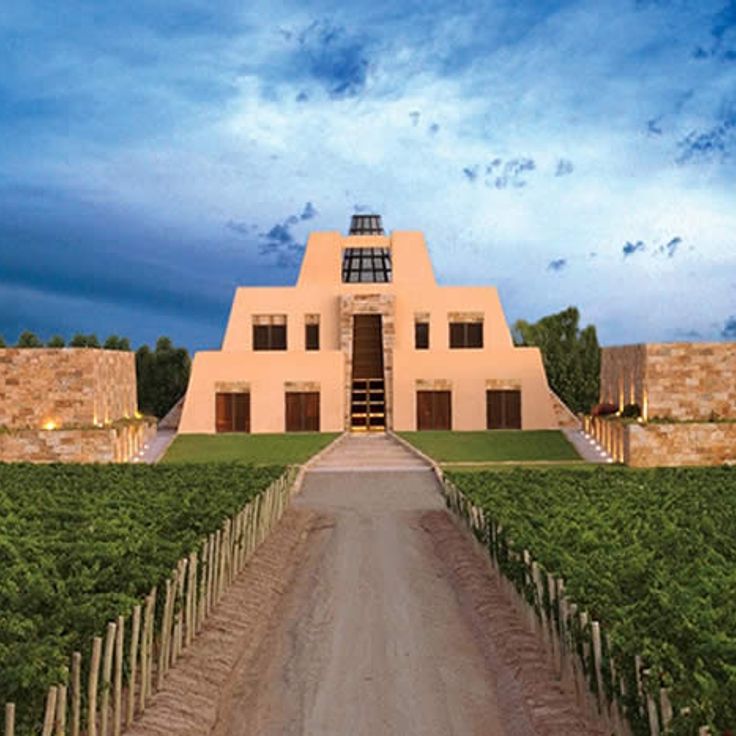
This winery in Mendoza is an important part of Argentina's wine region. The building features pyramid-style architecture that resembles Mayan structures. Visitors can taste local wines and view the vineyards that stretch across the valleys below. The winery represents how modern winemaking techniques blend with traditional grape cultivation in this region backed by the Andes Mountains.
Independencia Square is a central plaza in Mendoza that reflects the region's history and daily life. The plaza is surrounded by green trees and features four ornamental fountains at the corners, along with a central pergola. On weekends, a craftspeople's market is set up here, where local artisans and makers display their work. This place shows how people in Mendoza use public spaces and share their culture.
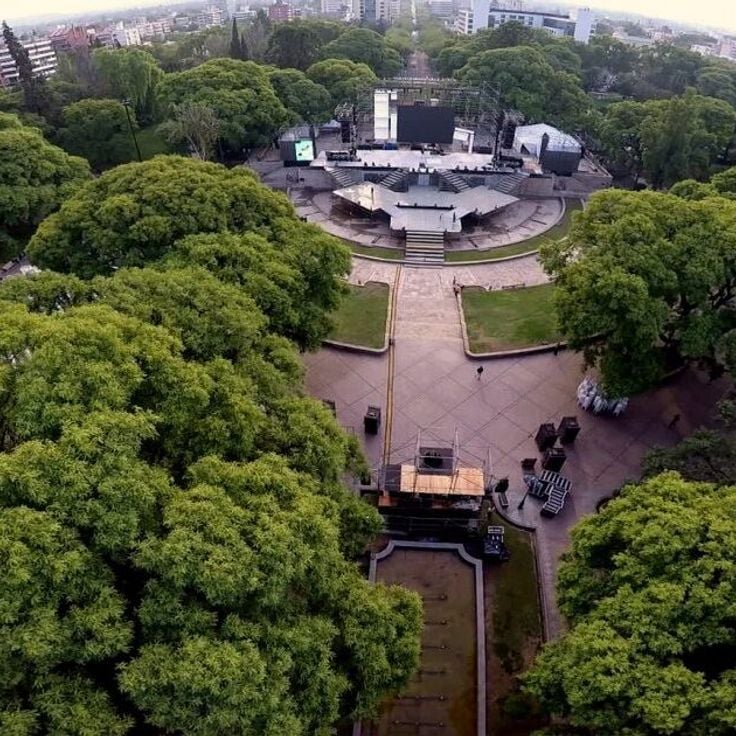
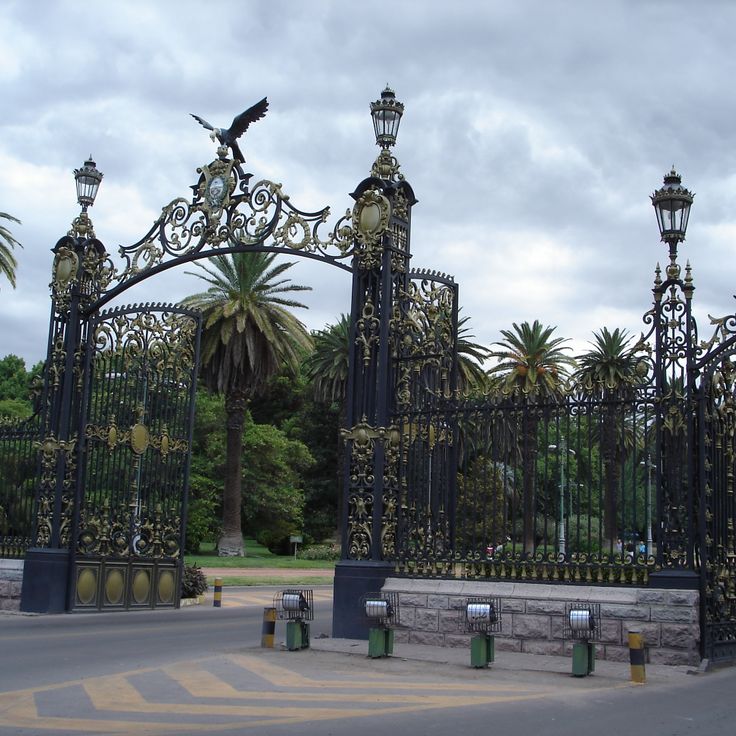
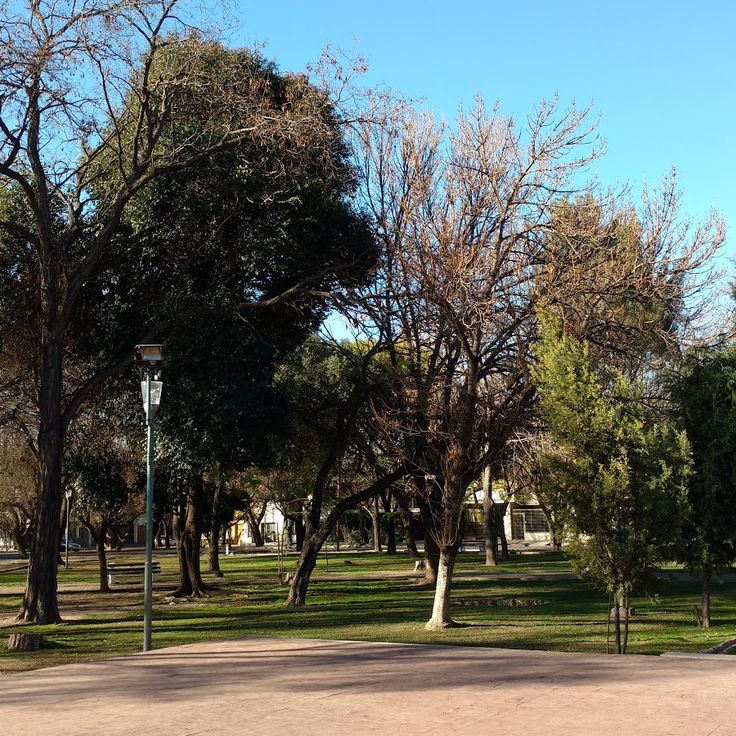
General San Martín Park in Mendoza is a large urban green space that shows how the region has shaped its public areas. Tree-lined paths, ornamental gardens, and an artificial lake create spaces for walking and spending time outdoors. A rose garden, zoo, and various monuments are scattered throughout the park, marking moments in local history. Designed by landscape architect Carlos Thays in 1896, this park is one of the important green spaces that defines daily life in Mendoza.
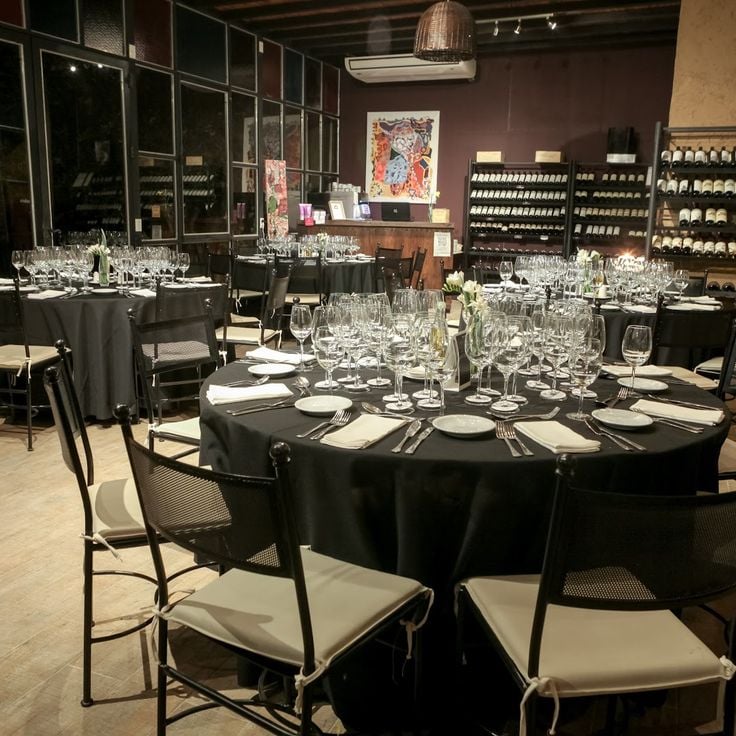
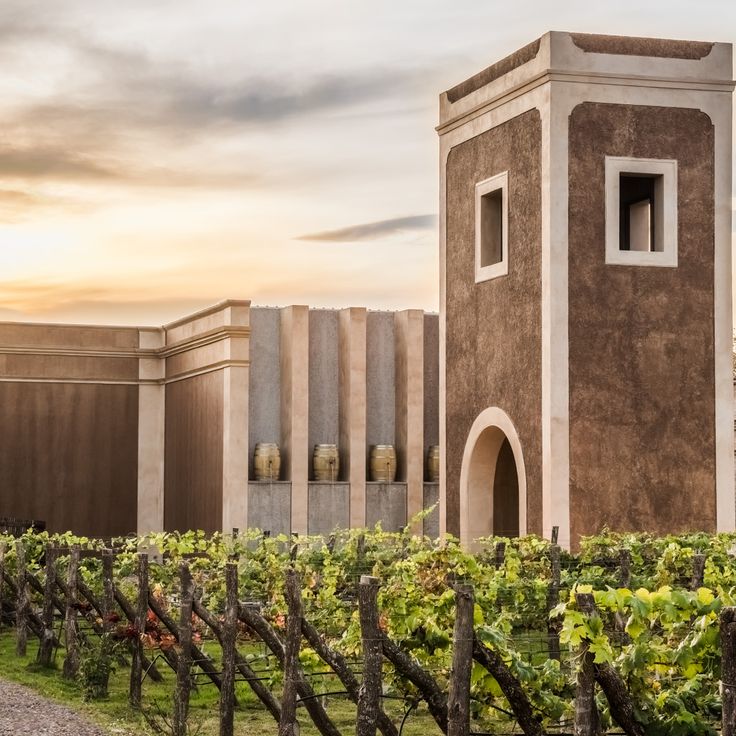
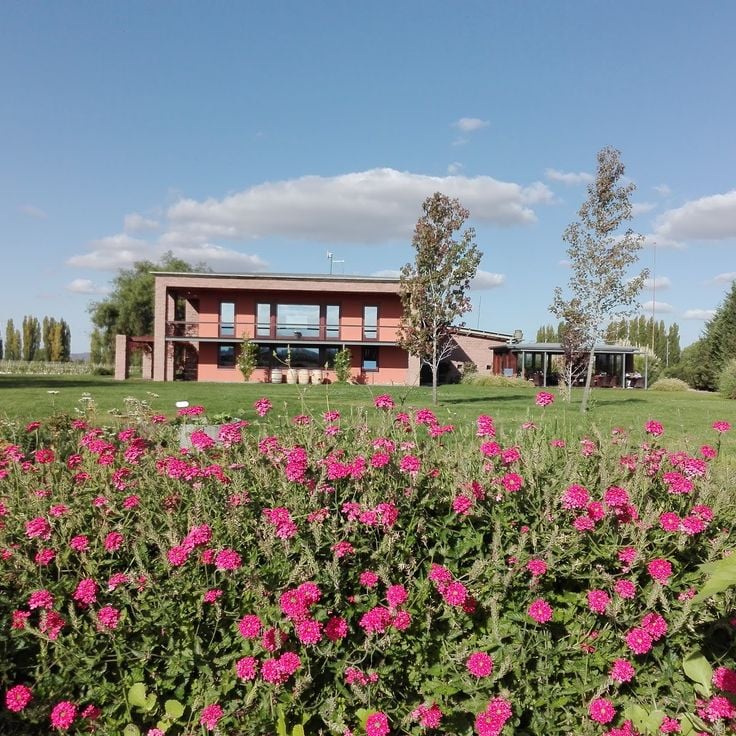
Pulenta Estate Winery is a family-owned winery and one of the remarkable wine sites in the Mendoza region. The estate offers tours through the vineyards and the aging cellar where wine barrels are stored, along with wine tastings. Visitors can observe winemaking firsthand and experience the quality of wines produced in this part of Argentina's wine country.
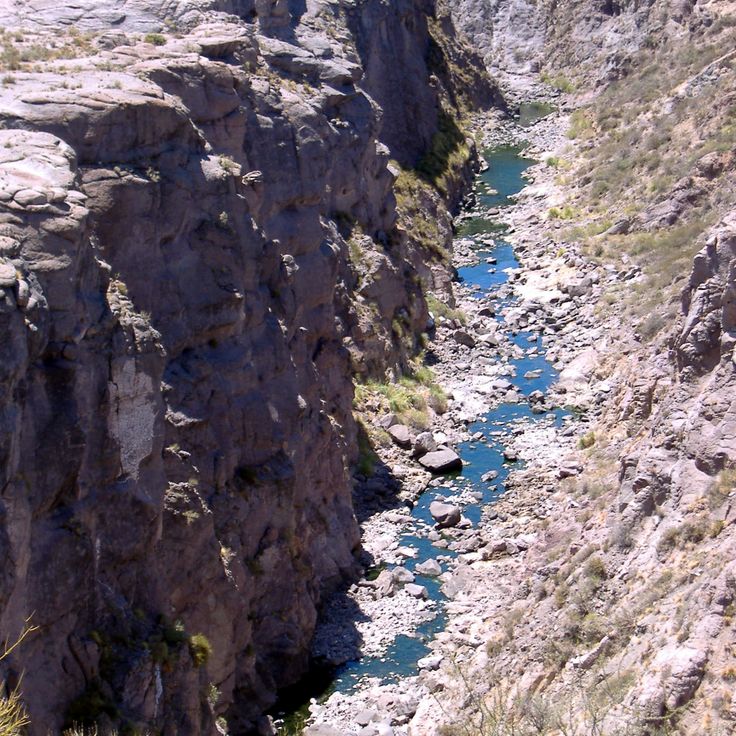
The Atuel Canyon in Mendoza reveals how water shapes stone over time. The Atuel River has carved a deep gorge, exposing different layers of rock that you can clearly observe. This site is part of the remarkable natural attractions of the Mendoza region, where geological formations tell the earth's story. Visitors can hike through the canyon, watch the rock formations, and enjoy water activities on the river. The canyon shows how natural processes have shaped this landscape over millions of years.
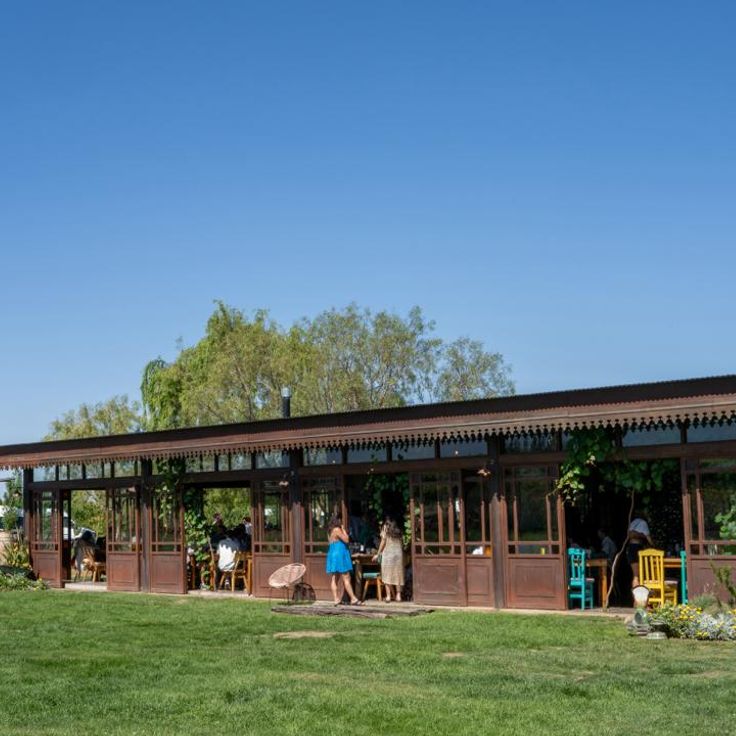
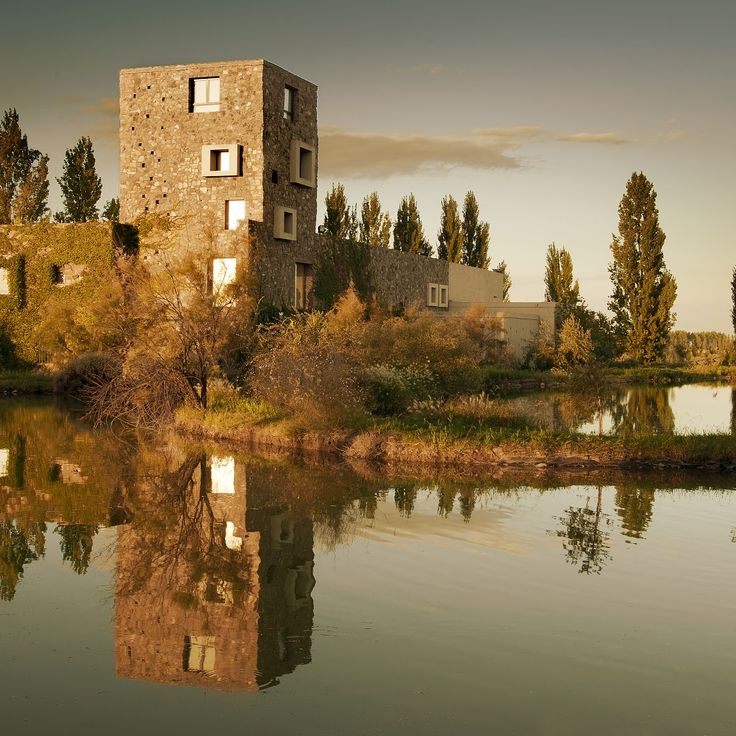
Casa El Enemigo is a winery in Mendoza that combines wine production with dining experiences. The estate demonstrates how contemporary wine-making techniques are applied in Argentina's wine country. Visitors can tour the production facilities and taste Argentine wines, reflecting Mendoza's role as the heart of the nation's wine region.
Los Toneles is a large winery established in 1922 that houses traditional oak barrels. As part of Mendoza's wine heritage, this site offers guided tours where you can learn how wine is made, taste different varieties, and enjoy meals at its restaurant while experiencing the region's winemaking traditions.
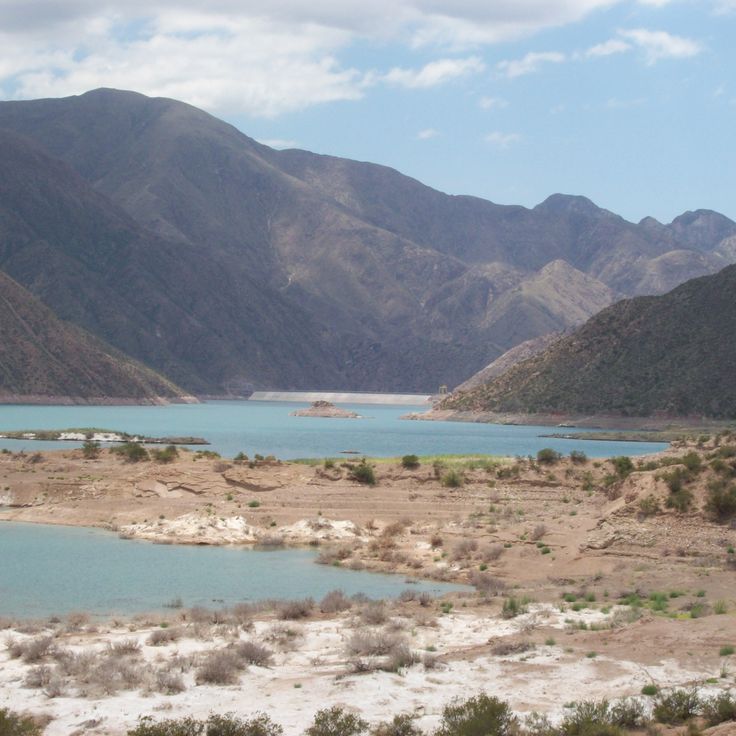
The Potrerillos Dam is a hydraulic structure on the Mendoza River in Argentina's wine region. The dam creates a large lake that stretches for several kilometers, offering space for water sports and sport fishing. This dam is part of the natural landscape of Mendoza, where the Andes Mountains form the backdrop and vineyards cover the valleys.
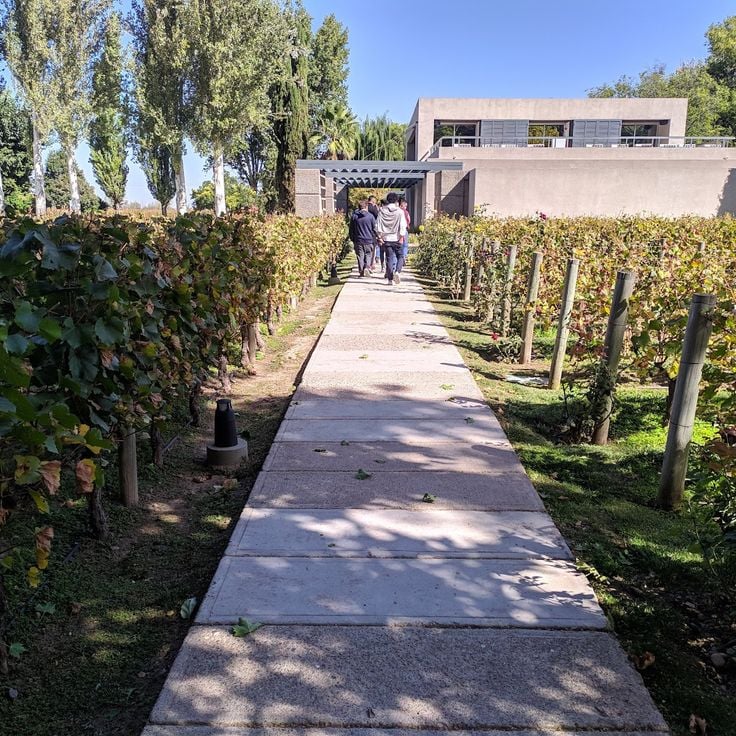
La Azul Winery sits in the Uco Valley, representing the heart of Mendoza's wine traditions described in this collection. The winery focuses on Malbec and Cabernet Sauvignon, showcasing how wine production takes advantage of the region's ideal location between valley floors and mountain peaks. Visitors walk through the cellars, learn about how grapes become wine, and taste the final products in sessions led by knowledgeable staff.
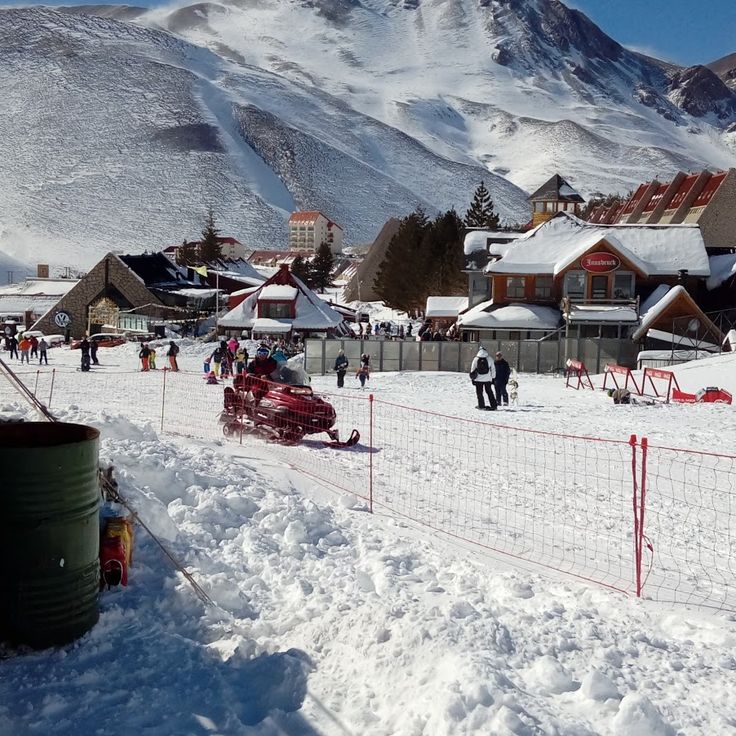
Las Leñas is a ski resort in the Andes that welcomes winter sports enthusiasts during the cold months. Located at 2240 meters in elevation, this site offers slopes for different skill levels. Modern lift systems carry visitors up the mountainside, where they can ski and snowboard on marked runs. Las Leñas fits naturally into the Mendoza region, where the mountains serve not only for wine growing but also for winter sports. The snow-covered slopes and thin air at this altitude make this place a special destination for mountain lovers.
The Roberto Bonfanti Winery occupies 60 hectares in the Mendoza wine region, where grapes for red and white wines grow under ideal conditions backed by the Andes Mountains. The winery invites visitors to tour the production facilities and see how grapes are processed and wine is made. This winery represents the long wine-growing tradition that has shaped the Mendoza region for centuries.
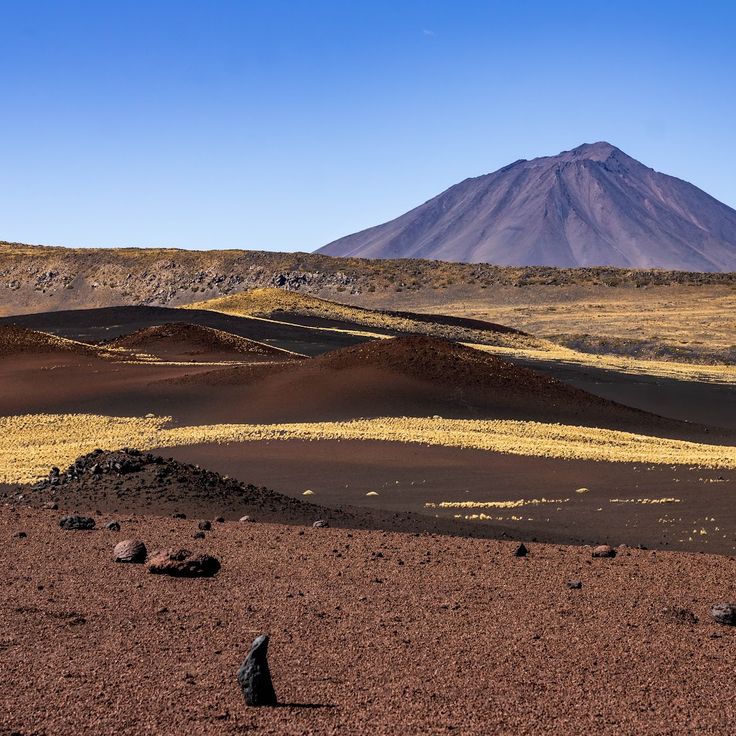
La Payunia Reserve is a protected area in this wine region that showcases landscapes shaped by more than 800 volcanic cones. Lava fields spread across the terrain, while guanacos roam in their natural habitat. This reserve reveals the geological history of the Andes and gives visitors chances to see native plants and wildlife in their original settings.
Tierras Altas Winery is located in Uco Valley and represents one of the remarkable sites in the Mendoza region. The winery offers presentations on the winemaking process, from vine cultivation to bottling. This establishment gives visitors a chance to understand the work behind the wine and contributes to the rich wine culture for which the region is known.
Norton Winery is a wine producer founded in 1895 that represents the heart of Mendoza's wine country. The winery combines ancestral grape-growing techniques with modern production methods to create Argentine wines. Its vineyards sit at 900 meters elevation, where the mountain-backed valleys provide ideal growing conditions. The winery demonstrates how the region has developed one of South America's most important wine industries.
This basilica was built in 1875 and shows how religious architecture changed after colonial times in the Mendoza region. Its neoclassical design reflects the building styles that took shape in Argentina during that period. Inside, the basilica holds an image of the Virgen del Carmen of Cuyo, a figure connected to the history of San Martín and his army. As part of the collection of sites across Mendoza, this basilica tells part of the region's religious and cultural story.
Chandon Winery specializes in producing sparkling wines using the traditional method. Visitors can tour the production facilities to see how these wines are made. The winery is part of Mendoza's wine industry, where grape cultivation and winemaking have been central to the region for centuries.
Ruca Malen is a winery in the Mendoza region founded in 1998 that produces Malbec and Cabernet Sauvignon wines. The winery represents the wine industry that defines this part of Argentina, where you can visit operations ranging from century-old cellars to newly built facilities using modern techniques. Visitors can learn about the winemaking process and view the production facilities firsthand, seeing how grapes become wine in the valleys backed by the Andes Mountains.
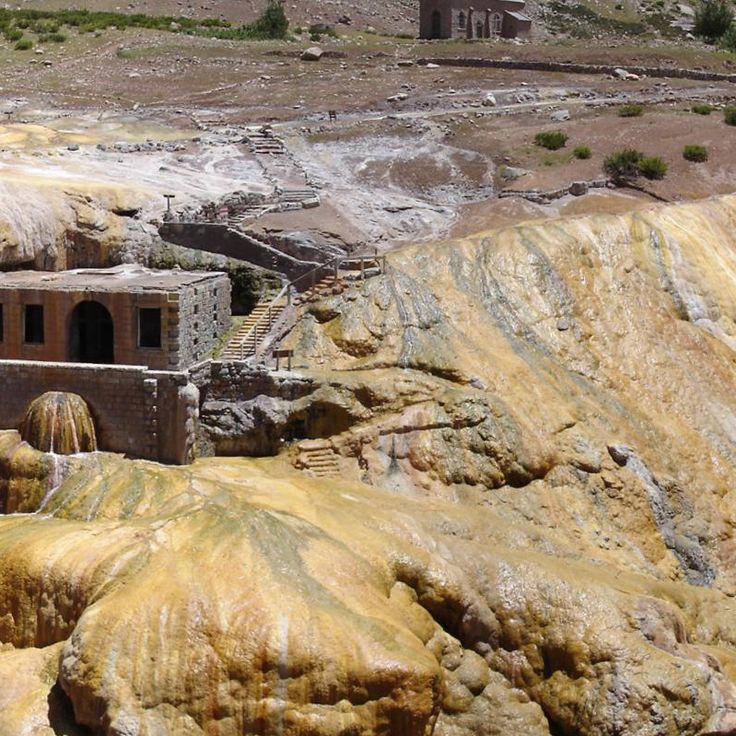
Puente del Inca is a natural rock formation spanning the Cuevas River high in the Andes. Mineral-rich hot springs have shaped this stone arch into striking yellows and oranges. The bridge shows how water works over time to sculpt rock into unexpected forms. Located at about 2720 meters elevation, it stands as one of Mendoza's geological treasures, drawing visitors who want to see how the earth's forces have created the region's natural landscape.
Trapiche Winery sits in the heart of Mendoza's wine country and shows how wine-making traditions have been passed down through generations. Founded in 1883, this winery features Renaissance-style buildings and displays an antique railway car in its gardens. Here you can learn about the production of Malbec wines, which are grown throughout this region and form part of the area's long history of wine-making.
Belgrano Square is a central plaza in Mendoza that serves as a public gathering place for the city. The square features paved pathways, large trees providing shade, and water fountains that offer relief during hot days. Monuments throughout the plaza honor important figures from Argentine history. The square is part of Mendoza's rich historical heritage and shows how the city preserves and honors its past.
The Renacer Winery sits at the foot of the Andes Mountains in Argentina's wine country. This winery focuses on producing Malbec and offers French-language tours where visitors can learn about traditional winemaking methods. It represents the wine culture that defines the Mendoza region, where vineyards have shaped daily life and local identity for generations.
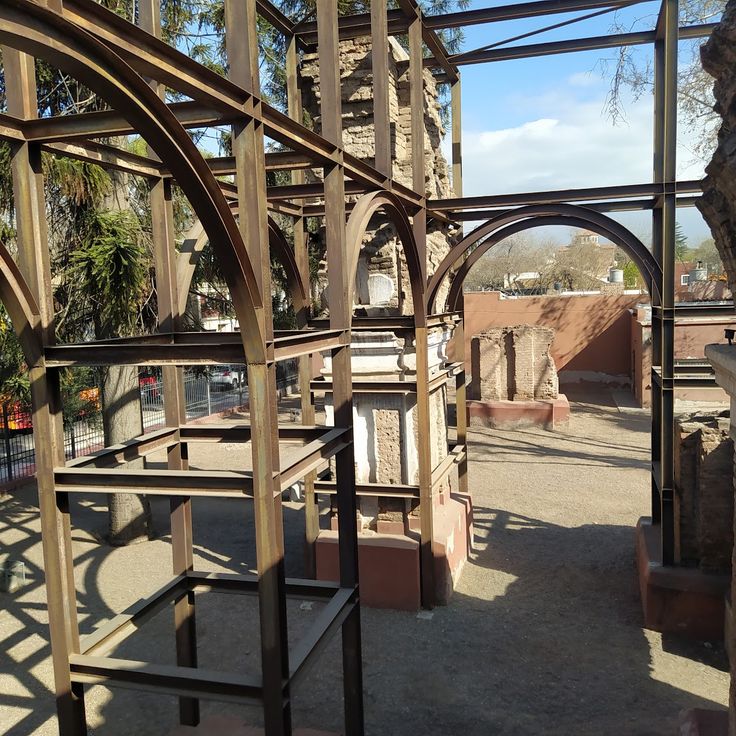
The Museum of the Foundational Area displays archaeological objects and documents about the founding of Mendoza in the 16th century. Located on Pedro del Castillo Square, it helps visitors understand the long history of this important city in Argentina's wine region. The museum's collection sheds light on the early days of Spanish settlement and how people lived here during that time.
La Enoteca is a wine information center located in Mendoza that presents the history and production of local wines. It features exhibitions, tastings, and detailed information about the region's wineries and production processes. This center helps visitors understand the wine culture and traditions that define the Mendoza region.
Salentein Winery is a winery in Mendoza's wine region, built in the shape of a cross and part of the diverse cellars found throughout this important wine-producing area. The building houses a collection of Argentine artworks and a tasting room where you can view the tanks. Visitors can experience winemaking here and explore local art while learning about the history of viticulture in this significant region.
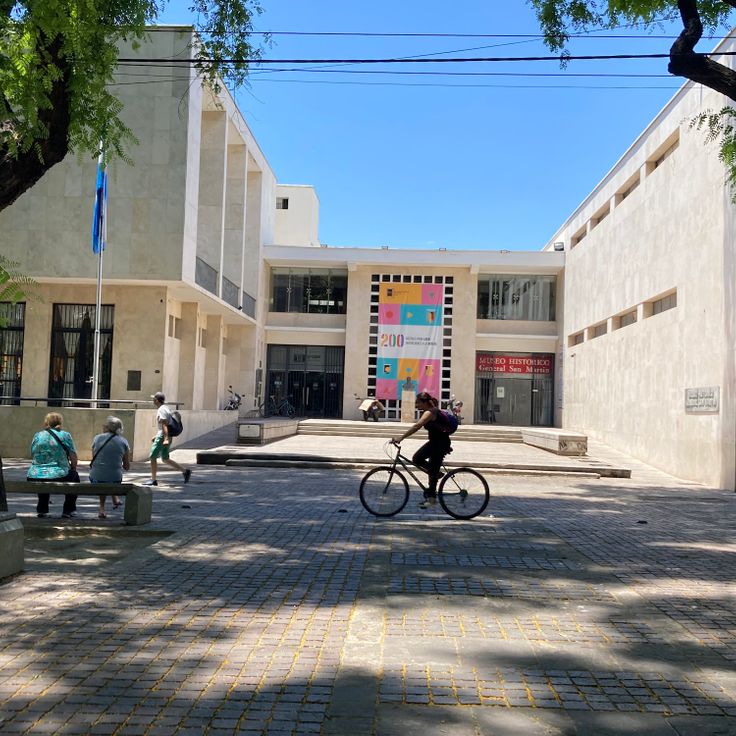
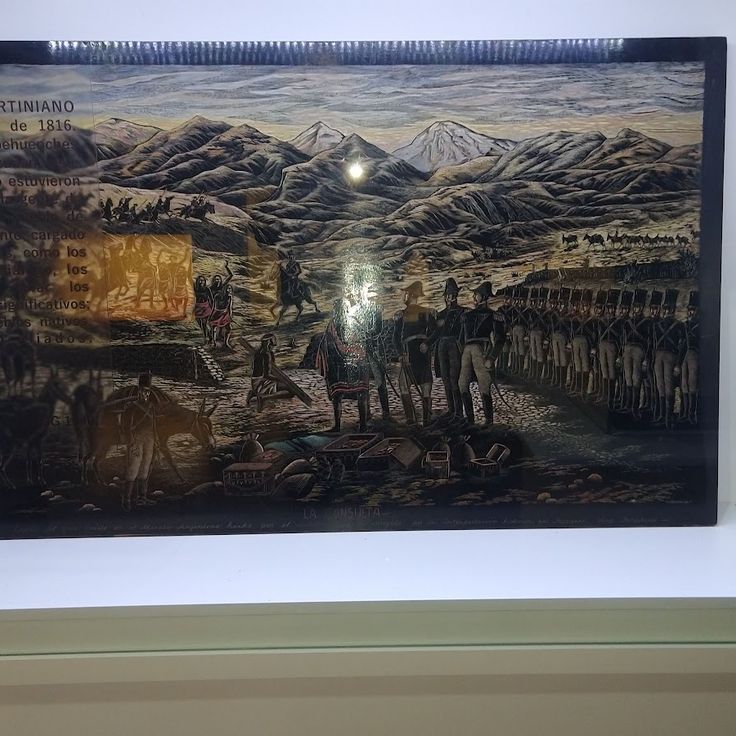
The General San Martín Historical Museum displays military uniforms, historical documents, and personal belongings of General José de San Martín from the independence campaigns. This museum helps you understand how this important leader shaped Argentina's history and what role the Mendoza region played in the liberation struggles.
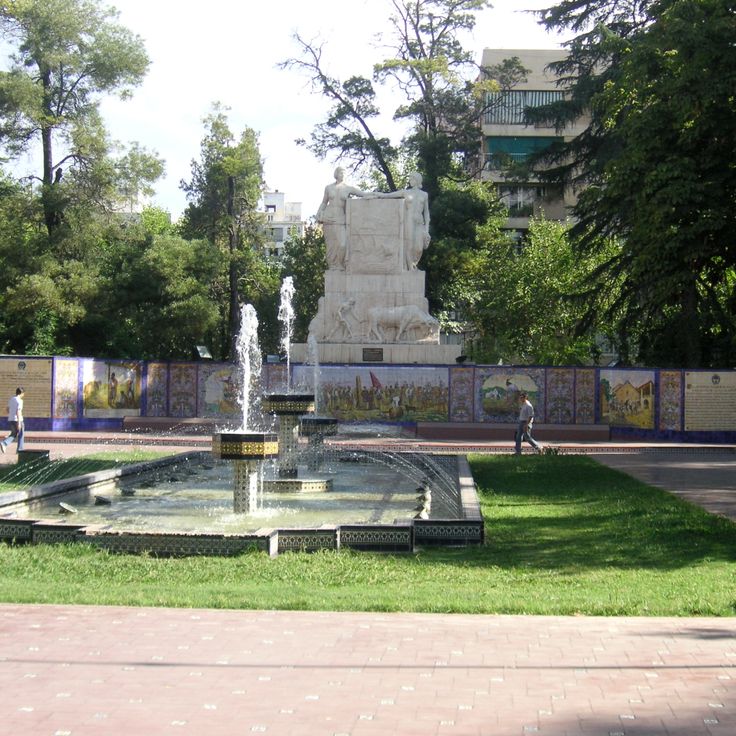
Spain Square in Mendoza is a public plaza that tells the story of relations between Spain and Argentina through ceramic tiles covering its surfaces. A central fountain serves as the focal point, surrounded by benches where visitors can sit and observe the historical narratives depicted around them. This square reflects the colonial heritage that shaped the region and offers a place for people to gather and connect with local history.
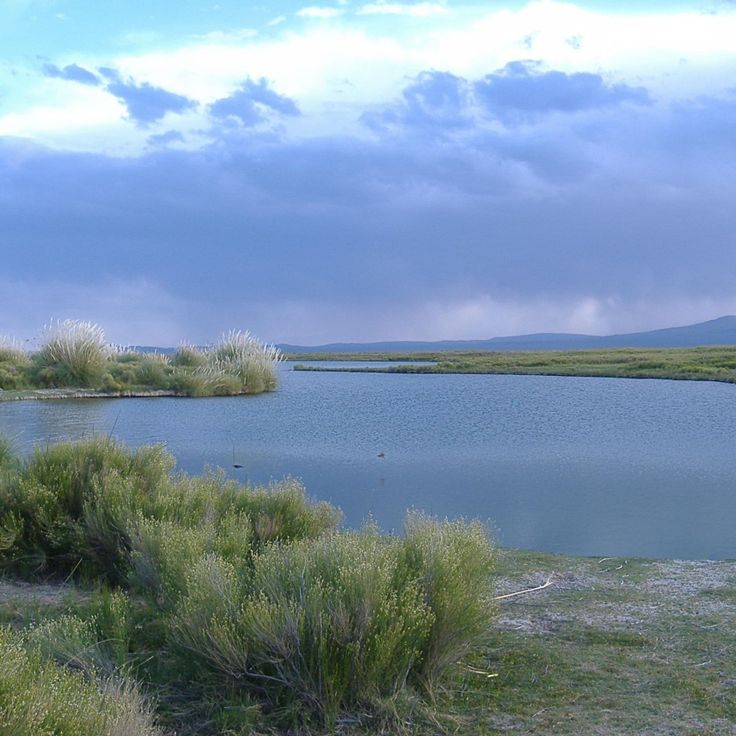
Llancanelo Lagoon is a nature reserve in the Mendoza region and represents one of Argentina's important natural attractions. This saltwater area covers a vast expanse and provides a home for over 150 bird species, including pink flamingos. Visitors can observe these birds in their natural setting and experience the landscape shaped by the region's geological history. The reserve protects the plants and wildlife that thrive in this environment, making it a destination for those interested in seeing nature up close.
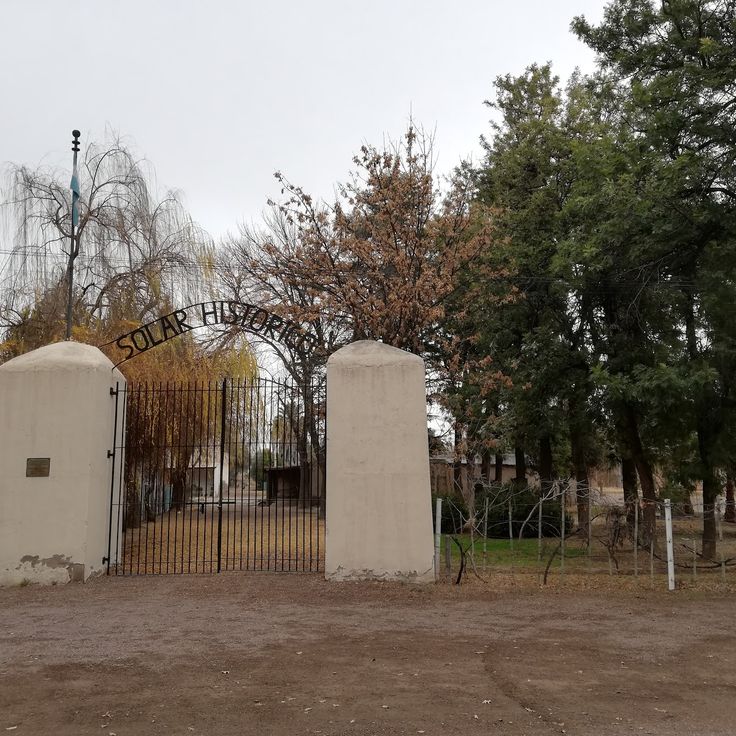
The San Martin Solar is a 19th-century residence in Mendoza where General José de San Martin lived while preparing the military campaign to liberate Chile. The house stands at the center of regional history and shows how important political and military decisions were made at this location.
Fort San Carlos is a military fortification built in 1770 that stands as a reminder of Mendoza's colonial past. The fort played an important role in the region's history, protecting Spanish settlers and their interests during a time of conflict with indigenous communities. As part of the collection of remarkable sites in Mendoza, this fort shows how European colonists established their presence on the frontier and shaped the region's early development.
The Uspallata Vaults are a historical industrial complex from the 18th century in this wine region, dedicated to mineral processing and extraction. With its smelting furnaces and underground tunnels, this site shows how people once worked to pull raw materials from the earth. The Vaults tell of a time when the region was known not only for wine but also for mining activities. You can see here how labor was conducted and what techniques were used during that era.
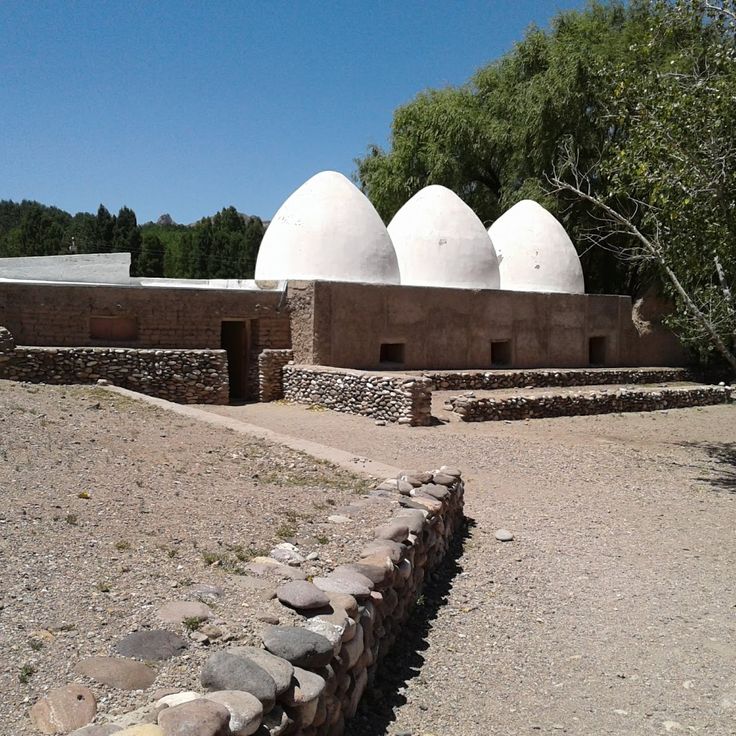
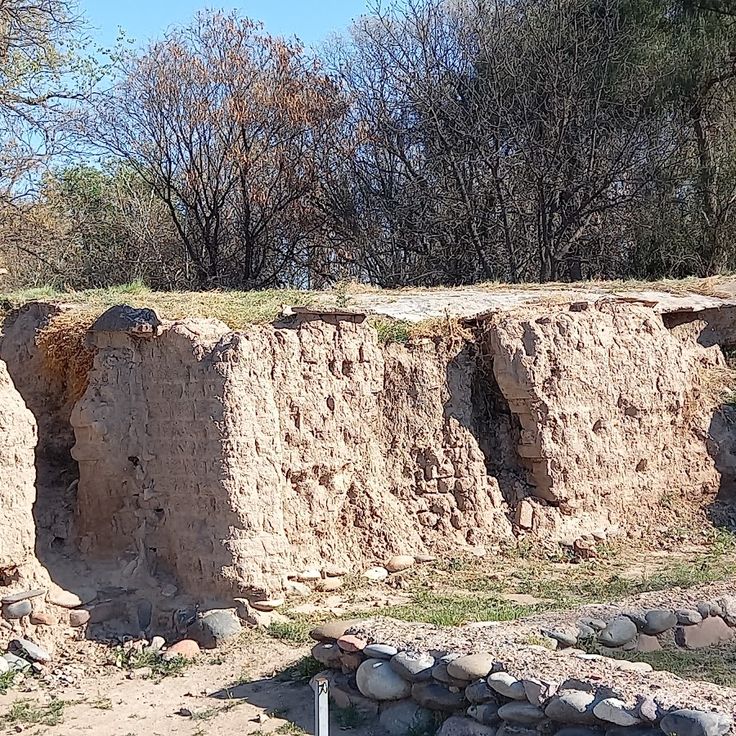
This fort was built in 1805 as a military post to protect the area from attacks. The ruins still show restored adobe walls that tell the story of construction methods from that era. The San Rafael del Diamante Fort connects to the defense history of the Mendoza region, where Spanish settlers established their presence and protected their lands.
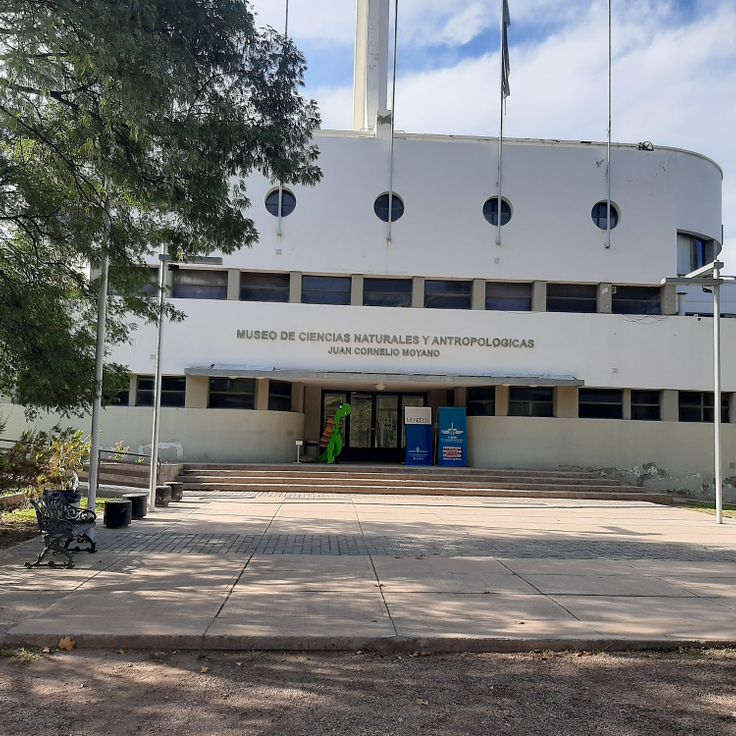
The Natural Sciences Museum displays collections of minerals, fossils, and specimens of native fauna from the Cuyo region. Its rooms show the biodiversity that thrives in this area. As part of Mendoza's rich offerings, this museum helps visitors understand the natural world and geological history that shape the region, known for its wineries and dramatic mountain landscapes including Aconcagua.
La Carrodilla Church in Mendoza is an adobe structure built in 1840 that stands as part of the region's religious heritage. Dedicated to Our Lady of La Carrodilla, this church serves as the provincial sanctuary for the vineyards and harvests of Mendoza. Within the context of the Mendoza region, where wine production and natural landscapes define the character of the area, this church demonstrates how religious buildings have shaped community life for generations.
Pedro del Castillo Square is a historic 16th-century plaza founded in 1561 that served as Mendoza's administrative center until the 1861 earthquake. This square is part of the important historical sites of the Mendoza region, marking key moments in the area's past through its layout and monuments.
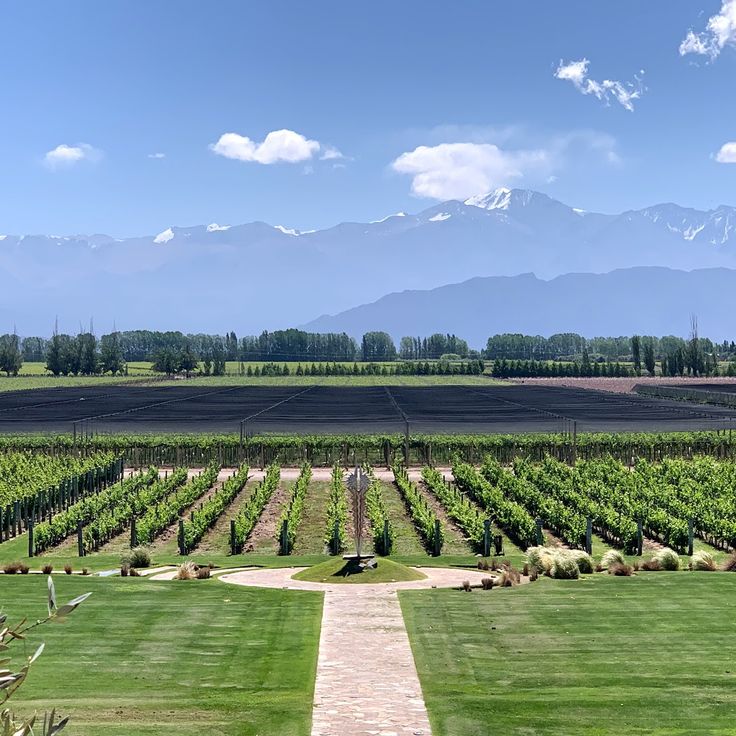
The Uco Valley sits about 50 miles (80 kilometers) south of Mendoza, showing how wine growing works in this region. This valley between 3000 and 3900 feet (900 and 1200 meters) high in the Andes displays rows of grapevines that thrive under the mountain conditions. Here you will find wineries that range from buildings with old cellars to new facilities with modern techniques. The landscape is framed by mountain ridges that shape the climate and growing conditions. The Uco Valley demonstrates the natural features that make this region special, from its soils to its geological character.
Aconcagua Provincial Park protects one of South America's most impressive mountain landscapes and stands as a key natural attraction in the Mendoza region. The park covers a vast area in the Andes and offers trails suitable for different skill levels. Mount Aconcagua rises dramatically above the valley, drawing mountaineers from around the world. Within the park you'll find shelters and rest areas that support the demanding climb. The landscape reveals how mountains and valleys have been shaped by geological forces over time. Here you can observe native plants and wildlife in their natural environment.
This winery in Mendoza is an important part of Argentina's wine region. The building features pyramid-style architecture that resembles Mayan structures. Visitors can taste local wines and view the vineyards that stretch across the valleys below. The winery represents how modern winemaking techniques blend with traditional grape cultivation in this region backed by the Andes Mountains.
Independencia Square is a central plaza in Mendoza that reflects the region's history and daily life. The plaza is surrounded by green trees and features four ornamental fountains at the corners, along with a central pergola. On weekends, a craftspeople's market is set up here, where local artisans and makers display their work. This place shows how people in Mendoza use public spaces and share their culture.
General San Martín Park in Mendoza is a large urban green space that shows how the region has shaped its public areas. Tree-lined paths, ornamental gardens, and an artificial lake create spaces for walking and spending time outdoors. A rose garden, zoo, and various monuments are scattered throughout the park, marking moments in local history. Designed by landscape architect Carlos Thays in 1896, this park is one of the important green spaces that defines daily life in Mendoza.
Pulenta Estate Winery is a family-owned winery and one of the remarkable wine sites in the Mendoza region. The estate offers tours through the vineyards and the aging cellar where wine barrels are stored, along with wine tastings. Visitors can observe winemaking firsthand and experience the quality of wines produced in this part of Argentina's wine country.
The Atuel Canyon in Mendoza reveals how water shapes stone over time. The Atuel River has carved a deep gorge, exposing different layers of rock that you can clearly observe. This site is part of the remarkable natural attractions of the Mendoza region, where geological formations tell the earth's story. Visitors can hike through the canyon, watch the rock formations, and enjoy water activities on the river. The canyon shows how natural processes have shaped this landscape over millions of years.
Casa El Enemigo is a winery in Mendoza that combines wine production with dining experiences. The estate demonstrates how contemporary wine-making techniques are applied in Argentina's wine country. Visitors can tour the production facilities and taste Argentine wines, reflecting Mendoza's role as the heart of the nation's wine region.
Los Toneles is a large winery established in 1922 that houses traditional oak barrels. As part of Mendoza's wine heritage, this site offers guided tours where you can learn how wine is made, taste different varieties, and enjoy meals at its restaurant while experiencing the region's winemaking traditions.
The Potrerillos Dam is a hydraulic structure on the Mendoza River in Argentina's wine region. The dam creates a large lake that stretches for several kilometers, offering space for water sports and sport fishing. This dam is part of the natural landscape of Mendoza, where the Andes Mountains form the backdrop and vineyards cover the valleys.
La Azul Winery sits in the Uco Valley, representing the heart of Mendoza's wine traditions described in this collection. The winery focuses on Malbec and Cabernet Sauvignon, showcasing how wine production takes advantage of the region's ideal location between valley floors and mountain peaks. Visitors walk through the cellars, learn about how grapes become wine, and taste the final products in sessions led by knowledgeable staff.
Las Leñas is a ski resort in the Andes that welcomes winter sports enthusiasts during the cold months. Located at 2240 meters in elevation, this site offers slopes for different skill levels. Modern lift systems carry visitors up the mountainside, where they can ski and snowboard on marked runs. Las Leñas fits naturally into the Mendoza region, where the mountains serve not only for wine growing but also for winter sports. The snow-covered slopes and thin air at this altitude make this place a special destination for mountain lovers.
The Roberto Bonfanti Winery occupies 60 hectares in the Mendoza wine region, where grapes for red and white wines grow under ideal conditions backed by the Andes Mountains. The winery invites visitors to tour the production facilities and see how grapes are processed and wine is made. This winery represents the long wine-growing tradition that has shaped the Mendoza region for centuries.
La Payunia Reserve is a protected area in this wine region that showcases landscapes shaped by more than 800 volcanic cones. Lava fields spread across the terrain, while guanacos roam in their natural habitat. This reserve reveals the geological history of the Andes and gives visitors chances to see native plants and wildlife in their original settings.
Tierras Altas Winery is located in Uco Valley and represents one of the remarkable sites in the Mendoza region. The winery offers presentations on the winemaking process, from vine cultivation to bottling. This establishment gives visitors a chance to understand the work behind the wine and contributes to the rich wine culture for which the region is known.
Norton Winery is a wine producer founded in 1895 that represents the heart of Mendoza's wine country. The winery combines ancestral grape-growing techniques with modern production methods to create Argentine wines. Its vineyards sit at 900 meters elevation, where the mountain-backed valleys provide ideal growing conditions. The winery demonstrates how the region has developed one of South America's most important wine industries.
This basilica was built in 1875 and shows how religious architecture changed after colonial times in the Mendoza region. Its neoclassical design reflects the building styles that took shape in Argentina during that period. Inside, the basilica holds an image of the Virgen del Carmen of Cuyo, a figure connected to the history of San Martín and his army. As part of the collection of sites across Mendoza, this basilica tells part of the region's religious and cultural story.
Chandon Winery specializes in producing sparkling wines using the traditional method. Visitors can tour the production facilities to see how these wines are made. The winery is part of Mendoza's wine industry, where grape cultivation and winemaking have been central to the region for centuries.
Ruca Malen is a winery in the Mendoza region founded in 1998 that produces Malbec and Cabernet Sauvignon wines. The winery represents the wine industry that defines this part of Argentina, where you can visit operations ranging from century-old cellars to newly built facilities using modern techniques. Visitors can learn about the winemaking process and view the production facilities firsthand, seeing how grapes become wine in the valleys backed by the Andes Mountains.
Puente del Inca is a natural rock formation spanning the Cuevas River high in the Andes. Mineral-rich hot springs have shaped this stone arch into striking yellows and oranges. The bridge shows how water works over time to sculpt rock into unexpected forms. Located at about 2720 meters elevation, it stands as one of Mendoza's geological treasures, drawing visitors who want to see how the earth's forces have created the region's natural landscape.
Trapiche Winery sits in the heart of Mendoza's wine country and shows how wine-making traditions have been passed down through generations. Founded in 1883, this winery features Renaissance-style buildings and displays an antique railway car in its gardens. Here you can learn about the production of Malbec wines, which are grown throughout this region and form part of the area's long history of wine-making.
Belgrano Square is a central plaza in Mendoza that serves as a public gathering place for the city. The square features paved pathways, large trees providing shade, and water fountains that offer relief during hot days. Monuments throughout the plaza honor important figures from Argentine history. The square is part of Mendoza's rich historical heritage and shows how the city preserves and honors its past.
The Renacer Winery sits at the foot of the Andes Mountains in Argentina's wine country. This winery focuses on producing Malbec and offers French-language tours where visitors can learn about traditional winemaking methods. It represents the wine culture that defines the Mendoza region, where vineyards have shaped daily life and local identity for generations.
The Museum of the Foundational Area displays archaeological objects and documents about the founding of Mendoza in the 16th century. Located on Pedro del Castillo Square, it helps visitors understand the long history of this important city in Argentina's wine region. The museum's collection sheds light on the early days of Spanish settlement and how people lived here during that time.
La Enoteca is a wine information center located in Mendoza that presents the history and production of local wines. It features exhibitions, tastings, and detailed information about the region's wineries and production processes. This center helps visitors understand the wine culture and traditions that define the Mendoza region.
Salentein Winery is a winery in Mendoza's wine region, built in the shape of a cross and part of the diverse cellars found throughout this important wine-producing area. The building houses a collection of Argentine artworks and a tasting room where you can view the tanks. Visitors can experience winemaking here and explore local art while learning about the history of viticulture in this significant region.
The General San Martín Historical Museum displays military uniforms, historical documents, and personal belongings of General José de San Martín from the independence campaigns. This museum helps you understand how this important leader shaped Argentina's history and what role the Mendoza region played in the liberation struggles.
Spain Square in Mendoza is a public plaza that tells the story of relations between Spain and Argentina through ceramic tiles covering its surfaces. A central fountain serves as the focal point, surrounded by benches where visitors can sit and observe the historical narratives depicted around them. This square reflects the colonial heritage that shaped the region and offers a place for people to gather and connect with local history.
Llancanelo Lagoon is a nature reserve in the Mendoza region and represents one of Argentina's important natural attractions. This saltwater area covers a vast expanse and provides a home for over 150 bird species, including pink flamingos. Visitors can observe these birds in their natural setting and experience the landscape shaped by the region's geological history. The reserve protects the plants and wildlife that thrive in this environment, making it a destination for those interested in seeing nature up close.
The San Martin Solar is a 19th-century residence in Mendoza where General José de San Martin lived while preparing the military campaign to liberate Chile. The house stands at the center of regional history and shows how important political and military decisions were made at this location.
Fort San Carlos is a military fortification built in 1770 that stands as a reminder of Mendoza's colonial past. The fort played an important role in the region's history, protecting Spanish settlers and their interests during a time of conflict with indigenous communities. As part of the collection of remarkable sites in Mendoza, this fort shows how European colonists established their presence on the frontier and shaped the region's early development.
The Uspallata Vaults are a historical industrial complex from the 18th century in this wine region, dedicated to mineral processing and extraction. With its smelting furnaces and underground tunnels, this site shows how people once worked to pull raw materials from the earth. The Vaults tell of a time when the region was known not only for wine but also for mining activities. You can see here how labor was conducted and what techniques were used during that era.
This fort was built in 1805 as a military post to protect the area from attacks. The ruins still show restored adobe walls that tell the story of construction methods from that era. The San Rafael del Diamante Fort connects to the defense history of the Mendoza region, where Spanish settlers established their presence and protected their lands.
The Natural Sciences Museum displays collections of minerals, fossils, and specimens of native fauna from the Cuyo region. Its rooms show the biodiversity that thrives in this area. As part of Mendoza's rich offerings, this museum helps visitors understand the natural world and geological history that shape the region, known for its wineries and dramatic mountain landscapes including Aconcagua.
La Carrodilla Church in Mendoza is an adobe structure built in 1840 that stands as part of the region's religious heritage. Dedicated to Our Lady of La Carrodilla, this church serves as the provincial sanctuary for the vineyards and harvests of Mendoza. Within the context of the Mendoza region, where wine production and natural landscapes define the character of the area, this church demonstrates how religious buildings have shaped community life for generations.
Pedro del Castillo Square is a historic 16th-century plaza founded in 1561 that served as Mendoza's administrative center until the 1861 earthquake. This square is part of the important historical sites of the Mendoza region, marking key moments in the area's past through its layout and monuments.
The Uco Valley sits about 50 miles (80 kilometers) south of Mendoza, showing how wine growing works in this region. This valley between 3000 and 3900 feet (900 and 1200 meters) high in the Andes displays rows of grapevines that thrive under the mountain conditions. Here you will find wineries that range from buildings with old cellars to new facilities with modern techniques. The landscape is framed by mountain ridges that shape the climate and growing conditions. The Uco Valley demonstrates the natural features that make this region special, from its soils to its geological character.
Aconcagua Provincial Park protects one of South America's most impressive mountain landscapes and stands as a key natural attraction in the Mendoza region. The park covers a vast area in the Andes and offers trails suitable for different skill levels. Mount Aconcagua rises dramatically above the valley, drawing mountaineers from around the world. Within the park you'll find shelters and rest areas that support the demanding climb. The landscape reveals how mountains and valleys have been shaped by geological forces over time. Here you can observe native plants and wildlife in their natural environment.
This winery in Mendoza is an important part of Argentina's wine region. The building features pyramid-style architecture that resembles Mayan structures. Visitors can taste local wines and view the vineyards that stretch across the valleys below. The winery represents how modern winemaking techniques blend with traditional grape cultivation in this region backed by the Andes Mountains.
Independencia Square is a central plaza in Mendoza that reflects the region's history and daily life. The plaza is surrounded by green trees and features four ornamental fountains at the corners, along with a central pergola. On weekends, a craftspeople's market is set up here, where local artisans and makers display their work. This place shows how people in Mendoza use public spaces and share their culture.
General San Martín Park in Mendoza is a large urban green space that shows how the region has shaped its public areas. Tree-lined paths, ornamental gardens, and an artificial lake create spaces for walking and spending time outdoors. A rose garden, zoo, and various monuments are scattered throughout the park, marking moments in local history. Designed by landscape architect Carlos Thays in 1896, this park is one of the important green spaces that defines daily life in Mendoza.
Pulenta Estate Winery is a family-owned winery and one of the remarkable wine sites in the Mendoza region. The estate offers tours through the vineyards and the aging cellar where wine barrels are stored, along with wine tastings. Visitors can observe winemaking firsthand and experience the quality of wines produced in this part of Argentina's wine country.
The Atuel Canyon in Mendoza reveals how water shapes stone over time. The Atuel River has carved a deep gorge, exposing different layers of rock that you can clearly observe. This site is part of the remarkable natural attractions of the Mendoza region, where geological formations tell the earth's story. Visitors can hike through the canyon, watch the rock formations, and enjoy water activities on the river. The canyon shows how natural processes have shaped this landscape over millions of years.
Casa El Enemigo is a winery in Mendoza that combines wine production with dining experiences. The estate demonstrates how contemporary wine-making techniques are applied in Argentina's wine country. Visitors can tour the production facilities and taste Argentine wines, reflecting Mendoza's role as the heart of the nation's wine region.
Los Toneles is a large winery established in 1922 that houses traditional oak barrels. As part of Mendoza's wine heritage, this site offers guided tours where you can learn how wine is made, taste different varieties, and enjoy meals at its restaurant while experiencing the region's winemaking traditions.
The Potrerillos Dam is a hydraulic structure on the Mendoza River in Argentina's wine region. The dam creates a large lake that stretches for several kilometers, offering space for water sports and sport fishing. This dam is part of the natural landscape of Mendoza, where the Andes Mountains form the backdrop and vineyards cover the valleys.
La Azul Winery sits in the Uco Valley, representing the heart of Mendoza's wine traditions described in this collection. The winery focuses on Malbec and Cabernet Sauvignon, showcasing how wine production takes advantage of the region's ideal location between valley floors and mountain peaks. Visitors walk through the cellars, learn about how grapes become wine, and taste the final products in sessions led by knowledgeable staff.
Las Leñas is a ski resort in the Andes that welcomes winter sports enthusiasts during the cold months. Located at 2240 meters in elevation, this site offers slopes for different skill levels. Modern lift systems carry visitors up the mountainside, where they can ski and snowboard on marked runs. Las Leñas fits naturally into the Mendoza region, where the mountains serve not only for wine growing but also for winter sports. The snow-covered slopes and thin air at this altitude make this place a special destination for mountain lovers.
The Roberto Bonfanti Winery occupies 60 hectares in the Mendoza wine region, where grapes for red and white wines grow under ideal conditions backed by the Andes Mountains. The winery invites visitors to tour the production facilities and see how grapes are processed and wine is made. This winery represents the long wine-growing tradition that has shaped the Mendoza region for centuries.
La Payunia Reserve is a protected area in this wine region that showcases landscapes shaped by more than 800 volcanic cones. Lava fields spread across the terrain, while guanacos roam in their natural habitat. This reserve reveals the geological history of the Andes and gives visitors chances to see native plants and wildlife in their original settings.
Tierras Altas Winery is located in Uco Valley and represents one of the remarkable sites in the Mendoza region. The winery offers presentations on the winemaking process, from vine cultivation to bottling. This establishment gives visitors a chance to understand the work behind the wine and contributes to the rich wine culture for which the region is known.
Norton Winery is a wine producer founded in 1895 that represents the heart of Mendoza's wine country. The winery combines ancestral grape-growing techniques with modern production methods to create Argentine wines. Its vineyards sit at 900 meters elevation, where the mountain-backed valleys provide ideal growing conditions. The winery demonstrates how the region has developed one of South America's most important wine industries.
This basilica was built in 1875 and shows how religious architecture changed after colonial times in the Mendoza region. Its neoclassical design reflects the building styles that took shape in Argentina during that period. Inside, the basilica holds an image of the Virgen del Carmen of Cuyo, a figure connected to the history of San Martín and his army. As part of the collection of sites across Mendoza, this basilica tells part of the region's religious and cultural story.
Chandon Winery specializes in producing sparkling wines using the traditional method. Visitors can tour the production facilities to see how these wines are made. The winery is part of Mendoza's wine industry, where grape cultivation and winemaking have been central to the region for centuries.
Ruca Malen is a winery in the Mendoza region founded in 1998 that produces Malbec and Cabernet Sauvignon wines. The winery represents the wine industry that defines this part of Argentina, where you can visit operations ranging from century-old cellars to newly built facilities using modern techniques. Visitors can learn about the winemaking process and view the production facilities firsthand, seeing how grapes become wine in the valleys backed by the Andes Mountains.
Puente del Inca is a natural rock formation spanning the Cuevas River high in the Andes. Mineral-rich hot springs have shaped this stone arch into striking yellows and oranges. The bridge shows how water works over time to sculpt rock into unexpected forms. Located at about 2720 meters elevation, it stands as one of Mendoza's geological treasures, drawing visitors who want to see how the earth's forces have created the region's natural landscape.
Trapiche Winery sits in the heart of Mendoza's wine country and shows how wine-making traditions have been passed down through generations. Founded in 1883, this winery features Renaissance-style buildings and displays an antique railway car in its gardens. Here you can learn about the production of Malbec wines, which are grown throughout this region and form part of the area's long history of wine-making.
Belgrano Square is a central plaza in Mendoza that serves as a public gathering place for the city. The square features paved pathways, large trees providing shade, and water fountains that offer relief during hot days. Monuments throughout the plaza honor important figures from Argentine history. The square is part of Mendoza's rich historical heritage and shows how the city preserves and honors its past.
The Renacer Winery sits at the foot of the Andes Mountains in Argentina's wine country. This winery focuses on producing Malbec and offers French-language tours where visitors can learn about traditional winemaking methods. It represents the wine culture that defines the Mendoza region, where vineyards have shaped daily life and local identity for generations.
The Museum of the Foundational Area displays archaeological objects and documents about the founding of Mendoza in the 16th century. Located on Pedro del Castillo Square, it helps visitors understand the long history of this important city in Argentina's wine region. The museum's collection sheds light on the early days of Spanish settlement and how people lived here during that time.
La Enoteca is a wine information center located in Mendoza that presents the history and production of local wines. It features exhibitions, tastings, and detailed information about the region's wineries and production processes. This center helps visitors understand the wine culture and traditions that define the Mendoza region.
Salentein Winery is a winery in Mendoza's wine region, built in the shape of a cross and part of the diverse cellars found throughout this important wine-producing area. The building houses a collection of Argentine artworks and a tasting room where you can view the tanks. Visitors can experience winemaking here and explore local art while learning about the history of viticulture in this significant region.
The General San Martín Historical Museum displays military uniforms, historical documents, and personal belongings of General José de San Martín from the independence campaigns. This museum helps you understand how this important leader shaped Argentina's history and what role the Mendoza region played in the liberation struggles.
Spain Square in Mendoza is a public plaza that tells the story of relations between Spain and Argentina through ceramic tiles covering its surfaces. A central fountain serves as the focal point, surrounded by benches where visitors can sit and observe the historical narratives depicted around them. This square reflects the colonial heritage that shaped the region and offers a place for people to gather and connect with local history.
Llancanelo Lagoon is a nature reserve in the Mendoza region and represents one of Argentina's important natural attractions. This saltwater area covers a vast expanse and provides a home for over 150 bird species, including pink flamingos. Visitors can observe these birds in their natural setting and experience the landscape shaped by the region's geological history. The reserve protects the plants and wildlife that thrive in this environment, making it a destination for those interested in seeing nature up close.
The San Martin Solar is a 19th-century residence in Mendoza where General José de San Martin lived while preparing the military campaign to liberate Chile. The house stands at the center of regional history and shows how important political and military decisions were made at this location.
Fort San Carlos is a military fortification built in 1770 that stands as a reminder of Mendoza's colonial past. The fort played an important role in the region's history, protecting Spanish settlers and their interests during a time of conflict with indigenous communities. As part of the collection of remarkable sites in Mendoza, this fort shows how European colonists established their presence on the frontier and shaped the region's early development.
The Uspallata Vaults are a historical industrial complex from the 18th century in this wine region, dedicated to mineral processing and extraction. With its smelting furnaces and underground tunnels, this site shows how people once worked to pull raw materials from the earth. The Vaults tell of a time when the region was known not only for wine but also for mining activities. You can see here how labor was conducted and what techniques were used during that era.
This fort was built in 1805 as a military post to protect the area from attacks. The ruins still show restored adobe walls that tell the story of construction methods from that era. The San Rafael del Diamante Fort connects to the defense history of the Mendoza region, where Spanish settlers established their presence and protected their lands.
The Natural Sciences Museum displays collections of minerals, fossils, and specimens of native fauna from the Cuyo region. Its rooms show the biodiversity that thrives in this area. As part of Mendoza's rich offerings, this museum helps visitors understand the natural world and geological history that shape the region, known for its wineries and dramatic mountain landscapes including Aconcagua.
La Carrodilla Church in Mendoza is an adobe structure built in 1840 that stands as part of the region's religious heritage. Dedicated to Our Lady of La Carrodilla, this church serves as the provincial sanctuary for the vineyards and harvests of Mendoza. Within the context of the Mendoza region, where wine production and natural landscapes define the character of the area, this church demonstrates how religious buildings have shaped community life for generations.
Pedro del Castillo Square is a historic 16th-century plaza founded in 1561 that served as Mendoza's administrative center until the 1861 earthquake. This square is part of the important historical sites of the Mendoza region, marking key moments in the area's past through its layout and monuments.
The Uco Valley sits about 50 miles (80 kilometers) south of Mendoza, showing how wine growing works in this region. This valley between 3000 and 3900 feet (900 and 1200 meters) high in the Andes displays rows of grapevines that thrive under the mountain conditions. Here you will find wineries that range from buildings with old cellars to new facilities with modern techniques. The landscape is framed by mountain ridges that shape the climate and growing conditions. The Uco Valley demonstrates the natural features that make this region special, from its soils to its geological character.
As you just read, the Mendoza region is the heart of Argentine wine making, but not only that!