See the monuments around you in AROpen chests in the app
Around Us is built for your phone — point your camera at the streets and discover the monuments and places around you in augmented reality.Around Us is built for your phone — chests unlock when you walk, explore and capture nearby places.
Things to do in Minneapolis : attractions, museums, and historic landmarks
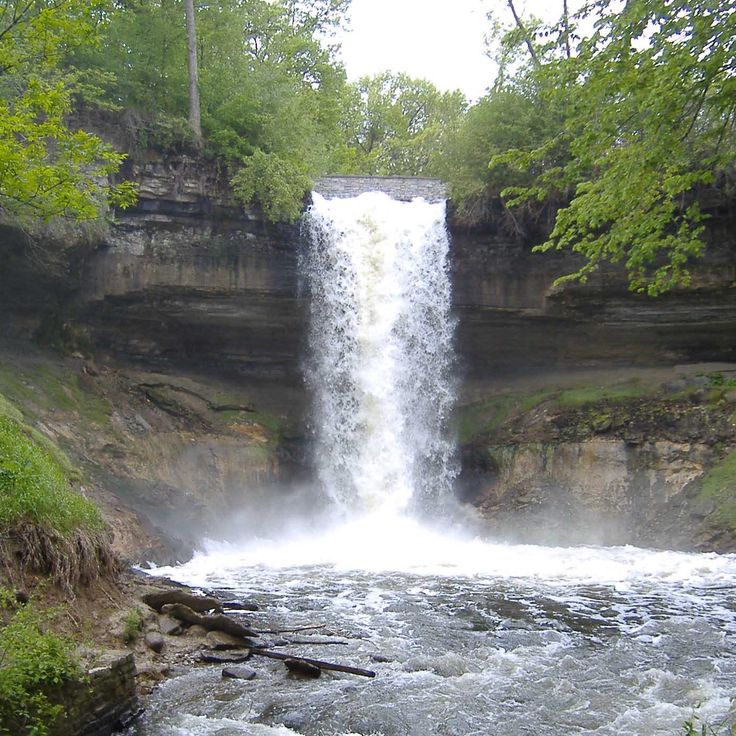
Minneapolis offers a rich mix of cultural attractions and outdoor spaces that draw visitors year-round. Art lovers can explore the Minneapolis Institute of Art, where galleries hold works spanning thousands of years, or visit the Walker Art Center to see modern and contemporary pieces. Just outside, the Minneapolis Sculpture Garden displays large-scale works in the open air, including the well-known Spoonbridge and Cherry. The Weisman Art Museum, with its gleaming steel exterior designed by Frank Gehry, adds another dimension to the city's art scene. Beyond museums, the Chain of Lakes invites walking and cycling, while Minnehaha Park centers on a 53-foot (16-meter) waterfall that has drawn people to its banks for generations.
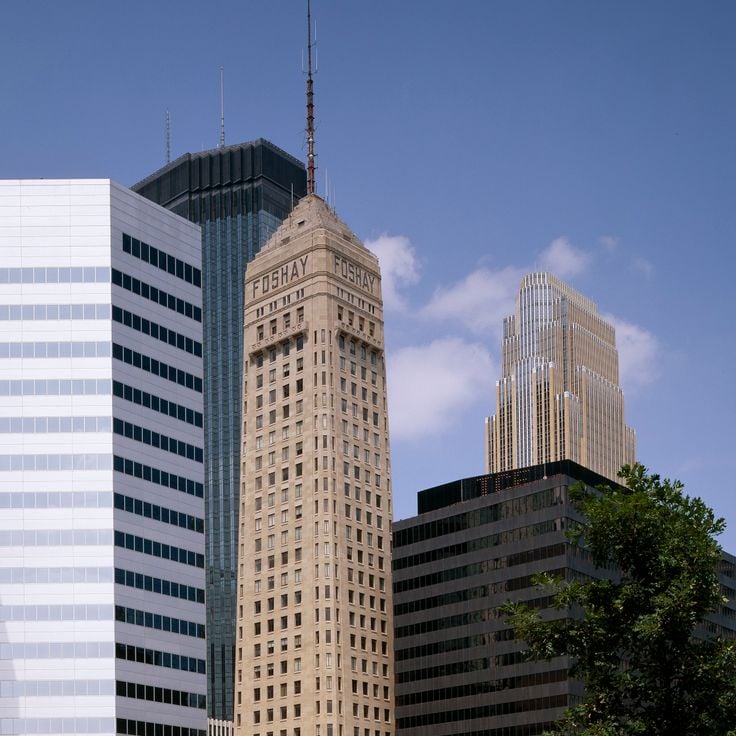
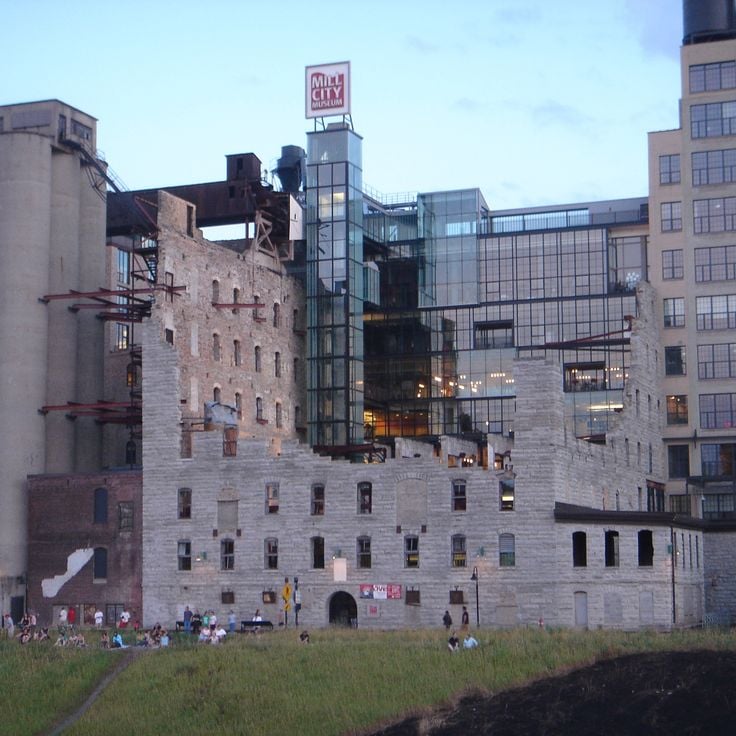
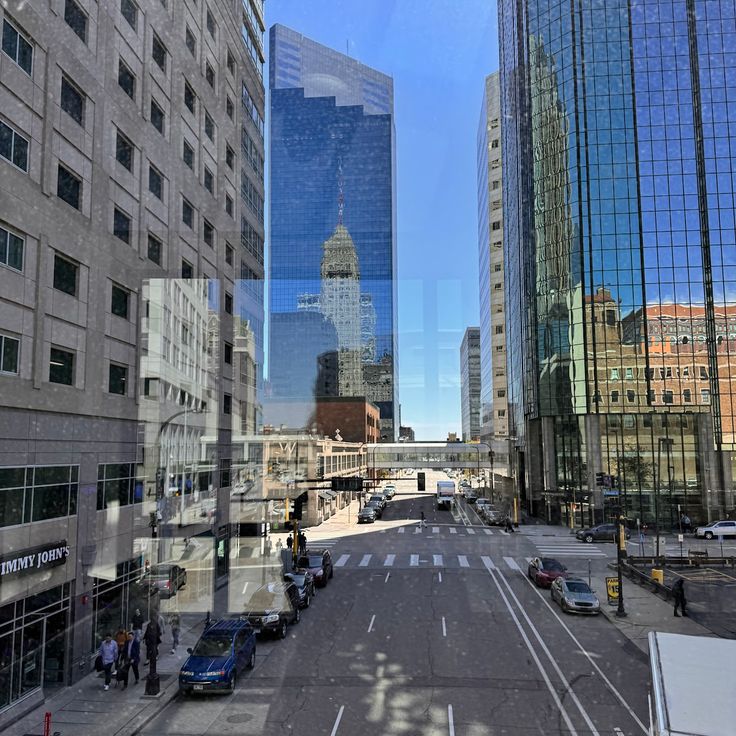
Downtown, the Foshay Tower rises in Art Deco style, offering views from its observation deck, and the enclosed Skyway system connects buildings across several blocks. Theater stages like the Orpheum and Guthrie host performances throughout the year. Sports fans head to Target Field for baseball or U.S. Bank Stadium for football. The Mill City Museum, set in a former flour mill, tells the story of the industry that shaped Minneapolis, while Fort Snelling marks the military heritage of the region. Together, these places paint a full picture of a city that balances history, creativity, and the outdoors.
Things to do in Minneapolis : attractions, museums, and historic landmarks
Minneapolis offers a rich mix of cultural attractions and outdoor spaces that draw visitors year-round. Art lovers can explore the Minneapolis Institute of Art, where galleries hold works spanning thousands of years, or visit the Walker Art Center to see modern and contemporary pieces. Just outside, the Minneapolis Sculpture Garden displays large-scale works in the open air, including the well-known Spoonbridge and Cherry. The Weisman Art Museum, with its gleaming steel exterior designed by Frank Gehry, adds another dimension to the city's art scene. Beyond museums, the Chain of Lakes invites walking and cycling, while Minnehaha Park centers on a 53-foot (16-meter) waterfall that has drawn people to its banks for generations.
Downtown, the Foshay Tower rises in Art Deco style, offering views from its observation deck, and the enclosed Skyway system connects buildings across several blocks. Theater stages like the Orpheum and Guthrie host performances throughout the year. Sports fans head to Target Field for baseball or U.S. Bank Stadium for football. The Mill City Museum, set in a former flour mill, tells the story of the industry that shaped Minneapolis, while Fort Snelling marks the military heritage of the region. Together, these places paint a full picture of a city that balances history, creativity, and the outdoors.
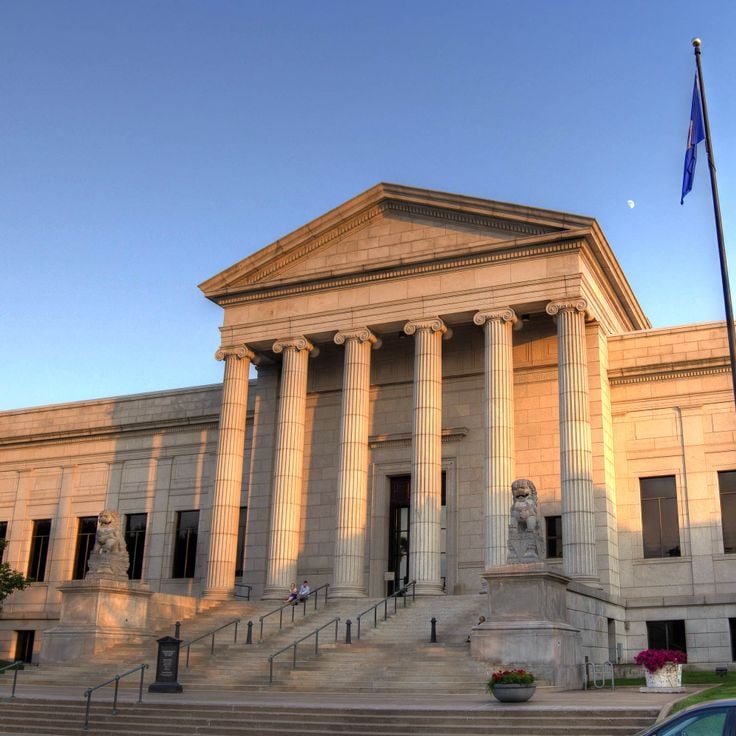
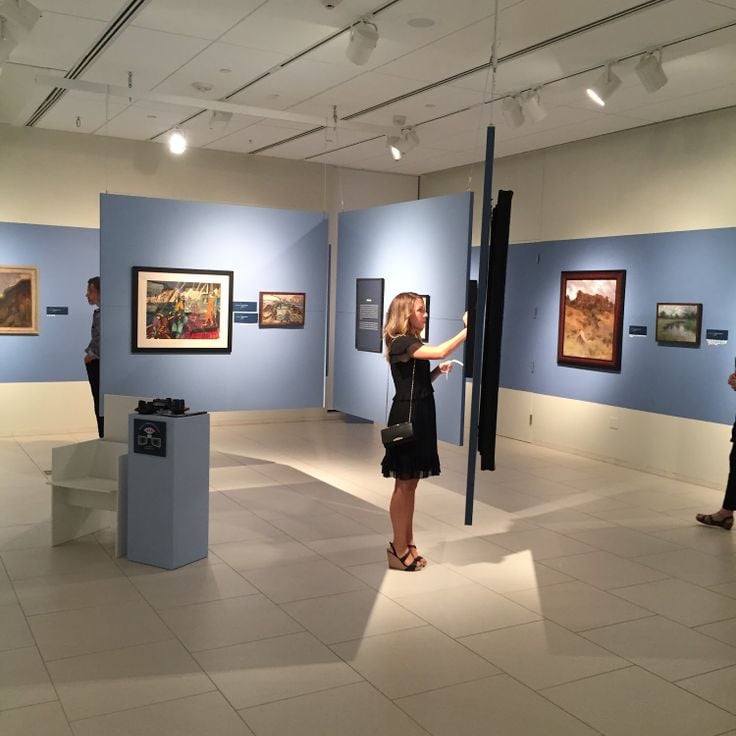
This museum gathers artworks that range from ancient times to the present. The collection includes paintings, sculptures, and decorative objects from Asia, Europe, and the Americas. Visitors can walk through galleries that present different periods and regions. Admission is free, and the rooms offer a calm setting to take time with individual pieces or to gain a sense of art history across the centuries.
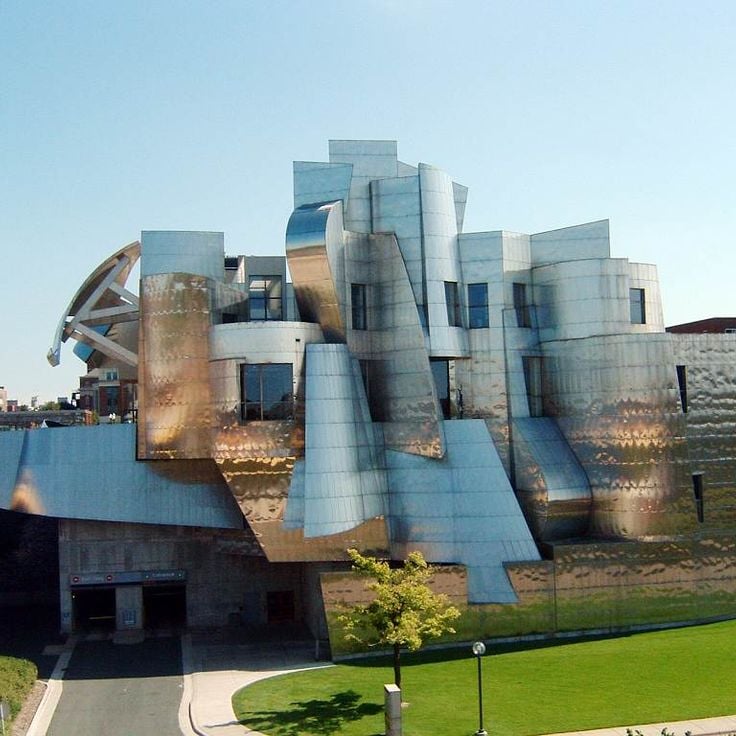
This University of Minnesota museum shows contemporary and modern art inside a stainless steel building designed by Frank Gehry. The folded metal facades reflect the Mississippi River and create a silhouette that stands apart from the classic brick buildings of the campus. Inside, galleries lead through works from the 20th and 21st centuries, including American ceramics and paintings. Large windows frame the river and skyline, connecting the space to the city outside. Admission is free, and the halls are often visited by students and travelers who wander through the collections or sit on benches with views of the water.
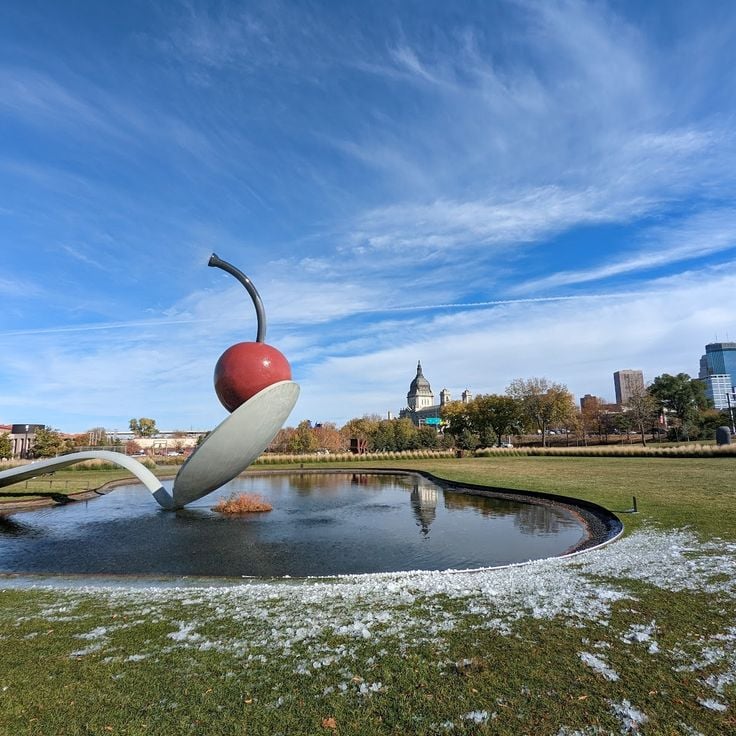
This public park belongs to the Walker Art Center and displays more than forty sculptures in the open air. Spoonbridge and Cherry, a large spoon sculpture with a red cherry, draws visitors from across the city. Grass lawns and pathways invite walking, while installations are spread among trees and maintained green spaces. In winter the park stays open, and the metal of the works stands out against the snow. Families come here to picnic, and photographers look for different angles on the objects. The Conservatory, a glass greenhouse at the southern edge, holds tropical plants and opens year-round. From the raised areas you can see the downtown skyline of Minneapolis in the distance.
This Art Deco skyscraper was built in 1929 and stood as the first high-rise in the city. On the 30th floor, a museum documents the history of the building and its builder. The observation deck offers views over downtown, the surrounding lakes, and on clear days the wider landscape beyond.
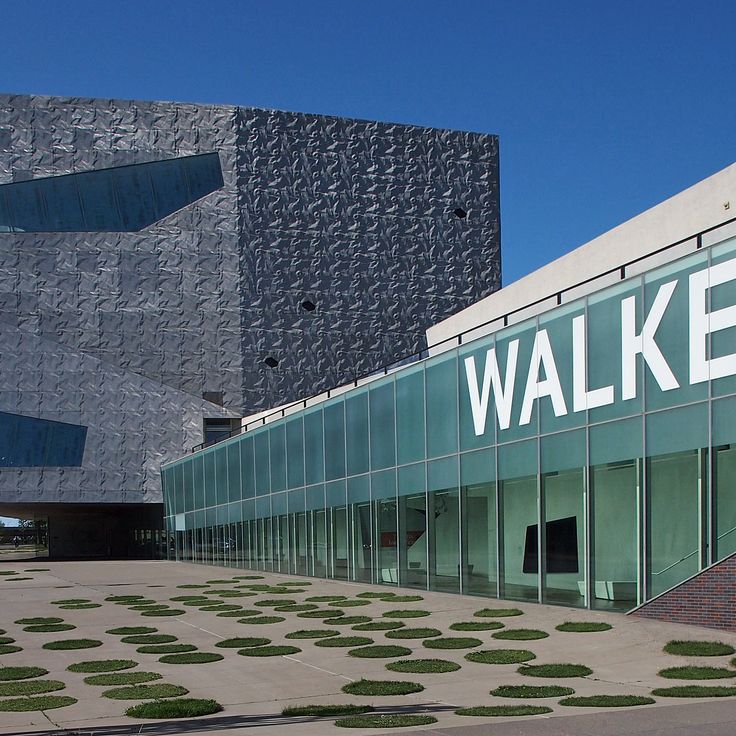
The Walker Art Center presents modern and contemporary art through changing exhibitions and permanent collections. Visitors find paintings, sculptures, photographs, and video installations from the 20th and 21st centuries. Galleries guide you through different movements in art history, from expressionism to new digital work. This museum sits directly beside the Minneapolis Sculpture Garden and offers access to its outdoor spaces. Inside, the rooms regularly rotate their displays, bringing fresh perspectives on collecting and showing art. Film screenings, talks, and performances add to the program, making the center an active place for art and exchange.
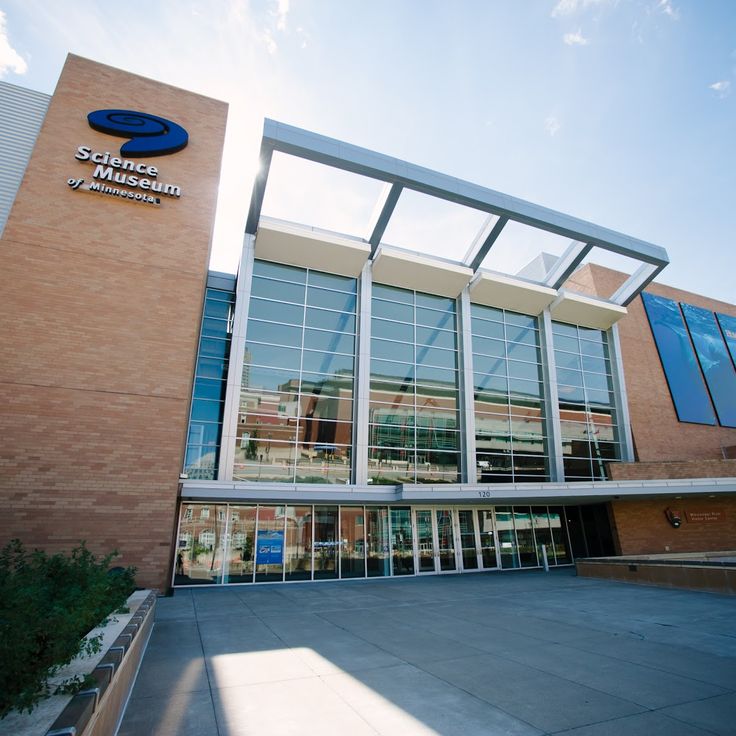
This museum in Minneapolis makes science accessible through hands-on experiments and demonstrations. Visitors test physical principles in the laboratories, while the planetarium projects stars and planets onto a dome overhead. Exhibits cover topics from biology and geology to mathematics, showing how natural laws operate in everyday life. Dinosaur skeletons stand beside interactive stations where you can try mechanics or chemistry. The building sits along the Mississippi River, connecting learning with entertainment for all ages.
This museum occupies the remains of the Washburn A mill, once one of the largest grain mills in the country. The exhibition traces the history of flour production and shows how the milling industry shaped Minneapolis into an economic center. Inside the old halls, machines, tools, and photographs document the daily work of millers and laborers. A glass elevator carries visitors through the building, offering views into the different levels where production once took place. From the upper floors, the view opens onto the Mississippi River and the Stone Arch Bridge.
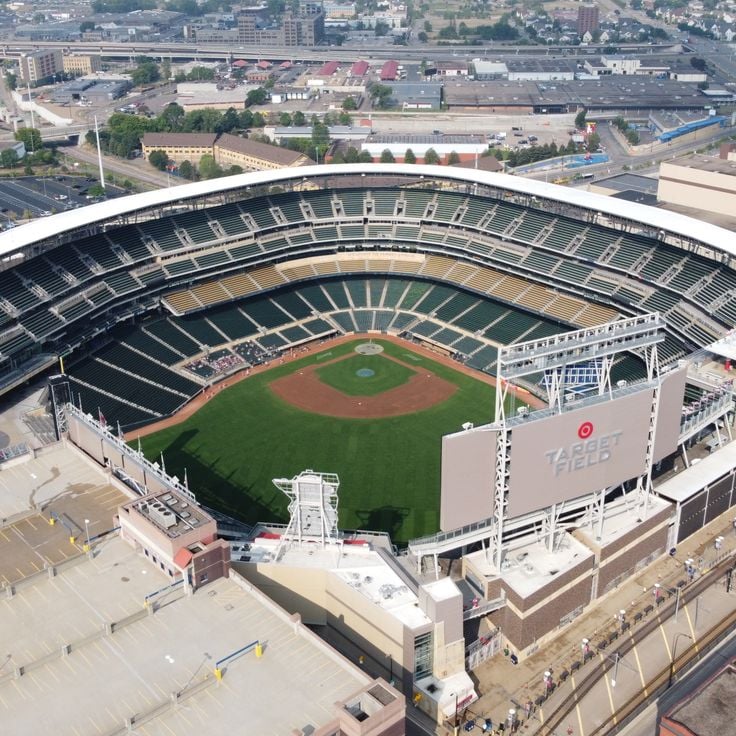
Target Field is the baseball stadium of the Minnesota Twins and holds up to 39,000 spectators. Opened in 2010, this stadium sits in the heart of Minneapolis and combines open seating with views of downtown. On game days, rows fill with fans in team jerseys, and the smell of hot dogs and popcorn drifts through the walkways. The stadium was built for outdoor baseball, so visitors experience sunshine or an evening sky during the game. Between innings, vendors move through the rows, and screens show replays and game statistics. Around the field, stands offer food and souvenirs, while wide concourses give space to walk. The stadium fits into the city fabric and connects to the Skyway and public transit.
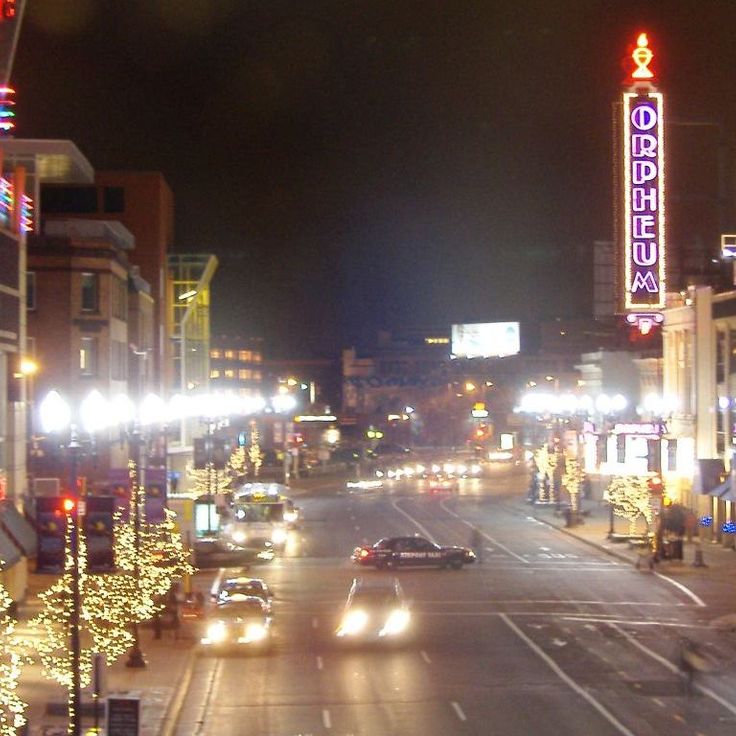
This theater has stood since 1921 at the center of the city, welcoming audiences under a facade that recalls its early years. Inside, musicals, plays, and concerts move through the calendar, drawing visitors from across the region. The architecture preserves the character of its opening era, while performances range from classic works to current productions. The hall fills regularly on evenings when the lights come up and the program begins. This stage adds to the cultural landscape of Minneapolis with its offerings in live performance, showing how much the city values theater and music. For anyone stepping inside, it is a place where stories come to life and music fills the room.
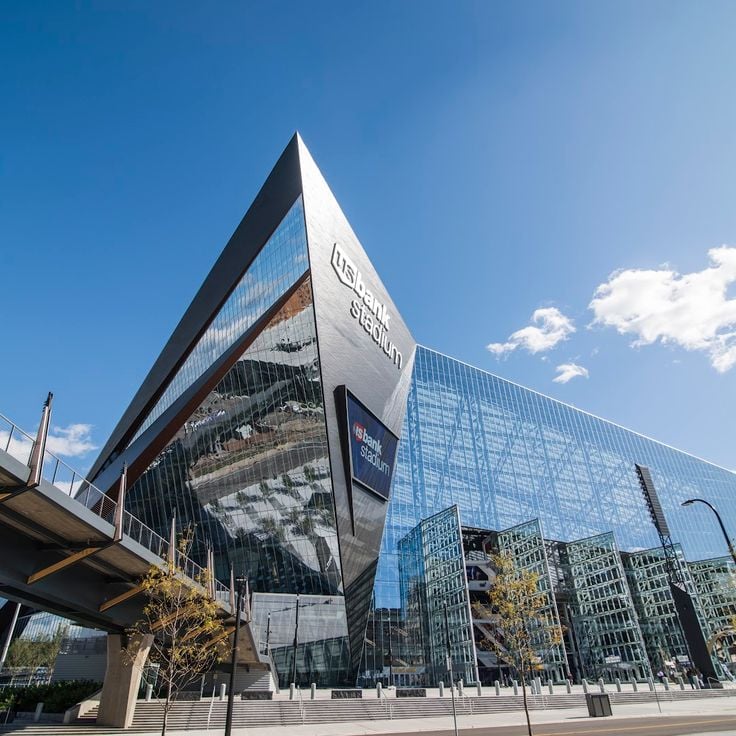
This stadium opened in 2016 and serves as the home of the Minnesota Vikings. The roof is made of transparent panels that let daylight through while protecting from wind and weather. Seats hold around 66,000 people for football games, concerts, and other events. The exterior combines glass and metal, while inside, large video boards help viewers follow action from any angle. National Football League games take place here regularly throughout the season.
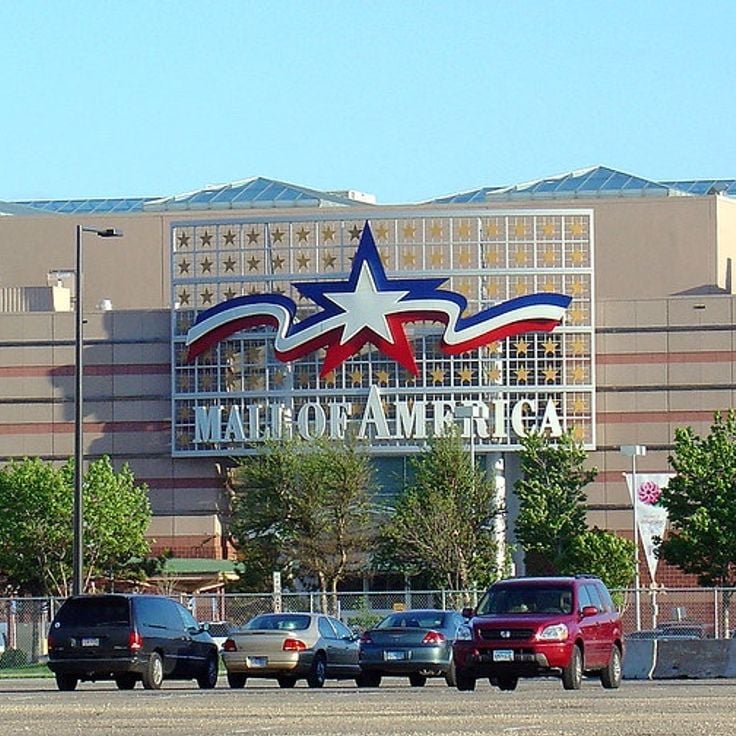
This shopping center in Bloomington sits just south of Minneapolis and ranks among the largest of its kind in the United States. Several floors hold stores, restaurants, and entertainment options, including an indoor amusement park with roller coasters and rides, as well as an aquarium on the lower level where visitors walk through glass tunnels surrounded by sharks and rays. Families often spend a full day here, while others stop by to shop or eat. The Mall of America combines retail with leisure and adds another destination to the mix of cultural attractions around Minneapolis.
This park sits south of downtown and follows the Mississippi River through wooded areas and open meadows. Minnehaha Creek runs through the grounds and drops over a 53-foot (16-meter) waterfall that has drawn visitors since the 19th century. Paths lead from the falls downstream, passing picnic areas and grassy slopes where families gather in warm months. In winter, the water freezes into tall columns of ice. An old stone depot and a reconstructed 1850s mill stand near the cascade. The park connects walking and cycling routes along the river with shaded groves and spots to rest by the water.
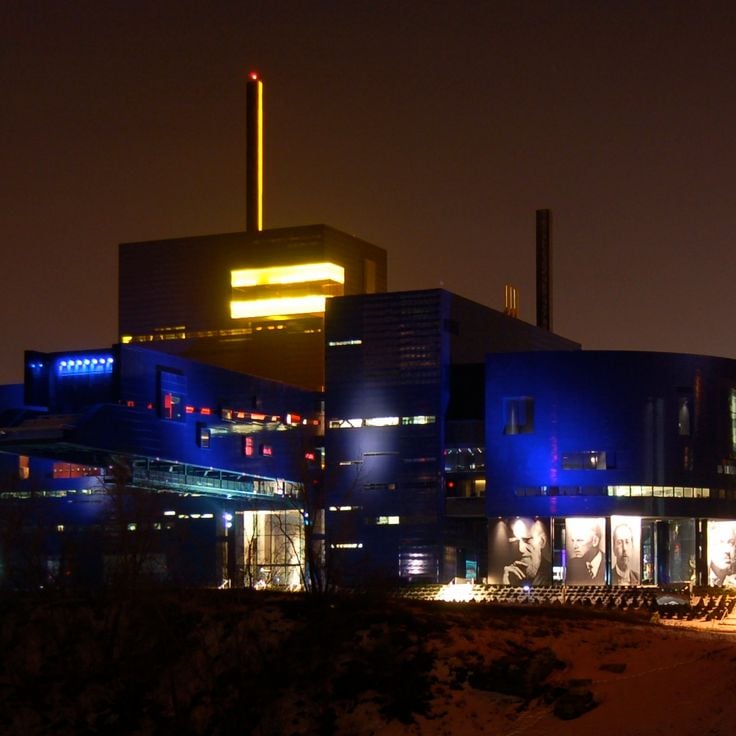
This theater stands on the banks of the Mississippi and brings together three stages within a single building dating to 2006. Visitors enter halls designed for productions of different sizes, from large works to smaller performances. Between shows or before curtain, terraces open toward the river, letting you take in views of the water and the far bank. The architecture joins sharp lines with open spaces, and natural light passes through glass surfaces into the interior. The Guthrie Theater contributes to the theater scene in Minneapolis and fits into the line of cultural places that draw visitors throughout the year.
This network of enclosed pedestrian bridges connects about 80 buildings across the heart of Minneapolis, shielding people from winter cold and summer heat. The walkways run through upper floors, passing shops, restaurants, and office lobbies. Some sections are bright with daylight, others narrower and functional. Commuters use them daily, while visitors navigate with signs at intersections. The system is part of everyday life here, showing how the city has adapted to its climate and keeps downtown accessible year-round.
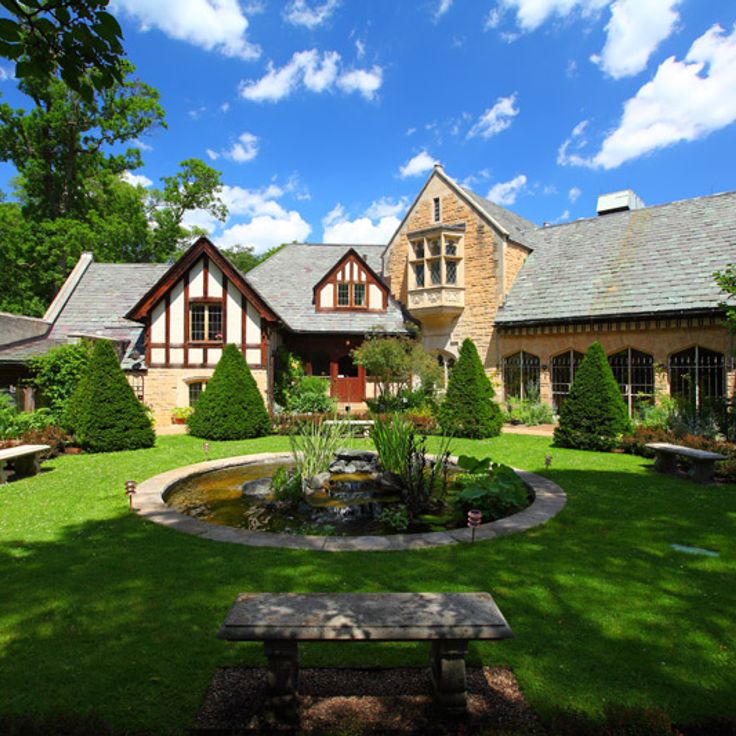
This cultural center has stood in the Turnblad mansion since 1929, showing how Swedish immigrants shaped Minneapolis. In its rooms, visitors see exhibitions on Swedish traditions, crafts, and daily life that trace connections between the old homeland and the new. The house itself was built in the early 20th century for a Swedish-American family and keeps its original wood paneling, tile stoves, and glass windows. In the newer wing, rotating exhibitions present Scandinavian design, photography, and handwork. A café serves Swedish dishes, and the garden offers a place to rest. The institute connects past with present and gives insight into the culture of a community that has been rooted in the city for generations.
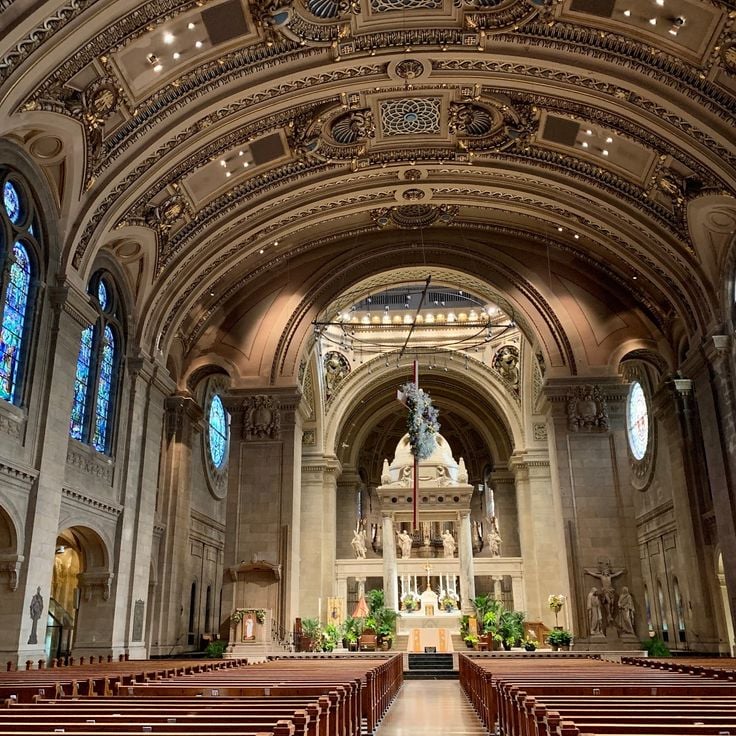
This church stands in the heart of Minneapolis and was completed in 1914. It was the first basilica in the United States, marking a special place in American church history. The Beaux-Arts style shapes the building with its large domes, tall columns, and classical proportions. Inside, wide spaces open under vaulted ceilings, light filters through colored windows, and a calm feeling fills the rooms. Many people come here for services, while others visit the basilica for its architecture or to find a quiet moment. Its location near downtown makes it an accessible stop for visitors interested in religious buildings or the craftsmanship of earlier decades.
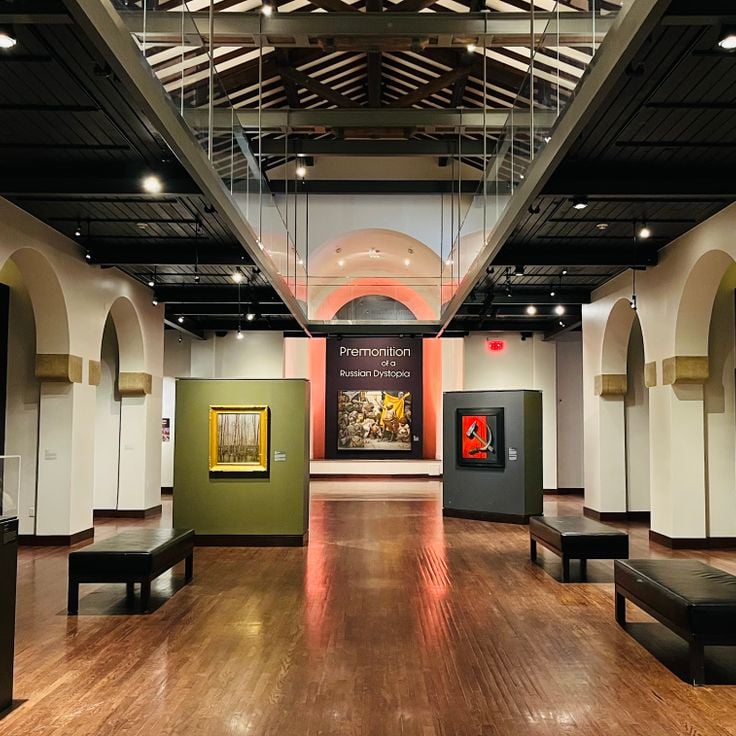
This museum preserves a collection of Russian art from the 18th to the 20th century, showing paintings, sculptures, and decorative objects inside a former church and offering insight into the development of art from that era. The rooms connect religious architecture with the presentation of works by several generations of Russian artists, making a visit an experience between cultural history and sacred space.
This museum focuses on the history of electricity and magnetism, displaying medical instruments from different eras alongside hands-on stations where visitors conduct their own experiments. The collection ranges from early galvanic devices to equipment used in 19th- and 20th-century medicine. Labs allow direct exploration of physical phenomena, making the visit appealing to families and school groups. The Bakken Museum sits in a quiet neighborhood near Lake Calhoun, adding a scientific dimension to the cultural landscape of Minneapolis.
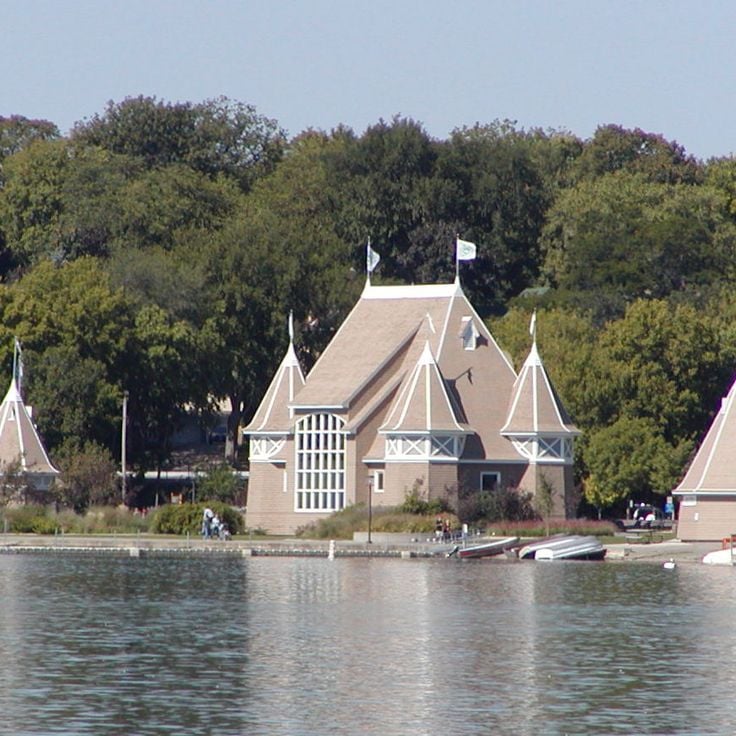
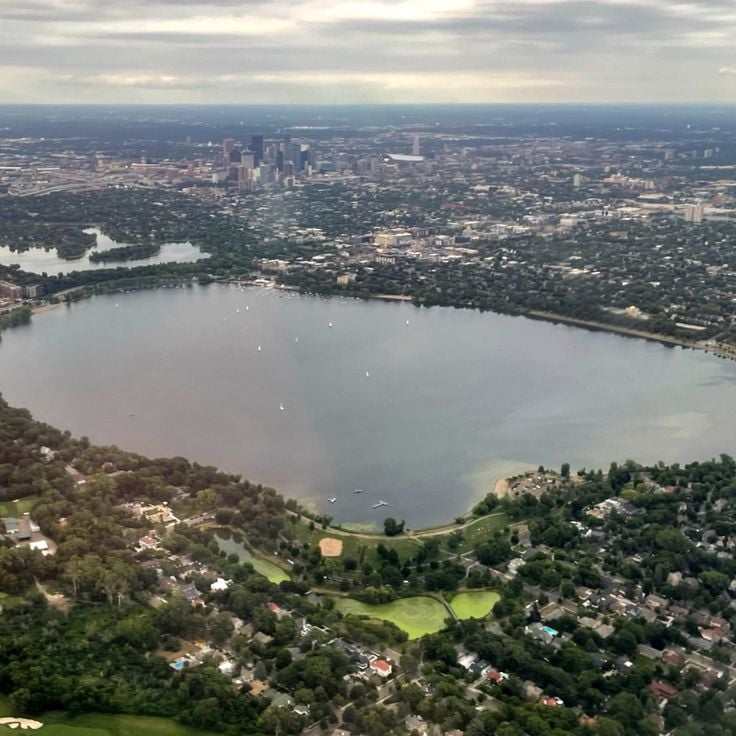
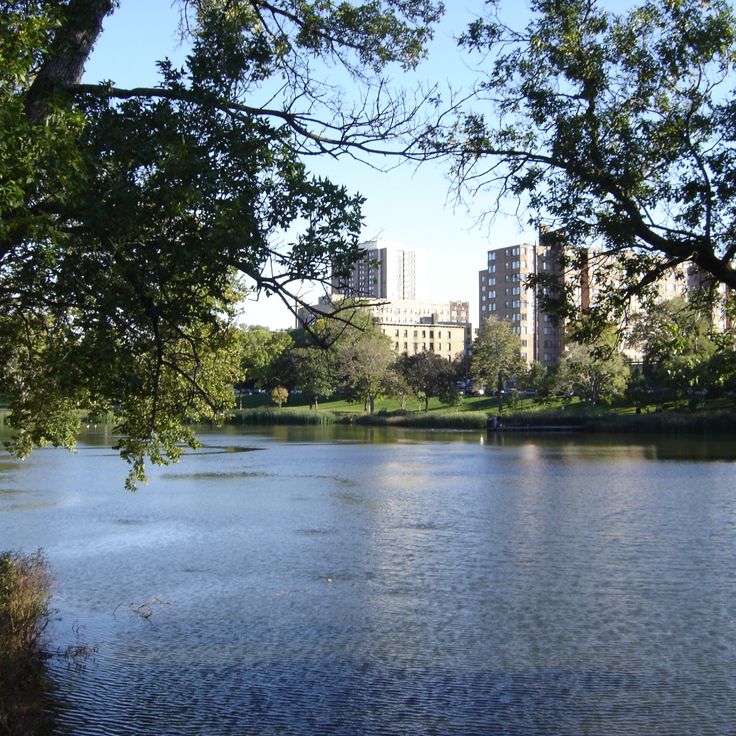
This chain of lakes offers paths for walking, cycling, and swimming spread across five connected bodies of water in the southwestern part of the city, where residents and visitors use the open water and green spaces along the shores throughout the year, with sailboats in summer and ice fishers in winter.
This lake sits surrounded by grass, paths, and trees that edge the water. People walk along the shore, ride bicycles, or sit on benches facing the water. A bandshell stands near the waterline and hosts performances during summer months. Nearby lie playgrounds, open lawns, and sports fields where games take place on weekends. Sailboats glide across the surface while others use the shallow water for paddling. On warm days, families gather for picnics under shade trees. The path circling the lake draws runners and cyclists throughout the day. Dogs join their owners on the walking routes. The setting remains calm even when many people arrive. In winter, the surface freezes and some skate across it. This lake forms part of a chain of waters running through the city.
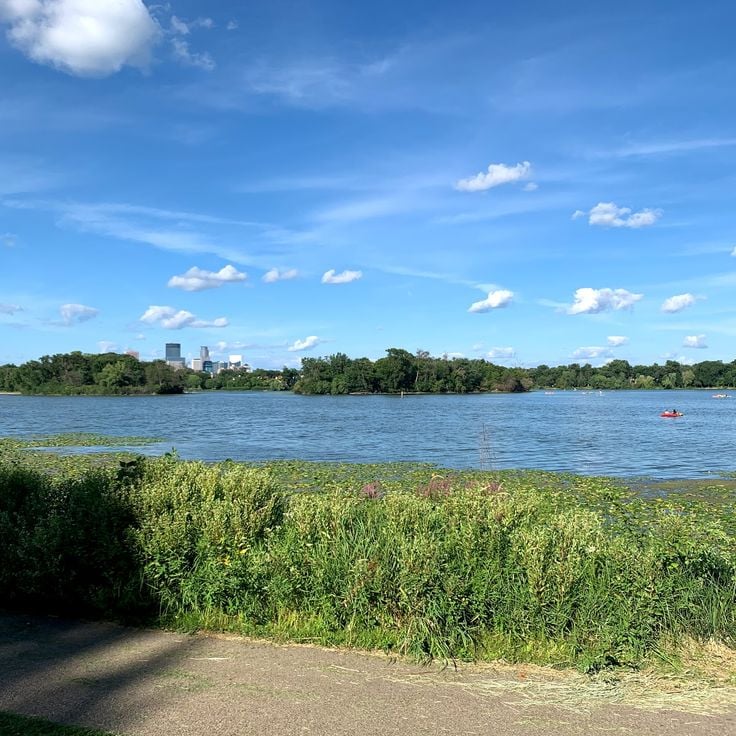
This lake lies west of downtown and draws walkers, runners, and cyclists who use the 4-kilometer path that circles the shore. Trees line the water, and small islands break the calm surface. Homes from the early decades of the 20th century stand along the edge, many in Tudor style or with curved rooflines and stone details. In summer, canoes and kayaks move across the water, and in winter parts of the surface freeze. The path is paved and passes under old elms and maples. Local residents walk dogs in the morning, and families come for picnics in the afternoon. This lake forms part of the group of lakes that run through Minneapolis, connecting south to other bodies of water through narrow channels.
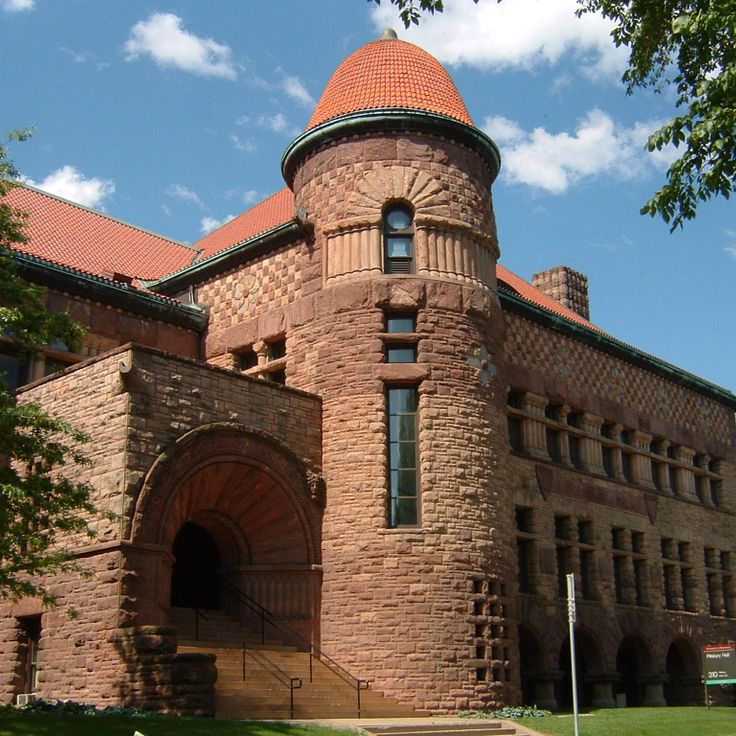
This university spreads across both twin cities, offering open courtyards, brick buildings, and wide pathways that lead through academic quarters. Students move between lecture halls, libraries, and green spaces along the Mississippi River. Hallways fill between classes, cafés serve visitors throughout the day, and the campus connects historic halls with newer facilities. In autumn, trees turn color, in winter plows clear the paths, and in spring people return to outdoor areas. The grounds mix teaching, research, and public events in a setting that both locals and visitors pass through.
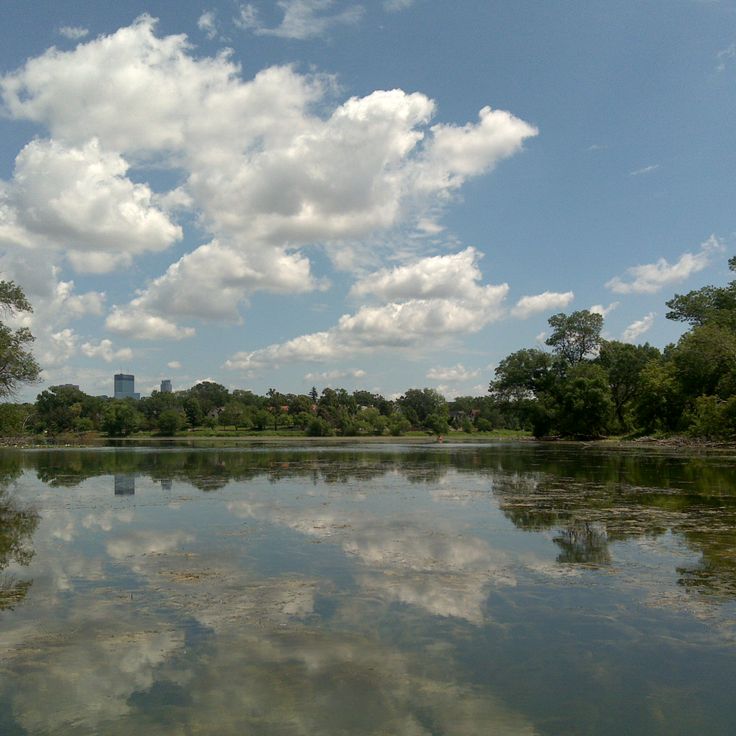
This lake covers 166 hectares and draws swimmers and sunbathers to three public beaches in summer. Anglers cast lines from the shore while boaters and kayakers move across the water. A paved path circles the shoreline, used by runners, cyclists, and walkers throughout the year. In winter, ice fishers pull gear onto the frozen surface and skaters loop in the cold. Rental stands near the shore offer canoes, paddleboards, and kayaks. Grass stretches along the path, and picnic tables sit under trees. The water reflects the sky and the skyline of the city in the distance. The lake sits within residential neighborhoods and parks that flow into one another. On warm days, the beaches fill quickly, and children splash at the shallow edges.
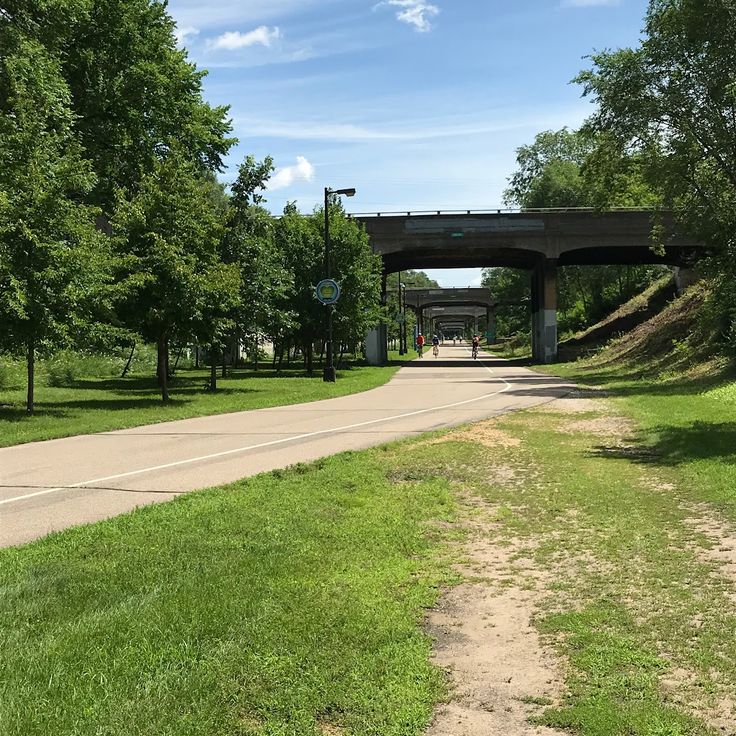
This byway connects parks, lakes, and green spaces across 50 miles (80 kilometers) of roads and trails that loop through different parts of Minneapolis. The route follows waterways, passes through residential neighborhoods, and runs along wooded stretches that offer space for walking, cycling, or jogging. Along the way, it links well-known spots like the Chain of Lakes, Minnehaha Falls, and the Mississippi River, so visitors can experience the city's landscape without leaving its borders. The route stays open year-round and shows off fall foliage, spring blooms, and snow-lined shores in winter.
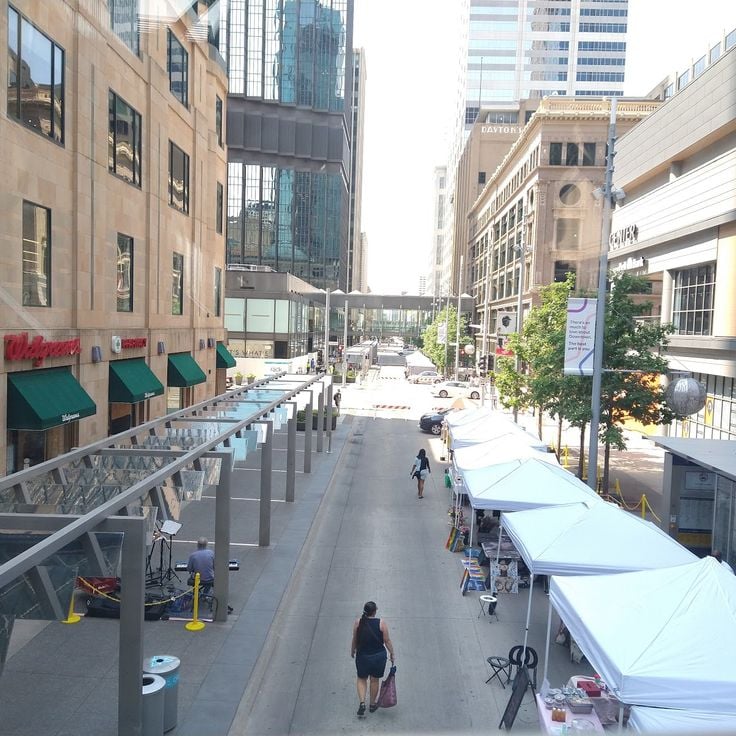
This pedestrian street runs through twelve downtown blocks, linking shops, restaurants, and cafés along wide sidewalks. Trees line the route, benches offer places to sit, and on warm days outdoor seating fills the open spaces. Buses and occasional bicycles share the roadway with people on foot, while fountains and small plazas break up the urban grid. The mall serves as a passageway for commuters and a gathering spot for anyone moving through the city center. It captures the everyday side of Minneapolis, where activity mixes with a certain ease. Walking along this street, you meet a blend of local life and city architecture that keeps the center animated.
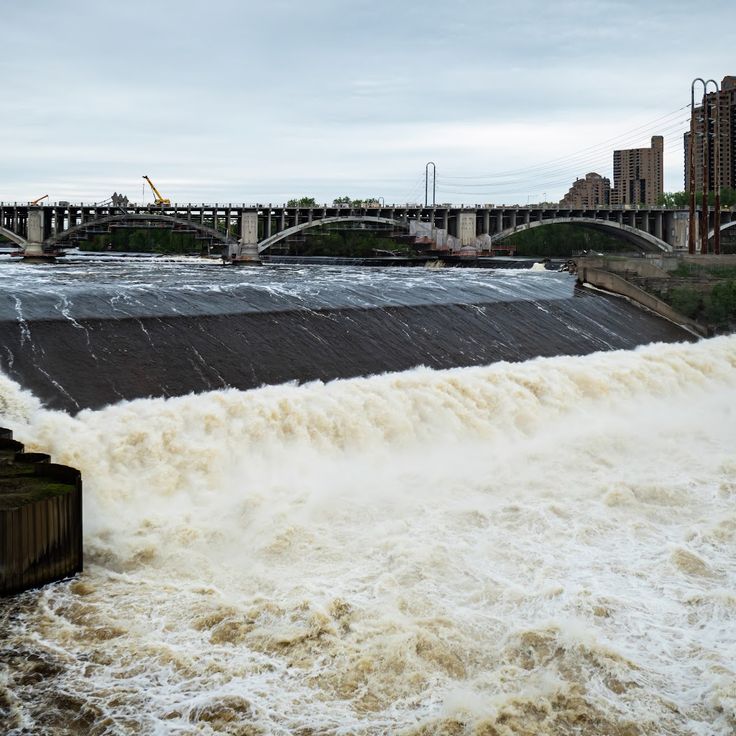
This waterfall drops about 50 feet (15 meters) through the heart of Minneapolis, sending Mississippi River water over broad, foaming steps. It once powered dozens of grain mills and turned the city into a center of flour production. Today you can watch the cascade from riverbanks and bridges, while old mill ruins and lock structures stand as reminders of the industrial past that shaped the city.
This indoor market gathers forty vendors under one roof and shows how the culinary traditions and crafts of different continents meet in Minneapolis. Stalls present dishes, spices, and handmade goods from Africa, Asia, Latin America, and other regions. Visitors can walk between the aisles, taste freshly prepared food, and talk with the sellers who share their home countries and family recipes. The market fills a former industrial hall and connects food, music, and community in a space that reflects the cultural diversity of the city.
This professional theater was founded in 1965 and stages shows written for children and families. Performances run throughout the year, bringing young audiences into stories shaped for their age and interests. Productions range from familiar tales to new works, and the actors are trained performers who work with energy and imagination. The theater is part of the cultural offerings of Minneapolis and adds a space dedicated to young viewers alongside the other stages in the city.
This park, located a few blocks southwest of downtown, spreads around an artificial lake with paved paths that circle its shore. Lawns alternate with clusters of trees, and planted beds bring changing blooms across the seasons. In summer, people sit on blankets or walk along the water, while in winter some skate on the frozen surface. The network of trails connects playgrounds, open grass, and a pavilion where concerts sometimes take place. Loring Park serves as a gathering point for residents and visitors seeking a pause in the greenery before stepping back into the surrounding streets.
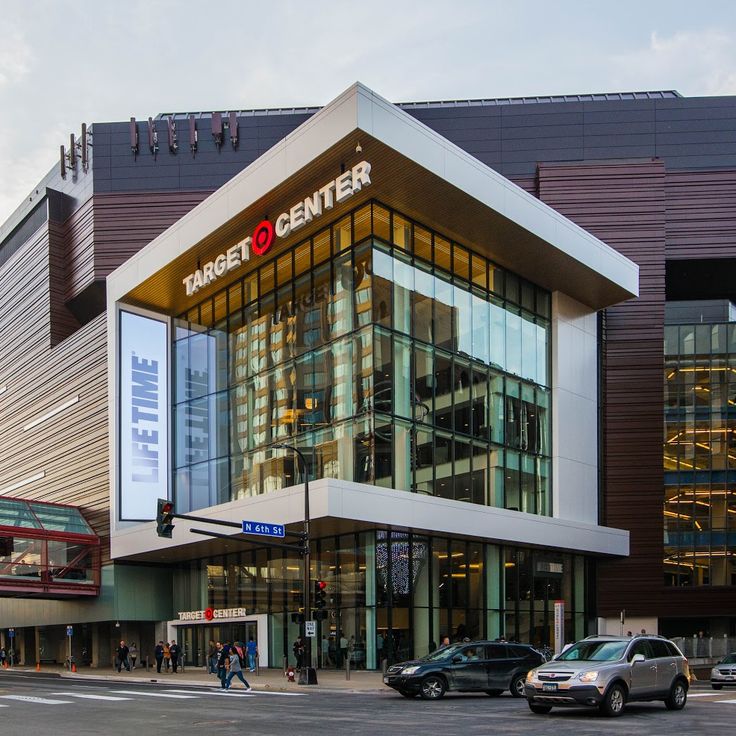
This sports arena sits at the center of downtown Minneapolis and draws basketball fans and concertgoers throughout the year. The venue holds 19,000 people and serves as home to the Minnesota Timberwolves of the NBA. Between games, international musicians take the stage, filling the calendar with a steady stream of performances. The building stands in a neighborhood lined with restaurants and bars, connected by the Skyway system to other parts of the city center. Visitors who come for a game or a show experience the energy of a modern arena where professional sports and live music share the same stage.
The Bryant Lake Bowl and Theater in Minneapolis combines theater, restaurant, and bowling under one roof, welcoming guests since 1936 for dinner, performances, or games on eight lanes that retain their original character.
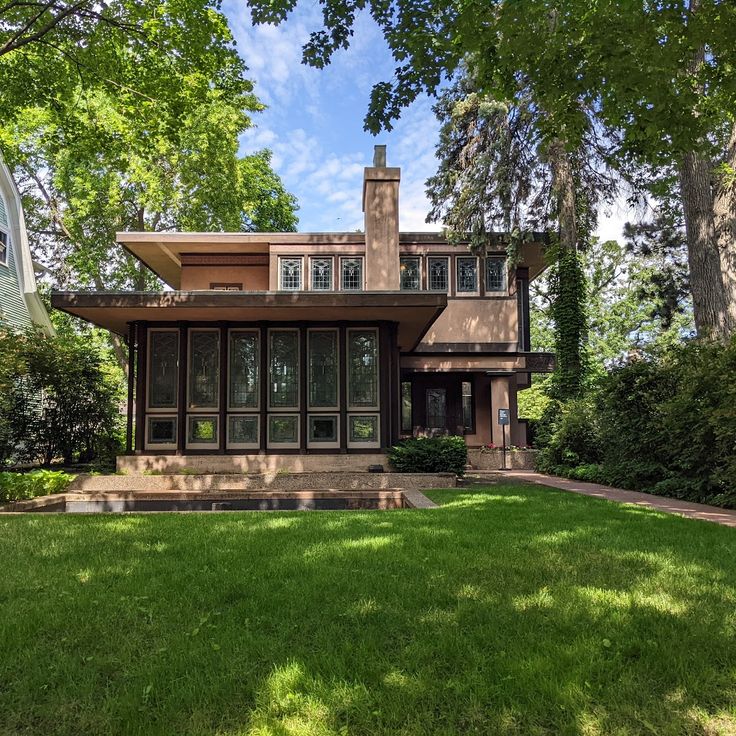
This house, designed by architect William Gray Purcell in 1913, shows the defining traits of Prairie School work: low, spreading volumes and geometric details shape its appearance. Horizontal lines run across the facade, echoing the flatness of the landscape around Minneapolis. Inside, open floor plans and built-in furniture reflect the movement's emphasis on unity between structure and setting. The house stands as a clear example of an era when design looked to the prairies for inspiration and sought to root buildings in their surroundings.
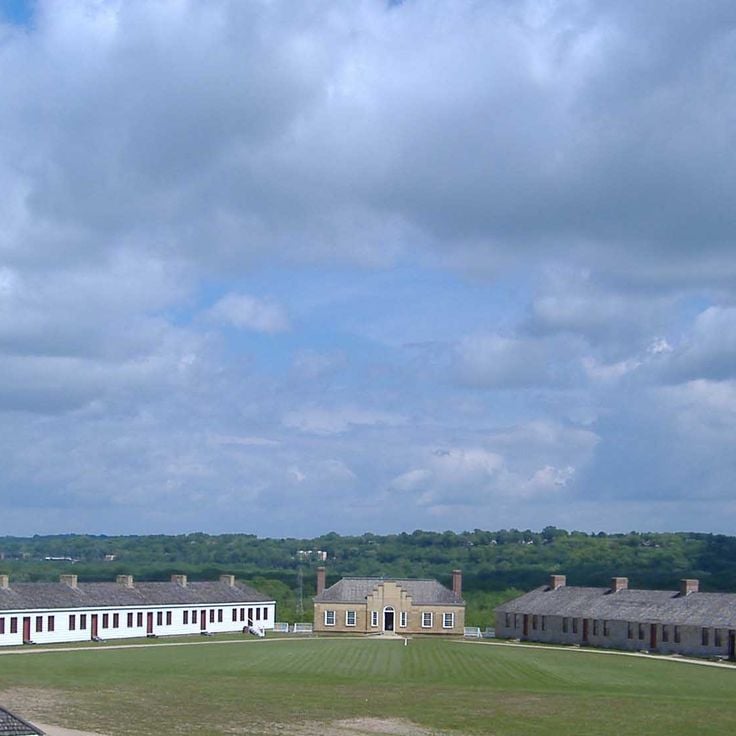
This military post was built in 1819 and served as a frontier garrison. Costumed interpreters bring the daily routines of soldiers and their families to life, demonstrating how people lived in the early 19th century. Visitors walk through barracks, the commandant's house, and workshops, all furnished as though the fort were still in active use. The location sits at the confluence of two major rivers, which gave it military importance. The fort witnessed tensions between settlers and Indigenous peoples, as well as the economic growth of the region. Today it offers a window into frontier life and the military history of the upper Midwest.
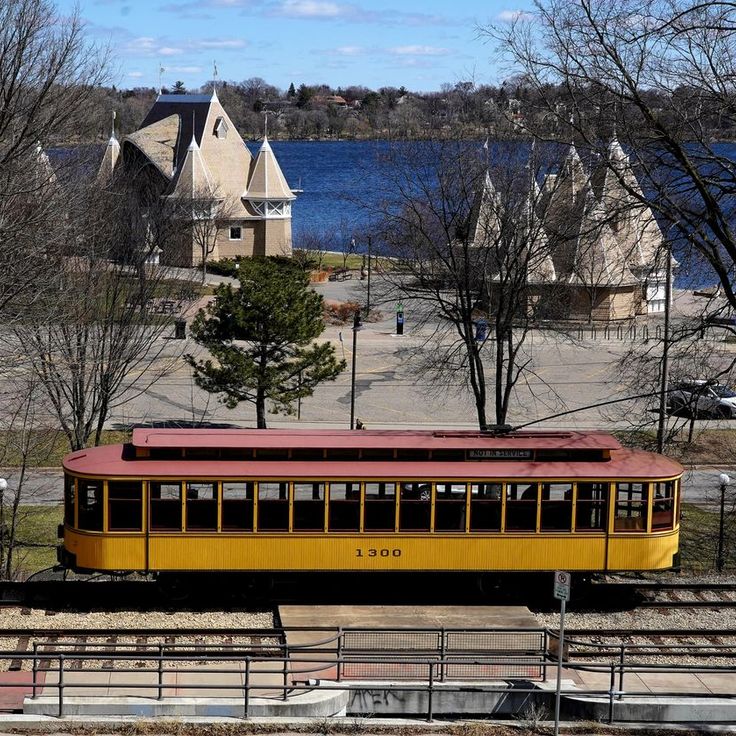
This museum displays restored streetcars from earlier decades. Passengers can ride along a historic route and experience how public transport once moved through Minneapolis. The cars remain operational and carry visitors on tracks that were once part of the city network. Volunteers explain the history of each vehicle and what life was like when streetcars served as the main way to get around. The Minnesota Streetcar Museum adds to the city's story of industry and everyday life, fitting into a broader picture where Minneapolis preserves its past and keeps it accessible to everyone who visits.
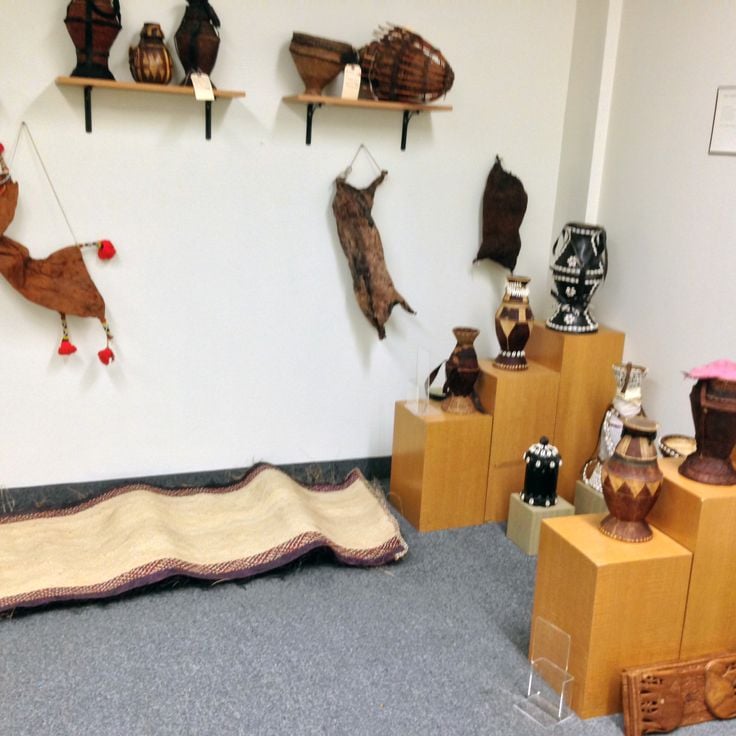
This museum is the first in the United States dedicated to Somali culture and displays handcrafted items, textiles, and traditional musical instruments. It adds another layer to the cultural offerings of Minneapolis, giving visitors a window into the history and crafts of a community that has shaped the city. The collections tell stories of daily life, tradition, and artistic expression that are part of the fabric of Minneapolis itself. The museum complements the theaters, art galleries, and historic sites that make the city a place where creativity, history, and diverse traditions meet.
This museum gathers artworks that range from ancient times to the present. The collection includes paintings, sculptures, and decorative objects from Asia, Europe, and the Americas. Visitors can walk through galleries that present different periods and regions. Admission is free, and the rooms offer a calm setting to take time with individual pieces or to gain a sense of art history across the centuries.
This University of Minnesota museum shows contemporary and modern art inside a stainless steel building designed by Frank Gehry. The folded metal facades reflect the Mississippi River and create a silhouette that stands apart from the classic brick buildings of the campus. Inside, galleries lead through works from the 20th and 21st centuries, including American ceramics and paintings. Large windows frame the river and skyline, connecting the space to the city outside. Admission is free, and the halls are often visited by students and travelers who wander through the collections or sit on benches with views of the water.
This public park belongs to the Walker Art Center and displays more than forty sculptures in the open air. Spoonbridge and Cherry, a large spoon sculpture with a red cherry, draws visitors from across the city. Grass lawns and pathways invite walking, while installations are spread among trees and maintained green spaces. In winter the park stays open, and the metal of the works stands out against the snow. Families come here to picnic, and photographers look for different angles on the objects. The Conservatory, a glass greenhouse at the southern edge, holds tropical plants and opens year-round. From the raised areas you can see the downtown skyline of Minneapolis in the distance.
This Art Deco skyscraper was built in 1929 and stood as the first high-rise in the city. On the 30th floor, a museum documents the history of the building and its builder. The observation deck offers views over downtown, the surrounding lakes, and on clear days the wider landscape beyond.
The Walker Art Center presents modern and contemporary art through changing exhibitions and permanent collections. Visitors find paintings, sculptures, photographs, and video installations from the 20th and 21st centuries. Galleries guide you through different movements in art history, from expressionism to new digital work. This museum sits directly beside the Minneapolis Sculpture Garden and offers access to its outdoor spaces. Inside, the rooms regularly rotate their displays, bringing fresh perspectives on collecting and showing art. Film screenings, talks, and performances add to the program, making the center an active place for art and exchange.
This museum in Minneapolis makes science accessible through hands-on experiments and demonstrations. Visitors test physical principles in the laboratories, while the planetarium projects stars and planets onto a dome overhead. Exhibits cover topics from biology and geology to mathematics, showing how natural laws operate in everyday life. Dinosaur skeletons stand beside interactive stations where you can try mechanics or chemistry. The building sits along the Mississippi River, connecting learning with entertainment for all ages.
This museum occupies the remains of the Washburn A mill, once one of the largest grain mills in the country. The exhibition traces the history of flour production and shows how the milling industry shaped Minneapolis into an economic center. Inside the old halls, machines, tools, and photographs document the daily work of millers and laborers. A glass elevator carries visitors through the building, offering views into the different levels where production once took place. From the upper floors, the view opens onto the Mississippi River and the Stone Arch Bridge.
Target Field is the baseball stadium of the Minnesota Twins and holds up to 39,000 spectators. Opened in 2010, this stadium sits in the heart of Minneapolis and combines open seating with views of downtown. On game days, rows fill with fans in team jerseys, and the smell of hot dogs and popcorn drifts through the walkways. The stadium was built for outdoor baseball, so visitors experience sunshine or an evening sky during the game. Between innings, vendors move through the rows, and screens show replays and game statistics. Around the field, stands offer food and souvenirs, while wide concourses give space to walk. The stadium fits into the city fabric and connects to the Skyway and public transit.
This theater has stood since 1921 at the center of the city, welcoming audiences under a facade that recalls its early years. Inside, musicals, plays, and concerts move through the calendar, drawing visitors from across the region. The architecture preserves the character of its opening era, while performances range from classic works to current productions. The hall fills regularly on evenings when the lights come up and the program begins. This stage adds to the cultural landscape of Minneapolis with its offerings in live performance, showing how much the city values theater and music. For anyone stepping inside, it is a place where stories come to life and music fills the room.
This stadium opened in 2016 and serves as the home of the Minnesota Vikings. The roof is made of transparent panels that let daylight through while protecting from wind and weather. Seats hold around 66,000 people for football games, concerts, and other events. The exterior combines glass and metal, while inside, large video boards help viewers follow action from any angle. National Football League games take place here regularly throughout the season.
This shopping center in Bloomington sits just south of Minneapolis and ranks among the largest of its kind in the United States. Several floors hold stores, restaurants, and entertainment options, including an indoor amusement park with roller coasters and rides, as well as an aquarium on the lower level where visitors walk through glass tunnels surrounded by sharks and rays. Families often spend a full day here, while others stop by to shop or eat. The Mall of America combines retail with leisure and adds another destination to the mix of cultural attractions around Minneapolis.
This park sits south of downtown and follows the Mississippi River through wooded areas and open meadows. Minnehaha Creek runs through the grounds and drops over a 53-foot (16-meter) waterfall that has drawn visitors since the 19th century. Paths lead from the falls downstream, passing picnic areas and grassy slopes where families gather in warm months. In winter, the water freezes into tall columns of ice. An old stone depot and a reconstructed 1850s mill stand near the cascade. The park connects walking and cycling routes along the river with shaded groves and spots to rest by the water.
This theater stands on the banks of the Mississippi and brings together three stages within a single building dating to 2006. Visitors enter halls designed for productions of different sizes, from large works to smaller performances. Between shows or before curtain, terraces open toward the river, letting you take in views of the water and the far bank. The architecture joins sharp lines with open spaces, and natural light passes through glass surfaces into the interior. The Guthrie Theater contributes to the theater scene in Minneapolis and fits into the line of cultural places that draw visitors throughout the year.
This network of enclosed pedestrian bridges connects about 80 buildings across the heart of Minneapolis, shielding people from winter cold and summer heat. The walkways run through upper floors, passing shops, restaurants, and office lobbies. Some sections are bright with daylight, others narrower and functional. Commuters use them daily, while visitors navigate with signs at intersections. The system is part of everyday life here, showing how the city has adapted to its climate and keeps downtown accessible year-round.
This cultural center has stood in the Turnblad mansion since 1929, showing how Swedish immigrants shaped Minneapolis. In its rooms, visitors see exhibitions on Swedish traditions, crafts, and daily life that trace connections between the old homeland and the new. The house itself was built in the early 20th century for a Swedish-American family and keeps its original wood paneling, tile stoves, and glass windows. In the newer wing, rotating exhibitions present Scandinavian design, photography, and handwork. A café serves Swedish dishes, and the garden offers a place to rest. The institute connects past with present and gives insight into the culture of a community that has been rooted in the city for generations.
This church stands in the heart of Minneapolis and was completed in 1914. It was the first basilica in the United States, marking a special place in American church history. The Beaux-Arts style shapes the building with its large domes, tall columns, and classical proportions. Inside, wide spaces open under vaulted ceilings, light filters through colored windows, and a calm feeling fills the rooms. Many people come here for services, while others visit the basilica for its architecture or to find a quiet moment. Its location near downtown makes it an accessible stop for visitors interested in religious buildings or the craftsmanship of earlier decades.
This museum preserves a collection of Russian art from the 18th to the 20th century, showing paintings, sculptures, and decorative objects inside a former church and offering insight into the development of art from that era. The rooms connect religious architecture with the presentation of works by several generations of Russian artists, making a visit an experience between cultural history and sacred space.
This museum focuses on the history of electricity and magnetism, displaying medical instruments from different eras alongside hands-on stations where visitors conduct their own experiments. The collection ranges from early galvanic devices to equipment used in 19th- and 20th-century medicine. Labs allow direct exploration of physical phenomena, making the visit appealing to families and school groups. The Bakken Museum sits in a quiet neighborhood near Lake Calhoun, adding a scientific dimension to the cultural landscape of Minneapolis.
This chain of lakes offers paths for walking, cycling, and swimming spread across five connected bodies of water in the southwestern part of the city, where residents and visitors use the open water and green spaces along the shores throughout the year, with sailboats in summer and ice fishers in winter.
This lake sits surrounded by grass, paths, and trees that edge the water. People walk along the shore, ride bicycles, or sit on benches facing the water. A bandshell stands near the waterline and hosts performances during summer months. Nearby lie playgrounds, open lawns, and sports fields where games take place on weekends. Sailboats glide across the surface while others use the shallow water for paddling. On warm days, families gather for picnics under shade trees. The path circling the lake draws runners and cyclists throughout the day. Dogs join their owners on the walking routes. The setting remains calm even when many people arrive. In winter, the surface freezes and some skate across it. This lake forms part of a chain of waters running through the city.
This lake lies west of downtown and draws walkers, runners, and cyclists who use the 4-kilometer path that circles the shore. Trees line the water, and small islands break the calm surface. Homes from the early decades of the 20th century stand along the edge, many in Tudor style or with curved rooflines and stone details. In summer, canoes and kayaks move across the water, and in winter parts of the surface freeze. The path is paved and passes under old elms and maples. Local residents walk dogs in the morning, and families come for picnics in the afternoon. This lake forms part of the group of lakes that run through Minneapolis, connecting south to other bodies of water through narrow channels.
This university spreads across both twin cities, offering open courtyards, brick buildings, and wide pathways that lead through academic quarters. Students move between lecture halls, libraries, and green spaces along the Mississippi River. Hallways fill between classes, cafés serve visitors throughout the day, and the campus connects historic halls with newer facilities. In autumn, trees turn color, in winter plows clear the paths, and in spring people return to outdoor areas. The grounds mix teaching, research, and public events in a setting that both locals and visitors pass through.
This lake covers 166 hectares and draws swimmers and sunbathers to three public beaches in summer. Anglers cast lines from the shore while boaters and kayakers move across the water. A paved path circles the shoreline, used by runners, cyclists, and walkers throughout the year. In winter, ice fishers pull gear onto the frozen surface and skaters loop in the cold. Rental stands near the shore offer canoes, paddleboards, and kayaks. Grass stretches along the path, and picnic tables sit under trees. The water reflects the sky and the skyline of the city in the distance. The lake sits within residential neighborhoods and parks that flow into one another. On warm days, the beaches fill quickly, and children splash at the shallow edges.
This byway connects parks, lakes, and green spaces across 50 miles (80 kilometers) of roads and trails that loop through different parts of Minneapolis. The route follows waterways, passes through residential neighborhoods, and runs along wooded stretches that offer space for walking, cycling, or jogging. Along the way, it links well-known spots like the Chain of Lakes, Minnehaha Falls, and the Mississippi River, so visitors can experience the city's landscape without leaving its borders. The route stays open year-round and shows off fall foliage, spring blooms, and snow-lined shores in winter.
This pedestrian street runs through twelve downtown blocks, linking shops, restaurants, and cafés along wide sidewalks. Trees line the route, benches offer places to sit, and on warm days outdoor seating fills the open spaces. Buses and occasional bicycles share the roadway with people on foot, while fountains and small plazas break up the urban grid. The mall serves as a passageway for commuters and a gathering spot for anyone moving through the city center. It captures the everyday side of Minneapolis, where activity mixes with a certain ease. Walking along this street, you meet a blend of local life and city architecture that keeps the center animated.
This waterfall drops about 50 feet (15 meters) through the heart of Minneapolis, sending Mississippi River water over broad, foaming steps. It once powered dozens of grain mills and turned the city into a center of flour production. Today you can watch the cascade from riverbanks and bridges, while old mill ruins and lock structures stand as reminders of the industrial past that shaped the city.
This indoor market gathers forty vendors under one roof and shows how the culinary traditions and crafts of different continents meet in Minneapolis. Stalls present dishes, spices, and handmade goods from Africa, Asia, Latin America, and other regions. Visitors can walk between the aisles, taste freshly prepared food, and talk with the sellers who share their home countries and family recipes. The market fills a former industrial hall and connects food, music, and community in a space that reflects the cultural diversity of the city.
This professional theater was founded in 1965 and stages shows written for children and families. Performances run throughout the year, bringing young audiences into stories shaped for their age and interests. Productions range from familiar tales to new works, and the actors are trained performers who work with energy and imagination. The theater is part of the cultural offerings of Minneapolis and adds a space dedicated to young viewers alongside the other stages in the city.
This park, located a few blocks southwest of downtown, spreads around an artificial lake with paved paths that circle its shore. Lawns alternate with clusters of trees, and planted beds bring changing blooms across the seasons. In summer, people sit on blankets or walk along the water, while in winter some skate on the frozen surface. The network of trails connects playgrounds, open grass, and a pavilion where concerts sometimes take place. Loring Park serves as a gathering point for residents and visitors seeking a pause in the greenery before stepping back into the surrounding streets.
This sports arena sits at the center of downtown Minneapolis and draws basketball fans and concertgoers throughout the year. The venue holds 19,000 people and serves as home to the Minnesota Timberwolves of the NBA. Between games, international musicians take the stage, filling the calendar with a steady stream of performances. The building stands in a neighborhood lined with restaurants and bars, connected by the Skyway system to other parts of the city center. Visitors who come for a game or a show experience the energy of a modern arena where professional sports and live music share the same stage.
The Bryant Lake Bowl and Theater in Minneapolis combines theater, restaurant, and bowling under one roof, welcoming guests since 1936 for dinner, performances, or games on eight lanes that retain their original character.
This house, designed by architect William Gray Purcell in 1913, shows the defining traits of Prairie School work: low, spreading volumes and geometric details shape its appearance. Horizontal lines run across the facade, echoing the flatness of the landscape around Minneapolis. Inside, open floor plans and built-in furniture reflect the movement's emphasis on unity between structure and setting. The house stands as a clear example of an era when design looked to the prairies for inspiration and sought to root buildings in their surroundings.
This military post was built in 1819 and served as a frontier garrison. Costumed interpreters bring the daily routines of soldiers and their families to life, demonstrating how people lived in the early 19th century. Visitors walk through barracks, the commandant's house, and workshops, all furnished as though the fort were still in active use. The location sits at the confluence of two major rivers, which gave it military importance. The fort witnessed tensions between settlers and Indigenous peoples, as well as the economic growth of the region. Today it offers a window into frontier life and the military history of the upper Midwest.
This museum displays restored streetcars from earlier decades. Passengers can ride along a historic route and experience how public transport once moved through Minneapolis. The cars remain operational and carry visitors on tracks that were once part of the city network. Volunteers explain the history of each vehicle and what life was like when streetcars served as the main way to get around. The Minnesota Streetcar Museum adds to the city's story of industry and everyday life, fitting into a broader picture where Minneapolis preserves its past and keeps it accessible to everyone who visits.
This museum is the first in the United States dedicated to Somali culture and displays handcrafted items, textiles, and traditional musical instruments. It adds another layer to the cultural offerings of Minneapolis, giving visitors a window into the history and crafts of a community that has shaped the city. The collections tell stories of daily life, tradition, and artistic expression that are part of the fabric of Minneapolis itself. The museum complements the theaters, art galleries, and historic sites that make the city a place where creativity, history, and diverse traditions meet.
This museum gathers artworks that range from ancient times to the present. The collection includes paintings, sculptures, and decorative objects from Asia, Europe, and the Americas. Visitors can walk through galleries that present different periods and regions. Admission is free, and the rooms offer a calm setting to take time with individual pieces or to gain a sense of art history across the centuries.
This University of Minnesota museum shows contemporary and modern art inside a stainless steel building designed by Frank Gehry. The folded metal facades reflect the Mississippi River and create a silhouette that stands apart from the classic brick buildings of the campus. Inside, galleries lead through works from the 20th and 21st centuries, including American ceramics and paintings. Large windows frame the river and skyline, connecting the space to the city outside. Admission is free, and the halls are often visited by students and travelers who wander through the collections or sit on benches with views of the water.
This public park belongs to the Walker Art Center and displays more than forty sculptures in the open air. Spoonbridge and Cherry, a large spoon sculpture with a red cherry, draws visitors from across the city. Grass lawns and pathways invite walking, while installations are spread among trees and maintained green spaces. In winter the park stays open, and the metal of the works stands out against the snow. Families come here to picnic, and photographers look for different angles on the objects. The Conservatory, a glass greenhouse at the southern edge, holds tropical plants and opens year-round. From the raised areas you can see the downtown skyline of Minneapolis in the distance.
This Art Deco skyscraper was built in 1929 and stood as the first high-rise in the city. On the 30th floor, a museum documents the history of the building and its builder. The observation deck offers views over downtown, the surrounding lakes, and on clear days the wider landscape beyond.
The Walker Art Center presents modern and contemporary art through changing exhibitions and permanent collections. Visitors find paintings, sculptures, photographs, and video installations from the 20th and 21st centuries. Galleries guide you through different movements in art history, from expressionism to new digital work. This museum sits directly beside the Minneapolis Sculpture Garden and offers access to its outdoor spaces. Inside, the rooms regularly rotate their displays, bringing fresh perspectives on collecting and showing art. Film screenings, talks, and performances add to the program, making the center an active place for art and exchange.
This museum in Minneapolis makes science accessible through hands-on experiments and demonstrations. Visitors test physical principles in the laboratories, while the planetarium projects stars and planets onto a dome overhead. Exhibits cover topics from biology and geology to mathematics, showing how natural laws operate in everyday life. Dinosaur skeletons stand beside interactive stations where you can try mechanics or chemistry. The building sits along the Mississippi River, connecting learning with entertainment for all ages.
This museum occupies the remains of the Washburn A mill, once one of the largest grain mills in the country. The exhibition traces the history of flour production and shows how the milling industry shaped Minneapolis into an economic center. Inside the old halls, machines, tools, and photographs document the daily work of millers and laborers. A glass elevator carries visitors through the building, offering views into the different levels where production once took place. From the upper floors, the view opens onto the Mississippi River and the Stone Arch Bridge.
Target Field is the baseball stadium of the Minnesota Twins and holds up to 39,000 spectators. Opened in 2010, this stadium sits in the heart of Minneapolis and combines open seating with views of downtown. On game days, rows fill with fans in team jerseys, and the smell of hot dogs and popcorn drifts through the walkways. The stadium was built for outdoor baseball, so visitors experience sunshine or an evening sky during the game. Between innings, vendors move through the rows, and screens show replays and game statistics. Around the field, stands offer food and souvenirs, while wide concourses give space to walk. The stadium fits into the city fabric and connects to the Skyway and public transit.
This theater has stood since 1921 at the center of the city, welcoming audiences under a facade that recalls its early years. Inside, musicals, plays, and concerts move through the calendar, drawing visitors from across the region. The architecture preserves the character of its opening era, while performances range from classic works to current productions. The hall fills regularly on evenings when the lights come up and the program begins. This stage adds to the cultural landscape of Minneapolis with its offerings in live performance, showing how much the city values theater and music. For anyone stepping inside, it is a place where stories come to life and music fills the room.
This stadium opened in 2016 and serves as the home of the Minnesota Vikings. The roof is made of transparent panels that let daylight through while protecting from wind and weather. Seats hold around 66,000 people for football games, concerts, and other events. The exterior combines glass and metal, while inside, large video boards help viewers follow action from any angle. National Football League games take place here regularly throughout the season.
This shopping center in Bloomington sits just south of Minneapolis and ranks among the largest of its kind in the United States. Several floors hold stores, restaurants, and entertainment options, including an indoor amusement park with roller coasters and rides, as well as an aquarium on the lower level where visitors walk through glass tunnels surrounded by sharks and rays. Families often spend a full day here, while others stop by to shop or eat. The Mall of America combines retail with leisure and adds another destination to the mix of cultural attractions around Minneapolis.
This park sits south of downtown and follows the Mississippi River through wooded areas and open meadows. Minnehaha Creek runs through the grounds and drops over a 53-foot (16-meter) waterfall that has drawn visitors since the 19th century. Paths lead from the falls downstream, passing picnic areas and grassy slopes where families gather in warm months. In winter, the water freezes into tall columns of ice. An old stone depot and a reconstructed 1850s mill stand near the cascade. The park connects walking and cycling routes along the river with shaded groves and spots to rest by the water.
This theater stands on the banks of the Mississippi and brings together three stages within a single building dating to 2006. Visitors enter halls designed for productions of different sizes, from large works to smaller performances. Between shows or before curtain, terraces open toward the river, letting you take in views of the water and the far bank. The architecture joins sharp lines with open spaces, and natural light passes through glass surfaces into the interior. The Guthrie Theater contributes to the theater scene in Minneapolis and fits into the line of cultural places that draw visitors throughout the year.
This network of enclosed pedestrian bridges connects about 80 buildings across the heart of Minneapolis, shielding people from winter cold and summer heat. The walkways run through upper floors, passing shops, restaurants, and office lobbies. Some sections are bright with daylight, others narrower and functional. Commuters use them daily, while visitors navigate with signs at intersections. The system is part of everyday life here, showing how the city has adapted to its climate and keeps downtown accessible year-round.
This cultural center has stood in the Turnblad mansion since 1929, showing how Swedish immigrants shaped Minneapolis. In its rooms, visitors see exhibitions on Swedish traditions, crafts, and daily life that trace connections between the old homeland and the new. The house itself was built in the early 20th century for a Swedish-American family and keeps its original wood paneling, tile stoves, and glass windows. In the newer wing, rotating exhibitions present Scandinavian design, photography, and handwork. A café serves Swedish dishes, and the garden offers a place to rest. The institute connects past with present and gives insight into the culture of a community that has been rooted in the city for generations.
This church stands in the heart of Minneapolis and was completed in 1914. It was the first basilica in the United States, marking a special place in American church history. The Beaux-Arts style shapes the building with its large domes, tall columns, and classical proportions. Inside, wide spaces open under vaulted ceilings, light filters through colored windows, and a calm feeling fills the rooms. Many people come here for services, while others visit the basilica for its architecture or to find a quiet moment. Its location near downtown makes it an accessible stop for visitors interested in religious buildings or the craftsmanship of earlier decades.
This museum preserves a collection of Russian art from the 18th to the 20th century, showing paintings, sculptures, and decorative objects inside a former church and offering insight into the development of art from that era. The rooms connect religious architecture with the presentation of works by several generations of Russian artists, making a visit an experience between cultural history and sacred space.
This museum focuses on the history of electricity and magnetism, displaying medical instruments from different eras alongside hands-on stations where visitors conduct their own experiments. The collection ranges from early galvanic devices to equipment used in 19th- and 20th-century medicine. Labs allow direct exploration of physical phenomena, making the visit appealing to families and school groups. The Bakken Museum sits in a quiet neighborhood near Lake Calhoun, adding a scientific dimension to the cultural landscape of Minneapolis.
This chain of lakes offers paths for walking, cycling, and swimming spread across five connected bodies of water in the southwestern part of the city, where residents and visitors use the open water and green spaces along the shores throughout the year, with sailboats in summer and ice fishers in winter.
This lake sits surrounded by grass, paths, and trees that edge the water. People walk along the shore, ride bicycles, or sit on benches facing the water. A bandshell stands near the waterline and hosts performances during summer months. Nearby lie playgrounds, open lawns, and sports fields where games take place on weekends. Sailboats glide across the surface while others use the shallow water for paddling. On warm days, families gather for picnics under shade trees. The path circling the lake draws runners and cyclists throughout the day. Dogs join their owners on the walking routes. The setting remains calm even when many people arrive. In winter, the surface freezes and some skate across it. This lake forms part of a chain of waters running through the city.
This lake lies west of downtown and draws walkers, runners, and cyclists who use the 4-kilometer path that circles the shore. Trees line the water, and small islands break the calm surface. Homes from the early decades of the 20th century stand along the edge, many in Tudor style or with curved rooflines and stone details. In summer, canoes and kayaks move across the water, and in winter parts of the surface freeze. The path is paved and passes under old elms and maples. Local residents walk dogs in the morning, and families come for picnics in the afternoon. This lake forms part of the group of lakes that run through Minneapolis, connecting south to other bodies of water through narrow channels.
This university spreads across both twin cities, offering open courtyards, brick buildings, and wide pathways that lead through academic quarters. Students move between lecture halls, libraries, and green spaces along the Mississippi River. Hallways fill between classes, cafés serve visitors throughout the day, and the campus connects historic halls with newer facilities. In autumn, trees turn color, in winter plows clear the paths, and in spring people return to outdoor areas. The grounds mix teaching, research, and public events in a setting that both locals and visitors pass through.
This lake covers 166 hectares and draws swimmers and sunbathers to three public beaches in summer. Anglers cast lines from the shore while boaters and kayakers move across the water. A paved path circles the shoreline, used by runners, cyclists, and walkers throughout the year. In winter, ice fishers pull gear onto the frozen surface and skaters loop in the cold. Rental stands near the shore offer canoes, paddleboards, and kayaks. Grass stretches along the path, and picnic tables sit under trees. The water reflects the sky and the skyline of the city in the distance. The lake sits within residential neighborhoods and parks that flow into one another. On warm days, the beaches fill quickly, and children splash at the shallow edges.
This byway connects parks, lakes, and green spaces across 50 miles (80 kilometers) of roads and trails that loop through different parts of Minneapolis. The route follows waterways, passes through residential neighborhoods, and runs along wooded stretches that offer space for walking, cycling, or jogging. Along the way, it links well-known spots like the Chain of Lakes, Minnehaha Falls, and the Mississippi River, so visitors can experience the city's landscape without leaving its borders. The route stays open year-round and shows off fall foliage, spring blooms, and snow-lined shores in winter.
This pedestrian street runs through twelve downtown blocks, linking shops, restaurants, and cafés along wide sidewalks. Trees line the route, benches offer places to sit, and on warm days outdoor seating fills the open spaces. Buses and occasional bicycles share the roadway with people on foot, while fountains and small plazas break up the urban grid. The mall serves as a passageway for commuters and a gathering spot for anyone moving through the city center. It captures the everyday side of Minneapolis, where activity mixes with a certain ease. Walking along this street, you meet a blend of local life and city architecture that keeps the center animated.
This waterfall drops about 50 feet (15 meters) through the heart of Minneapolis, sending Mississippi River water over broad, foaming steps. It once powered dozens of grain mills and turned the city into a center of flour production. Today you can watch the cascade from riverbanks and bridges, while old mill ruins and lock structures stand as reminders of the industrial past that shaped the city.
This indoor market gathers forty vendors under one roof and shows how the culinary traditions and crafts of different continents meet in Minneapolis. Stalls present dishes, spices, and handmade goods from Africa, Asia, Latin America, and other regions. Visitors can walk between the aisles, taste freshly prepared food, and talk with the sellers who share their home countries and family recipes. The market fills a former industrial hall and connects food, music, and community in a space that reflects the cultural diversity of the city.
This professional theater was founded in 1965 and stages shows written for children and families. Performances run throughout the year, bringing young audiences into stories shaped for their age and interests. Productions range from familiar tales to new works, and the actors are trained performers who work with energy and imagination. The theater is part of the cultural offerings of Minneapolis and adds a space dedicated to young viewers alongside the other stages in the city.
This park, located a few blocks southwest of downtown, spreads around an artificial lake with paved paths that circle its shore. Lawns alternate with clusters of trees, and planted beds bring changing blooms across the seasons. In summer, people sit on blankets or walk along the water, while in winter some skate on the frozen surface. The network of trails connects playgrounds, open grass, and a pavilion where concerts sometimes take place. Loring Park serves as a gathering point for residents and visitors seeking a pause in the greenery before stepping back into the surrounding streets.
This sports arena sits at the center of downtown Minneapolis and draws basketball fans and concertgoers throughout the year. The venue holds 19,000 people and serves as home to the Minnesota Timberwolves of the NBA. Between games, international musicians take the stage, filling the calendar with a steady stream of performances. The building stands in a neighborhood lined with restaurants and bars, connected by the Skyway system to other parts of the city center. Visitors who come for a game or a show experience the energy of a modern arena where professional sports and live music share the same stage.
The Bryant Lake Bowl and Theater in Minneapolis combines theater, restaurant, and bowling under one roof, welcoming guests since 1936 for dinner, performances, or games on eight lanes that retain their original character.
This house, designed by architect William Gray Purcell in 1913, shows the defining traits of Prairie School work: low, spreading volumes and geometric details shape its appearance. Horizontal lines run across the facade, echoing the flatness of the landscape around Minneapolis. Inside, open floor plans and built-in furniture reflect the movement's emphasis on unity between structure and setting. The house stands as a clear example of an era when design looked to the prairies for inspiration and sought to root buildings in their surroundings.
This military post was built in 1819 and served as a frontier garrison. Costumed interpreters bring the daily routines of soldiers and their families to life, demonstrating how people lived in the early 19th century. Visitors walk through barracks, the commandant's house, and workshops, all furnished as though the fort were still in active use. The location sits at the confluence of two major rivers, which gave it military importance. The fort witnessed tensions between settlers and Indigenous peoples, as well as the economic growth of the region. Today it offers a window into frontier life and the military history of the upper Midwest.
This museum displays restored streetcars from earlier decades. Passengers can ride along a historic route and experience how public transport once moved through Minneapolis. The cars remain operational and carry visitors on tracks that were once part of the city network. Volunteers explain the history of each vehicle and what life was like when streetcars served as the main way to get around. The Minnesota Streetcar Museum adds to the city's story of industry and everyday life, fitting into a broader picture where Minneapolis preserves its past and keeps it accessible to everyone who visits.
This museum is the first in the United States dedicated to Somali culture and displays handcrafted items, textiles, and traditional musical instruments. It adds another layer to the cultural offerings of Minneapolis, giving visitors a window into the history and crafts of a community that has shaped the city. The collections tell stories of daily life, tradition, and artistic expression that are part of the fabric of Minneapolis itself. The museum complements the theaters, art galleries, and historic sites that make the city a place where creativity, history, and diverse traditions meet.