See the monuments around you in AROpen chests in the app
Around Us is built for your phone — point your camera at the streets and discover the monuments and places around you in augmented reality.Around Us is built for your phone — chests unlock when you walk, explore and capture nearby places.
Salt Lake City brings together history, nature, and culture in one place. You can walk through Temple Square to see the main Mormon temple and its gardens, visit the State Capitol with its impressive dome and neoclassical design, or spend time in museums that show everything from dinosaur bones to art. The Great Salt Lake sits right nearby, a vast body of water so salty that floating comes naturally. Beyond the city, Antelope Island invites you to hike and spot bison and antelopes roaming freely, while the Bonneville Salt Flats stretch out like a white desert where the landscape feels otherworldly. The surrounding Wasatch Mountains offer trails and views for anyone who wants to escape into nature.
What makes Salt Lake City special is how these places tell the story of the region. You can learn about Mormon pioneers through monuments and buildings they left behind, or explore the FamilySearch Center, where people from around the world come to trace their family roots using millions of historical records. The city's museums and gardens add layers of discovery, whether you are interested in science, art, or the natural world. Walking through Gilgal Sculpture Garden, you find yourself among stone sculptures and carved words that invite reflection, while the Salt Lake Assembly Hall stands as a beautiful example of how the city has built spaces for both worship and community gatherings.
Visitors often come for one thing and stay longer because there is so much to see. The mix of indoor and outdoor spaces means you can plan your days however you like. Whether you spend time at the planetarium learning about the sky, wander through botanical gardens, or drive out to the salt flats where the horizon seems endless, each place offers something different. The surrounding mountains provide a constant backdrop, reminding you that you are in a region shaped by both human settlement and natural forces.
Salt Lake City brings together history, nature, and culture in one place. You can walk through Temple Square to see the main Mormon temple and its gardens, visit the State Capitol with its impressive dome and neoclassical design, or spend time in museums that show everything from dinosaur bones to art. The Great Salt Lake sits right nearby, a vast body of water so salty that floating comes naturally. Beyond the city, Antelope Island invites you to hike and spot bison and antelopes roaming freely, while the Bonneville Salt Flats stretch out like a white desert where the landscape feels otherworldly. The surrounding Wasatch Mountains offer trails and views for anyone who wants to escape into nature.
What makes Salt Lake City special is how these places tell the story of the region. You can learn about Mormon pioneers through monuments and buildings they left behind, or explore the FamilySearch Center, where people from around the world come to trace their family roots using millions of historical records. The city's museums and gardens add layers of discovery, whether you are interested in science, art, or the natural world. Walking through Gilgal Sculpture Garden, you find yourself among stone sculptures and carved words that invite reflection, while the Salt Lake Assembly Hall stands as a beautiful example of how the city has built spaces for both worship and community gatherings.
Visitors often come for one thing and stay longer because there is so much to see. The mix of indoor and outdoor spaces means you can plan your days however you like. Whether you spend time at the planetarium learning about the sky, wander through botanical gardens, or drive out to the salt flats where the horizon seems endless, each place offers something different. The surrounding mountains provide a constant backdrop, reminding you that you are in a region shaped by both human settlement and natural forces.
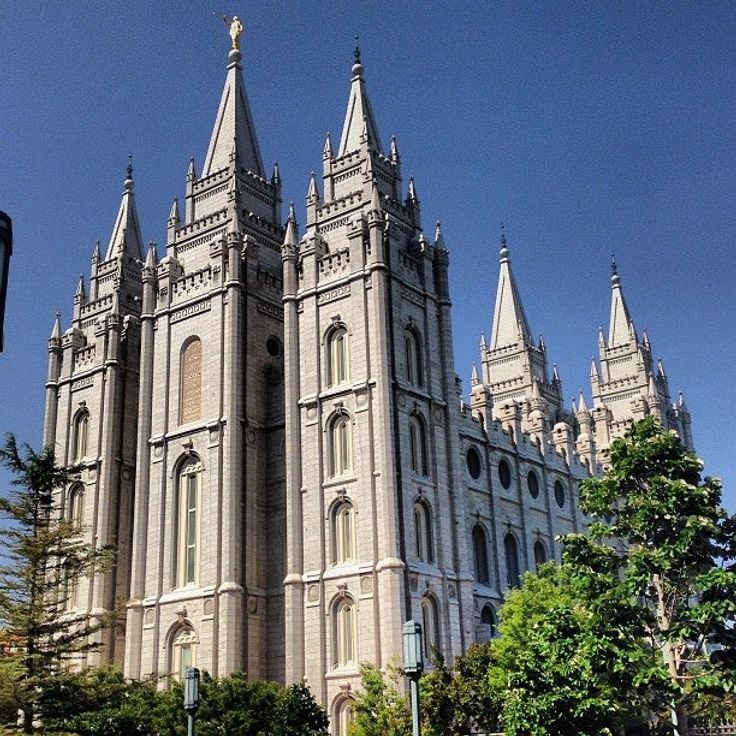
Temple Square is the heart of Salt Lake City's religious and cultural life. This sacred complex holds the main Mormon temple, surrounded by well-maintained gardens and the administrative buildings of the Church. When you walk through Temple Square, you encounter impressive architecture and peaceful green spaces that invite you to slow down and look around. The site tells the story of the pioneers who built Salt Lake City and offers visitors a way to understand the religious heritage and values that shaped the region.
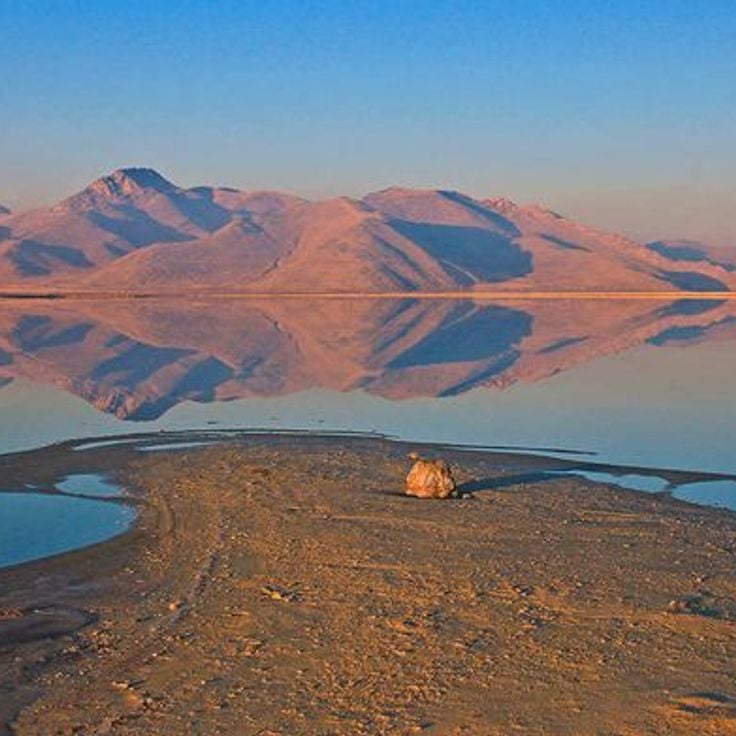
The Great Salt Lake is a vast body of water near Salt Lake City that draws visitors with its unusual properties. Water here is so salty that floating comes naturally, making it a unique experience you cannot find elsewhere. This lake is a remnant of the prehistoric Lake Bonneville and tells the story of how the landscape changed over thousands of years. When exploring Salt Lake City and its surroundings, the Great Salt Lake offers a place where you can see how nature shapes the region and how people use this remarkable resource.
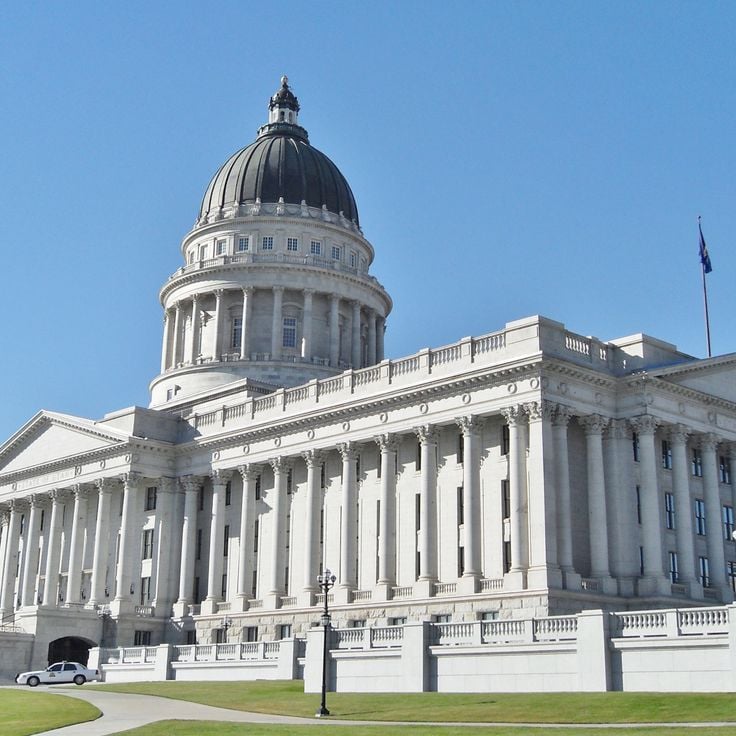
The State Capitol in Salt Lake City is a government building constructed in 1916 with neoclassical architecture, granite columns, and a 50-meter high dome. As part of Salt Lake City's collection of historic sites, it shows how the city was built and developed over time. You can walk inside to see the architectural details and learn about the region's government and history. The dome is a recognizable landmark that dominates the skyline and draws visitors who want to understand the city's past.
Antelope Island is a large peninsula in the Great Salt Lake where visitors can see bison and antelopes in their natural habitat. The island features hiking trails that wind through the landscape and provide views of the lake and surrounding mountains. It is part of the natural experience around Salt Lake City and shows the region's diverse wildlife.
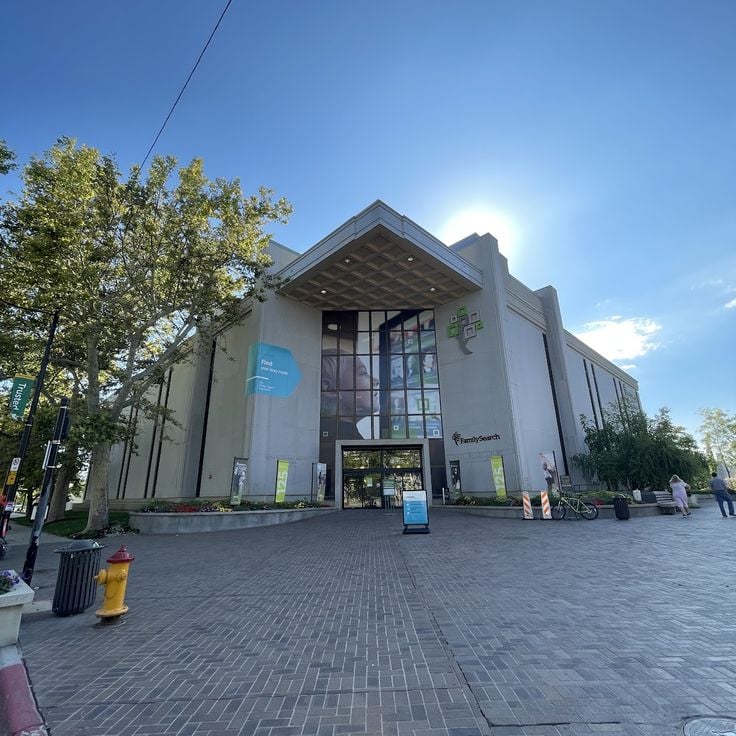
The FamilySearch Center in Salt Lake City is where people from around the world come to trace their family history. This center holds extensive collections of historical documents and records that help visitors discover their ancestors. Access to the research materials is free, making it accessible to everyone. Within Salt Lake City's collection of cultural sites, the FamilySearch Center stands out as a place where personal history meets broader heritage. While exploring the city's museums, gardens, and historical buildings, you can also spend time here uncovering the stories of your own family through millions of historical records.
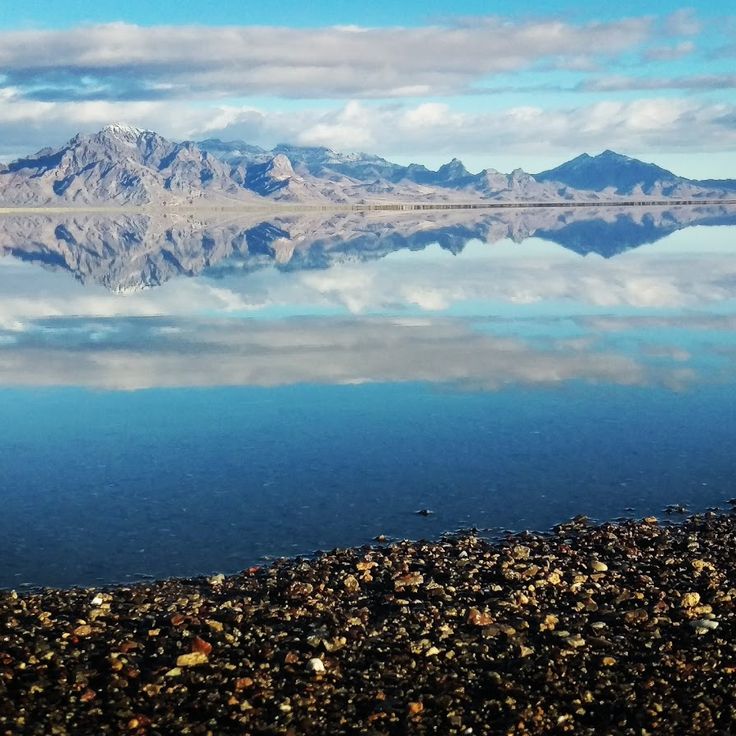
The Bonneville Salt Flats in Tooele County are an expansive salt desert made of compacted salt layers. These flats form a white, open landscape that feels like another world. People visit this place to experience the unusual terrain and to test cars that travel at very high speeds. The ground is so flat and empty that you can see all the way to the horizon. The salt flats are part of the region's geography and show how different nature can be. For visitors exploring Salt Lake City, the flats offer a journey to a place that looks completely different from the city or the mountains nearby.
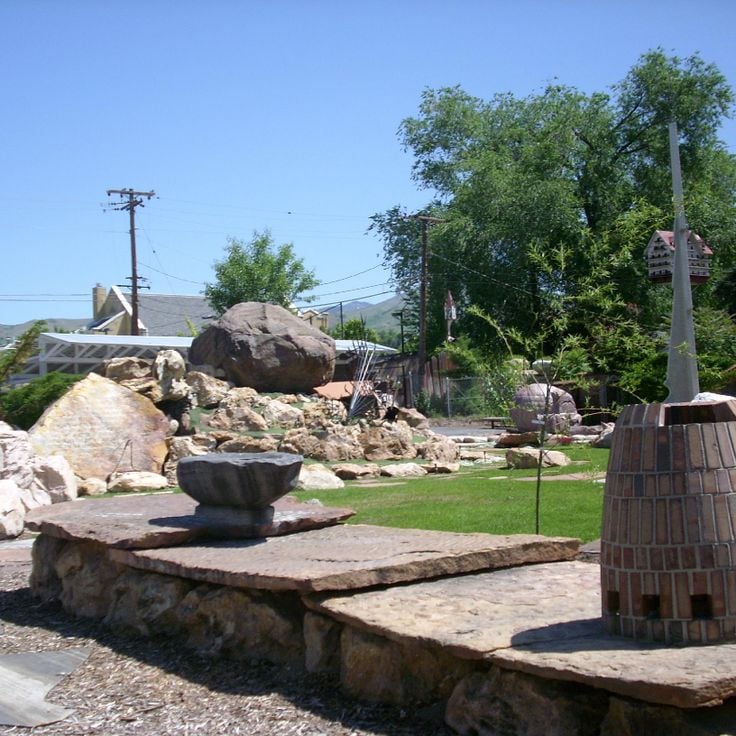
Gilgal Sculpture Garden in Salt Lake City is part of the collection of special places to visit in the city. Thomas Child created this garden between 1945 and 1963, leaving behind 12 original sculptures and 70 engraved stone texts. As you walk through the garden, you encounter stone works that encourage you to pause and think. The place shows how artistic vision and skilled craftsmanship come together. The sculptures and carved words speak to ideas and feelings that occupied the artist throughout his life. The garden offers a quiet space within the city where visitors can discover the artworks and explore their own thoughts.
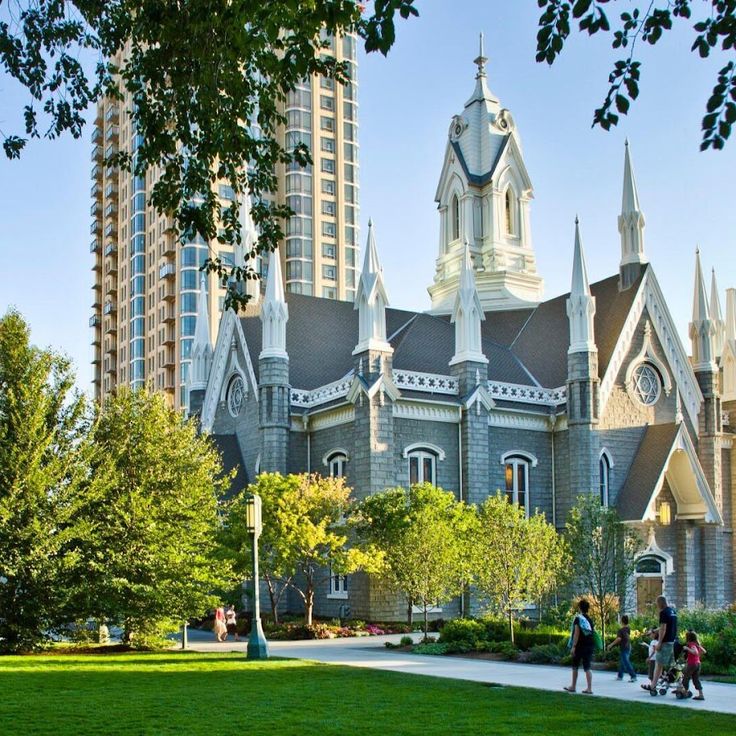
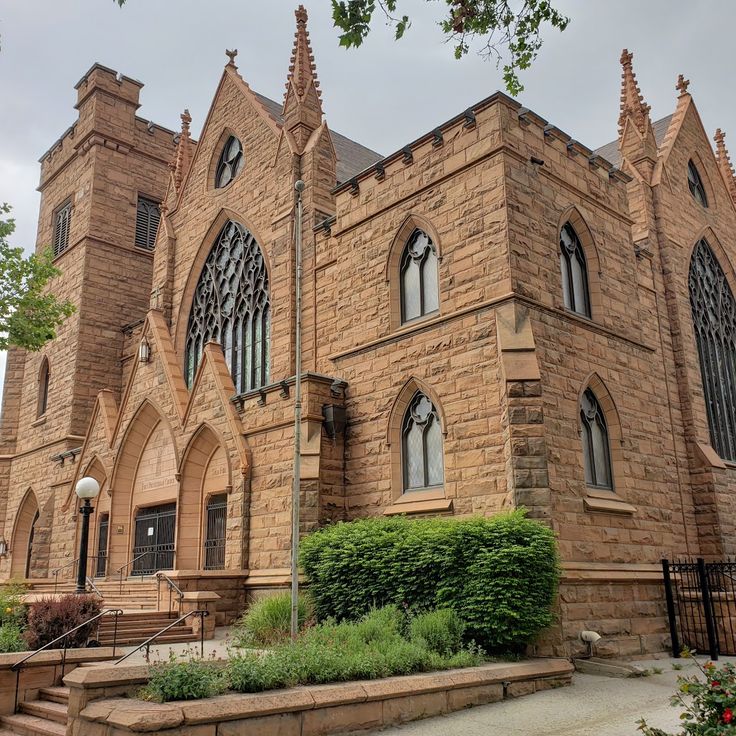
The Salt Lake Assembly Hall in Salt Lake City is a religious building constructed in 1877 in Victorian Gothic style, featuring towers at each corner and stained glass windows. It functions as a free concert hall and stands as a beautiful example of how the city has built spaces for both worship and community gatherings. This hall fits perfectly among the other historic sites that tell the story of Mormon pioneer settlement in the region.
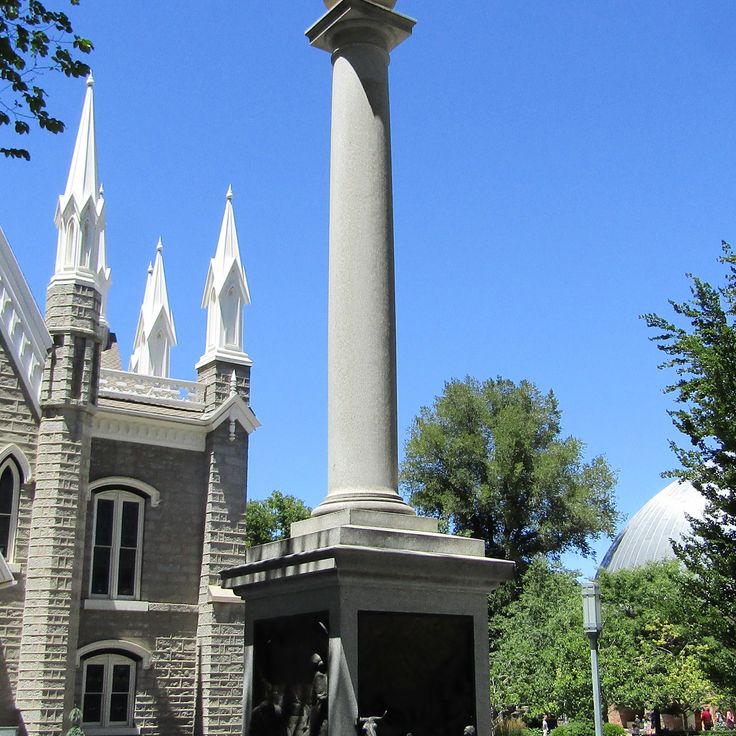
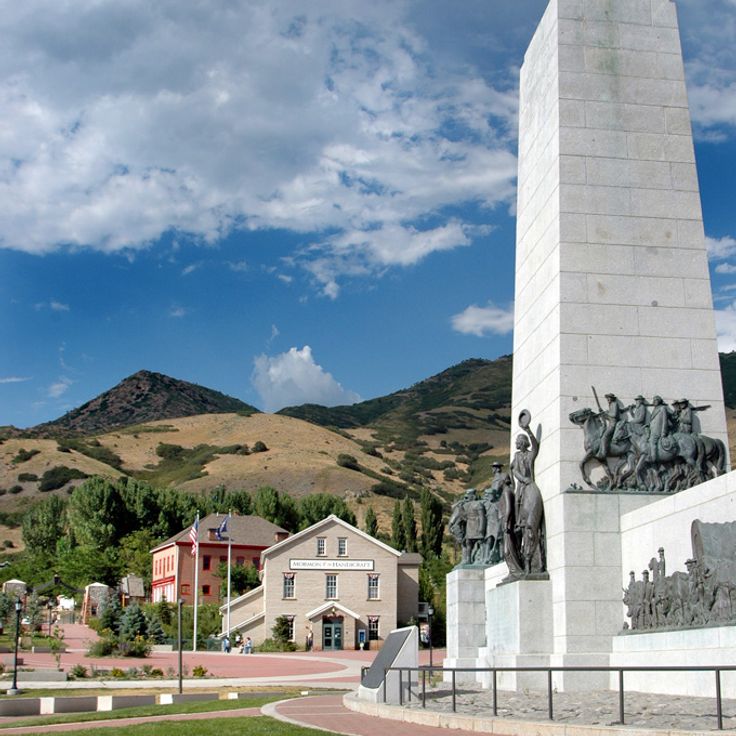
The Seagull Monument stands in the heart of Salt Lake City and honors a pivotal moment in 1848 when seagulls saved the Mormon pioneers' crops from a locust plague. This bronze statue on a granite pedestal, raised in 1913, serves as a reminder of the region's early struggles and how nature played a role in the settlement's survival. It connects visitors to the stories of those who built the city and the challenges they overcame.
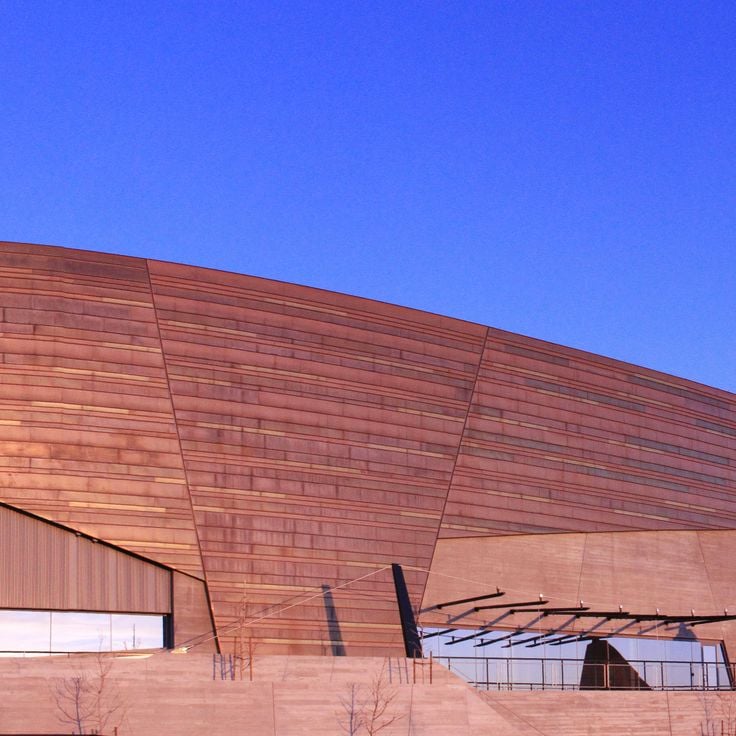
The Natural History Museum of Utah displays dinosaur fossils, minerals, insects, and plant specimens from the Rocky Mountain region. This museum fits into Salt Lake City's story of how nature and human understanding go hand in hand. The collections help you learn how the landscape and life in this region have changed over millions of years.
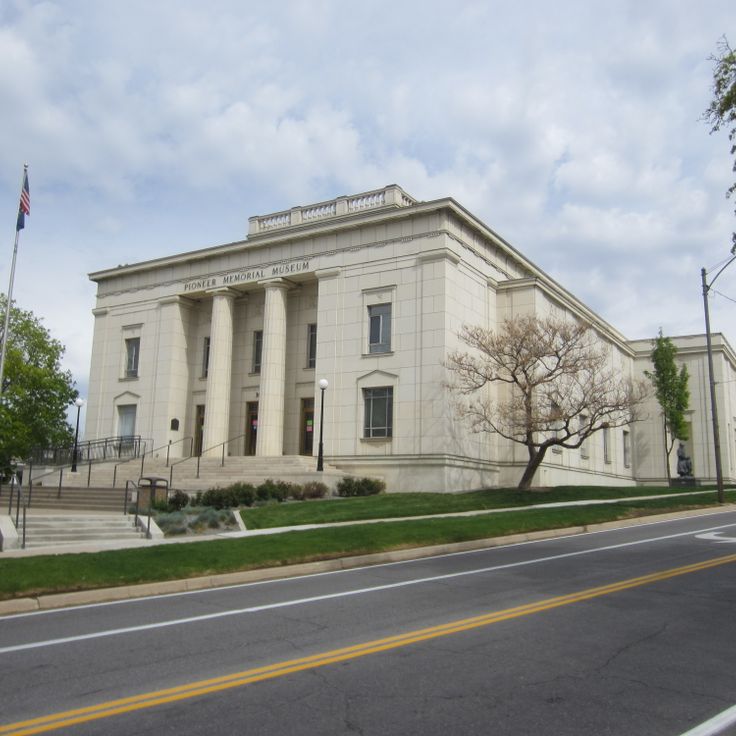
The Pioneer Memorial Museum displays a comprehensive collection of objects, documents, and photographs documenting the arrival and settlement of the first Mormon colonists in the Salt Lake Valley. This museum fits perfectly with the collection of main places in Salt Lake City, as it tells the story of the pioneers whose legacy is visible throughout the city. The exhibits help you understand how the city developed and show how early settlers shaped the region. It is an essential place for anyone wanting to learn more about Mormon history and the roots of Salt Lake City.
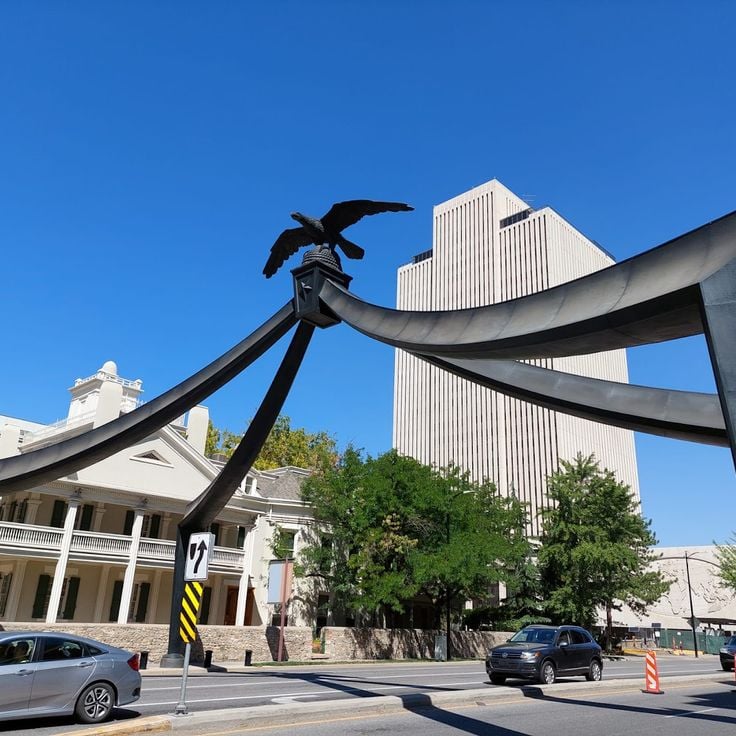
The Eagle Gate Monument in Salt Lake City features a metal structure crowned with a two-ton bronze eagle, marking the historic entrance to Brigham Young's property. This landmark stands at an important junction in the city and serves as a reminder of Salt Lake City's pioneer past. It connects the region's history with its built environment, showing how early settlers shaped the community. The monument is easily accessible and provides a good starting point for exploring the city's other historic sites.
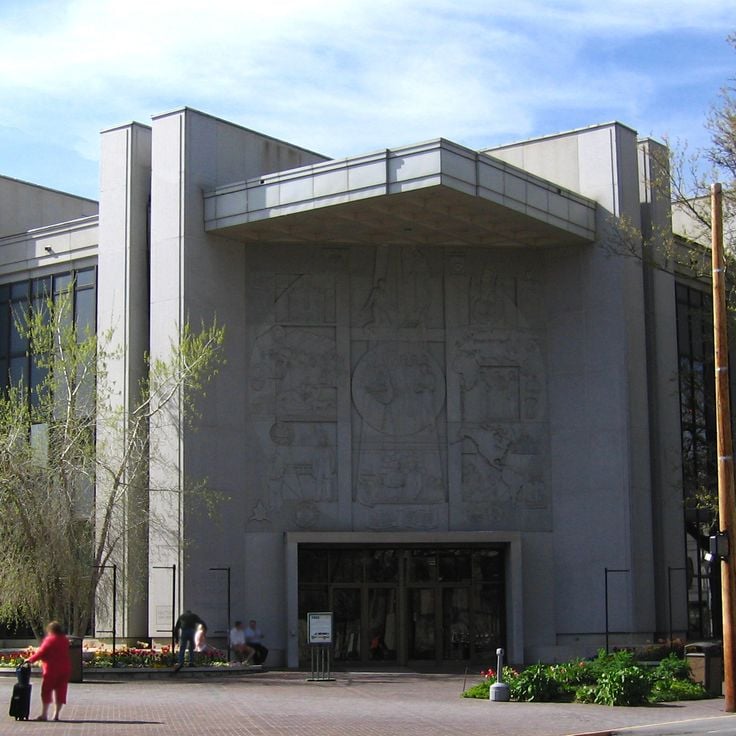
The Church History Museum presents the history of the Mormon movement from its founding in 1823 to the settlement of Utah in 1847. Through objects and documents, the museum tells the stories of pioneers and their journeys. It fits naturally into the collection of Salt Lake City, where history comes alive at many locations. Visitors can understand the roots of the region and see how Mormon pioneers shaped the city and surrounding landscape.
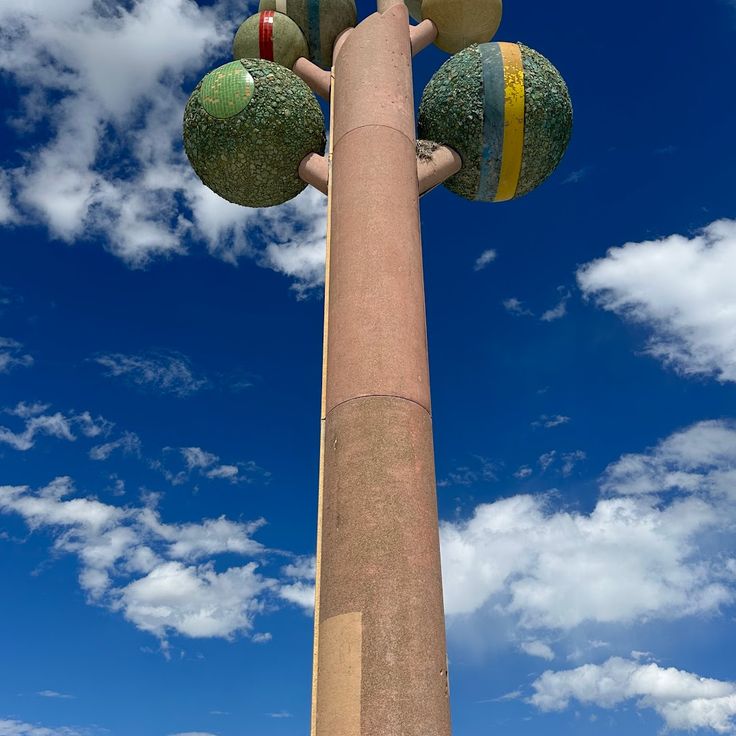
The Tree of Utah is a towering concrete and mineral structure standing 27 meters high, created by artist Karl Momen along the highway. This artwork fits perfectly into the collection of places around Salt Lake City, demonstrating how human creativity complements the natural landscape. The tree bridges craftsmanship and Utah's rugged terrain, offering travelers a memorable moment during their drive through the region.
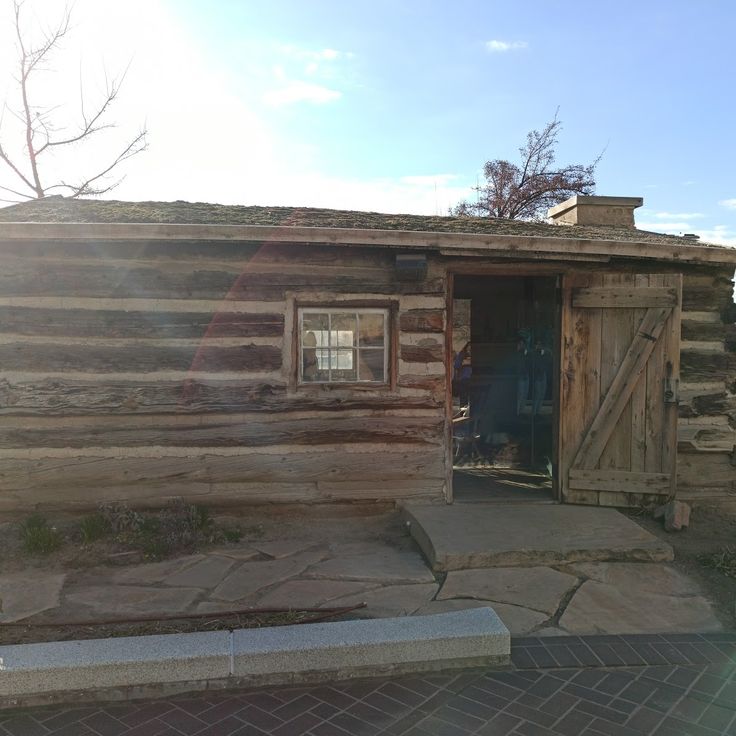
The Pioneer Cabin represents the early years of settlement in Salt Lake City. This log structure from 1847 shows how the first families lived when they arrived in the valley. Its simple wooden construction tells the story of the beginning and stands as one of the buildings left behind by Mormon pioneers. Visiting the cabin gives you a sense of the hardship and simplicity of those early days.
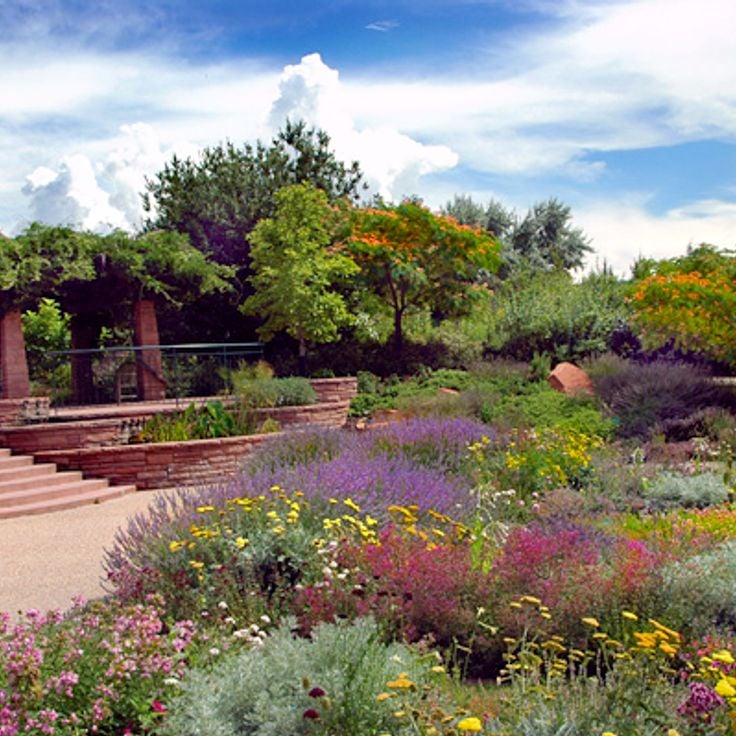
Red Butte Gardens in Salt Lake City offers a place to explore plants and walk through the surrounding hills. Spread across 8 hectares, the garden features different themed areas that showcase plants native to the region. Visitors can stroll through carefully designed gardens or hike along trails in the hills nearby. The gardens fit well with other places in Salt Lake City that bring together history, culture, and nature.
East High School is an educational building constructed in 1913 with neo-Gothic architecture and red brick facades. The structure became well-known as the filming location for the High School Musical movie series. Within this collection of notable spots in Salt Lake City and surroundings, this school represents the cultural history of the city, where education and popular culture intersect and where early 20th-century architecture continues to draw visitors today.
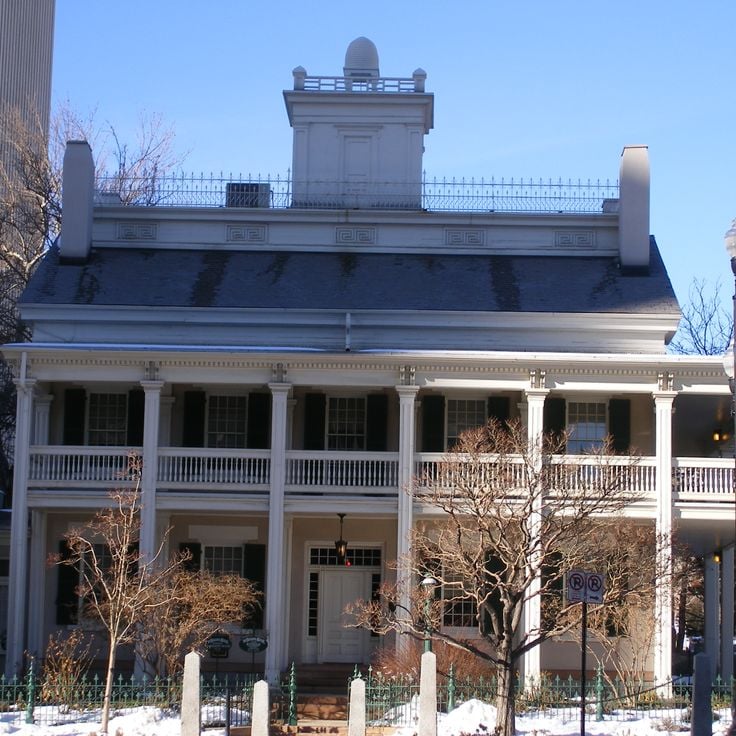
The Beehive House is a residence built in 1854 as the official home of Brigham Young, the Mormon leader and first governor of the Utah Territory. In this collection of notable places in Salt Lake City and its surroundings, the Beehive House represents the story of Mormon pioneers who shaped the region. The building, with its two floors and a tower topped with a decorative beehive, shows how early settlers lived and governed. Visitors can explore this structure to understand the people and decisions that built Salt Lake City.
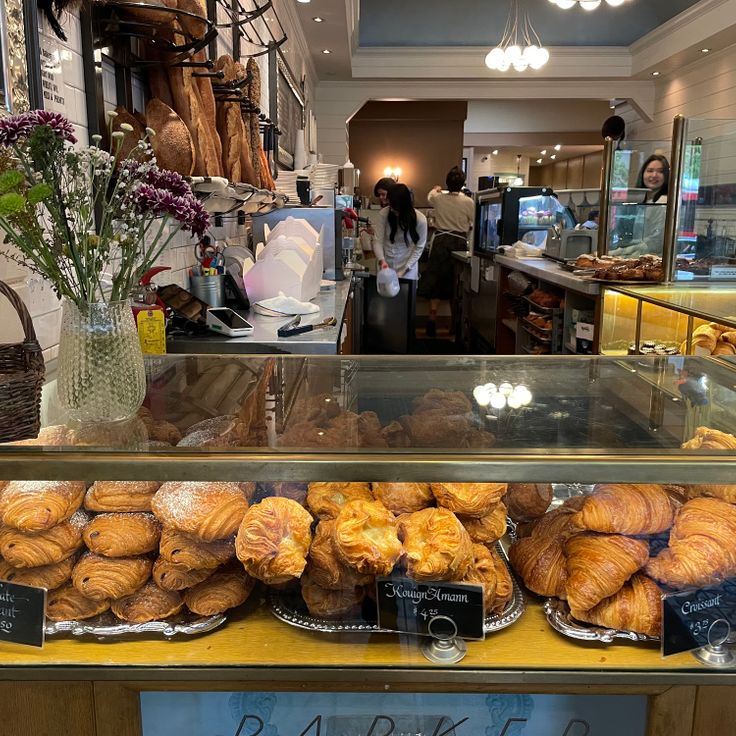
Eva's Bakery is part of what makes Salt Lake City special, a place where history, nature, and culture come together. This artisan bakery in downtown offers French-style breads and pastries made with care. Inside, blue tiles and woodwork create a warm space where locals and visitors alike come to enjoy fresh baked goods. As you walk through the city visiting Temple Square, museums, and other landmarks, Eva's Bakery offers a chance to pause, taste quality food, and experience how the community gathers in everyday spaces.
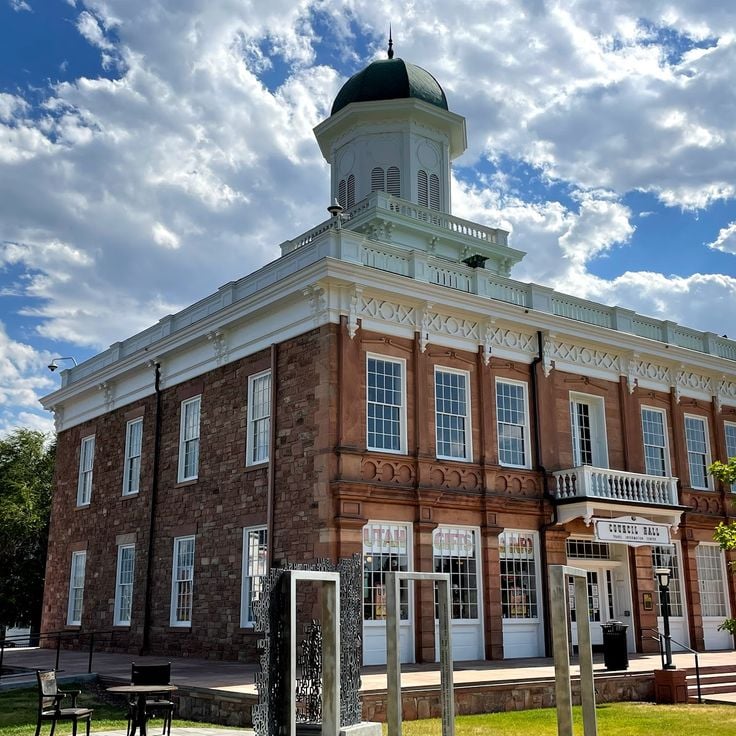
Council Hall in Salt Lake City is a visitor information center housed in a historic building from 1866. This sandstone structure features Greek-style architecture with columns and a triangular pediment. The building tells the story of the city's development and fits perfectly among Salt Lake City's other historic structures that show how pioneers shaped the region. Visitors can learn about the city's past and understand how this building is part of the broader history that connects Salt Lake City's monuments, museums, and cultural sites.
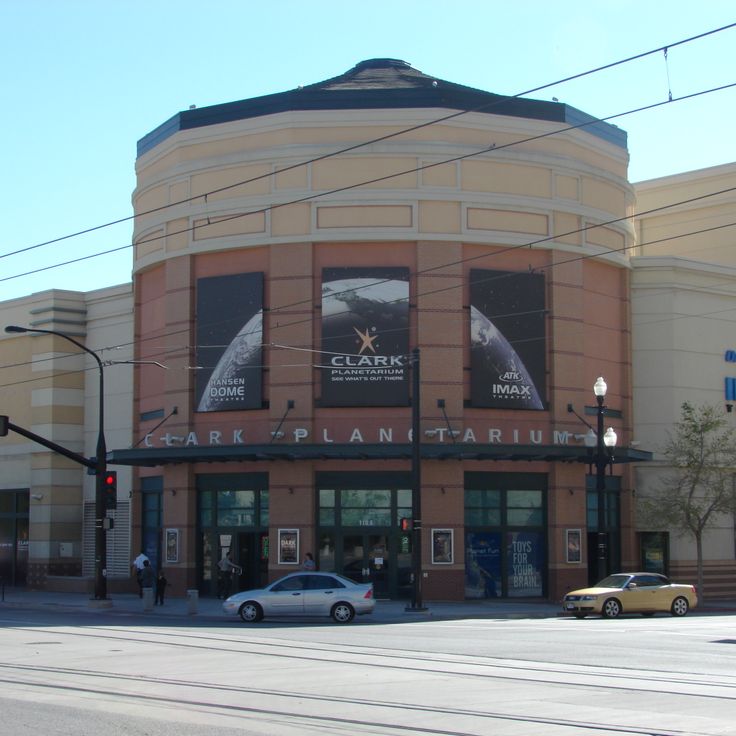
The Clark Planetarium brings the wonders of space to life through large-scale projections and interactive exhibits. As part of this collection, it offers visitors a chance to explore astronomy and learn about planets and the universe. The dome theater creates an immersive experience that engages both children and adults. With simulators and hands-on displays, the planetarium adds a scientific dimension to your time in Salt Lake City.
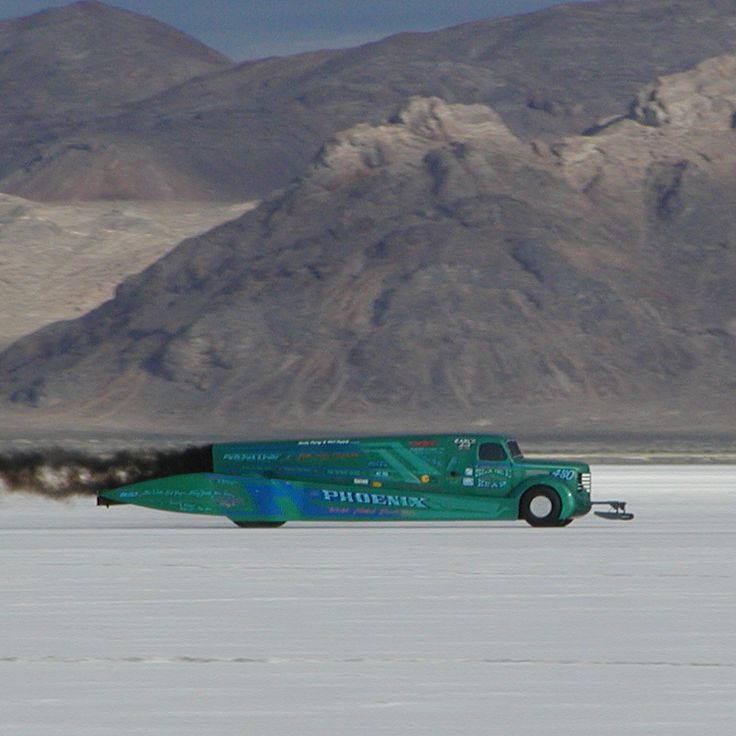
The Bonneville Speedway sits on a dried-up salt lake and serves as a place where people set speed records and test vehicles. As part of the collection of must-see spots in Salt Lake City and surroundings, the Bonneville Speedway shows another side of the region alongside the mountains, museums, and historic sites. Here you encounter a flat, white landscape that feels otherworldly and invites experimentation. The location attracts drivers and enthusiasts who use the endless expanse to push their vehicles to their limits.
The Great Salt Lake Marina serves as a home port for boats on the Great Salt Lake and plays an important role in this collection of places that showcase Salt Lake City and its surroundings. The marina provides launch ramps, docks, and various services for navigation on the water. This location allows visitors to explore the lake and experience its vast expanse up close, an essential part of the natural landscape that shapes the region.
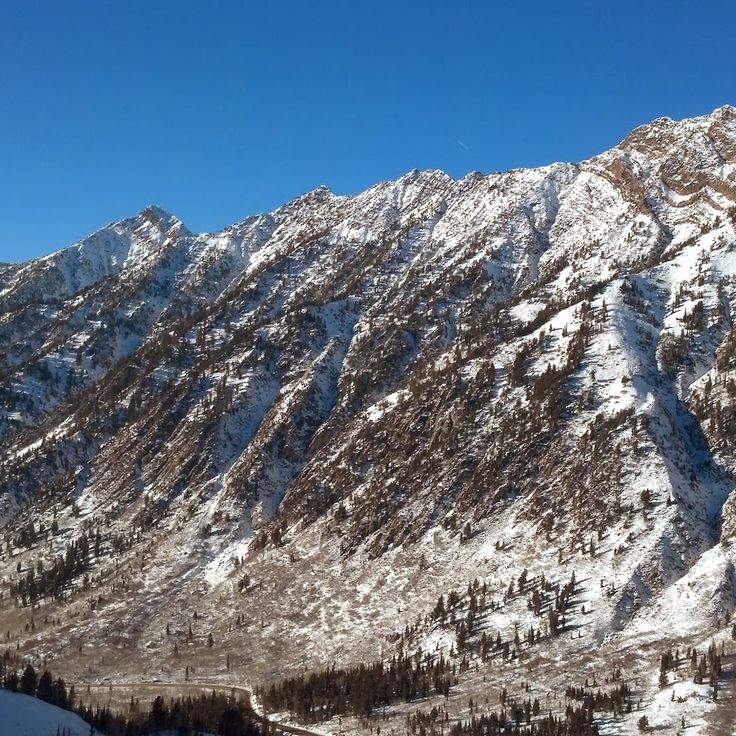
The Wasatch Mountains form a major mountain range in Utah that helps define Salt Lake City and its surroundings. These mountains provide the constant backdrop you see from the city and offer trails and views for anyone wanting to explore nature. Their height and extent shape the entire region and make them an essential part of the landscape surrounding Salt Lake City.
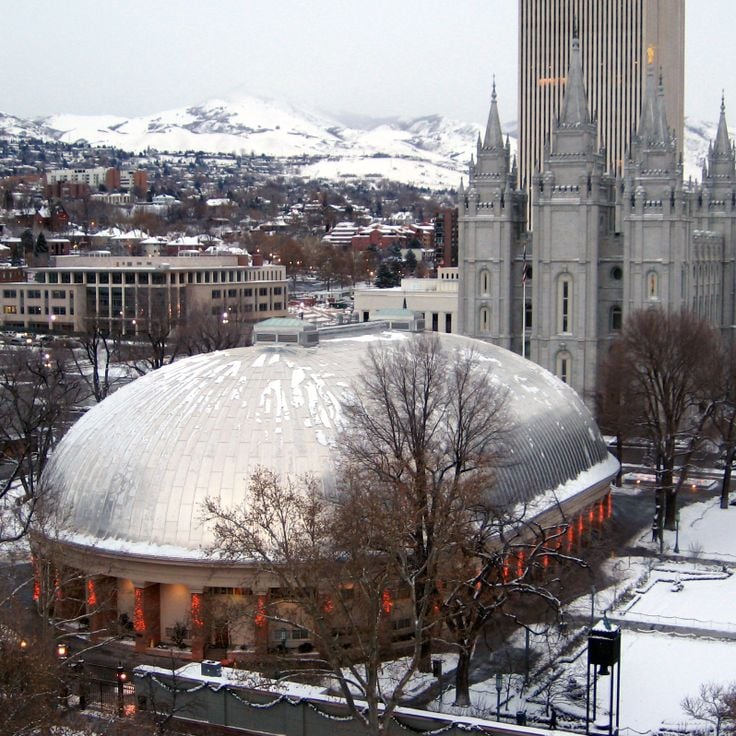
The Salt Lake Tabernacle is a concert hall built in 1867 for the Mormon Tabernacle Choir. Its wooden vaulted ceiling creates excellent sound distribution, making it a special place for music and performances. Within the context of Salt Lake City's historical sites, this building shows how early settlers created spaces for community and culture to come together. The hall stands on Temple Square and remains a living part of the city's history, where visitors can still experience concerts and events today.
Park City is a mountain resort that has transformed from its past as a silver mining town into a modern winter tourism destination. The extensive ski slopes shape the landscape and draw visitors from around the world who want to experience winter sports. In summer, the town becomes a destination for hikers and mountain bikers exploring the surrounding trails. Historic buildings from the mining era give the place character and connect its past to its present. Park City fits well into exploring the Great Salt Lake region and the surrounding Wasatch Mountains, showing how these mountains have attracted and shaped people over time.
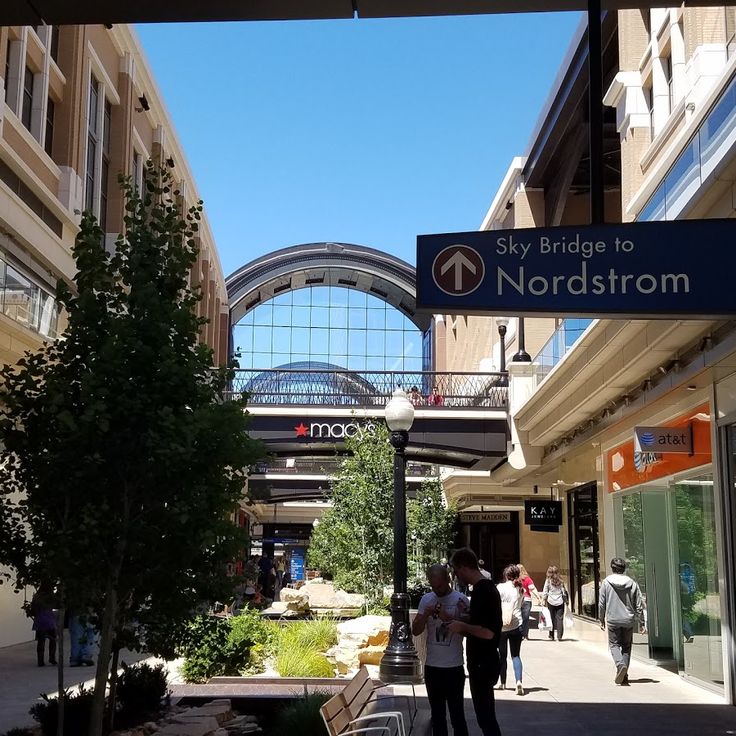
City Creek Center, in the heart of Salt Lake City, connects shopping with elements of nature and community gathering. Opened in 2012, this two-level shopping destination features a retractable roof that opens to the sky, water fountains that echo the region's natural water features, and green spaces woven throughout. The design invites visitors to shop while enjoying moments outdoors, especially when the roof is open to let in natural light and air. Located in the city center, it blends commerce with the kind of open-air experience that reflects Salt Lake City's connection to its natural surroundings and the nearby Wasatch Mountains.
The Cathedral of the Madeleine shows how different faiths have shaped this city. This Neo-Gothic cathedral was completed in 1909 and features colorful stained glass windows and religious murals inside. It stands as an architectural record alongside the Mormon monuments and tells the story of religious diversity in Salt Lake City.
This heritage park spans 450 hectares and recreates the way Utah's early settlers lived and worked. You can walk through period buildings from the 1800s and watch demonstrations of crafts and trades that pioneers relied on daily. The park shows how people built homes, farmed the land, and created communities in this region. It helps you understand the Mormon pioneer story that shapes much of Salt Lake City's identity. Visiting here adds depth to exploring the city's temples, monuments, and museums, as you see the physical skills and determination that went into settling this area.
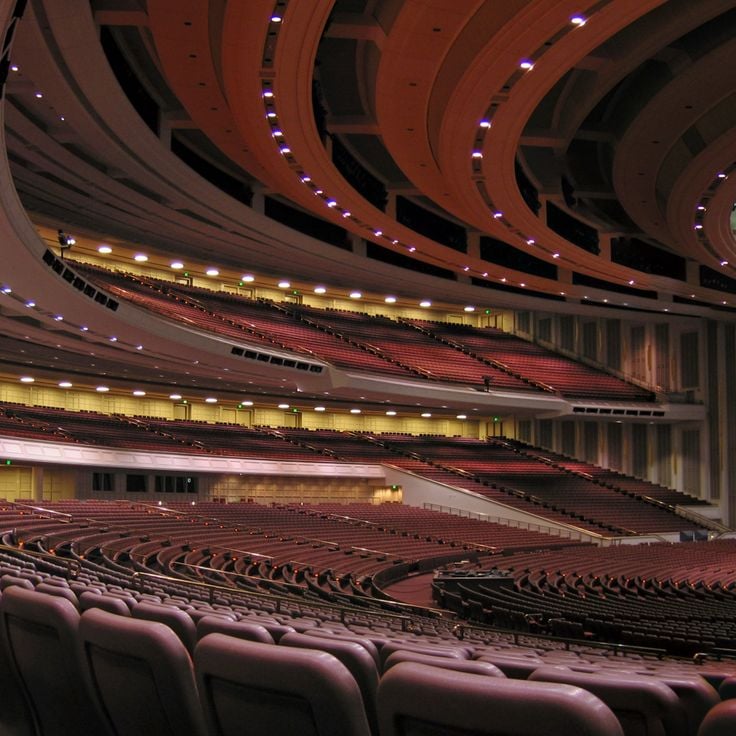
The Conference Center is a large gathering space in Salt Lake City that reflects the region's history and culture. This building holds thousands of visitors and contains an auditorium, meeting rooms, and rooftop gardens. It serves as a place where important religious gatherings take place and where people from around the world come together to listen and learn. The building itself is architecturally interesting and invites visitors to explore how the community assembles and what role this space plays in the city's identity.
Tracy Aviary in Salt Lake City is the oldest public aviary in the United States, founded in 1938 and now home to approximately 400 birds from roughly 135 species in Liberty Park. As part of the city's diverse cultural offerings, the aviary lets visitors observe native and exotic birds up close. This facility provides a quieter way to learn about different bird species and their habitats. It complements the other museums and outdoor experiences that make Salt Lake City a well-rounded destination, whether you are interested in nature, history, or simply spending time in an open park setting.
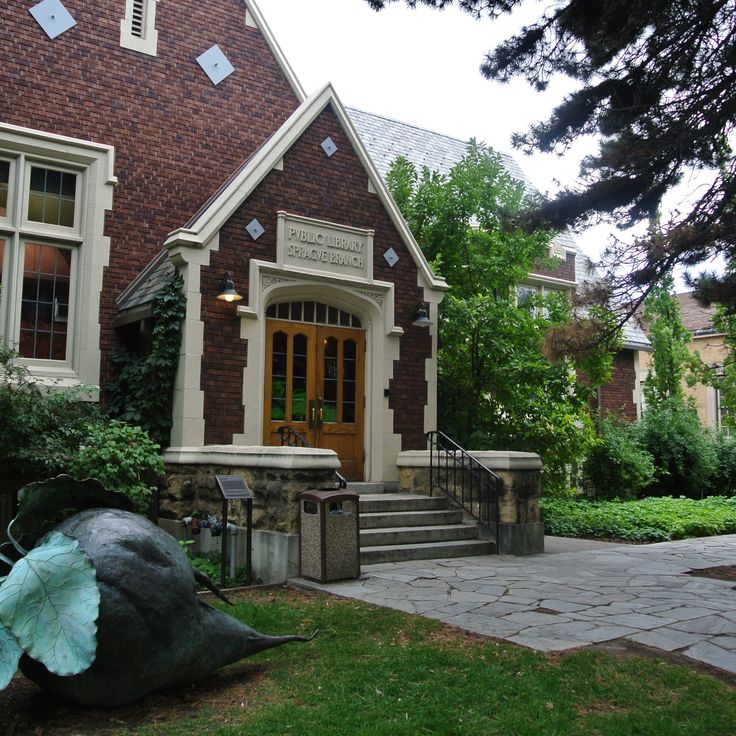
The Salt Lake City Public Library stands as a six-story central library that embodies the cultural openness and forward-thinking spirit highlighted in this collection of the region's notable sites. Its glass facade allows natural light to flood the interior, while an exterior urban staircase and hanging garden create spaces that blend architecture with nature. Ground-floor shops and gathering areas make this library a destination where visitors can explore resources, learn, and experience how the city builds spaces for both community connection and discovery.
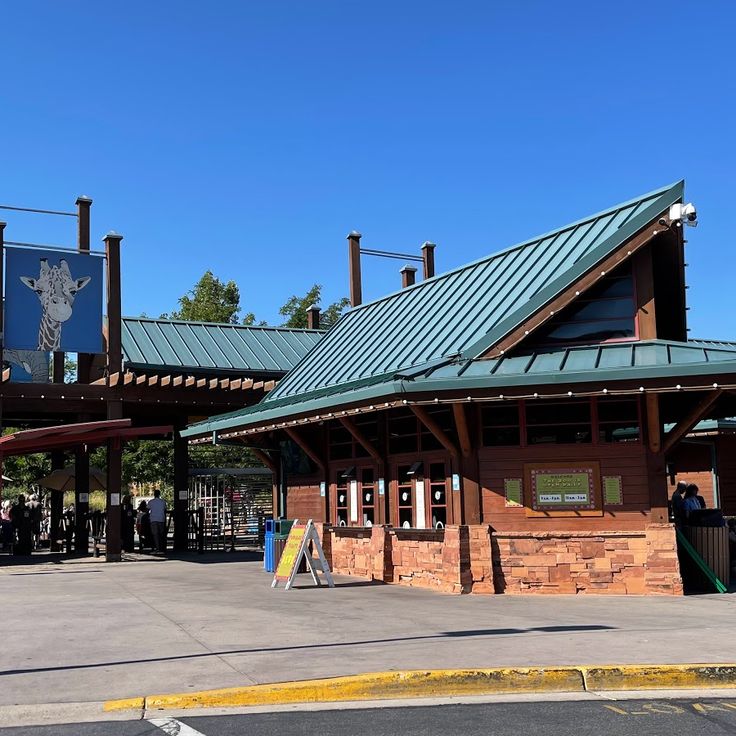
Utah's Hogle Zoo in Salt Lake City houses over 800 animals across 17 hectares of land. The zoo features play areas where children can run and explore, and a miniature train that carries visitors through the grounds. It offers a way to see animals from around the world and spend time outdoors, fitting into Salt Lake City's mix of educational and natural attractions.
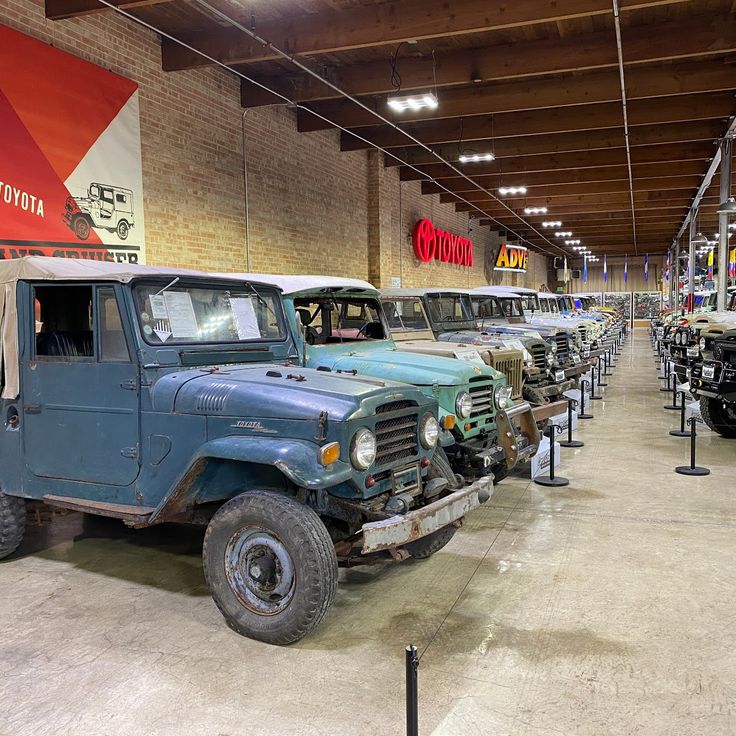
The Land Cruiser Heritage Museum fits into Salt Lake City's collection of museums that document the evolution of technology and design. Here you can see over 100 Toyota Land Cruiser vehicles spanning from 1951 to modern versions, showing how this vehicle changed over the decades. Each generation reveals different engineering approaches and design choices. The museum complements the city's scientific and cultural collections, offering a look at industrial history and how human ingenuity shapes the objects we use.
Temple Square is the heart of Salt Lake City's religious and cultural life. This sacred complex holds the main Mormon temple, surrounded by well-maintained gardens and the administrative buildings of the Church. When you walk through Temple Square, you encounter impressive architecture and peaceful green spaces that invite you to slow down and look around. The site tells the story of the pioneers who built Salt Lake City and offers visitors a way to understand the religious heritage and values that shaped the region.
The Great Salt Lake is a vast body of water near Salt Lake City that draws visitors with its unusual properties. Water here is so salty that floating comes naturally, making it a unique experience you cannot find elsewhere. This lake is a remnant of the prehistoric Lake Bonneville and tells the story of how the landscape changed over thousands of years. When exploring Salt Lake City and its surroundings, the Great Salt Lake offers a place where you can see how nature shapes the region and how people use this remarkable resource.
The State Capitol in Salt Lake City is a government building constructed in 1916 with neoclassical architecture, granite columns, and a 50-meter high dome. As part of Salt Lake City's collection of historic sites, it shows how the city was built and developed over time. You can walk inside to see the architectural details and learn about the region's government and history. The dome is a recognizable landmark that dominates the skyline and draws visitors who want to understand the city's past.
Antelope Island is a large peninsula in the Great Salt Lake where visitors can see bison and antelopes in their natural habitat. The island features hiking trails that wind through the landscape and provide views of the lake and surrounding mountains. It is part of the natural experience around Salt Lake City and shows the region's diverse wildlife.
The FamilySearch Center in Salt Lake City is where people from around the world come to trace their family history. This center holds extensive collections of historical documents and records that help visitors discover their ancestors. Access to the research materials is free, making it accessible to everyone. Within Salt Lake City's collection of cultural sites, the FamilySearch Center stands out as a place where personal history meets broader heritage. While exploring the city's museums, gardens, and historical buildings, you can also spend time here uncovering the stories of your own family through millions of historical records.
The Bonneville Salt Flats in Tooele County are an expansive salt desert made of compacted salt layers. These flats form a white, open landscape that feels like another world. People visit this place to experience the unusual terrain and to test cars that travel at very high speeds. The ground is so flat and empty that you can see all the way to the horizon. The salt flats are part of the region's geography and show how different nature can be. For visitors exploring Salt Lake City, the flats offer a journey to a place that looks completely different from the city or the mountains nearby.
Gilgal Sculpture Garden in Salt Lake City is part of the collection of special places to visit in the city. Thomas Child created this garden between 1945 and 1963, leaving behind 12 original sculptures and 70 engraved stone texts. As you walk through the garden, you encounter stone works that encourage you to pause and think. The place shows how artistic vision and skilled craftsmanship come together. The sculptures and carved words speak to ideas and feelings that occupied the artist throughout his life. The garden offers a quiet space within the city where visitors can discover the artworks and explore their own thoughts.
The Salt Lake Assembly Hall in Salt Lake City is a religious building constructed in 1877 in Victorian Gothic style, featuring towers at each corner and stained glass windows. It functions as a free concert hall and stands as a beautiful example of how the city has built spaces for both worship and community gatherings. This hall fits perfectly among the other historic sites that tell the story of Mormon pioneer settlement in the region.
The Seagull Monument stands in the heart of Salt Lake City and honors a pivotal moment in 1848 when seagulls saved the Mormon pioneers' crops from a locust plague. This bronze statue on a granite pedestal, raised in 1913, serves as a reminder of the region's early struggles and how nature played a role in the settlement's survival. It connects visitors to the stories of those who built the city and the challenges they overcame.
The Natural History Museum of Utah displays dinosaur fossils, minerals, insects, and plant specimens from the Rocky Mountain region. This museum fits into Salt Lake City's story of how nature and human understanding go hand in hand. The collections help you learn how the landscape and life in this region have changed over millions of years.
The Pioneer Memorial Museum displays a comprehensive collection of objects, documents, and photographs documenting the arrival and settlement of the first Mormon colonists in the Salt Lake Valley. This museum fits perfectly with the collection of main places in Salt Lake City, as it tells the story of the pioneers whose legacy is visible throughout the city. The exhibits help you understand how the city developed and show how early settlers shaped the region. It is an essential place for anyone wanting to learn more about Mormon history and the roots of Salt Lake City.
The Eagle Gate Monument in Salt Lake City features a metal structure crowned with a two-ton bronze eagle, marking the historic entrance to Brigham Young's property. This landmark stands at an important junction in the city and serves as a reminder of Salt Lake City's pioneer past. It connects the region's history with its built environment, showing how early settlers shaped the community. The monument is easily accessible and provides a good starting point for exploring the city's other historic sites.
The Church History Museum presents the history of the Mormon movement from its founding in 1823 to the settlement of Utah in 1847. Through objects and documents, the museum tells the stories of pioneers and their journeys. It fits naturally into the collection of Salt Lake City, where history comes alive at many locations. Visitors can understand the roots of the region and see how Mormon pioneers shaped the city and surrounding landscape.
The Tree of Utah is a towering concrete and mineral structure standing 27 meters high, created by artist Karl Momen along the highway. This artwork fits perfectly into the collection of places around Salt Lake City, demonstrating how human creativity complements the natural landscape. The tree bridges craftsmanship and Utah's rugged terrain, offering travelers a memorable moment during their drive through the region.
The Pioneer Cabin represents the early years of settlement in Salt Lake City. This log structure from 1847 shows how the first families lived when they arrived in the valley. Its simple wooden construction tells the story of the beginning and stands as one of the buildings left behind by Mormon pioneers. Visiting the cabin gives you a sense of the hardship and simplicity of those early days.
Red Butte Gardens in Salt Lake City offers a place to explore plants and walk through the surrounding hills. Spread across 8 hectares, the garden features different themed areas that showcase plants native to the region. Visitors can stroll through carefully designed gardens or hike along trails in the hills nearby. The gardens fit well with other places in Salt Lake City that bring together history, culture, and nature.
East High School is an educational building constructed in 1913 with neo-Gothic architecture and red brick facades. The structure became well-known as the filming location for the High School Musical movie series. Within this collection of notable spots in Salt Lake City and surroundings, this school represents the cultural history of the city, where education and popular culture intersect and where early 20th-century architecture continues to draw visitors today.
The Beehive House is a residence built in 1854 as the official home of Brigham Young, the Mormon leader and first governor of the Utah Territory. In this collection of notable places in Salt Lake City and its surroundings, the Beehive House represents the story of Mormon pioneers who shaped the region. The building, with its two floors and a tower topped with a decorative beehive, shows how early settlers lived and governed. Visitors can explore this structure to understand the people and decisions that built Salt Lake City.
Eva's Bakery is part of what makes Salt Lake City special, a place where history, nature, and culture come together. This artisan bakery in downtown offers French-style breads and pastries made with care. Inside, blue tiles and woodwork create a warm space where locals and visitors alike come to enjoy fresh baked goods. As you walk through the city visiting Temple Square, museums, and other landmarks, Eva's Bakery offers a chance to pause, taste quality food, and experience how the community gathers in everyday spaces.
Council Hall in Salt Lake City is a visitor information center housed in a historic building from 1866. This sandstone structure features Greek-style architecture with columns and a triangular pediment. The building tells the story of the city's development and fits perfectly among Salt Lake City's other historic structures that show how pioneers shaped the region. Visitors can learn about the city's past and understand how this building is part of the broader history that connects Salt Lake City's monuments, museums, and cultural sites.
The Clark Planetarium brings the wonders of space to life through large-scale projections and interactive exhibits. As part of this collection, it offers visitors a chance to explore astronomy and learn about planets and the universe. The dome theater creates an immersive experience that engages both children and adults. With simulators and hands-on displays, the planetarium adds a scientific dimension to your time in Salt Lake City.
The Bonneville Speedway sits on a dried-up salt lake and serves as a place where people set speed records and test vehicles. As part of the collection of must-see spots in Salt Lake City and surroundings, the Bonneville Speedway shows another side of the region alongside the mountains, museums, and historic sites. Here you encounter a flat, white landscape that feels otherworldly and invites experimentation. The location attracts drivers and enthusiasts who use the endless expanse to push their vehicles to their limits.
The Great Salt Lake Marina serves as a home port for boats on the Great Salt Lake and plays an important role in this collection of places that showcase Salt Lake City and its surroundings. The marina provides launch ramps, docks, and various services for navigation on the water. This location allows visitors to explore the lake and experience its vast expanse up close, an essential part of the natural landscape that shapes the region.
The Wasatch Mountains form a major mountain range in Utah that helps define Salt Lake City and its surroundings. These mountains provide the constant backdrop you see from the city and offer trails and views for anyone wanting to explore nature. Their height and extent shape the entire region and make them an essential part of the landscape surrounding Salt Lake City.
The Salt Lake Tabernacle is a concert hall built in 1867 for the Mormon Tabernacle Choir. Its wooden vaulted ceiling creates excellent sound distribution, making it a special place for music and performances. Within the context of Salt Lake City's historical sites, this building shows how early settlers created spaces for community and culture to come together. The hall stands on Temple Square and remains a living part of the city's history, where visitors can still experience concerts and events today.
Park City is a mountain resort that has transformed from its past as a silver mining town into a modern winter tourism destination. The extensive ski slopes shape the landscape and draw visitors from around the world who want to experience winter sports. In summer, the town becomes a destination for hikers and mountain bikers exploring the surrounding trails. Historic buildings from the mining era give the place character and connect its past to its present. Park City fits well into exploring the Great Salt Lake region and the surrounding Wasatch Mountains, showing how these mountains have attracted and shaped people over time.
City Creek Center, in the heart of Salt Lake City, connects shopping with elements of nature and community gathering. Opened in 2012, this two-level shopping destination features a retractable roof that opens to the sky, water fountains that echo the region's natural water features, and green spaces woven throughout. The design invites visitors to shop while enjoying moments outdoors, especially when the roof is open to let in natural light and air. Located in the city center, it blends commerce with the kind of open-air experience that reflects Salt Lake City's connection to its natural surroundings and the nearby Wasatch Mountains.
The Cathedral of the Madeleine shows how different faiths have shaped this city. This Neo-Gothic cathedral was completed in 1909 and features colorful stained glass windows and religious murals inside. It stands as an architectural record alongside the Mormon monuments and tells the story of religious diversity in Salt Lake City.
This heritage park spans 450 hectares and recreates the way Utah's early settlers lived and worked. You can walk through period buildings from the 1800s and watch demonstrations of crafts and trades that pioneers relied on daily. The park shows how people built homes, farmed the land, and created communities in this region. It helps you understand the Mormon pioneer story that shapes much of Salt Lake City's identity. Visiting here adds depth to exploring the city's temples, monuments, and museums, as you see the physical skills and determination that went into settling this area.
The Conference Center is a large gathering space in Salt Lake City that reflects the region's history and culture. This building holds thousands of visitors and contains an auditorium, meeting rooms, and rooftop gardens. It serves as a place where important religious gatherings take place and where people from around the world come together to listen and learn. The building itself is architecturally interesting and invites visitors to explore how the community assembles and what role this space plays in the city's identity.
Tracy Aviary in Salt Lake City is the oldest public aviary in the United States, founded in 1938 and now home to approximately 400 birds from roughly 135 species in Liberty Park. As part of the city's diverse cultural offerings, the aviary lets visitors observe native and exotic birds up close. This facility provides a quieter way to learn about different bird species and their habitats. It complements the other museums and outdoor experiences that make Salt Lake City a well-rounded destination, whether you are interested in nature, history, or simply spending time in an open park setting.
The Salt Lake City Public Library stands as a six-story central library that embodies the cultural openness and forward-thinking spirit highlighted in this collection of the region's notable sites. Its glass facade allows natural light to flood the interior, while an exterior urban staircase and hanging garden create spaces that blend architecture with nature. Ground-floor shops and gathering areas make this library a destination where visitors can explore resources, learn, and experience how the city builds spaces for both community connection and discovery.
Utah's Hogle Zoo in Salt Lake City houses over 800 animals across 17 hectares of land. The zoo features play areas where children can run and explore, and a miniature train that carries visitors through the grounds. It offers a way to see animals from around the world and spend time outdoors, fitting into Salt Lake City's mix of educational and natural attractions.
The Land Cruiser Heritage Museum fits into Salt Lake City's collection of museums that document the evolution of technology and design. Here you can see over 100 Toyota Land Cruiser vehicles spanning from 1951 to modern versions, showing how this vehicle changed over the decades. Each generation reveals different engineering approaches and design choices. The museum complements the city's scientific and cultural collections, offering a look at industrial history and how human ingenuity shapes the objects we use.
Temple Square is the heart of Salt Lake City's religious and cultural life. This sacred complex holds the main Mormon temple, surrounded by well-maintained gardens and the administrative buildings of the Church. When you walk through Temple Square, you encounter impressive architecture and peaceful green spaces that invite you to slow down and look around. The site tells the story of the pioneers who built Salt Lake City and offers visitors a way to understand the religious heritage and values that shaped the region.
The Great Salt Lake is a vast body of water near Salt Lake City that draws visitors with its unusual properties. Water here is so salty that floating comes naturally, making it a unique experience you cannot find elsewhere. This lake is a remnant of the prehistoric Lake Bonneville and tells the story of how the landscape changed over thousands of years. When exploring Salt Lake City and its surroundings, the Great Salt Lake offers a place where you can see how nature shapes the region and how people use this remarkable resource.
The State Capitol in Salt Lake City is a government building constructed in 1916 with neoclassical architecture, granite columns, and a 50-meter high dome. As part of Salt Lake City's collection of historic sites, it shows how the city was built and developed over time. You can walk inside to see the architectural details and learn about the region's government and history. The dome is a recognizable landmark that dominates the skyline and draws visitors who want to understand the city's past.
Antelope Island is a large peninsula in the Great Salt Lake where visitors can see bison and antelopes in their natural habitat. The island features hiking trails that wind through the landscape and provide views of the lake and surrounding mountains. It is part of the natural experience around Salt Lake City and shows the region's diverse wildlife.
The FamilySearch Center in Salt Lake City is where people from around the world come to trace their family history. This center holds extensive collections of historical documents and records that help visitors discover their ancestors. Access to the research materials is free, making it accessible to everyone. Within Salt Lake City's collection of cultural sites, the FamilySearch Center stands out as a place where personal history meets broader heritage. While exploring the city's museums, gardens, and historical buildings, you can also spend time here uncovering the stories of your own family through millions of historical records.
The Bonneville Salt Flats in Tooele County are an expansive salt desert made of compacted salt layers. These flats form a white, open landscape that feels like another world. People visit this place to experience the unusual terrain and to test cars that travel at very high speeds. The ground is so flat and empty that you can see all the way to the horizon. The salt flats are part of the region's geography and show how different nature can be. For visitors exploring Salt Lake City, the flats offer a journey to a place that looks completely different from the city or the mountains nearby.
Gilgal Sculpture Garden in Salt Lake City is part of the collection of special places to visit in the city. Thomas Child created this garden between 1945 and 1963, leaving behind 12 original sculptures and 70 engraved stone texts. As you walk through the garden, you encounter stone works that encourage you to pause and think. The place shows how artistic vision and skilled craftsmanship come together. The sculptures and carved words speak to ideas and feelings that occupied the artist throughout his life. The garden offers a quiet space within the city where visitors can discover the artworks and explore their own thoughts.
The Salt Lake Assembly Hall in Salt Lake City is a religious building constructed in 1877 in Victorian Gothic style, featuring towers at each corner and stained glass windows. It functions as a free concert hall and stands as a beautiful example of how the city has built spaces for both worship and community gatherings. This hall fits perfectly among the other historic sites that tell the story of Mormon pioneer settlement in the region.
The Seagull Monument stands in the heart of Salt Lake City and honors a pivotal moment in 1848 when seagulls saved the Mormon pioneers' crops from a locust plague. This bronze statue on a granite pedestal, raised in 1913, serves as a reminder of the region's early struggles and how nature played a role in the settlement's survival. It connects visitors to the stories of those who built the city and the challenges they overcame.
The Natural History Museum of Utah displays dinosaur fossils, minerals, insects, and plant specimens from the Rocky Mountain region. This museum fits into Salt Lake City's story of how nature and human understanding go hand in hand. The collections help you learn how the landscape and life in this region have changed over millions of years.
The Pioneer Memorial Museum displays a comprehensive collection of objects, documents, and photographs documenting the arrival and settlement of the first Mormon colonists in the Salt Lake Valley. This museum fits perfectly with the collection of main places in Salt Lake City, as it tells the story of the pioneers whose legacy is visible throughout the city. The exhibits help you understand how the city developed and show how early settlers shaped the region. It is an essential place for anyone wanting to learn more about Mormon history and the roots of Salt Lake City.
The Eagle Gate Monument in Salt Lake City features a metal structure crowned with a two-ton bronze eagle, marking the historic entrance to Brigham Young's property. This landmark stands at an important junction in the city and serves as a reminder of Salt Lake City's pioneer past. It connects the region's history with its built environment, showing how early settlers shaped the community. The monument is easily accessible and provides a good starting point for exploring the city's other historic sites.
The Church History Museum presents the history of the Mormon movement from its founding in 1823 to the settlement of Utah in 1847. Through objects and documents, the museum tells the stories of pioneers and their journeys. It fits naturally into the collection of Salt Lake City, where history comes alive at many locations. Visitors can understand the roots of the region and see how Mormon pioneers shaped the city and surrounding landscape.
The Tree of Utah is a towering concrete and mineral structure standing 27 meters high, created by artist Karl Momen along the highway. This artwork fits perfectly into the collection of places around Salt Lake City, demonstrating how human creativity complements the natural landscape. The tree bridges craftsmanship and Utah's rugged terrain, offering travelers a memorable moment during their drive through the region.
The Pioneer Cabin represents the early years of settlement in Salt Lake City. This log structure from 1847 shows how the first families lived when they arrived in the valley. Its simple wooden construction tells the story of the beginning and stands as one of the buildings left behind by Mormon pioneers. Visiting the cabin gives you a sense of the hardship and simplicity of those early days.
Red Butte Gardens in Salt Lake City offers a place to explore plants and walk through the surrounding hills. Spread across 8 hectares, the garden features different themed areas that showcase plants native to the region. Visitors can stroll through carefully designed gardens or hike along trails in the hills nearby. The gardens fit well with other places in Salt Lake City that bring together history, culture, and nature.
East High School is an educational building constructed in 1913 with neo-Gothic architecture and red brick facades. The structure became well-known as the filming location for the High School Musical movie series. Within this collection of notable spots in Salt Lake City and surroundings, this school represents the cultural history of the city, where education and popular culture intersect and where early 20th-century architecture continues to draw visitors today.
The Beehive House is a residence built in 1854 as the official home of Brigham Young, the Mormon leader and first governor of the Utah Territory. In this collection of notable places in Salt Lake City and its surroundings, the Beehive House represents the story of Mormon pioneers who shaped the region. The building, with its two floors and a tower topped with a decorative beehive, shows how early settlers lived and governed. Visitors can explore this structure to understand the people and decisions that built Salt Lake City.
Eva's Bakery is part of what makes Salt Lake City special, a place where history, nature, and culture come together. This artisan bakery in downtown offers French-style breads and pastries made with care. Inside, blue tiles and woodwork create a warm space where locals and visitors alike come to enjoy fresh baked goods. As you walk through the city visiting Temple Square, museums, and other landmarks, Eva's Bakery offers a chance to pause, taste quality food, and experience how the community gathers in everyday spaces.
Council Hall in Salt Lake City is a visitor information center housed in a historic building from 1866. This sandstone structure features Greek-style architecture with columns and a triangular pediment. The building tells the story of the city's development and fits perfectly among Salt Lake City's other historic structures that show how pioneers shaped the region. Visitors can learn about the city's past and understand how this building is part of the broader history that connects Salt Lake City's monuments, museums, and cultural sites.
The Clark Planetarium brings the wonders of space to life through large-scale projections and interactive exhibits. As part of this collection, it offers visitors a chance to explore astronomy and learn about planets and the universe. The dome theater creates an immersive experience that engages both children and adults. With simulators and hands-on displays, the planetarium adds a scientific dimension to your time in Salt Lake City.
The Bonneville Speedway sits on a dried-up salt lake and serves as a place where people set speed records and test vehicles. As part of the collection of must-see spots in Salt Lake City and surroundings, the Bonneville Speedway shows another side of the region alongside the mountains, museums, and historic sites. Here you encounter a flat, white landscape that feels otherworldly and invites experimentation. The location attracts drivers and enthusiasts who use the endless expanse to push their vehicles to their limits.
The Great Salt Lake Marina serves as a home port for boats on the Great Salt Lake and plays an important role in this collection of places that showcase Salt Lake City and its surroundings. The marina provides launch ramps, docks, and various services for navigation on the water. This location allows visitors to explore the lake and experience its vast expanse up close, an essential part of the natural landscape that shapes the region.
The Wasatch Mountains form a major mountain range in Utah that helps define Salt Lake City and its surroundings. These mountains provide the constant backdrop you see from the city and offer trails and views for anyone wanting to explore nature. Their height and extent shape the entire region and make them an essential part of the landscape surrounding Salt Lake City.
The Salt Lake Tabernacle is a concert hall built in 1867 for the Mormon Tabernacle Choir. Its wooden vaulted ceiling creates excellent sound distribution, making it a special place for music and performances. Within the context of Salt Lake City's historical sites, this building shows how early settlers created spaces for community and culture to come together. The hall stands on Temple Square and remains a living part of the city's history, where visitors can still experience concerts and events today.
Park City is a mountain resort that has transformed from its past as a silver mining town into a modern winter tourism destination. The extensive ski slopes shape the landscape and draw visitors from around the world who want to experience winter sports. In summer, the town becomes a destination for hikers and mountain bikers exploring the surrounding trails. Historic buildings from the mining era give the place character and connect its past to its present. Park City fits well into exploring the Great Salt Lake region and the surrounding Wasatch Mountains, showing how these mountains have attracted and shaped people over time.
City Creek Center, in the heart of Salt Lake City, connects shopping with elements of nature and community gathering. Opened in 2012, this two-level shopping destination features a retractable roof that opens to the sky, water fountains that echo the region's natural water features, and green spaces woven throughout. The design invites visitors to shop while enjoying moments outdoors, especially when the roof is open to let in natural light and air. Located in the city center, it blends commerce with the kind of open-air experience that reflects Salt Lake City's connection to its natural surroundings and the nearby Wasatch Mountains.
The Cathedral of the Madeleine shows how different faiths have shaped this city. This Neo-Gothic cathedral was completed in 1909 and features colorful stained glass windows and religious murals inside. It stands as an architectural record alongside the Mormon monuments and tells the story of religious diversity in Salt Lake City.
This heritage park spans 450 hectares and recreates the way Utah's early settlers lived and worked. You can walk through period buildings from the 1800s and watch demonstrations of crafts and trades that pioneers relied on daily. The park shows how people built homes, farmed the land, and created communities in this region. It helps you understand the Mormon pioneer story that shapes much of Salt Lake City's identity. Visiting here adds depth to exploring the city's temples, monuments, and museums, as you see the physical skills and determination that went into settling this area.
The Conference Center is a large gathering space in Salt Lake City that reflects the region's history and culture. This building holds thousands of visitors and contains an auditorium, meeting rooms, and rooftop gardens. It serves as a place where important religious gatherings take place and where people from around the world come together to listen and learn. The building itself is architecturally interesting and invites visitors to explore how the community assembles and what role this space plays in the city's identity.
Tracy Aviary in Salt Lake City is the oldest public aviary in the United States, founded in 1938 and now home to approximately 400 birds from roughly 135 species in Liberty Park. As part of the city's diverse cultural offerings, the aviary lets visitors observe native and exotic birds up close. This facility provides a quieter way to learn about different bird species and their habitats. It complements the other museums and outdoor experiences that make Salt Lake City a well-rounded destination, whether you are interested in nature, history, or simply spending time in an open park setting.
The Salt Lake City Public Library stands as a six-story central library that embodies the cultural openness and forward-thinking spirit highlighted in this collection of the region's notable sites. Its glass facade allows natural light to flood the interior, while an exterior urban staircase and hanging garden create spaces that blend architecture with nature. Ground-floor shops and gathering areas make this library a destination where visitors can explore resources, learn, and experience how the city builds spaces for both community connection and discovery.
Utah's Hogle Zoo in Salt Lake City houses over 800 animals across 17 hectares of land. The zoo features play areas where children can run and explore, and a miniature train that carries visitors through the grounds. It offers a way to see animals from around the world and spend time outdoors, fitting into Salt Lake City's mix of educational and natural attractions.
The Land Cruiser Heritage Museum fits into Salt Lake City's collection of museums that document the evolution of technology and design. Here you can see over 100 Toyota Land Cruiser vehicles spanning from 1951 to modern versions, showing how this vehicle changed over the decades. Each generation reveals different engineering approaches and design choices. The museum complements the city's scientific and cultural collections, offering a look at industrial history and how human ingenuity shapes the objects we use.