Great Salt Lake, Salt lake in northern Utah, United States.
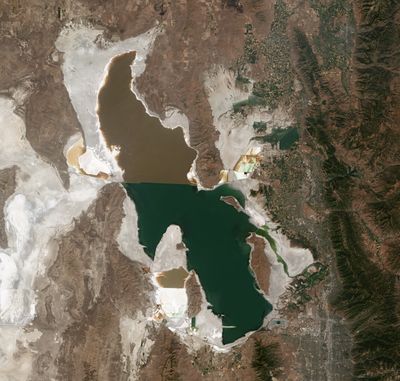
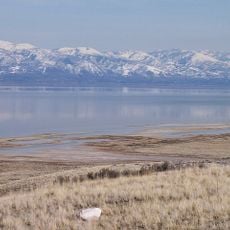
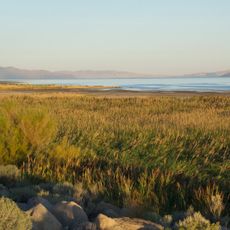
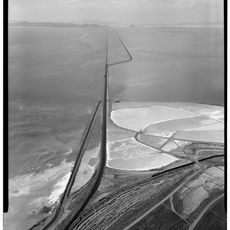
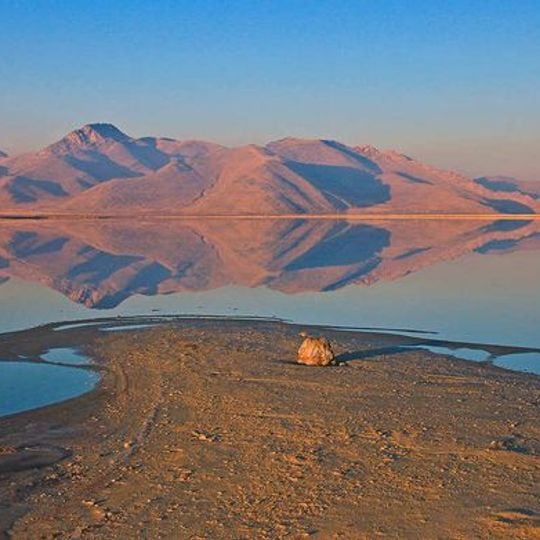
The Great Salt Lake is a terminal salt lake in northern Utah, the largest saltwater lake in the Western Hemisphere. Its two arms are divided by a railroad causeway: the northern Gunnison Bay is reddish-brown and saltier, while the southern Gilbert Bay is blue-green and receives the Bear, Weber and Jordan rivers. White and tan mineral crusts line much of the shore.
Trappers and explorers reached the area in the early 1800s when the region remained largely unknown. The arrival of the Mormons in 1847 led to the first permanent settlement nearby, which later grew into Salt Lake City.
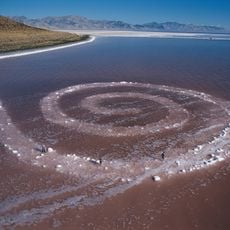
The lake lends its name to Salt Lake City, which Brigham Young originally called "Great Salt Lake City." Since the 1950s brine shrimp have been harvested in large numbers and sold as fish food, and the lake is also the site of Robert Smithson's 1970 land artwork Spiral Jetty.
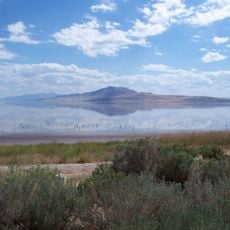
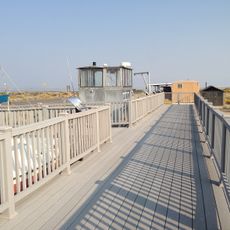
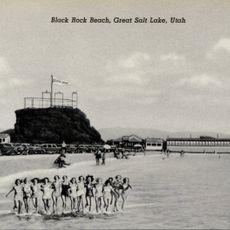
Visitors can drive to the shore and swim, but the water leaves a thick layer of salt on the skin that requires rinsing. Water levels change dramatically, so beaches and access points may look different from year to year.
Certain bacteria in the water produce red and orange pigments that turn whole sections of the lake into bright colors. These color patterns are especially visible from the air and shift with the season and salt content.
The community of curious travelers
AroundUs brings together thousands of curated places, local tips, and hidden gems, enriched daily by 92,155 contributors worldwide.