See the monuments around you in AROpen chests in the app
Around Us is built for your phone — point your camera at the streets and discover the monuments and places around you in augmented reality.Around Us is built for your phone — chests unlock when you walk, explore and capture nearby places.
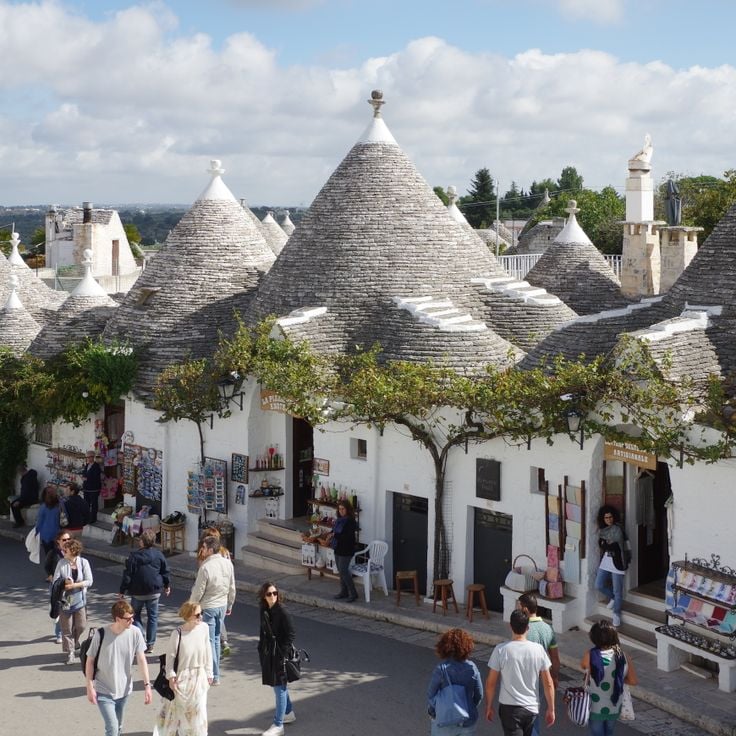
The region of Puglia in the southeast of Italy shows landscapes where each time has left its mark. Along the Adriatic and Ionian coasts, there are castles like Castel del Monte, with its eight-sided shape from the 13th century, and the fortress of Otranto guarding the port. Lighthouses mark the coastline and remind us of a past when the area watched over the sea against invaders. Inland, you see the Trulli of Alberobello, small white houses with cone-shaped stone roofs, forming entire neighborhoods, and Specchia, a village on a hill with streets that spiral upward.
The nature of Puglia is also seen in the underground caves of Castellana, with rooms carved by water, and in the rocky bays of Polignano a Mare, where the town clings to the cliffs. At Torre Guaceto, the natural reserve protects dunes and marshes where migratory birds nest. Near Monte Sant'Angelo, the Santa Maria di Pulsano monastery hides in a wooded valley, and Gravina in Puglia surprises with its troglodyte houses cut in tuff. The thermal springs of Santa Cesarea Terme, with warm water caves facing the sea, add a different touch to this region where history and land meet with every step.
The region of Puglia in the southeast of Italy shows landscapes where each time has left its mark. Along the Adriatic and Ionian coasts, there are castles like Castel del Monte, with its eight-sided shape from the 13th century, and the fortress of Otranto guarding the port. Lighthouses mark the coastline and remind us of a past when the area watched over the sea against invaders. Inland, you see the Trulli of Alberobello, small white houses with cone-shaped stone roofs, forming entire neighborhoods, and Specchia, a village on a hill with streets that spiral upward.
The nature of Puglia is also seen in the underground caves of Castellana, with rooms carved by water, and in the rocky bays of Polignano a Mare, where the town clings to the cliffs. At Torre Guaceto, the natural reserve protects dunes and marshes where migratory birds nest. Near Monte Sant'Angelo, the Santa Maria di Pulsano monastery hides in a wooded valley, and Gravina in Puglia surprises with its troglodyte houses cut in tuff. The thermal springs of Santa Cesarea Terme, with warm water caves facing the sea, add a different touch to this region where history and land meet with every step.
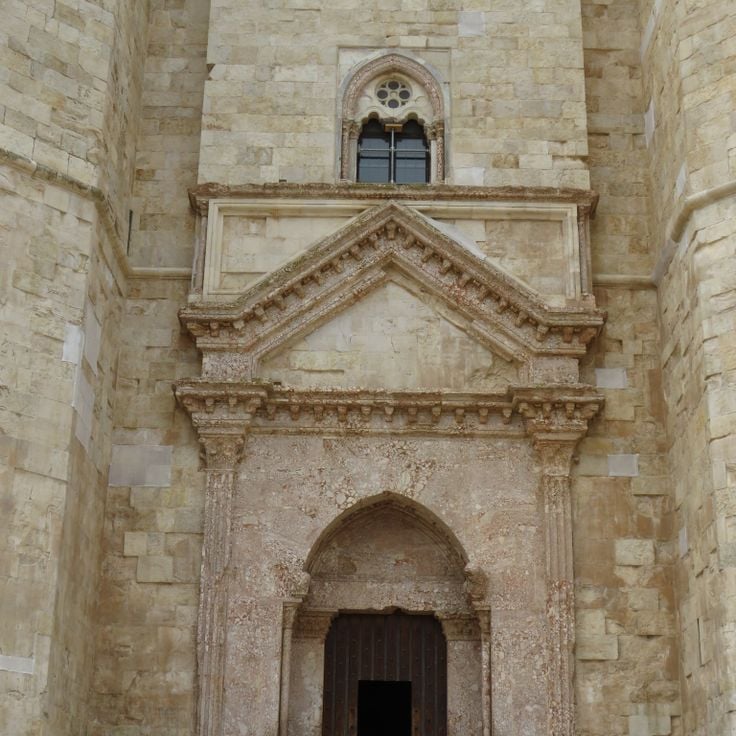
Castel del Monte in Andria is a 13th-century octagonal stone fortress that stands as a key example of medieval fortification within this collection of historical sites across Apulia. The castle features an inner courtyard surrounded by eight towers arranged in perfect symmetry, demonstrating distinctive building techniques of the period.
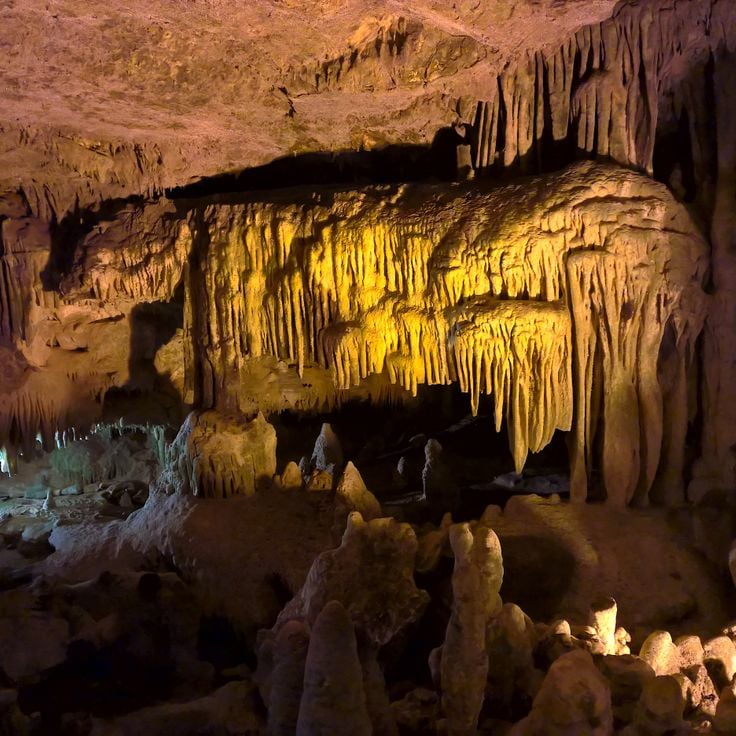
The Grotte di Castellana are limestone caves that extend three kilometers underground and display passages, stalactites and mineral formations that have developed over thousands of years. This natural site is part of the Apulia region's geological heritage, revealing the underground structure of southern Italy. The cave system shows how water and minerals slowly shape the landscape beneath the surface. Visitors walk through passages and chambers to observe the different textures and colors created by mineral deposits.
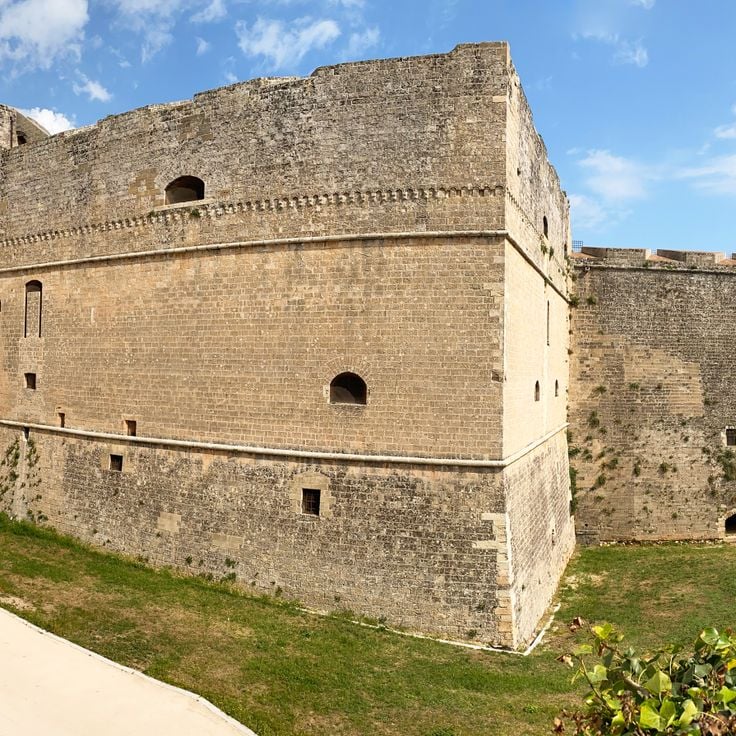
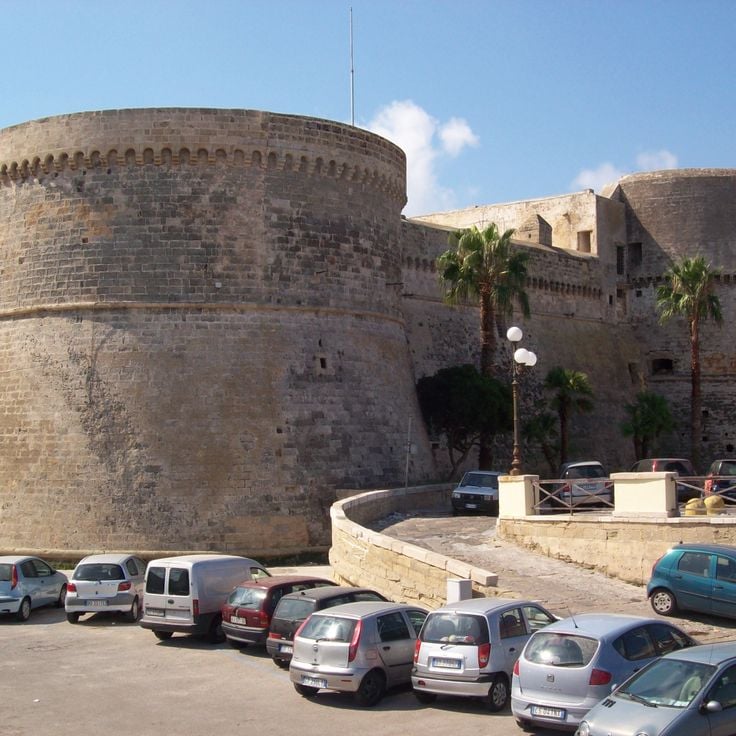
Otranto Castle is an Aragonese fortress from the 15th century and is part of the historical sites of the Apulia region, which contains castles, Greek temple ruins and coastal towers between the Adriatic and Ionian seas. The fortress has stone walls, three towers and a water moat on the coast.
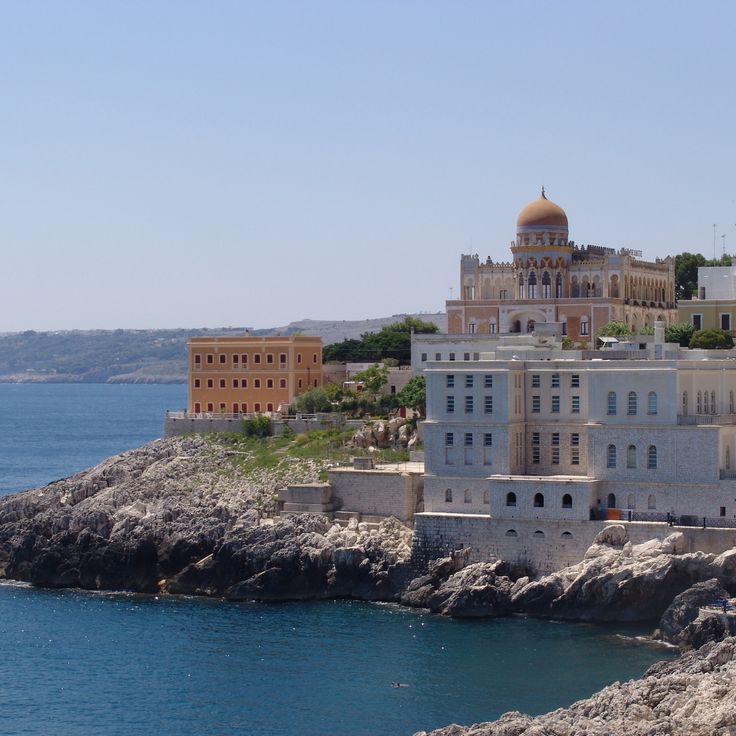
Santa Cesarea Terme is a thermal town in the Apulia region, part of southern Italy's castles, Greek temple ruins and coastal towers. The town features sulfur springs that rise in sea caves and Art Nouveau buildings from the 1800s. These thermal facilities reflect the deep history of the area, where ancient Greek and Roman remains sit alongside traditional architecture and medieval structures.
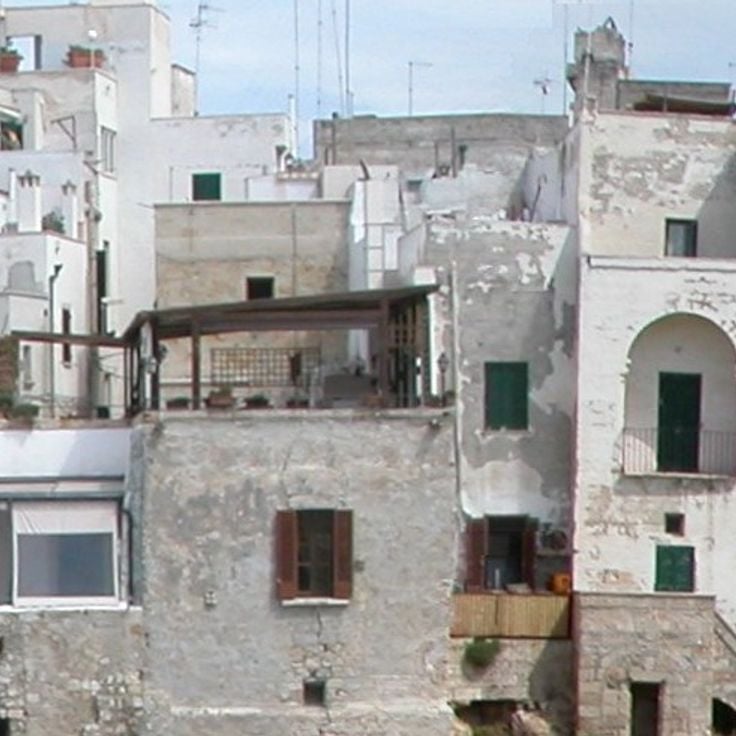
Specchia is a medieval settlement in southern Apulia with stone walls, winding lanes and white houses built from local limestone. The town fits into the region's history of castles, Greek temple ruins and medieval fortresses between the Adriatic and Ionian seas. The traditional architecture of Specchia shows how people lived in this area and reveals the character of southern Italy's landscape.
Alberobello is a settlement with traditional round Trulli houses from the 14th century that represent the distinctive stone architecture of this collection of historical sites and natural areas in Apulia. The houses feature limestone roofs ending in cone shapes, creating the town's characteristic appearance.
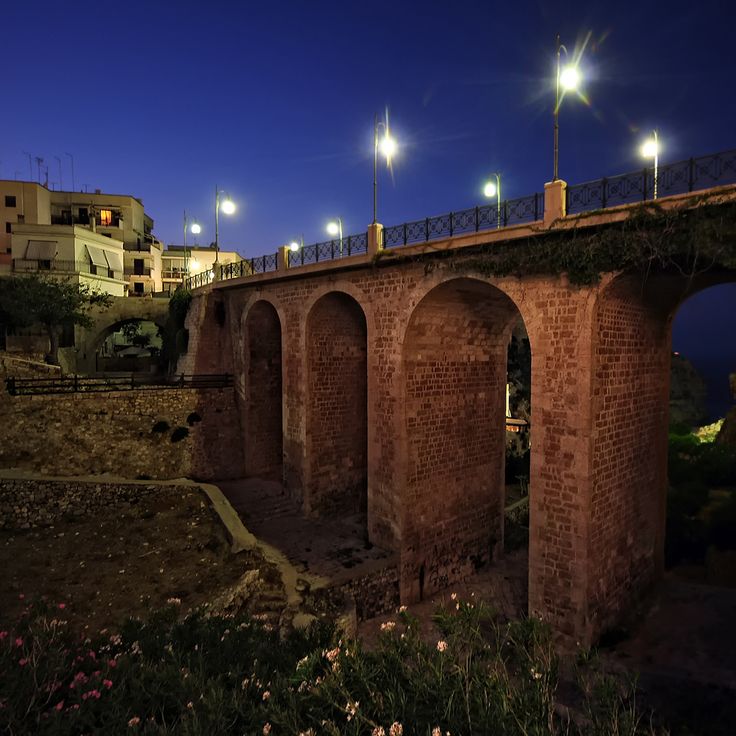
Polignano a Mare is a port town within the historical sites and natural areas of Apulia. The town sits on limestone cliffs and features an old district alongside underground caves that open directly onto the Adriatic Sea. The distinctive architecture and dramatic coastal setting make this place an important example of how communities have settled along the region's rocky shoreline.
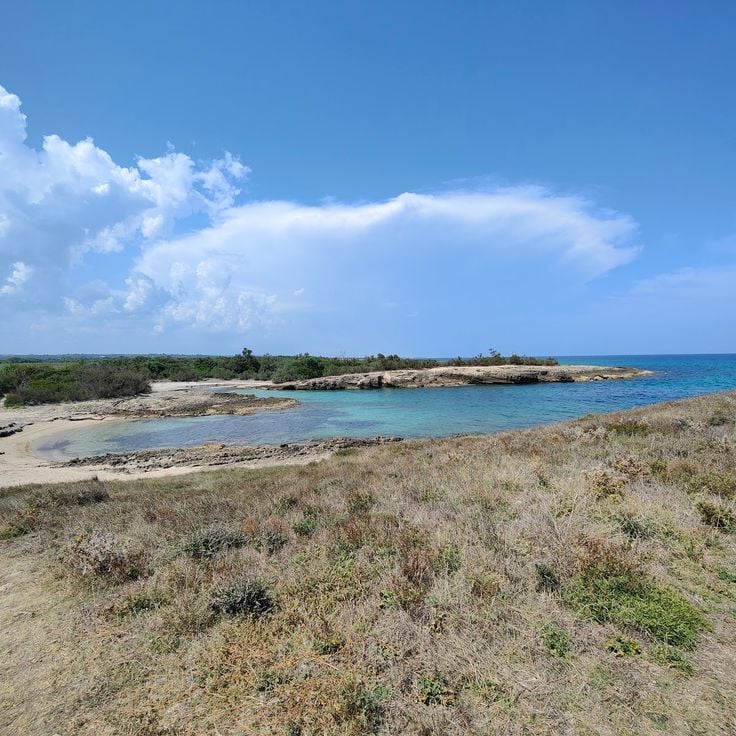
Torre Guaceto is a protected area near Carovigno in Apulia featuring a sandy beach and maquis shrubland along the Mediterranean coast. The tower itself dates to the 16th century and was built as a defensive structure against pirate raids. This coastal tower represents the network of fortifications that once protected the Apulian coastline between the Adriatic and Ionian seas.
The Abbey of Santa Maria di Pulsano sits on a hill near Monte Sant'Angelo and represents one of the important religious sites in Apulia. The monastery holds a collection of historical manuscripts from the 12th century. This place combines medieval history with the natural landscape of southern Italy between the Adriatic and Ionian seas.
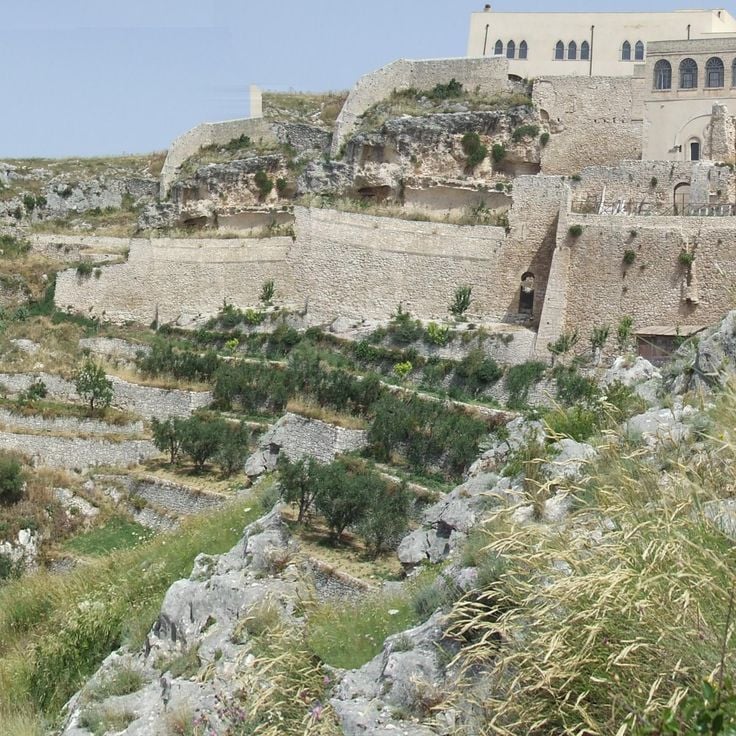
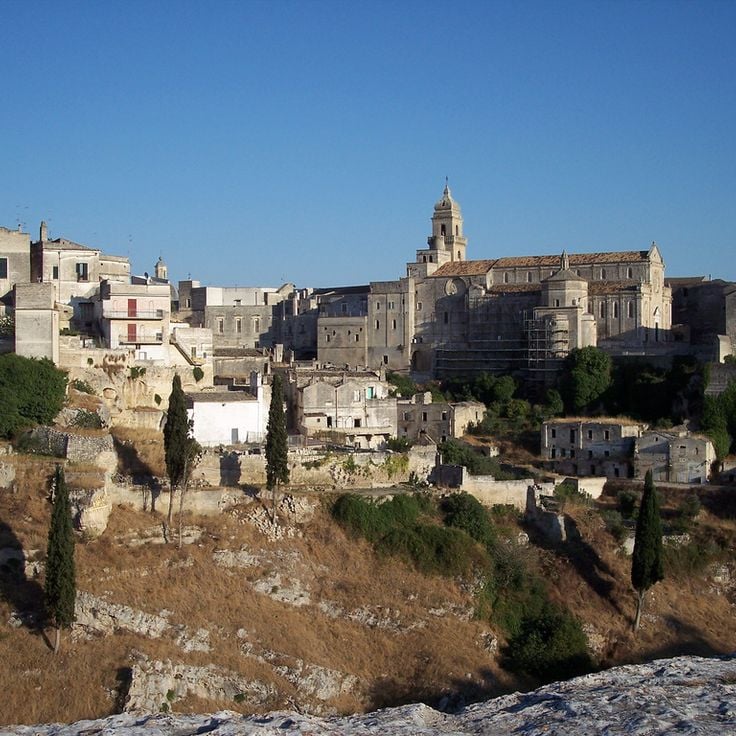
Gravina in Puglia is an ancient city nestled along a deep ravine with a system of caves and underground passages. This town fits into Apulia's story of medieval fortresses, cathedrals, and archaeological sites that display Greek and Roman artifacts. The city shows the stone architecture and regional heritage of southern Italy, situated between the Adriatic and Ionian seas.
Cisternino is a historical center in Apulia featuring white houses, stone arches and local restaurants serving regional meat dishes. It represents one of the historic towns in the region alongside castles, Greek temple ruins and coastal towers that stretch between the Adriatic and Ionian seas.
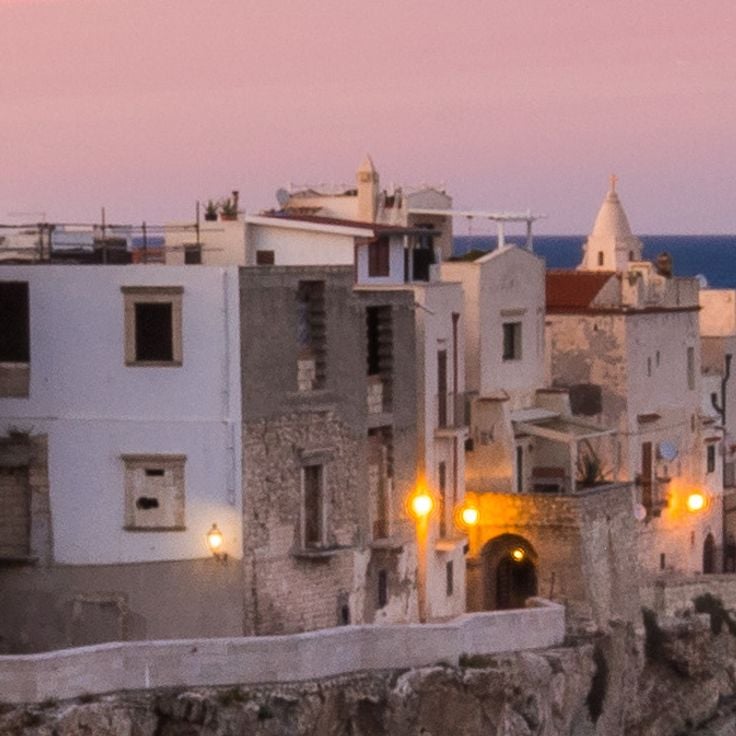
Vieste is a port town on a peninsula in the Apulia region of southern Italy and is part of this collection of historical sites and natural areas. The town features a medieval castle and a striking natural limestone monolith called Pizzomunno that rises from the sea. This location combines history with natural features and reflects the coastal landscape between the Adriatic and Ionian seas.
Lama Monachile is a beach cove in Polignano a Mare framed by tall rocky cliffs. The shore sits in a small inlet where steep stone walls rise straight from the water. The cove opens to the sea, and the cliffs create a sheltered feeling. This is one of the natural areas in Apulia where the coastline shows the dramatic meeting of rock and water.
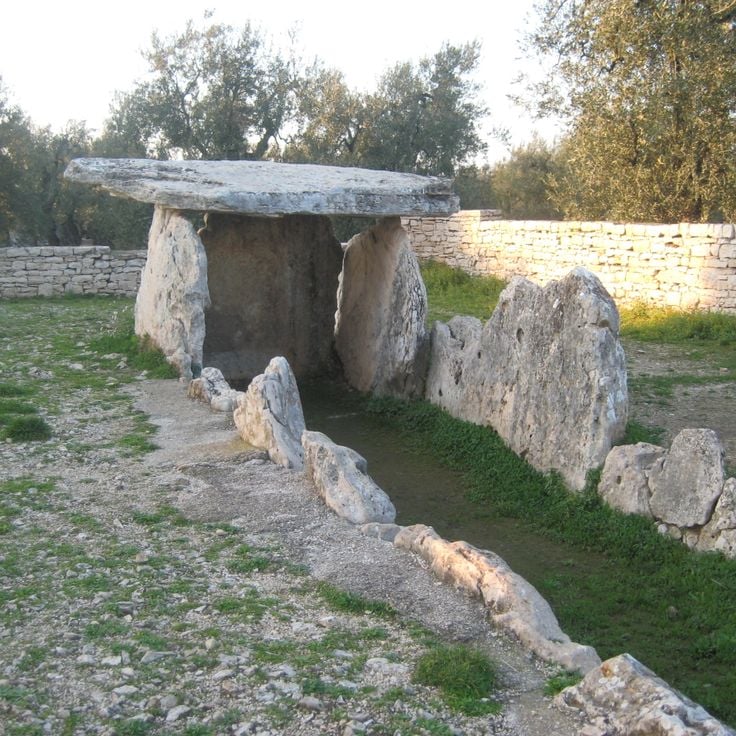
The Dolmen di Bisceglie is a prehistoric megalithic tomb located in the Apulia region of southern Italy. It stands among the historical sites of this area, where Greek temple ruins, medieval fortresses, and archaeological sites reveal the long history of human settlement. This ancient structure shows how early people in Apulia buried their dead and organized their communities in prehistoric times.
The Riserva Naturale Statale Le Cesine in Vernole is a protected wetland within Apulia's natural heritage landscape. This reserve protects diverse plant and animal species and represents the ecosystems found between the Adriatic and Ionian seas. The wetland serves as a sanctuary for wildlife and demonstrates the region's commitment to preserving its natural spaces alongside its historical castles, temples and traditional architecture.
Gallipoli Castle is a fortress with a storied history facing the Ionian Sea. It is part of the many medieval fortresses and coastal towers that characterize the Apulia region, scattered between the Adriatic and Ionian seas. This castle demonstrates the strategic importance of this area in southern Italy.
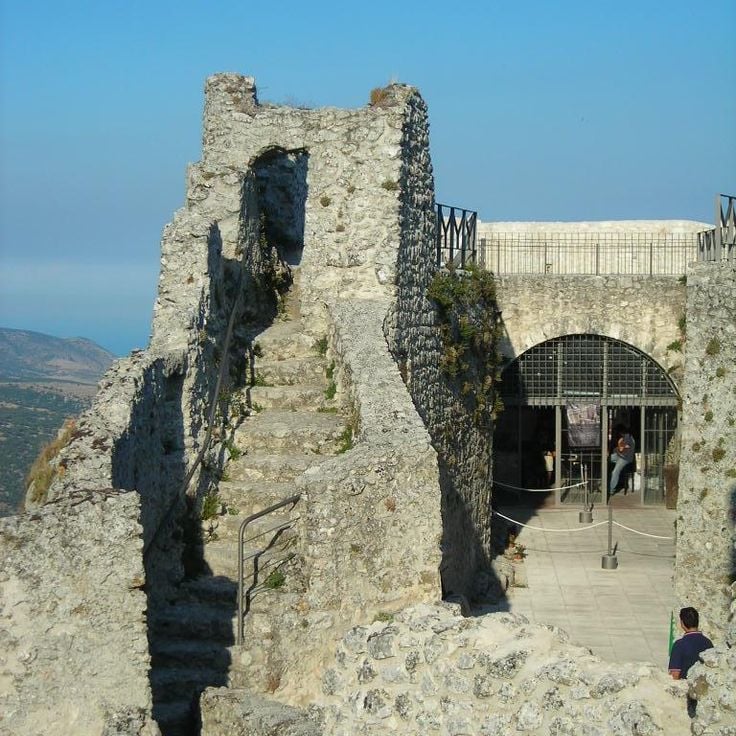
The Castle of Monte Sant'Angelo is a medieval military complex in the Apulia region, built on a limestone hill with watchtowers and featuring a cave from the 5th century. It shows the defensive architecture of its time and offers insight into the regional fortifications that once protected the coastline between the Adriatic and Ionian seas.
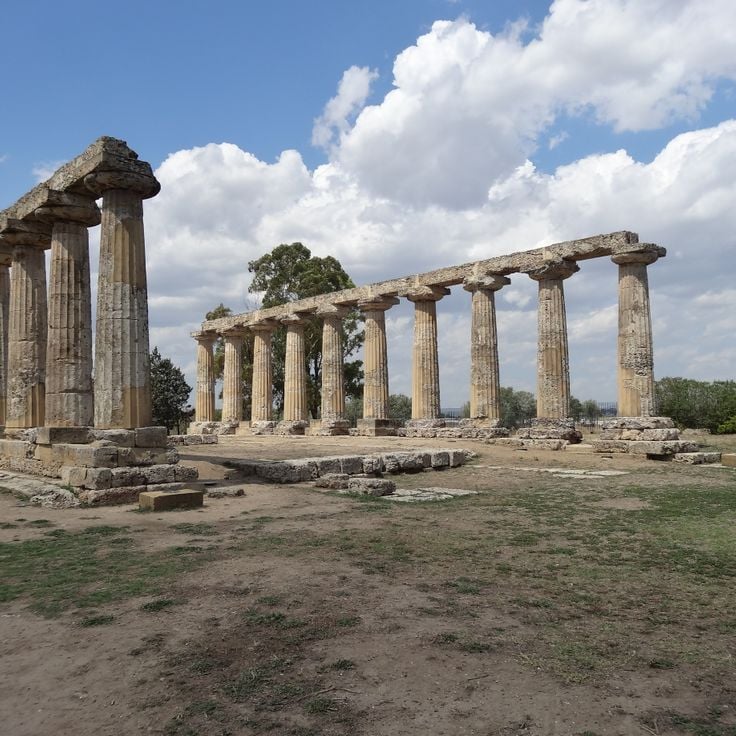
Tavole Palatine is an ancient Doric temple with fifteen columns built in the 6th century BC in Metaponto. This ruin belongs to the archaeological sites of Apulia that display Greek and Roman artifacts and document the rich history of the region. The temple stands on the coast between the Adriatic and Ionian seas and testifies to the ancient settlement of this southern Italian area.
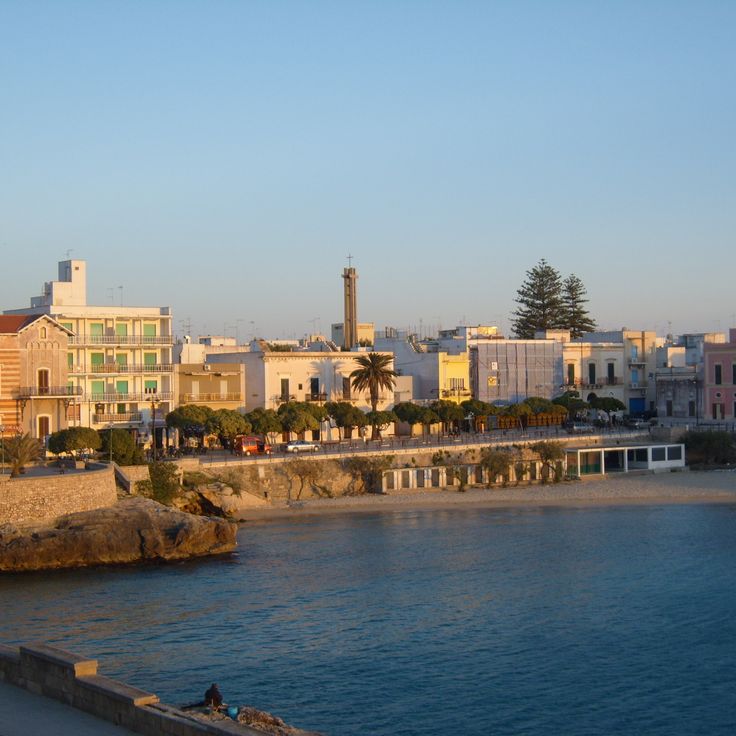
Santa Maria al Bagno Beach is part of Apulia's coastal heritage between the Adriatic and Ionian seas. This coastal area features white rocks and Mediterranean plants alongside historic buildings from the 19th century that reflect the region's long history.
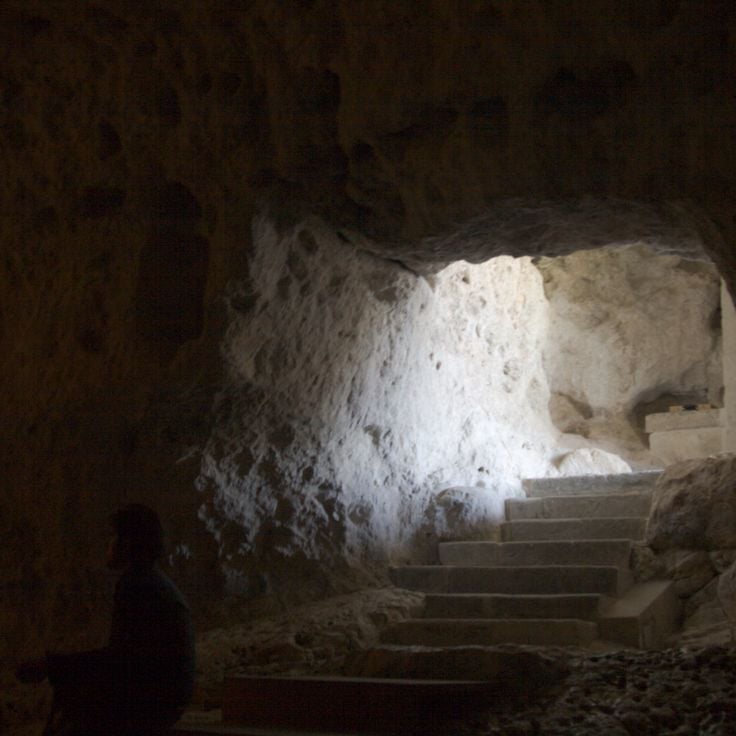
The Crypt of Original Sin in Matera is an underground chapel from the 9th century that belongs to the archaeological sites within the Apulia region. It contains wall paintings depicting scenes from the Old Testament and demonstrates the artistic traditions of the area during the medieval period. The chapel sits beneath the ground level and reveals religious imagery that helps visitors understand the spiritual and cultural life of past centuries.
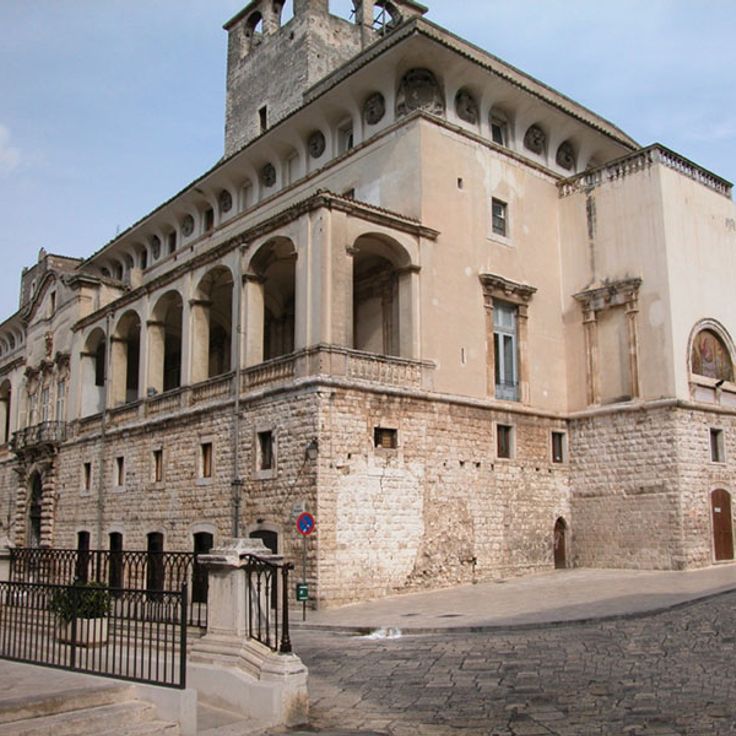
The Palazzo De Mari in Acquaviva delle Fonti is a historic palace that belongs to the rich architectural landscape of Apulia. This building displays the construction methods and design of past centuries and contributes to understanding the cultural heritage of a region known for its medieval fortresses, cathedrals, and traditional stone architecture.
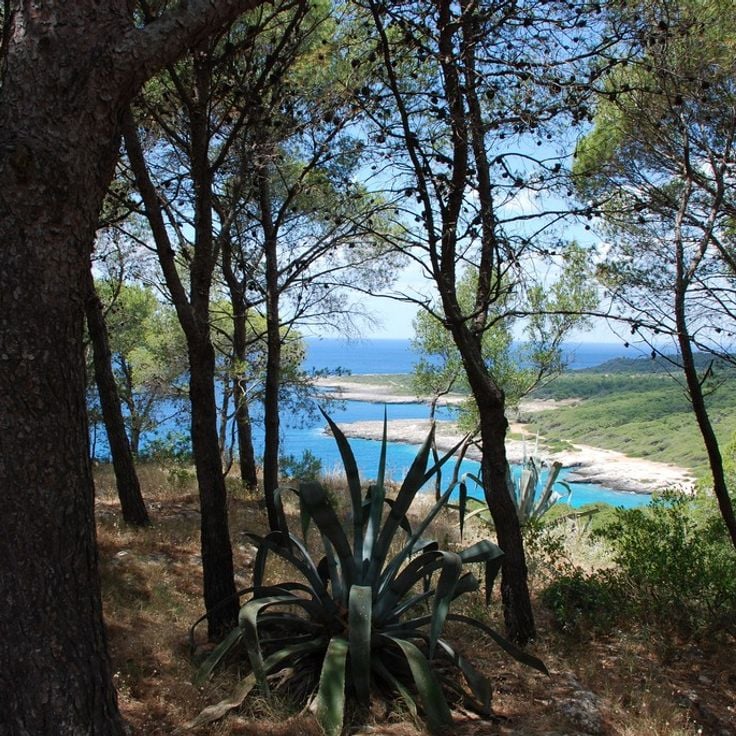
Porto Selvaggio is a nature park on the coast of Apulia between the Adriatic and Ionian seas. The park features rocky cliffs and coves with turquoise water. The area is part of a region known for medieval fortresses, ancient temple ruins and traditional stone architecture. The park protects Mediterranean coastal land and its natural shoreline.
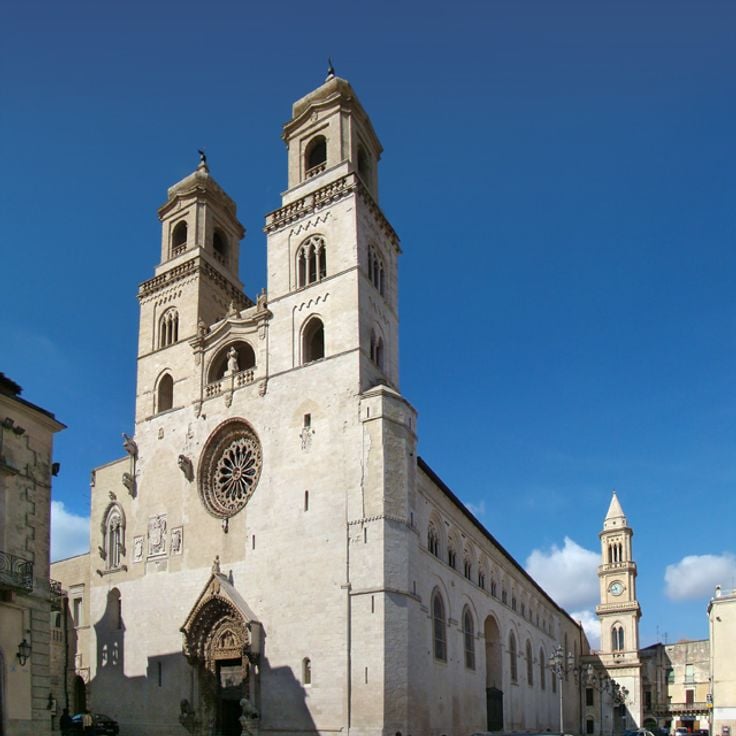
Altamura Cathedral is a Romanesque church located in the town of Altamura in Apulia. The building displays the architectural features of the Romanesque style, with an elaborate carved portal as its notable detail. This cathedral has shaped the character of the town and represents the medieval building traditions of southern Italy.
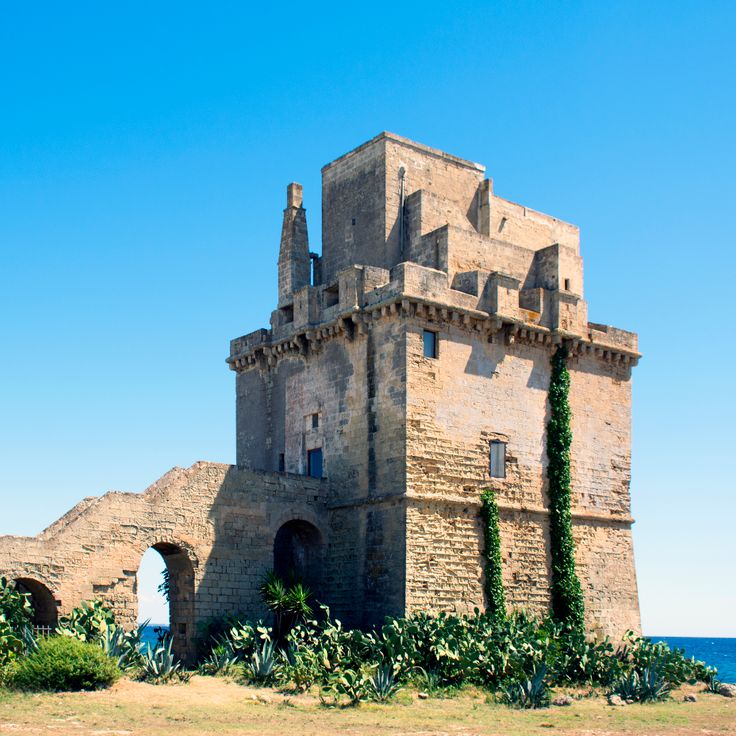
The Torre Colimena is a coastal watchtower in Manduria that now serves as a landmark for the adjacent Salina dei Monaci nature reserve. This historical tower is part of the medieval fortresses and coastal defense structures that characterize the Apulia region between the Adriatic and Ionian seas. The tower reflects the defensive heritage of this southern Italian coastline.
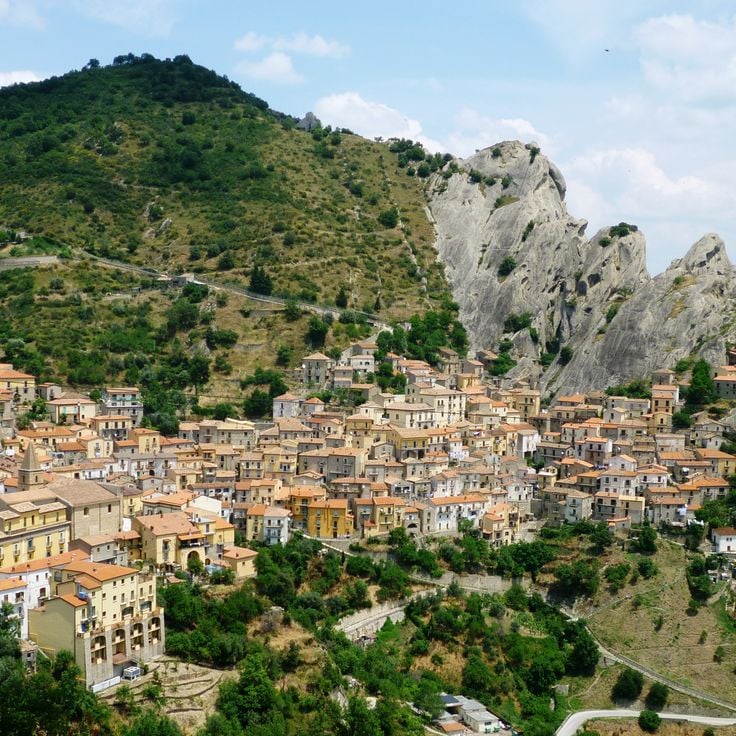
The limestone cliffs of Castelmezzano form part of the natural areas in the Apulia region and create a vertical climbing wall with challenging routes. A via ferrata path winds through the rock formation at about 1000 meters altitude, offering climbers and hikers a way to experience the geology of southern Italy. These cliffs showcase the landscape between the Adriatic and Ionian seas that defines the region.
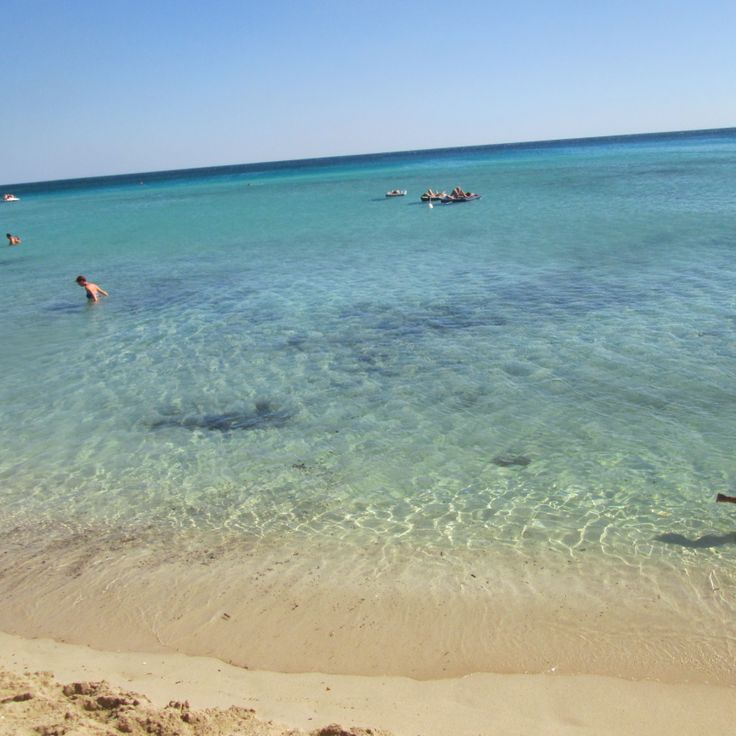
Punta Prosciutto Beach is part of the natural areas of Apulia, located in the Salento between the Adriatic and Ionian seas. This beach has fine sand and offers a gradual entry into the water. Behind the shoreline, dunes rise up across the hinterland. The water becomes warm in summer months and invites swimming.
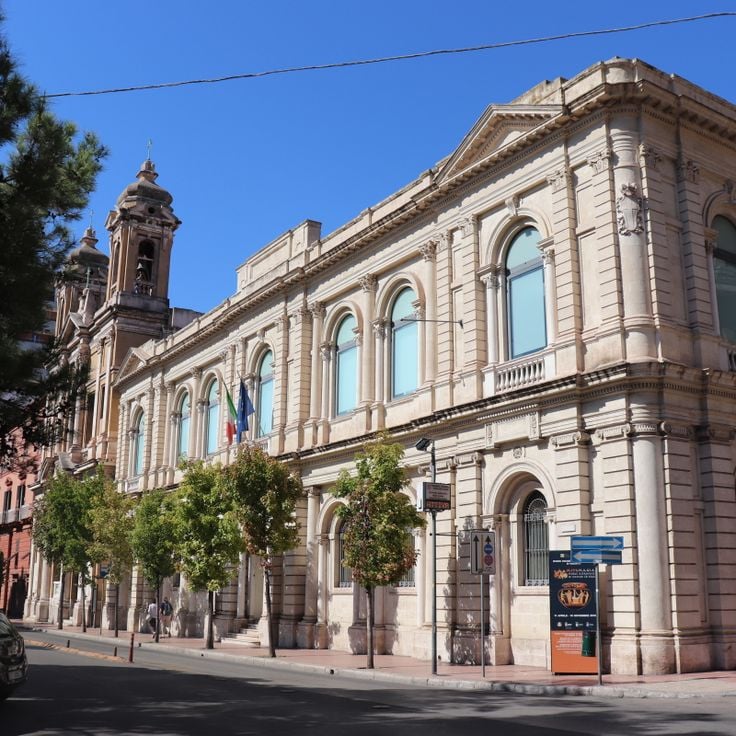
The MarTa Archaeological Museum in Taranto presents artifacts from the ancient history of the Apulia region and complements the historical sites and natural areas found throughout the region. The collection features Roman statues, Greek vases and mosaics displayed across three floors, illustrating the cultural layers between the Adriatic and Ionian seas.
Castel del Monte in Andria is a 13th-century octagonal stone fortress that stands as a key example of medieval fortification within this collection of historical sites across Apulia. The castle features an inner courtyard surrounded by eight towers arranged in perfect symmetry, demonstrating distinctive building techniques of the period.
The Grotte di Castellana are limestone caves that extend three kilometers underground and display passages, stalactites and mineral formations that have developed over thousands of years. This natural site is part of the Apulia region's geological heritage, revealing the underground structure of southern Italy. The cave system shows how water and minerals slowly shape the landscape beneath the surface. Visitors walk through passages and chambers to observe the different textures and colors created by mineral deposits.
Otranto Castle is an Aragonese fortress from the 15th century and is part of the historical sites of the Apulia region, which contains castles, Greek temple ruins and coastal towers between the Adriatic and Ionian seas. The fortress has stone walls, three towers and a water moat on the coast.
Santa Cesarea Terme is a thermal town in the Apulia region, part of southern Italy's castles, Greek temple ruins and coastal towers. The town features sulfur springs that rise in sea caves and Art Nouveau buildings from the 1800s. These thermal facilities reflect the deep history of the area, where ancient Greek and Roman remains sit alongside traditional architecture and medieval structures.
Specchia is a medieval settlement in southern Apulia with stone walls, winding lanes and white houses built from local limestone. The town fits into the region's history of castles, Greek temple ruins and medieval fortresses between the Adriatic and Ionian seas. The traditional architecture of Specchia shows how people lived in this area and reveals the character of southern Italy's landscape.
Alberobello is a settlement with traditional round Trulli houses from the 14th century that represent the distinctive stone architecture of this collection of historical sites and natural areas in Apulia. The houses feature limestone roofs ending in cone shapes, creating the town's characteristic appearance.
Polignano a Mare is a port town within the historical sites and natural areas of Apulia. The town sits on limestone cliffs and features an old district alongside underground caves that open directly onto the Adriatic Sea. The distinctive architecture and dramatic coastal setting make this place an important example of how communities have settled along the region's rocky shoreline.
Torre Guaceto is a protected area near Carovigno in Apulia featuring a sandy beach and maquis shrubland along the Mediterranean coast. The tower itself dates to the 16th century and was built as a defensive structure against pirate raids. This coastal tower represents the network of fortifications that once protected the Apulian coastline between the Adriatic and Ionian seas.
The Abbey of Santa Maria di Pulsano sits on a hill near Monte Sant'Angelo and represents one of the important religious sites in Apulia. The monastery holds a collection of historical manuscripts from the 12th century. This place combines medieval history with the natural landscape of southern Italy between the Adriatic and Ionian seas.
Gravina in Puglia is an ancient city nestled along a deep ravine with a system of caves and underground passages. This town fits into Apulia's story of medieval fortresses, cathedrals, and archaeological sites that display Greek and Roman artifacts. The city shows the stone architecture and regional heritage of southern Italy, situated between the Adriatic and Ionian seas.
Cisternino is a historical center in Apulia featuring white houses, stone arches and local restaurants serving regional meat dishes. It represents one of the historic towns in the region alongside castles, Greek temple ruins and coastal towers that stretch between the Adriatic and Ionian seas.
Vieste is a port town on a peninsula in the Apulia region of southern Italy and is part of this collection of historical sites and natural areas. The town features a medieval castle and a striking natural limestone monolith called Pizzomunno that rises from the sea. This location combines history with natural features and reflects the coastal landscape between the Adriatic and Ionian seas.
Lama Monachile is a beach cove in Polignano a Mare framed by tall rocky cliffs. The shore sits in a small inlet where steep stone walls rise straight from the water. The cove opens to the sea, and the cliffs create a sheltered feeling. This is one of the natural areas in Apulia where the coastline shows the dramatic meeting of rock and water.
The Dolmen di Bisceglie is a prehistoric megalithic tomb located in the Apulia region of southern Italy. It stands among the historical sites of this area, where Greek temple ruins, medieval fortresses, and archaeological sites reveal the long history of human settlement. This ancient structure shows how early people in Apulia buried their dead and organized their communities in prehistoric times.
The Riserva Naturale Statale Le Cesine in Vernole is a protected wetland within Apulia's natural heritage landscape. This reserve protects diverse plant and animal species and represents the ecosystems found between the Adriatic and Ionian seas. The wetland serves as a sanctuary for wildlife and demonstrates the region's commitment to preserving its natural spaces alongside its historical castles, temples and traditional architecture.
Gallipoli Castle is a fortress with a storied history facing the Ionian Sea. It is part of the many medieval fortresses and coastal towers that characterize the Apulia region, scattered between the Adriatic and Ionian seas. This castle demonstrates the strategic importance of this area in southern Italy.
The Castle of Monte Sant'Angelo is a medieval military complex in the Apulia region, built on a limestone hill with watchtowers and featuring a cave from the 5th century. It shows the defensive architecture of its time and offers insight into the regional fortifications that once protected the coastline between the Adriatic and Ionian seas.
Tavole Palatine is an ancient Doric temple with fifteen columns built in the 6th century BC in Metaponto. This ruin belongs to the archaeological sites of Apulia that display Greek and Roman artifacts and document the rich history of the region. The temple stands on the coast between the Adriatic and Ionian seas and testifies to the ancient settlement of this southern Italian area.
Santa Maria al Bagno Beach is part of Apulia's coastal heritage between the Adriatic and Ionian seas. This coastal area features white rocks and Mediterranean plants alongside historic buildings from the 19th century that reflect the region's long history.
The Crypt of Original Sin in Matera is an underground chapel from the 9th century that belongs to the archaeological sites within the Apulia region. It contains wall paintings depicting scenes from the Old Testament and demonstrates the artistic traditions of the area during the medieval period. The chapel sits beneath the ground level and reveals religious imagery that helps visitors understand the spiritual and cultural life of past centuries.
The Palazzo De Mari in Acquaviva delle Fonti is a historic palace that belongs to the rich architectural landscape of Apulia. This building displays the construction methods and design of past centuries and contributes to understanding the cultural heritage of a region known for its medieval fortresses, cathedrals, and traditional stone architecture.
Porto Selvaggio is a nature park on the coast of Apulia between the Adriatic and Ionian seas. The park features rocky cliffs and coves with turquoise water. The area is part of a region known for medieval fortresses, ancient temple ruins and traditional stone architecture. The park protects Mediterranean coastal land and its natural shoreline.
Altamura Cathedral is a Romanesque church located in the town of Altamura in Apulia. The building displays the architectural features of the Romanesque style, with an elaborate carved portal as its notable detail. This cathedral has shaped the character of the town and represents the medieval building traditions of southern Italy.
The Torre Colimena is a coastal watchtower in Manduria that now serves as a landmark for the adjacent Salina dei Monaci nature reserve. This historical tower is part of the medieval fortresses and coastal defense structures that characterize the Apulia region between the Adriatic and Ionian seas. The tower reflects the defensive heritage of this southern Italian coastline.
The limestone cliffs of Castelmezzano form part of the natural areas in the Apulia region and create a vertical climbing wall with challenging routes. A via ferrata path winds through the rock formation at about 1000 meters altitude, offering climbers and hikers a way to experience the geology of southern Italy. These cliffs showcase the landscape between the Adriatic and Ionian seas that defines the region.
Punta Prosciutto Beach is part of the natural areas of Apulia, located in the Salento between the Adriatic and Ionian seas. This beach has fine sand and offers a gradual entry into the water. Behind the shoreline, dunes rise up across the hinterland. The water becomes warm in summer months and invites swimming.
The MarTa Archaeological Museum in Taranto presents artifacts from the ancient history of the Apulia region and complements the historical sites and natural areas found throughout the region. The collection features Roman statues, Greek vases and mosaics displayed across three floors, illustrating the cultural layers between the Adriatic and Ionian seas.
Castel del Monte in Andria is a 13th-century octagonal stone fortress that stands as a key example of medieval fortification within this collection of historical sites across Apulia. The castle features an inner courtyard surrounded by eight towers arranged in perfect symmetry, demonstrating distinctive building techniques of the period.
The Grotte di Castellana are limestone caves that extend three kilometers underground and display passages, stalactites and mineral formations that have developed over thousands of years. This natural site is part of the Apulia region's geological heritage, revealing the underground structure of southern Italy. The cave system shows how water and minerals slowly shape the landscape beneath the surface. Visitors walk through passages and chambers to observe the different textures and colors created by mineral deposits.
Otranto Castle is an Aragonese fortress from the 15th century and is part of the historical sites of the Apulia region, which contains castles, Greek temple ruins and coastal towers between the Adriatic and Ionian seas. The fortress has stone walls, three towers and a water moat on the coast.
Santa Cesarea Terme is a thermal town in the Apulia region, part of southern Italy's castles, Greek temple ruins and coastal towers. The town features sulfur springs that rise in sea caves and Art Nouveau buildings from the 1800s. These thermal facilities reflect the deep history of the area, where ancient Greek and Roman remains sit alongside traditional architecture and medieval structures.
Specchia is a medieval settlement in southern Apulia with stone walls, winding lanes and white houses built from local limestone. The town fits into the region's history of castles, Greek temple ruins and medieval fortresses between the Adriatic and Ionian seas. The traditional architecture of Specchia shows how people lived in this area and reveals the character of southern Italy's landscape.
Alberobello is a settlement with traditional round Trulli houses from the 14th century that represent the distinctive stone architecture of this collection of historical sites and natural areas in Apulia. The houses feature limestone roofs ending in cone shapes, creating the town's characteristic appearance.
Polignano a Mare is a port town within the historical sites and natural areas of Apulia. The town sits on limestone cliffs and features an old district alongside underground caves that open directly onto the Adriatic Sea. The distinctive architecture and dramatic coastal setting make this place an important example of how communities have settled along the region's rocky shoreline.
Torre Guaceto is a protected area near Carovigno in Apulia featuring a sandy beach and maquis shrubland along the Mediterranean coast. The tower itself dates to the 16th century and was built as a defensive structure against pirate raids. This coastal tower represents the network of fortifications that once protected the Apulian coastline between the Adriatic and Ionian seas.
The Abbey of Santa Maria di Pulsano sits on a hill near Monte Sant'Angelo and represents one of the important religious sites in Apulia. The monastery holds a collection of historical manuscripts from the 12th century. This place combines medieval history with the natural landscape of southern Italy between the Adriatic and Ionian seas.
Gravina in Puglia is an ancient city nestled along a deep ravine with a system of caves and underground passages. This town fits into Apulia's story of medieval fortresses, cathedrals, and archaeological sites that display Greek and Roman artifacts. The city shows the stone architecture and regional heritage of southern Italy, situated between the Adriatic and Ionian seas.
Cisternino is a historical center in Apulia featuring white houses, stone arches and local restaurants serving regional meat dishes. It represents one of the historic towns in the region alongside castles, Greek temple ruins and coastal towers that stretch between the Adriatic and Ionian seas.
Vieste is a port town on a peninsula in the Apulia region of southern Italy and is part of this collection of historical sites and natural areas. The town features a medieval castle and a striking natural limestone monolith called Pizzomunno that rises from the sea. This location combines history with natural features and reflects the coastal landscape between the Adriatic and Ionian seas.
Lama Monachile is a beach cove in Polignano a Mare framed by tall rocky cliffs. The shore sits in a small inlet where steep stone walls rise straight from the water. The cove opens to the sea, and the cliffs create a sheltered feeling. This is one of the natural areas in Apulia where the coastline shows the dramatic meeting of rock and water.
The Dolmen di Bisceglie is a prehistoric megalithic tomb located in the Apulia region of southern Italy. It stands among the historical sites of this area, where Greek temple ruins, medieval fortresses, and archaeological sites reveal the long history of human settlement. This ancient structure shows how early people in Apulia buried their dead and organized their communities in prehistoric times.
The Riserva Naturale Statale Le Cesine in Vernole is a protected wetland within Apulia's natural heritage landscape. This reserve protects diverse plant and animal species and represents the ecosystems found between the Adriatic and Ionian seas. The wetland serves as a sanctuary for wildlife and demonstrates the region's commitment to preserving its natural spaces alongside its historical castles, temples and traditional architecture.
Gallipoli Castle is a fortress with a storied history facing the Ionian Sea. It is part of the many medieval fortresses and coastal towers that characterize the Apulia region, scattered between the Adriatic and Ionian seas. This castle demonstrates the strategic importance of this area in southern Italy.
The Castle of Monte Sant'Angelo is a medieval military complex in the Apulia region, built on a limestone hill with watchtowers and featuring a cave from the 5th century. It shows the defensive architecture of its time and offers insight into the regional fortifications that once protected the coastline between the Adriatic and Ionian seas.
Tavole Palatine is an ancient Doric temple with fifteen columns built in the 6th century BC in Metaponto. This ruin belongs to the archaeological sites of Apulia that display Greek and Roman artifacts and document the rich history of the region. The temple stands on the coast between the Adriatic and Ionian seas and testifies to the ancient settlement of this southern Italian area.
Santa Maria al Bagno Beach is part of Apulia's coastal heritage between the Adriatic and Ionian seas. This coastal area features white rocks and Mediterranean plants alongside historic buildings from the 19th century that reflect the region's long history.
The Crypt of Original Sin in Matera is an underground chapel from the 9th century that belongs to the archaeological sites within the Apulia region. It contains wall paintings depicting scenes from the Old Testament and demonstrates the artistic traditions of the area during the medieval period. The chapel sits beneath the ground level and reveals religious imagery that helps visitors understand the spiritual and cultural life of past centuries.
The Palazzo De Mari in Acquaviva delle Fonti is a historic palace that belongs to the rich architectural landscape of Apulia. This building displays the construction methods and design of past centuries and contributes to understanding the cultural heritage of a region known for its medieval fortresses, cathedrals, and traditional stone architecture.
Porto Selvaggio is a nature park on the coast of Apulia between the Adriatic and Ionian seas. The park features rocky cliffs and coves with turquoise water. The area is part of a region known for medieval fortresses, ancient temple ruins and traditional stone architecture. The park protects Mediterranean coastal land and its natural shoreline.
Altamura Cathedral is a Romanesque church located in the town of Altamura in Apulia. The building displays the architectural features of the Romanesque style, with an elaborate carved portal as its notable detail. This cathedral has shaped the character of the town and represents the medieval building traditions of southern Italy.
The Torre Colimena is a coastal watchtower in Manduria that now serves as a landmark for the adjacent Salina dei Monaci nature reserve. This historical tower is part of the medieval fortresses and coastal defense structures that characterize the Apulia region between the Adriatic and Ionian seas. The tower reflects the defensive heritage of this southern Italian coastline.
The limestone cliffs of Castelmezzano form part of the natural areas in the Apulia region and create a vertical climbing wall with challenging routes. A via ferrata path winds through the rock formation at about 1000 meters altitude, offering climbers and hikers a way to experience the geology of southern Italy. These cliffs showcase the landscape between the Adriatic and Ionian seas that defines the region.
Punta Prosciutto Beach is part of the natural areas of Apulia, located in the Salento between the Adriatic and Ionian seas. This beach has fine sand and offers a gradual entry into the water. Behind the shoreline, dunes rise up across the hinterland. The water becomes warm in summer months and invites swimming.
The MarTa Archaeological Museum in Taranto presents artifacts from the ancient history of the Apulia region and complements the historical sites and natural areas found throughout the region. The collection features Roman statues, Greek vases and mosaics displayed across three floors, illustrating the cultural layers between the Adriatic and Ionian seas.