See the monuments around you in AROpen chests in the app
Around Us is built for your phone — point your camera at the streets and discover the monuments and places around you in augmented reality.Around Us is built for your phone — chests unlock when you walk, explore and capture nearby places.
Visit Stuttgart: historic monuments, car museums, and baroque architecture
Stuttgart, the capital of Baden-Württemberg, features a blend of architectural and industrial heritage from the Middle Ages to modern times. The city hosts two car museums: the Mercedes-Benz Museum with 160 vehicles across nine floors, and the Porsche Museum tracing the brand's history since 1948. The historic city center is organized around Schlossplatz, dominated by the baroque New Castle from 1746, and Schillerplatz, where a bronze statue of the poet stands. The Old Castle, a former medieval fortress now housing a regional museum, is situated near modern structures like the municipal library, a nine-story white cube recognizable by its central atrium.
Green spaces punctuate the urban fabric, from Killesberg Park to the castle gardens, while Feuersee, a former fire brigade pond from 1882, reflects the neo-Gothic St. John’s Church. The Market Hall of 1914, decorated with floral and geometric motifs, offers local produce and dining options. Worth a visit are the surroundings: Esslingen am Neckar preserves 200 medieval timber-framed houses and a 13th-century church dedicated to Saint-Denis, while Ludwigsburg Palace displays the baroque art of living in southern Germany.
Visit Stuttgart: historic monuments, car museums, and baroque architecture
Stuttgart, the capital of Baden-Württemberg, features a blend of architectural and industrial heritage from the Middle Ages to modern times. The city hosts two car museums: the Mercedes-Benz Museum with 160 vehicles across nine floors, and the Porsche Museum tracing the brand's history since 1948. The historic city center is organized around Schlossplatz, dominated by the baroque New Castle from 1746, and Schillerplatz, where a bronze statue of the poet stands. The Old Castle, a former medieval fortress now housing a regional museum, is situated near modern structures like the municipal library, a nine-story white cube recognizable by its central atrium.
Green spaces punctuate the urban fabric, from Killesberg Park to the castle gardens, while Feuersee, a former fire brigade pond from 1882, reflects the neo-Gothic St. John’s Church. The Market Hall of 1914, decorated with floral and geometric motifs, offers local produce and dining options. Worth a visit are the surroundings: Esslingen am Neckar preserves 200 medieval timber-framed houses and a 13th-century church dedicated to Saint-Denis, while Ludwigsburg Palace displays the baroque art of living in southern Germany.
In this collection of Stuttgart's historic monuments and architecture, the Upper Palace Garden is a large public park in the city center that surrounds the New Castle with its lawns, fountains, and sculptures. The park connects different neighborhoods and offers walking paths beneath old trees. The green spaces regularly host events, concerts, and festivals that shape the cultural life of the city.
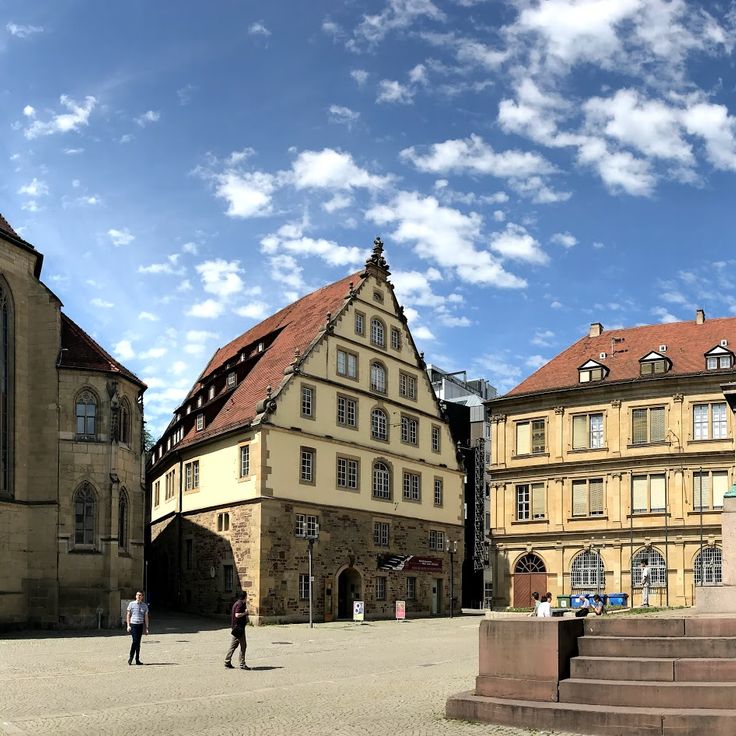
The Schillerplatz forms the historic center of Stuttgart and displays a bronze statue of poet Friedrich Schiller from 1839. This rectangular cobblestone square is surrounded by historic buildings, including the Stiftskirche and the Old Castle. Cafés and shops line the edges of the square, making it a popular meeting point for locals and visitors. The square sits at the heart of Stuttgart's layered history, where medieval structures and modern life coexist.
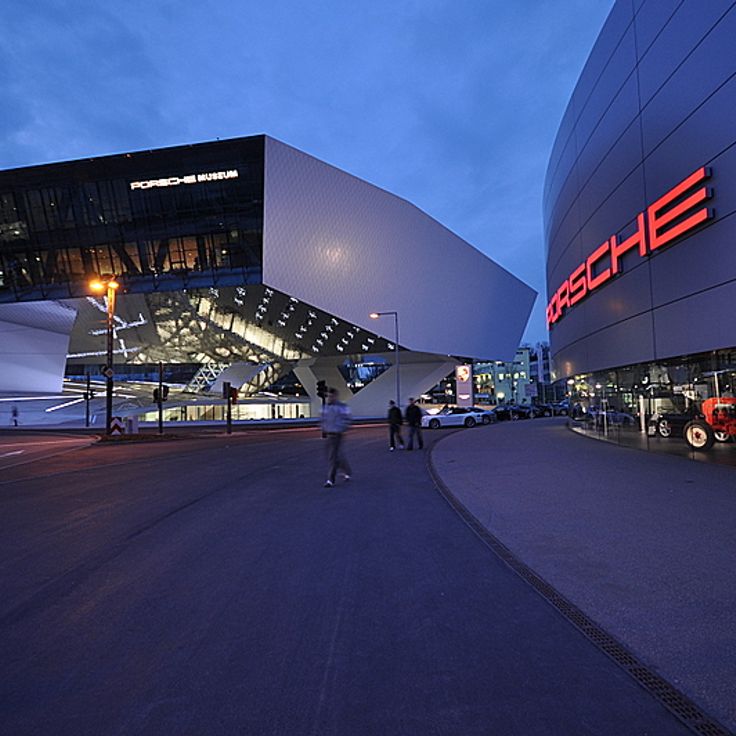
The Porsche Museum in Stuttgart displays the history of the brand from 1948 onward through more than 80 vehicles. Early models such as the 356, motorsport legends, and current vehicles fill three exhibition levels. The collection shows how the brand developed its technical innovations and production designs over time. This museum fits naturally into Stuttgart's story as a center of automotive heritage, alongside the Mercedes-Benz Museum and the city's baroque architecture.
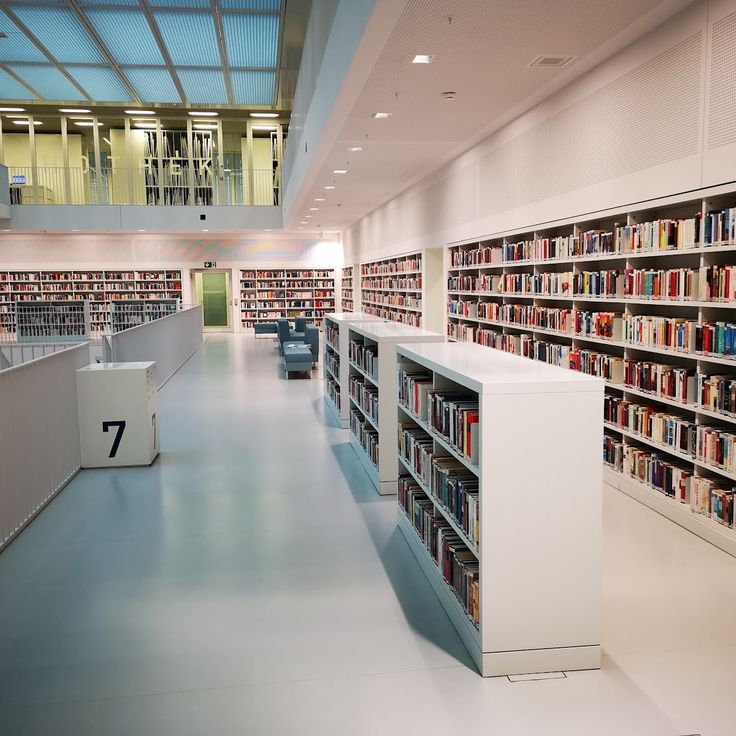
The City Library of Stuttgart is a white cubic building with nine floors that opened in 2011. Inside, a central atrium runs through multiple stories, creating reading and work areas at different levels. The cubic architecture by Korean architect Eun Young Yi brings together functional library spaces with modern design. This building is part of Stuttgart's mix of historic monuments and contemporary architecture, situated near the baroque New Castle and other cultural sites in the city center.
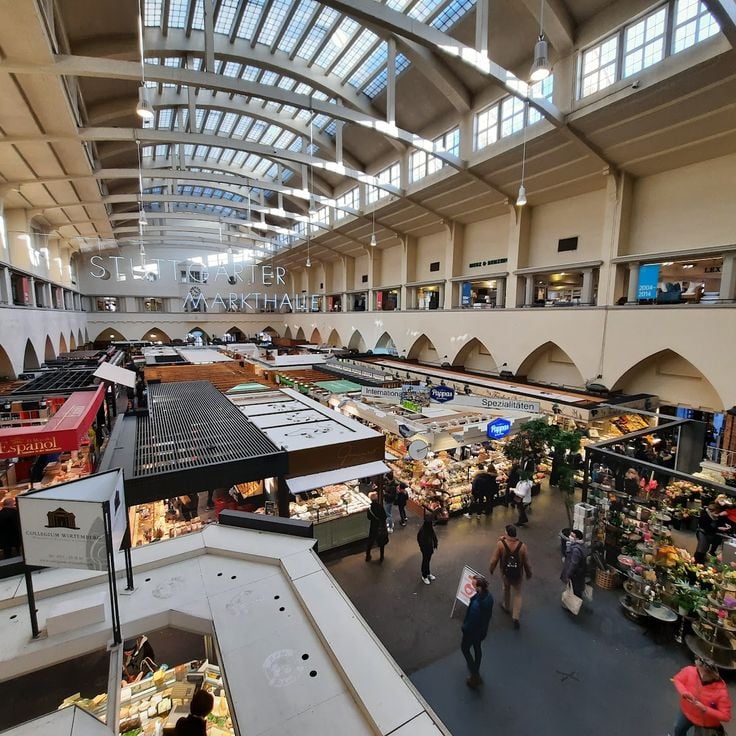
Within this collection, the Markthalle serves as the heart of the market experience in Stuttgart. Constructed in 1914, this building displays Art Nouveau characteristics with floral and geometric motifs adorning its facade and interior spaces. The structure merges iron construction with traditional design elements to create a covered marketplace in the city center. The Markthalle houses food shops, dining establishments, and market stalls offering regional specialties and international products.
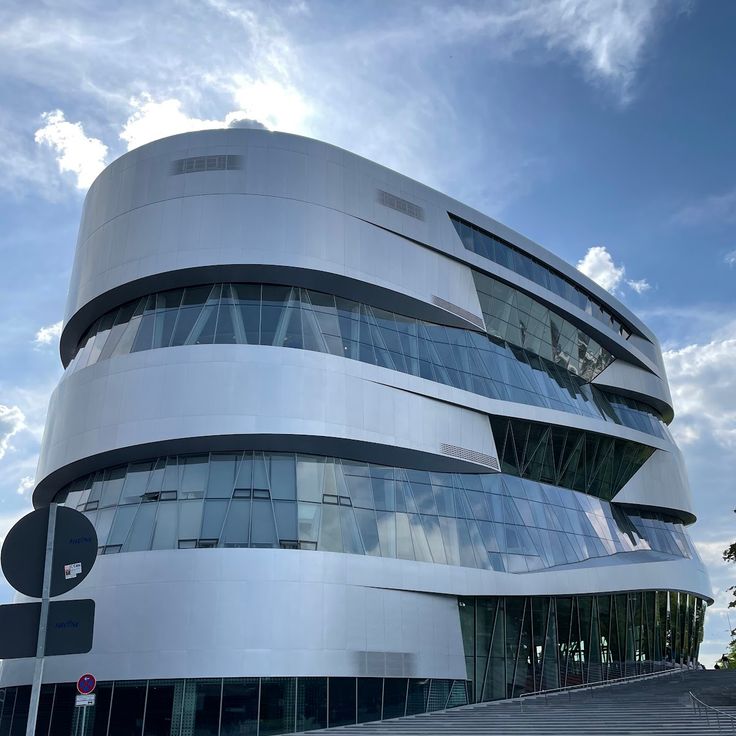
The Mercedes-Benz Museum in Stuttgart displays over 160 historic vehicles of the brand across nine floors of a modern building. This museum traces the development of the automobile from its origins to the present day and fits into the city's broader heritage of industrial and architectural history.
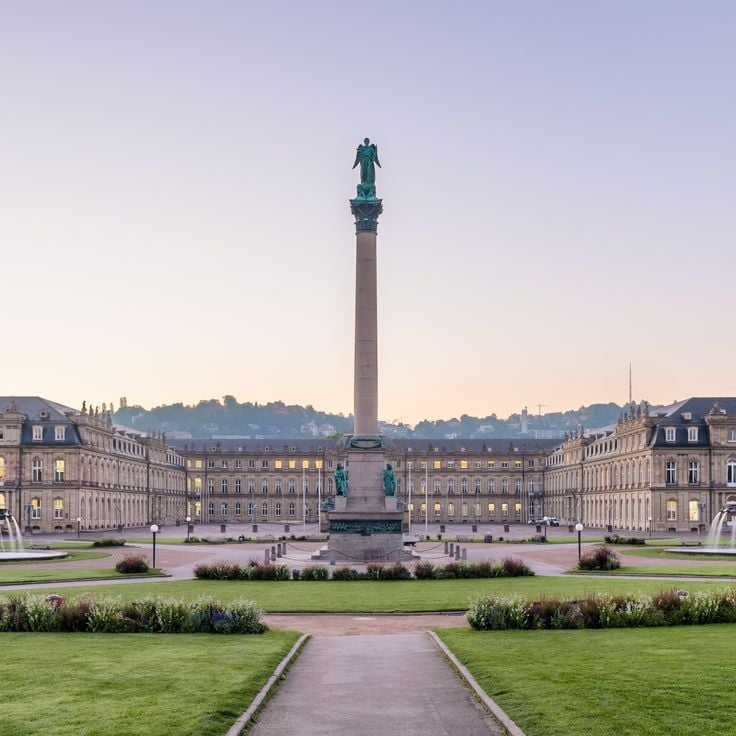
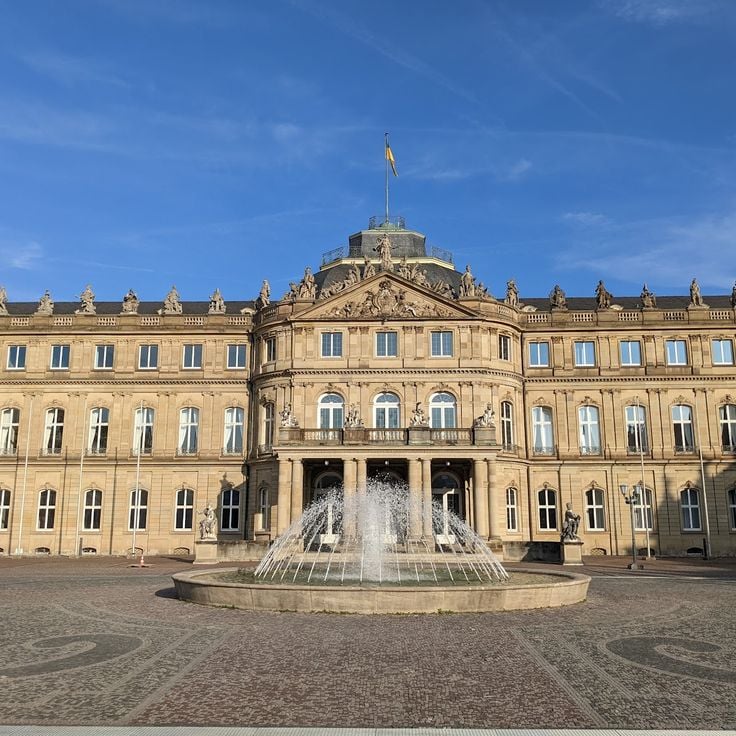
Schlossplatz forms the center of Stuttgart and is bordered by the New Palace from 1746. This baroque residence of the Württemberg court defines the northern side of the square. The Jubilee Column from the 19th century rises in the middle of the area, surrounded by fountains and lawns. Schlossplatz serves as a venue for concerts, public festivals and Christmas markets. The adjacent buildings represent different construction phases of the city's history.
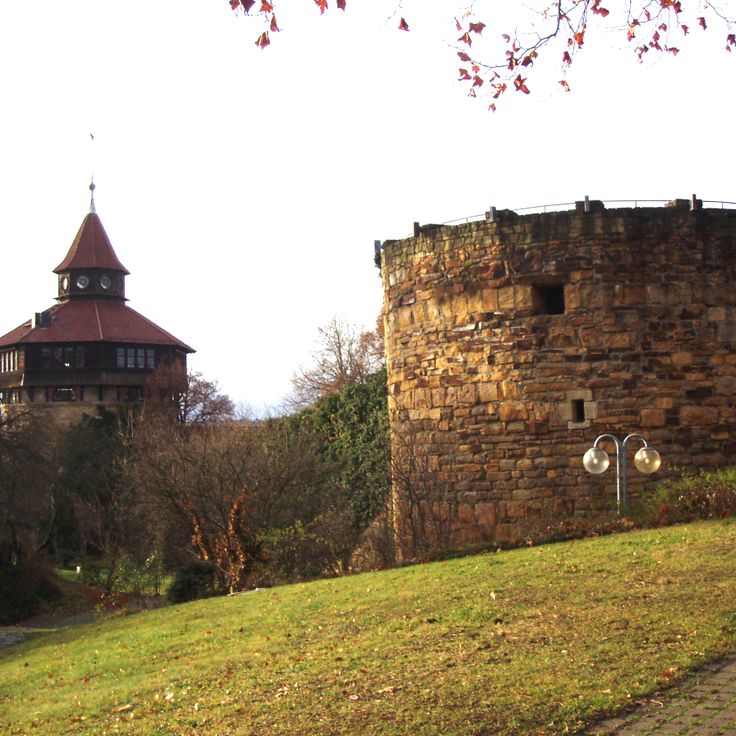
The old town of Esslingen contributes to this Stuttgart collection of historic monuments and baroque architecture. The historic center preserves over 200 timber-framed houses from the Middle Ages that define the character of the place. St. Dionys Church was built in the 13th century with Gothic features. The town hall demonstrates Gothic architecture and tells the story of how this region developed over time.
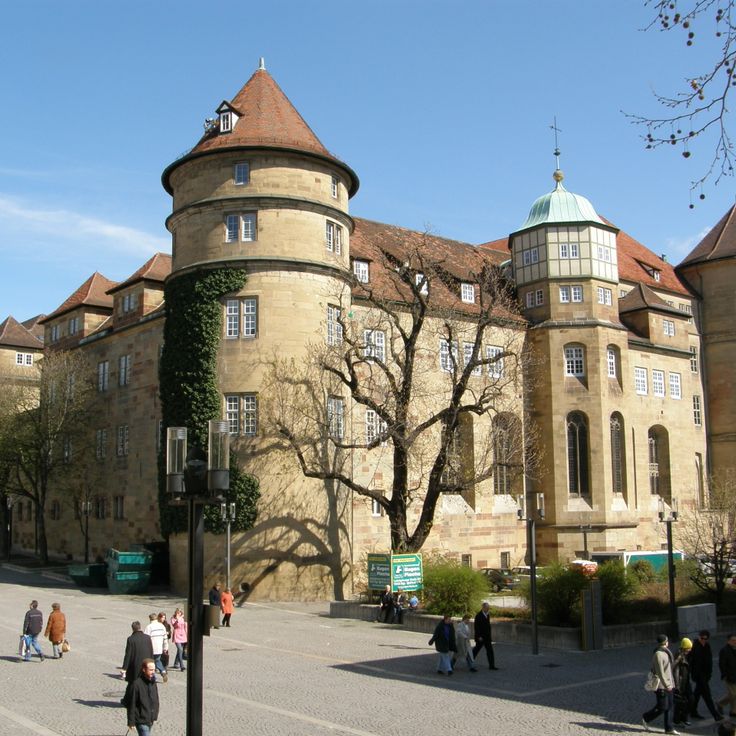
The Old Castle of Stuttgart is a royal building constructed on the remains of a medieval fortress, now housing the Württemberg State Museum since 1862. Within this collection of Stuttgart's historic monuments, car museums, and baroque architecture, the Old Castle stands as a testament to the city's journey from its medieval origins to modern times. Through its courtyards and diverse collections, it offers insights into regional history and culture.
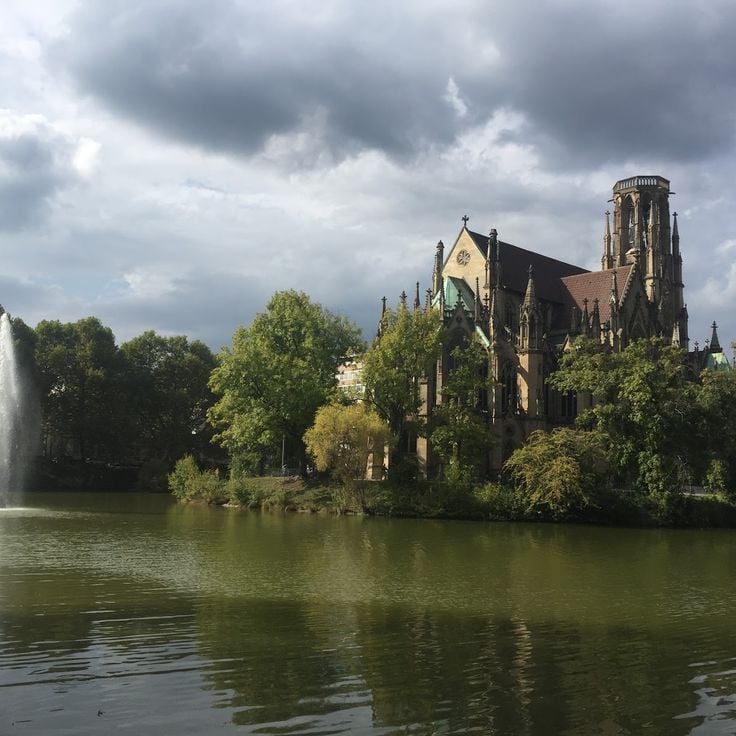
Feuersee is an artificial lake created in 1882 as a fire protection basin for Stuttgart. St. John's Church stands on its shore, a neo-Gothic structure whose façade reflects in the water. Located in the western part of the city, this lake now serves as a recreation area for residents. In the context of this collection, Feuersee demonstrates how Stuttgart developed its infrastructure and public spaces from the 19th century onward.
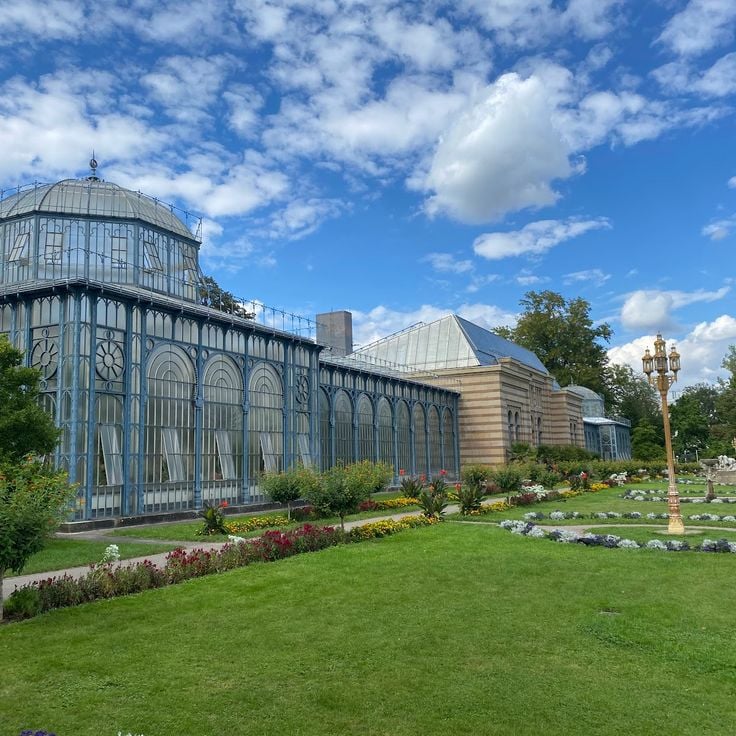
Wilhelma is a zoological and botanical garden in Stuttgart that brings together animals and plants from around the world. Established in 1846, the garden combines scientific research with the protection of endangered species. Visitors can explore different ecosystems and learn about the diversity of nature on display. Within this collection about Stuttgart's heritage, Wilhelma offers a green space that complements the city's cultural and scientific history.
As part of this collection exploring Stuttgart's historic monuments and baroque heritage, the New Palace stands as a major baroque structure built between 1746 and 1807. The palace served as the residence of the Württemberg dukes and kings and today houses the ceremonial rooms of the Minister-President and two state ministries of Baden-Württemberg. Its facade stretches along the entire southern side of Schlossplatz, dominating the heart of the city.
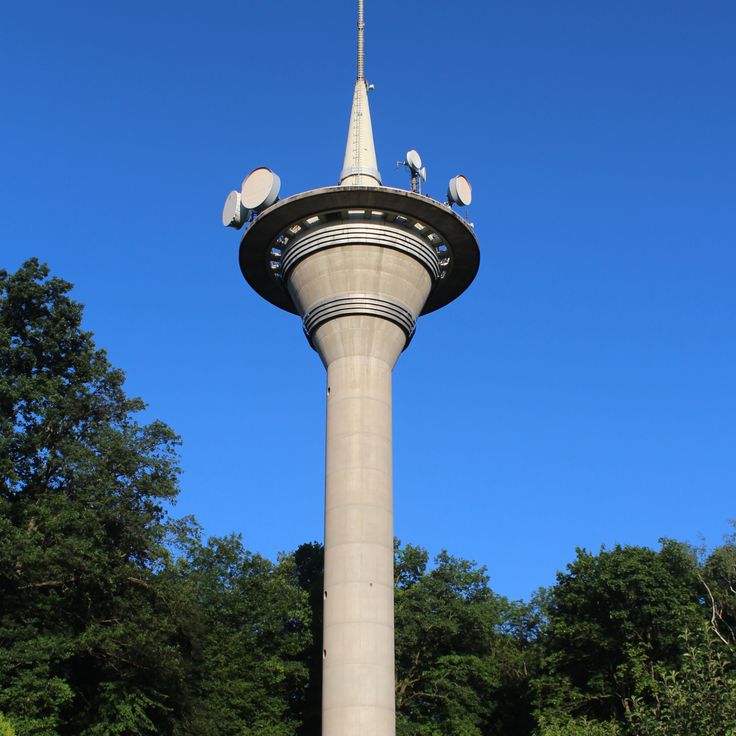
The Stuttgart Radio Tower is a distinctive landmark that reflects the city's engineering heritage. Built in 1956, it was the first television tower constructed from reinforced concrete and became a model for similar structures worldwide. The tower features an observation deck at 151 meters (495 feet) offering views across Stuttgart to the Swabian Alps and Black Forest on clear days. A rotating restaurant at 150 meters (492 feet) completes a full revolution every hour, allowing visitors to experience the city from constantly changing perspectives while dining.
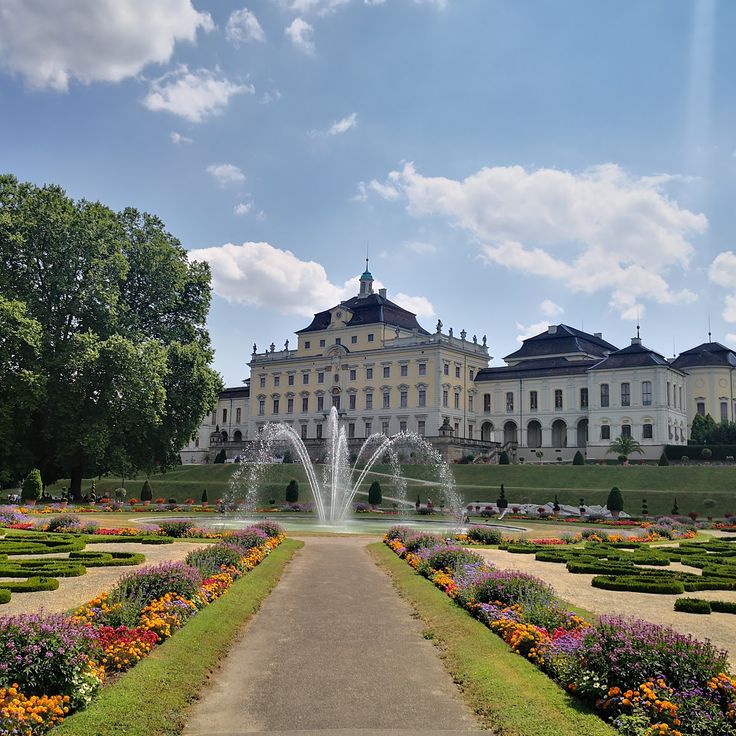
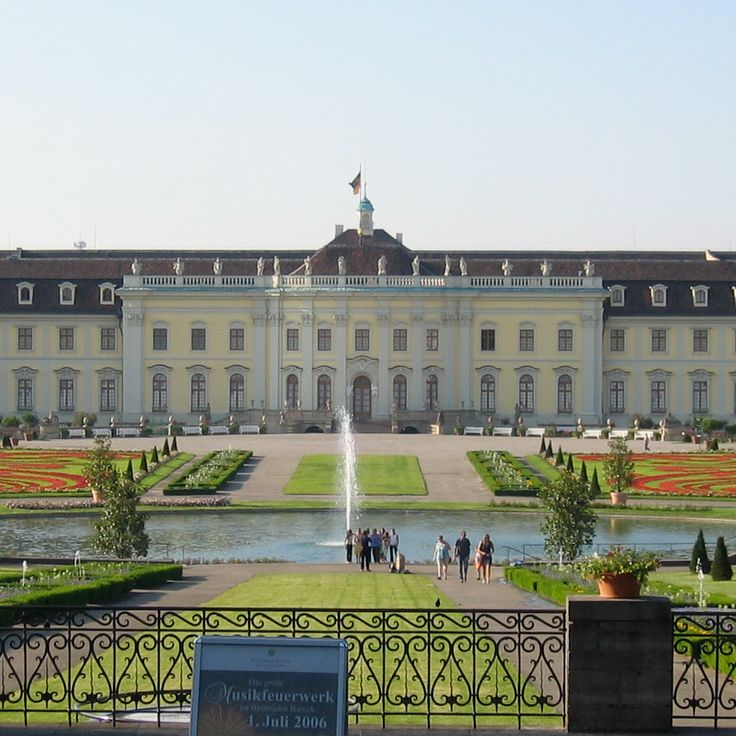
Ludwigsburg Palace represents the height of baroque living in this collection about Stuttgart's architectural heritage. This 18th-century ducal residence displays how royalty lived through its many rooms and buildings. Visitors walk through lavish chambers and stroll around the expansive flower gardens that surround the palace, experiencing the grandeur and artistic style that defined an era.
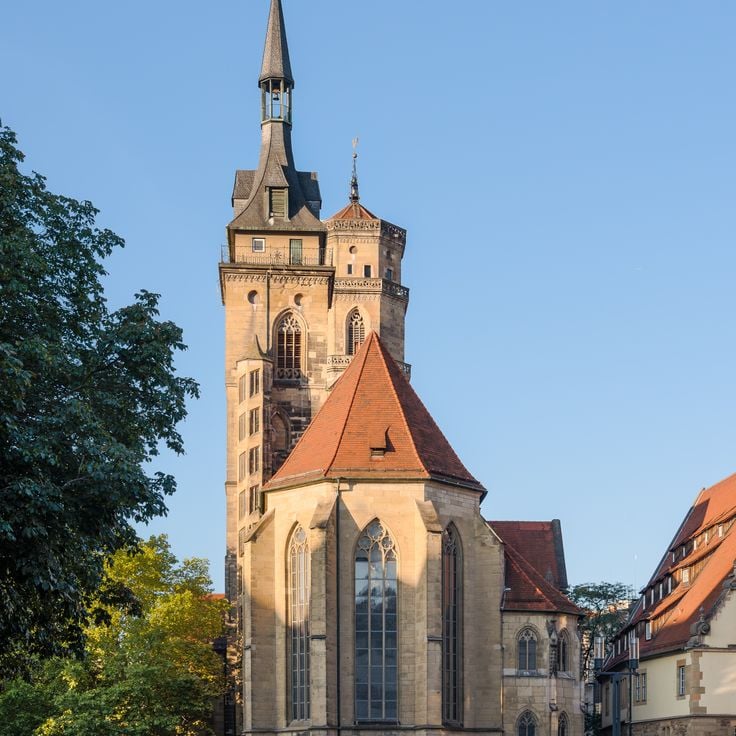
The Collegiate Church stands as the main religious building in Stuttgart, complementing this collection's focus on the city's architectural heritage. Built between 1436 and 1531, this late Gothic Protestant church shows how different building periods came together in one structure. The distinctive twin towers rise 61 meters (200 feet) and shape the downtown skyline. As the principal church of the Evangelical State Church in Württemberg, it remains central to local religious life.
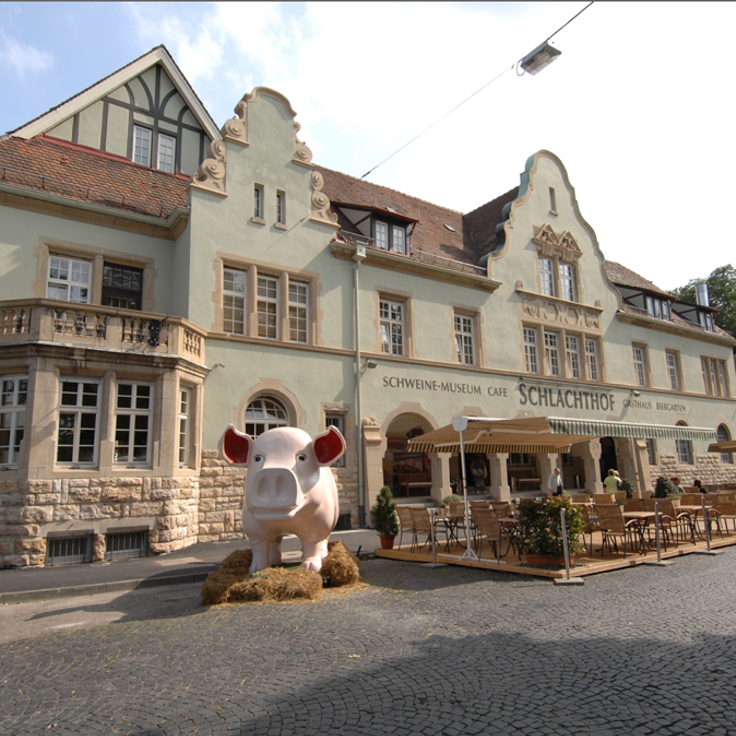
The Pig Museum in Stuttgart displays over 50,000 exhibits related to pigs. The collection includes figurines, savings boxes, toys, and collectibles from different countries and periods. The museum documents the cultural importance of pigs in various societies and adds to Stuttgart's diverse range of museums, from car collections to historical art galleries.
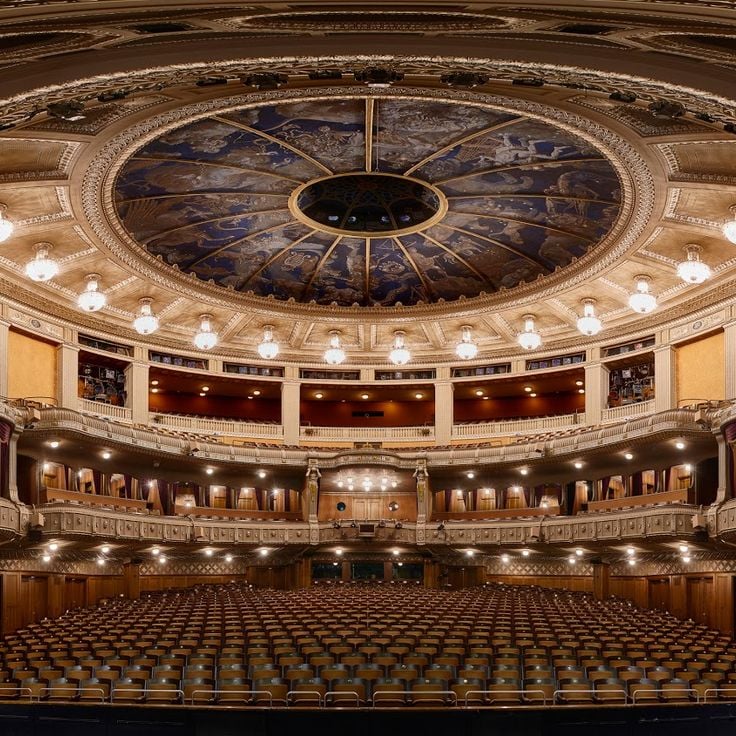
The State Opera in Stuttgart is a neoclassical building completed in 1912 that reflects the city's architectural diversity. With its columned facade and spacious foyer decorated with gilded moldings and ornamental details, this opera house represents the cultural richness of Stuttgart. It stands in the heart of the city alongside other treasures ranging from medieval structures to contemporary designs.
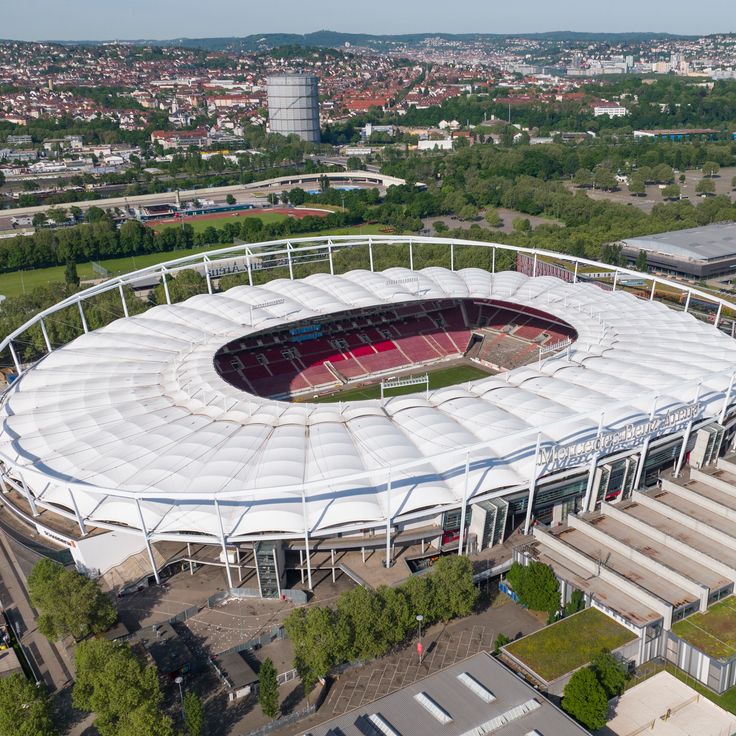
The Mercedes-Benz Arena in Stuttgart is a 60,000-seat football stadium that has been home to VfB Stuttgart since 1933. The stadium was thoroughly modernized ahead of the 2006 FIFA World Cup and features contemporary facilities for hosting national and international football matches. It stands as a key venue in a city known for its automotive heritage and industrial innovation.
Rosenstein Park sits in the north of Stuttgart and follows the style of an English landscape garden from the 19th century. It surrounds Rosenstein Palace and the Natural History Museum. Wide lawns, old trees and paths along the Neckar River make it a pleasant place for a walk. Families and locals come here to spend time outdoors in the middle of the city.
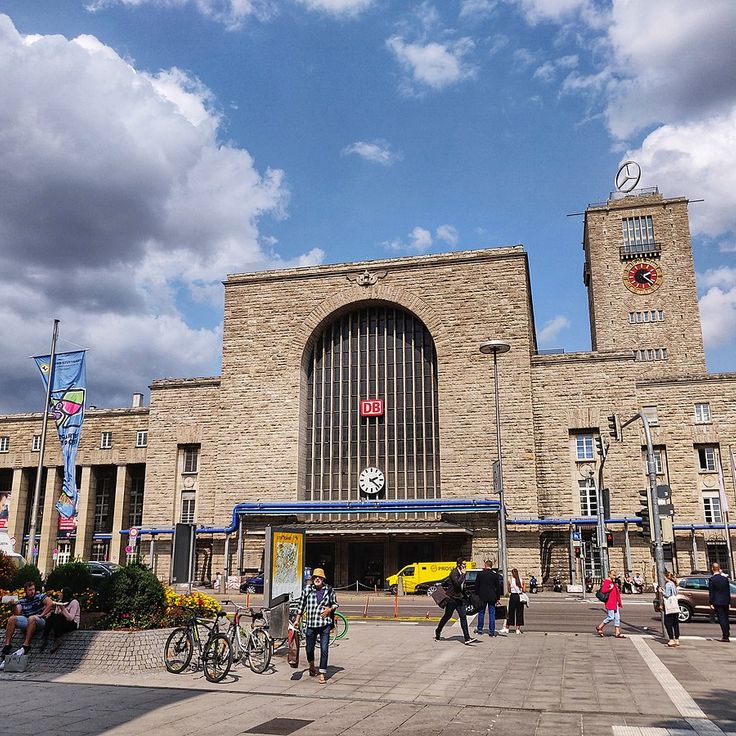
Stuttgart Hauptbahnhof opened in 1922 and stands as a key example of railway architecture from the Weimar Republic era. The building features a 56-meter (184 ft) tower visible from across the city and a spacious main hall built in reinforced concrete. Within Stuttgart's collection of industrial and architectural heritage, this station represents how the city connects its past with its present as a central transportation hub.
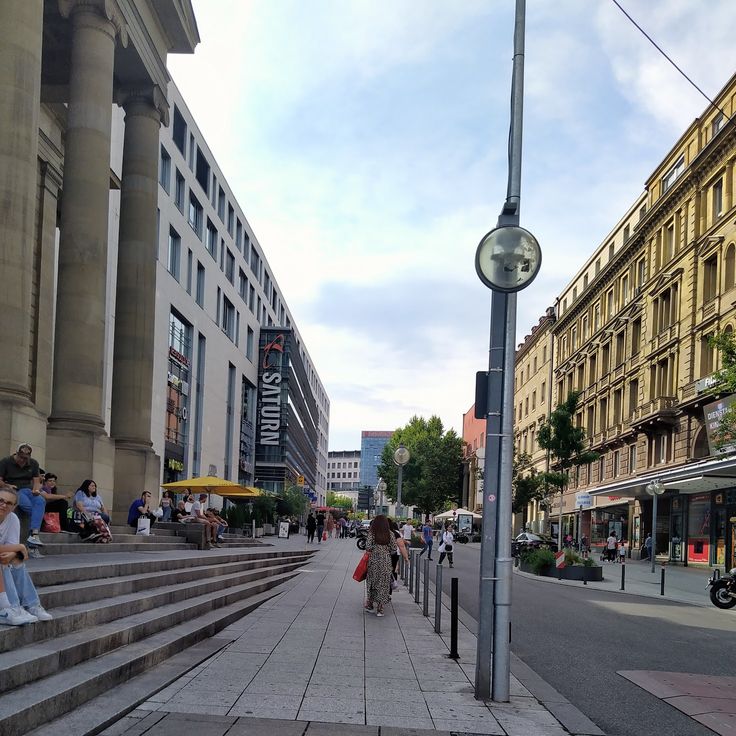
Königstraße is a pedestrian street in the heart of Stuttgart. It connects the main railway station to Schlossplatz, serving as the principal axis of the city center. Along this street you will find international retailers, department stores, restaurants, and cafés. The street draws thousands of visitors daily and plays a central role in Stuttgart's shopping and social life, sitting within the city's collection of historic monuments, car museums, and baroque architecture.
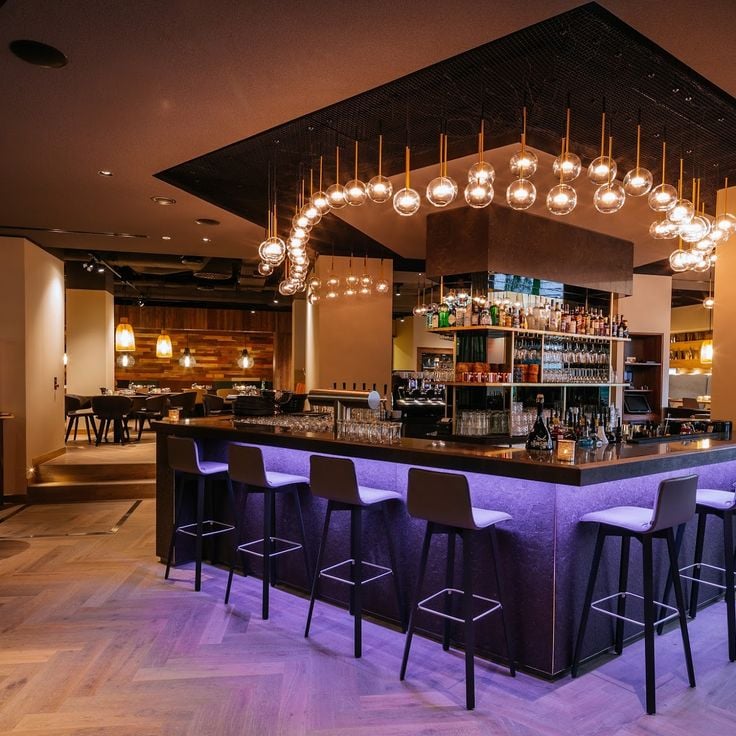
The Breuninger Department Store in Stuttgart occupies six floors in the heart of the city center. It carries brand clothing, accessories, and beauty products across its large retail space. The top floor holds a restaurant with a terrace where visitors can look out over the downtown area. Within the context of exploring Stuttgart's historic monuments and architecture, this department store represents the modern commercial side of the city.
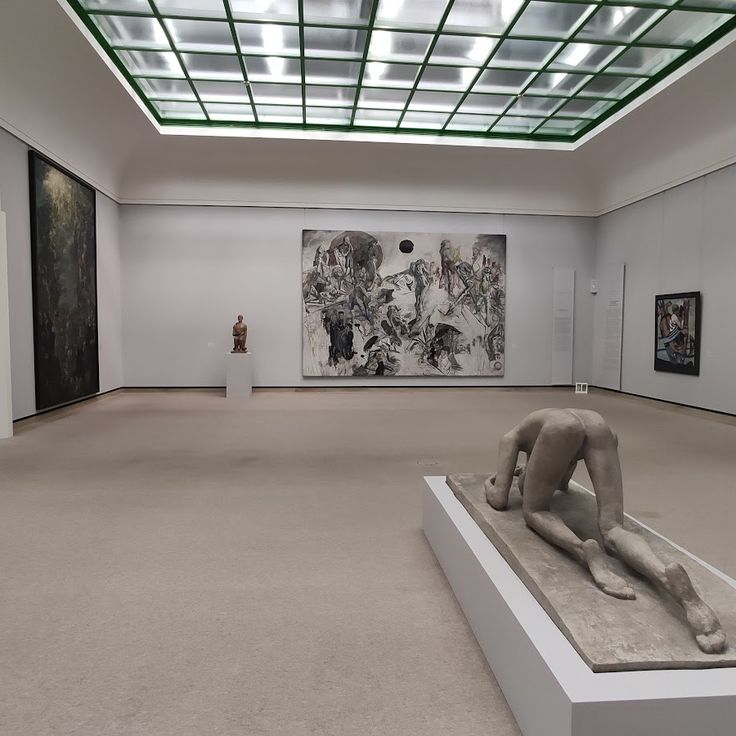
The State Gallery in Stuttgart displays European paintings from the 14th to 21st century, alongside sculptures and graphic works. Throughout the year, the museum presents rotating exhibitions of contemporary art that showcase different artistic movements and periods. The permanent collection includes works by artists such as Rembrandt, Monet, and Picasso.
The Milaneo Shopping Center in Stuttgart is a large retail and dining destination located directly adjacent to the city's main train station in the Europaviertel district. Spanning three floors and housing approximately 200 stores, restaurants, and services, this center serves as a central hub for shopping and dining in the city. It represents modern Stuttgart alongside the historic architecture and car museums that define much of the city's character.
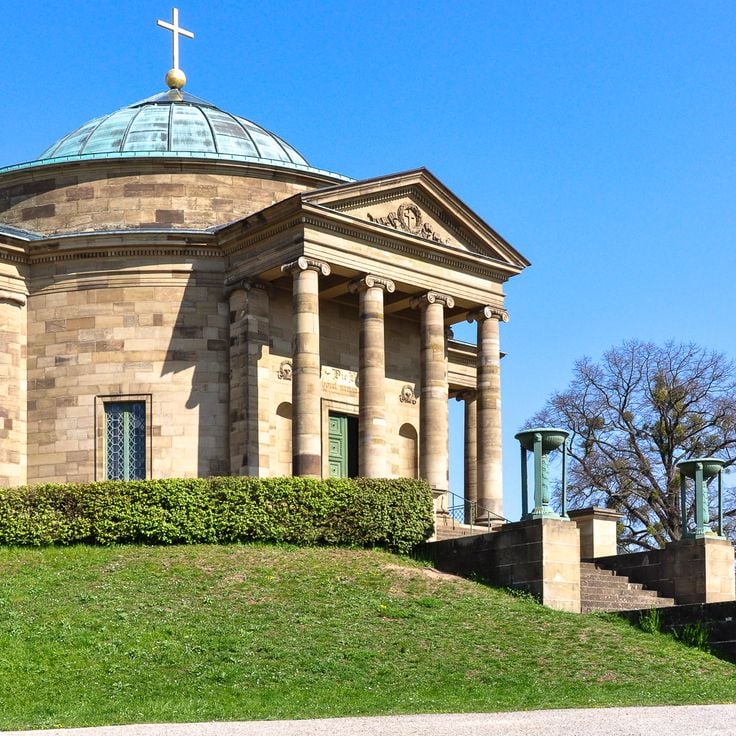
The Grab Chapel represents an important part of historic Stuttgart's landscape and was built in the 19th century for Queen Catherine of Württemberg. Standing amid the vineyards on Württemberg Hill, the chapel offers expansive views across the city. The building serves both as a place of worship and as a monument to the deceased queen, reflecting how Stuttgart honors its royal heritage alongside its architectural traditions.
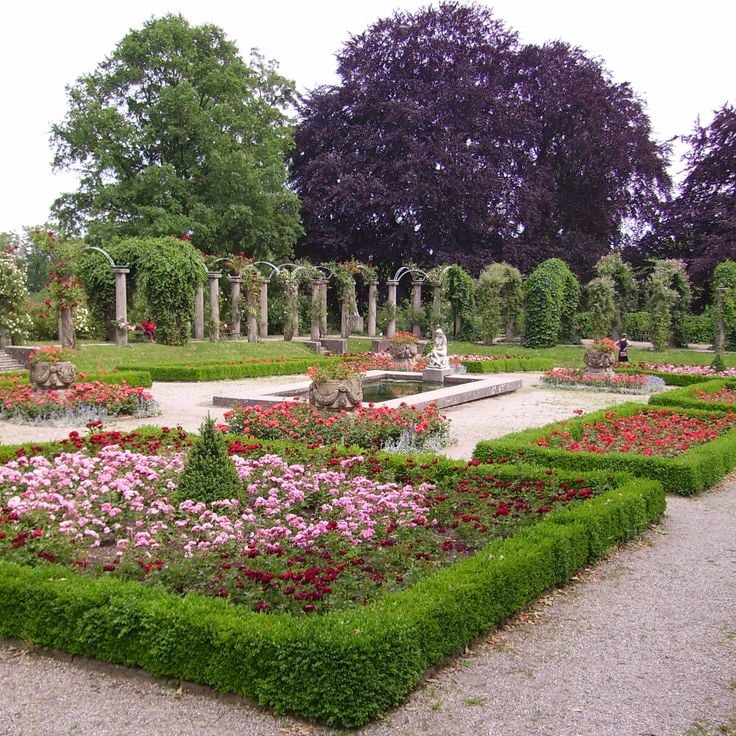
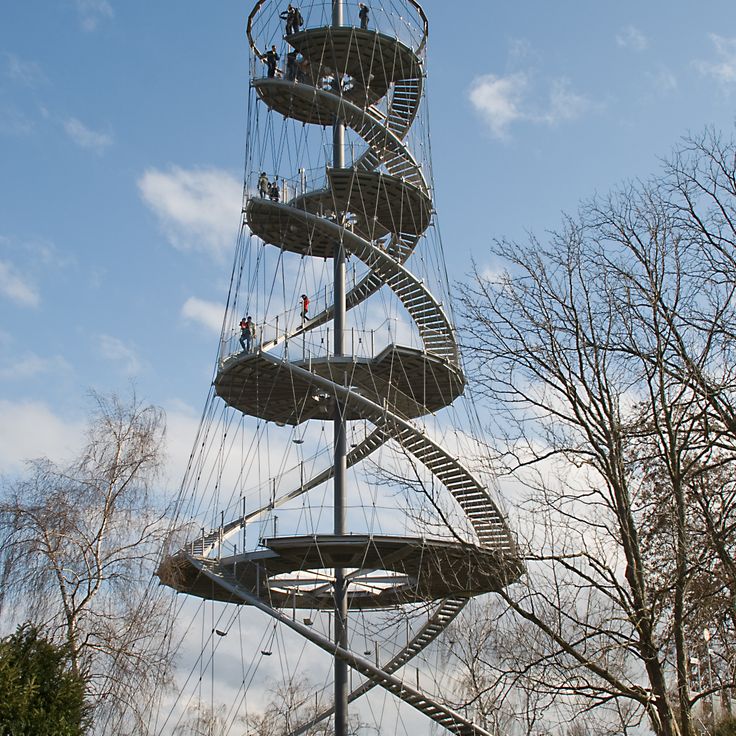
In this collection exploring Stuttgart's history and architecture, Killesberg Park serves as a green retreat within the city. This park features flower gardens that bloom throughout the year across a spacious area. An observation tower offers views over Stuttgart and the surrounding hills. A miniature railway connects different areas of this green space, inviting visitors to experience the park that was created in 1939.
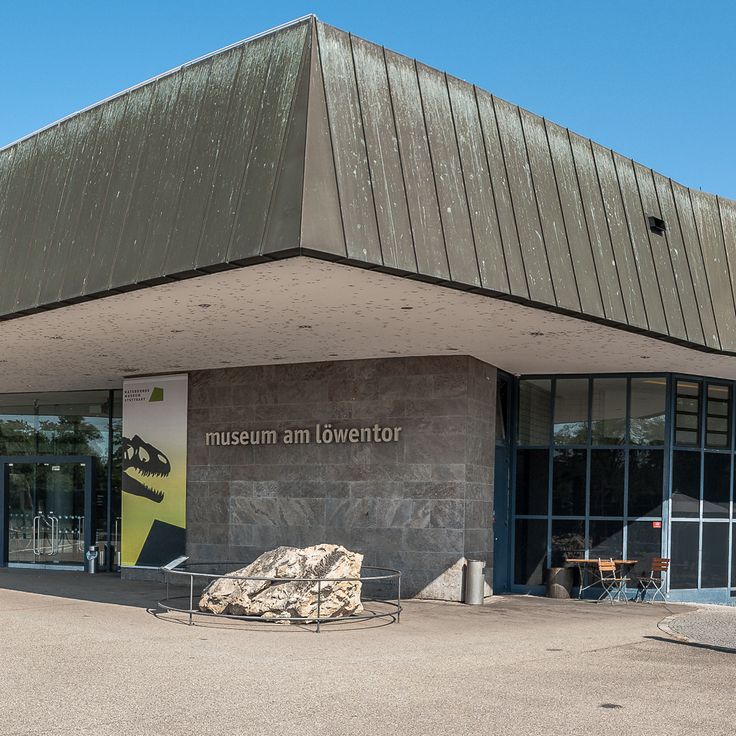
The Regional Museum is a key part of visiting Stuttgart and tells the story of Baden-Württemberg from ancient times to the present day. Located in the Old Castle, a former medieval fortress, the museum displays archaeological finds and historical objects from different periods. The collection reveals how people lived in this region and shows the development of society and culture in southwestern Germany. A visit here helps you understand the deeper history behind the city and its surroundings.
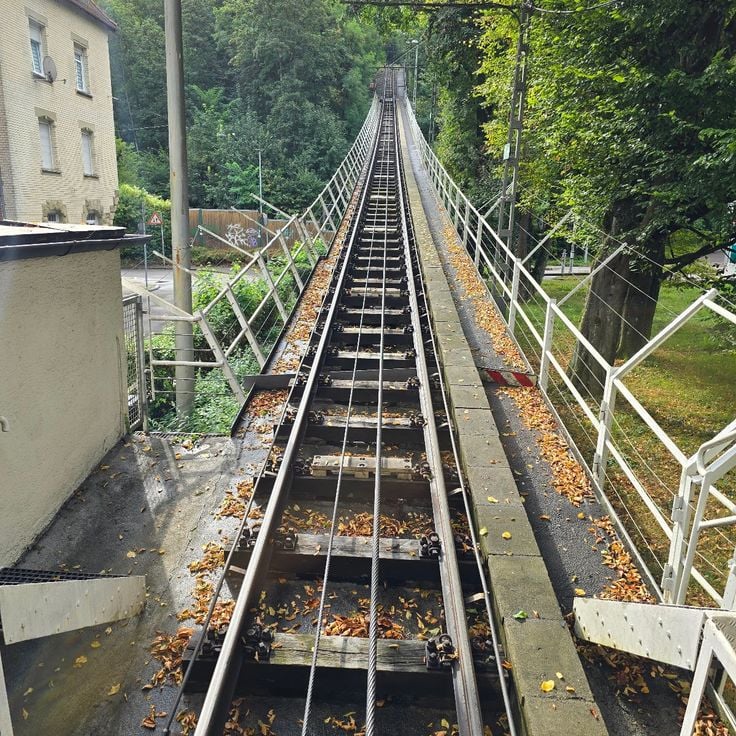
The Stuttgart Funicular is a protected historical structure built in 1929. This wooden transport installation connects Stuttgart's Süd district to Waldfriedhof Degerloch cemetery, spanning 2 kilometers and climbing approximately 85 meters in elevation. As part of Stuttgart's heritage, it reflects the city's industrial development from medieval times to the modern era.
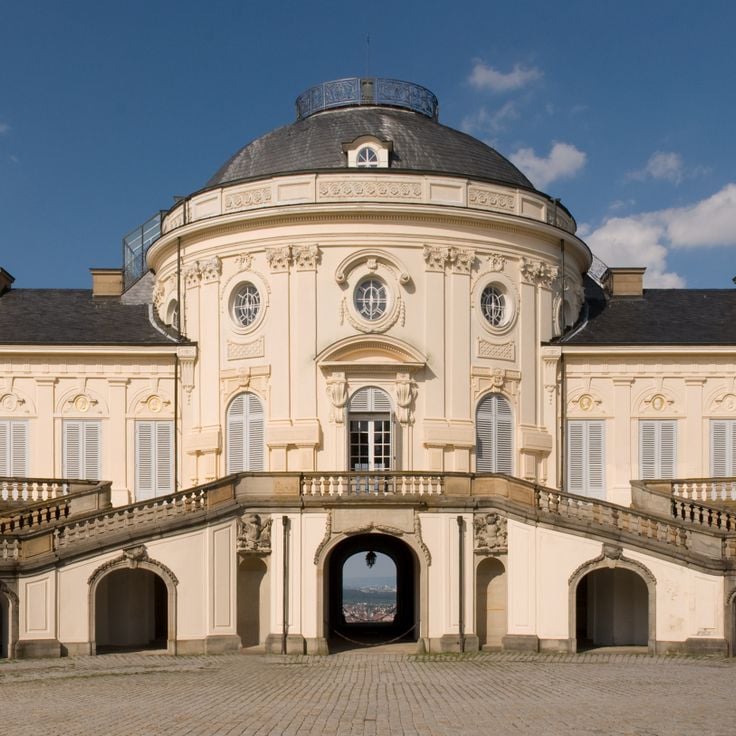
Solitude Palace was built in 1764 as a summer residence for Duke Charles Eugene of Württemberg. The building combines Rococo and early Neoclassical styles and sits on a hill west of Stuttgart, offering views of the city and surrounding forests. The estate features French gardens and served as both a grand residence and a private retreat for the Württemberg court. Within Stuttgart's collection of historic monuments, car museums, and baroque architecture, this palace represents the court culture of the 18th century.
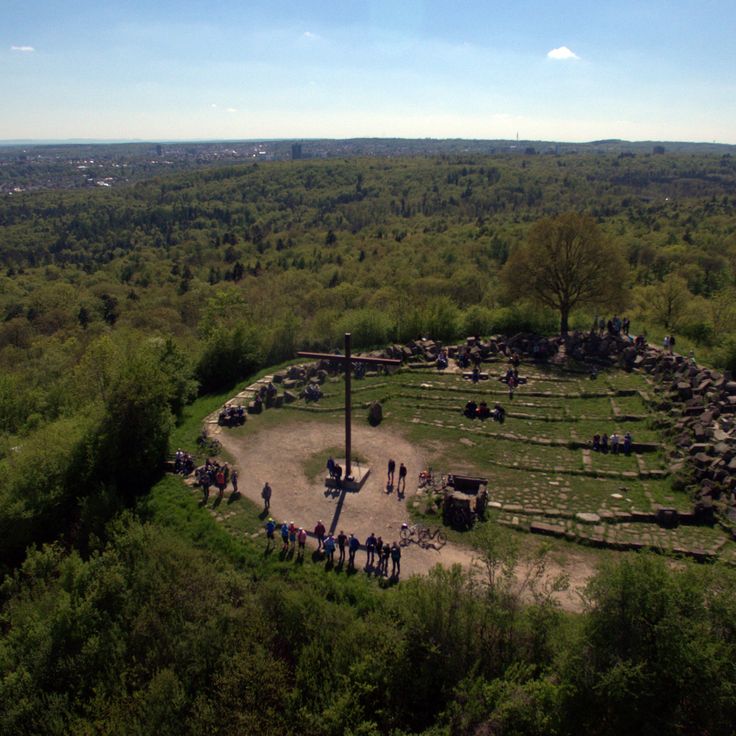
The Hill of Rubble is an artificial mound in Stuttgart created from the debris left after the city's bombing in 1945. Rising about 40 meters high, it is now covered with plants and offers walking trails and recreational space for residents. The hill stands as a physical reminder of Stuttgart's wartime destruction and the city's recovery afterward.
In this collection of Stuttgart's historic monuments and architecture, the Upper Palace Garden is a large public park in the city center that surrounds the New Castle with its lawns, fountains, and sculptures. The park connects different neighborhoods and offers walking paths beneath old trees. The green spaces regularly host events, concerts, and festivals that shape the cultural life of the city.
The Schillerplatz forms the historic center of Stuttgart and displays a bronze statue of poet Friedrich Schiller from 1839. This rectangular cobblestone square is surrounded by historic buildings, including the Stiftskirche and the Old Castle. Cafés and shops line the edges of the square, making it a popular meeting point for locals and visitors. The square sits at the heart of Stuttgart's layered history, where medieval structures and modern life coexist.
The Porsche Museum in Stuttgart displays the history of the brand from 1948 onward through more than 80 vehicles. Early models such as the 356, motorsport legends, and current vehicles fill three exhibition levels. The collection shows how the brand developed its technical innovations and production designs over time. This museum fits naturally into Stuttgart's story as a center of automotive heritage, alongside the Mercedes-Benz Museum and the city's baroque architecture.
The City Library of Stuttgart is a white cubic building with nine floors that opened in 2011. Inside, a central atrium runs through multiple stories, creating reading and work areas at different levels. The cubic architecture by Korean architect Eun Young Yi brings together functional library spaces with modern design. This building is part of Stuttgart's mix of historic monuments and contemporary architecture, situated near the baroque New Castle and other cultural sites in the city center.
Within this collection, the Markthalle serves as the heart of the market experience in Stuttgart. Constructed in 1914, this building displays Art Nouveau characteristics with floral and geometric motifs adorning its facade and interior spaces. The structure merges iron construction with traditional design elements to create a covered marketplace in the city center. The Markthalle houses food shops, dining establishments, and market stalls offering regional specialties and international products.
The Mercedes-Benz Museum in Stuttgart displays over 160 historic vehicles of the brand across nine floors of a modern building. This museum traces the development of the automobile from its origins to the present day and fits into the city's broader heritage of industrial and architectural history.
Schlossplatz forms the center of Stuttgart and is bordered by the New Palace from 1746. This baroque residence of the Württemberg court defines the northern side of the square. The Jubilee Column from the 19th century rises in the middle of the area, surrounded by fountains and lawns. Schlossplatz serves as a venue for concerts, public festivals and Christmas markets. The adjacent buildings represent different construction phases of the city's history.
The old town of Esslingen contributes to this Stuttgart collection of historic monuments and baroque architecture. The historic center preserves over 200 timber-framed houses from the Middle Ages that define the character of the place. St. Dionys Church was built in the 13th century with Gothic features. The town hall demonstrates Gothic architecture and tells the story of how this region developed over time.
The Old Castle of Stuttgart is a royal building constructed on the remains of a medieval fortress, now housing the Württemberg State Museum since 1862. Within this collection of Stuttgart's historic monuments, car museums, and baroque architecture, the Old Castle stands as a testament to the city's journey from its medieval origins to modern times. Through its courtyards and diverse collections, it offers insights into regional history and culture.
Feuersee is an artificial lake created in 1882 as a fire protection basin for Stuttgart. St. John's Church stands on its shore, a neo-Gothic structure whose façade reflects in the water. Located in the western part of the city, this lake now serves as a recreation area for residents. In the context of this collection, Feuersee demonstrates how Stuttgart developed its infrastructure and public spaces from the 19th century onward.
Wilhelma is a zoological and botanical garden in Stuttgart that brings together animals and plants from around the world. Established in 1846, the garden combines scientific research with the protection of endangered species. Visitors can explore different ecosystems and learn about the diversity of nature on display. Within this collection about Stuttgart's heritage, Wilhelma offers a green space that complements the city's cultural and scientific history.
As part of this collection exploring Stuttgart's historic monuments and baroque heritage, the New Palace stands as a major baroque structure built between 1746 and 1807. The palace served as the residence of the Württemberg dukes and kings and today houses the ceremonial rooms of the Minister-President and two state ministries of Baden-Württemberg. Its facade stretches along the entire southern side of Schlossplatz, dominating the heart of the city.
The Stuttgart Radio Tower is a distinctive landmark that reflects the city's engineering heritage. Built in 1956, it was the first television tower constructed from reinforced concrete and became a model for similar structures worldwide. The tower features an observation deck at 151 meters (495 feet) offering views across Stuttgart to the Swabian Alps and Black Forest on clear days. A rotating restaurant at 150 meters (492 feet) completes a full revolution every hour, allowing visitors to experience the city from constantly changing perspectives while dining.
Ludwigsburg Palace represents the height of baroque living in this collection about Stuttgart's architectural heritage. This 18th-century ducal residence displays how royalty lived through its many rooms and buildings. Visitors walk through lavish chambers and stroll around the expansive flower gardens that surround the palace, experiencing the grandeur and artistic style that defined an era.
The Collegiate Church stands as the main religious building in Stuttgart, complementing this collection's focus on the city's architectural heritage. Built between 1436 and 1531, this late Gothic Protestant church shows how different building periods came together in one structure. The distinctive twin towers rise 61 meters (200 feet) and shape the downtown skyline. As the principal church of the Evangelical State Church in Württemberg, it remains central to local religious life.
The Pig Museum in Stuttgart displays over 50,000 exhibits related to pigs. The collection includes figurines, savings boxes, toys, and collectibles from different countries and periods. The museum documents the cultural importance of pigs in various societies and adds to Stuttgart's diverse range of museums, from car collections to historical art galleries.
The State Opera in Stuttgart is a neoclassical building completed in 1912 that reflects the city's architectural diversity. With its columned facade and spacious foyer decorated with gilded moldings and ornamental details, this opera house represents the cultural richness of Stuttgart. It stands in the heart of the city alongside other treasures ranging from medieval structures to contemporary designs.
The Mercedes-Benz Arena in Stuttgart is a 60,000-seat football stadium that has been home to VfB Stuttgart since 1933. The stadium was thoroughly modernized ahead of the 2006 FIFA World Cup and features contemporary facilities for hosting national and international football matches. It stands as a key venue in a city known for its automotive heritage and industrial innovation.
Rosenstein Park sits in the north of Stuttgart and follows the style of an English landscape garden from the 19th century. It surrounds Rosenstein Palace and the Natural History Museum. Wide lawns, old trees and paths along the Neckar River make it a pleasant place for a walk. Families and locals come here to spend time outdoors in the middle of the city.
Stuttgart Hauptbahnhof opened in 1922 and stands as a key example of railway architecture from the Weimar Republic era. The building features a 56-meter (184 ft) tower visible from across the city and a spacious main hall built in reinforced concrete. Within Stuttgart's collection of industrial and architectural heritage, this station represents how the city connects its past with its present as a central transportation hub.
Königstraße is a pedestrian street in the heart of Stuttgart. It connects the main railway station to Schlossplatz, serving as the principal axis of the city center. Along this street you will find international retailers, department stores, restaurants, and cafés. The street draws thousands of visitors daily and plays a central role in Stuttgart's shopping and social life, sitting within the city's collection of historic monuments, car museums, and baroque architecture.
The Breuninger Department Store in Stuttgart occupies six floors in the heart of the city center. It carries brand clothing, accessories, and beauty products across its large retail space. The top floor holds a restaurant with a terrace where visitors can look out over the downtown area. Within the context of exploring Stuttgart's historic monuments and architecture, this department store represents the modern commercial side of the city.
The State Gallery in Stuttgart displays European paintings from the 14th to 21st century, alongside sculptures and graphic works. Throughout the year, the museum presents rotating exhibitions of contemporary art that showcase different artistic movements and periods. The permanent collection includes works by artists such as Rembrandt, Monet, and Picasso.
The Milaneo Shopping Center in Stuttgart is a large retail and dining destination located directly adjacent to the city's main train station in the Europaviertel district. Spanning three floors and housing approximately 200 stores, restaurants, and services, this center serves as a central hub for shopping and dining in the city. It represents modern Stuttgart alongside the historic architecture and car museums that define much of the city's character.
The Grab Chapel represents an important part of historic Stuttgart's landscape and was built in the 19th century for Queen Catherine of Württemberg. Standing amid the vineyards on Württemberg Hill, the chapel offers expansive views across the city. The building serves both as a place of worship and as a monument to the deceased queen, reflecting how Stuttgart honors its royal heritage alongside its architectural traditions.
In this collection exploring Stuttgart's history and architecture, Killesberg Park serves as a green retreat within the city. This park features flower gardens that bloom throughout the year across a spacious area. An observation tower offers views over Stuttgart and the surrounding hills. A miniature railway connects different areas of this green space, inviting visitors to experience the park that was created in 1939.
The Regional Museum is a key part of visiting Stuttgart and tells the story of Baden-Württemberg from ancient times to the present day. Located in the Old Castle, a former medieval fortress, the museum displays archaeological finds and historical objects from different periods. The collection reveals how people lived in this region and shows the development of society and culture in southwestern Germany. A visit here helps you understand the deeper history behind the city and its surroundings.
The Stuttgart Funicular is a protected historical structure built in 1929. This wooden transport installation connects Stuttgart's Süd district to Waldfriedhof Degerloch cemetery, spanning 2 kilometers and climbing approximately 85 meters in elevation. As part of Stuttgart's heritage, it reflects the city's industrial development from medieval times to the modern era.
Solitude Palace was built in 1764 as a summer residence for Duke Charles Eugene of Württemberg. The building combines Rococo and early Neoclassical styles and sits on a hill west of Stuttgart, offering views of the city and surrounding forests. The estate features French gardens and served as both a grand residence and a private retreat for the Württemberg court. Within Stuttgart's collection of historic monuments, car museums, and baroque architecture, this palace represents the court culture of the 18th century.
The Hill of Rubble is an artificial mound in Stuttgart created from the debris left after the city's bombing in 1945. Rising about 40 meters high, it is now covered with plants and offers walking trails and recreational space for residents. The hill stands as a physical reminder of Stuttgart's wartime destruction and the city's recovery afterward.
In this collection of Stuttgart's historic monuments and architecture, the Upper Palace Garden is a large public park in the city center that surrounds the New Castle with its lawns, fountains, and sculptures. The park connects different neighborhoods and offers walking paths beneath old trees. The green spaces regularly host events, concerts, and festivals that shape the cultural life of the city.
The Schillerplatz forms the historic center of Stuttgart and displays a bronze statue of poet Friedrich Schiller from 1839. This rectangular cobblestone square is surrounded by historic buildings, including the Stiftskirche and the Old Castle. Cafés and shops line the edges of the square, making it a popular meeting point for locals and visitors. The square sits at the heart of Stuttgart's layered history, where medieval structures and modern life coexist.
The Porsche Museum in Stuttgart displays the history of the brand from 1948 onward through more than 80 vehicles. Early models such as the 356, motorsport legends, and current vehicles fill three exhibition levels. The collection shows how the brand developed its technical innovations and production designs over time. This museum fits naturally into Stuttgart's story as a center of automotive heritage, alongside the Mercedes-Benz Museum and the city's baroque architecture.
The City Library of Stuttgart is a white cubic building with nine floors that opened in 2011. Inside, a central atrium runs through multiple stories, creating reading and work areas at different levels. The cubic architecture by Korean architect Eun Young Yi brings together functional library spaces with modern design. This building is part of Stuttgart's mix of historic monuments and contemporary architecture, situated near the baroque New Castle and other cultural sites in the city center.
Within this collection, the Markthalle serves as the heart of the market experience in Stuttgart. Constructed in 1914, this building displays Art Nouveau characteristics with floral and geometric motifs adorning its facade and interior spaces. The structure merges iron construction with traditional design elements to create a covered marketplace in the city center. The Markthalle houses food shops, dining establishments, and market stalls offering regional specialties and international products.
The Mercedes-Benz Museum in Stuttgart displays over 160 historic vehicles of the brand across nine floors of a modern building. This museum traces the development of the automobile from its origins to the present day and fits into the city's broader heritage of industrial and architectural history.
Schlossplatz forms the center of Stuttgart and is bordered by the New Palace from 1746. This baroque residence of the Württemberg court defines the northern side of the square. The Jubilee Column from the 19th century rises in the middle of the area, surrounded by fountains and lawns. Schlossplatz serves as a venue for concerts, public festivals and Christmas markets. The adjacent buildings represent different construction phases of the city's history.
The old town of Esslingen contributes to this Stuttgart collection of historic monuments and baroque architecture. The historic center preserves over 200 timber-framed houses from the Middle Ages that define the character of the place. St. Dionys Church was built in the 13th century with Gothic features. The town hall demonstrates Gothic architecture and tells the story of how this region developed over time.
The Old Castle of Stuttgart is a royal building constructed on the remains of a medieval fortress, now housing the Württemberg State Museum since 1862. Within this collection of Stuttgart's historic monuments, car museums, and baroque architecture, the Old Castle stands as a testament to the city's journey from its medieval origins to modern times. Through its courtyards and diverse collections, it offers insights into regional history and culture.
Feuersee is an artificial lake created in 1882 as a fire protection basin for Stuttgart. St. John's Church stands on its shore, a neo-Gothic structure whose façade reflects in the water. Located in the western part of the city, this lake now serves as a recreation area for residents. In the context of this collection, Feuersee demonstrates how Stuttgart developed its infrastructure and public spaces from the 19th century onward.
Wilhelma is a zoological and botanical garden in Stuttgart that brings together animals and plants from around the world. Established in 1846, the garden combines scientific research with the protection of endangered species. Visitors can explore different ecosystems and learn about the diversity of nature on display. Within this collection about Stuttgart's heritage, Wilhelma offers a green space that complements the city's cultural and scientific history.
As part of this collection exploring Stuttgart's historic monuments and baroque heritage, the New Palace stands as a major baroque structure built between 1746 and 1807. The palace served as the residence of the Württemberg dukes and kings and today houses the ceremonial rooms of the Minister-President and two state ministries of Baden-Württemberg. Its facade stretches along the entire southern side of Schlossplatz, dominating the heart of the city.
The Stuttgart Radio Tower is a distinctive landmark that reflects the city's engineering heritage. Built in 1956, it was the first television tower constructed from reinforced concrete and became a model for similar structures worldwide. The tower features an observation deck at 151 meters (495 feet) offering views across Stuttgart to the Swabian Alps and Black Forest on clear days. A rotating restaurant at 150 meters (492 feet) completes a full revolution every hour, allowing visitors to experience the city from constantly changing perspectives while dining.
Ludwigsburg Palace represents the height of baroque living in this collection about Stuttgart's architectural heritage. This 18th-century ducal residence displays how royalty lived through its many rooms and buildings. Visitors walk through lavish chambers and stroll around the expansive flower gardens that surround the palace, experiencing the grandeur and artistic style that defined an era.
The Collegiate Church stands as the main religious building in Stuttgart, complementing this collection's focus on the city's architectural heritage. Built between 1436 and 1531, this late Gothic Protestant church shows how different building periods came together in one structure. The distinctive twin towers rise 61 meters (200 feet) and shape the downtown skyline. As the principal church of the Evangelical State Church in Württemberg, it remains central to local religious life.
The Pig Museum in Stuttgart displays over 50,000 exhibits related to pigs. The collection includes figurines, savings boxes, toys, and collectibles from different countries and periods. The museum documents the cultural importance of pigs in various societies and adds to Stuttgart's diverse range of museums, from car collections to historical art galleries.
The State Opera in Stuttgart is a neoclassical building completed in 1912 that reflects the city's architectural diversity. With its columned facade and spacious foyer decorated with gilded moldings and ornamental details, this opera house represents the cultural richness of Stuttgart. It stands in the heart of the city alongside other treasures ranging from medieval structures to contemporary designs.
The Mercedes-Benz Arena in Stuttgart is a 60,000-seat football stadium that has been home to VfB Stuttgart since 1933. The stadium was thoroughly modernized ahead of the 2006 FIFA World Cup and features contemporary facilities for hosting national and international football matches. It stands as a key venue in a city known for its automotive heritage and industrial innovation.
Rosenstein Park sits in the north of Stuttgart and follows the style of an English landscape garden from the 19th century. It surrounds Rosenstein Palace and the Natural History Museum. Wide lawns, old trees and paths along the Neckar River make it a pleasant place for a walk. Families and locals come here to spend time outdoors in the middle of the city.
Stuttgart Hauptbahnhof opened in 1922 and stands as a key example of railway architecture from the Weimar Republic era. The building features a 56-meter (184 ft) tower visible from across the city and a spacious main hall built in reinforced concrete. Within Stuttgart's collection of industrial and architectural heritage, this station represents how the city connects its past with its present as a central transportation hub.
Königstraße is a pedestrian street in the heart of Stuttgart. It connects the main railway station to Schlossplatz, serving as the principal axis of the city center. Along this street you will find international retailers, department stores, restaurants, and cafés. The street draws thousands of visitors daily and plays a central role in Stuttgart's shopping and social life, sitting within the city's collection of historic monuments, car museums, and baroque architecture.
The Breuninger Department Store in Stuttgart occupies six floors in the heart of the city center. It carries brand clothing, accessories, and beauty products across its large retail space. The top floor holds a restaurant with a terrace where visitors can look out over the downtown area. Within the context of exploring Stuttgart's historic monuments and architecture, this department store represents the modern commercial side of the city.
The State Gallery in Stuttgart displays European paintings from the 14th to 21st century, alongside sculptures and graphic works. Throughout the year, the museum presents rotating exhibitions of contemporary art that showcase different artistic movements and periods. The permanent collection includes works by artists such as Rembrandt, Monet, and Picasso.
The Milaneo Shopping Center in Stuttgart is a large retail and dining destination located directly adjacent to the city's main train station in the Europaviertel district. Spanning three floors and housing approximately 200 stores, restaurants, and services, this center serves as a central hub for shopping and dining in the city. It represents modern Stuttgart alongside the historic architecture and car museums that define much of the city's character.
The Grab Chapel represents an important part of historic Stuttgart's landscape and was built in the 19th century for Queen Catherine of Württemberg. Standing amid the vineyards on Württemberg Hill, the chapel offers expansive views across the city. The building serves both as a place of worship and as a monument to the deceased queen, reflecting how Stuttgart honors its royal heritage alongside its architectural traditions.
In this collection exploring Stuttgart's history and architecture, Killesberg Park serves as a green retreat within the city. This park features flower gardens that bloom throughout the year across a spacious area. An observation tower offers views over Stuttgart and the surrounding hills. A miniature railway connects different areas of this green space, inviting visitors to experience the park that was created in 1939.
The Regional Museum is a key part of visiting Stuttgart and tells the story of Baden-Württemberg from ancient times to the present day. Located in the Old Castle, a former medieval fortress, the museum displays archaeological finds and historical objects from different periods. The collection reveals how people lived in this region and shows the development of society and culture in southwestern Germany. A visit here helps you understand the deeper history behind the city and its surroundings.
The Stuttgart Funicular is a protected historical structure built in 1929. This wooden transport installation connects Stuttgart's Süd district to Waldfriedhof Degerloch cemetery, spanning 2 kilometers and climbing approximately 85 meters in elevation. As part of Stuttgart's heritage, it reflects the city's industrial development from medieval times to the modern era.
Solitude Palace was built in 1764 as a summer residence for Duke Charles Eugene of Württemberg. The building combines Rococo and early Neoclassical styles and sits on a hill west of Stuttgart, offering views of the city and surrounding forests. The estate features French gardens and served as both a grand residence and a private retreat for the Württemberg court. Within Stuttgart's collection of historic monuments, car museums, and baroque architecture, this palace represents the court culture of the 18th century.
The Hill of Rubble is an artificial mound in Stuttgart created from the debris left after the city's bombing in 1945. Rising about 40 meters high, it is now covered with plants and offers walking trails and recreational space for residents. The hill stands as a physical reminder of Stuttgart's wartime destruction and the city's recovery afterward.