See the monuments around you in AROpen chests in the app
Around Us is built for your phone — point your camera at the streets and discover the monuments and places around you in augmented reality.Around Us is built for your phone — chests unlock when you walk, explore and capture nearby places.
Historic heritage of Hampshire: Roman ruins, medieval castles, abbeys and gardens
Hampshire offers a journey through many centuries of British history. You can see Roman walls and ancient amphitheaters, medieval castles and abbeys, as well as houses and fortresses built during the Victorian era. Each place shares part of the local story, from the daily lives of old residents to the big families who lived in the region's manor houses.
The buildings and the natural areas of Hampshire are connected. Visitors can walk through carefully kept gardens like those in West Green or Exbury, visit historic houses such as Breamore Manor or the Barn, or walk through the streets of old abbeys like Mottisfont and Titchfield. Protected areas like the Selborne nature reserve invite peaceful walks among the trees.
To learn more about Hampshire’s history, several museums and special sites welcome visitors. The Mary Rose Museum, dedicated to a famous ship, shares stories about the sea. You can also see a windmill that still works or explore archaeological sites where digs slowly uncover hidden secrets underground.
Historic heritage of Hampshire: Roman ruins, medieval castles, abbeys and gardens
Hampshire offers a journey through many centuries of British history. You can see Roman walls and ancient amphitheaters, medieval castles and abbeys, as well as houses and fortresses built during the Victorian era. Each place shares part of the local story, from the daily lives of old residents to the big families who lived in the region's manor houses.
The buildings and the natural areas of Hampshire are connected. Visitors can walk through carefully kept gardens like those in West Green or Exbury, visit historic houses such as Breamore Manor or the Barn, or walk through the streets of old abbeys like Mottisfont and Titchfield. Protected areas like the Selborne nature reserve invite peaceful walks among the trees.
To learn more about Hampshire’s history, several museums and special sites welcome visitors. The Mary Rose Museum, dedicated to a famous ship, shares stories about the sea. You can also see a windmill that still works or explore archaeological sites where digs slowly uncover hidden secrets underground.
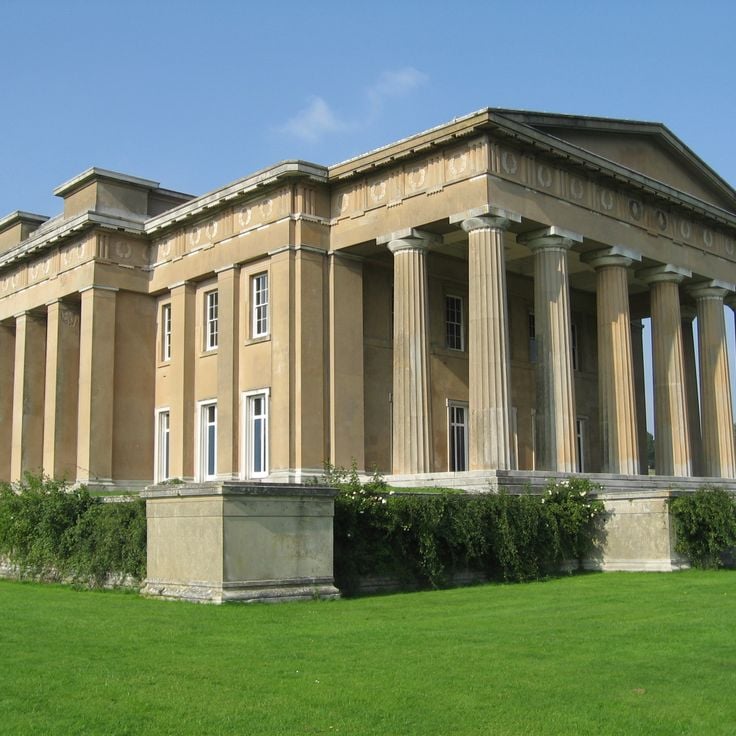
The Grange is a mansion in Northington featuring classical Greek columns and refined architecture. The building impresses with its neoclassical design, including grand columned halls. Inside, opera performances take place regularly, making this estate a cultural venue. Visitors can admire the elaborate interior decoration and experience the acoustic qualities of the hall used for musical performances. The Grange reflects the splendor of 19th-century British country estates and shows how such houses served as centers for art and culture.
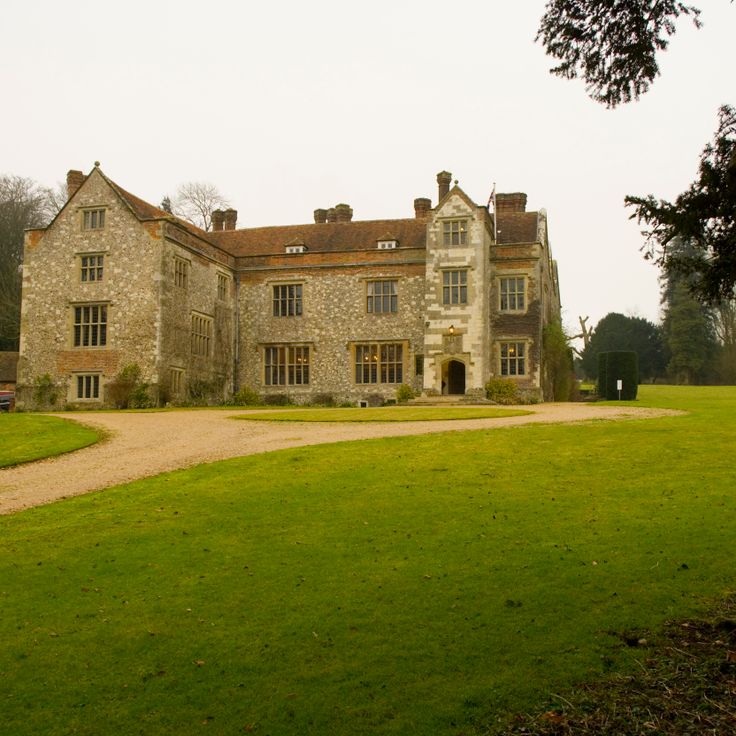
Chawton House Library is a place dedicated to English literary history. Built in the 16th century, the house once belonged to Edward Austen Knight. Today visitors can explore an important collection of older English women writers. The rooms tell the story of authors whose works were often overlooked. A visit reveals how these voices shaped English literature.
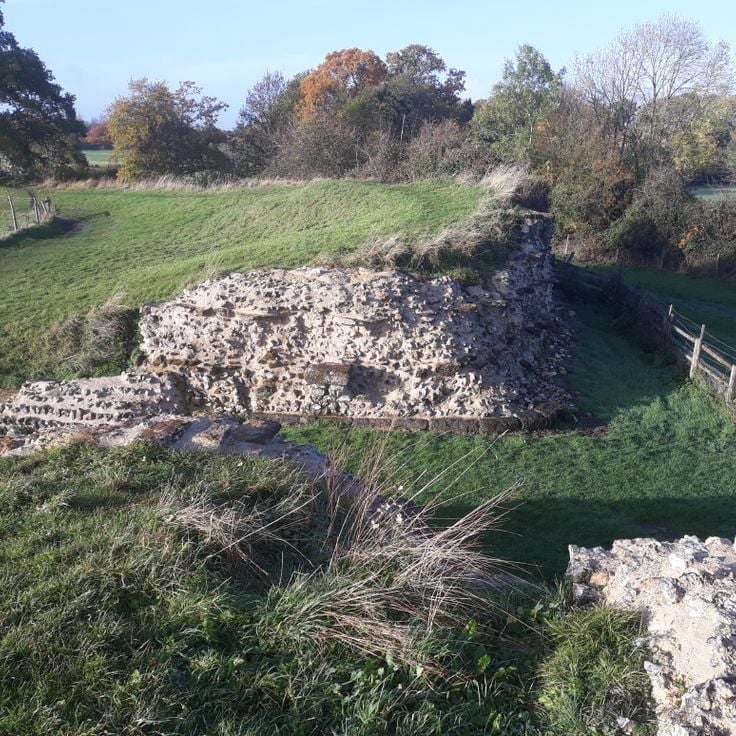
The Roman walls and amphitheater of Silchester are the remains of the ancient city of Calleva Atrebatum. At this site, you can see the stone walls that once surrounded a military fortress and the ruins of a large amphitheater. These structures tell the story of Roman presence in Hampshire and show how people lived here almost 2000 years ago. The walls are partially preserved and give you a sense of the size and strength of this ancient settlement. As you explore the grounds, you follow the traces of a civilization that shaped this region.
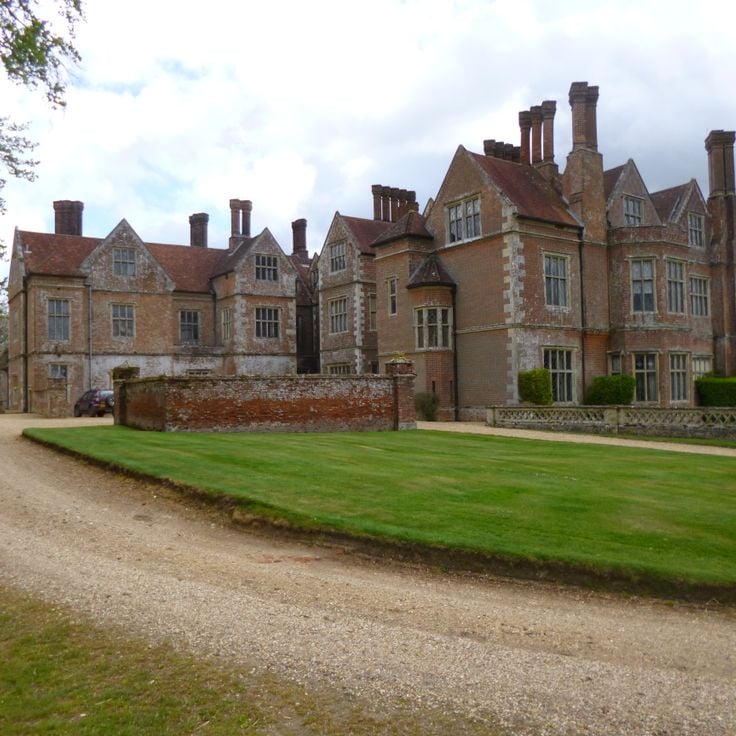
Breamore Manor, built in 1583, sits in a gentle valley and shows how a wealthy family lived over the centuries. Inside, you find paintings, furniture, and objects from different periods that belonged to the people who called this place home. The rooms tell stories through the things they hold. Outside, gardens and farm buildings surround the manor, revealing how estates like this one functioned. Breamore Manor is a window into Hampshire's history through the eyes of those who lived within these walls.
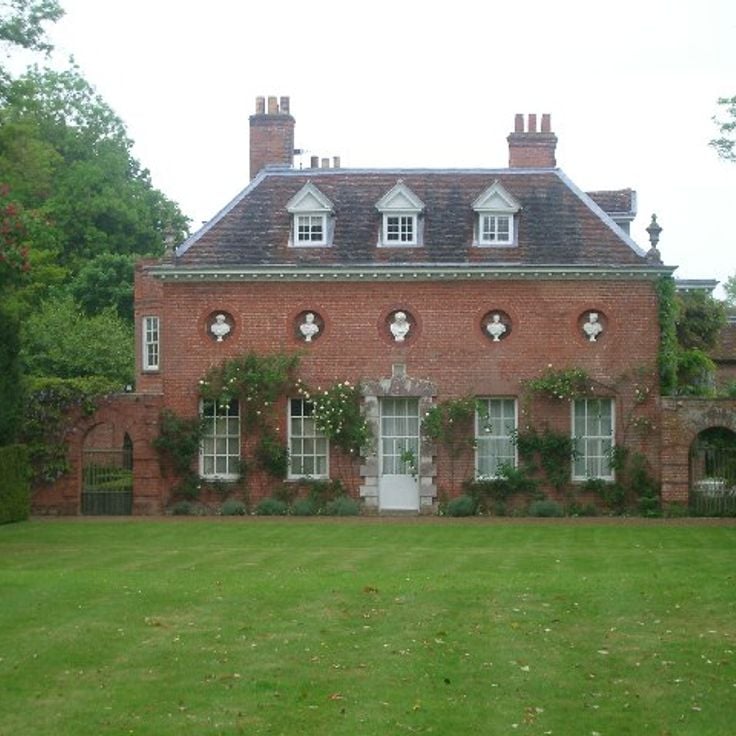
The gardens at West Green are French-inspired grounds laid out around a Georgian manor built in 1720. They show how garden design and architecture came together to create a beautiful space. Water features, vegetable gardens, and lawns form different areas that invite you to walk through them. These gardens are part of Hampshire's heritage and reflect the tastes and resources of the family who lived here.
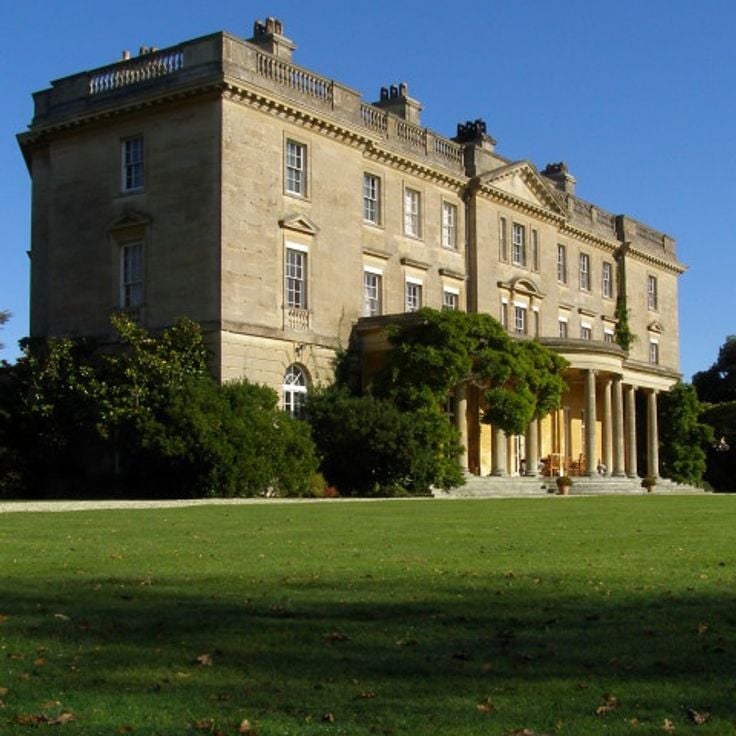
The gardens at Exbury showcase extensive collections of rhododendrons, azaleas, and camellias spread across a large area. A short train ride takes visitors through these planted grounds. These gardens represent the way Hampshire blends its natural spaces with human cultivation. The train ride offers a relaxing way to experience the gardens, allowing people to see how different plants are arranged and how they grow together in this carefully planned setting.
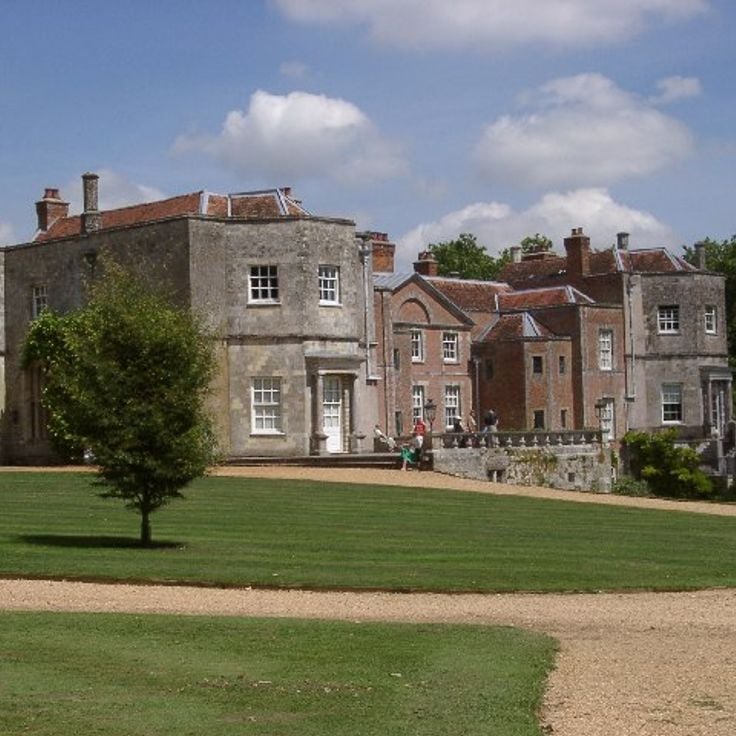
Mottisfont Abbey dates from the 13th century and now houses a national collection of historic roses in an enclosed garden. The building tells the story of a medieval abbey and shows how a religious site transformed its purpose over the centuries. The garden itself is a place where visitors can walk among historic rose varieties and discover the beauty of these old plants. The combination of architecture and gardening makes Mottisfont an important part of Hampshire's heritage.
Selborne Natural Reserve is a place where chalk cliffs and beech forests meet. The naturalist Gilbert White studied the wildlife and plants here during the 18th century. Today, visitors can walk through quiet paths across this landscape and explore the same habitats that White observed long ago. The reserve shows how Hampshire's nature has endured over the centuries.
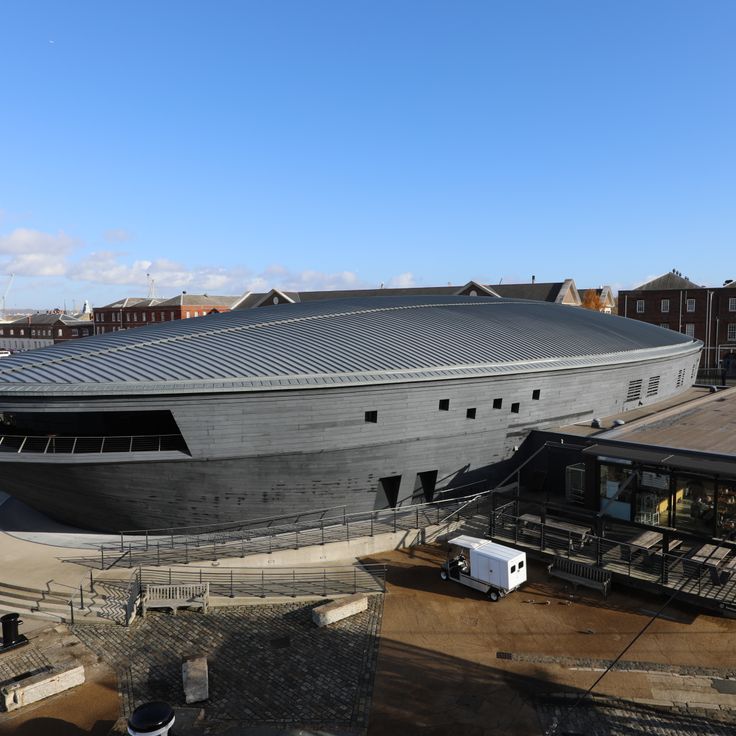
The Mary Rose Museum displays over 19000 objects preserved from a 16th-century ship. The museum shows how people lived and worked at sea. The collection includes weapons, tools, clothing, and everyday items belonging to sailors. The ship was famous and played an important role in English history. Visitors can learn what life at sea was like during that period.
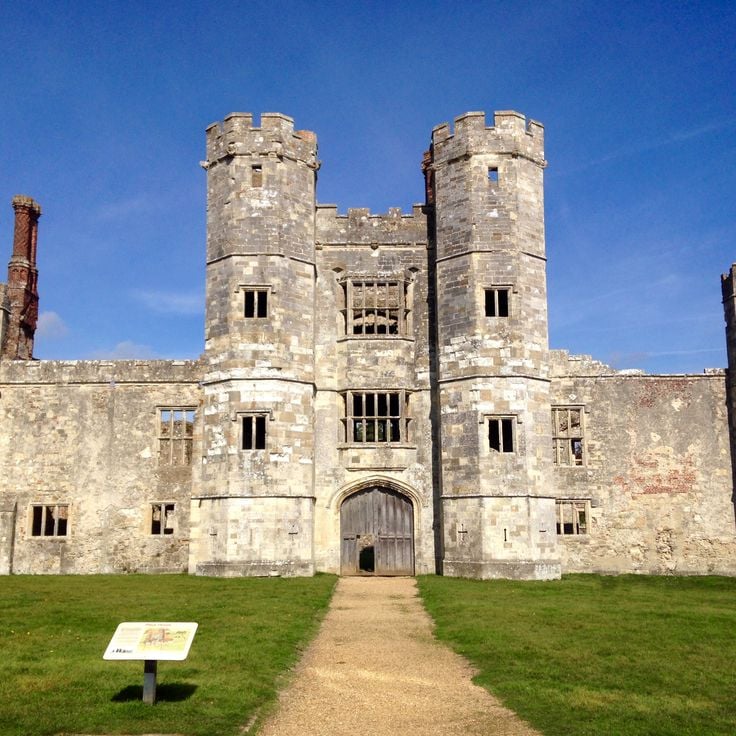
Titchfield Abbey is a place where medieval history blends with later periods. Originally built as a monastery, the abbey was later converted into a manor house. Today visitors can explore the ruins and discover the different building phases that shaped the structure. The remains show how a religious site took on new purposes over time while transforming itself. The stones tell the story of the people who lived and prayed here, as well as the families who later occupied the estate as their home.
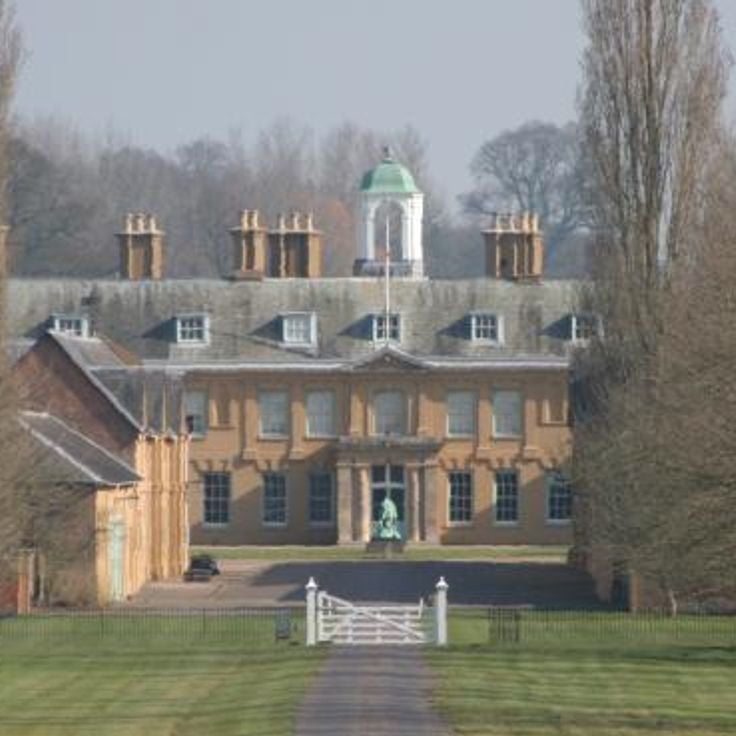
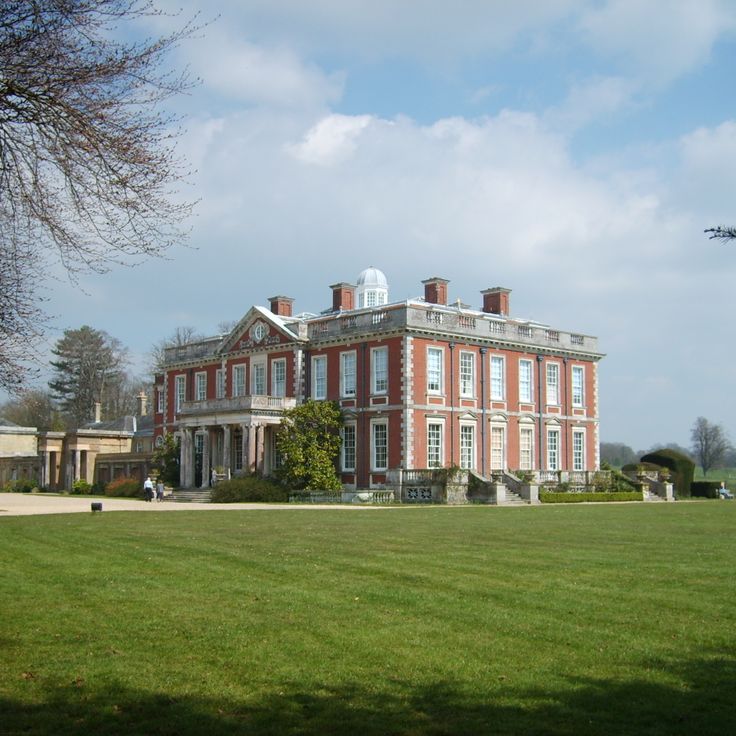
Stratfield Saye is a country house that holds strong connections to British military history. The house contains an extensive collection of paintings, furniture, and objects from the era of the Napoleonic Wars. Visitors can walk through the rooms and see personal possessions and artworks that tell stories from this period. The gardens and grounds show how wealthy families of the 19th century lived and displayed their achievements.
The palace ruins of Bishops Waltham offer a window into medieval church authority and power. This 12th-century bishop's residence displays Norman and Gothic architectural features that reveal the status and influence of the church in the region. Walking among the remains, visitors can trace how bishops lived and governed from this seat of ecclesiastical importance. The site connects visitors to the daily life and ambitions of those who held religious leadership during the Middle Ages.
This park in Rowland's Castle surrounds a manor house dating to the 17th century. The gardens here contain a collection of trees and shrubs that have been planted over many decades. Visitors can walk through the maintained grounds and see the historic house, which shows how people lived in earlier times. The park reflects how wealthy families designed their estates with gardens that served both practical purposes and provided spaces for leisure and enjoyment.
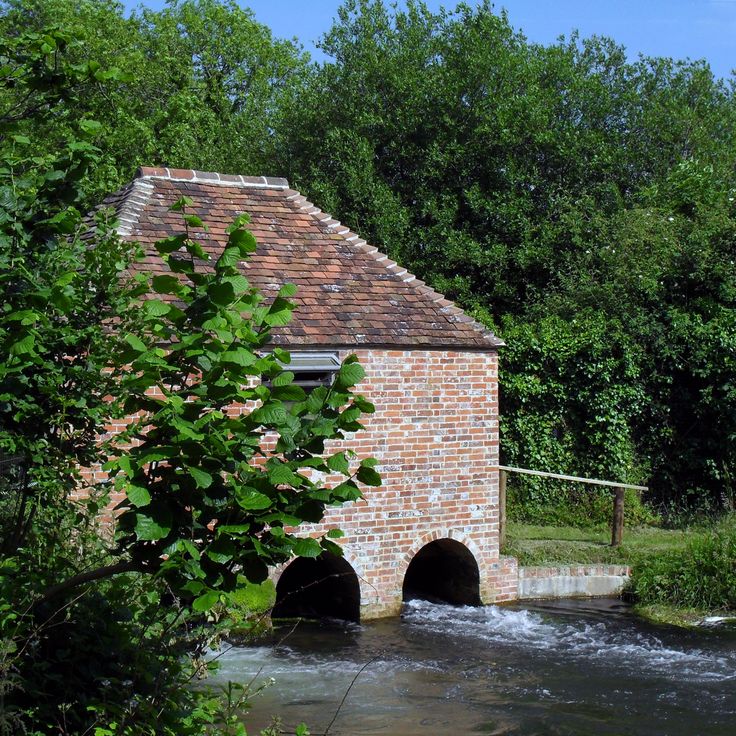
The Alresford Eel House is an industrial building from 1820 that sits within Hampshire's rich heritage landscape along the River Arle. This structure reveals how local people once used the river's natural resources to earn their living. The building served as a processing center for eels caught in the water. It tells a story of daily life and work during a time when river valleys were vibrant hubs of activity. Visitors can witness how local crafts and nature were connected in this working community.
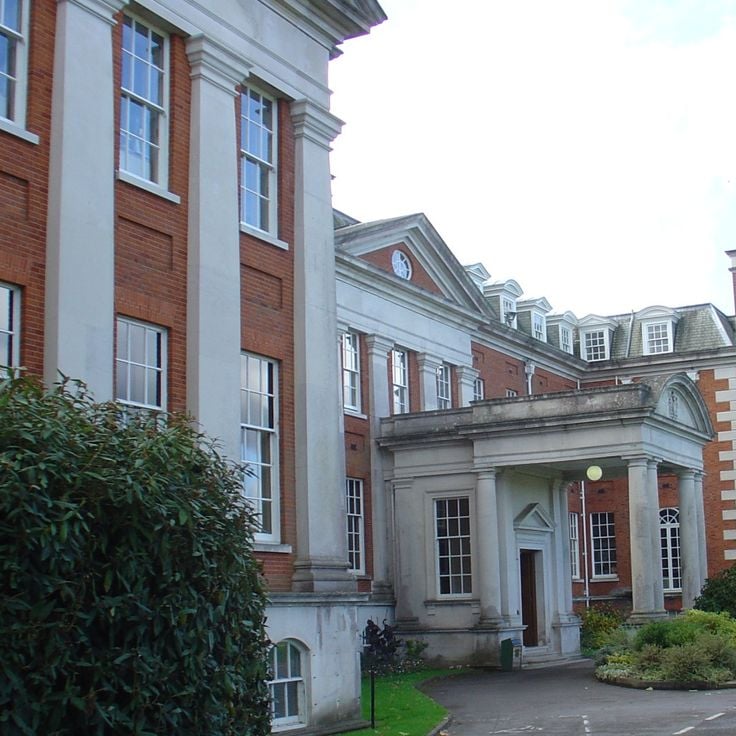
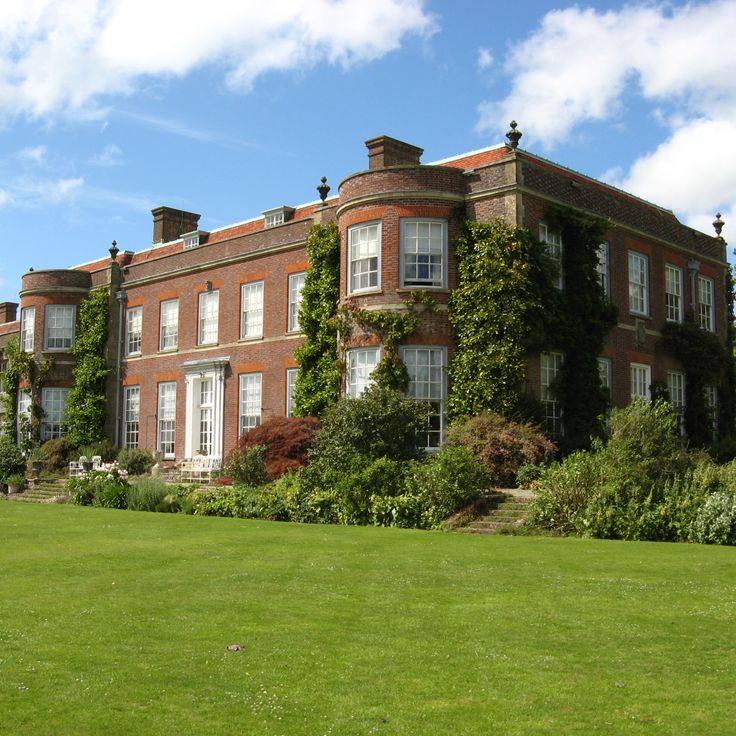
Hursley House is a 18th-century manor that fits into Hampshire's story of change and adaptation. Since 1958, the building has served as IBM's development laboratory and research center. The property shows how historic estates in the region have found new purposes while keeping their character. Inside, the original rooms have been transformed into workspaces for researchers and engineers. The manor demonstrates how buildings from the past can continue to play important roles in modern innovation. Walking through the grounds, visitors can see where history and contemporary work meet.
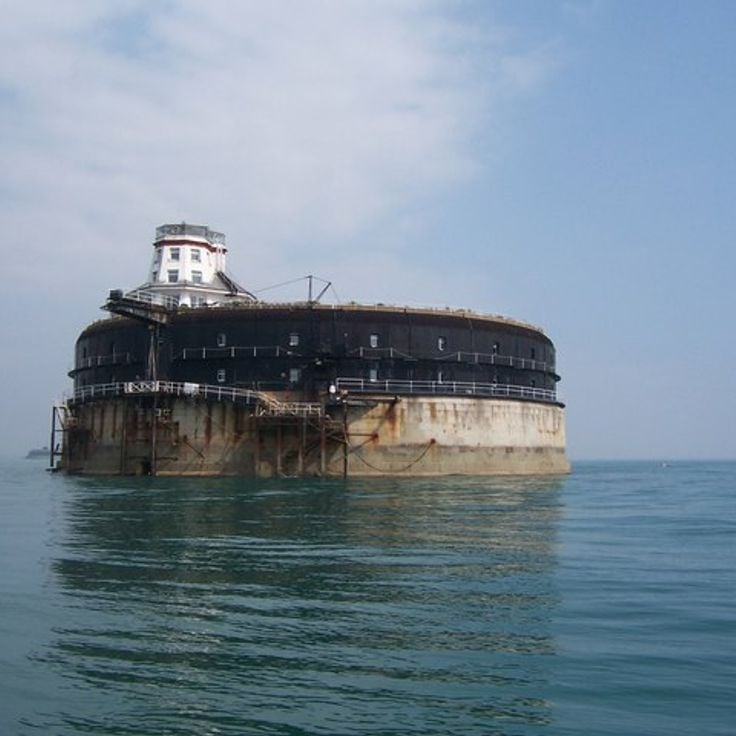
Fort No Man's Land is a 19th century maritime fortress in the Solent that now operates as a hotel with 22 suites. Built to protect the waters around the Isle of Wight, this fortification shows the military engineering of Victorian times. Visitors can explore the structure and learn about the region's defensive history. The conversion into a hotel has kept the building standing and allows people to stay within these historic walls while experiencing the story of the Solent.
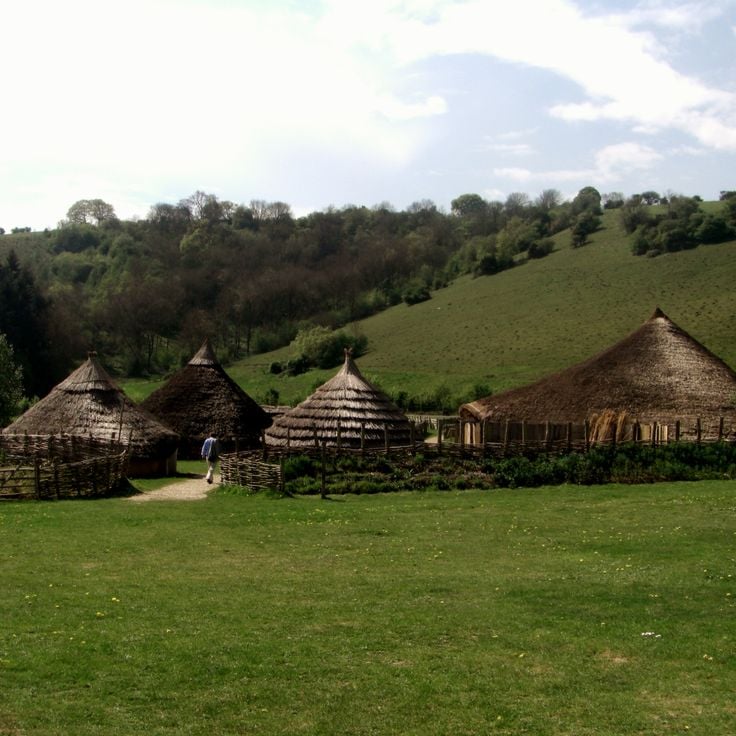
The Ferme ancienne de Butser in Chalton shows how people lived and worked on farms during the Iron Age and Roman times. The site features rebuilt structures where visitors can watch demonstrations of ancient farming methods and tools. These shows reveal how farmers two thousand years ago grew crops, raised animals, and prepared food. This farm is part of Hampshire's rich history, which spans from Roman walls and amphitheaters to medieval castles and abbeys.
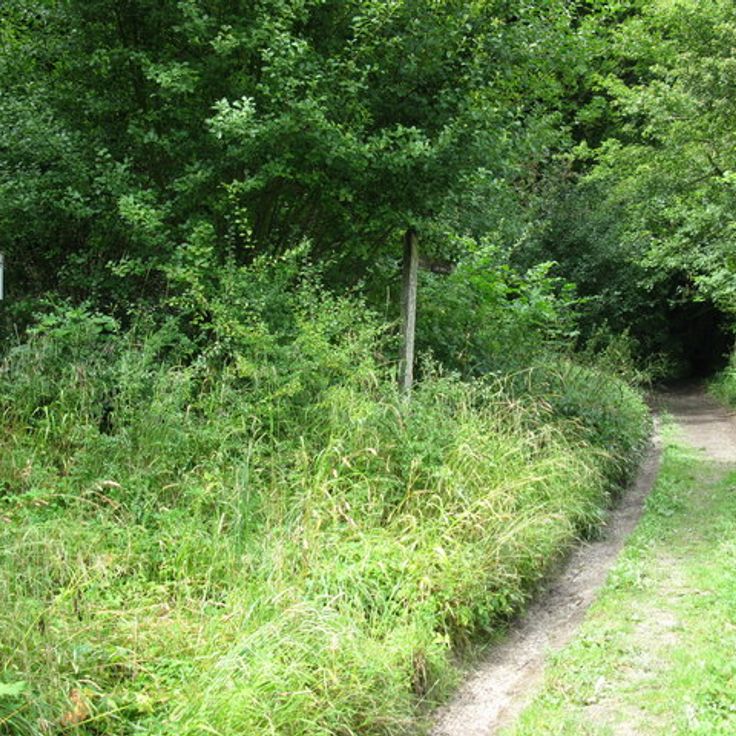
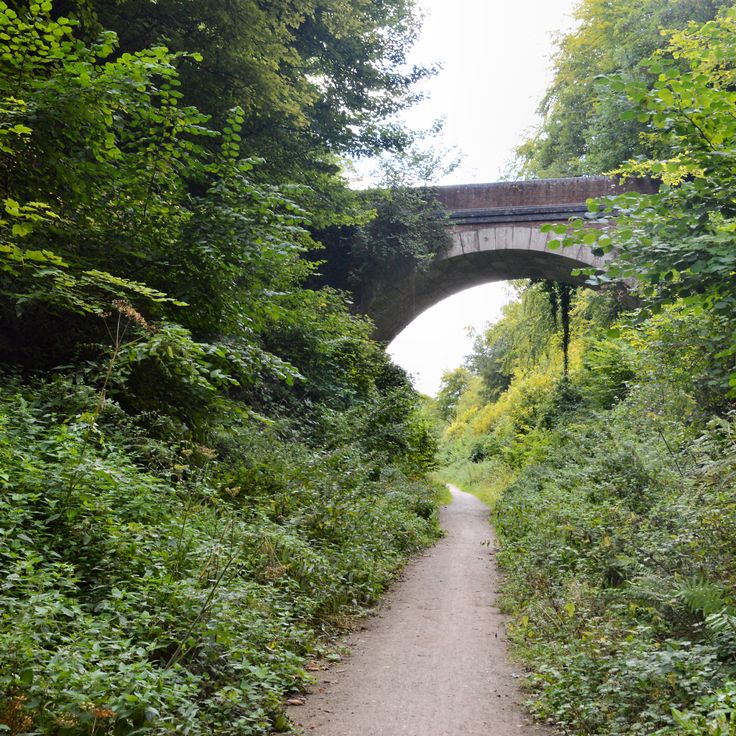
The Meon Valley Trail is a 16-kilometer walking path built on a former railway line that winds through the fields and woodlands of Hampshire. It connects visitors with the broader network of historical routes in the region and allows travelers to experience the landscape that people in Hampshire have crossed for centuries. The path follows the natural course of the valley and offers views of the rural life in the area along the way.
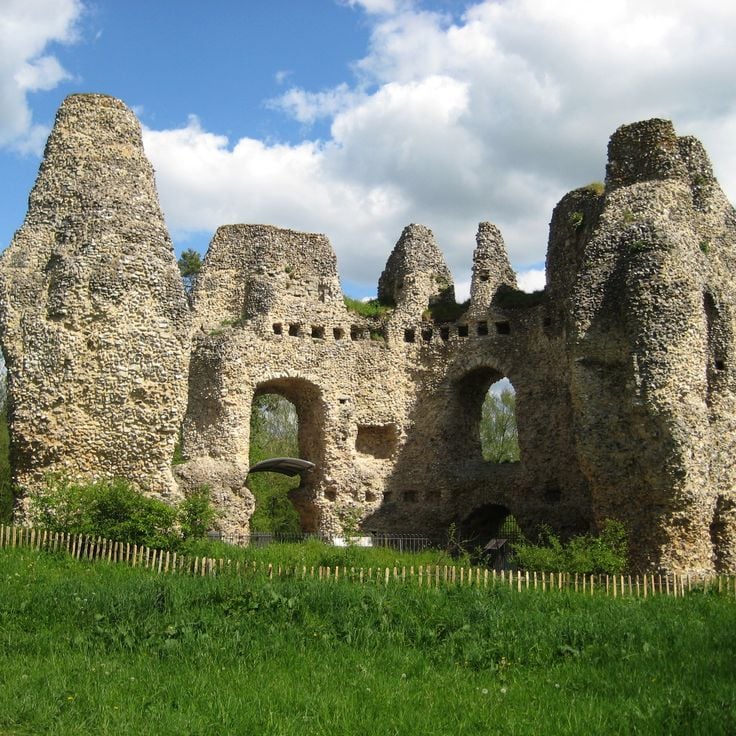
Odiham Castle consists of the remains of a fortress built in 1207. King John ordered its construction on the banks of the Basingstoke Canal. Today visitors can see the ruins of this medieval structure and learn about early Plantagenet history. The castle shows how defensive architecture was built in that period, and its location by the water was strategically important.
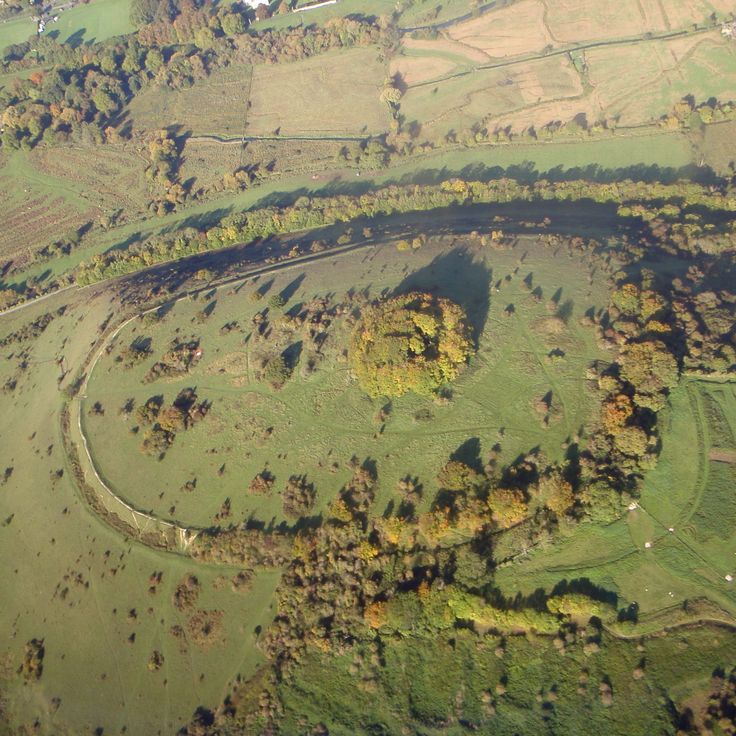
This hill in Winchester reveals layers of history from different eras. At 97 meters high, it once held an iron age fort, and a medieval chapel was later added to the summit. From here you can see out across the town while tracing the story of how people occupied and built on this spot across the centuries.
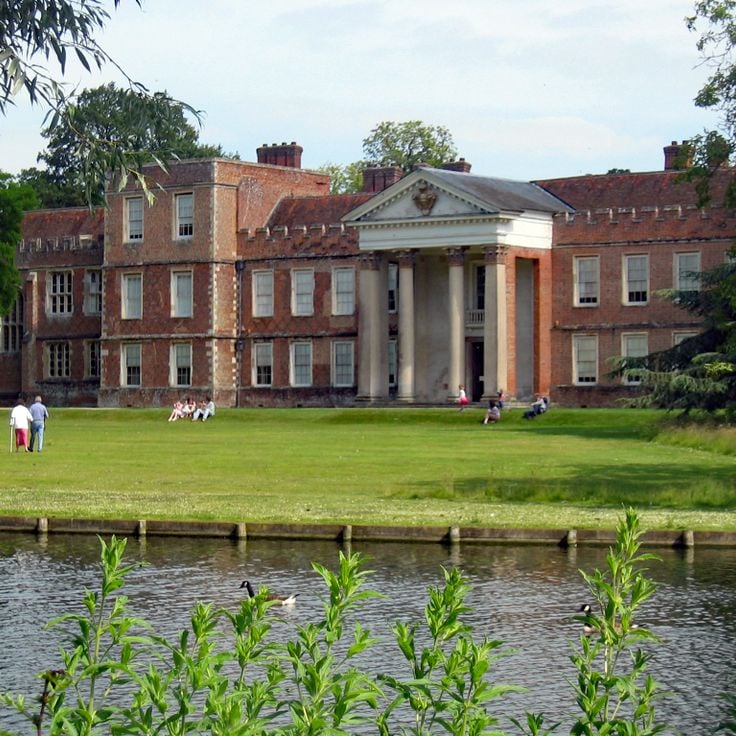
The Vyne is a Tudor house located in Sherborne St John. It features a chapel, a long gallery, and a remarkable collection of Renaissance stained glass windows. The house shows how wealthy families lived during the Tudor period and how they decorated their homes with fine craftsmanship. Walking through the rooms, visitors can see the details that made these homes comfortable and beautiful for their families.
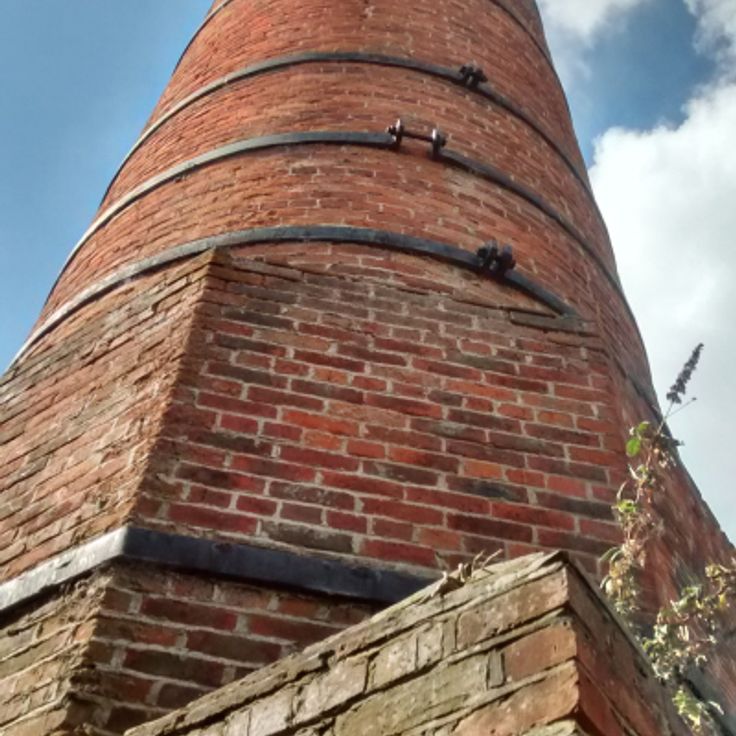
The Brick Museum in Bursledon displays original machines and equipment from the Victorian era that were used in brick production. This museum contributes to Hampshire's history by documenting the craftsmanship and industrial activity that shaped the region. The displayed machinery comes from a time when brick making was an important trade, and shows how people worked and processed materials in those days.
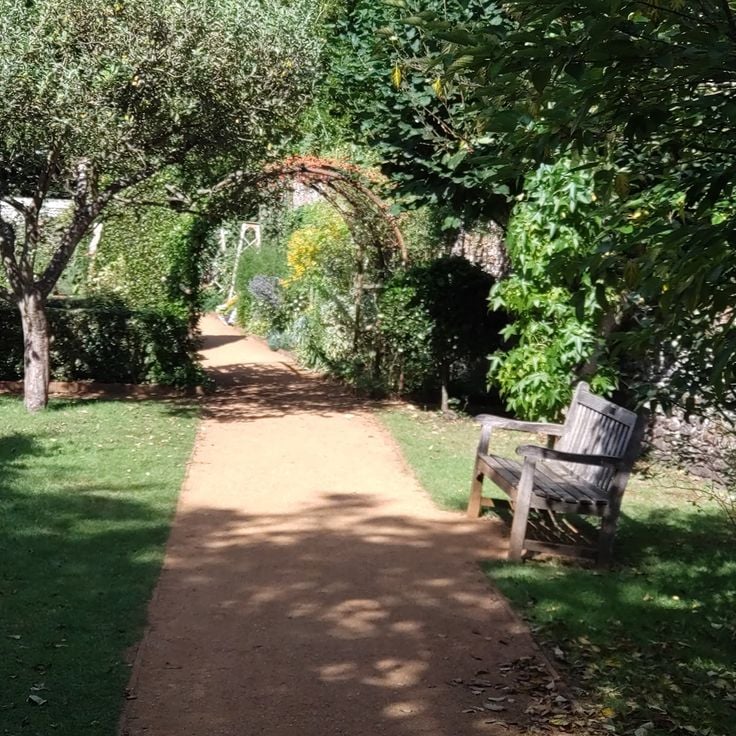
The Physic Garden at Petersfield contains medicinal herbs and plants arranged in a historical style with panels explaining their medical uses. This garden is part of Hampshire's rich heritage, which spans from Roman times to the Victorian era. Visitors can explore how people have used plants for healing purposes over centuries. The garden shows the relationship between nature and human needs that shaped daily life in past times. Like other historic sites across Hampshire, this space preserves knowledge about how people understood and used their natural surroundings.
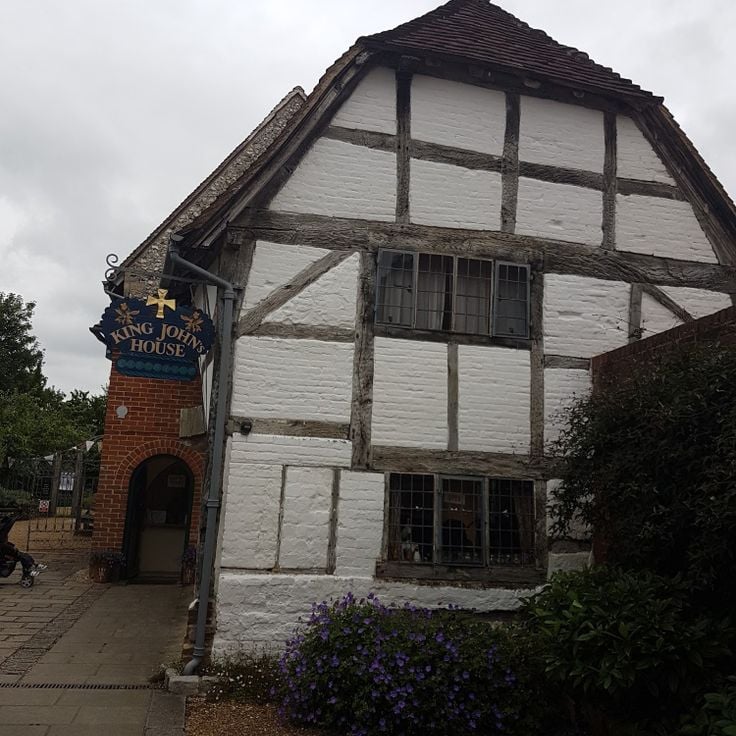
King John's House and the Tudor Cottage in Romsey feature wall paintings from the 14th century and a collection of historical furniture. These buildings offer insight into life during the Middle Ages and early modern times. The rooms are furnished with objects that reflect the everyday experience of past centuries. Visitors can understand how people in this region lived and made their homes over several centuries.
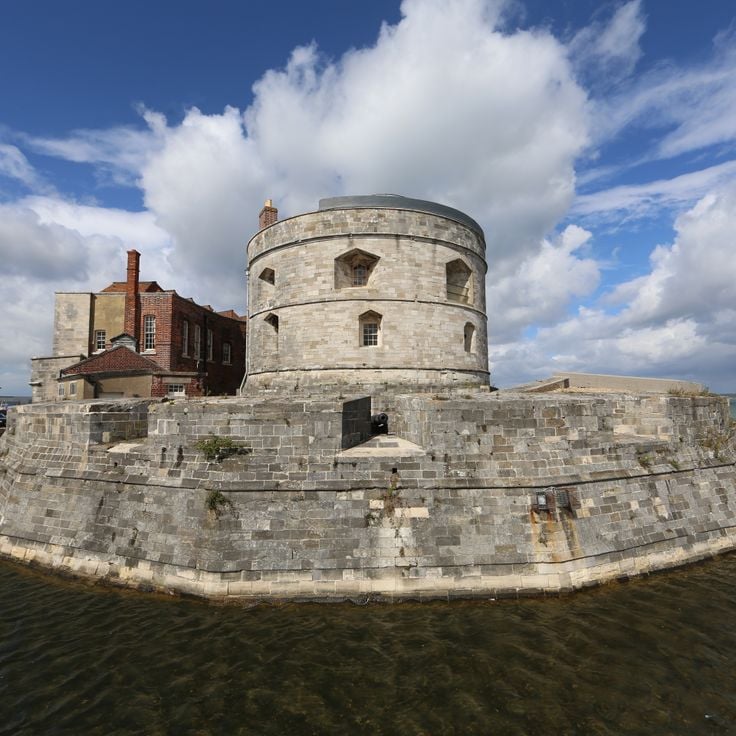
The Château de Calshot is a 16th century artillery fortress standing on a peninsula that overlooks the shipping channel of Southampton Water. This fortress is part of Hampshire's rich historical heritage, where Roman walls and ancient amphitheaters meet medieval castles and abbeys. The Château de Calshot tells the story of the region's defensive history and the people who lived here. Visitors can explore the structure and learn more about the maritime stories of this coastal area.
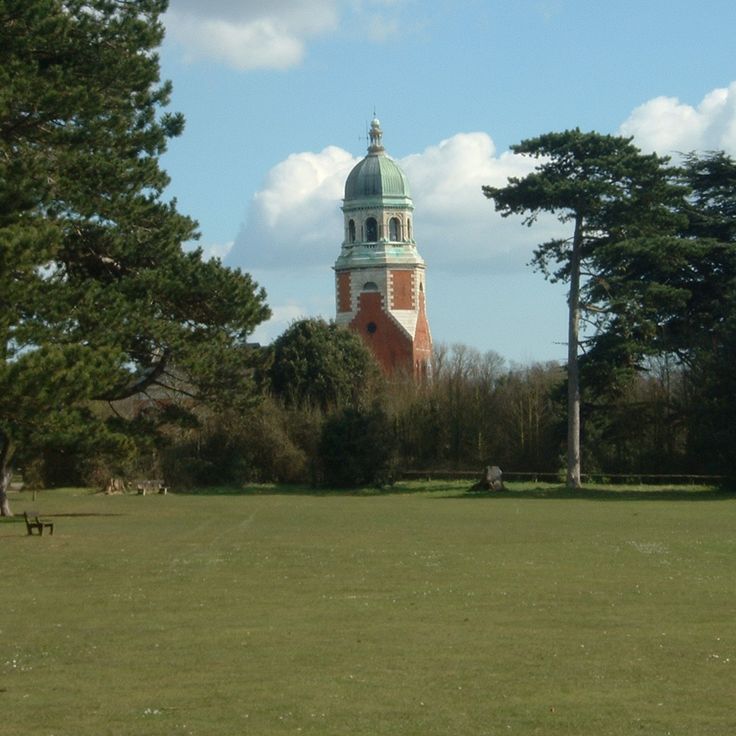
The Royal Victoria Landscape Park in Netley sits on the grounds of a former military hospital, now covering about 200 hectares of green space along the coast. Within the park stands a chapel built in 1863, and visitors can walk through areas that show how this once-busy hospital site has transformed into a place for walking and reflection. The park tells the story of how military spaces become peaceful places where nature and history come together.
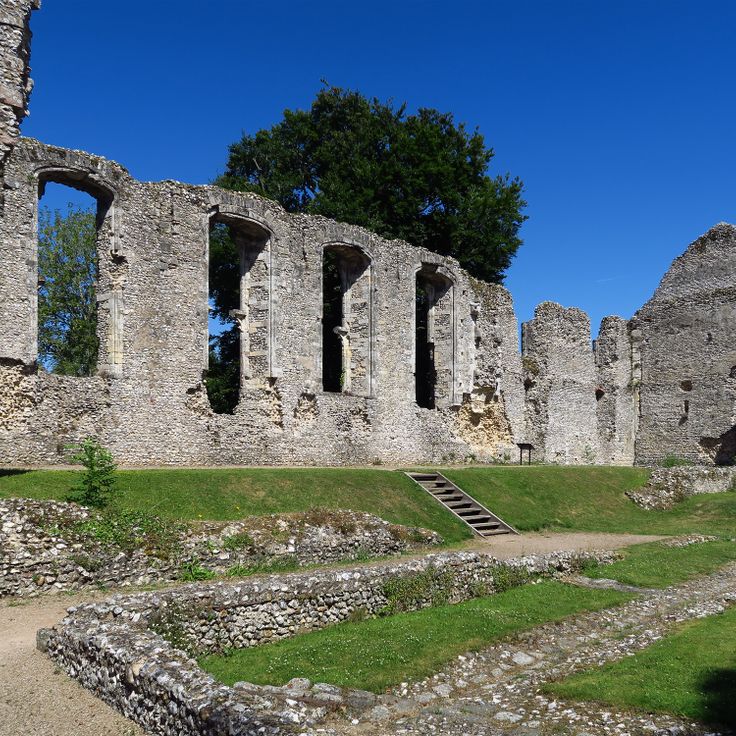
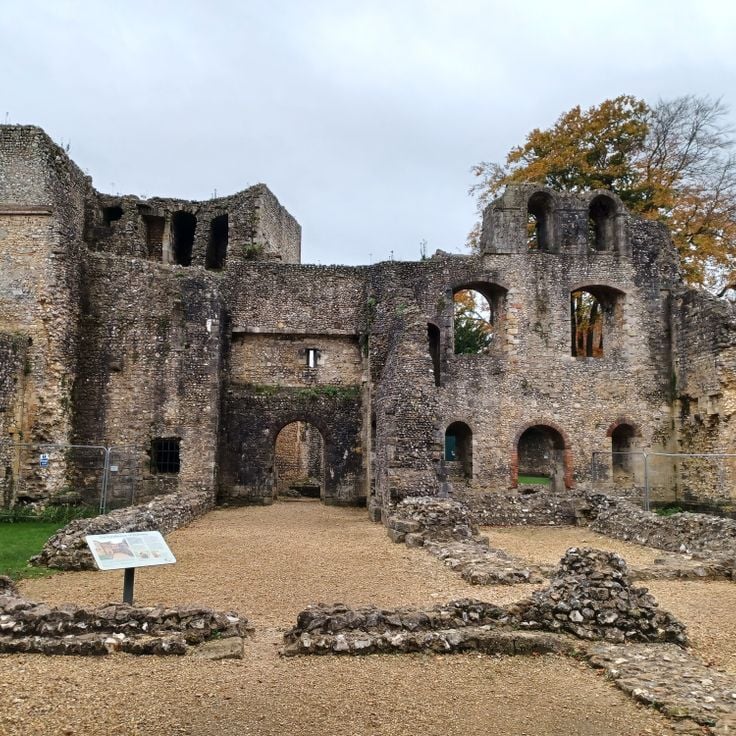
Wolvesey Castle was a bishop's residence built in the 12th century. Its stone walls still stand and show the style of Norman architecture that was common at that time. The ruins sit in Winchester and tell the story of when religious leaders held great power in England. Walking through these remains, you can sense the importance this place once had. The walls reveal how people lived and worked in a grand medieval household.
The gardens of Hinton Ampner show how people in Hampshire laid out their outdoor spaces. The garden brings together formal design and productive areas. Boxwood hedges create clean lines, rose gardens offer flowers in their seasons, and fruit trees grow alongside vegetable beds. Views of the South Downs stretch across the landscape beyond. The garden tells the story of how earlier generations lived and how they wove together place and nature.
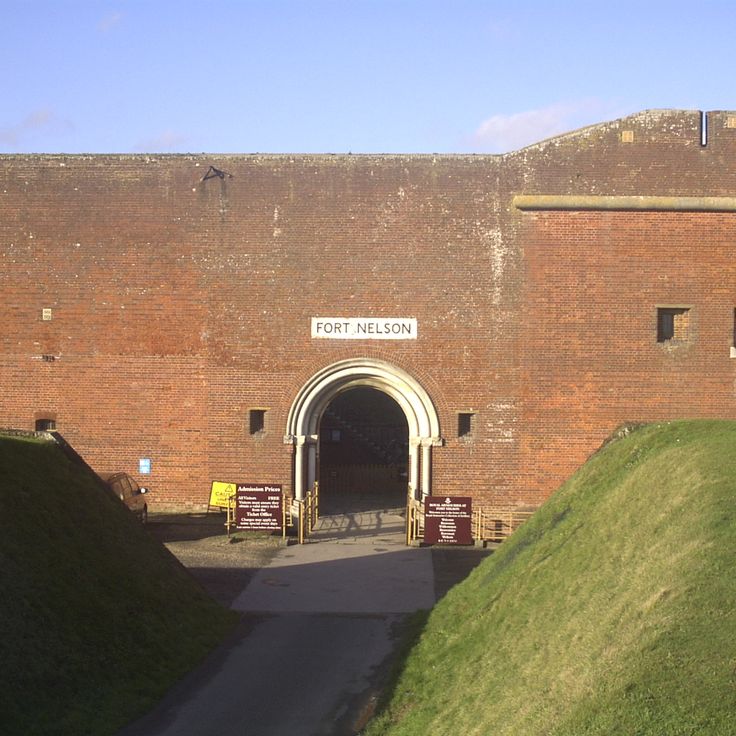
Fort Nelson is a Victorian fortification built in 1860 in Fareham. This fort houses a collection of artillery and cannons spanning different historical periods. It forms part of Hampshire's military heritage and offers visitors insight into how weapons and defense strategies evolved over time. The collection shows the progression of military technology and the role fortifications played in protecting the region.
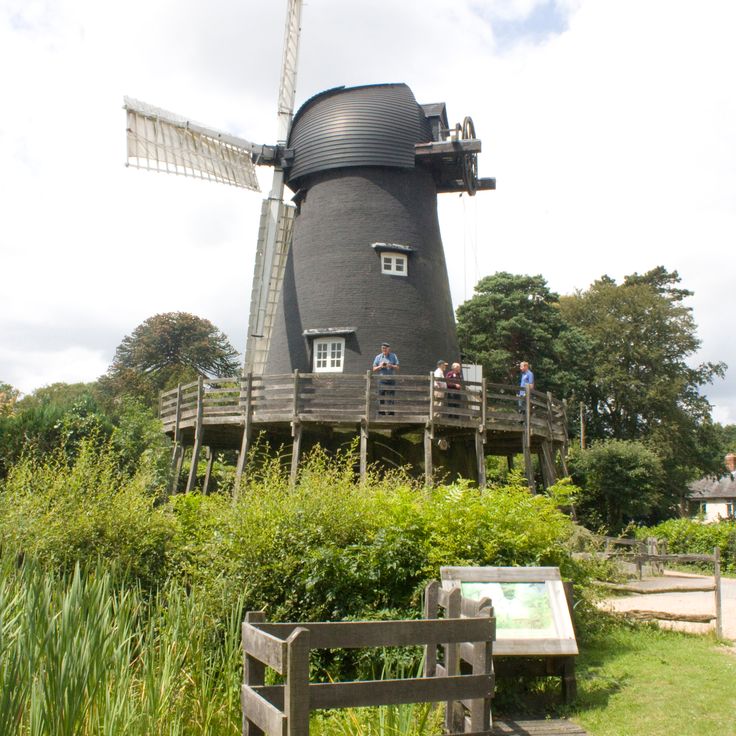
The Bursledon Windmill dates from 1814 and remains a working tower mill with its original equipment. Regular demonstrations show how the mill grounds grain into flour, just as it did nearly two centuries ago. Visitors can watch the machinery in action and understand the role mills like this played in feeding local communities. The mill stands as a reminder of the crafts and trades that shaped daily life in Hampshire.
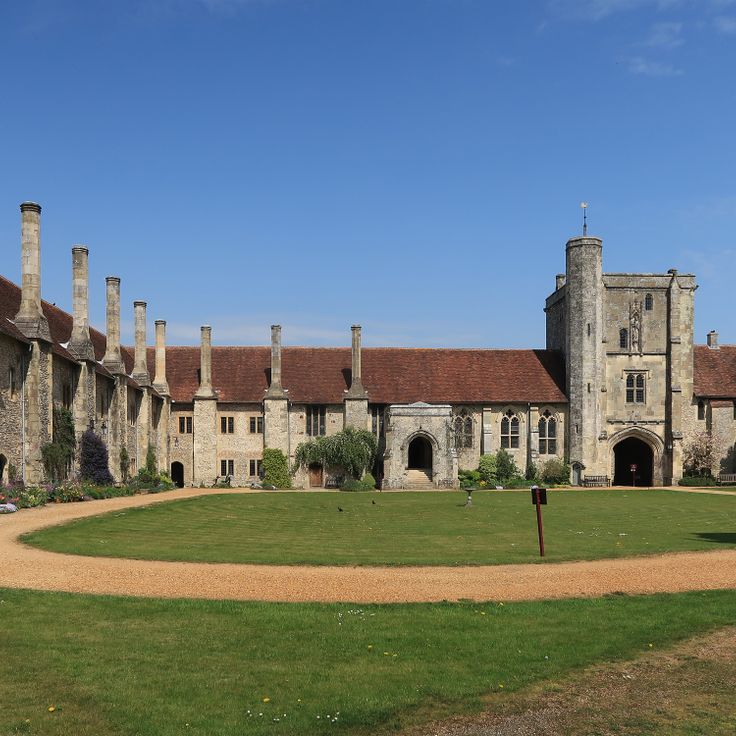
St. Cross Hospital in Winchester is a charitable institution from the 12th century that continues to offer bread and beer to visitors. This building shows how medieval communities cared for travelers and those in need. With its stone walls and courtyards, the hospital gives you a sense of daily life in medieval times. It is a rare example of a working institution from this period and reveals the kindness and hospitality of the medieval world.
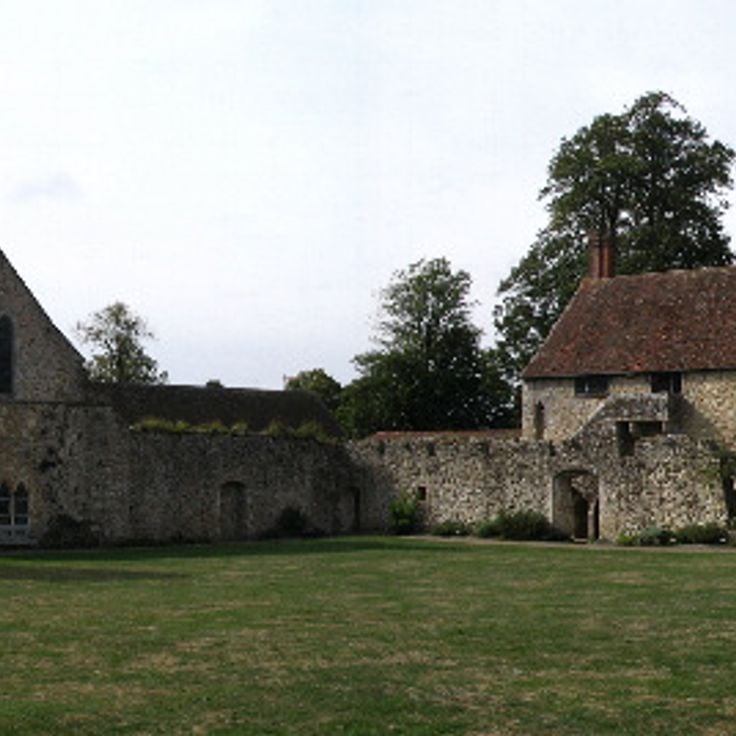
Beaulieu Abbey consists of the remains of a Cistercian monastery built in the 13th century. The ruins show the layout of a medieval cloister with parts of the stone walkway still visible. Monastic gardens surround the buildings, designed according to the practices of the order. Walking through this site, you can trace the daily life of the monks who lived here. The quietness of the place helps you understand what religious community life was like during the Middle Ages.
The Grange is a mansion in Northington featuring classical Greek columns and refined architecture. The building impresses with its neoclassical design, including grand columned halls. Inside, opera performances take place regularly, making this estate a cultural venue. Visitors can admire the elaborate interior decoration and experience the acoustic qualities of the hall used for musical performances. The Grange reflects the splendor of 19th-century British country estates and shows how such houses served as centers for art and culture.
Chawton House Library is a place dedicated to English literary history. Built in the 16th century, the house once belonged to Edward Austen Knight. Today visitors can explore an important collection of older English women writers. The rooms tell the story of authors whose works were often overlooked. A visit reveals how these voices shaped English literature.
The Roman walls and amphitheater of Silchester are the remains of the ancient city of Calleva Atrebatum. At this site, you can see the stone walls that once surrounded a military fortress and the ruins of a large amphitheater. These structures tell the story of Roman presence in Hampshire and show how people lived here almost 2000 years ago. The walls are partially preserved and give you a sense of the size and strength of this ancient settlement. As you explore the grounds, you follow the traces of a civilization that shaped this region.
Breamore Manor, built in 1583, sits in a gentle valley and shows how a wealthy family lived over the centuries. Inside, you find paintings, furniture, and objects from different periods that belonged to the people who called this place home. The rooms tell stories through the things they hold. Outside, gardens and farm buildings surround the manor, revealing how estates like this one functioned. Breamore Manor is a window into Hampshire's history through the eyes of those who lived within these walls.
The gardens at West Green are French-inspired grounds laid out around a Georgian manor built in 1720. They show how garden design and architecture came together to create a beautiful space. Water features, vegetable gardens, and lawns form different areas that invite you to walk through them. These gardens are part of Hampshire's heritage and reflect the tastes and resources of the family who lived here.
The gardens at Exbury showcase extensive collections of rhododendrons, azaleas, and camellias spread across a large area. A short train ride takes visitors through these planted grounds. These gardens represent the way Hampshire blends its natural spaces with human cultivation. The train ride offers a relaxing way to experience the gardens, allowing people to see how different plants are arranged and how they grow together in this carefully planned setting.
Mottisfont Abbey dates from the 13th century and now houses a national collection of historic roses in an enclosed garden. The building tells the story of a medieval abbey and shows how a religious site transformed its purpose over the centuries. The garden itself is a place where visitors can walk among historic rose varieties and discover the beauty of these old plants. The combination of architecture and gardening makes Mottisfont an important part of Hampshire's heritage.
Selborne Natural Reserve is a place where chalk cliffs and beech forests meet. The naturalist Gilbert White studied the wildlife and plants here during the 18th century. Today, visitors can walk through quiet paths across this landscape and explore the same habitats that White observed long ago. The reserve shows how Hampshire's nature has endured over the centuries.
The Mary Rose Museum displays over 19000 objects preserved from a 16th-century ship. The museum shows how people lived and worked at sea. The collection includes weapons, tools, clothing, and everyday items belonging to sailors. The ship was famous and played an important role in English history. Visitors can learn what life at sea was like during that period.
Titchfield Abbey is a place where medieval history blends with later periods. Originally built as a monastery, the abbey was later converted into a manor house. Today visitors can explore the ruins and discover the different building phases that shaped the structure. The remains show how a religious site took on new purposes over time while transforming itself. The stones tell the story of the people who lived and prayed here, as well as the families who later occupied the estate as their home.
Stratfield Saye is a country house that holds strong connections to British military history. The house contains an extensive collection of paintings, furniture, and objects from the era of the Napoleonic Wars. Visitors can walk through the rooms and see personal possessions and artworks that tell stories from this period. The gardens and grounds show how wealthy families of the 19th century lived and displayed their achievements.
The palace ruins of Bishops Waltham offer a window into medieval church authority and power. This 12th-century bishop's residence displays Norman and Gothic architectural features that reveal the status and influence of the church in the region. Walking among the remains, visitors can trace how bishops lived and governed from this seat of ecclesiastical importance. The site connects visitors to the daily life and ambitions of those who held religious leadership during the Middle Ages.
This park in Rowland's Castle surrounds a manor house dating to the 17th century. The gardens here contain a collection of trees and shrubs that have been planted over many decades. Visitors can walk through the maintained grounds and see the historic house, which shows how people lived in earlier times. The park reflects how wealthy families designed their estates with gardens that served both practical purposes and provided spaces for leisure and enjoyment.
The Alresford Eel House is an industrial building from 1820 that sits within Hampshire's rich heritage landscape along the River Arle. This structure reveals how local people once used the river's natural resources to earn their living. The building served as a processing center for eels caught in the water. It tells a story of daily life and work during a time when river valleys were vibrant hubs of activity. Visitors can witness how local crafts and nature were connected in this working community.
Hursley House is a 18th-century manor that fits into Hampshire's story of change and adaptation. Since 1958, the building has served as IBM's development laboratory and research center. The property shows how historic estates in the region have found new purposes while keeping their character. Inside, the original rooms have been transformed into workspaces for researchers and engineers. The manor demonstrates how buildings from the past can continue to play important roles in modern innovation. Walking through the grounds, visitors can see where history and contemporary work meet.
Fort No Man's Land is a 19th century maritime fortress in the Solent that now operates as a hotel with 22 suites. Built to protect the waters around the Isle of Wight, this fortification shows the military engineering of Victorian times. Visitors can explore the structure and learn about the region's defensive history. The conversion into a hotel has kept the building standing and allows people to stay within these historic walls while experiencing the story of the Solent.
The Ferme ancienne de Butser in Chalton shows how people lived and worked on farms during the Iron Age and Roman times. The site features rebuilt structures where visitors can watch demonstrations of ancient farming methods and tools. These shows reveal how farmers two thousand years ago grew crops, raised animals, and prepared food. This farm is part of Hampshire's rich history, which spans from Roman walls and amphitheaters to medieval castles and abbeys.
The Meon Valley Trail is a 16-kilometer walking path built on a former railway line that winds through the fields and woodlands of Hampshire. It connects visitors with the broader network of historical routes in the region and allows travelers to experience the landscape that people in Hampshire have crossed for centuries. The path follows the natural course of the valley and offers views of the rural life in the area along the way.
Odiham Castle consists of the remains of a fortress built in 1207. King John ordered its construction on the banks of the Basingstoke Canal. Today visitors can see the ruins of this medieval structure and learn about early Plantagenet history. The castle shows how defensive architecture was built in that period, and its location by the water was strategically important.
This hill in Winchester reveals layers of history from different eras. At 97 meters high, it once held an iron age fort, and a medieval chapel was later added to the summit. From here you can see out across the town while tracing the story of how people occupied and built on this spot across the centuries.
The Vyne is a Tudor house located in Sherborne St John. It features a chapel, a long gallery, and a remarkable collection of Renaissance stained glass windows. The house shows how wealthy families lived during the Tudor period and how they decorated their homes with fine craftsmanship. Walking through the rooms, visitors can see the details that made these homes comfortable and beautiful for their families.
The Brick Museum in Bursledon displays original machines and equipment from the Victorian era that were used in brick production. This museum contributes to Hampshire's history by documenting the craftsmanship and industrial activity that shaped the region. The displayed machinery comes from a time when brick making was an important trade, and shows how people worked and processed materials in those days.
The Physic Garden at Petersfield contains medicinal herbs and plants arranged in a historical style with panels explaining their medical uses. This garden is part of Hampshire's rich heritage, which spans from Roman times to the Victorian era. Visitors can explore how people have used plants for healing purposes over centuries. The garden shows the relationship between nature and human needs that shaped daily life in past times. Like other historic sites across Hampshire, this space preserves knowledge about how people understood and used their natural surroundings.
King John's House and the Tudor Cottage in Romsey feature wall paintings from the 14th century and a collection of historical furniture. These buildings offer insight into life during the Middle Ages and early modern times. The rooms are furnished with objects that reflect the everyday experience of past centuries. Visitors can understand how people in this region lived and made their homes over several centuries.
The Château de Calshot is a 16th century artillery fortress standing on a peninsula that overlooks the shipping channel of Southampton Water. This fortress is part of Hampshire's rich historical heritage, where Roman walls and ancient amphitheaters meet medieval castles and abbeys. The Château de Calshot tells the story of the region's defensive history and the people who lived here. Visitors can explore the structure and learn more about the maritime stories of this coastal area.
The Royal Victoria Landscape Park in Netley sits on the grounds of a former military hospital, now covering about 200 hectares of green space along the coast. Within the park stands a chapel built in 1863, and visitors can walk through areas that show how this once-busy hospital site has transformed into a place for walking and reflection. The park tells the story of how military spaces become peaceful places where nature and history come together.
Wolvesey Castle was a bishop's residence built in the 12th century. Its stone walls still stand and show the style of Norman architecture that was common at that time. The ruins sit in Winchester and tell the story of when religious leaders held great power in England. Walking through these remains, you can sense the importance this place once had. The walls reveal how people lived and worked in a grand medieval household.
The gardens of Hinton Ampner show how people in Hampshire laid out their outdoor spaces. The garden brings together formal design and productive areas. Boxwood hedges create clean lines, rose gardens offer flowers in their seasons, and fruit trees grow alongside vegetable beds. Views of the South Downs stretch across the landscape beyond. The garden tells the story of how earlier generations lived and how they wove together place and nature.
Fort Nelson is a Victorian fortification built in 1860 in Fareham. This fort houses a collection of artillery and cannons spanning different historical periods. It forms part of Hampshire's military heritage and offers visitors insight into how weapons and defense strategies evolved over time. The collection shows the progression of military technology and the role fortifications played in protecting the region.
The Bursledon Windmill dates from 1814 and remains a working tower mill with its original equipment. Regular demonstrations show how the mill grounds grain into flour, just as it did nearly two centuries ago. Visitors can watch the machinery in action and understand the role mills like this played in feeding local communities. The mill stands as a reminder of the crafts and trades that shaped daily life in Hampshire.
St. Cross Hospital in Winchester is a charitable institution from the 12th century that continues to offer bread and beer to visitors. This building shows how medieval communities cared for travelers and those in need. With its stone walls and courtyards, the hospital gives you a sense of daily life in medieval times. It is a rare example of a working institution from this period and reveals the kindness and hospitality of the medieval world.
Beaulieu Abbey consists of the remains of a Cistercian monastery built in the 13th century. The ruins show the layout of a medieval cloister with parts of the stone walkway still visible. Monastic gardens surround the buildings, designed according to the practices of the order. Walking through this site, you can trace the daily life of the monks who lived here. The quietness of the place helps you understand what religious community life was like during the Middle Ages.
The Grange is a mansion in Northington featuring classical Greek columns and refined architecture. The building impresses with its neoclassical design, including grand columned halls. Inside, opera performances take place regularly, making this estate a cultural venue. Visitors can admire the elaborate interior decoration and experience the acoustic qualities of the hall used for musical performances. The Grange reflects the splendor of 19th-century British country estates and shows how such houses served as centers for art and culture.
Chawton House Library is a place dedicated to English literary history. Built in the 16th century, the house once belonged to Edward Austen Knight. Today visitors can explore an important collection of older English women writers. The rooms tell the story of authors whose works were often overlooked. A visit reveals how these voices shaped English literature.
The Roman walls and amphitheater of Silchester are the remains of the ancient city of Calleva Atrebatum. At this site, you can see the stone walls that once surrounded a military fortress and the ruins of a large amphitheater. These structures tell the story of Roman presence in Hampshire and show how people lived here almost 2000 years ago. The walls are partially preserved and give you a sense of the size and strength of this ancient settlement. As you explore the grounds, you follow the traces of a civilization that shaped this region.
Breamore Manor, built in 1583, sits in a gentle valley and shows how a wealthy family lived over the centuries. Inside, you find paintings, furniture, and objects from different periods that belonged to the people who called this place home. The rooms tell stories through the things they hold. Outside, gardens and farm buildings surround the manor, revealing how estates like this one functioned. Breamore Manor is a window into Hampshire's history through the eyes of those who lived within these walls.
The gardens at West Green are French-inspired grounds laid out around a Georgian manor built in 1720. They show how garden design and architecture came together to create a beautiful space. Water features, vegetable gardens, and lawns form different areas that invite you to walk through them. These gardens are part of Hampshire's heritage and reflect the tastes and resources of the family who lived here.
The gardens at Exbury showcase extensive collections of rhododendrons, azaleas, and camellias spread across a large area. A short train ride takes visitors through these planted grounds. These gardens represent the way Hampshire blends its natural spaces with human cultivation. The train ride offers a relaxing way to experience the gardens, allowing people to see how different plants are arranged and how they grow together in this carefully planned setting.
Mottisfont Abbey dates from the 13th century and now houses a national collection of historic roses in an enclosed garden. The building tells the story of a medieval abbey and shows how a religious site transformed its purpose over the centuries. The garden itself is a place where visitors can walk among historic rose varieties and discover the beauty of these old plants. The combination of architecture and gardening makes Mottisfont an important part of Hampshire's heritage.
Selborne Natural Reserve is a place where chalk cliffs and beech forests meet. The naturalist Gilbert White studied the wildlife and plants here during the 18th century. Today, visitors can walk through quiet paths across this landscape and explore the same habitats that White observed long ago. The reserve shows how Hampshire's nature has endured over the centuries.
The Mary Rose Museum displays over 19000 objects preserved from a 16th-century ship. The museum shows how people lived and worked at sea. The collection includes weapons, tools, clothing, and everyday items belonging to sailors. The ship was famous and played an important role in English history. Visitors can learn what life at sea was like during that period.
Titchfield Abbey is a place where medieval history blends with later periods. Originally built as a monastery, the abbey was later converted into a manor house. Today visitors can explore the ruins and discover the different building phases that shaped the structure. The remains show how a religious site took on new purposes over time while transforming itself. The stones tell the story of the people who lived and prayed here, as well as the families who later occupied the estate as their home.
Stratfield Saye is a country house that holds strong connections to British military history. The house contains an extensive collection of paintings, furniture, and objects from the era of the Napoleonic Wars. Visitors can walk through the rooms and see personal possessions and artworks that tell stories from this period. The gardens and grounds show how wealthy families of the 19th century lived and displayed their achievements.
The palace ruins of Bishops Waltham offer a window into medieval church authority and power. This 12th-century bishop's residence displays Norman and Gothic architectural features that reveal the status and influence of the church in the region. Walking among the remains, visitors can trace how bishops lived and governed from this seat of ecclesiastical importance. The site connects visitors to the daily life and ambitions of those who held religious leadership during the Middle Ages.
This park in Rowland's Castle surrounds a manor house dating to the 17th century. The gardens here contain a collection of trees and shrubs that have been planted over many decades. Visitors can walk through the maintained grounds and see the historic house, which shows how people lived in earlier times. The park reflects how wealthy families designed their estates with gardens that served both practical purposes and provided spaces for leisure and enjoyment.
The Alresford Eel House is an industrial building from 1820 that sits within Hampshire's rich heritage landscape along the River Arle. This structure reveals how local people once used the river's natural resources to earn their living. The building served as a processing center for eels caught in the water. It tells a story of daily life and work during a time when river valleys were vibrant hubs of activity. Visitors can witness how local crafts and nature were connected in this working community.
Hursley House is a 18th-century manor that fits into Hampshire's story of change and adaptation. Since 1958, the building has served as IBM's development laboratory and research center. The property shows how historic estates in the region have found new purposes while keeping their character. Inside, the original rooms have been transformed into workspaces for researchers and engineers. The manor demonstrates how buildings from the past can continue to play important roles in modern innovation. Walking through the grounds, visitors can see where history and contemporary work meet.
Fort No Man's Land is a 19th century maritime fortress in the Solent that now operates as a hotel with 22 suites. Built to protect the waters around the Isle of Wight, this fortification shows the military engineering of Victorian times. Visitors can explore the structure and learn about the region's defensive history. The conversion into a hotel has kept the building standing and allows people to stay within these historic walls while experiencing the story of the Solent.
The Ferme ancienne de Butser in Chalton shows how people lived and worked on farms during the Iron Age and Roman times. The site features rebuilt structures where visitors can watch demonstrations of ancient farming methods and tools. These shows reveal how farmers two thousand years ago grew crops, raised animals, and prepared food. This farm is part of Hampshire's rich history, which spans from Roman walls and amphitheaters to medieval castles and abbeys.
The Meon Valley Trail is a 16-kilometer walking path built on a former railway line that winds through the fields and woodlands of Hampshire. It connects visitors with the broader network of historical routes in the region and allows travelers to experience the landscape that people in Hampshire have crossed for centuries. The path follows the natural course of the valley and offers views of the rural life in the area along the way.
Odiham Castle consists of the remains of a fortress built in 1207. King John ordered its construction on the banks of the Basingstoke Canal. Today visitors can see the ruins of this medieval structure and learn about early Plantagenet history. The castle shows how defensive architecture was built in that period, and its location by the water was strategically important.
This hill in Winchester reveals layers of history from different eras. At 97 meters high, it once held an iron age fort, and a medieval chapel was later added to the summit. From here you can see out across the town while tracing the story of how people occupied and built on this spot across the centuries.
The Vyne is a Tudor house located in Sherborne St John. It features a chapel, a long gallery, and a remarkable collection of Renaissance stained glass windows. The house shows how wealthy families lived during the Tudor period and how they decorated their homes with fine craftsmanship. Walking through the rooms, visitors can see the details that made these homes comfortable and beautiful for their families.
The Brick Museum in Bursledon displays original machines and equipment from the Victorian era that were used in brick production. This museum contributes to Hampshire's history by documenting the craftsmanship and industrial activity that shaped the region. The displayed machinery comes from a time when brick making was an important trade, and shows how people worked and processed materials in those days.
The Physic Garden at Petersfield contains medicinal herbs and plants arranged in a historical style with panels explaining their medical uses. This garden is part of Hampshire's rich heritage, which spans from Roman times to the Victorian era. Visitors can explore how people have used plants for healing purposes over centuries. The garden shows the relationship between nature and human needs that shaped daily life in past times. Like other historic sites across Hampshire, this space preserves knowledge about how people understood and used their natural surroundings.
King John's House and the Tudor Cottage in Romsey feature wall paintings from the 14th century and a collection of historical furniture. These buildings offer insight into life during the Middle Ages and early modern times. The rooms are furnished with objects that reflect the everyday experience of past centuries. Visitors can understand how people in this region lived and made their homes over several centuries.
The Château de Calshot is a 16th century artillery fortress standing on a peninsula that overlooks the shipping channel of Southampton Water. This fortress is part of Hampshire's rich historical heritage, where Roman walls and ancient amphitheaters meet medieval castles and abbeys. The Château de Calshot tells the story of the region's defensive history and the people who lived here. Visitors can explore the structure and learn more about the maritime stories of this coastal area.
The Royal Victoria Landscape Park in Netley sits on the grounds of a former military hospital, now covering about 200 hectares of green space along the coast. Within the park stands a chapel built in 1863, and visitors can walk through areas that show how this once-busy hospital site has transformed into a place for walking and reflection. The park tells the story of how military spaces become peaceful places where nature and history come together.
Wolvesey Castle was a bishop's residence built in the 12th century. Its stone walls still stand and show the style of Norman architecture that was common at that time. The ruins sit in Winchester and tell the story of when religious leaders held great power in England. Walking through these remains, you can sense the importance this place once had. The walls reveal how people lived and worked in a grand medieval household.
The gardens of Hinton Ampner show how people in Hampshire laid out their outdoor spaces. The garden brings together formal design and productive areas. Boxwood hedges create clean lines, rose gardens offer flowers in their seasons, and fruit trees grow alongside vegetable beds. Views of the South Downs stretch across the landscape beyond. The garden tells the story of how earlier generations lived and how they wove together place and nature.
Fort Nelson is a Victorian fortification built in 1860 in Fareham. This fort houses a collection of artillery and cannons spanning different historical periods. It forms part of Hampshire's military heritage and offers visitors insight into how weapons and defense strategies evolved over time. The collection shows the progression of military technology and the role fortifications played in protecting the region.
The Bursledon Windmill dates from 1814 and remains a working tower mill with its original equipment. Regular demonstrations show how the mill grounds grain into flour, just as it did nearly two centuries ago. Visitors can watch the machinery in action and understand the role mills like this played in feeding local communities. The mill stands as a reminder of the crafts and trades that shaped daily life in Hampshire.
St. Cross Hospital in Winchester is a charitable institution from the 12th century that continues to offer bread and beer to visitors. This building shows how medieval communities cared for travelers and those in need. With its stone walls and courtyards, the hospital gives you a sense of daily life in medieval times. It is a rare example of a working institution from this period and reveals the kindness and hospitality of the medieval world.
Beaulieu Abbey consists of the remains of a Cistercian monastery built in the 13th century. The ruins show the layout of a medieval cloister with parts of the stone walkway still visible. Monastic gardens surround the buildings, designed according to the practices of the order. Walking through this site, you can trace the daily life of the monks who lived here. The quietness of the place helps you understand what religious community life was like during the Middle Ages.