See the monuments around you in AROpen chests in the app
Around Us is built for your phone — point your camera at the streets and discover the monuments and places around you in augmented reality.Around Us is built for your phone — chests unlock when you walk, explore and capture nearby places.
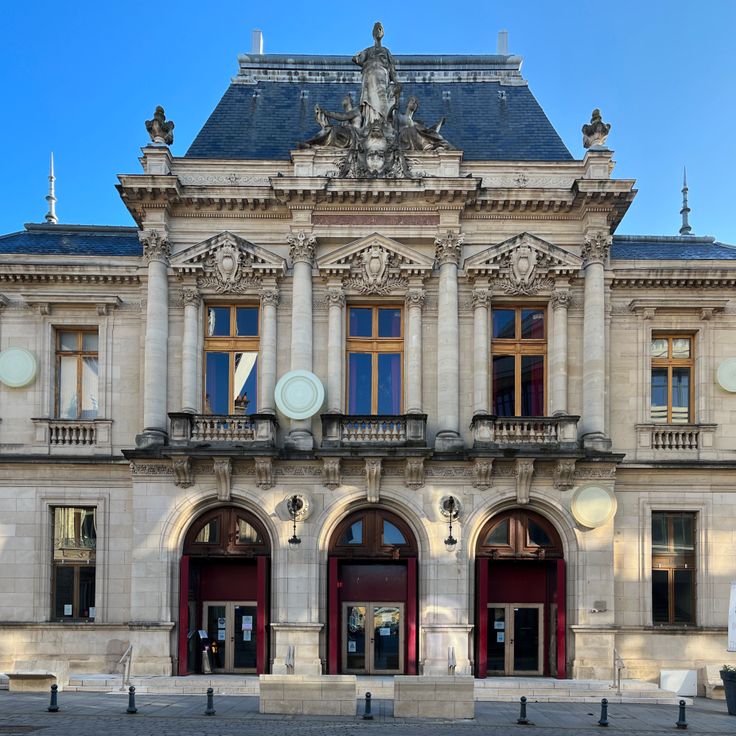
Nancy presents an architectural range spanning from the medieval Porte de la Craffe to the ornamented facades of the Art Nouveau era. The city served as a center for the Art Nouveau movement in the late 19th and early 20th centuries, evident in structures such as Villa Majorelle and Maison Weissenburger. Beyond these decorative residences, buildings like the Palais du Gouvernement and Palais Ducal document the political and dynastic history of Lorraine, while religious structures including Basilique Saint-Epvre and Chapelle Ducale represent the region's spiritual architecture.
The city spreads across several historic districts with distinct visual characteristics. Place de la Carrière and surrounding streets such as Rue des Maréchaux and Rue Félix-Faure demonstrate classical and Baroque urban planning with symmetrical facades and uniform design. The Quartier des Trois Maisons preserves medieval elements, while Cours Léopold presents wider boulevards and neoclassical structures. Public spaces such as the Marché Couvert offer everyday scenes within architectural frameworks dating to the 19th century.
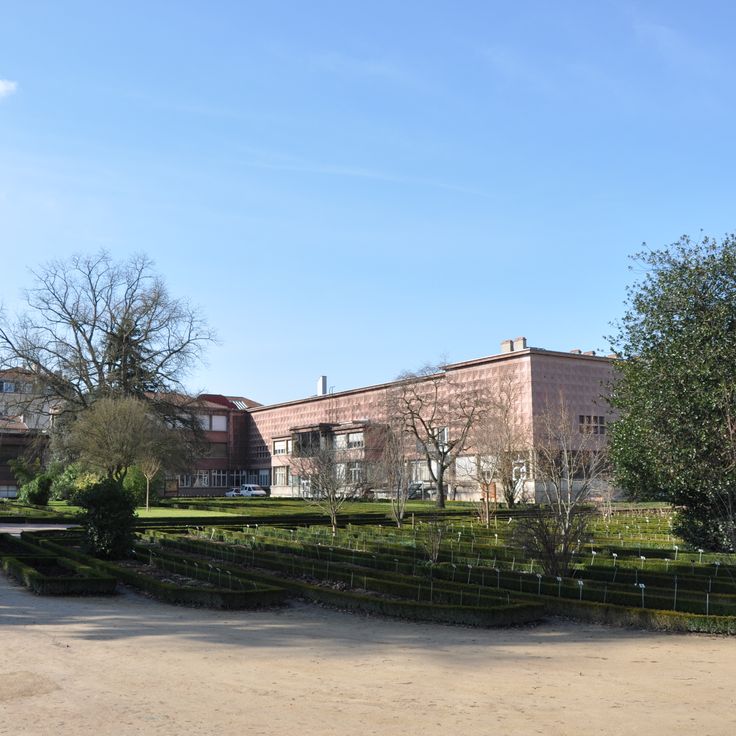
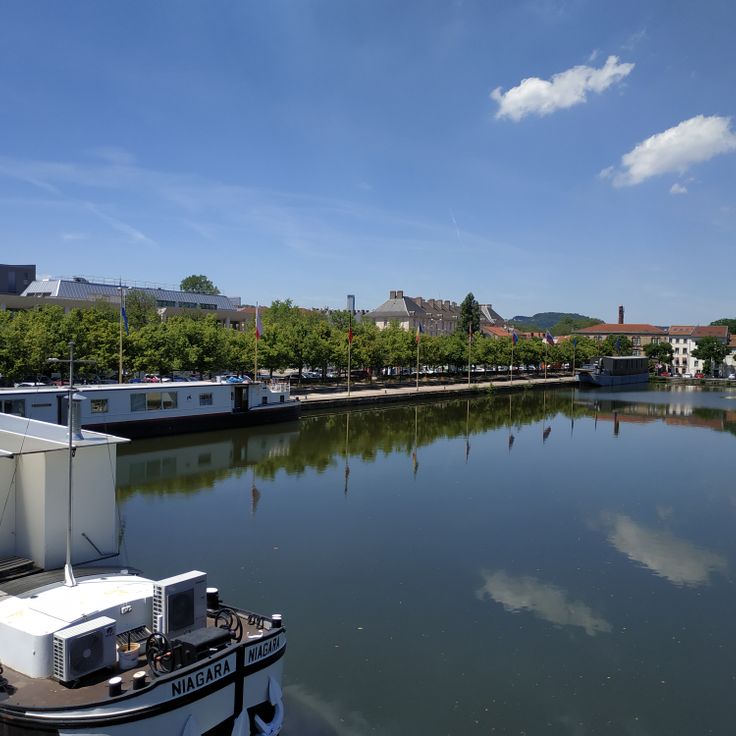
Green spaces provide contrast to the urban density. Parc de la Pépinière extends across 52 acres (21 hectares) in the city center, combining formal gardens with wooded paths. Jardin Dominique Alexandre Godron displays botanical collections adjacent to the Musée-Aquarium de Nancy. Smaller parks like Parc de la Cure d'Air and Parc Olry offer elevated vantage points over the cityscape. The Quai Sainte-Catherine along the canal connects waterways with historic infrastructure, creating linear compositions along the waterfront.
Nancy presents an architectural range spanning from the medieval Porte de la Craffe to the ornamented facades of the Art Nouveau era. The city served as a center for the Art Nouveau movement in the late 19th and early 20th centuries, evident in structures such as Villa Majorelle and Maison Weissenburger. Beyond these decorative residences, buildings like the Palais du Gouvernement and Palais Ducal document the political and dynastic history of Lorraine, while religious structures including Basilique Saint-Epvre and Chapelle Ducale represent the region's spiritual architecture.
The city spreads across several historic districts with distinct visual characteristics. Place de la Carrière and surrounding streets such as Rue des Maréchaux and Rue Félix-Faure demonstrate classical and Baroque urban planning with symmetrical facades and uniform design. The Quartier des Trois Maisons preserves medieval elements, while Cours Léopold presents wider boulevards and neoclassical structures. Public spaces such as the Marché Couvert offer everyday scenes within architectural frameworks dating to the 19th century.
Green spaces provide contrast to the urban density. Parc de la Pépinière extends across 52 acres (21 hectares) in the city center, combining formal gardens with wooded paths. Jardin Dominique Alexandre Godron displays botanical collections adjacent to the Musée-Aquarium de Nancy. Smaller parks like Parc de la Cure d'Air and Parc Olry offer elevated vantage points over the cityscape. The Quai Sainte-Catherine along the canal connects waterways with historic infrastructure, creating linear compositions along the waterfront.
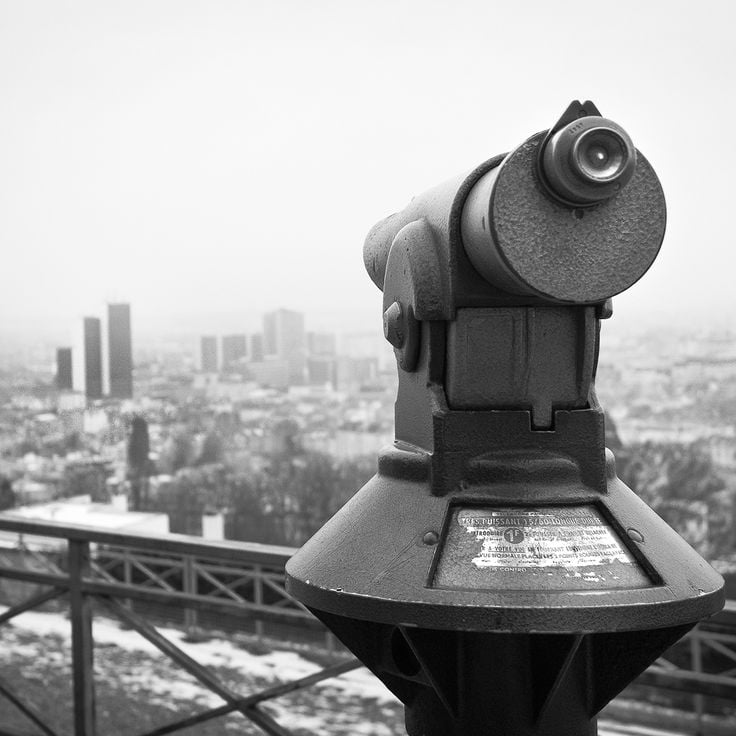
This park sits on elevated ground above the city, providing views across the rooftops and towers of Nancy and the surrounding countryside. Paths wind through the grounds, offering different perspectives on the historic center and the region beyond. The Parco della Cura dell'Aria is suitable for photographing the city skyline and the Lorraine landscape from an elevated vantage point, making it an important location on this photographic route through Nancy.
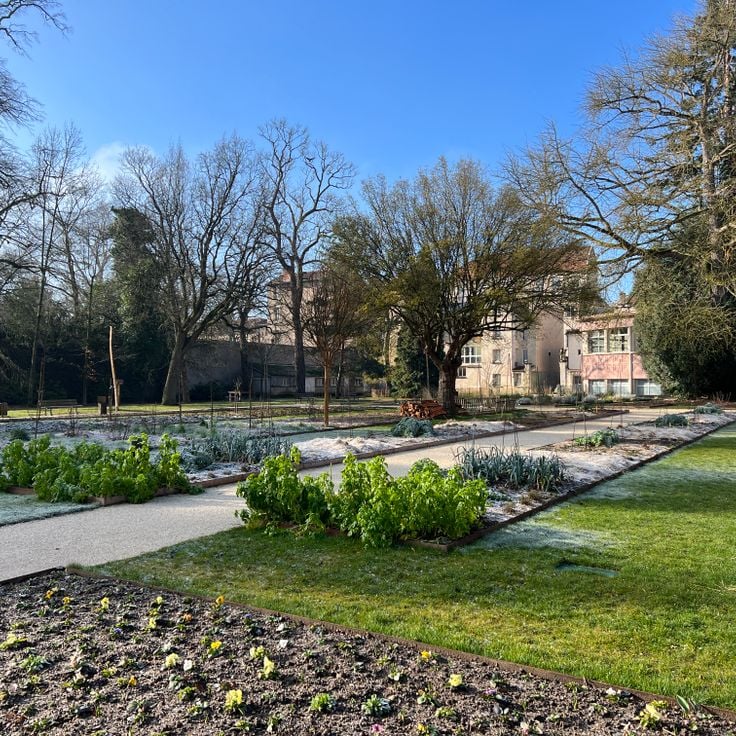
The Jardin Dominique Alexandre Godron forms part of a photographic tour through Nancy's notable sites, combining botanical diversity with urban heritage. This garden holds more than 2,500 plant species from different climatic zones, including medicinal plants, tropical specimens in greenhouses and thematic beds. Informational panels explain vegetation types and ecological relationships. The garden lies near the city center and adds a natural history dimension to the architectural and landscape subjects found throughout Nancy.
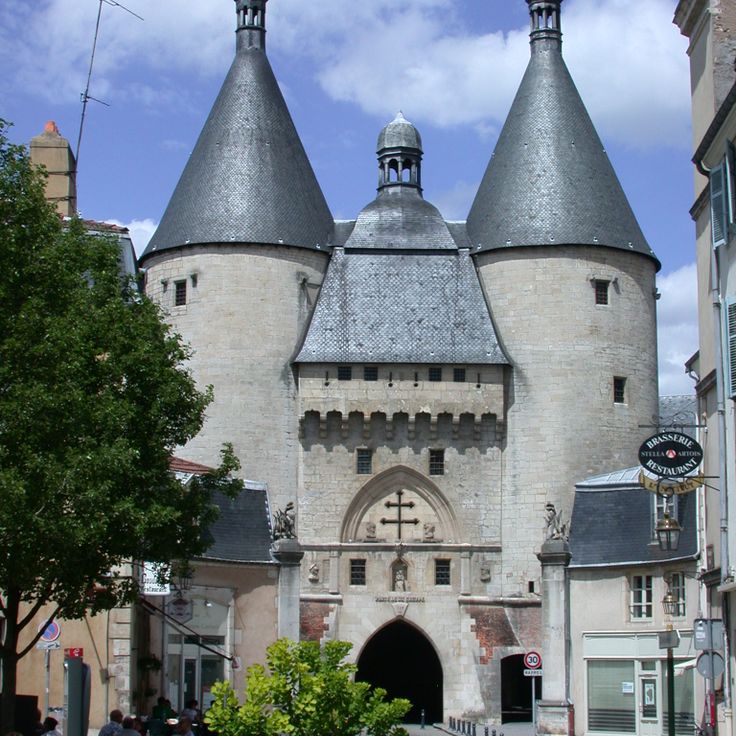
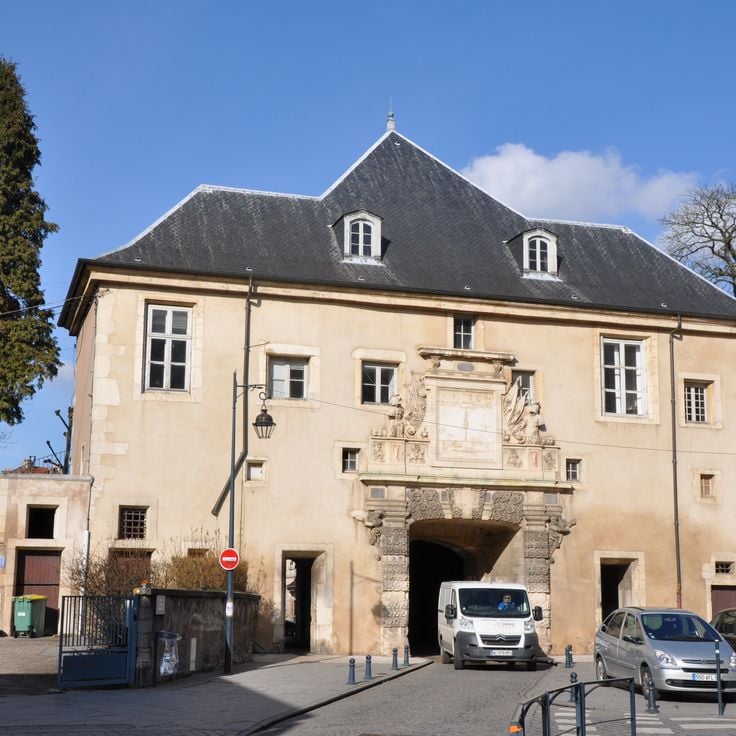
The Porte de la Craffe, a fortified gateway dating to 1336, stands as part of Nancy's medieval defensive walls and marks the northern entrance to the old town. The two round towers with conical roofs flank the passage and retain their original arrow slits and defensive mechanisms. The structure later served as a prison and documents the city's military history. Visitors can view the exterior of the towers and archway, which provide insight into 14th-century fortification design.
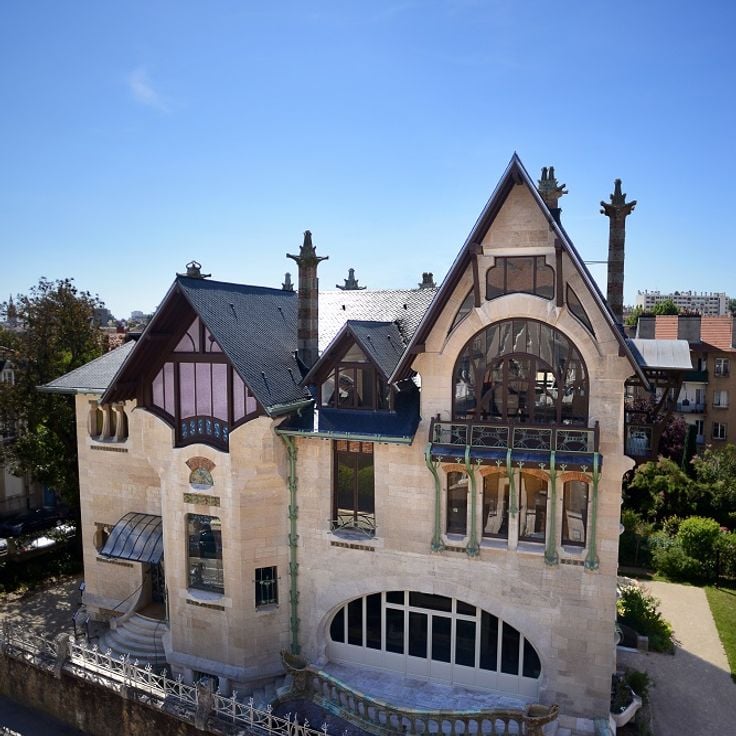
This 1902 residence presents curved lines and floral motifs of the Art Nouveau movement. Villa Majorelle contains original furniture and decorative elements by Louis Majorelle, including wrought iron details and wood paneling. The building stands as a significant example of Henri Sauvage's architecture in Nancy and documents the artistic production of the École de Nancy in the early 20th century.
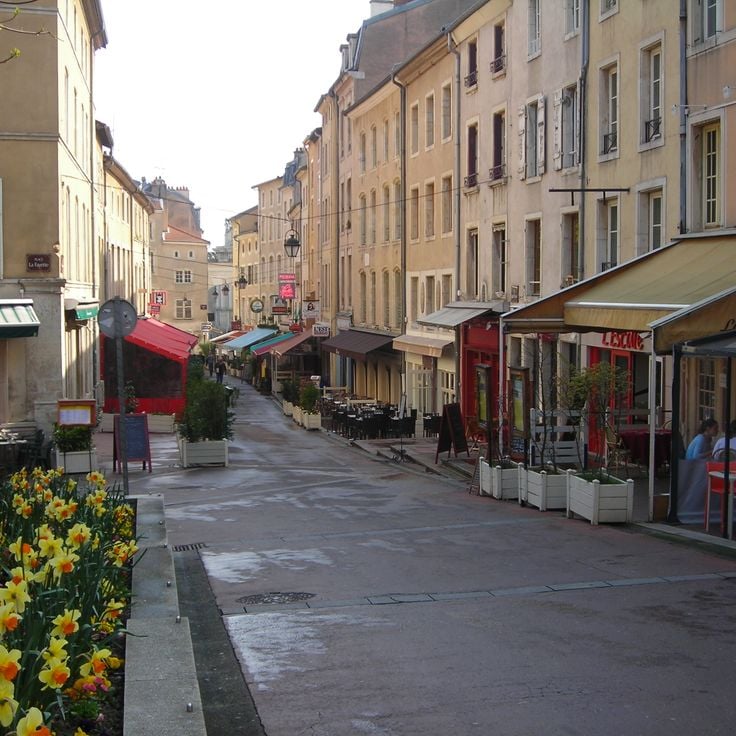
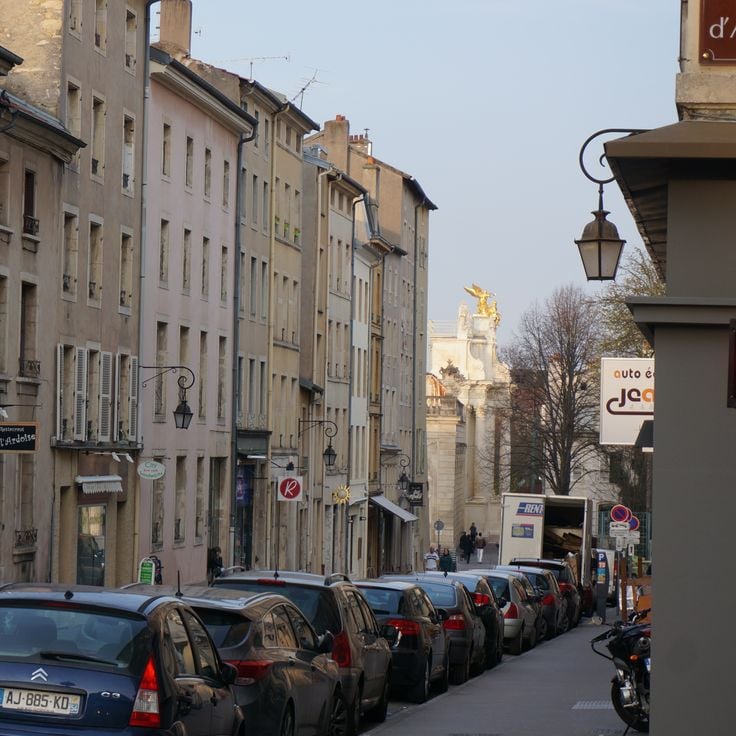
The Rue des Maréchaux in Nancy presents 18th-century stone buildings with decorated portals and metal shop signs mounted on the facades. This narrow street forms part of the city's historical center and illustrates the urban architecture of the Lorraine capital during the duchy's prosperous period. The buildings display typical features of regional construction with carved door frames and wrought iron details characteristic of the craftsmanship from that era.
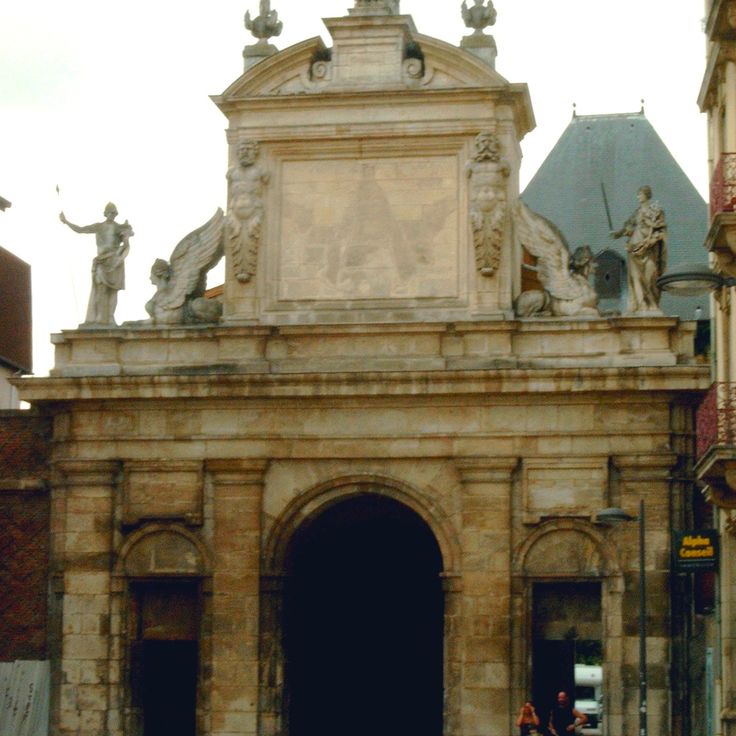
This Porta Saint-Georges, part of Nancy's former city fortifications, was built in 1606 in Renaissance style and features a central archway flanked by two round towers. The stonework includes decorative molding and recessed niches, while the facade shows stone blocks and cornice elements. The structure stands at the intersection of several streets and forms a passage between the historic quarters of the city. The gate serves as a starting point for photographs of Renaissance architecture and early 17th century urban planning.
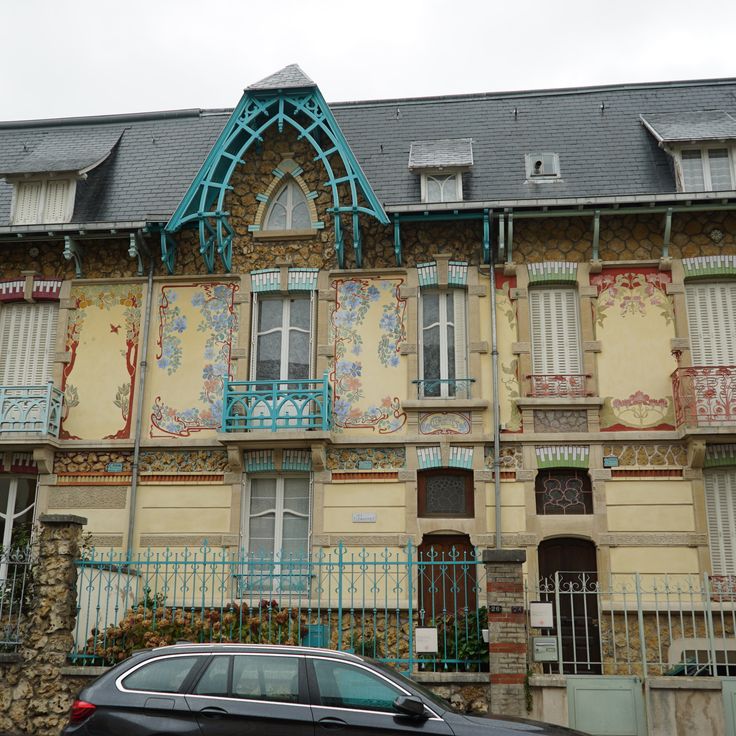
The Maison Weissenburger displays characteristic features of 1904 architecture in Nancy and adds to this photographic tour of the city's Art Nouveau buildings. The facade presents floral motifs, decorative ironwork and stained glass windows typical of this design movement. This residential building stands in a city that holds several important examples of this architectural period and offers visitors the opportunity to document details of this creative era.
This gallery was built in 1888 as the first exhibition hall Nancy had for fine arts. The metal frame inside was created under the direction of Gustave Eiffel, while the exterior facade follows classical ordering principles. Columns organize the entrance, large windows light the interior spaces, and sculptures emphasize the symmetry of the structure. Today, the Galleria Poirel continues to serve as a venue for art exhibitions and concerts and represents a central point of interest for photographic tours through Nancy.
This residential quarter preserves narrow passages between 18th-century stone buildings whose colored doors and shutters emphasize the original architecture. The Quartier des Trois Maisons illustrates Nancy's smaller residential structures beyond the monumental centers, showing everyday urban construction of that era. The alleys connect several inner courtyards while the facades preserve elements of Lorraine's building tradition. This area complements the photographic route through Nancy with insight into the residential architecture that existed between the grand townhouses and Art Nouveau villas.
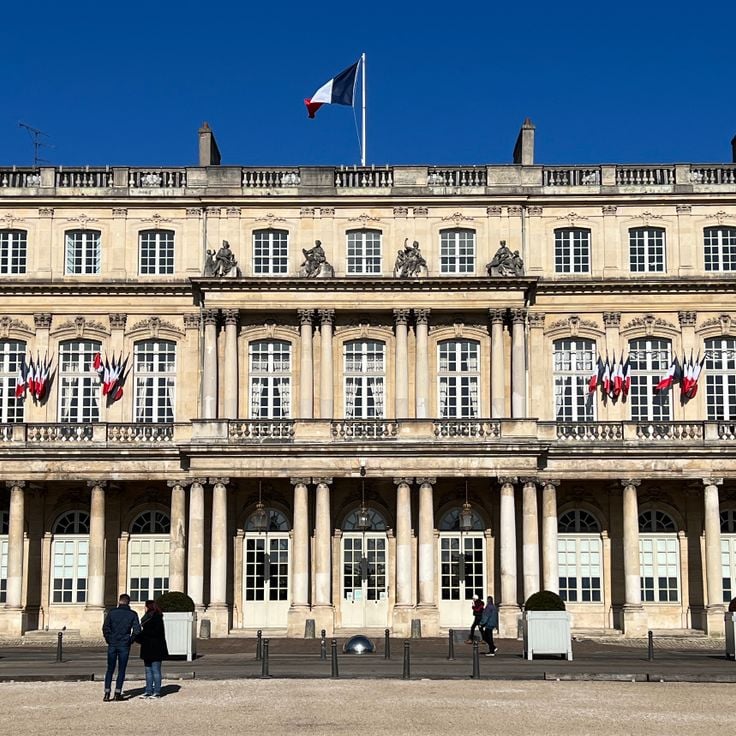
The Palazzo del Governo presents classical architecture from 1751 with a central courtyard and formal gardens. Stone balustrades and symmetrical design elements throughout the building reflect the architectural principles of the period. This government palace stands within Nancy's photographic route that documents architectural monuments, historic streets and various urban spaces from medieval times through the Art Nouveau era. The structure represents the city's classical construction from the mid-18th century, contributing to Nancy's architectural heritage alongside Renaissance buildings and later decorative styles.
Rue Gustave Simon runs through central Nancy and features buildings from different periods of the city's history. The narrow street displays decorative iron balconies and stone facade ornamentation typical of regional building traditions. Pedestrians can observe various architectural details along the street that document the historic character of the neighborhood.
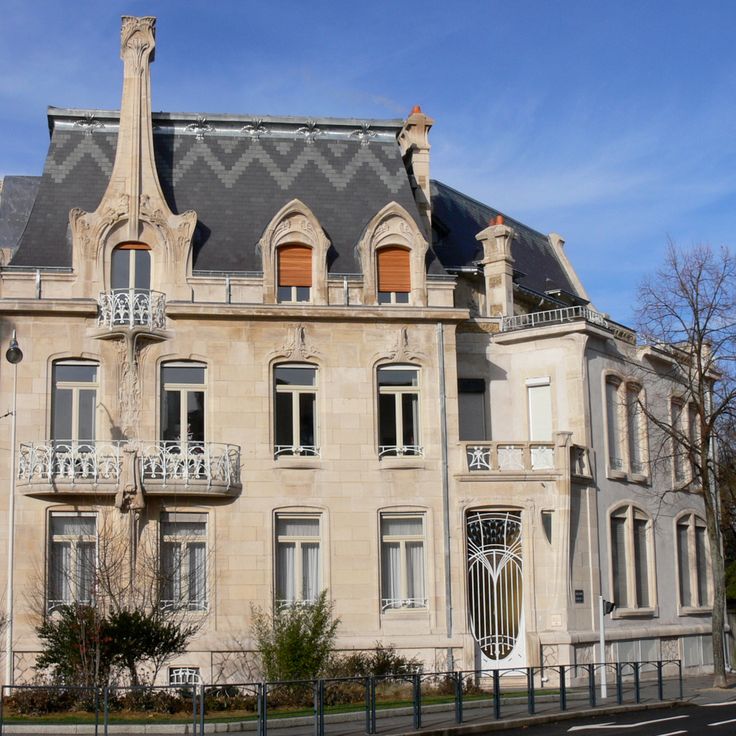
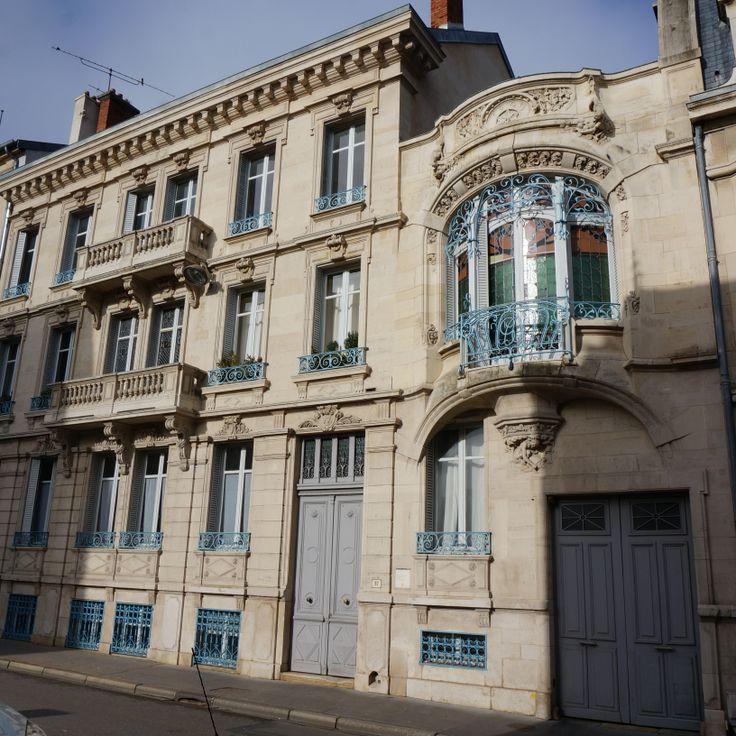
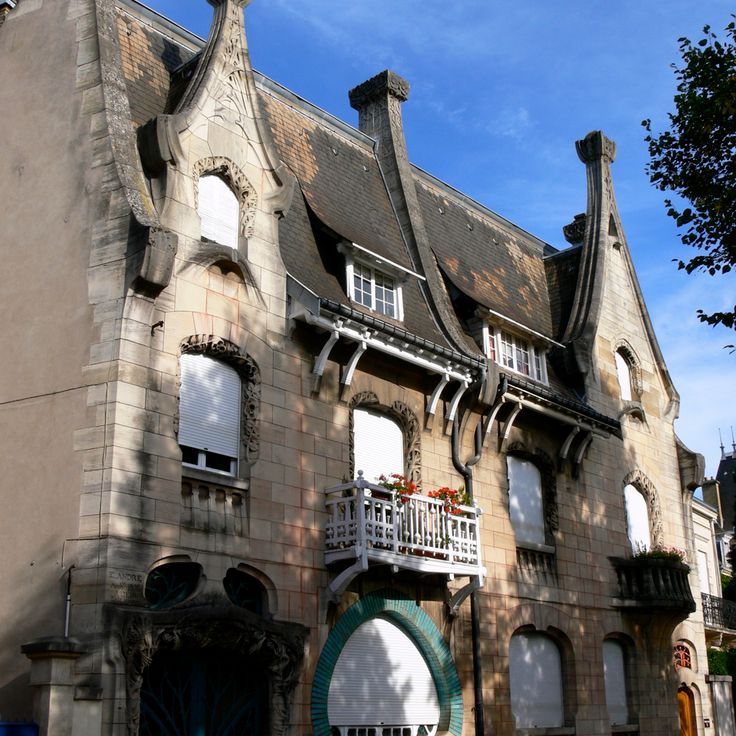
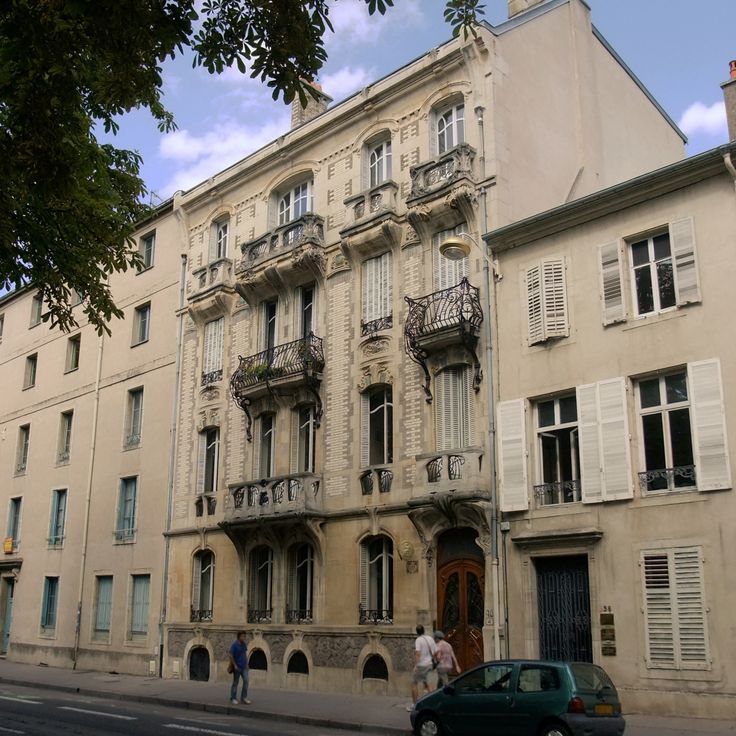
This Art Nouveau building from 1903 displays curved lines in its ironwork and distinct floral motifs in its stone ornamentation. As part of a photographic tour through Nancy, Casa Gaudin fits into the city's array of architectural landmarks that includes Renaissance structures, Art Nouveau villas and medieval gates. The facade design documents the artistic approach of the École de Nancy, which incorporated organic forms into urban architecture in the early 20th century.
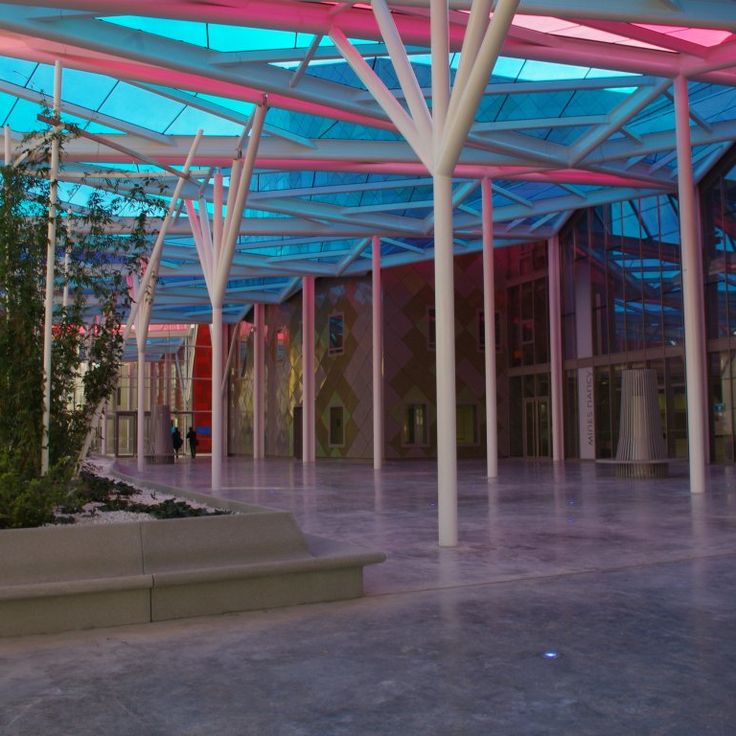
ArteM is a research center with laboratories and conference rooms housed in a contemporary glass and metal structure completed in 2012. The facility stands in Nancy and contributes to the city's scientific landscape. The modern complex serves as a working space for researchers and provides venues for academic events. The architecture combines functional requirements with transparent design. This center adds a contemporary dimension to Nancy's photographic route, which spans from historic monuments to modern buildings.
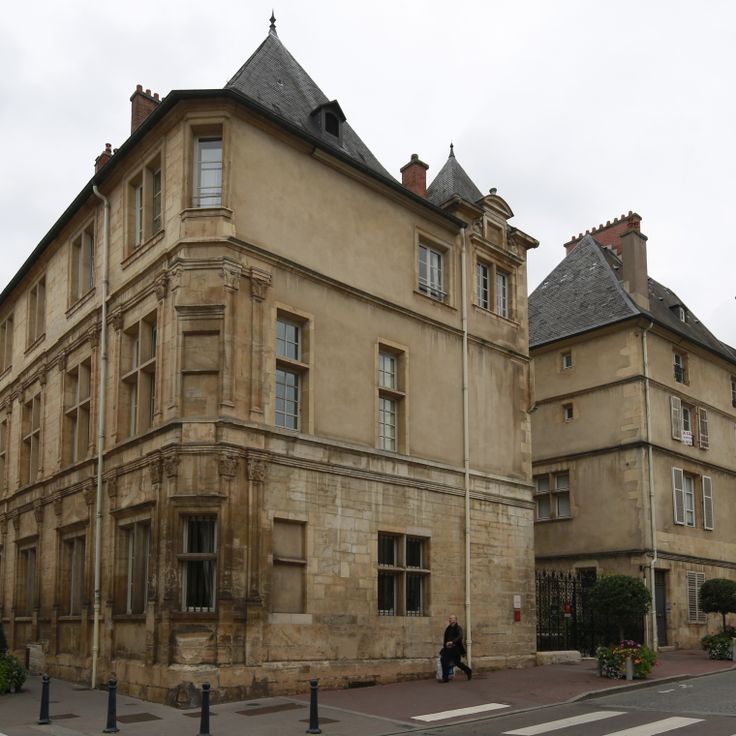
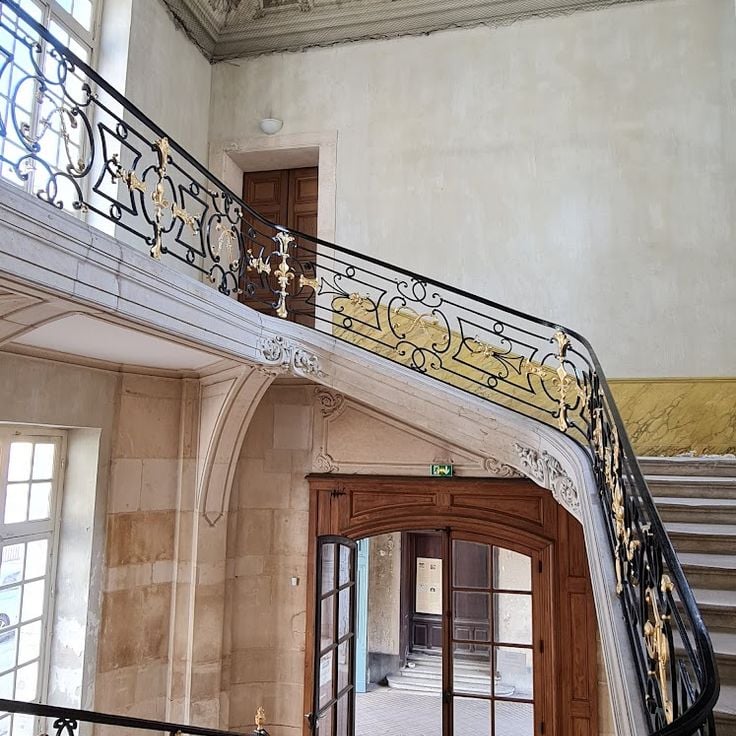
The Hôtel d'Haussonville stands as one of the most representative examples of French Renaissance architecture in this photo collection of Nancy. Built in 1528, this private residence displays stone walls, a spiral staircase, and carved decorations characteristic of the period. Within this route through architectural monuments, historic streets, and parks, the building embodies the city's Renaissance tradition and offers photographers opportunities to capture details such as stone facades and sculptural elements. The Hôtel complements other historic structures like Port Saint-Georges and medieval buildings that document Nancy's architectural heritage.
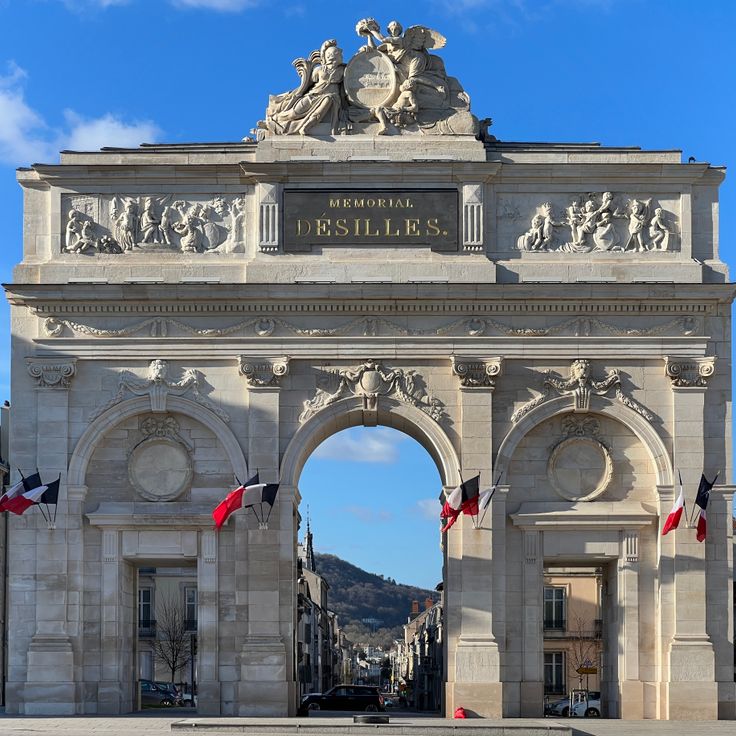
The Porta Desilles is a stone triumphal arch in Nancy, built in 1785 to honor French soldiers. The structure features military sculptures and detailed relief panels on both sides, depicting historical battles and soldier scenes. The arch marks the transition between different city neighborhoods and stands near Nancy's main traffic routes. Visitors can explore the exterior of the monument and examine the craftsmanship of the stonework, which is characteristic of late 18th-century architecture.
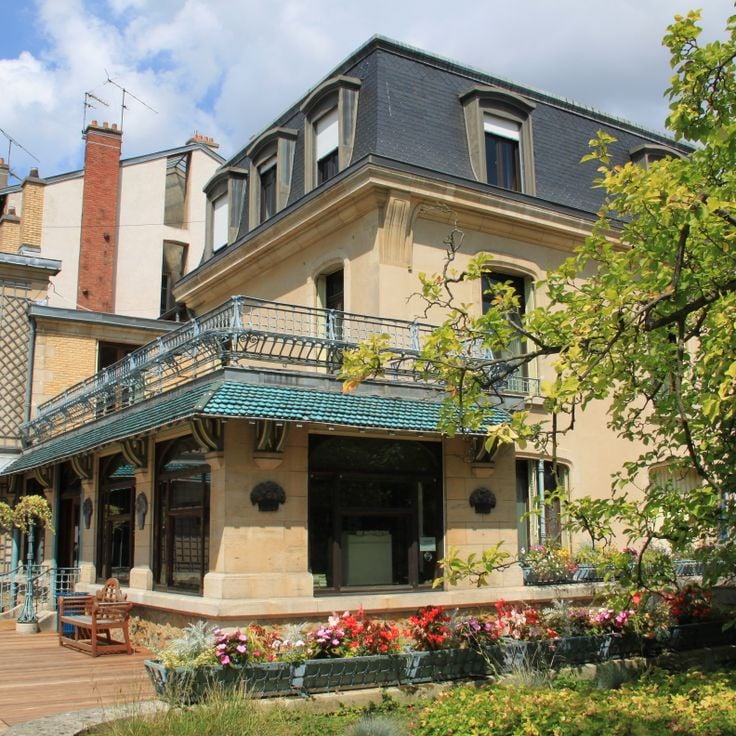
The Museum of the School of Nancy displays glass, furniture and decorative arts from around 1900 in a villa with gardens featuring local flora motifs. This collection documents the creative movement that made Nancy a center of Art Nouveau between 1885 and 1914. The exhibited objects include works by Émile Gallé, Louis Majorelle and other artists who incorporated natural forms and craft techniques into their designs. The villa itself dates from the early 20th century and serves as an appropriate setting for the displays. The garden complements the interior spaces with plants that served as inspiration sources for the artworks on view.
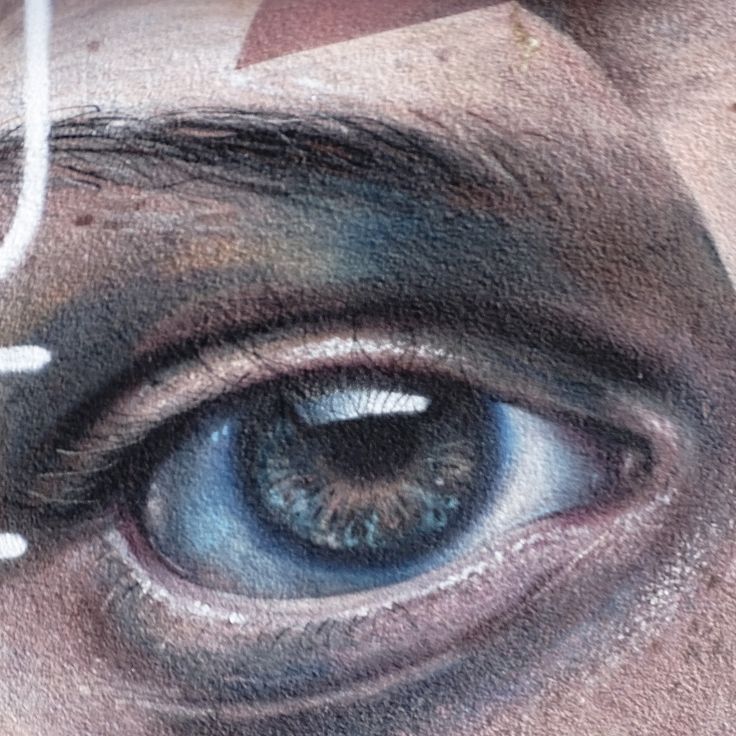
The exterior walls of the industrial buildings at 108 Boulevard Lobau display large-scale murals painted by French and international artists as part of municipal art initiatives. These street art works transform the commercial architecture of the neighborhood into a public gallery and complement the photographic possibilities of Nancy's architectural and artistic heritage. The murals vary in style and subject matter, documenting contemporary urban art movements in the city. The location sits outside the historic center and provides contrast to the Renaissance and Art Nouveau buildings along other sections of this photographic route.
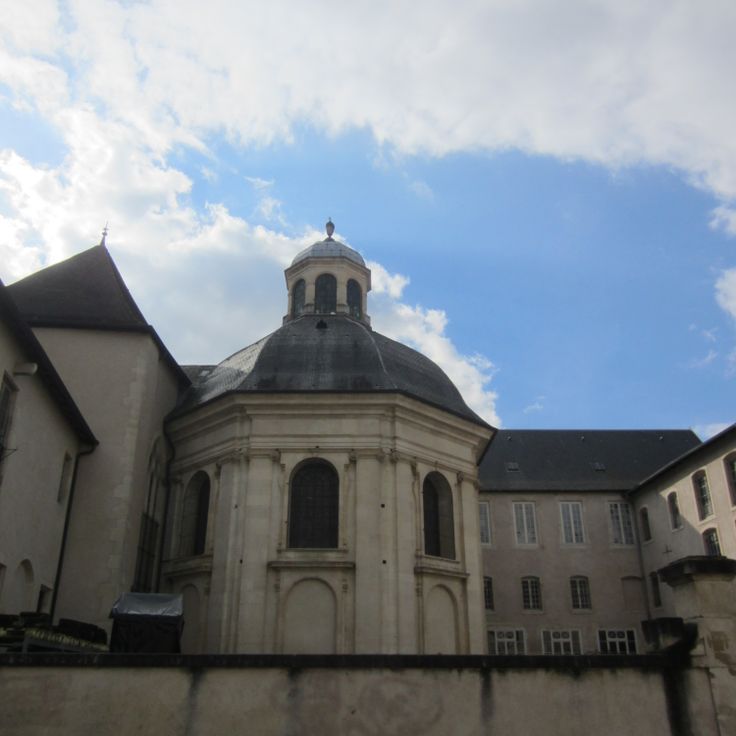
The Cappella Ducale is a 17th-century religious site featuring marble columns, painted ceilings and detailed stonework that displays religious and ducal symbols. This chapel was built as the burial place of the Dukes of Lorraine and combines baroque elements with regional building traditions. The interior includes liturgical objects and funerary monuments that document the history of the duchy. As part of Nancy's architectural landmarks, this chapel reinforces the historic character of the city and offers visitors insight into the religious and political past of Lorraine.
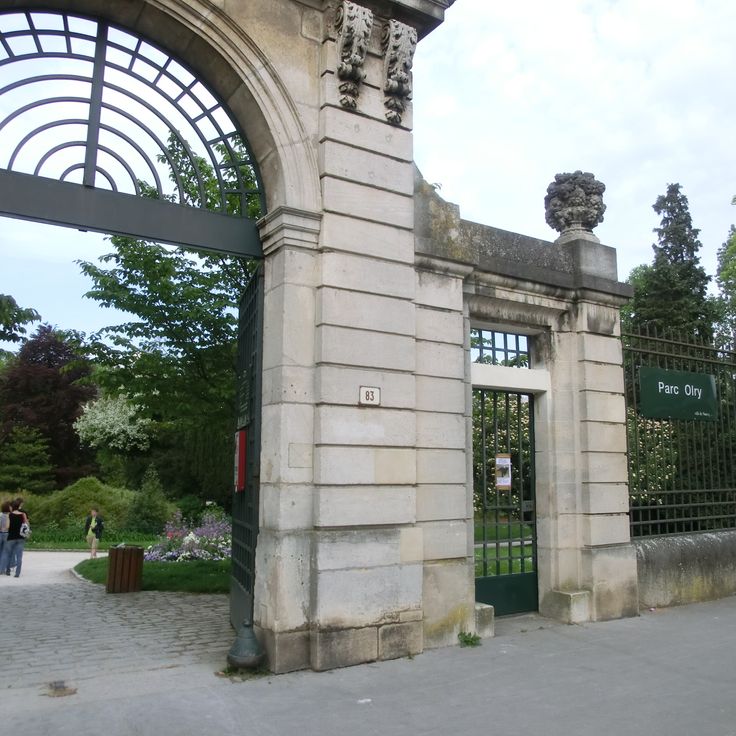
Parc Olry contains century-old trees, pathways and benches surrounding a central pond. This green space sits near the city center and serves locals as a place for walks and rest. The pond forms a focal point of the park, while surrounding lawns provide space for recreation. The park is among the public green areas in Nancy and adds natural settings and water reflections to the photographic stops on this route.
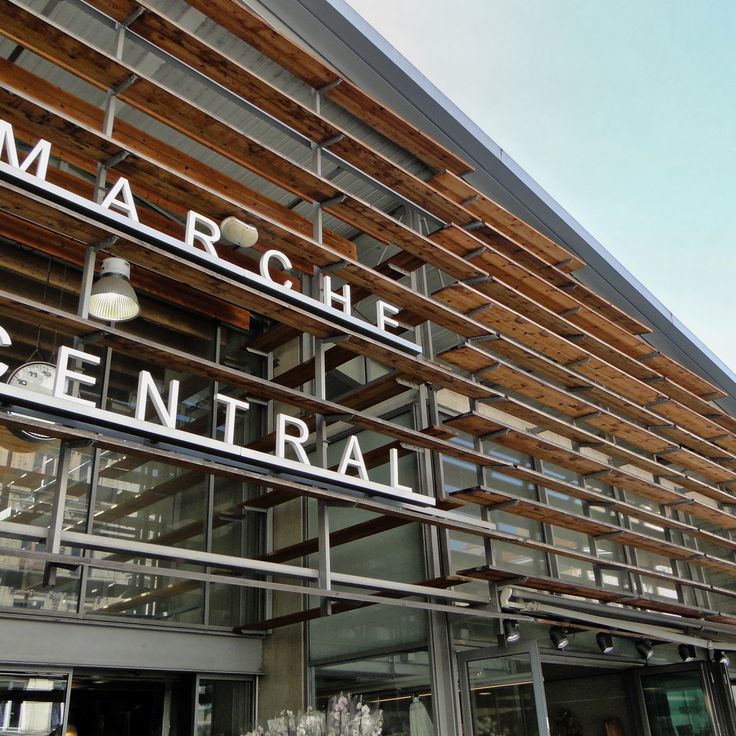
This covered market occupies a stone building and features stalls selling local products, fresh produce, meats and regional specialties. The Mercato Coperto is part of Nancy's photographic route and showcases the city's culinary traditions. The market hall connects architecture with daily life and complements the surrounding historic monuments and Art Nouveau villas. Visitors find authentic insights into local food culture and can purchase regional goods.
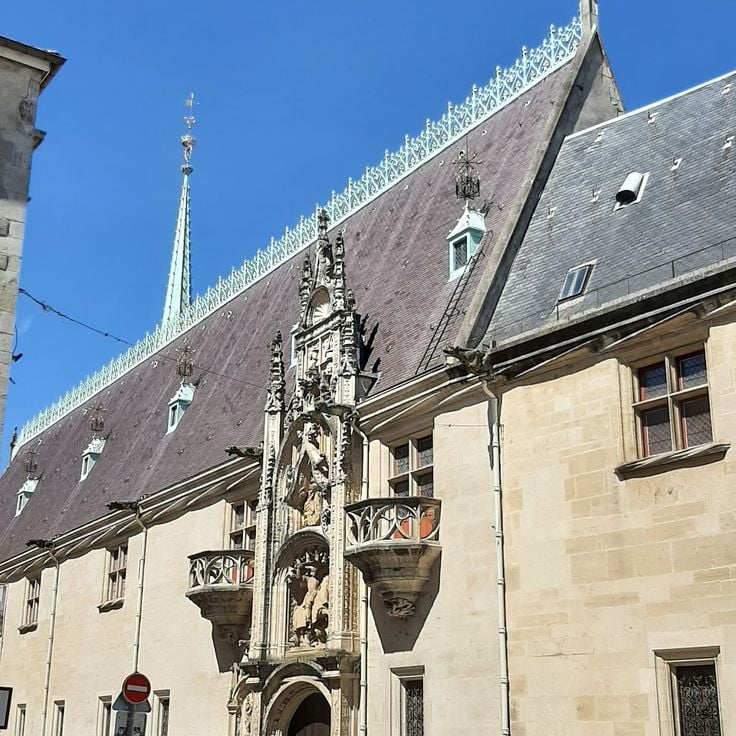
This Renaissance palace serves as a museum of regional art, displaying collections from the 13th through 18th centuries. The exhibitions include period furniture and decorative objects that document the history of Lorraine. The building itself dates to the Renaissance and once served as the residence of the Dukes of Lorraine. The rooms present paintings, sculptures and crafts that provide insight into the region's cultural development. The museum sits in the historic center of Nancy and ranks among the most important collections of Lorraine art.
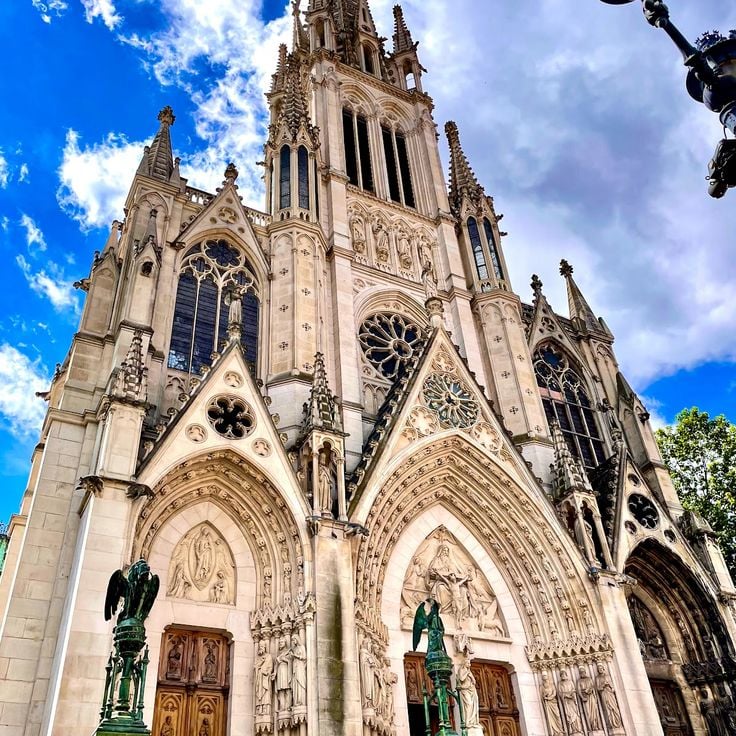
This 19th-century neo-Gothic church in Nancy presents an 87-foot (27-meter) spire, colored glass windows and wall paintings in the nave. The construction replaced a medieval church and combines German and French architectural elements. The facade shows detailed stonework with religious scenes, while the interior features liturgical artworks and a historic organ system. The basilica serves as a photographic subject for architectural shots along Nancy's historic streets.
This classical square extends south from Place Stanislas, offering a quieter counterpart to its ornate neighbor. Piazza Carriere combines rigorous geometric lines with practical 18th-century urban planning. Stone arcades frame three sides of the square, while shaded tree allées and gravel paths lead toward the Palais du Gouvernement. The symmetrical facades demonstrate restrained elegance, and the proportions of the space create a balanced spatial effect. Photographers find clear architectural lines and shifting light conditions under the trees, documenting Nancy's neoclassical heritage within this architectural route.
This natural history museum maintains 60 aquariums housing freshwater and saltwater fish, along with zoological collections of preserved specimens. The Museo Acquario di Nancy combines living marine organisms with prepared specimens from various taxonomic groups, providing insight into aquatic ecosystems and biological diversity. The exhibitions include both native and exotic species presented in thematically organized aquariums and display cases.
The Riva di Santa Caterina runs along the canal in Nancy's historic center, offering views of stone bridges, 19th-century buildings and moored boats. The quay provides opportunities to photograph urban architecture and waterways that form part of the Lorraine capital's historic infrastructure. This riverside promenade fits within the photographic route documenting Nancy's architectural monuments, parks and historic streets, representing different urban periods from the Renaissance through Art Nouveau.
This garden occupies the grounds of a 17th-century fortification that once defended the city. The site preserves portions of the original defensive walls and combines historic military architecture with a green space featuring stone pathways, seasonal flower beds, and old bastions. It offers views of the remaining fortification structures and serves as a public park in the center of Nancy, appealing to those interested in history and to visitors seeking outdoor space.
Casa Huot presents ornamental floral motifs, curved iron balconies and stained glass windows typical of Nancy's Art Nouveau movement in the early 20th century. This 1903 residential building forms part of the city's architectural identity and complements the photographic route through Art Nouveau villas and historic streets that document the region's built heritage.
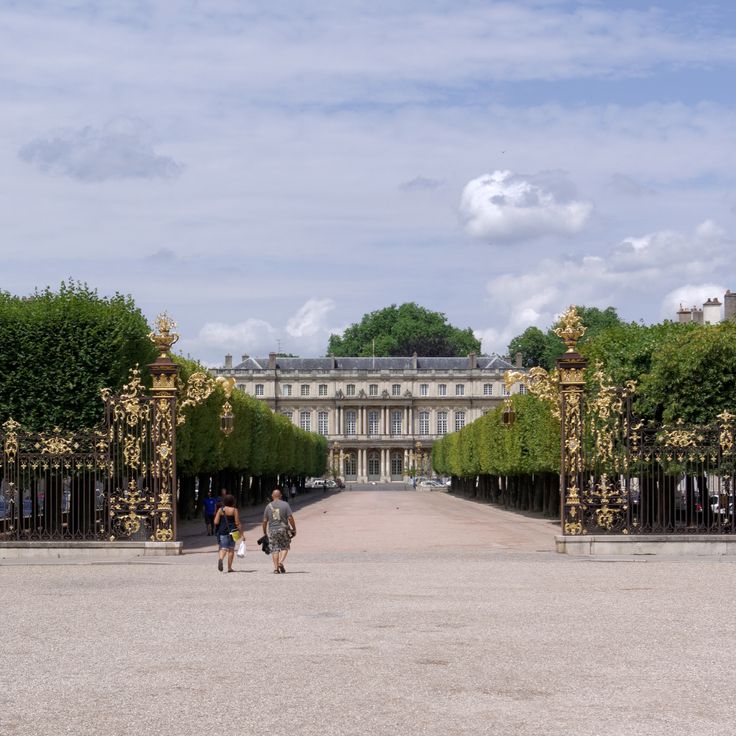
The wrought iron entrance gates to Parc de la Pépinière display decorative elements and gilded details from the 18th-century ducal period. These historic gates mark the access to one of the principal green spaces featured in Nancy's photographic tour of architectural monuments and public areas. The ornate ironwork combines craftsmanship tradition with the representative design of the ducal era, forming an architectural frame for the park beyond.
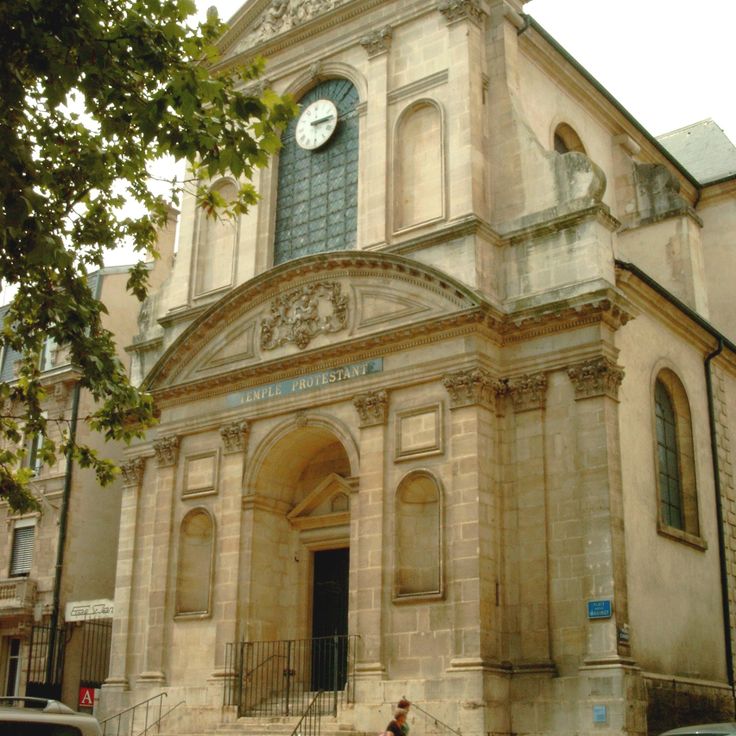
The Protestant Temple of Nancy is a neoclassical religious building completed in 1904 in the historic city center. The facade features stone columns at the entrance, while large windows flood the interior space with natural light. The architecture reflects Protestant design principles from the early 1900s and adds to the city's architectural diversity alongside Art Nouveau villas and Renaissance structures. The building continues to serve as an active place of worship for the Protestant congregation.
This Cours Léopold is a tree lined avenue in central Nancy that features historic monuments and stone benches. The central paved pedestrian area runs between mature rows of trees and connects several urban districts. Visitors will find commemorative statues and markers documenting local events. The avenue provides a direct route for walks between Nancy's architectural landmarks and serves as a photography location for urban scenes with historic context.
This 18th century residence in central Nancy displays carved stone decorations on the facade, including ornate window frames and a central entrance portal. The Hotel Ferraris ranks among the city's representative townhouses and documents the architectural standards of the period when Nancy flourished as capital of the Duchy of Lorraine. The facade design with its profiled stonework corresponds to typical forms of French classicism. The building stands in a district with other historic structures from the same era and complements the route through Nancy's architectural development from the Renaissance to Art Nouveau.
Rue Félix-Faure connects several historic districts of Nancy and serves as an important commercial street in the city. The building fronts date from the 18th and 19th centuries and display characteristic stone facades with wrought iron balconies. Ground floor retail shops attract both local residents and visitors. The street provides examples of urban architecture from the period before industrial development and fits into the historic street network of the old town.
This park sits on elevated ground above the city, providing views across the rooftops and towers of Nancy and the surrounding countryside. Paths wind through the grounds, offering different perspectives on the historic center and the region beyond. The Parco della Cura dell'Aria is suitable for photographing the city skyline and the Lorraine landscape from an elevated vantage point, making it an important location on this photographic route through Nancy.
The Jardin Dominique Alexandre Godron forms part of a photographic tour through Nancy's notable sites, combining botanical diversity with urban heritage. This garden holds more than 2,500 plant species from different climatic zones, including medicinal plants, tropical specimens in greenhouses and thematic beds. Informational panels explain vegetation types and ecological relationships. The garden lies near the city center and adds a natural history dimension to the architectural and landscape subjects found throughout Nancy.
The Porte de la Craffe, a fortified gateway dating to 1336, stands as part of Nancy's medieval defensive walls and marks the northern entrance to the old town. The two round towers with conical roofs flank the passage and retain their original arrow slits and defensive mechanisms. The structure later served as a prison and documents the city's military history. Visitors can view the exterior of the towers and archway, which provide insight into 14th-century fortification design.
This 1902 residence presents curved lines and floral motifs of the Art Nouveau movement. Villa Majorelle contains original furniture and decorative elements by Louis Majorelle, including wrought iron details and wood paneling. The building stands as a significant example of Henri Sauvage's architecture in Nancy and documents the artistic production of the École de Nancy in the early 20th century.
The Rue des Maréchaux in Nancy presents 18th-century stone buildings with decorated portals and metal shop signs mounted on the facades. This narrow street forms part of the city's historical center and illustrates the urban architecture of the Lorraine capital during the duchy's prosperous period. The buildings display typical features of regional construction with carved door frames and wrought iron details characteristic of the craftsmanship from that era.
This Porta Saint-Georges, part of Nancy's former city fortifications, was built in 1606 in Renaissance style and features a central archway flanked by two round towers. The stonework includes decorative molding and recessed niches, while the facade shows stone blocks and cornice elements. The structure stands at the intersection of several streets and forms a passage between the historic quarters of the city. The gate serves as a starting point for photographs of Renaissance architecture and early 17th century urban planning.
The Maison Weissenburger displays characteristic features of 1904 architecture in Nancy and adds to this photographic tour of the city's Art Nouveau buildings. The facade presents floral motifs, decorative ironwork and stained glass windows typical of this design movement. This residential building stands in a city that holds several important examples of this architectural period and offers visitors the opportunity to document details of this creative era.
This gallery was built in 1888 as the first exhibition hall Nancy had for fine arts. The metal frame inside was created under the direction of Gustave Eiffel, while the exterior facade follows classical ordering principles. Columns organize the entrance, large windows light the interior spaces, and sculptures emphasize the symmetry of the structure. Today, the Galleria Poirel continues to serve as a venue for art exhibitions and concerts and represents a central point of interest for photographic tours through Nancy.
This residential quarter preserves narrow passages between 18th-century stone buildings whose colored doors and shutters emphasize the original architecture. The Quartier des Trois Maisons illustrates Nancy's smaller residential structures beyond the monumental centers, showing everyday urban construction of that era. The alleys connect several inner courtyards while the facades preserve elements of Lorraine's building tradition. This area complements the photographic route through Nancy with insight into the residential architecture that existed between the grand townhouses and Art Nouveau villas.
The Palazzo del Governo presents classical architecture from 1751 with a central courtyard and formal gardens. Stone balustrades and symmetrical design elements throughout the building reflect the architectural principles of the period. This government palace stands within Nancy's photographic route that documents architectural monuments, historic streets and various urban spaces from medieval times through the Art Nouveau era. The structure represents the city's classical construction from the mid-18th century, contributing to Nancy's architectural heritage alongside Renaissance buildings and later decorative styles.
Rue Gustave Simon runs through central Nancy and features buildings from different periods of the city's history. The narrow street displays decorative iron balconies and stone facade ornamentation typical of regional building traditions. Pedestrians can observe various architectural details along the street that document the historic character of the neighborhood.
This Art Nouveau building from 1903 displays curved lines in its ironwork and distinct floral motifs in its stone ornamentation. As part of a photographic tour through Nancy, Casa Gaudin fits into the city's array of architectural landmarks that includes Renaissance structures, Art Nouveau villas and medieval gates. The facade design documents the artistic approach of the École de Nancy, which incorporated organic forms into urban architecture in the early 20th century.
ArteM is a research center with laboratories and conference rooms housed in a contemporary glass and metal structure completed in 2012. The facility stands in Nancy and contributes to the city's scientific landscape. The modern complex serves as a working space for researchers and provides venues for academic events. The architecture combines functional requirements with transparent design. This center adds a contemporary dimension to Nancy's photographic route, which spans from historic monuments to modern buildings.
The Hôtel d'Haussonville stands as one of the most representative examples of French Renaissance architecture in this photo collection of Nancy. Built in 1528, this private residence displays stone walls, a spiral staircase, and carved decorations characteristic of the period. Within this route through architectural monuments, historic streets, and parks, the building embodies the city's Renaissance tradition and offers photographers opportunities to capture details such as stone facades and sculptural elements. The Hôtel complements other historic structures like Port Saint-Georges and medieval buildings that document Nancy's architectural heritage.
The Porta Desilles is a stone triumphal arch in Nancy, built in 1785 to honor French soldiers. The structure features military sculptures and detailed relief panels on both sides, depicting historical battles and soldier scenes. The arch marks the transition between different city neighborhoods and stands near Nancy's main traffic routes. Visitors can explore the exterior of the monument and examine the craftsmanship of the stonework, which is characteristic of late 18th-century architecture.
The Museum of the School of Nancy displays glass, furniture and decorative arts from around 1900 in a villa with gardens featuring local flora motifs. This collection documents the creative movement that made Nancy a center of Art Nouveau between 1885 and 1914. The exhibited objects include works by Émile Gallé, Louis Majorelle and other artists who incorporated natural forms and craft techniques into their designs. The villa itself dates from the early 20th century and serves as an appropriate setting for the displays. The garden complements the interior spaces with plants that served as inspiration sources for the artworks on view.
The exterior walls of the industrial buildings at 108 Boulevard Lobau display large-scale murals painted by French and international artists as part of municipal art initiatives. These street art works transform the commercial architecture of the neighborhood into a public gallery and complement the photographic possibilities of Nancy's architectural and artistic heritage. The murals vary in style and subject matter, documenting contemporary urban art movements in the city. The location sits outside the historic center and provides contrast to the Renaissance and Art Nouveau buildings along other sections of this photographic route.
The Cappella Ducale is a 17th-century religious site featuring marble columns, painted ceilings and detailed stonework that displays religious and ducal symbols. This chapel was built as the burial place of the Dukes of Lorraine and combines baroque elements with regional building traditions. The interior includes liturgical objects and funerary monuments that document the history of the duchy. As part of Nancy's architectural landmarks, this chapel reinforces the historic character of the city and offers visitors insight into the religious and political past of Lorraine.
Parc Olry contains century-old trees, pathways and benches surrounding a central pond. This green space sits near the city center and serves locals as a place for walks and rest. The pond forms a focal point of the park, while surrounding lawns provide space for recreation. The park is among the public green areas in Nancy and adds natural settings and water reflections to the photographic stops on this route.
This covered market occupies a stone building and features stalls selling local products, fresh produce, meats and regional specialties. The Mercato Coperto is part of Nancy's photographic route and showcases the city's culinary traditions. The market hall connects architecture with daily life and complements the surrounding historic monuments and Art Nouveau villas. Visitors find authentic insights into local food culture and can purchase regional goods.
This Renaissance palace serves as a museum of regional art, displaying collections from the 13th through 18th centuries. The exhibitions include period furniture and decorative objects that document the history of Lorraine. The building itself dates to the Renaissance and once served as the residence of the Dukes of Lorraine. The rooms present paintings, sculptures and crafts that provide insight into the region's cultural development. The museum sits in the historic center of Nancy and ranks among the most important collections of Lorraine art.
This 19th-century neo-Gothic church in Nancy presents an 87-foot (27-meter) spire, colored glass windows and wall paintings in the nave. The construction replaced a medieval church and combines German and French architectural elements. The facade shows detailed stonework with religious scenes, while the interior features liturgical artworks and a historic organ system. The basilica serves as a photographic subject for architectural shots along Nancy's historic streets.
This classical square extends south from Place Stanislas, offering a quieter counterpart to its ornate neighbor. Piazza Carriere combines rigorous geometric lines with practical 18th-century urban planning. Stone arcades frame three sides of the square, while shaded tree allées and gravel paths lead toward the Palais du Gouvernement. The symmetrical facades demonstrate restrained elegance, and the proportions of the space create a balanced spatial effect. Photographers find clear architectural lines and shifting light conditions under the trees, documenting Nancy's neoclassical heritage within this architectural route.
This natural history museum maintains 60 aquariums housing freshwater and saltwater fish, along with zoological collections of preserved specimens. The Museo Acquario di Nancy combines living marine organisms with prepared specimens from various taxonomic groups, providing insight into aquatic ecosystems and biological diversity. The exhibitions include both native and exotic species presented in thematically organized aquariums and display cases.
The Riva di Santa Caterina runs along the canal in Nancy's historic center, offering views of stone bridges, 19th-century buildings and moored boats. The quay provides opportunities to photograph urban architecture and waterways that form part of the Lorraine capital's historic infrastructure. This riverside promenade fits within the photographic route documenting Nancy's architectural monuments, parks and historic streets, representing different urban periods from the Renaissance through Art Nouveau.
This garden occupies the grounds of a 17th-century fortification that once defended the city. The site preserves portions of the original defensive walls and combines historic military architecture with a green space featuring stone pathways, seasonal flower beds, and old bastions. It offers views of the remaining fortification structures and serves as a public park in the center of Nancy, appealing to those interested in history and to visitors seeking outdoor space.
Casa Huot presents ornamental floral motifs, curved iron balconies and stained glass windows typical of Nancy's Art Nouveau movement in the early 20th century. This 1903 residential building forms part of the city's architectural identity and complements the photographic route through Art Nouveau villas and historic streets that document the region's built heritage.
The wrought iron entrance gates to Parc de la Pépinière display decorative elements and gilded details from the 18th-century ducal period. These historic gates mark the access to one of the principal green spaces featured in Nancy's photographic tour of architectural monuments and public areas. The ornate ironwork combines craftsmanship tradition with the representative design of the ducal era, forming an architectural frame for the park beyond.
The Protestant Temple of Nancy is a neoclassical religious building completed in 1904 in the historic city center. The facade features stone columns at the entrance, while large windows flood the interior space with natural light. The architecture reflects Protestant design principles from the early 1900s and adds to the city's architectural diversity alongside Art Nouveau villas and Renaissance structures. The building continues to serve as an active place of worship for the Protestant congregation.
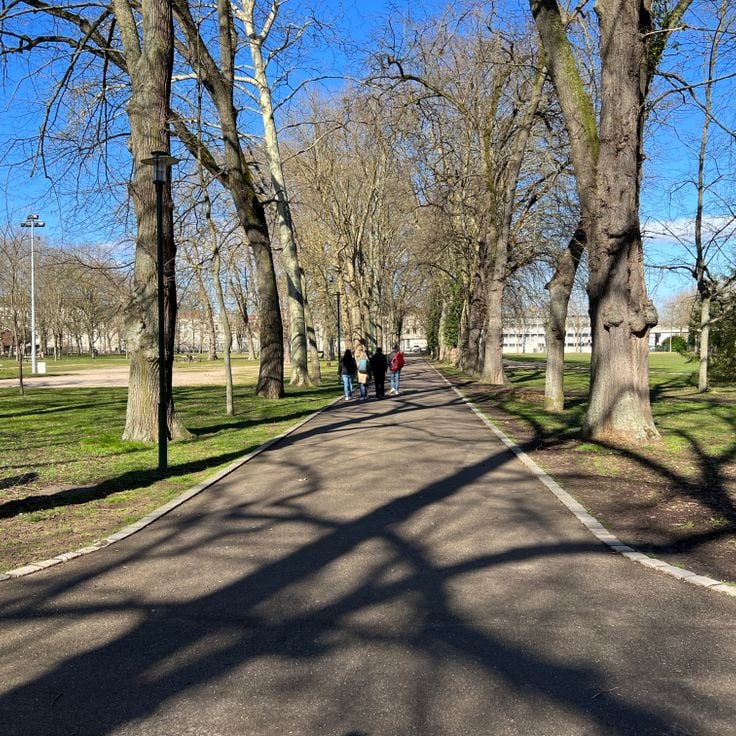
This Cours Léopold is a tree lined avenue in central Nancy that features historic monuments and stone benches. The central paved pedestrian area runs between mature rows of trees and connects several urban districts. Visitors will find commemorative statues and markers documenting local events. The avenue provides a direct route for walks between Nancy's architectural landmarks and serves as a photography location for urban scenes with historic context.
This 18th century residence in central Nancy displays carved stone decorations on the facade, including ornate window frames and a central entrance portal. The Hotel Ferraris ranks among the city's representative townhouses and documents the architectural standards of the period when Nancy flourished as capital of the Duchy of Lorraine. The facade design with its profiled stonework corresponds to typical forms of French classicism. The building stands in a district with other historic structures from the same era and complements the route through Nancy's architectural development from the Renaissance to Art Nouveau.
Rue Félix-Faure connects several historic districts of Nancy and serves as an important commercial street in the city. The building fronts date from the 18th and 19th centuries and display characteristic stone facades with wrought iron balconies. Ground floor retail shops attract both local residents and visitors. The street provides examples of urban architecture from the period before industrial development and fits into the historic street network of the old town.
This park sits on elevated ground above the city, providing views across the rooftops and towers of Nancy and the surrounding countryside. Paths wind through the grounds, offering different perspectives on the historic center and the region beyond. The Parco della Cura dell'Aria is suitable for photographing the city skyline and the Lorraine landscape from an elevated vantage point, making it an important location on this photographic route through Nancy.
The Jardin Dominique Alexandre Godron forms part of a photographic tour through Nancy's notable sites, combining botanical diversity with urban heritage. This garden holds more than 2,500 plant species from different climatic zones, including medicinal plants, tropical specimens in greenhouses and thematic beds. Informational panels explain vegetation types and ecological relationships. The garden lies near the city center and adds a natural history dimension to the architectural and landscape subjects found throughout Nancy.
The Porte de la Craffe, a fortified gateway dating to 1336, stands as part of Nancy's medieval defensive walls and marks the northern entrance to the old town. The two round towers with conical roofs flank the passage and retain their original arrow slits and defensive mechanisms. The structure later served as a prison and documents the city's military history. Visitors can view the exterior of the towers and archway, which provide insight into 14th-century fortification design.
This 1902 residence presents curved lines and floral motifs of the Art Nouveau movement. Villa Majorelle contains original furniture and decorative elements by Louis Majorelle, including wrought iron details and wood paneling. The building stands as a significant example of Henri Sauvage's architecture in Nancy and documents the artistic production of the École de Nancy in the early 20th century.
The Rue des Maréchaux in Nancy presents 18th-century stone buildings with decorated portals and metal shop signs mounted on the facades. This narrow street forms part of the city's historical center and illustrates the urban architecture of the Lorraine capital during the duchy's prosperous period. The buildings display typical features of regional construction with carved door frames and wrought iron details characteristic of the craftsmanship from that era.
This Porta Saint-Georges, part of Nancy's former city fortifications, was built in 1606 in Renaissance style and features a central archway flanked by two round towers. The stonework includes decorative molding and recessed niches, while the facade shows stone blocks and cornice elements. The structure stands at the intersection of several streets and forms a passage between the historic quarters of the city. The gate serves as a starting point for photographs of Renaissance architecture and early 17th century urban planning.
The Maison Weissenburger displays characteristic features of 1904 architecture in Nancy and adds to this photographic tour of the city's Art Nouveau buildings. The facade presents floral motifs, decorative ironwork and stained glass windows typical of this design movement. This residential building stands in a city that holds several important examples of this architectural period and offers visitors the opportunity to document details of this creative era.
This gallery was built in 1888 as the first exhibition hall Nancy had for fine arts. The metal frame inside was created under the direction of Gustave Eiffel, while the exterior facade follows classical ordering principles. Columns organize the entrance, large windows light the interior spaces, and sculptures emphasize the symmetry of the structure. Today, the Galleria Poirel continues to serve as a venue for art exhibitions and concerts and represents a central point of interest for photographic tours through Nancy.
This residential quarter preserves narrow passages between 18th-century stone buildings whose colored doors and shutters emphasize the original architecture. The Quartier des Trois Maisons illustrates Nancy's smaller residential structures beyond the monumental centers, showing everyday urban construction of that era. The alleys connect several inner courtyards while the facades preserve elements of Lorraine's building tradition. This area complements the photographic route through Nancy with insight into the residential architecture that existed between the grand townhouses and Art Nouveau villas.
The Palazzo del Governo presents classical architecture from 1751 with a central courtyard and formal gardens. Stone balustrades and symmetrical design elements throughout the building reflect the architectural principles of the period. This government palace stands within Nancy's photographic route that documents architectural monuments, historic streets and various urban spaces from medieval times through the Art Nouveau era. The structure represents the city's classical construction from the mid-18th century, contributing to Nancy's architectural heritage alongside Renaissance buildings and later decorative styles.
Rue Gustave Simon runs through central Nancy and features buildings from different periods of the city's history. The narrow street displays decorative iron balconies and stone facade ornamentation typical of regional building traditions. Pedestrians can observe various architectural details along the street that document the historic character of the neighborhood.
This Art Nouveau building from 1903 displays curved lines in its ironwork and distinct floral motifs in its stone ornamentation. As part of a photographic tour through Nancy, Casa Gaudin fits into the city's array of architectural landmarks that includes Renaissance structures, Art Nouveau villas and medieval gates. The facade design documents the artistic approach of the École de Nancy, which incorporated organic forms into urban architecture in the early 20th century.
ArteM is a research center with laboratories and conference rooms housed in a contemporary glass and metal structure completed in 2012. The facility stands in Nancy and contributes to the city's scientific landscape. The modern complex serves as a working space for researchers and provides venues for academic events. The architecture combines functional requirements with transparent design. This center adds a contemporary dimension to Nancy's photographic route, which spans from historic monuments to modern buildings.
The Hôtel d'Haussonville stands as one of the most representative examples of French Renaissance architecture in this photo collection of Nancy. Built in 1528, this private residence displays stone walls, a spiral staircase, and carved decorations characteristic of the period. Within this route through architectural monuments, historic streets, and parks, the building embodies the city's Renaissance tradition and offers photographers opportunities to capture details such as stone facades and sculptural elements. The Hôtel complements other historic structures like Port Saint-Georges and medieval buildings that document Nancy's architectural heritage.
The Porta Desilles is a stone triumphal arch in Nancy, built in 1785 to honor French soldiers. The structure features military sculptures and detailed relief panels on both sides, depicting historical battles and soldier scenes. The arch marks the transition between different city neighborhoods and stands near Nancy's main traffic routes. Visitors can explore the exterior of the monument and examine the craftsmanship of the stonework, which is characteristic of late 18th-century architecture.
The Museum of the School of Nancy displays glass, furniture and decorative arts from around 1900 in a villa with gardens featuring local flora motifs. This collection documents the creative movement that made Nancy a center of Art Nouveau between 1885 and 1914. The exhibited objects include works by Émile Gallé, Louis Majorelle and other artists who incorporated natural forms and craft techniques into their designs. The villa itself dates from the early 20th century and serves as an appropriate setting for the displays. The garden complements the interior spaces with plants that served as inspiration sources for the artworks on view.
The exterior walls of the industrial buildings at 108 Boulevard Lobau display large-scale murals painted by French and international artists as part of municipal art initiatives. These street art works transform the commercial architecture of the neighborhood into a public gallery and complement the photographic possibilities of Nancy's architectural and artistic heritage. The murals vary in style and subject matter, documenting contemporary urban art movements in the city. The location sits outside the historic center and provides contrast to the Renaissance and Art Nouveau buildings along other sections of this photographic route.
The Cappella Ducale is a 17th-century religious site featuring marble columns, painted ceilings and detailed stonework that displays religious and ducal symbols. This chapel was built as the burial place of the Dukes of Lorraine and combines baroque elements with regional building traditions. The interior includes liturgical objects and funerary monuments that document the history of the duchy. As part of Nancy's architectural landmarks, this chapel reinforces the historic character of the city and offers visitors insight into the religious and political past of Lorraine.
Parc Olry contains century-old trees, pathways and benches surrounding a central pond. This green space sits near the city center and serves locals as a place for walks and rest. The pond forms a focal point of the park, while surrounding lawns provide space for recreation. The park is among the public green areas in Nancy and adds natural settings and water reflections to the photographic stops on this route.
This covered market occupies a stone building and features stalls selling local products, fresh produce, meats and regional specialties. The Mercato Coperto is part of Nancy's photographic route and showcases the city's culinary traditions. The market hall connects architecture with daily life and complements the surrounding historic monuments and Art Nouveau villas. Visitors find authentic insights into local food culture and can purchase regional goods.
This Renaissance palace serves as a museum of regional art, displaying collections from the 13th through 18th centuries. The exhibitions include period furniture and decorative objects that document the history of Lorraine. The building itself dates to the Renaissance and once served as the residence of the Dukes of Lorraine. The rooms present paintings, sculptures and crafts that provide insight into the region's cultural development. The museum sits in the historic center of Nancy and ranks among the most important collections of Lorraine art.
This 19th-century neo-Gothic church in Nancy presents an 87-foot (27-meter) spire, colored glass windows and wall paintings in the nave. The construction replaced a medieval church and combines German and French architectural elements. The facade shows detailed stonework with religious scenes, while the interior features liturgical artworks and a historic organ system. The basilica serves as a photographic subject for architectural shots along Nancy's historic streets.
This classical square extends south from Place Stanislas, offering a quieter counterpart to its ornate neighbor. Piazza Carriere combines rigorous geometric lines with practical 18th-century urban planning. Stone arcades frame three sides of the square, while shaded tree allées and gravel paths lead toward the Palais du Gouvernement. The symmetrical facades demonstrate restrained elegance, and the proportions of the space create a balanced spatial effect. Photographers find clear architectural lines and shifting light conditions under the trees, documenting Nancy's neoclassical heritage within this architectural route.
This natural history museum maintains 60 aquariums housing freshwater and saltwater fish, along with zoological collections of preserved specimens. The Museo Acquario di Nancy combines living marine organisms with prepared specimens from various taxonomic groups, providing insight into aquatic ecosystems and biological diversity. The exhibitions include both native and exotic species presented in thematically organized aquariums and display cases.
The Riva di Santa Caterina runs along the canal in Nancy's historic center, offering views of stone bridges, 19th-century buildings and moored boats. The quay provides opportunities to photograph urban architecture and waterways that form part of the Lorraine capital's historic infrastructure. This riverside promenade fits within the photographic route documenting Nancy's architectural monuments, parks and historic streets, representing different urban periods from the Renaissance through Art Nouveau.
This garden occupies the grounds of a 17th-century fortification that once defended the city. The site preserves portions of the original defensive walls and combines historic military architecture with a green space featuring stone pathways, seasonal flower beds, and old bastions. It offers views of the remaining fortification structures and serves as a public park in the center of Nancy, appealing to those interested in history and to visitors seeking outdoor space.
Casa Huot presents ornamental floral motifs, curved iron balconies and stained glass windows typical of Nancy's Art Nouveau movement in the early 20th century. This 1903 residential building forms part of the city's architectural identity and complements the photographic route through Art Nouveau villas and historic streets that document the region's built heritage.
The wrought iron entrance gates to Parc de la Pépinière display decorative elements and gilded details from the 18th-century ducal period. These historic gates mark the access to one of the principal green spaces featured in Nancy's photographic tour of architectural monuments and public areas. The ornate ironwork combines craftsmanship tradition with the representative design of the ducal era, forming an architectural frame for the park beyond.
The Protestant Temple of Nancy is a neoclassical religious building completed in 1904 in the historic city center. The facade features stone columns at the entrance, while large windows flood the interior space with natural light. The architecture reflects Protestant design principles from the early 1900s and adds to the city's architectural diversity alongside Art Nouveau villas and Renaissance structures. The building continues to serve as an active place of worship for the Protestant congregation.
This Cours Léopold is a tree lined avenue in central Nancy that features historic monuments and stone benches. The central paved pedestrian area runs between mature rows of trees and connects several urban districts. Visitors will find commemorative statues and markers documenting local events. The avenue provides a direct route for walks between Nancy's architectural landmarks and serves as a photography location for urban scenes with historic context.
This 18th century residence in central Nancy displays carved stone decorations on the facade, including ornate window frames and a central entrance portal. The Hotel Ferraris ranks among the city's representative townhouses and documents the architectural standards of the period when Nancy flourished as capital of the Duchy of Lorraine. The facade design with its profiled stonework corresponds to typical forms of French classicism. The building stands in a district with other historic structures from the same era and complements the route through Nancy's architectural development from the Renaissance to Art Nouveau.
Rue Félix-Faure connects several historic districts of Nancy and serves as an important commercial street in the city. The building fronts date from the 18th and 19th centuries and display characteristic stone facades with wrought iron balconies. Ground floor retail shops attract both local residents and visitors. The street provides examples of urban architecture from the period before industrial development and fits into the historic street network of the old town.