See the monuments around you in AROpen chests in the app
Around Us is built for your phone — point your camera at the streets and discover the monuments and places around you in augmented reality.Around Us is built for your phone — chests unlock when you walk, explore and capture nearby places.
Aix-en-Provence is a city where history lives in every corner. The Cours Mirabeau, lined with trees and fountains, forms the heart of the town. The old quarter reveals itself through narrow streets, elegant mansions, and bustling markets. The Saint-Sauveur Cathedral and Hôtel de Caumont show architecture from different periods.
The city offers many places worth photographing. The Place d'Albertas feels like a hidden gem in the center. The Granet Museum holds works by Cézanne and other artists. Historic fountains like La Rotonde and the Mossy Fountain shape the cityscape. The garden at Pavillon de Vendôme provides a moment of quiet in the middle of it all. Walking through passages like Passage Agard reveals the layers of the city.
Beyond the town, more treasures await. Montagne Sainte-Victoire rises over the landscape and inspired many painters. The Plateau de Valensole charms visitors with lavender fields, especially when in bloom. Villages like Saignon and places like Château La Coste show the rich landscape around the city.
Aix-en-Provence is a city where history lives in every corner. The Cours Mirabeau, lined with trees and fountains, forms the heart of the town. The old quarter reveals itself through narrow streets, elegant mansions, and bustling markets. The Saint-Sauveur Cathedral and Hôtel de Caumont show architecture from different periods.
The city offers many places worth photographing. The Place d'Albertas feels like a hidden gem in the center. The Granet Museum holds works by Cézanne and other artists. Historic fountains like La Rotonde and the Mossy Fountain shape the cityscape. The garden at Pavillon de Vendôme provides a moment of quiet in the middle of it all. Walking through passages like Passage Agard reveals the layers of the city.
Beyond the town, more treasures await. Montagne Sainte-Victoire rises over the landscape and inspired many painters. The Plateau de Valensole charms visitors with lavender fields, especially when in bloom. Villages like Saignon and places like Château La Coste show the rich landscape around the city.
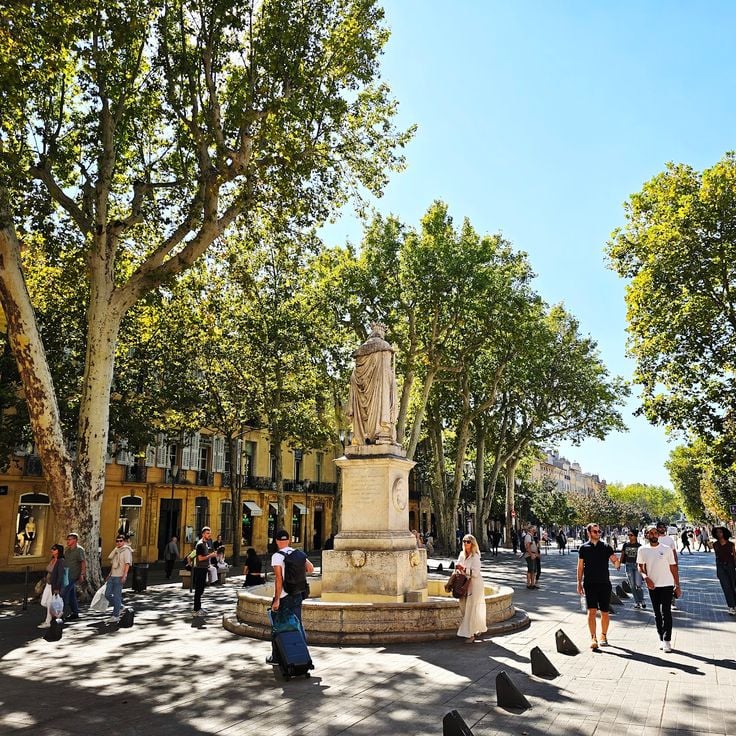
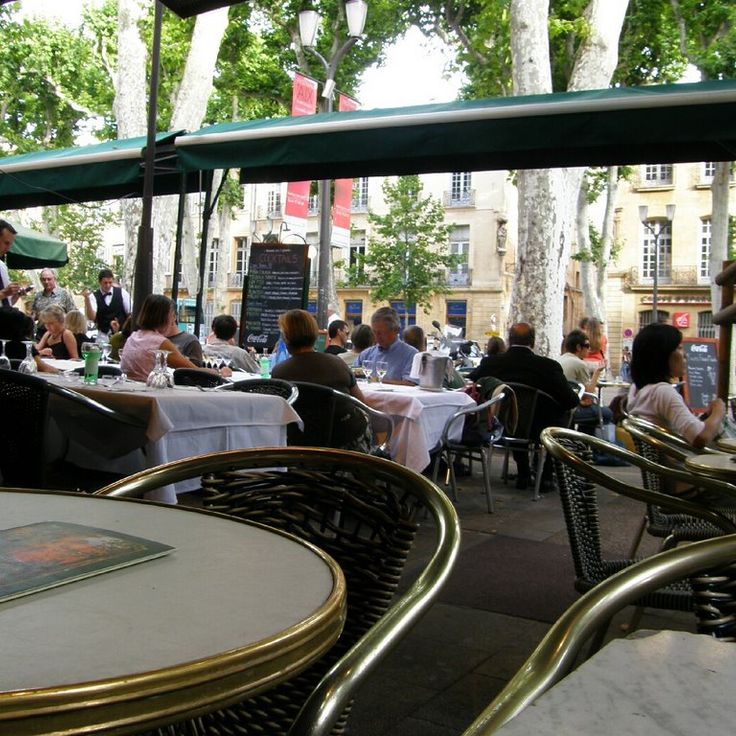
The Cours Mirabeau is the central avenue of Aix-en-Provence and defines the heart of the city. Plane trees line this street, and four decorative fountains punctuate its length. Sidewalk cafes with outdoor seating fill the space, creating a social hub where locals and visitors gather. This location offers excellent opportunities to photograph the classical character and everyday rhythm of the city.
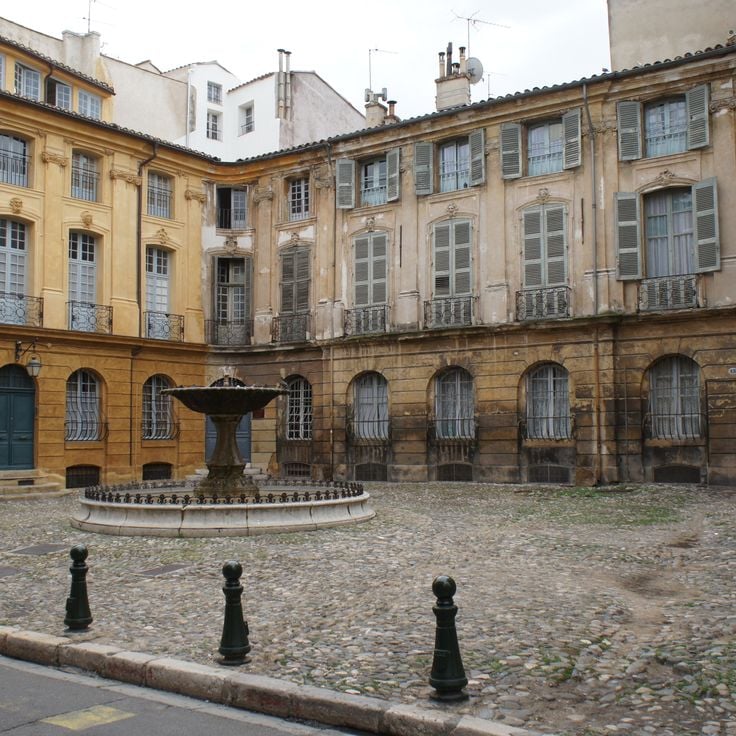
Place d'Albertas is a square in Aix-en-Provence featuring 18th-century buildings adorned with baroque ornaments. A central stone fountain sits in the middle of the square, creating an inviting spot for photography in this historic city known for its Renaissance fountains and narrow streets.
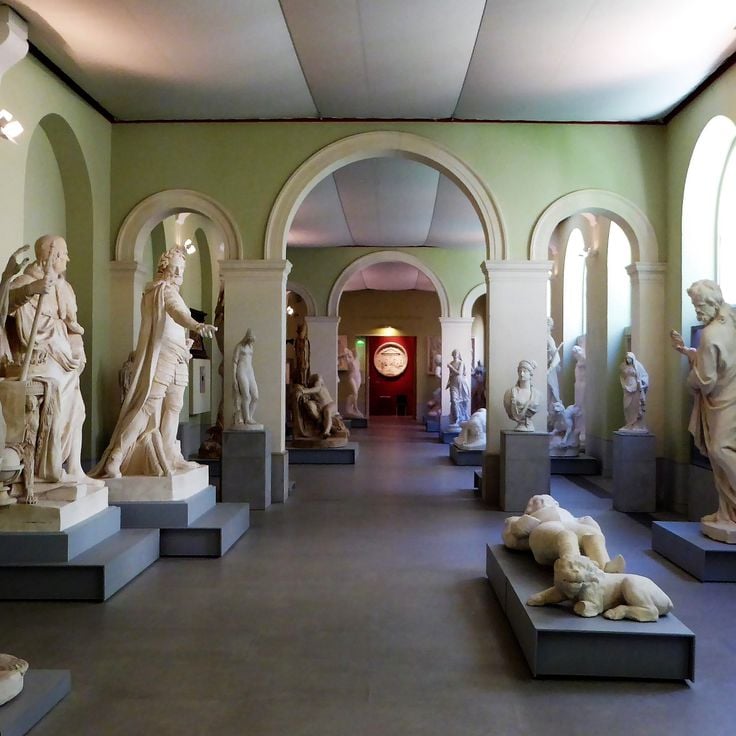
The Granet Museum displays a collection of European paintings and sculptures from the 14th to 20th centuries. This museum is a key place in Aix-en-Provence to explore artworks from different periods, ranging from classical to modern works, including pieces by artists such as Cézanne.
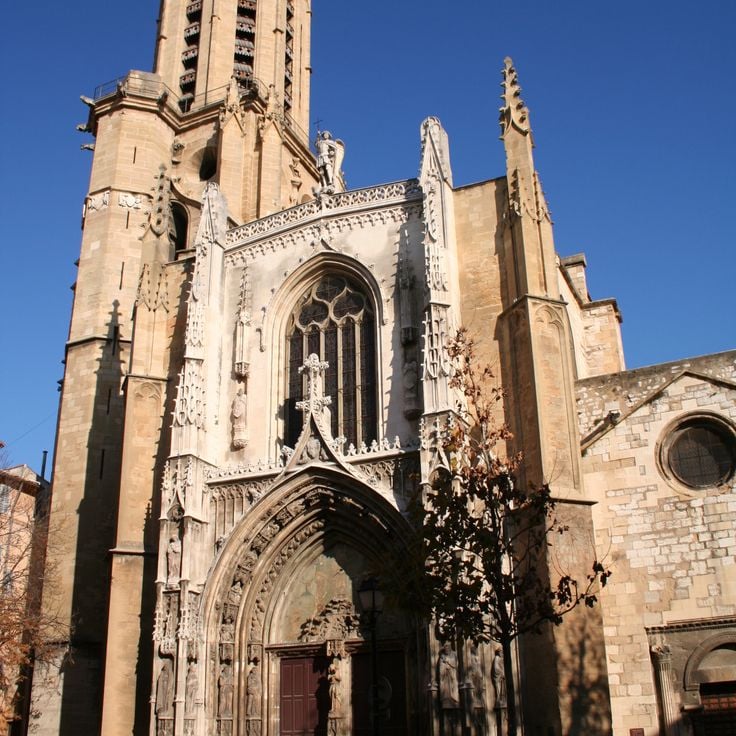
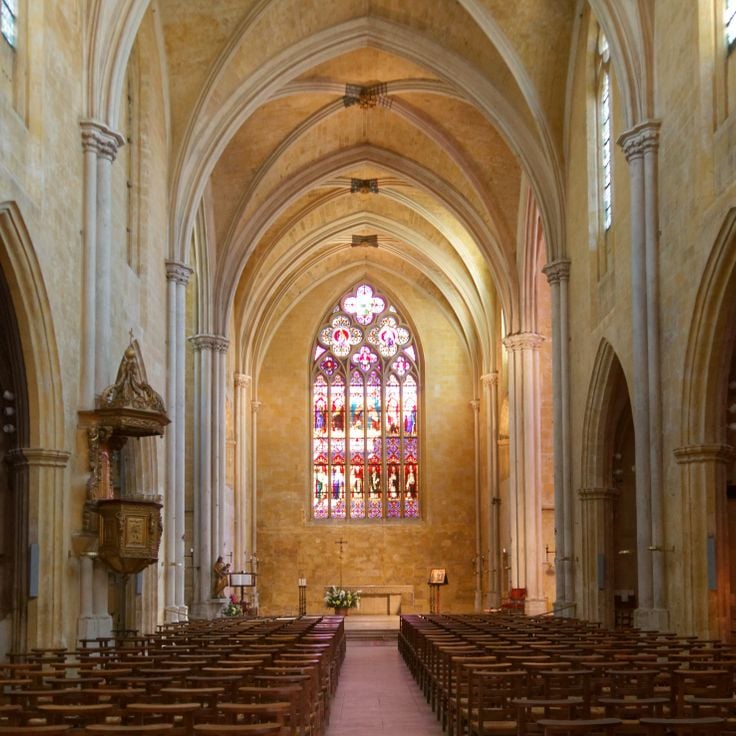
The Saint-Sauveur Cathedral is a central photo spot in Aix-en-Provence, showcasing the city's architectural diversity. This building combines Roman, Romanesque, and Gothic elements, with a baptistery dating to the 4th century. Through its different construction phases, the cathedral documents the city's long history and offers photogenic details from multiple periods.
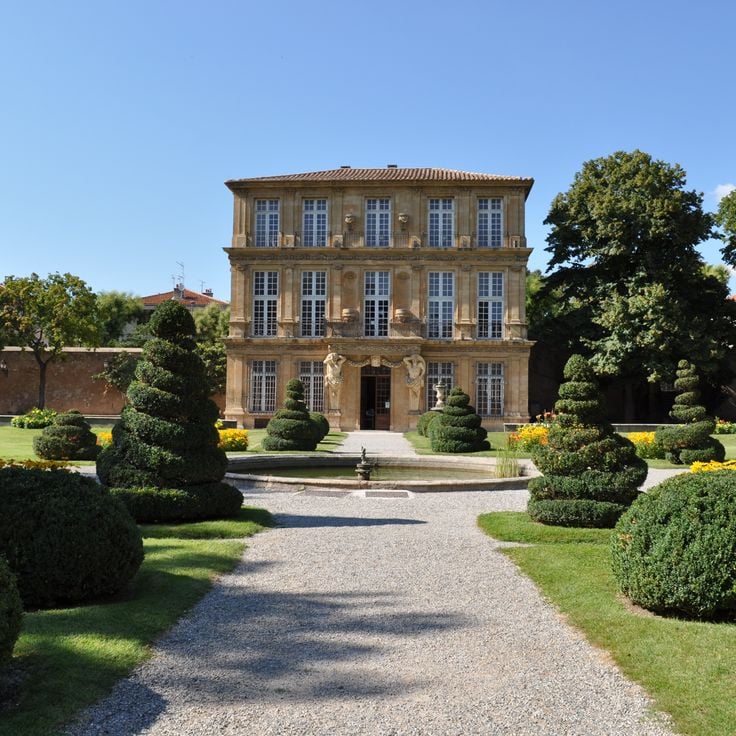
The Garden of Pavillon de Vendôme is a geometric French garden with symmetrical flower beds, trimmed boxwood, and gravel paths surrounding the 17th century mansion. As a photo spot, it showcases the classical garden design that defines Aix-en-Provence's center, where the Cours Mirabeau, Renaissance fountains, and the old town's narrow streets and mansions await discovery.
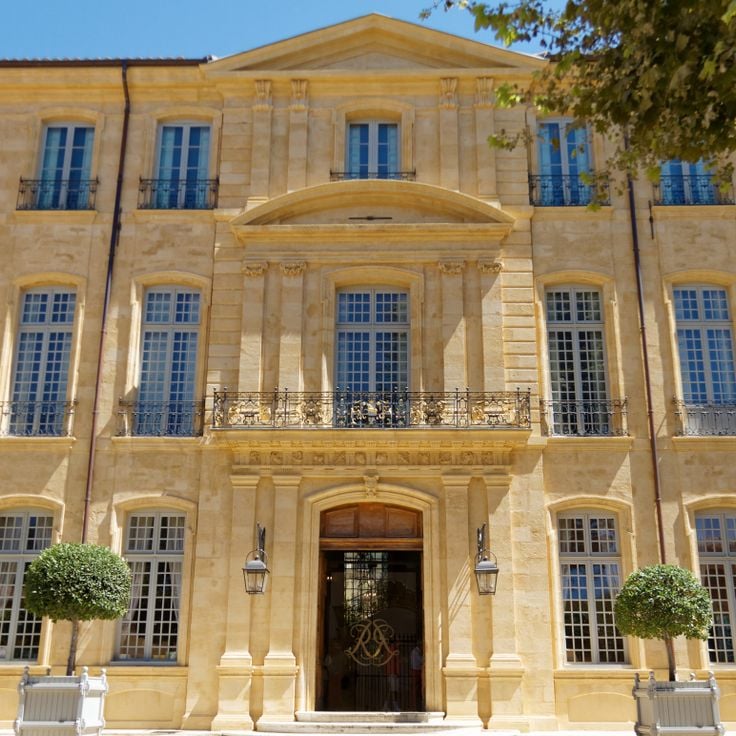
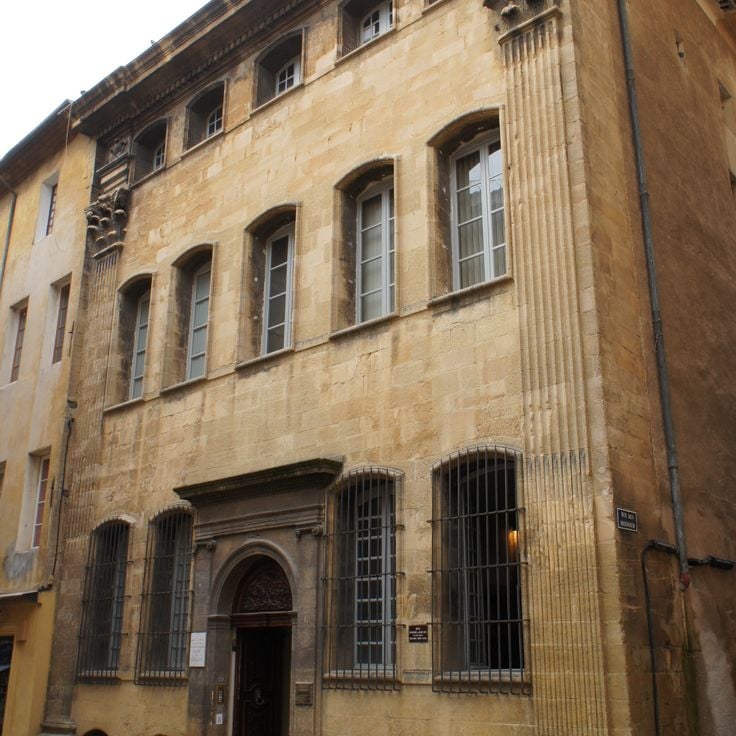
The Hôtel de Caumont is an art center in an 18th century mansion and a key photo spot in Aix-en-Provence's heart. It features rotating exhibitions, period rooms with their original furnishings, and a courtyard garden. The building and its spaces showcase the wealth and architectural style that define the center of this southern French city.
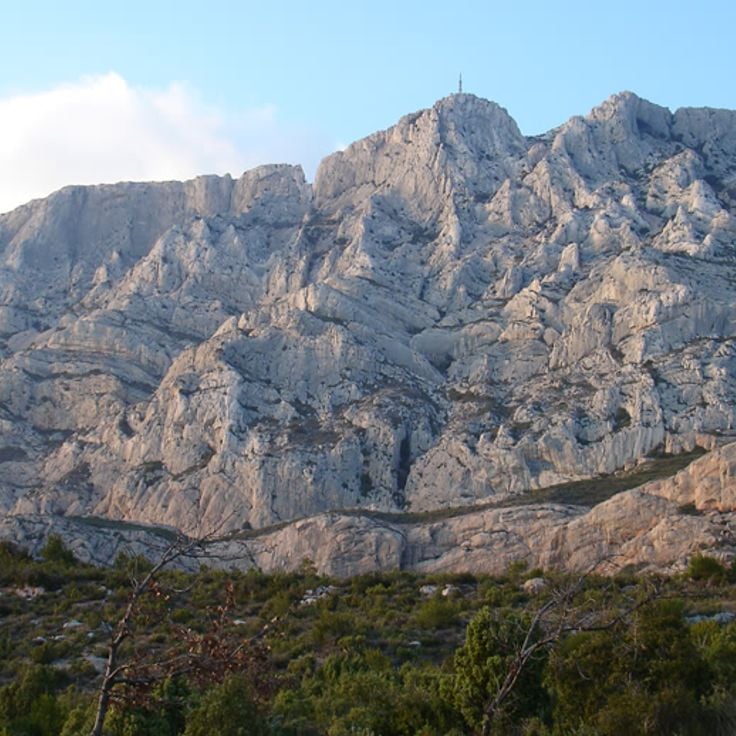
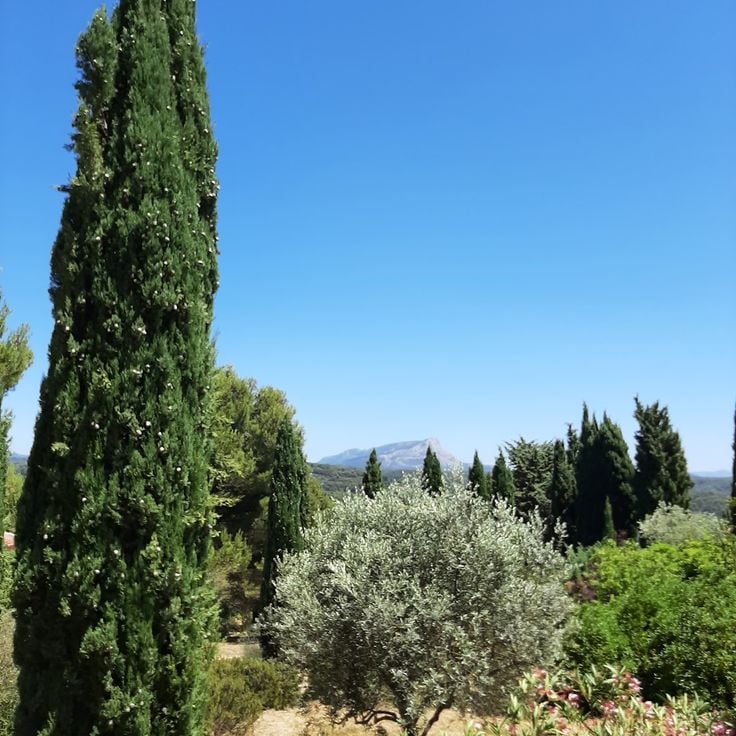
Montagne Sainte-Victoire is a key photo spot in Aix-en-Provence, offering views of the landscape that inspired Paul Cézanne. This limestone mountain rises 1011 meters above sea level and can be seen from the city. Its distinctive form and changing light throughout the day make it a compelling subject for photographers exploring the region.
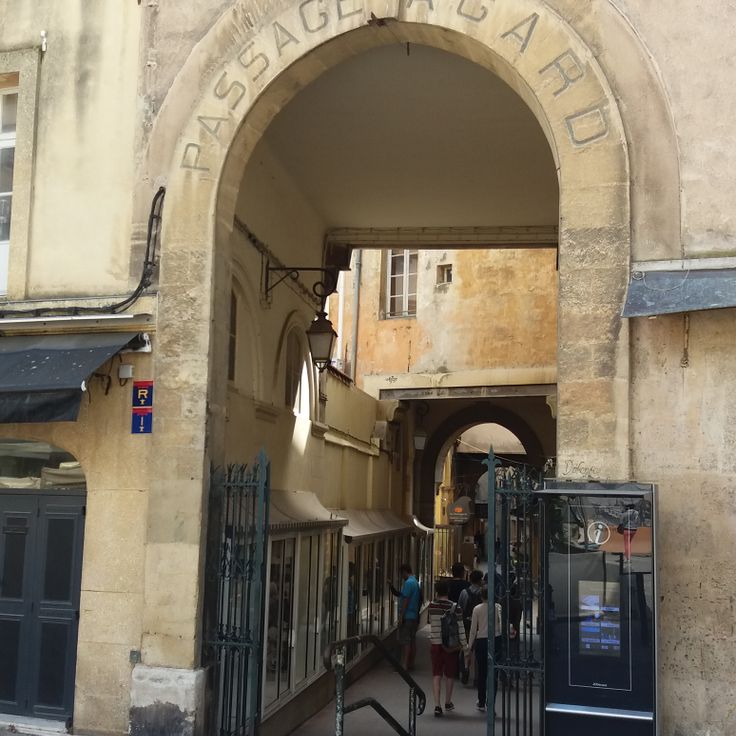
The Passage Agard is a covered walkway in the historic center of Aix-en-Provence, connecting Rue Espariat to Rue Aude. This passage houses small shops, boutiques, and cafés that add to the character of the old town. It offers a sheltered route for exploring and photographing the everyday scenes that define the collection of photo spots in Aix-en-Provence.
The Terrain des Peintres is a viewpoint in Aix-en-Provence facing the Sainte-Victoire mountain range, where Paul Cézanne created many of his paintings. From this spot, visitors can see the landscape that inspired and shaped the artist's work. Standing here offers a direct connection to the artistic vision that defined this region's cultural importance.
Rue Gaston de Saporta is a medieval street in Aix-en-Provence that offers photographers the chance to capture the historical character of the old town. This street connects La Rotonde to Saint-Sauveur Cathedral and features mansard roofs and stone arches that shape its appearance. Walking along its narrow passageway reveals the architectural details that make Aix-en-Provence's center so appealing to those seeking to document the city's past.
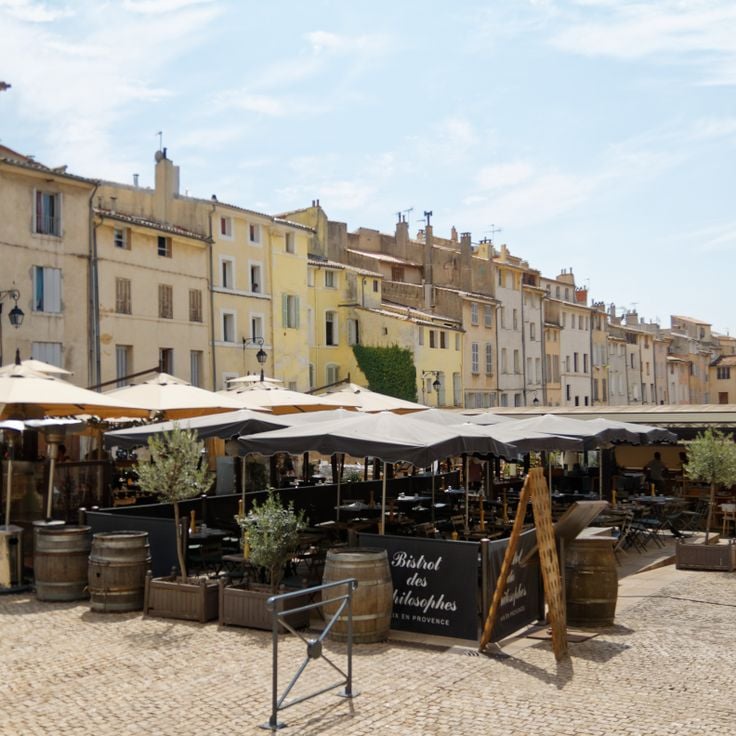
The Place des Cardeurs is a square in the heart of Aix-en-Provence surrounded by pink houses with restaurants and outdoor terraces. It captures the everyday life of the city, where locals and visitors sit down to eat Mediterranean dishes. This square is one of the most photographed spots in a city defined by Renaissance fountains, the Cours Mirabeau, and a historic old town full of narrow streets and grand mansions.
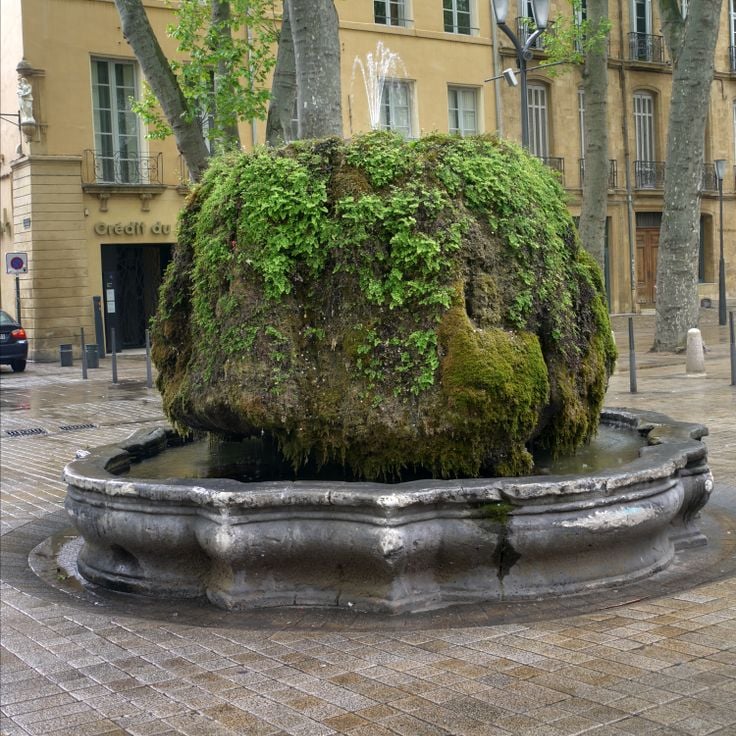
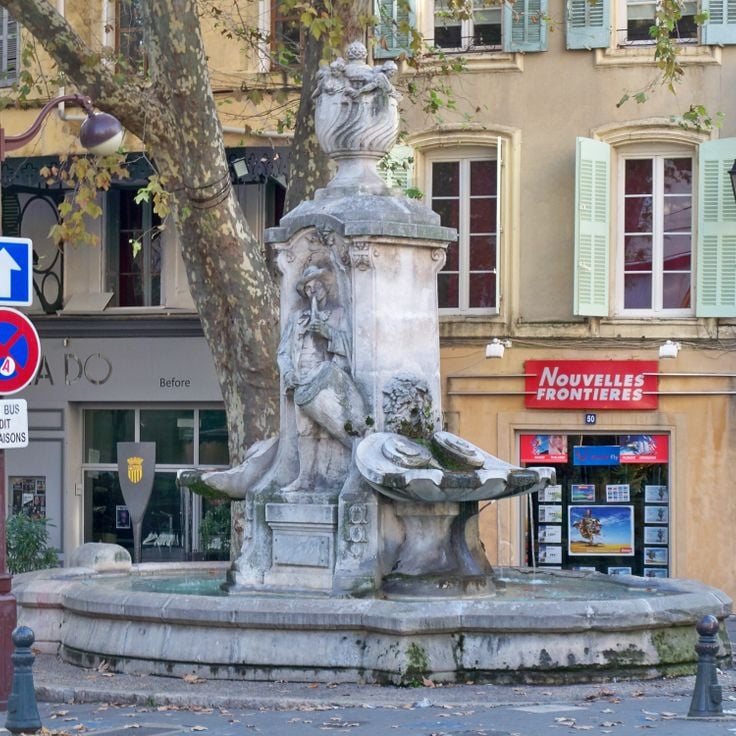
The Mossy Fountain is a 17th century fountain with natural moss growth located on Place des Prêcheurs in Aix-en-Provence. With its weathered patina of moss, this fountain embodies the historic character of the old town center and represents the classical elements that define the city. It complements the Renaissance fountains that shape the heart of Aix-en-Provence and contributes to the experience of walking through the narrow streets and squares of this historic town.
Les Deux Garçons is an 18th-century café in Aix-en-Provence that attracted artists and writers such as Cézanne and Zola. It represents the cultural history of the city and its role as a meeting place for creative minds. This historic establishment reveals the artistic side of Aix-en-Provence beyond its well-known monuments and landscapes.
The Vieil Aix forms the historical heart of Aix-en-Provence with its narrow streets and small squares lined with buildings from the 17th and 18th centuries. Walking through this part of the city reveals the classic architecture that defines Aix-en-Provence. These cobblestone passages and hidden corners represent the old-town character central to this collection of photo spots.
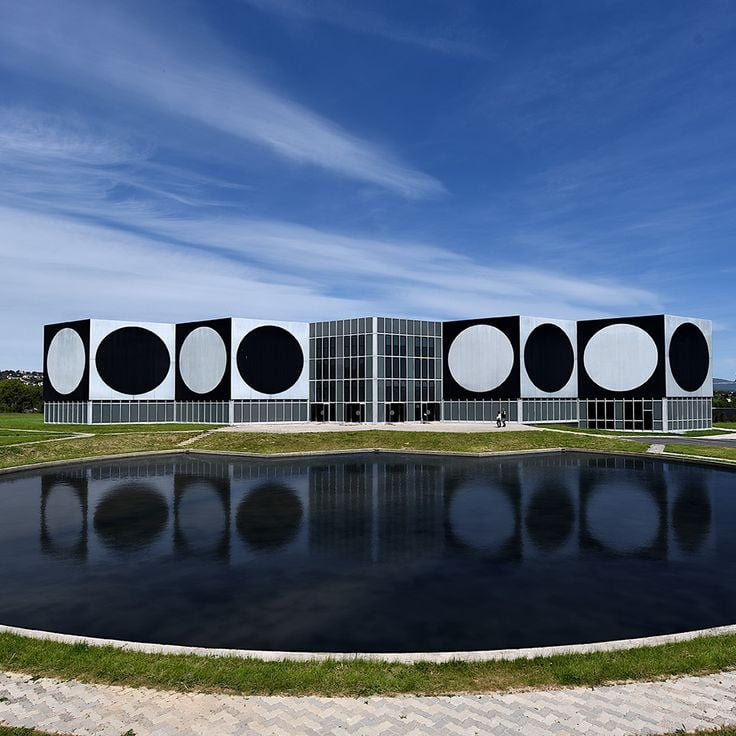
The Vasarely Museum displays the geometric works of Op Art artist Victor Vasarely in a distinctive building. It is one of the places in Aix-en-Provence where the city's artistic legacy comes alive. Alongside classical art collections and modern exhibitions, this museum offers insight into the experimental art of the 20th century.
The Église Saint-Jean-de-Malte is a Gothic church from the 13th century and offers a view of the region's religious architecture in this photo collection of Aix-en-Provence. The building features tall vaults and large windows in Provençal style, representing characteristic features of local construction.
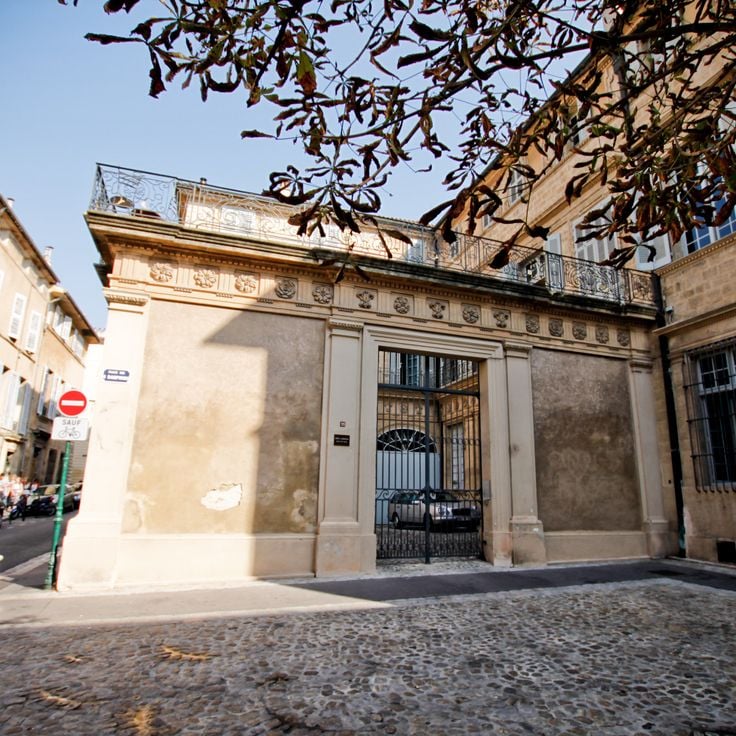
The Hôtel particulier de Boisgelin is a private mansion from the 18th century in Aix-en-Provence, showcasing stone ornaments and a symmetrical classical facade. As a photo spot in this city, it represents the refined architecture that defines Aix's center alongside the Cours Mirabeau, Renaissance fountains, and the cathedral. The mansion's elegant proportions and decorative details exemplify the taste of the period when such buildings housed the city's prosperous families.
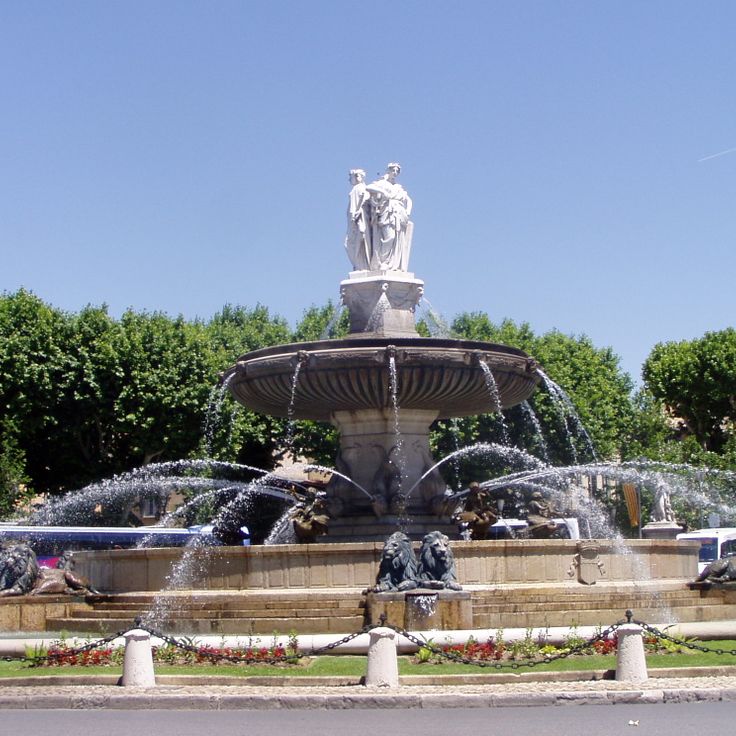
La Rotonde Fountain is a monumental water feature with three female statues that anchors a traffic circle at the start of Cours Mirabeau. It stands as a defining element of Aix-en-Provence's center and offers photographers a classic vantage point for capturing the Renaissance architecture and tree-lined avenues that characterize this southern French city.
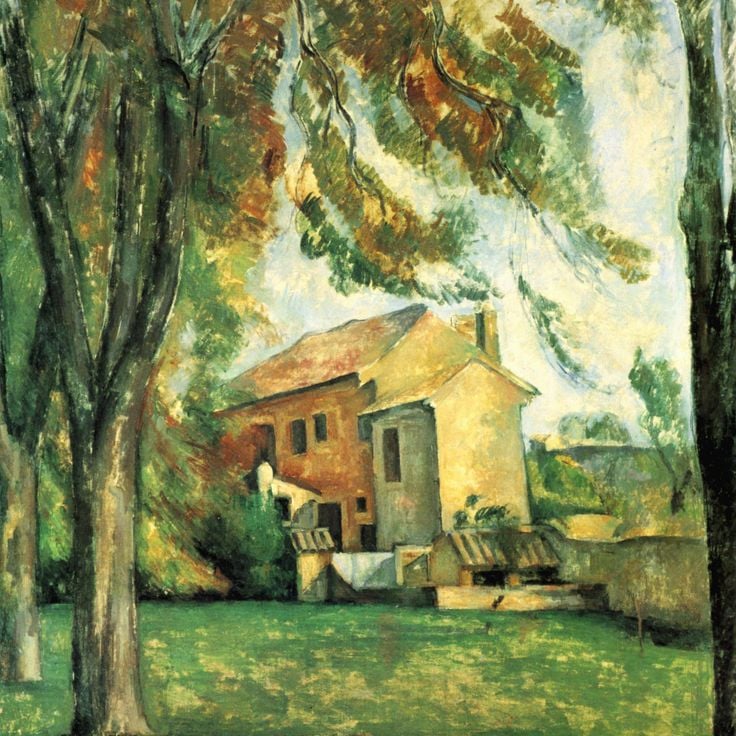
Jas de Bouffan is a historical estate in Aix-en-Provence that stands as one of the city's important photo locations. The property features wall paintings created by Paul Cézanne and a traditional garden planted with Mediterranean vegetation. The artist spent much of his life here and produced many of his works at this residence. The estate reveals the deep connection between Cézanne's artistic practice and his hometown.
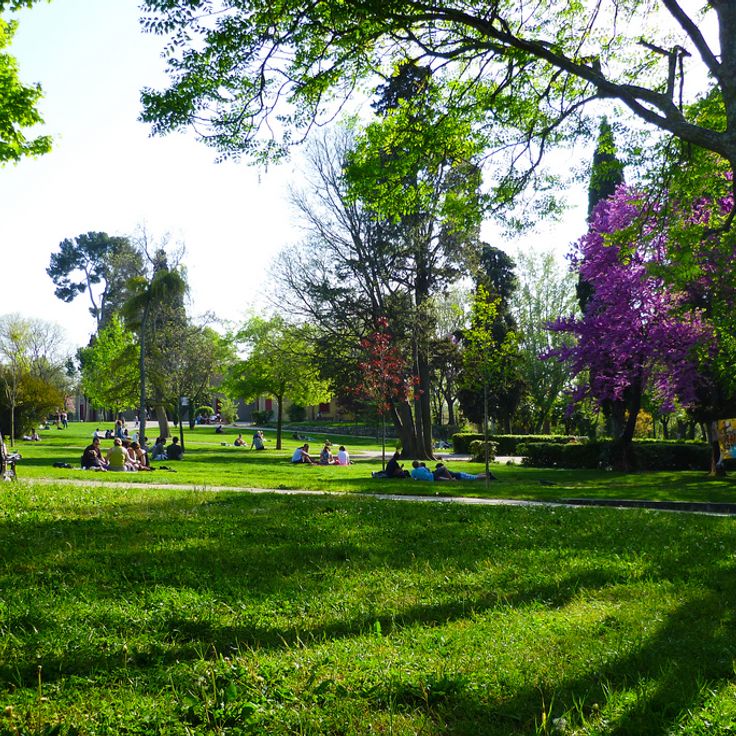
Parc Jourdan is a green park with trees, playgrounds and walking paths in the university district of Aix-en-Provence. As a photo spot in this city, the park offers a place to experience nature between the old town with its narrow streets and the modern university area.
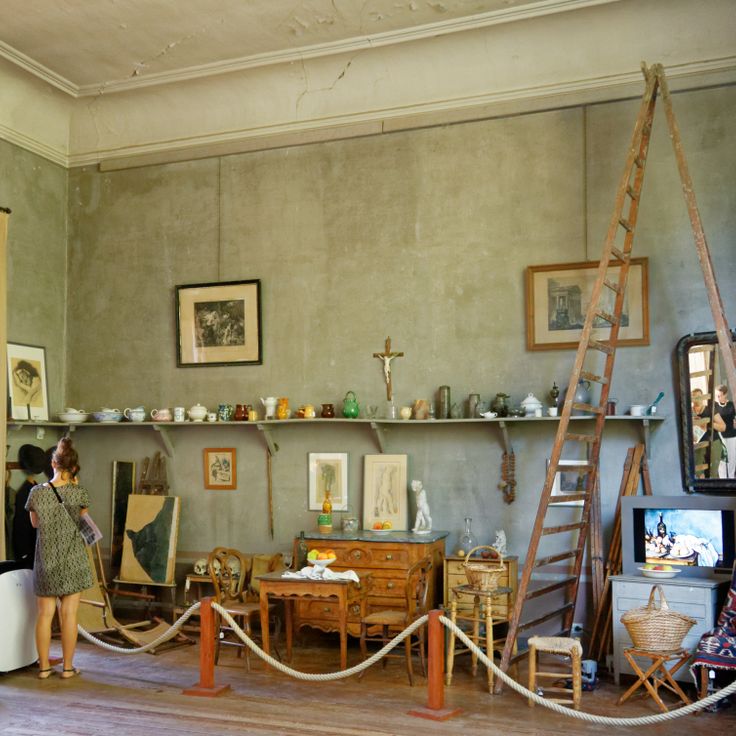
The Atelier des Lauves is where Paul Cézanne created several paintings between 1902 and 1906. This studio now displays his furniture and working tools, offering photographers a chance to step into the artistic world of one of history's most important painters. For visitors exploring the art scene in Aix-en-Provence, this place connects directly to the city's role as home to Cézanne and its strong artistic tradition.
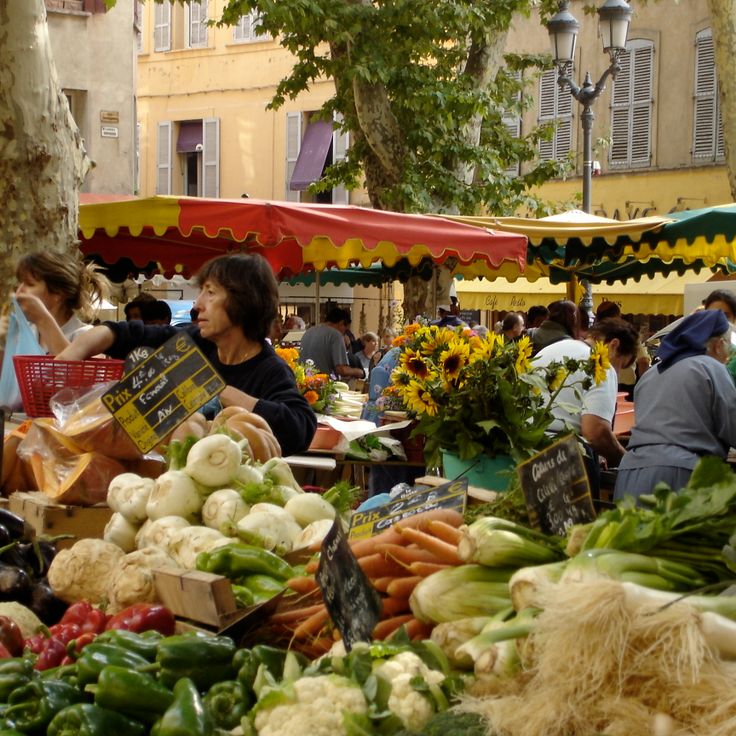
Place Richelme is a historical marketplace in Aix-en-Provence where regional produce stands, vegetables, fruits, and Provençal specialties open every morning. It forms part of the living heart of this city, which features the Cours Mirabeau with its fountains, the Cathedral of Saint-Sauveur, the Hôtel de Caumont, narrow streets, mansions, and other markets.
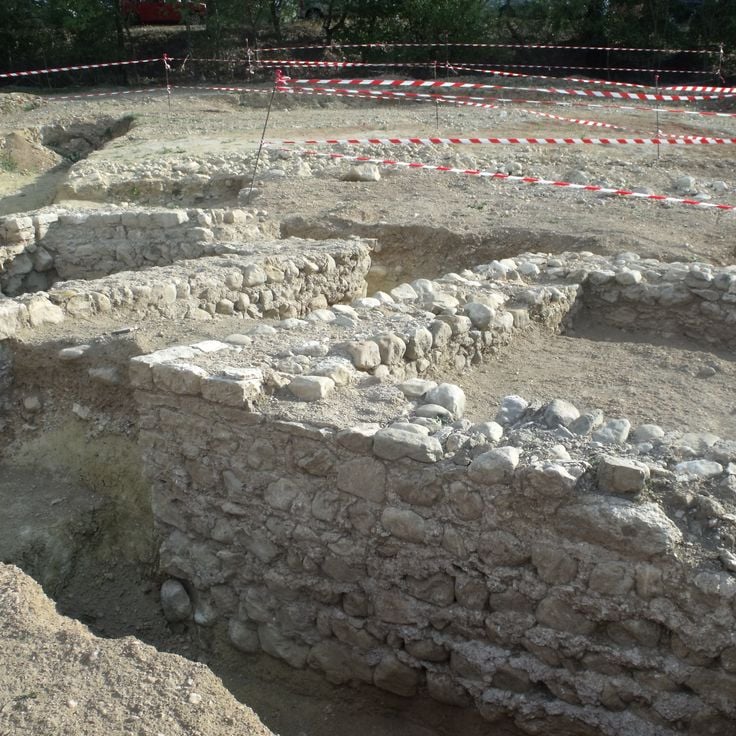
The Aquae Sextiae are the Roman thermal baths of Aix-en-Provence from the first century BC. They display original stone structures and archaeological findings that document life in the ancient city. These historic remains offer an important photo spot for those capturing the Roman history and origins of Aix-en-Provence, a city built around its thermal springs, the Cours Mirabeau, Renaissance fountains, the cathedral area, and the narrow streets of the old town.
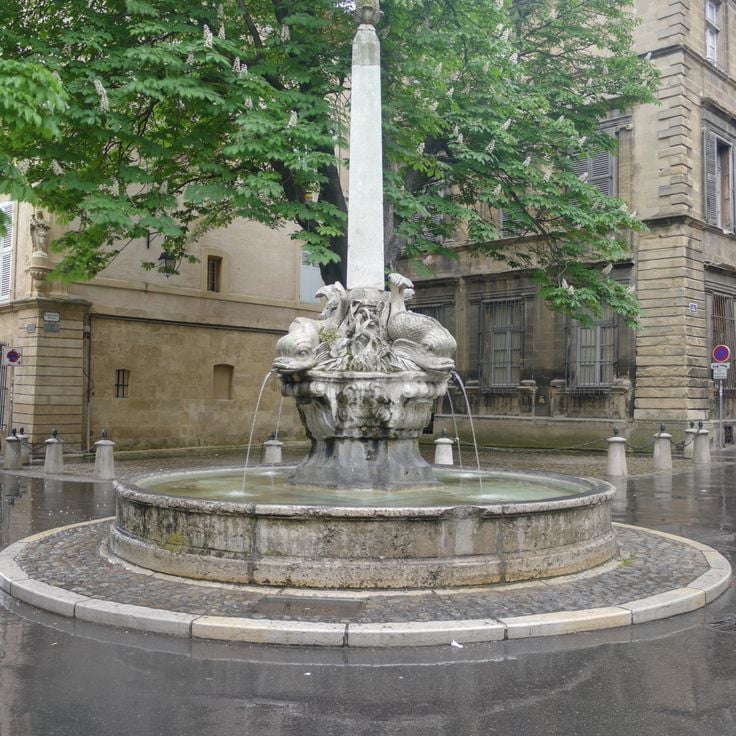
The Place des Quatre-Dauphins is a historical square in Aix-en-Provence defined by its 17th century fountain adorned with four stone dolphins facing each cardinal direction. With classical facades and shade from mature trees, this square provides a quiet setting that reflects the city's architectural heritage. Visitors to this space notice the interplay of light and shadow across the fountain's sculptures, creating natural photo opportunities. For those documenting the Renaissance fountains and historic center of Aix-en-Provence, this square serves as an important stop along routes exploring the old town's many sites.
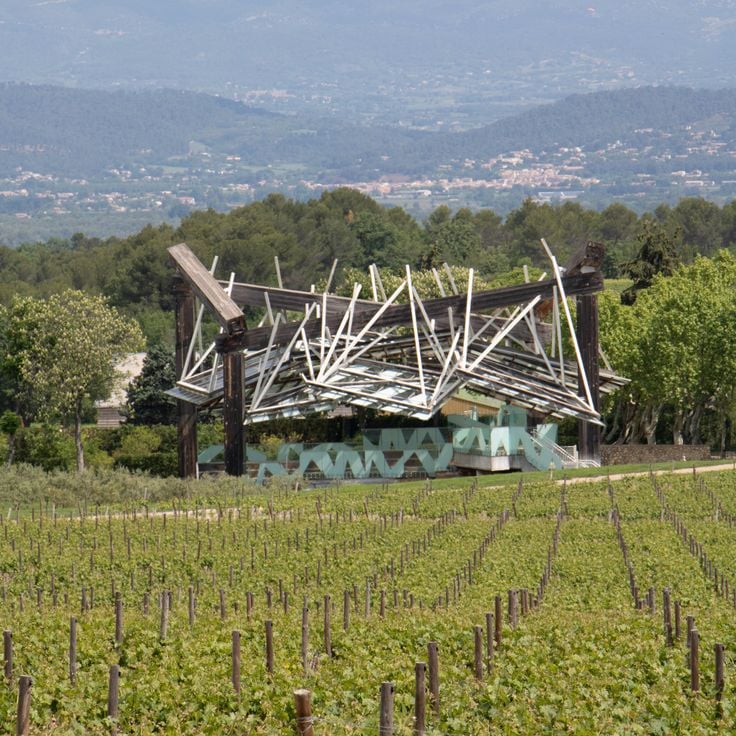
Château La Coste is a vineyard estate where contemporary art installations and modern architecture meet. You can walk paths between sculptures while discovering how wine is made. This location adds to the diverse art scene of Aix-en-Provence, where museums display works from classical to modern periods.
This central avenue is an important spot for photographers in Aix-en-Provence, featuring stone facades, plane trees, and local shops. The street connects multiple squares and fountains across the city center, complementing the Cours Mirabeau that defines the heart of this town.
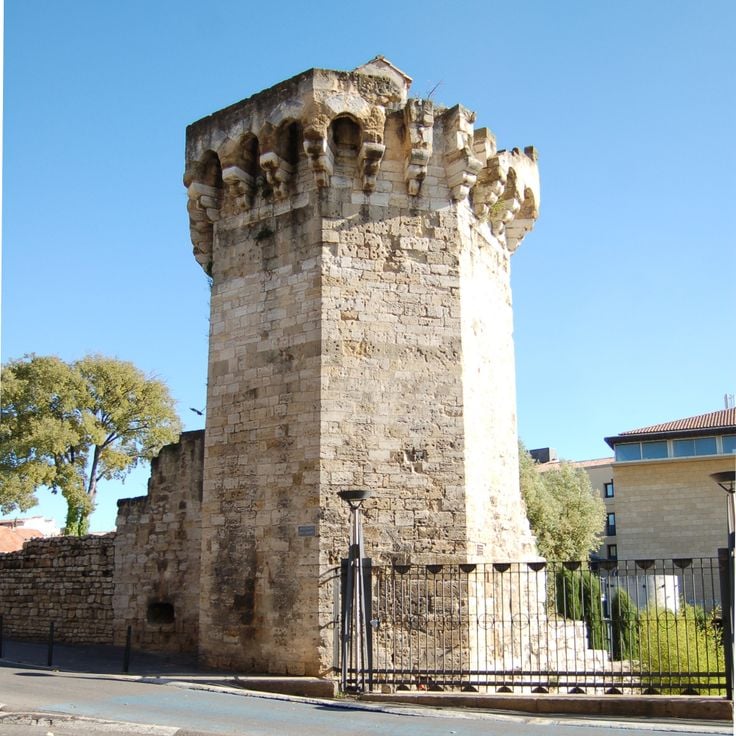
The Tourreluque is a medieval stone tower in Aix-en-Provence with a spiral staircase leading to an observation platform. From here, you can see over the red tile roofs toward Mount Sainte-Victoire. This location offers a good vantage point for photographs of the city and its surroundings, especially the connection between the historic old town and the mountain landscape that shapes Aix-en-Provence.
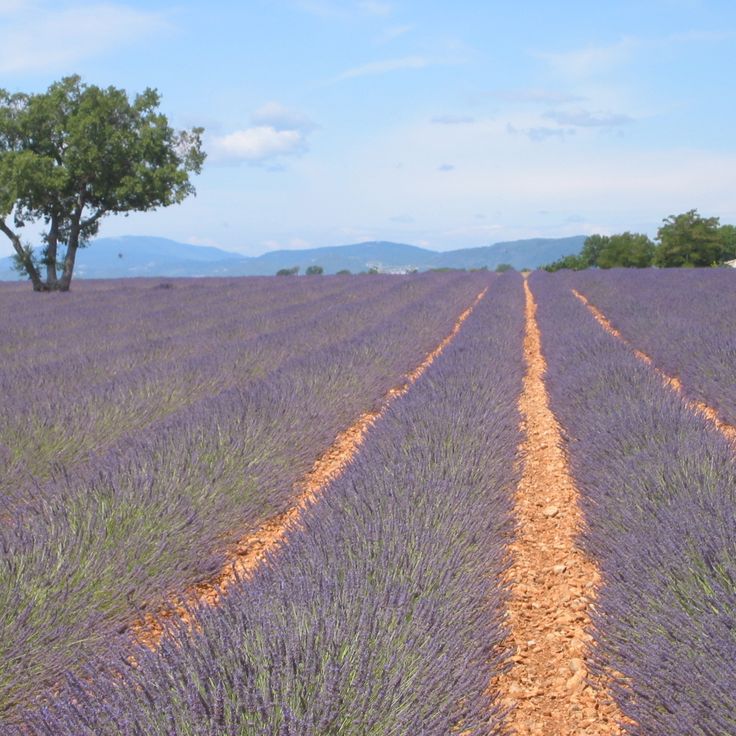
The Plateau de Valensole is an agricultural plateau that forms part of the photo spots around Aix-en-Provence. In summer, lavender fields bloom in deep purple, creating rows of intense color across the land. Stone farmhouses and olive groves sit scattered between these flowering sections, giving the landscape its rural character and historical feel.
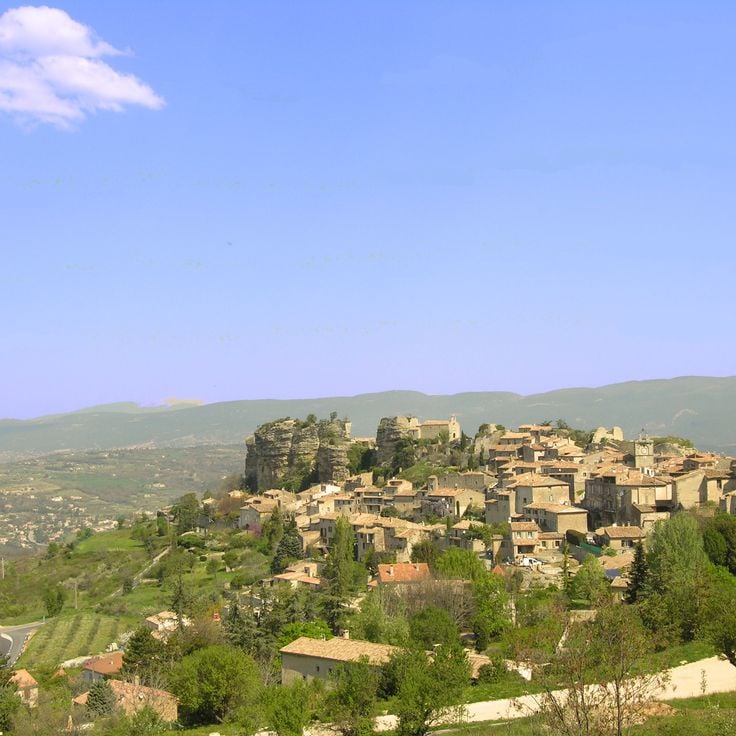
Saignon is a small village in the Vaucluse and offers one of the memorable photo subjects in and around Aix-en-Provence. The village showcases narrow medieval streets with expansive views across the Luberon valley. You find yourself in the rhythm of rural Provence, far from the crowds of larger towns. Houses with warm facades and intimate squares invite you to pause and observe. The setting provides countless opportunities for photography, especially during the morning light.
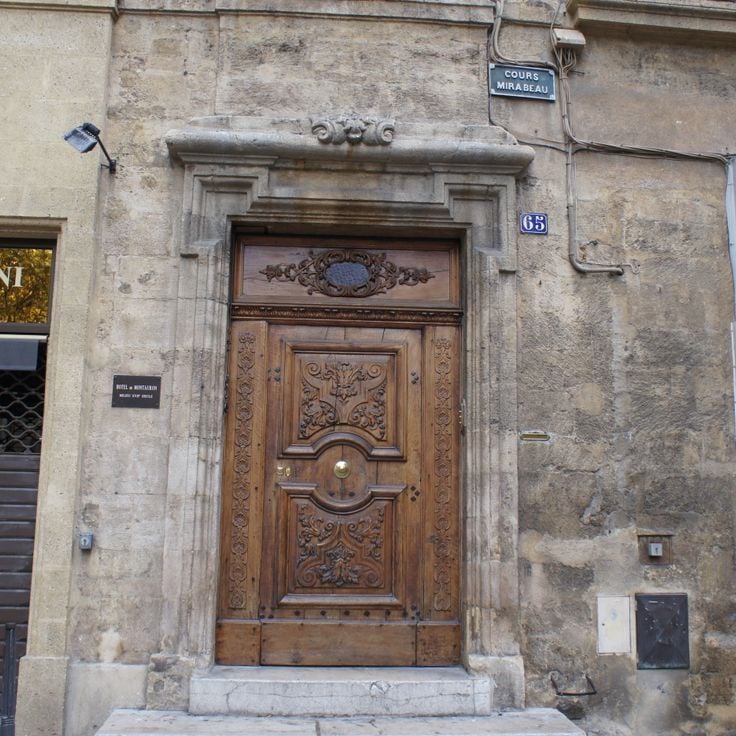
The Hôtel de Montauron is a historic mansion in Aix-en-Provence displaying classic French architecture. It stands among the notable structures that define the city's character, alongside the Cours Mirabeau, Renaissance fountains, and the old town with its narrow streets and grand mansions. This building reflects the cultural history of Aix-en-Provence, a city known for its art museums and its connection to artists such as Cézanne.
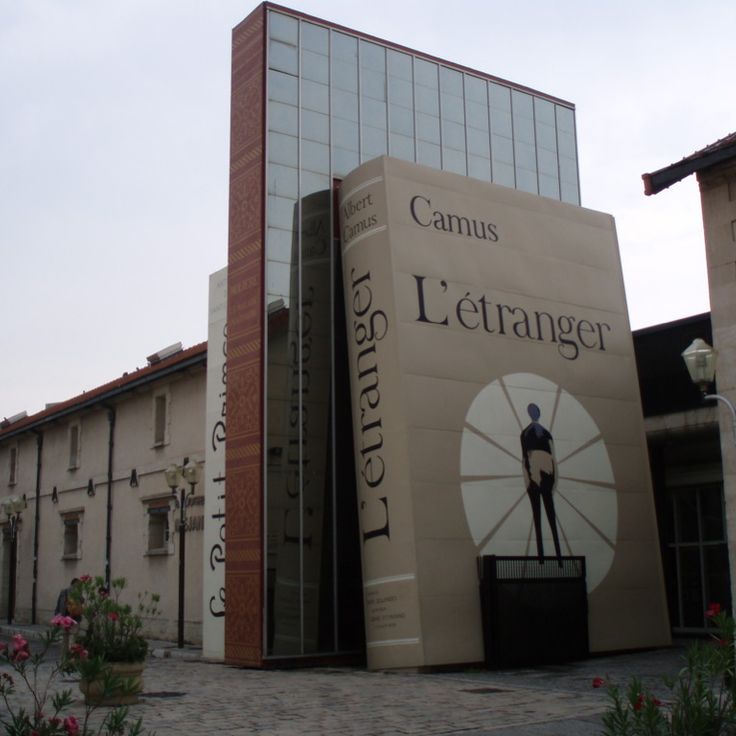
The Bibliothèque Méjanes is a library in Aix-en-Provence with a distinctive entrance decorated with large book sculptures. It occupies a converted 17th-century chapel. As a photo location, this building demonstrates how historical architecture and modern art come together in a city known for its Renaissance fountains and narrow streets.
The Cours Mirabeau is the central avenue of Aix-en-Provence and defines the heart of the city. Plane trees line this street, and four decorative fountains punctuate its length. Sidewalk cafes with outdoor seating fill the space, creating a social hub where locals and visitors gather. This location offers excellent opportunities to photograph the classical character and everyday rhythm of the city.
Place d'Albertas is a square in Aix-en-Provence featuring 18th-century buildings adorned with baroque ornaments. A central stone fountain sits in the middle of the square, creating an inviting spot for photography in this historic city known for its Renaissance fountains and narrow streets.
The Granet Museum displays a collection of European paintings and sculptures from the 14th to 20th centuries. This museum is a key place in Aix-en-Provence to explore artworks from different periods, ranging from classical to modern works, including pieces by artists such as Cézanne.
The Saint-Sauveur Cathedral is a central photo spot in Aix-en-Provence, showcasing the city's architectural diversity. This building combines Roman, Romanesque, and Gothic elements, with a baptistery dating to the 4th century. Through its different construction phases, the cathedral documents the city's long history and offers photogenic details from multiple periods.
The Garden of Pavillon de Vendôme is a geometric French garden with symmetrical flower beds, trimmed boxwood, and gravel paths surrounding the 17th century mansion. As a photo spot, it showcases the classical garden design that defines Aix-en-Provence's center, where the Cours Mirabeau, Renaissance fountains, and the old town's narrow streets and mansions await discovery.
The Hôtel de Caumont is an art center in an 18th century mansion and a key photo spot in Aix-en-Provence's heart. It features rotating exhibitions, period rooms with their original furnishings, and a courtyard garden. The building and its spaces showcase the wealth and architectural style that define the center of this southern French city.
Montagne Sainte-Victoire is a key photo spot in Aix-en-Provence, offering views of the landscape that inspired Paul Cézanne. This limestone mountain rises 1011 meters above sea level and can be seen from the city. Its distinctive form and changing light throughout the day make it a compelling subject for photographers exploring the region.
The Passage Agard is a covered walkway in the historic center of Aix-en-Provence, connecting Rue Espariat to Rue Aude. This passage houses small shops, boutiques, and cafés that add to the character of the old town. It offers a sheltered route for exploring and photographing the everyday scenes that define the collection of photo spots in Aix-en-Provence.
The Terrain des Peintres is a viewpoint in Aix-en-Provence facing the Sainte-Victoire mountain range, where Paul Cézanne created many of his paintings. From this spot, visitors can see the landscape that inspired and shaped the artist's work. Standing here offers a direct connection to the artistic vision that defined this region's cultural importance.
Rue Gaston de Saporta is a medieval street in Aix-en-Provence that offers photographers the chance to capture the historical character of the old town. This street connects La Rotonde to Saint-Sauveur Cathedral and features mansard roofs and stone arches that shape its appearance. Walking along its narrow passageway reveals the architectural details that make Aix-en-Provence's center so appealing to those seeking to document the city's past.
The Place des Cardeurs is a square in the heart of Aix-en-Provence surrounded by pink houses with restaurants and outdoor terraces. It captures the everyday life of the city, where locals and visitors sit down to eat Mediterranean dishes. This square is one of the most photographed spots in a city defined by Renaissance fountains, the Cours Mirabeau, and a historic old town full of narrow streets and grand mansions.
The Mossy Fountain is a 17th century fountain with natural moss growth located on Place des Prêcheurs in Aix-en-Provence. With its weathered patina of moss, this fountain embodies the historic character of the old town center and represents the classical elements that define the city. It complements the Renaissance fountains that shape the heart of Aix-en-Provence and contributes to the experience of walking through the narrow streets and squares of this historic town.
Les Deux Garçons is an 18th-century café in Aix-en-Provence that attracted artists and writers such as Cézanne and Zola. It represents the cultural history of the city and its role as a meeting place for creative minds. This historic establishment reveals the artistic side of Aix-en-Provence beyond its well-known monuments and landscapes.
The Vieil Aix forms the historical heart of Aix-en-Provence with its narrow streets and small squares lined with buildings from the 17th and 18th centuries. Walking through this part of the city reveals the classic architecture that defines Aix-en-Provence. These cobblestone passages and hidden corners represent the old-town character central to this collection of photo spots.
The Vasarely Museum displays the geometric works of Op Art artist Victor Vasarely in a distinctive building. It is one of the places in Aix-en-Provence where the city's artistic legacy comes alive. Alongside classical art collections and modern exhibitions, this museum offers insight into the experimental art of the 20th century.
The Église Saint-Jean-de-Malte is a Gothic church from the 13th century and offers a view of the region's religious architecture in this photo collection of Aix-en-Provence. The building features tall vaults and large windows in Provençal style, representing characteristic features of local construction.
The Hôtel particulier de Boisgelin is a private mansion from the 18th century in Aix-en-Provence, showcasing stone ornaments and a symmetrical classical facade. As a photo spot in this city, it represents the refined architecture that defines Aix's center alongside the Cours Mirabeau, Renaissance fountains, and the cathedral. The mansion's elegant proportions and decorative details exemplify the taste of the period when such buildings housed the city's prosperous families.
La Rotonde Fountain is a monumental water feature with three female statues that anchors a traffic circle at the start of Cours Mirabeau. It stands as a defining element of Aix-en-Provence's center and offers photographers a classic vantage point for capturing the Renaissance architecture and tree-lined avenues that characterize this southern French city.
Jas de Bouffan is a historical estate in Aix-en-Provence that stands as one of the city's important photo locations. The property features wall paintings created by Paul Cézanne and a traditional garden planted with Mediterranean vegetation. The artist spent much of his life here and produced many of his works at this residence. The estate reveals the deep connection between Cézanne's artistic practice and his hometown.
Parc Jourdan is a green park with trees, playgrounds and walking paths in the university district of Aix-en-Provence. As a photo spot in this city, the park offers a place to experience nature between the old town with its narrow streets and the modern university area.
The Atelier des Lauves is where Paul Cézanne created several paintings between 1902 and 1906. This studio now displays his furniture and working tools, offering photographers a chance to step into the artistic world of one of history's most important painters. For visitors exploring the art scene in Aix-en-Provence, this place connects directly to the city's role as home to Cézanne and its strong artistic tradition.
Place Richelme is a historical marketplace in Aix-en-Provence where regional produce stands, vegetables, fruits, and Provençal specialties open every morning. It forms part of the living heart of this city, which features the Cours Mirabeau with its fountains, the Cathedral of Saint-Sauveur, the Hôtel de Caumont, narrow streets, mansions, and other markets.
The Aquae Sextiae are the Roman thermal baths of Aix-en-Provence from the first century BC. They display original stone structures and archaeological findings that document life in the ancient city. These historic remains offer an important photo spot for those capturing the Roman history and origins of Aix-en-Provence, a city built around its thermal springs, the Cours Mirabeau, Renaissance fountains, the cathedral area, and the narrow streets of the old town.
The Place des Quatre-Dauphins is a historical square in Aix-en-Provence defined by its 17th century fountain adorned with four stone dolphins facing each cardinal direction. With classical facades and shade from mature trees, this square provides a quiet setting that reflects the city's architectural heritage. Visitors to this space notice the interplay of light and shadow across the fountain's sculptures, creating natural photo opportunities. For those documenting the Renaissance fountains and historic center of Aix-en-Provence, this square serves as an important stop along routes exploring the old town's many sites.
Château La Coste is a vineyard estate where contemporary art installations and modern architecture meet. You can walk paths between sculptures while discovering how wine is made. This location adds to the diverse art scene of Aix-en-Provence, where museums display works from classical to modern periods.
This central avenue is an important spot for photographers in Aix-en-Provence, featuring stone facades, plane trees, and local shops. The street connects multiple squares and fountains across the city center, complementing the Cours Mirabeau that defines the heart of this town.
The Tourreluque is a medieval stone tower in Aix-en-Provence with a spiral staircase leading to an observation platform. From here, you can see over the red tile roofs toward Mount Sainte-Victoire. This location offers a good vantage point for photographs of the city and its surroundings, especially the connection between the historic old town and the mountain landscape that shapes Aix-en-Provence.
The Plateau de Valensole is an agricultural plateau that forms part of the photo spots around Aix-en-Provence. In summer, lavender fields bloom in deep purple, creating rows of intense color across the land. Stone farmhouses and olive groves sit scattered between these flowering sections, giving the landscape its rural character and historical feel.
Saignon is a small village in the Vaucluse and offers one of the memorable photo subjects in and around Aix-en-Provence. The village showcases narrow medieval streets with expansive views across the Luberon valley. You find yourself in the rhythm of rural Provence, far from the crowds of larger towns. Houses with warm facades and intimate squares invite you to pause and observe. The setting provides countless opportunities for photography, especially during the morning light.
The Hôtel de Montauron is a historic mansion in Aix-en-Provence displaying classic French architecture. It stands among the notable structures that define the city's character, alongside the Cours Mirabeau, Renaissance fountains, and the old town with its narrow streets and grand mansions. This building reflects the cultural history of Aix-en-Provence, a city known for its art museums and its connection to artists such as Cézanne.
The Bibliothèque Méjanes is a library in Aix-en-Provence with a distinctive entrance decorated with large book sculptures. It occupies a converted 17th-century chapel. As a photo location, this building demonstrates how historical architecture and modern art come together in a city known for its Renaissance fountains and narrow streets.
The Cours Mirabeau is the central avenue of Aix-en-Provence and defines the heart of the city. Plane trees line this street, and four decorative fountains punctuate its length. Sidewalk cafes with outdoor seating fill the space, creating a social hub where locals and visitors gather. This location offers excellent opportunities to photograph the classical character and everyday rhythm of the city.
Place d'Albertas is a square in Aix-en-Provence featuring 18th-century buildings adorned with baroque ornaments. A central stone fountain sits in the middle of the square, creating an inviting spot for photography in this historic city known for its Renaissance fountains and narrow streets.
The Granet Museum displays a collection of European paintings and sculptures from the 14th to 20th centuries. This museum is a key place in Aix-en-Provence to explore artworks from different periods, ranging from classical to modern works, including pieces by artists such as Cézanne.
The Saint-Sauveur Cathedral is a central photo spot in Aix-en-Provence, showcasing the city's architectural diversity. This building combines Roman, Romanesque, and Gothic elements, with a baptistery dating to the 4th century. Through its different construction phases, the cathedral documents the city's long history and offers photogenic details from multiple periods.
The Garden of Pavillon de Vendôme is a geometric French garden with symmetrical flower beds, trimmed boxwood, and gravel paths surrounding the 17th century mansion. As a photo spot, it showcases the classical garden design that defines Aix-en-Provence's center, where the Cours Mirabeau, Renaissance fountains, and the old town's narrow streets and mansions await discovery.
The Hôtel de Caumont is an art center in an 18th century mansion and a key photo spot in Aix-en-Provence's heart. It features rotating exhibitions, period rooms with their original furnishings, and a courtyard garden. The building and its spaces showcase the wealth and architectural style that define the center of this southern French city.
Montagne Sainte-Victoire is a key photo spot in Aix-en-Provence, offering views of the landscape that inspired Paul Cézanne. This limestone mountain rises 1011 meters above sea level and can be seen from the city. Its distinctive form and changing light throughout the day make it a compelling subject for photographers exploring the region.
The Passage Agard is a covered walkway in the historic center of Aix-en-Provence, connecting Rue Espariat to Rue Aude. This passage houses small shops, boutiques, and cafés that add to the character of the old town. It offers a sheltered route for exploring and photographing the everyday scenes that define the collection of photo spots in Aix-en-Provence.
The Terrain des Peintres is a viewpoint in Aix-en-Provence facing the Sainte-Victoire mountain range, where Paul Cézanne created many of his paintings. From this spot, visitors can see the landscape that inspired and shaped the artist's work. Standing here offers a direct connection to the artistic vision that defined this region's cultural importance.
Rue Gaston de Saporta is a medieval street in Aix-en-Provence that offers photographers the chance to capture the historical character of the old town. This street connects La Rotonde to Saint-Sauveur Cathedral and features mansard roofs and stone arches that shape its appearance. Walking along its narrow passageway reveals the architectural details that make Aix-en-Provence's center so appealing to those seeking to document the city's past.
The Place des Cardeurs is a square in the heart of Aix-en-Provence surrounded by pink houses with restaurants and outdoor terraces. It captures the everyday life of the city, where locals and visitors sit down to eat Mediterranean dishes. This square is one of the most photographed spots in a city defined by Renaissance fountains, the Cours Mirabeau, and a historic old town full of narrow streets and grand mansions.
The Mossy Fountain is a 17th century fountain with natural moss growth located on Place des Prêcheurs in Aix-en-Provence. With its weathered patina of moss, this fountain embodies the historic character of the old town center and represents the classical elements that define the city. It complements the Renaissance fountains that shape the heart of Aix-en-Provence and contributes to the experience of walking through the narrow streets and squares of this historic town.
Les Deux Garçons is an 18th-century café in Aix-en-Provence that attracted artists and writers such as Cézanne and Zola. It represents the cultural history of the city and its role as a meeting place for creative minds. This historic establishment reveals the artistic side of Aix-en-Provence beyond its well-known monuments and landscapes.
The Vieil Aix forms the historical heart of Aix-en-Provence with its narrow streets and small squares lined with buildings from the 17th and 18th centuries. Walking through this part of the city reveals the classic architecture that defines Aix-en-Provence. These cobblestone passages and hidden corners represent the old-town character central to this collection of photo spots.
The Vasarely Museum displays the geometric works of Op Art artist Victor Vasarely in a distinctive building. It is one of the places in Aix-en-Provence where the city's artistic legacy comes alive. Alongside classical art collections and modern exhibitions, this museum offers insight into the experimental art of the 20th century.
The Église Saint-Jean-de-Malte is a Gothic church from the 13th century and offers a view of the region's religious architecture in this photo collection of Aix-en-Provence. The building features tall vaults and large windows in Provençal style, representing characteristic features of local construction.
The Hôtel particulier de Boisgelin is a private mansion from the 18th century in Aix-en-Provence, showcasing stone ornaments and a symmetrical classical facade. As a photo spot in this city, it represents the refined architecture that defines Aix's center alongside the Cours Mirabeau, Renaissance fountains, and the cathedral. The mansion's elegant proportions and decorative details exemplify the taste of the period when such buildings housed the city's prosperous families.
La Rotonde Fountain is a monumental water feature with three female statues that anchors a traffic circle at the start of Cours Mirabeau. It stands as a defining element of Aix-en-Provence's center and offers photographers a classic vantage point for capturing the Renaissance architecture and tree-lined avenues that characterize this southern French city.
Jas de Bouffan is a historical estate in Aix-en-Provence that stands as one of the city's important photo locations. The property features wall paintings created by Paul Cézanne and a traditional garden planted with Mediterranean vegetation. The artist spent much of his life here and produced many of his works at this residence. The estate reveals the deep connection between Cézanne's artistic practice and his hometown.
Parc Jourdan is a green park with trees, playgrounds and walking paths in the university district of Aix-en-Provence. As a photo spot in this city, the park offers a place to experience nature between the old town with its narrow streets and the modern university area.
The Atelier des Lauves is where Paul Cézanne created several paintings between 1902 and 1906. This studio now displays his furniture and working tools, offering photographers a chance to step into the artistic world of one of history's most important painters. For visitors exploring the art scene in Aix-en-Provence, this place connects directly to the city's role as home to Cézanne and its strong artistic tradition.
Place Richelme is a historical marketplace in Aix-en-Provence where regional produce stands, vegetables, fruits, and Provençal specialties open every morning. It forms part of the living heart of this city, which features the Cours Mirabeau with its fountains, the Cathedral of Saint-Sauveur, the Hôtel de Caumont, narrow streets, mansions, and other markets.
The Aquae Sextiae are the Roman thermal baths of Aix-en-Provence from the first century BC. They display original stone structures and archaeological findings that document life in the ancient city. These historic remains offer an important photo spot for those capturing the Roman history and origins of Aix-en-Provence, a city built around its thermal springs, the Cours Mirabeau, Renaissance fountains, the cathedral area, and the narrow streets of the old town.
The Place des Quatre-Dauphins is a historical square in Aix-en-Provence defined by its 17th century fountain adorned with four stone dolphins facing each cardinal direction. With classical facades and shade from mature trees, this square provides a quiet setting that reflects the city's architectural heritage. Visitors to this space notice the interplay of light and shadow across the fountain's sculptures, creating natural photo opportunities. For those documenting the Renaissance fountains and historic center of Aix-en-Provence, this square serves as an important stop along routes exploring the old town's many sites.
Château La Coste is a vineyard estate where contemporary art installations and modern architecture meet. You can walk paths between sculptures while discovering how wine is made. This location adds to the diverse art scene of Aix-en-Provence, where museums display works from classical to modern periods.
This central avenue is an important spot for photographers in Aix-en-Provence, featuring stone facades, plane trees, and local shops. The street connects multiple squares and fountains across the city center, complementing the Cours Mirabeau that defines the heart of this town.
The Tourreluque is a medieval stone tower in Aix-en-Provence with a spiral staircase leading to an observation platform. From here, you can see over the red tile roofs toward Mount Sainte-Victoire. This location offers a good vantage point for photographs of the city and its surroundings, especially the connection between the historic old town and the mountain landscape that shapes Aix-en-Provence.
The Plateau de Valensole is an agricultural plateau that forms part of the photo spots around Aix-en-Provence. In summer, lavender fields bloom in deep purple, creating rows of intense color across the land. Stone farmhouses and olive groves sit scattered between these flowering sections, giving the landscape its rural character and historical feel.
Saignon is a small village in the Vaucluse and offers one of the memorable photo subjects in and around Aix-en-Provence. The village showcases narrow medieval streets with expansive views across the Luberon valley. You find yourself in the rhythm of rural Provence, far from the crowds of larger towns. Houses with warm facades and intimate squares invite you to pause and observe. The setting provides countless opportunities for photography, especially during the morning light.
The Hôtel de Montauron is a historic mansion in Aix-en-Provence displaying classic French architecture. It stands among the notable structures that define the city's character, alongside the Cours Mirabeau, Renaissance fountains, and the old town with its narrow streets and grand mansions. This building reflects the cultural history of Aix-en-Provence, a city known for its art museums and its connection to artists such as Cézanne.
The Bibliothèque Méjanes is a library in Aix-en-Provence with a distinctive entrance decorated with large book sculptures. It occupies a converted 17th-century chapel. As a photo location, this building demonstrates how historical architecture and modern art come together in a city known for its Renaissance fountains and narrow streets.