Estonia hides caves, ruins of castles, and islands where local traditions and nature shape daily life away from the cities.
Estonia offers far more than just the capital city. Throughout the country are sandstone caves, medieval castles, and national parks that show how diverse the Baltic landscape can be. Small islands, bogs, and waterfalls tell stories of a culture deeply connected to nature. Those who travel away from main routes discover villages with old traditions, fortress ruins, and nature reserves where birds and plants thrive.
From south to north, there is much to explore. The Piusa Caves invite visitors into underground passages, while Soomaa attracts people with its bogs and rivers. In the east, Narva Castle stands as a monument from another era. Islands like Hiiumaa and Muhu have their own rhythm, with lighthouses, ancient churches, and villages where crafts and customs remain alive.
National parks such as Lahemaa and Matsalu protect areas with forests, lakes, and rich bird life. Waterfalls like Jägala, cliffs like Paldiski, and unusual places like Tuhala Witch's Well show the power of nature. Throughout the country are museums, old manor houses, and small churches that preserve cultural heritage.
Estonia hides caves, ruins of castles, and islands where local traditions and nature shape daily life away from the cities.
Estonia offers far more than just the capital city. Throughout the country are sandstone caves, medieval castles, and national parks that show how diverse the Baltic landscape can be. Small islands, bogs, and waterfalls tell stories of a culture deeply connected to nature. Those who travel away from main routes discover villages with old traditions, fortress ruins, and nature reserves where birds and plants thrive.
From south to north, there is much to explore. The Piusa Caves invite visitors into underground passages, while Soomaa attracts people with its bogs and rivers. In the east, Narva Castle stands as a monument from another era. Islands like Hiiumaa and Muhu have their own rhythm, with lighthouses, ancient churches, and villages where crafts and customs remain alive.
National parks such as Lahemaa and Matsalu protect areas with forests, lakes, and rich bird life. Waterfalls like Jägala, cliffs like Paldiski, and unusual places like Tuhala Witch's Well show the power of nature. Throughout the country are museums, old manor houses, and small churches that preserve cultural heritage.
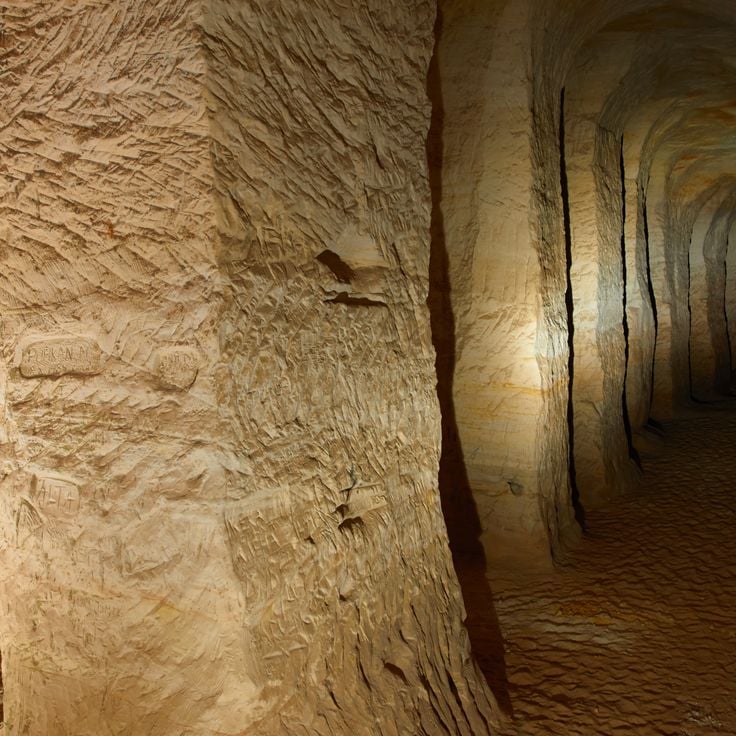
The Piusa Caves in Võru were created through sandstone mining operations. The underground network provides habitat for several bat species and shows how industrial activities transformed into natural spaces. This location exemplifies Estonia's diverse discoveries away from main routes, ranging from artificial caves to medieval fortresses and national parks.
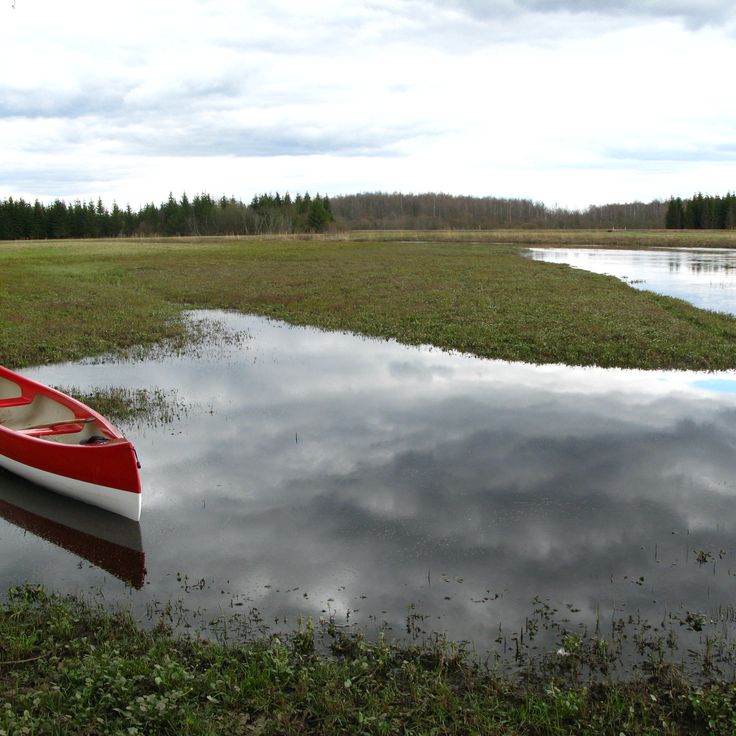
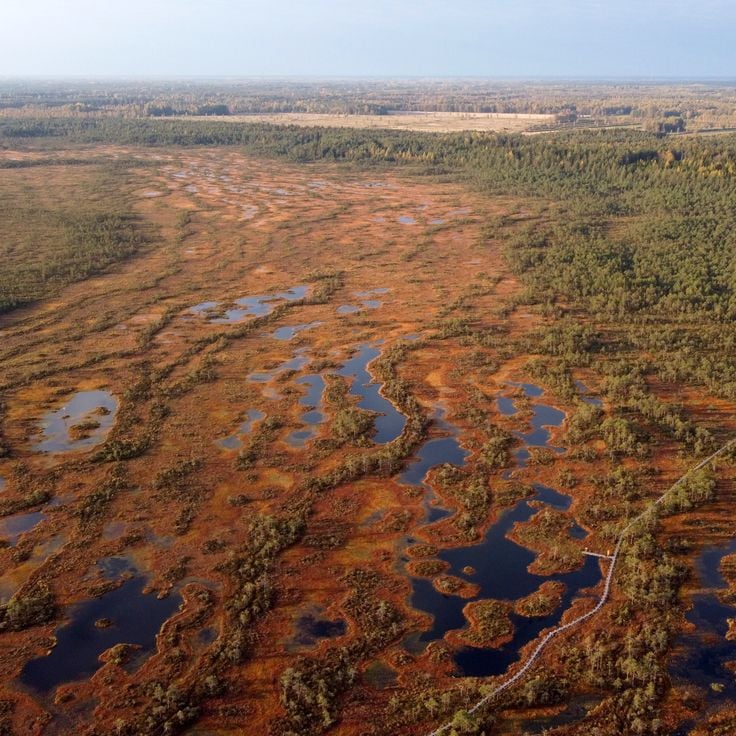
Soomaa National Park near Pärnu showcases Estonia's authentic wetland landscapes through its mires, swamps, and flood meadows. Each spring, the park transforms dramatically as waters rise and create temporary lakes across the terrain. This location demonstrates the country's natural character away from main routes, offering travelers a direct experience of Estonian ecosystems.
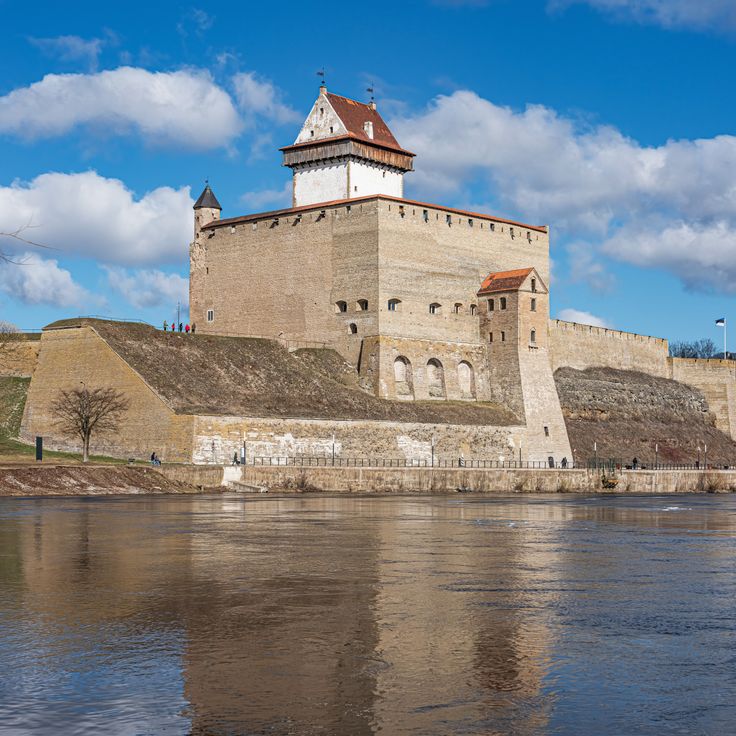
Narva Castle is a medieval fortress on the border between Estonia and Russia. It stands as a reminder of the region's complex history and offers visitors a chance to explore one of Estonia's significant locations away from the main tourist paths. The castle shows layers of different periods and reflects the struggles and changes that shaped this border area. Walking through its structures, you can sense the importance this place held for trade, defense, and daily life across the centuries.
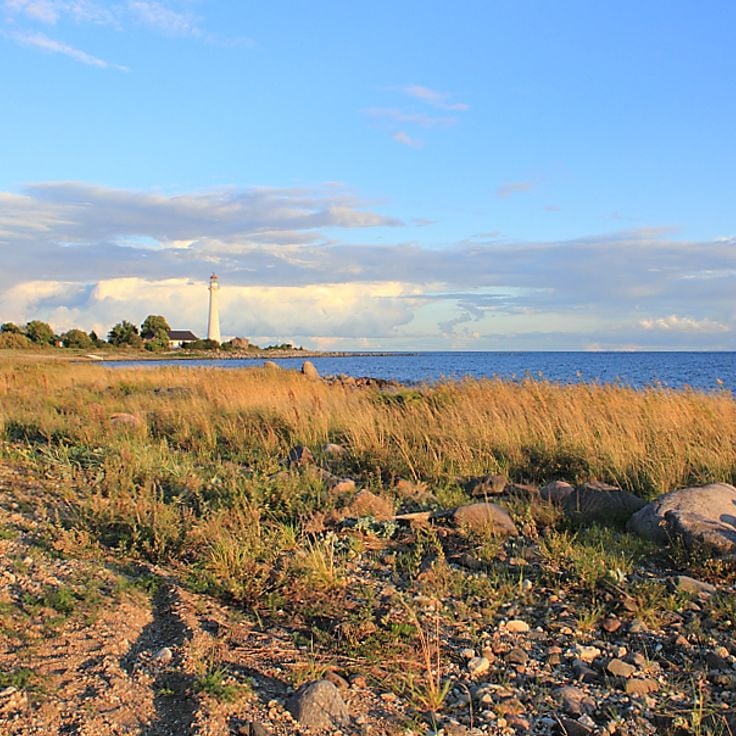
Hiiumaa Island is a destination to explore when traveling through Estonia away from the main routes. The island features unspoiled nature with dense forests and quiet coastlines, along with historical lighthouses that stand as reminders of its maritime past. It offers visitors a chance to experience a slower pace of life in a landscape shaped by time and tradition.
Lahemaa National Park showcases the raw nature of northern Estonia with its pine forests, bogs, and sandy coastline. Within its boundaries lie several 18th-century manor houses that reveal how people once lived in the region. This park lets visitors experience the authentic Estonian landscape away from main tourist routes, where forests and wetlands shape the land.
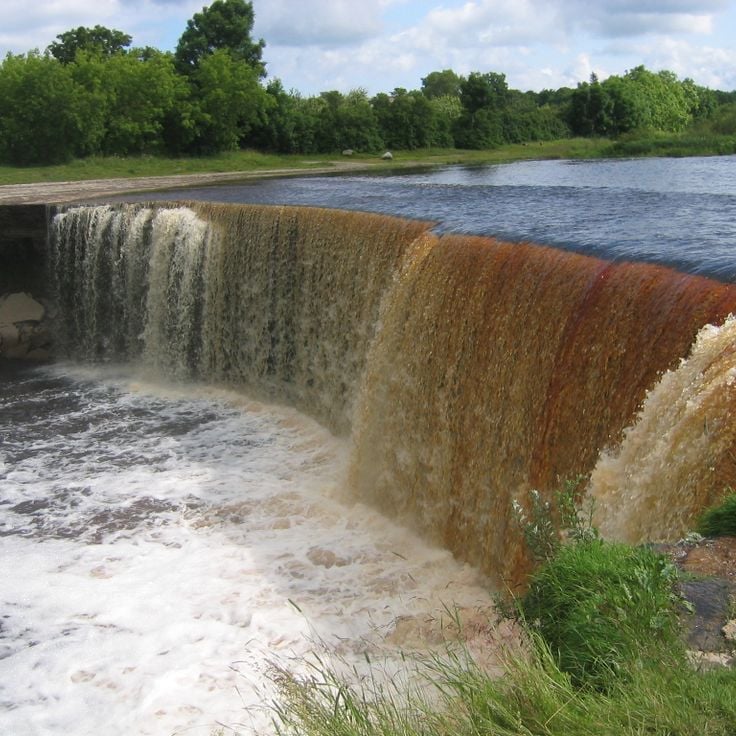
Jägala Waterfall is a natural landmark in Harju County that draws visitors exploring Estonia's authentic nature away from main routes. The water drops 8 meters and spans 50 meters in width. During winter months, ice columns form, giving the waterfall a distinctive appearance.
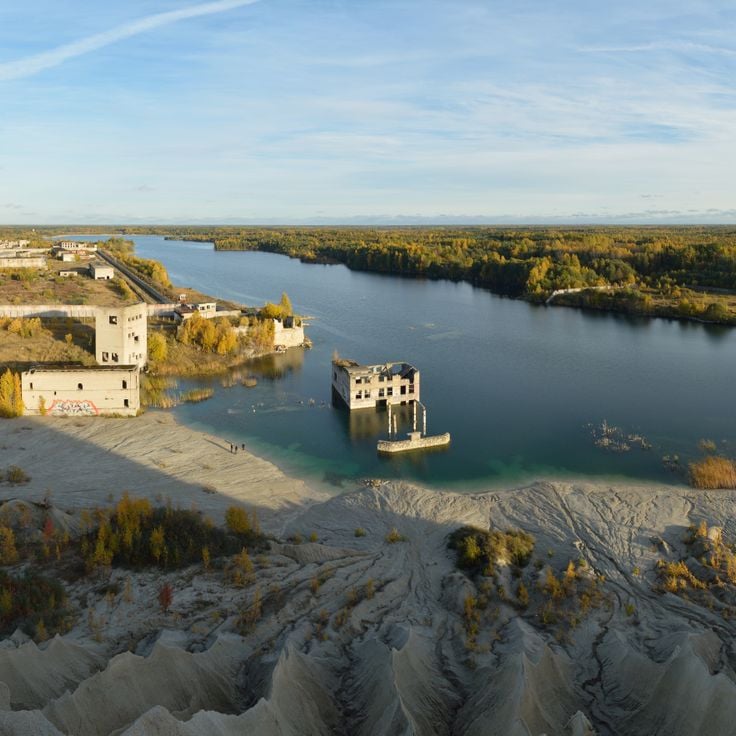
Rummu Quarry offers an unusual perspective on Estonia's industrial past. The former limestone quarry gradually filled with groundwater after mining stopped. Today, the remains of a prison building stand partly submerged in the water. Visitors can walk around the site and see the abandoned structures beneath the surface. This place combines industrial history with nature's quiet reclamation, creating something you will not find elsewhere in the country.
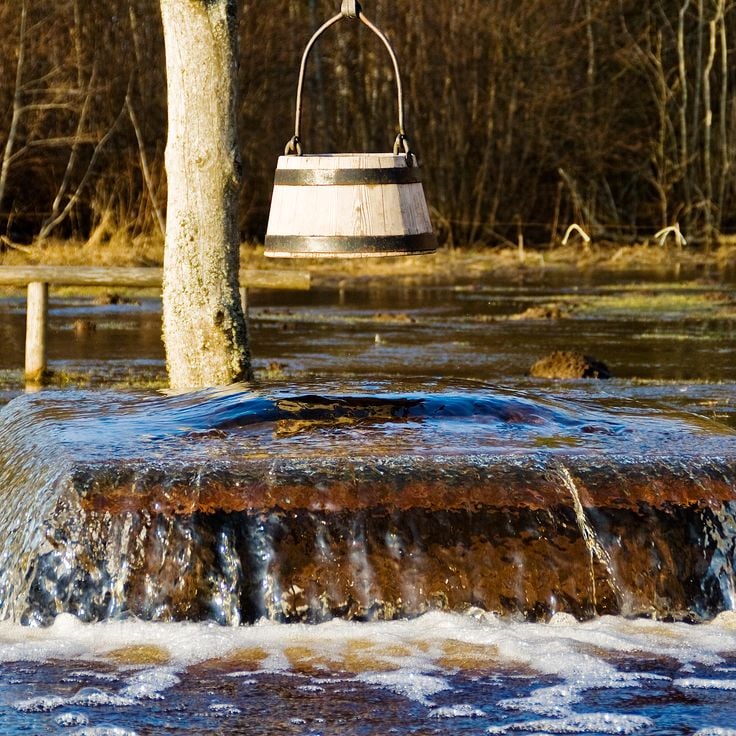
The Tuhala Witch's Well showcases Estonia's hidden natural features, sitting far from main tourist routes. The well sits above an underground river system that bubbles and rises during heavy rainfall. This geological phenomenon represents the kind of genuine discovery that defines Estonia's alternative attractions, ranging from sandstone caves to medieval fortresses.
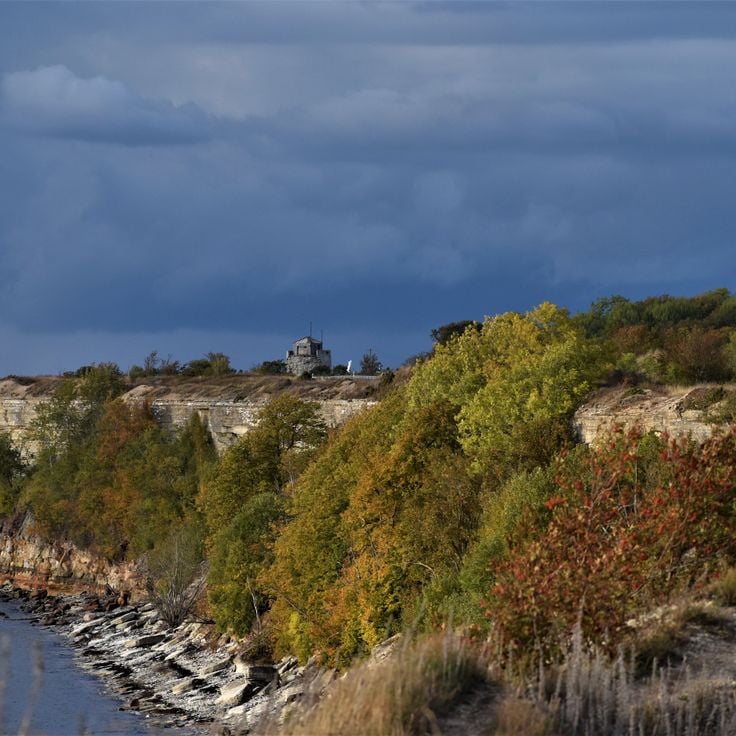
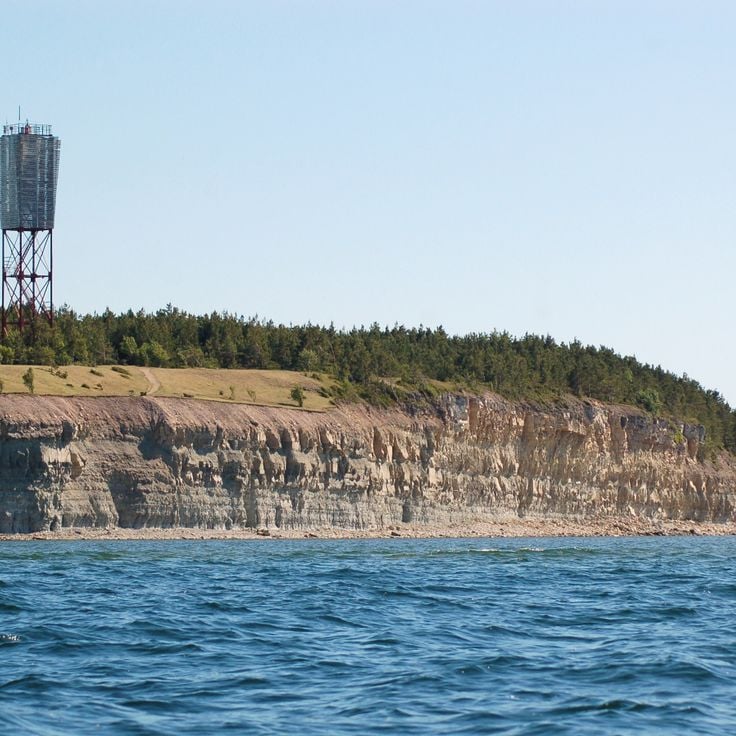
The Paldiski Cliffs represent one of Estonia's hidden places where nature and history meet. These limestone cliffs rise 24 meters above the Baltic Sea and offer dramatic views across the water. Visible remains of Soviet-era military fortifications stand on the landscape, telling stories of the region's past. The site shows how Estonia's authentic culture extends through both its natural features and its marked history.
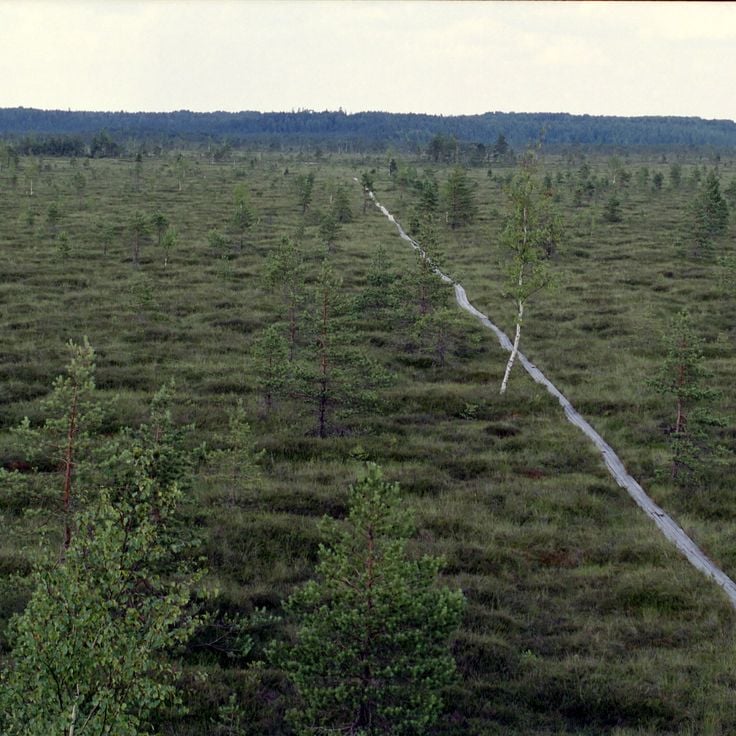
Koigi Bog showcases Estonia's authentic nature away from the main tourist routes. A 1.5-kilometer wooden boardwalk guides visitors through the wetland, offering views of the landscape and wildlife. Various bird species nest here in spring. The bog demonstrates the country's diverse ecosystems and provides a chance to experience the natural side of the Baltic region.
Setomaa is a region in southeastern Estonia along the Russian border where the Seto people maintain their own language, traditional clothing, and Orthodox traditions. This alternative destination lets you experience a culture distinct from mainstream Estonia, with authentic villages, local crafts, and music that reflect centuries of Seto heritage. Walking through the region reveals how daily life here follows rhythms shaped by both Baltic and Russian influences.
Prangli Island is a small northern coastal island that houses an authentic fishing village with about 100 inhabitants. Old wooden houses line the settlement, and a historical lighthouse stands as a reminder of the island's maritime past. This island destination offers a glimpse into traditional life along the Baltic Sea, away from the main tourist routes.
This nature reserve in Pärnu County shows authentic Estonia away from main routes. Nigula is known for its variety of birdlife and undisturbed bog landscapes. The reserve offers walking paths through different habitats where visitors can experience nature in its natural state. It is a destination for those who want to discover Estonia's real environment.
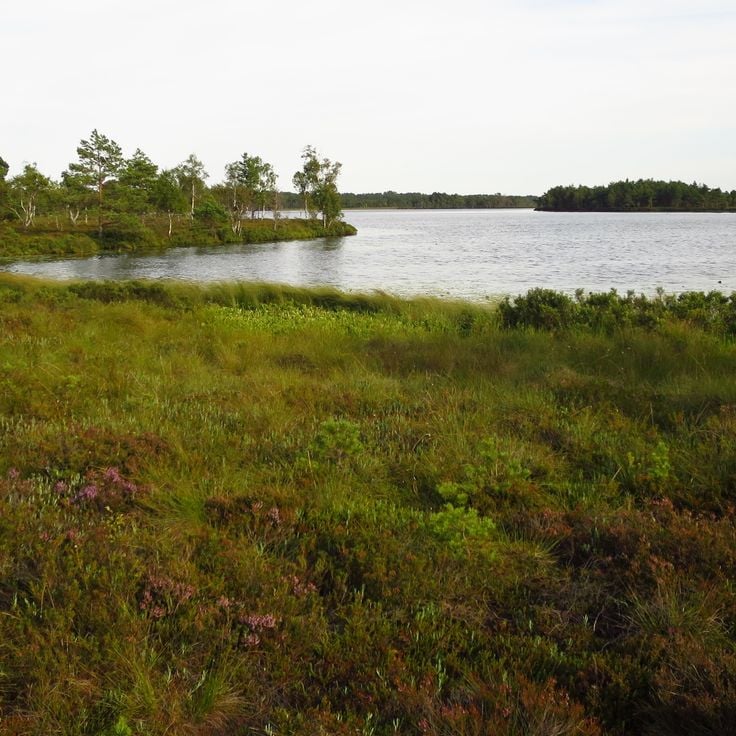
Kakerdaja Bog in Järva County is a large natural area that provides direct contact with Estonia's original landscape. A marked circular trail leads through the bog to a lake and observation tower, where visitors can look out over the moorland. The bog displays the typical plants and animals of this Baltic region and offers walkers the chance to explore one of Estonia's characteristic ecosystems away from main routes.
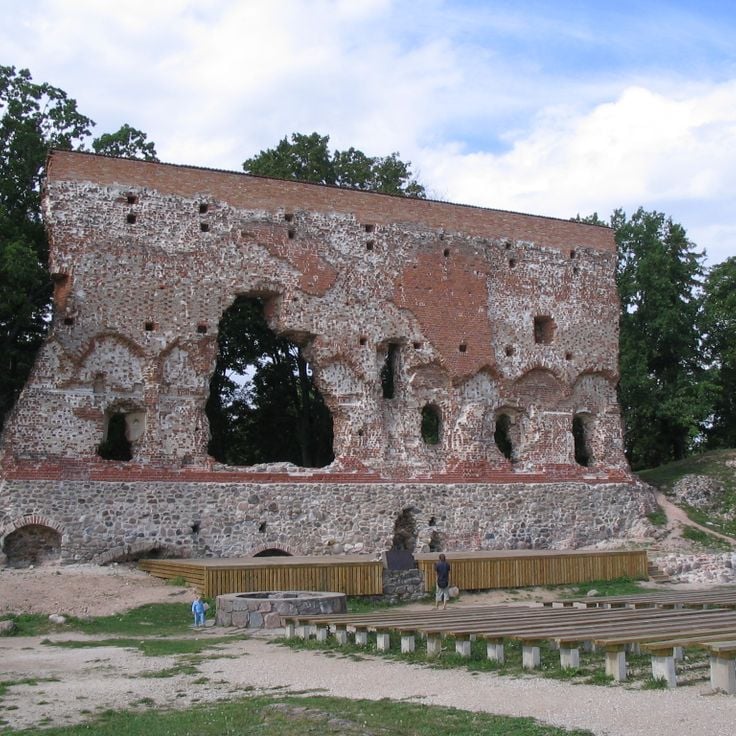
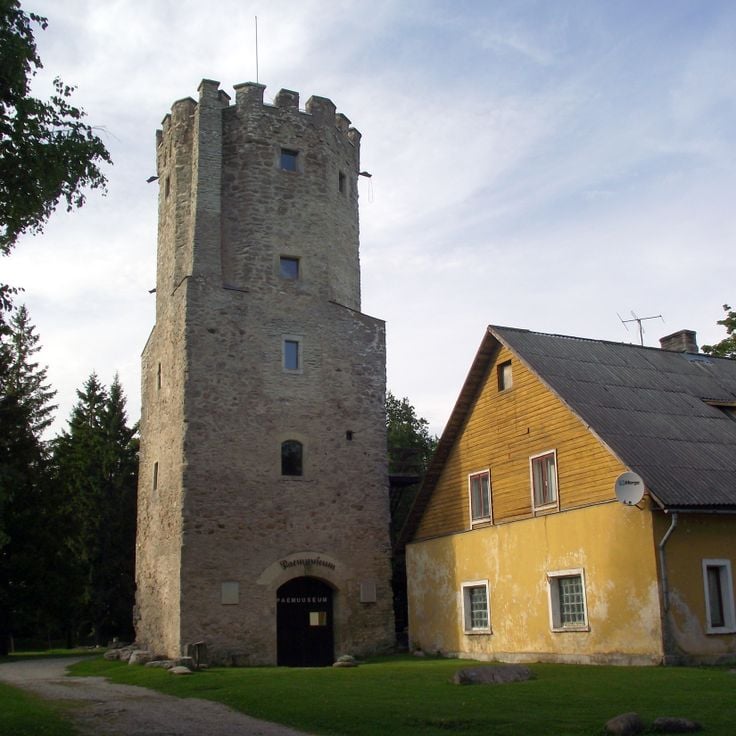
Viljandi Castle Ruins showcase a 13th century Teutonic Order fortress that once stood on a hill overlooking the lake. This site reveals Estonia's medieval past as part of the country's authentic attractions away from main routes. The stone remains offer a window into the defensive structures and history that shaped this Baltic region.
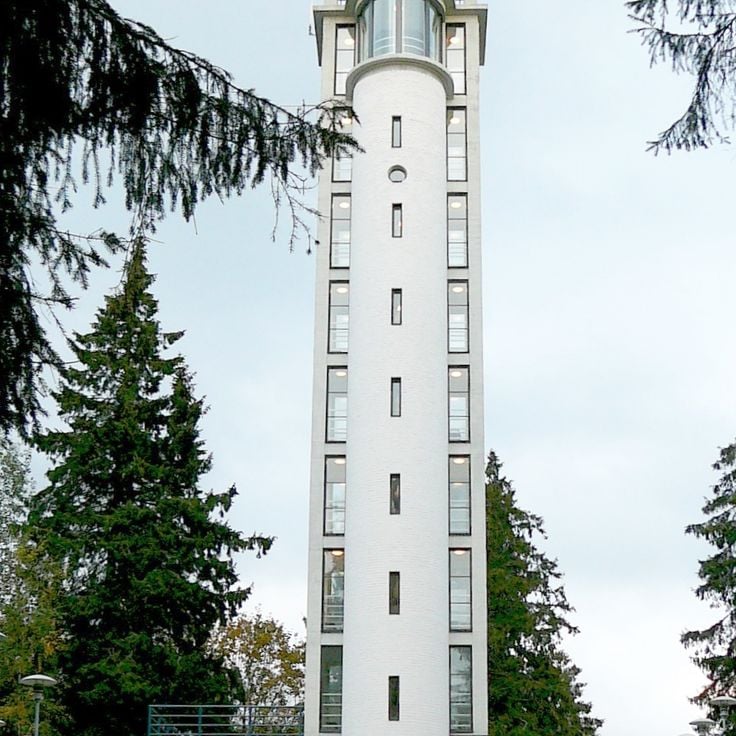
Suure Munamägi is Estonia's highest mountain and offers a chance to see the country's forests and lakes from above. The mountain has an observation tower where visitors can look out over the surrounding landscape. It is a destination for those wanting to experience Estonia's nature away from main routes. The mountain shows the character of the Baltic region and what it looks like when viewed from a high point.
Kihnu Island is a place where old craft traditions, traditional costumes, and local music culture with violin playing remain alive. The island shows Estonia's authentic culture away from main routes and offers visitors a look into the daily life and customs of the islanders.
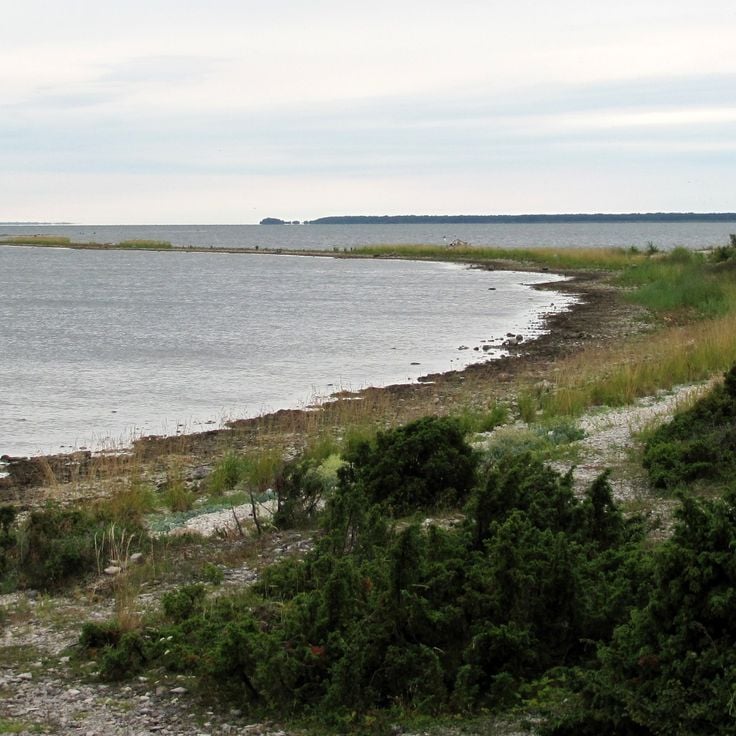
Kassari Island is part of the Hiiumaa archipelago and offers travelers a quiet alternative to Estonia's busier destinations. The island features long beaches, walking trails through natural surroundings, and a feeling of remoteness from main tourist routes. Here you can experience the Estonian coast as locals know it, with space to walk and watch the sea change throughout the day.
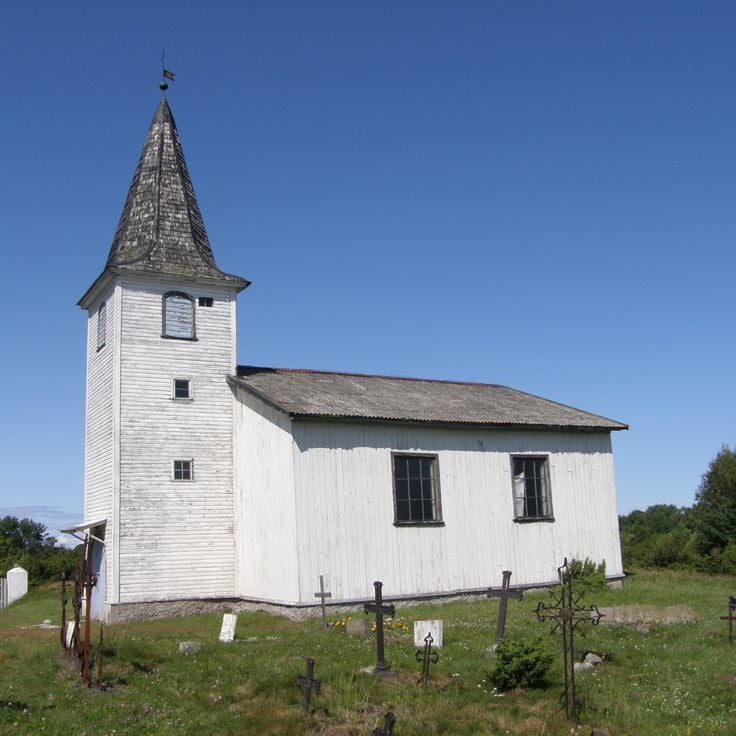
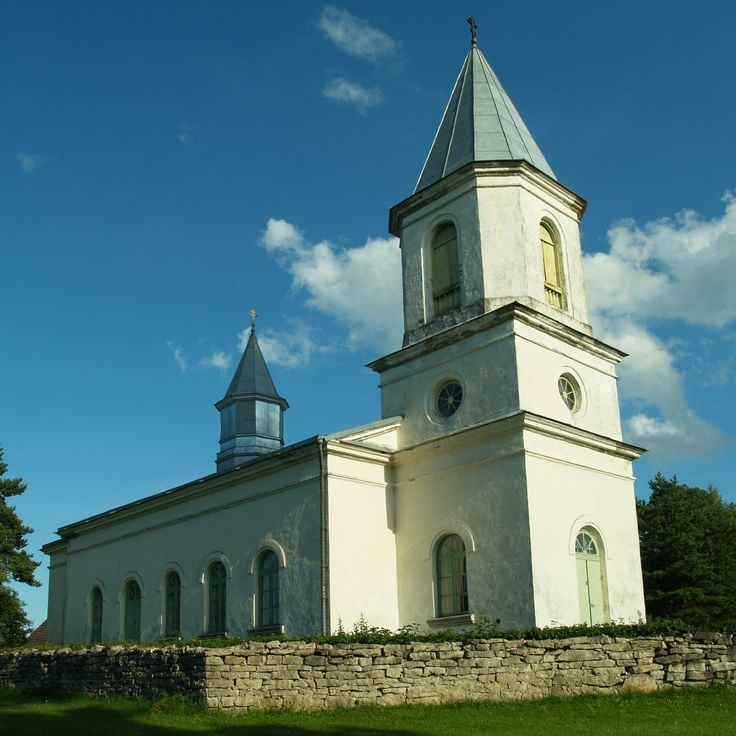
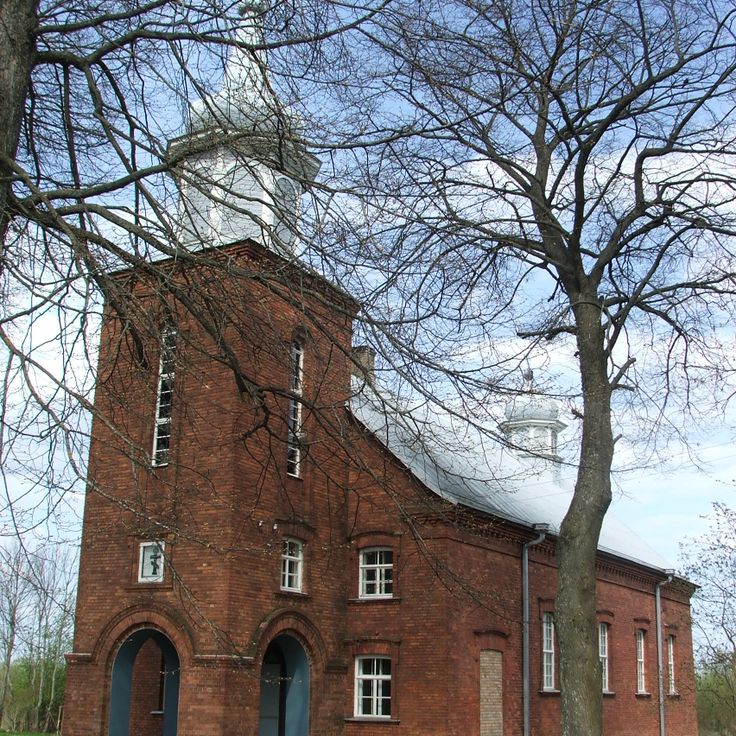
The Hellamaa Orthodox Church stands on Muhu Island and dates to the 19th century. This wooden structure represents authentic Estonian architecture away from main routes. With its simple design and quiet setting, the church offers visitors insight into the Orthodox tradition of the region and the building practices of that era.
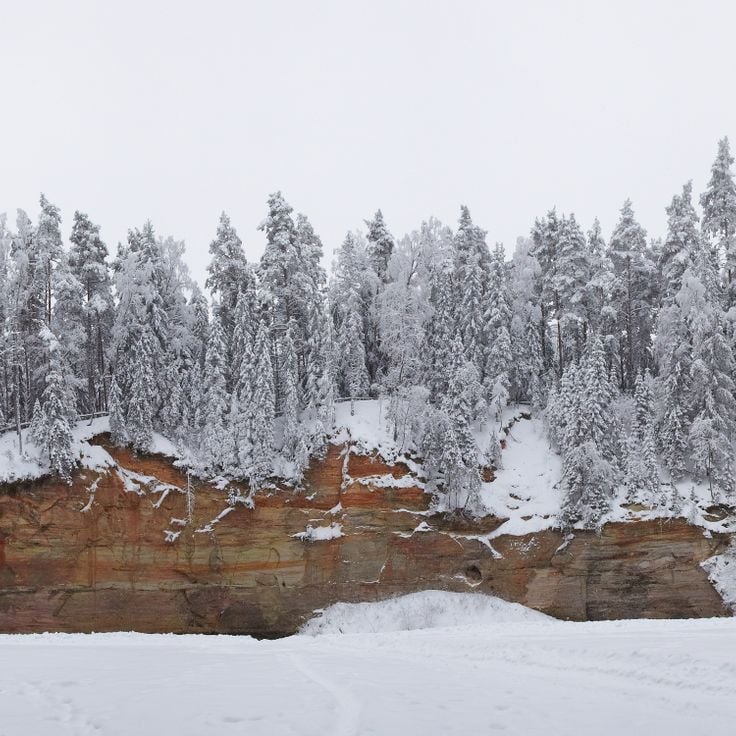
Suur Taevaskoda features dramatic sandstone cliffs rising along the Ahja River, drawing visitors who want to hike through the landscape or paddle downstream by canoe. This location represents the kind of natural terrain that makes Estonia worth exploring beyond the main routes, where the rocks shape how people move through the environment and what they see.
Vilsandi National Park showcases Estonia's natural diversity away from main routes. The archipelago consists of about 100 small islands with rocky shores and dunes, providing habitat for around 160 bird species. Visitors find original nature here and the chance to observe rare birds.
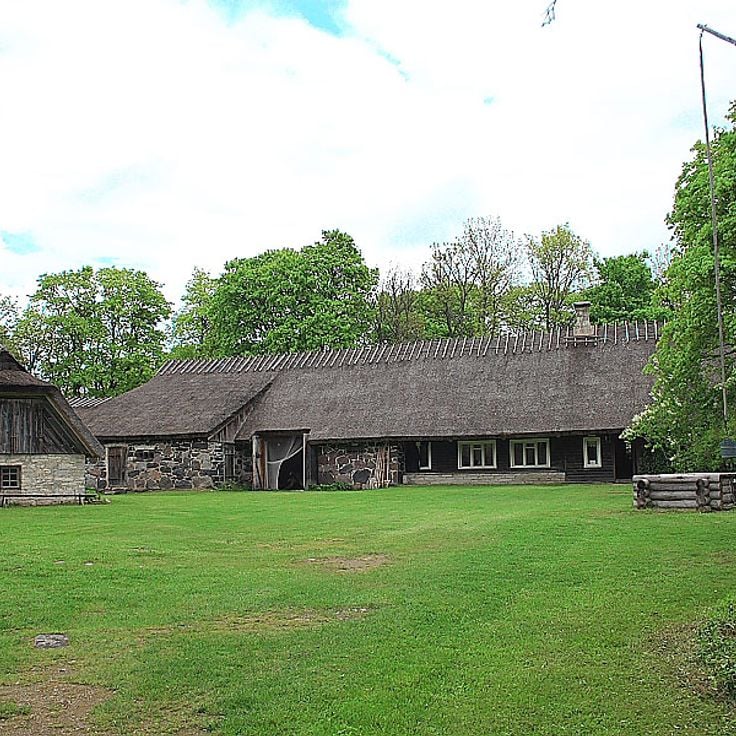
This museum shows how people lived on this Baltic island in the 19th century. Inside original wooden buildings, you find tools, clothing, and household items that tell the story of daily life long ago. The Muhu Village Museum is one of Estonia's authentic discoveries away from main routes, giving a direct sense of rural history.
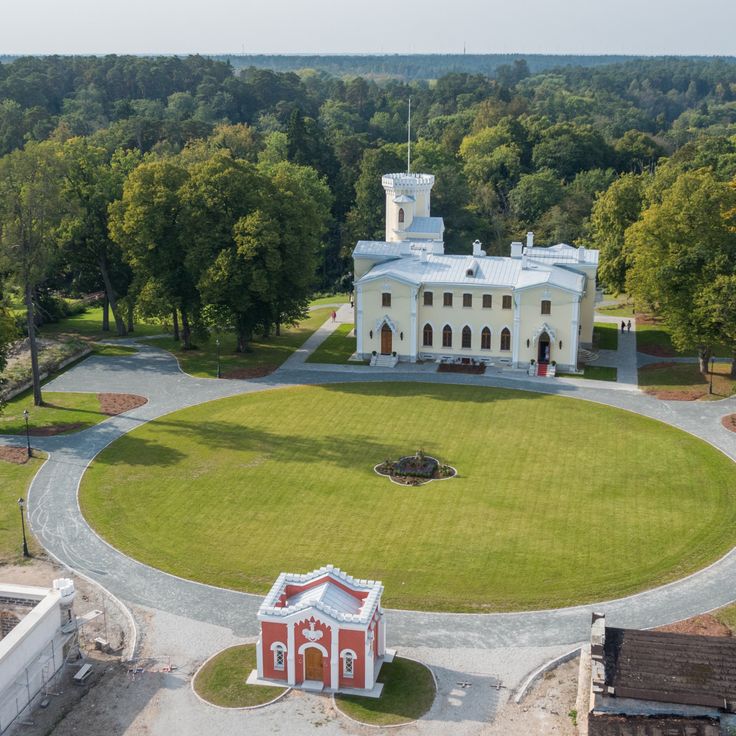
Keila-Joa Manor is a Neo-Gothic manor house built in 1833 that sits beside a 6-meter waterfall on the Keila River. This site showcases Estonia's authentic nature and architecture, offering a retreat away from main routes where visitors can experience the country's historical and natural character.
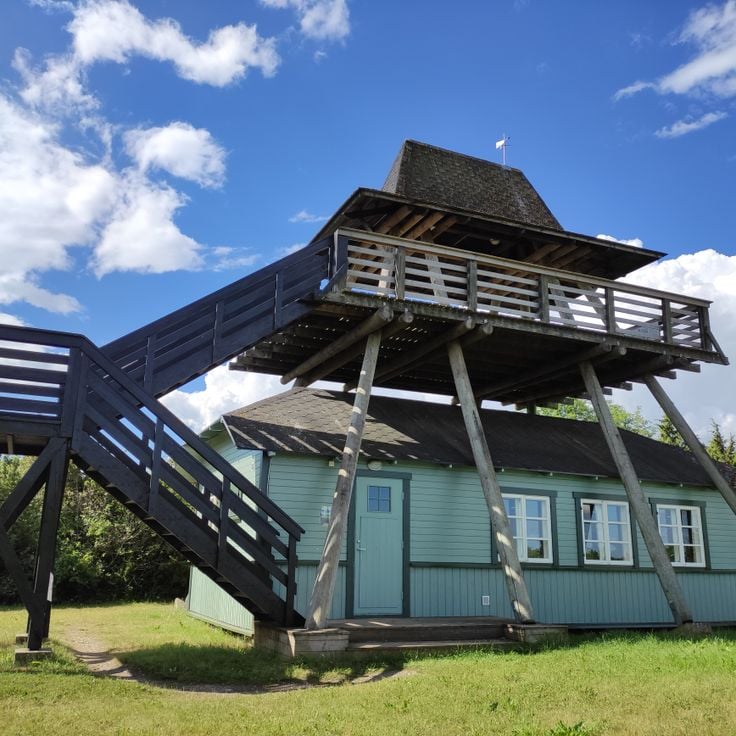
The Orjaku Bird Watching Tower on Hiiumaa offers a way to experience Estonia's authentic nature away from the main routes. This 8-meter tower provides views over the marsh area where waterfowl and birds of prey nest. From this vantage point, visitors can observe birds in their natural habitat and take in the expanses of the landscape.
The Tammsaare Museum occupies a restored 19th-century farmhouse that reveals how rural families lived and worked in that era. Inside you will find original furniture, agricultural tools, and manuscripts from the Estonian author Anton Hansen Tammsaare. Walking through the rooms gives you a sense of daily life on an Estonian farm during the 1800s.
Põltsamaa Castle is a 13th-century medieval fortress with preserved stone walls, a wine cellar, and an exhibition about local history. It represents Estonia's medieval past and offers visitors a genuine glimpse into life from earlier times, away from the country's more traveled routes.
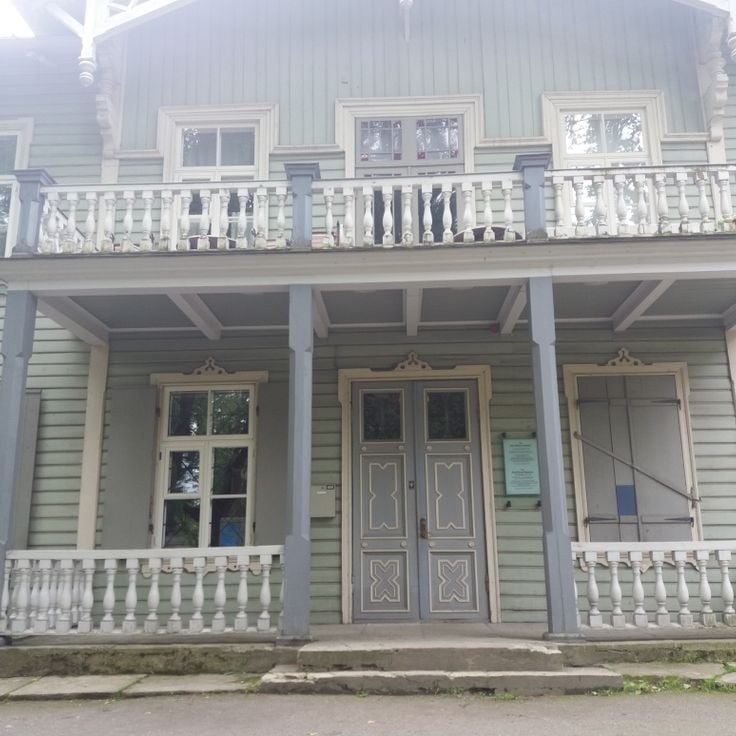
The Kolkja Prayer House is a wooden building with traditional Russian architecture in Tartu that holds religious icons and objects from the Old Believers community. It shows an important part of Estonia's cultural diversity and offers a view into the history of a unique religious group away from the main tourist routes.
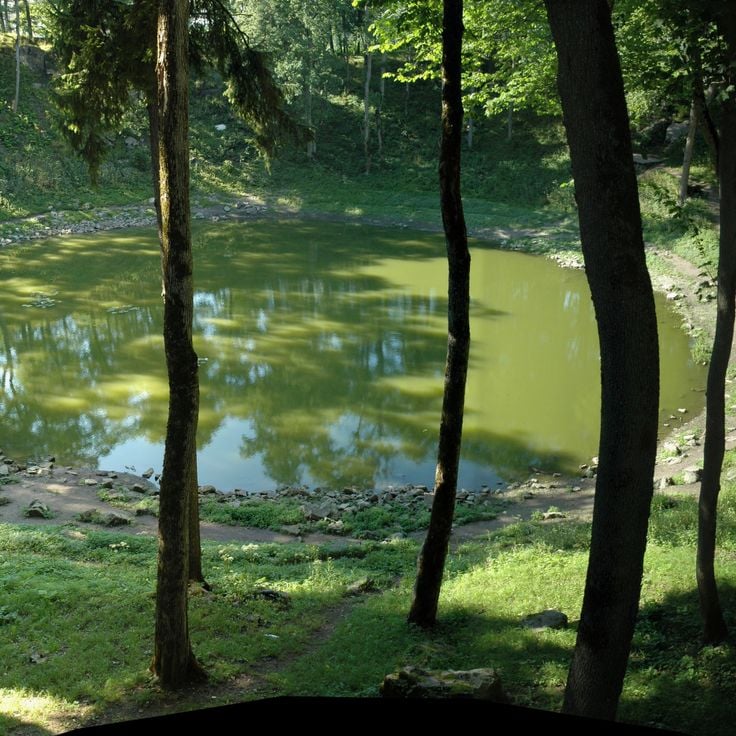
The Kaali Crater Field demonstrates how dramatic Estonia's nature can be. Nine impact craters formed here about 3500 years ago from a meteorite strike. The largest crater is filled with water and resembles a natural lake amid the fields. This field showcases the country's long history beyond castles and museums.
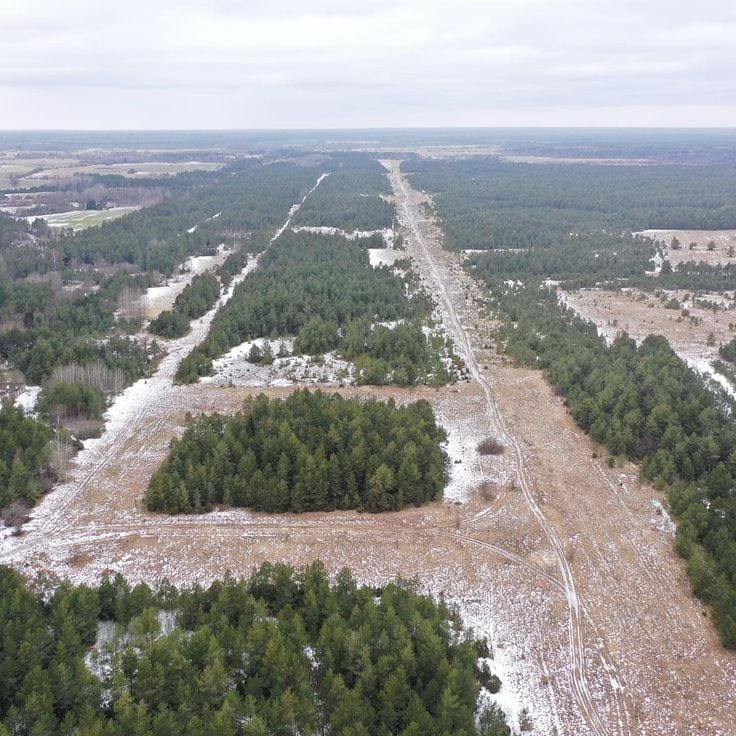
Rutja Airfield is a former Soviet military base from the Cold War era, located in Lääne-Viru. The site preserves its original runways and bunker systems, offering visitors a glimpse into Estonia's recent history. As one of the country's off-the-beaten-path locations, it demonstrates how nature gradually reclaims Soviet-era military infrastructure. Walking through the grounds reveals the scale of Cold War operations in the Baltic region.
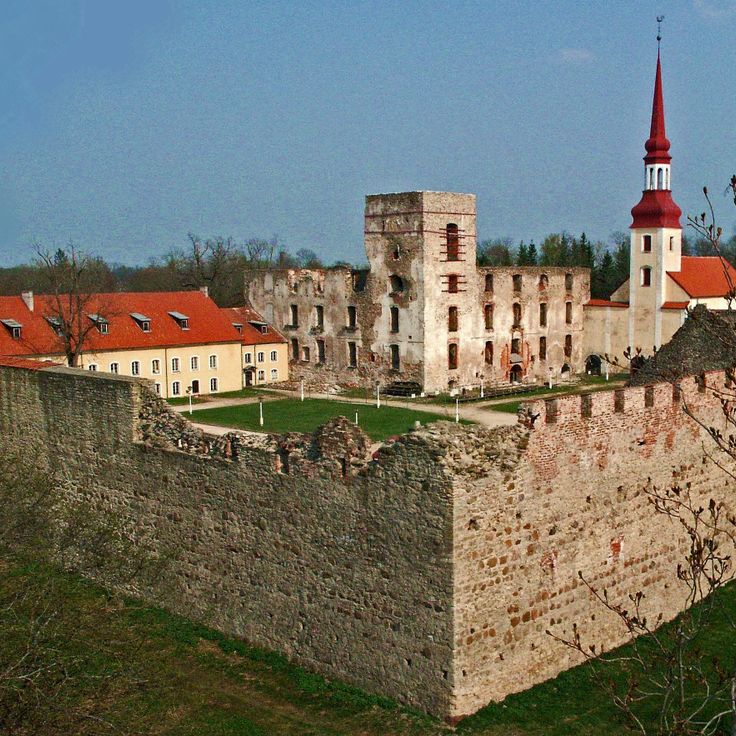
Porkuni Castle Ruins are the remains of a 15th-century fortress standing on a peninsula between two lakes. This site fits well within the search for authentic places in Estonia, showing the country's medieval history away from main tourist routes.
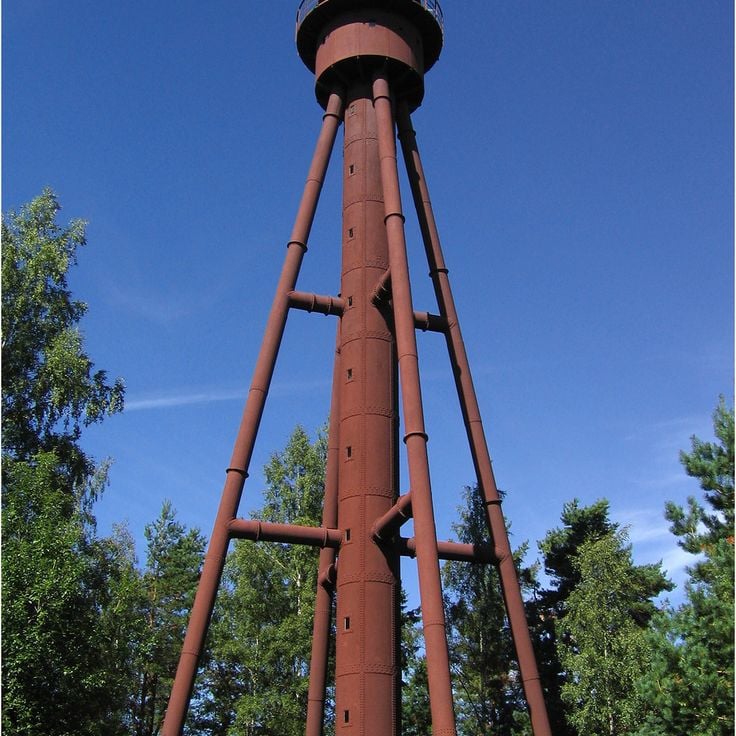
The Ruhnu Lighthouse is an iron tower built by Gustave Eiffel in 1877, standing on Ruhnu Island in the Baltic Sea. It serves as an alternative destination in Estonia, located away from main tourist routes. The tower guided ships through these waters and remains a reminder of the island's maritime past. Visitors can explore how this structure connected the island to the wider maritime world and learn about life on this remote Baltic location.
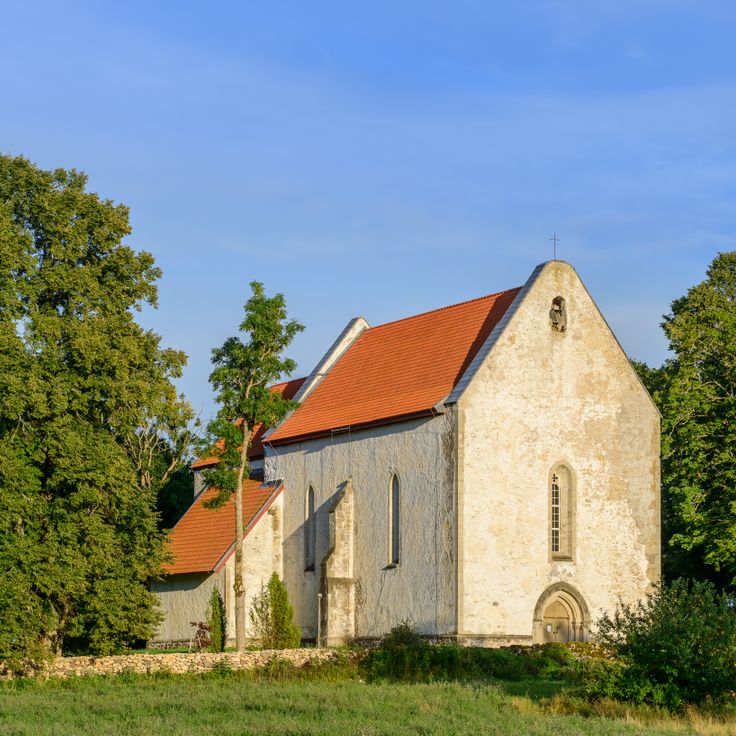
The Karja Church stands as an alternative destination for travelers exploring Estonia's authentic heritage. This 13th-century church houses medieval stone carvings and frescoes that blend Christian and pagan symbols, revealing the region's complex religious past. The church offers visitors a chance to discover how different beliefs coexisted in medieval Estonia.
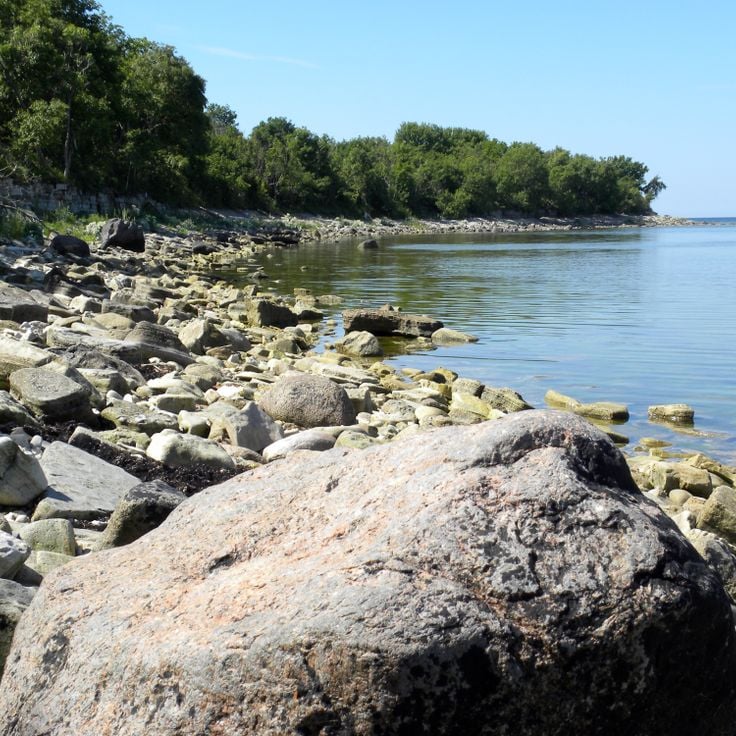
Panga Cliff is a 21-meter limestone formation along Estonia's coast, situated away from main routes. It offers views of the Baltic Sea and is home to numerous seabirds. This location showcases Estonia's authentic nature and geological character outside the typical tourist paths.
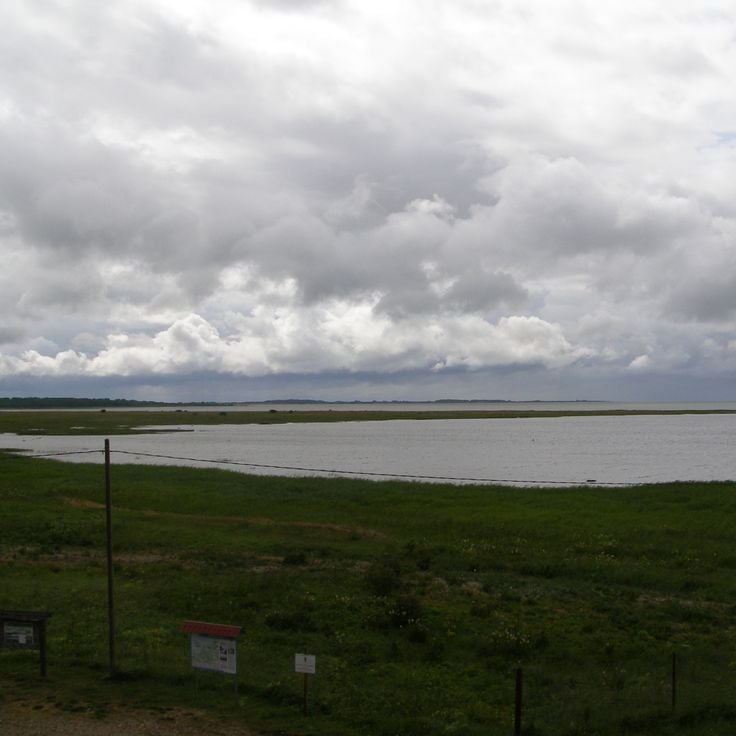
Matsalu National Park in the Lääne region is a place for bird watching away from main routes. The wetlands and sea bay provide habitat for 275 bird species and migratory birds traveling the Arctic route. This park shows Estonia's natural variety and lets visitors explore authentic landscapes far from the ordinary tourist paths.
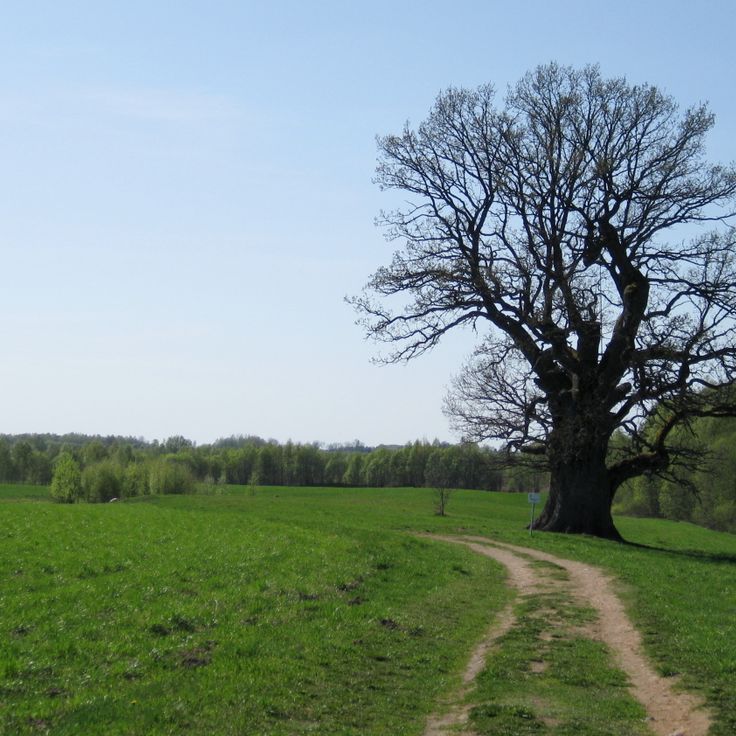
The Tamme-Lauri Oak in Võru is one of Estonia's oldest trees and a living testament to the country's natural heritage. With a trunk circumference of 8 meters and an estimated age of around 1500 years, this oak embodies the endurance of Baltic nature. The tree is so significant to Estonia that it appears on the 10-cent coin. Visitors come here to witness this ancient monument and connect with the quiet strength of the natural world.
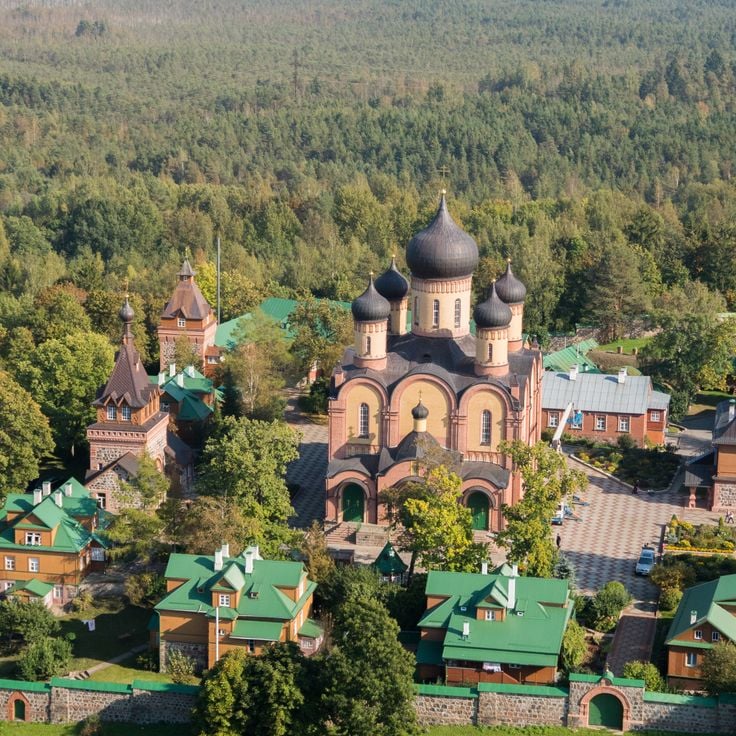
The Kuremäe Convent is a 19th-century Russian Orthodox monastery that offers insight into Estonia's religious history away from main routes. The site houses religious artifacts and a garden with a sacred spring that draws visitors seeking spiritual connection.
The Piusa Caves in Võru were created through sandstone mining operations. The underground network provides habitat for several bat species and shows how industrial activities transformed into natural spaces. This location exemplifies Estonia's diverse discoveries away from main routes, ranging from artificial caves to medieval fortresses and national parks.
Soomaa National Park near Pärnu showcases Estonia's authentic wetland landscapes through its mires, swamps, and flood meadows. Each spring, the park transforms dramatically as waters rise and create temporary lakes across the terrain. This location demonstrates the country's natural character away from main routes, offering travelers a direct experience of Estonian ecosystems.
Narva Castle is a medieval fortress on the border between Estonia and Russia. It stands as a reminder of the region's complex history and offers visitors a chance to explore one of Estonia's significant locations away from the main tourist paths. The castle shows layers of different periods and reflects the struggles and changes that shaped this border area. Walking through its structures, you can sense the importance this place held for trade, defense, and daily life across the centuries.
Hiiumaa Island is a destination to explore when traveling through Estonia away from the main routes. The island features unspoiled nature with dense forests and quiet coastlines, along with historical lighthouses that stand as reminders of its maritime past. It offers visitors a chance to experience a slower pace of life in a landscape shaped by time and tradition.
Lahemaa National Park showcases the raw nature of northern Estonia with its pine forests, bogs, and sandy coastline. Within its boundaries lie several 18th-century manor houses that reveal how people once lived in the region. This park lets visitors experience the authentic Estonian landscape away from main tourist routes, where forests and wetlands shape the land.
Jägala Waterfall is a natural landmark in Harju County that draws visitors exploring Estonia's authentic nature away from main routes. The water drops 8 meters and spans 50 meters in width. During winter months, ice columns form, giving the waterfall a distinctive appearance.
Rummu Quarry offers an unusual perspective on Estonia's industrial past. The former limestone quarry gradually filled with groundwater after mining stopped. Today, the remains of a prison building stand partly submerged in the water. Visitors can walk around the site and see the abandoned structures beneath the surface. This place combines industrial history with nature's quiet reclamation, creating something you will not find elsewhere in the country.
The Tuhala Witch's Well showcases Estonia's hidden natural features, sitting far from main tourist routes. The well sits above an underground river system that bubbles and rises during heavy rainfall. This geological phenomenon represents the kind of genuine discovery that defines Estonia's alternative attractions, ranging from sandstone caves to medieval fortresses.
The Paldiski Cliffs represent one of Estonia's hidden places where nature and history meet. These limestone cliffs rise 24 meters above the Baltic Sea and offer dramatic views across the water. Visible remains of Soviet-era military fortifications stand on the landscape, telling stories of the region's past. The site shows how Estonia's authentic culture extends through both its natural features and its marked history.
Koigi Bog showcases Estonia's authentic nature away from the main tourist routes. A 1.5-kilometer wooden boardwalk guides visitors through the wetland, offering views of the landscape and wildlife. Various bird species nest here in spring. The bog demonstrates the country's diverse ecosystems and provides a chance to experience the natural side of the Baltic region.
Setomaa is a region in southeastern Estonia along the Russian border where the Seto people maintain their own language, traditional clothing, and Orthodox traditions. This alternative destination lets you experience a culture distinct from mainstream Estonia, with authentic villages, local crafts, and music that reflect centuries of Seto heritage. Walking through the region reveals how daily life here follows rhythms shaped by both Baltic and Russian influences.
Prangli Island is a small northern coastal island that houses an authentic fishing village with about 100 inhabitants. Old wooden houses line the settlement, and a historical lighthouse stands as a reminder of the island's maritime past. This island destination offers a glimpse into traditional life along the Baltic Sea, away from the main tourist routes.
This nature reserve in Pärnu County shows authentic Estonia away from main routes. Nigula is known for its variety of birdlife and undisturbed bog landscapes. The reserve offers walking paths through different habitats where visitors can experience nature in its natural state. It is a destination for those who want to discover Estonia's real environment.
Kakerdaja Bog in Järva County is a large natural area that provides direct contact with Estonia's original landscape. A marked circular trail leads through the bog to a lake and observation tower, where visitors can look out over the moorland. The bog displays the typical plants and animals of this Baltic region and offers walkers the chance to explore one of Estonia's characteristic ecosystems away from main routes.
Viljandi Castle Ruins showcase a 13th century Teutonic Order fortress that once stood on a hill overlooking the lake. This site reveals Estonia's medieval past as part of the country's authentic attractions away from main routes. The stone remains offer a window into the defensive structures and history that shaped this Baltic region.
Suure Munamägi is Estonia's highest mountain and offers a chance to see the country's forests and lakes from above. The mountain has an observation tower where visitors can look out over the surrounding landscape. It is a destination for those wanting to experience Estonia's nature away from main routes. The mountain shows the character of the Baltic region and what it looks like when viewed from a high point.
Kihnu Island is a place where old craft traditions, traditional costumes, and local music culture with violin playing remain alive. The island shows Estonia's authentic culture away from main routes and offers visitors a look into the daily life and customs of the islanders.
Kassari Island is part of the Hiiumaa archipelago and offers travelers a quiet alternative to Estonia's busier destinations. The island features long beaches, walking trails through natural surroundings, and a feeling of remoteness from main tourist routes. Here you can experience the Estonian coast as locals know it, with space to walk and watch the sea change throughout the day.
The Hellamaa Orthodox Church stands on Muhu Island and dates to the 19th century. This wooden structure represents authentic Estonian architecture away from main routes. With its simple design and quiet setting, the church offers visitors insight into the Orthodox tradition of the region and the building practices of that era.
Suur Taevaskoda features dramatic sandstone cliffs rising along the Ahja River, drawing visitors who want to hike through the landscape or paddle downstream by canoe. This location represents the kind of natural terrain that makes Estonia worth exploring beyond the main routes, where the rocks shape how people move through the environment and what they see.
Vilsandi National Park showcases Estonia's natural diversity away from main routes. The archipelago consists of about 100 small islands with rocky shores and dunes, providing habitat for around 160 bird species. Visitors find original nature here and the chance to observe rare birds.
This museum shows how people lived on this Baltic island in the 19th century. Inside original wooden buildings, you find tools, clothing, and household items that tell the story of daily life long ago. The Muhu Village Museum is one of Estonia's authentic discoveries away from main routes, giving a direct sense of rural history.
Keila-Joa Manor is a Neo-Gothic manor house built in 1833 that sits beside a 6-meter waterfall on the Keila River. This site showcases Estonia's authentic nature and architecture, offering a retreat away from main routes where visitors can experience the country's historical and natural character.
The Orjaku Bird Watching Tower on Hiiumaa offers a way to experience Estonia's authentic nature away from the main routes. This 8-meter tower provides views over the marsh area where waterfowl and birds of prey nest. From this vantage point, visitors can observe birds in their natural habitat and take in the expanses of the landscape.
The Tammsaare Museum occupies a restored 19th-century farmhouse that reveals how rural families lived and worked in that era. Inside you will find original furniture, agricultural tools, and manuscripts from the Estonian author Anton Hansen Tammsaare. Walking through the rooms gives you a sense of daily life on an Estonian farm during the 1800s.
Põltsamaa Castle is a 13th-century medieval fortress with preserved stone walls, a wine cellar, and an exhibition about local history. It represents Estonia's medieval past and offers visitors a genuine glimpse into life from earlier times, away from the country's more traveled routes.
The Kolkja Prayer House is a wooden building with traditional Russian architecture in Tartu that holds religious icons and objects from the Old Believers community. It shows an important part of Estonia's cultural diversity and offers a view into the history of a unique religious group away from the main tourist routes.
The Kaali Crater Field demonstrates how dramatic Estonia's nature can be. Nine impact craters formed here about 3500 years ago from a meteorite strike. The largest crater is filled with water and resembles a natural lake amid the fields. This field showcases the country's long history beyond castles and museums.
Rutja Airfield is a former Soviet military base from the Cold War era, located in Lääne-Viru. The site preserves its original runways and bunker systems, offering visitors a glimpse into Estonia's recent history. As one of the country's off-the-beaten-path locations, it demonstrates how nature gradually reclaims Soviet-era military infrastructure. Walking through the grounds reveals the scale of Cold War operations in the Baltic region.
Porkuni Castle Ruins are the remains of a 15th-century fortress standing on a peninsula between two lakes. This site fits well within the search for authentic places in Estonia, showing the country's medieval history away from main tourist routes.
The Ruhnu Lighthouse is an iron tower built by Gustave Eiffel in 1877, standing on Ruhnu Island in the Baltic Sea. It serves as an alternative destination in Estonia, located away from main tourist routes. The tower guided ships through these waters and remains a reminder of the island's maritime past. Visitors can explore how this structure connected the island to the wider maritime world and learn about life on this remote Baltic location.
The Karja Church stands as an alternative destination for travelers exploring Estonia's authentic heritage. This 13th-century church houses medieval stone carvings and frescoes that blend Christian and pagan symbols, revealing the region's complex religious past. The church offers visitors a chance to discover how different beliefs coexisted in medieval Estonia.
Panga Cliff is a 21-meter limestone formation along Estonia's coast, situated away from main routes. It offers views of the Baltic Sea and is home to numerous seabirds. This location showcases Estonia's authentic nature and geological character outside the typical tourist paths.
Matsalu National Park in the Lääne region is a place for bird watching away from main routes. The wetlands and sea bay provide habitat for 275 bird species and migratory birds traveling the Arctic route. This park shows Estonia's natural variety and lets visitors explore authentic landscapes far from the ordinary tourist paths.
The Tamme-Lauri Oak in Võru is one of Estonia's oldest trees and a living testament to the country's natural heritage. With a trunk circumference of 8 meters and an estimated age of around 1500 years, this oak embodies the endurance of Baltic nature. The tree is so significant to Estonia that it appears on the 10-cent coin. Visitors come here to witness this ancient monument and connect with the quiet strength of the natural world.
The Kuremäe Convent is a 19th-century Russian Orthodox monastery that offers insight into Estonia's religious history away from main routes. The site houses religious artifacts and a garden with a sacred spring that draws visitors seeking spiritual connection.
The Piusa Caves in Võru were created through sandstone mining operations. The underground network provides habitat for several bat species and shows how industrial activities transformed into natural spaces. This location exemplifies Estonia's diverse discoveries away from main routes, ranging from artificial caves to medieval fortresses and national parks.
Soomaa National Park near Pärnu showcases Estonia's authentic wetland landscapes through its mires, swamps, and flood meadows. Each spring, the park transforms dramatically as waters rise and create temporary lakes across the terrain. This location demonstrates the country's natural character away from main routes, offering travelers a direct experience of Estonian ecosystems.
Narva Castle is a medieval fortress on the border between Estonia and Russia. It stands as a reminder of the region's complex history and offers visitors a chance to explore one of Estonia's significant locations away from the main tourist paths. The castle shows layers of different periods and reflects the struggles and changes that shaped this border area. Walking through its structures, you can sense the importance this place held for trade, defense, and daily life across the centuries.
Hiiumaa Island is a destination to explore when traveling through Estonia away from the main routes. The island features unspoiled nature with dense forests and quiet coastlines, along with historical lighthouses that stand as reminders of its maritime past. It offers visitors a chance to experience a slower pace of life in a landscape shaped by time and tradition.
Lahemaa National Park showcases the raw nature of northern Estonia with its pine forests, bogs, and sandy coastline. Within its boundaries lie several 18th-century manor houses that reveal how people once lived in the region. This park lets visitors experience the authentic Estonian landscape away from main tourist routes, where forests and wetlands shape the land.
Jägala Waterfall is a natural landmark in Harju County that draws visitors exploring Estonia's authentic nature away from main routes. The water drops 8 meters and spans 50 meters in width. During winter months, ice columns form, giving the waterfall a distinctive appearance.
Rummu Quarry offers an unusual perspective on Estonia's industrial past. The former limestone quarry gradually filled with groundwater after mining stopped. Today, the remains of a prison building stand partly submerged in the water. Visitors can walk around the site and see the abandoned structures beneath the surface. This place combines industrial history with nature's quiet reclamation, creating something you will not find elsewhere in the country.
The Tuhala Witch's Well showcases Estonia's hidden natural features, sitting far from main tourist routes. The well sits above an underground river system that bubbles and rises during heavy rainfall. This geological phenomenon represents the kind of genuine discovery that defines Estonia's alternative attractions, ranging from sandstone caves to medieval fortresses.
The Paldiski Cliffs represent one of Estonia's hidden places where nature and history meet. These limestone cliffs rise 24 meters above the Baltic Sea and offer dramatic views across the water. Visible remains of Soviet-era military fortifications stand on the landscape, telling stories of the region's past. The site shows how Estonia's authentic culture extends through both its natural features and its marked history.
Koigi Bog showcases Estonia's authentic nature away from the main tourist routes. A 1.5-kilometer wooden boardwalk guides visitors through the wetland, offering views of the landscape and wildlife. Various bird species nest here in spring. The bog demonstrates the country's diverse ecosystems and provides a chance to experience the natural side of the Baltic region.
Setomaa is a region in southeastern Estonia along the Russian border where the Seto people maintain their own language, traditional clothing, and Orthodox traditions. This alternative destination lets you experience a culture distinct from mainstream Estonia, with authentic villages, local crafts, and music that reflect centuries of Seto heritage. Walking through the region reveals how daily life here follows rhythms shaped by both Baltic and Russian influences.
Prangli Island is a small northern coastal island that houses an authentic fishing village with about 100 inhabitants. Old wooden houses line the settlement, and a historical lighthouse stands as a reminder of the island's maritime past. This island destination offers a glimpse into traditional life along the Baltic Sea, away from the main tourist routes.
This nature reserve in Pärnu County shows authentic Estonia away from main routes. Nigula is known for its variety of birdlife and undisturbed bog landscapes. The reserve offers walking paths through different habitats where visitors can experience nature in its natural state. It is a destination for those who want to discover Estonia's real environment.
Kakerdaja Bog in Järva County is a large natural area that provides direct contact with Estonia's original landscape. A marked circular trail leads through the bog to a lake and observation tower, where visitors can look out over the moorland. The bog displays the typical plants and animals of this Baltic region and offers walkers the chance to explore one of Estonia's characteristic ecosystems away from main routes.
Viljandi Castle Ruins showcase a 13th century Teutonic Order fortress that once stood on a hill overlooking the lake. This site reveals Estonia's medieval past as part of the country's authentic attractions away from main routes. The stone remains offer a window into the defensive structures and history that shaped this Baltic region.
Suure Munamägi is Estonia's highest mountain and offers a chance to see the country's forests and lakes from above. The mountain has an observation tower where visitors can look out over the surrounding landscape. It is a destination for those wanting to experience Estonia's nature away from main routes. The mountain shows the character of the Baltic region and what it looks like when viewed from a high point.
Kihnu Island is a place where old craft traditions, traditional costumes, and local music culture with violin playing remain alive. The island shows Estonia's authentic culture away from main routes and offers visitors a look into the daily life and customs of the islanders.
Kassari Island is part of the Hiiumaa archipelago and offers travelers a quiet alternative to Estonia's busier destinations. The island features long beaches, walking trails through natural surroundings, and a feeling of remoteness from main tourist routes. Here you can experience the Estonian coast as locals know it, with space to walk and watch the sea change throughout the day.
The Hellamaa Orthodox Church stands on Muhu Island and dates to the 19th century. This wooden structure represents authentic Estonian architecture away from main routes. With its simple design and quiet setting, the church offers visitors insight into the Orthodox tradition of the region and the building practices of that era.
Suur Taevaskoda features dramatic sandstone cliffs rising along the Ahja River, drawing visitors who want to hike through the landscape or paddle downstream by canoe. This location represents the kind of natural terrain that makes Estonia worth exploring beyond the main routes, where the rocks shape how people move through the environment and what they see.
Vilsandi National Park showcases Estonia's natural diversity away from main routes. The archipelago consists of about 100 small islands with rocky shores and dunes, providing habitat for around 160 bird species. Visitors find original nature here and the chance to observe rare birds.
This museum shows how people lived on this Baltic island in the 19th century. Inside original wooden buildings, you find tools, clothing, and household items that tell the story of daily life long ago. The Muhu Village Museum is one of Estonia's authentic discoveries away from main routes, giving a direct sense of rural history.
Keila-Joa Manor is a Neo-Gothic manor house built in 1833 that sits beside a 6-meter waterfall on the Keila River. This site showcases Estonia's authentic nature and architecture, offering a retreat away from main routes where visitors can experience the country's historical and natural character.
The Orjaku Bird Watching Tower on Hiiumaa offers a way to experience Estonia's authentic nature away from the main routes. This 8-meter tower provides views over the marsh area where waterfowl and birds of prey nest. From this vantage point, visitors can observe birds in their natural habitat and take in the expanses of the landscape.
The Tammsaare Museum occupies a restored 19th-century farmhouse that reveals how rural families lived and worked in that era. Inside you will find original furniture, agricultural tools, and manuscripts from the Estonian author Anton Hansen Tammsaare. Walking through the rooms gives you a sense of daily life on an Estonian farm during the 1800s.
Põltsamaa Castle is a 13th-century medieval fortress with preserved stone walls, a wine cellar, and an exhibition about local history. It represents Estonia's medieval past and offers visitors a genuine glimpse into life from earlier times, away from the country's more traveled routes.
The Kolkja Prayer House is a wooden building with traditional Russian architecture in Tartu that holds religious icons and objects from the Old Believers community. It shows an important part of Estonia's cultural diversity and offers a view into the history of a unique religious group away from the main tourist routes.
The Kaali Crater Field demonstrates how dramatic Estonia's nature can be. Nine impact craters formed here about 3500 years ago from a meteorite strike. The largest crater is filled with water and resembles a natural lake amid the fields. This field showcases the country's long history beyond castles and museums.
Rutja Airfield is a former Soviet military base from the Cold War era, located in Lääne-Viru. The site preserves its original runways and bunker systems, offering visitors a glimpse into Estonia's recent history. As one of the country's off-the-beaten-path locations, it demonstrates how nature gradually reclaims Soviet-era military infrastructure. Walking through the grounds reveals the scale of Cold War operations in the Baltic region.
Porkuni Castle Ruins are the remains of a 15th-century fortress standing on a peninsula between two lakes. This site fits well within the search for authentic places in Estonia, showing the country's medieval history away from main tourist routes.
The Ruhnu Lighthouse is an iron tower built by Gustave Eiffel in 1877, standing on Ruhnu Island in the Baltic Sea. It serves as an alternative destination in Estonia, located away from main tourist routes. The tower guided ships through these waters and remains a reminder of the island's maritime past. Visitors can explore how this structure connected the island to the wider maritime world and learn about life on this remote Baltic location.
The Karja Church stands as an alternative destination for travelers exploring Estonia's authentic heritage. This 13th-century church houses medieval stone carvings and frescoes that blend Christian and pagan symbols, revealing the region's complex religious past. The church offers visitors a chance to discover how different beliefs coexisted in medieval Estonia.
Panga Cliff is a 21-meter limestone formation along Estonia's coast, situated away from main routes. It offers views of the Baltic Sea and is home to numerous seabirds. This location showcases Estonia's authentic nature and geological character outside the typical tourist paths.
Matsalu National Park in the Lääne region is a place for bird watching away from main routes. The wetlands and sea bay provide habitat for 275 bird species and migratory birds traveling the Arctic route. This park shows Estonia's natural variety and lets visitors explore authentic landscapes far from the ordinary tourist paths.
The Tamme-Lauri Oak in Võru is one of Estonia's oldest trees and a living testament to the country's natural heritage. With a trunk circumference of 8 meters and an estimated age of around 1500 years, this oak embodies the endurance of Baltic nature. The tree is so significant to Estonia that it appears on the 10-cent coin. Visitors come here to witness this ancient monument and connect with the quiet strength of the natural world.
The Kuremäe Convent is a 19th-century Russian Orthodox monastery that offers insight into Estonia's religious history away from main routes. The site houses religious artifacts and a garden with a sacred spring that draws visitors seeking spiritual connection.
Estonia becomes a real treasure for those who take time to explore off the beaten path. Before you go, check the seasonal access rules for caves and moors, as winter and spring can make some paths hard to walk. Also, spend time talking with people on the small islands: they remember stories about local traditions and can suggest quiet spots that guides do not mention.