See the monuments around you in AROpen chests in the app
Around Us is built for your phone — point your camera at the streets and discover the monuments and places around you in augmented reality.Around Us is built for your phone — chests unlock when you walk, explore and capture nearby places.
The most dangerous cities in the United States: Memphis, Detroit, New Orleans, and other urban areas
This collection brings together about thirty American cities, from the Mississippi to Michigan, from Louisiana to California. Each city has a history shaped by many years of industry, trade, or music. Memphis is known as the birthplace of blues and rock. New Orleans shows its Creole neighborhoods and French roots. Detroit shares the story of the American car industry, Kansas City the history of jazz and large trade routes. Baltimore runs along the Chesapeake Bay, Cleveland is on the shores of Lake Erie. Further south, Birmingham holds memories of the civil rights movement, Little Rock a history of unrest.
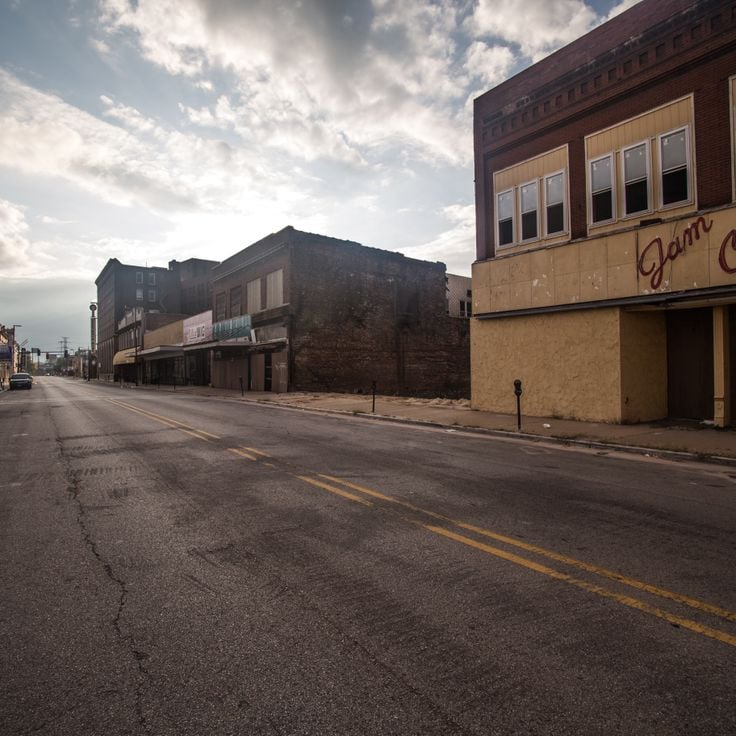
These cities give a look at city life in America, beyond the usual places. Their neighborhoods are changing. Buildings from the early 20th century still stand. Communities with strong identities live there. They tell a different story about the United States. It is the story of industry centers, river ports, and crossroads where many generations met.
The most dangerous cities in the United States: Memphis, Detroit, New Orleans, and other urban areas
This collection brings together about thirty American cities, from the Mississippi to Michigan, from Louisiana to California. Each city has a history shaped by many years of industry, trade, or music. Memphis is known as the birthplace of blues and rock. New Orleans shows its Creole neighborhoods and French roots. Detroit shares the story of the American car industry, Kansas City the history of jazz and large trade routes. Baltimore runs along the Chesapeake Bay, Cleveland is on the shores of Lake Erie. Further south, Birmingham holds memories of the civil rights movement, Little Rock a history of unrest.
These cities give a look at city life in America, beyond the usual places. Their neighborhoods are changing. Buildings from the early 20th century still stand. Communities with strong identities live there. They tell a different story about the United States. It is the story of industry centers, river ports, and crossroads where many generations met.
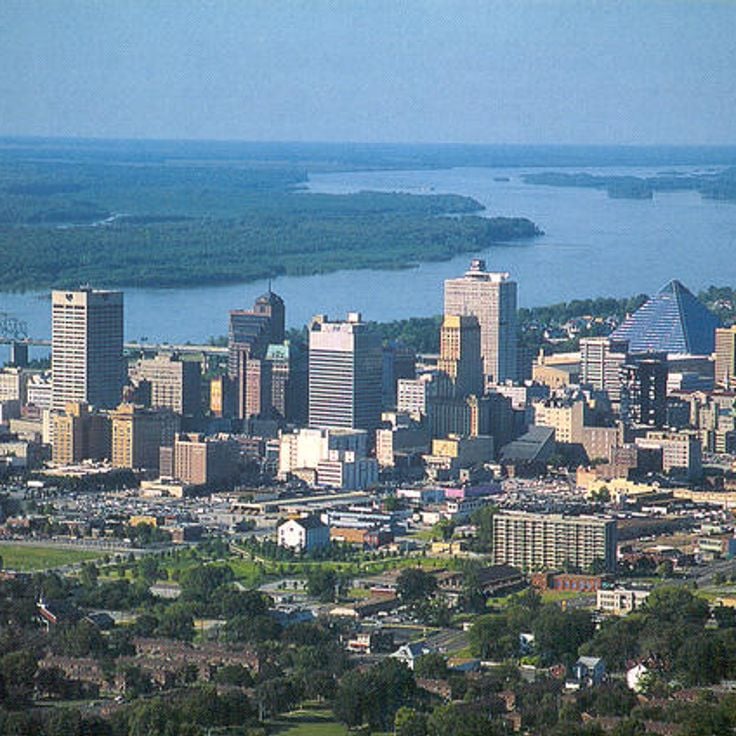
Memphis sits in Tennessee as a city deeply connected to American music history. The blues was born here, and rock musicians found their voice in its streets. Like many American industrial cities, Memphis shows its age through early 20th-century buildings and neighborhoods undergoing change. Crime rates remain elevated, especially in central areas marked by poverty and economic decline. Visitors should research beforehand and exercise caution. Despite these challenges, the city holds its cultural identity, and its residents continue to shape daily life through strong musical traditions and community ties.
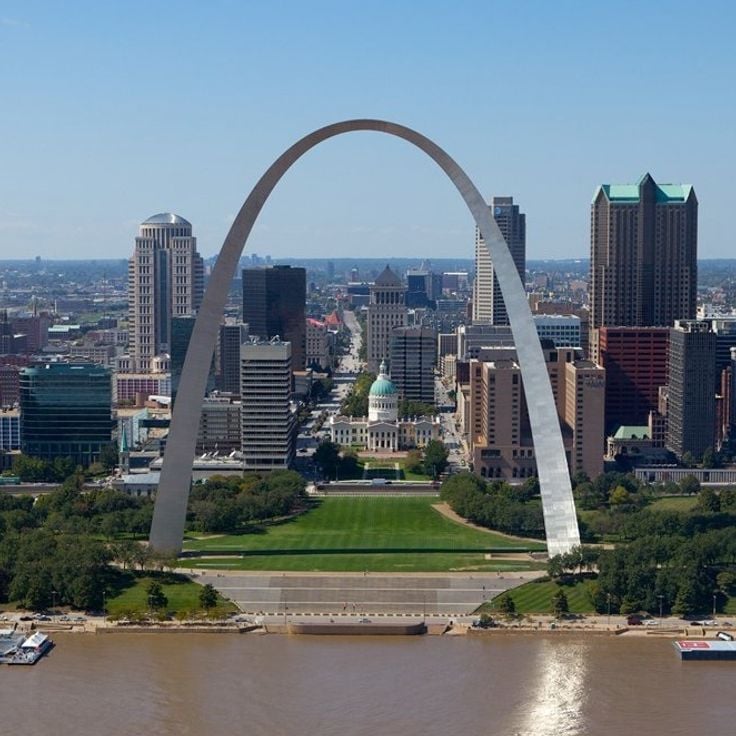
St. Louis is a city in Missouri on the banks of the Mississippi River. It shaped American history through its role as a trading hub and gateway to the West. The city bears the marks of its past in 19th-century buildings and neighborhoods shaped by different communities. St. Louis faces economic challenges, particularly in central districts where crime and poverty are present. Despite this, people live, work and maintain their culture here. Specific places and active communities show another side of the city worth discovering.
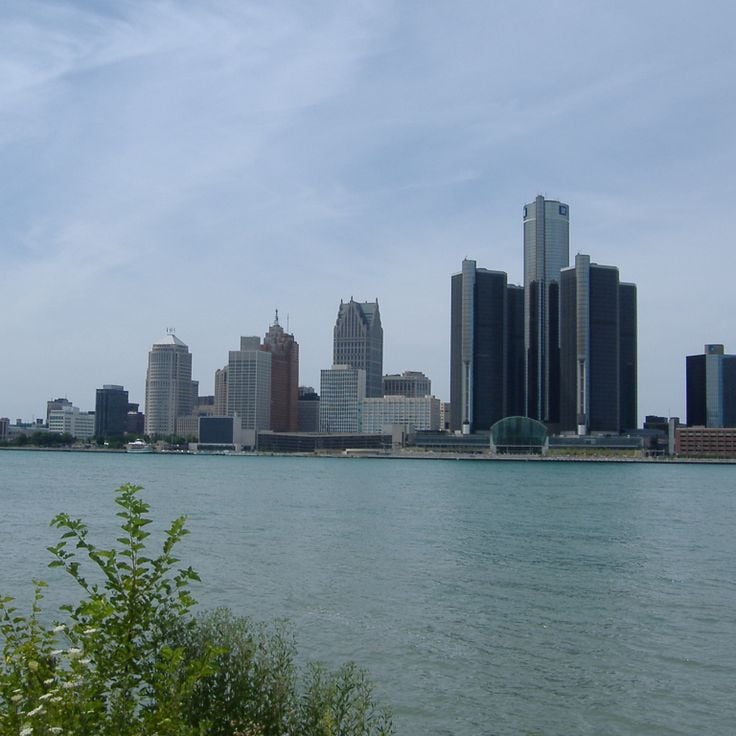
Detroit is a city in Michigan, the historical center of the American automobile industry. The city bears the marks of decades of industrial power and economic change. Wide streets cross neighborhoods lined with early 20th-century factory buildings. Motown music emerged and developed here, shaping local culture. Today Detroit shows a mix of abandoned industrial structures and new initiatives. Many districts suffer from poverty and high crime rates, which calls for caution, especially at night. At the same time, people here actively shape the city and create cultural spaces. Detroit tells the story of an industrial city in transition, with strong communities and a complex past.
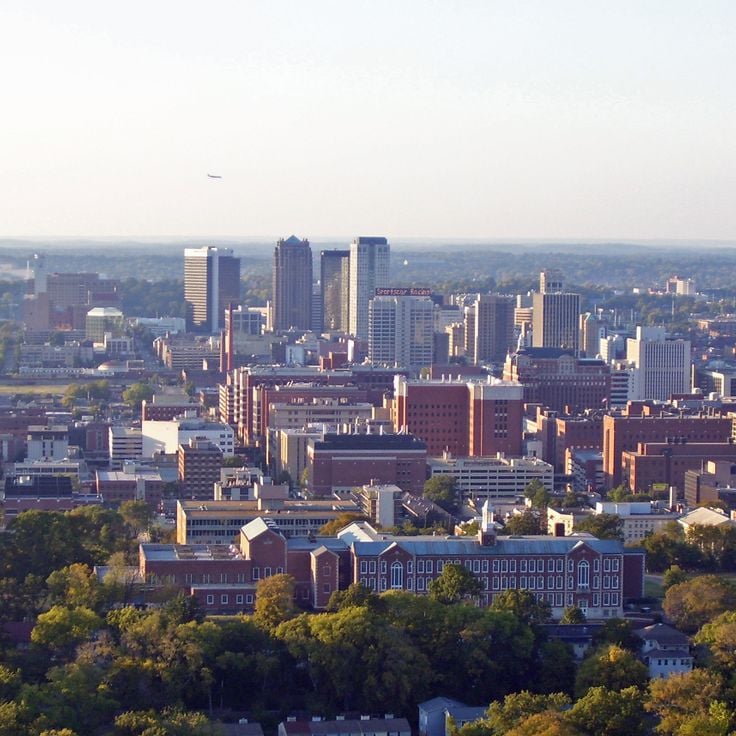
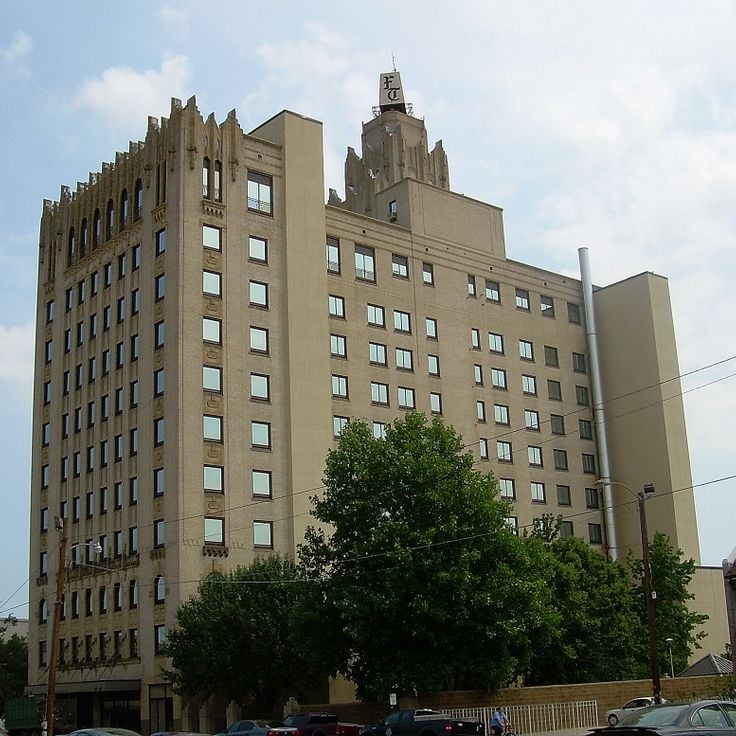
Birmingham is a city in Alabama shaped by its industrial past and its place in American history. The city was central to the Civil Rights Movement and this heritage remains visible throughout its neighborhoods. Like many industrial centers, Birmingham faces economic challenges and higher crime rates in certain areas. Yet people continue to live and work here, keeping local culture alive. The city preserves traces of its industrial era and stands as a reminder of a pivotal period in American society.
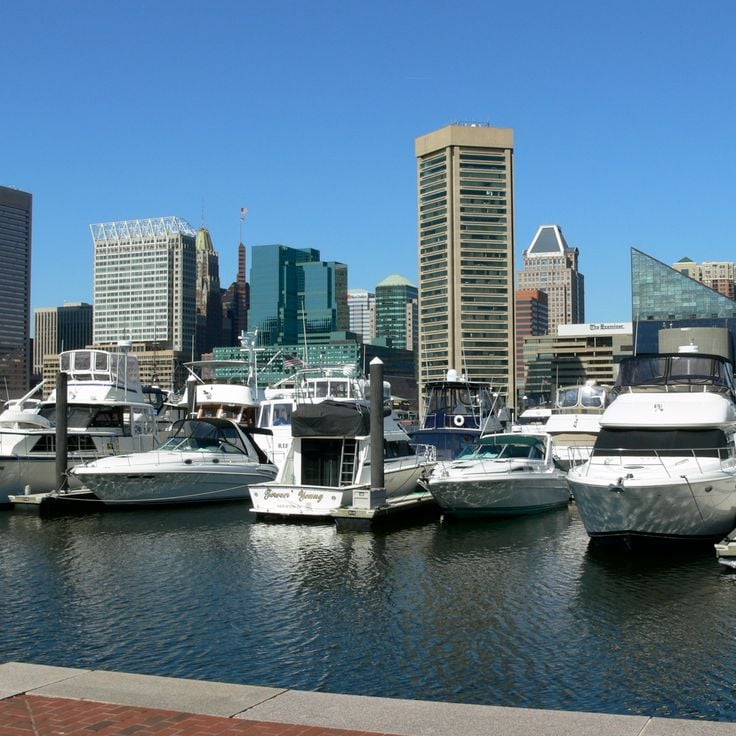
Baltimore is a city in Maryland on the Chesapeake Bay and a historic port on the East Coast. It has a long history as a trade harbor and industrial center. Today, Baltimore shows the patterns of many older American port cities: parts of the city face economic hardship, while other areas are slowly changing. Neighborhoods in the city center report higher crime rates, especially for property crimes and drug trafficking. Still, people live here, work, and shape the cultural life. Visitors should inform themselves about which areas are safe to visit and explore the city with care.
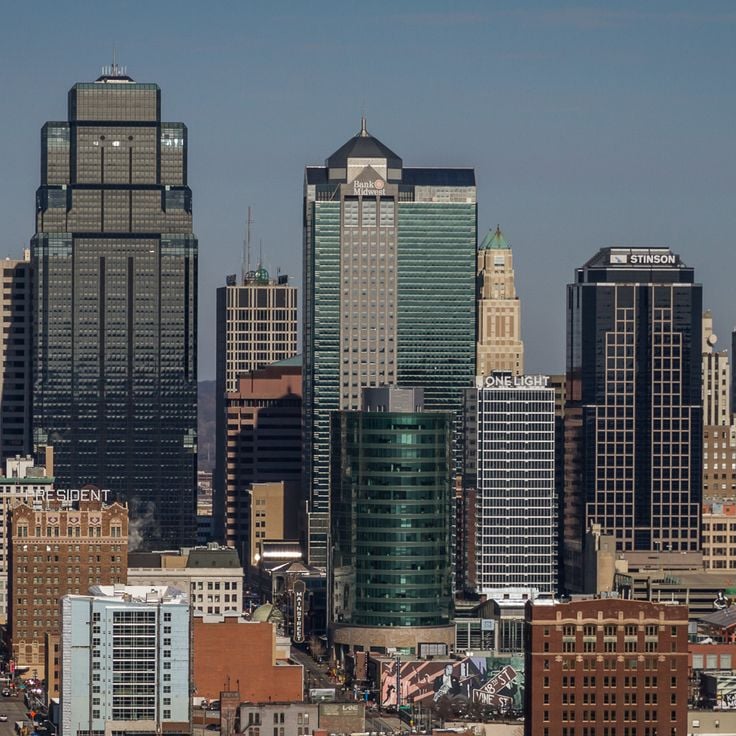
Kansas City is a city in Missouri shaped by jazz and music history. The jazz legacy still influences daily life and the city's character. Music venues and clubs remain central to the community. The city is also known for its barbecue traditions and food culture. Various neighborhoods show signs of revitalization alongside historic buildings. Like other cities in this collection, Kansas City faces economic difficulties in some central areas, where crime rates remain a concern. Despite these challenges, the city holds onto its identity and residents continue to build its cultural life.
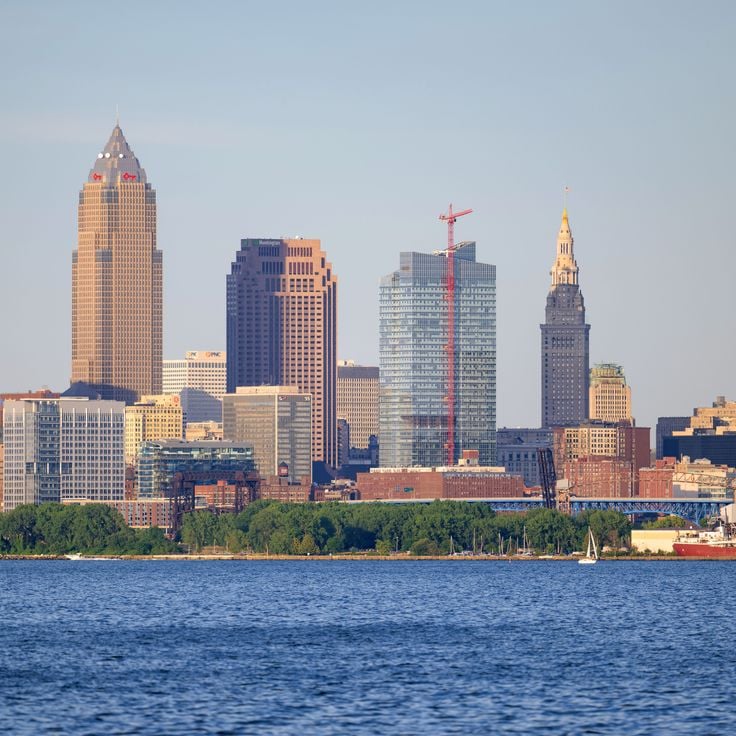
Cleveland is a city in Ohio situated on the shore of Lake Erie, shaped by its history as a major industrial center. The city bears the marks of its industrial past in its buildings and infrastructure. Today, Cleveland faces economic challenges and elevated crime rates in central neighborhoods. These areas are often affected by poverty and economic decline. At the same time, the city maintains its character through active music scenes and strong community identities. Early 20th-century buildings stand alongside ongoing urban renewal efforts. Cleveland tells the story of an American industrial hub and the people who continue to live and work there.
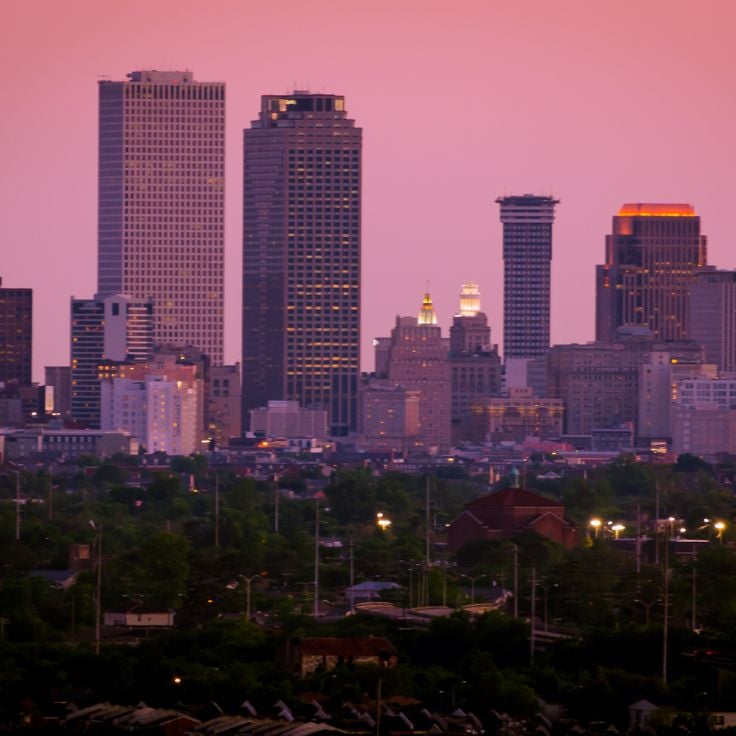
New Orleans is located in Louisiana on the Mississippi River and serves as the center of Creole culture and jazz. This city is part of a collection of about thirty American cities stretching from the Mississippi to Michigan. New Orleans preserves its Creole neighborhoods and French heritage. Like other cities in this collection, New Orleans faces high crime rates, especially in downtown areas affected by poverty and economic decline. Violence takes various forms: armed robbery, assault, and drug trafficking. Despite these challenges, New Orleans maintains its identity. Residents work and live here, sustain an active music scene, and preserve strong community identities. The city tells the story of an important port and a meeting place where multiple generations have gathered. A visit requires caution and planning ahead, but reveals a different America beyond the usual routes.
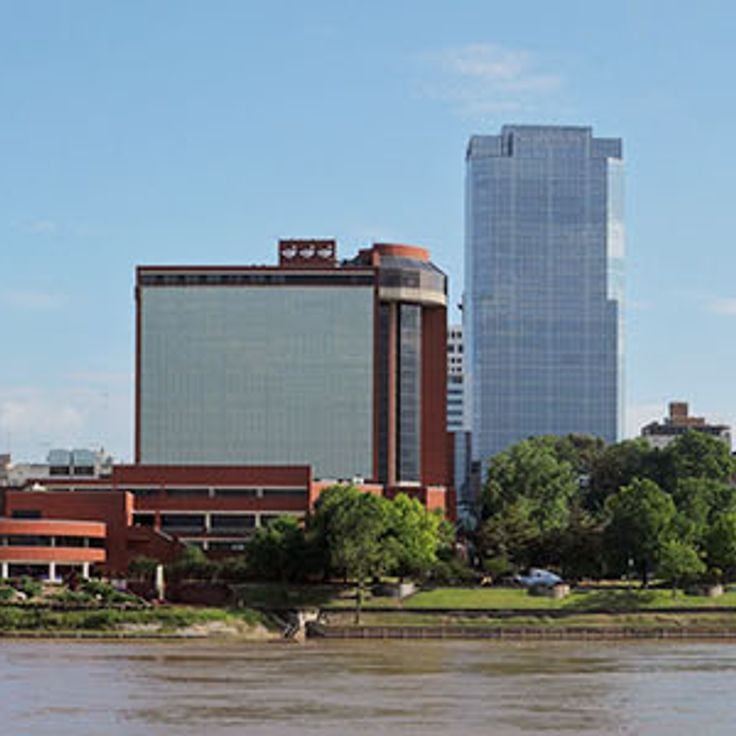
Little Rock is the capital of Arkansas and sits in the south-central United States. This city carries the weight of difficult history. In the 1950s, Little Rock became the center of an integration crisis when Black students first attended a previously all-white school. These events shaped the nation and show the struggle for equality. Today, museums and historical sites remember this time. The city sits on the Arkansas River with a downtown area of older buildings from the 20th century. Like many cities in this collection, Little Rock struggles with economic challenges and high crime rates in certain neighborhoods. Still, people live and work here, shaping their communities. The city tells the story of the civil rights movement and the industrial past of the American South.
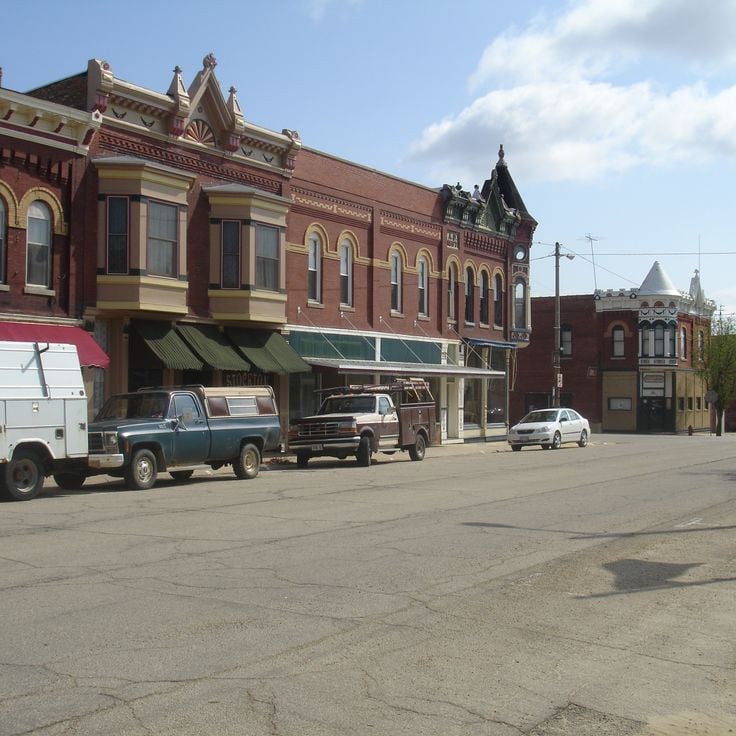
Stockton is located in northern Illinois and belongs to a collection of American cities with elevated crime rates. The city bears the marks of its industrial past and economic decline that has affected many centers in the region. Like other cities in this collection, Stockton faces challenges that primarily affect its downtown areas. Despite these difficulties, the city maintains its own identity and its residents continue to live and work there, keeping local traditions alive.
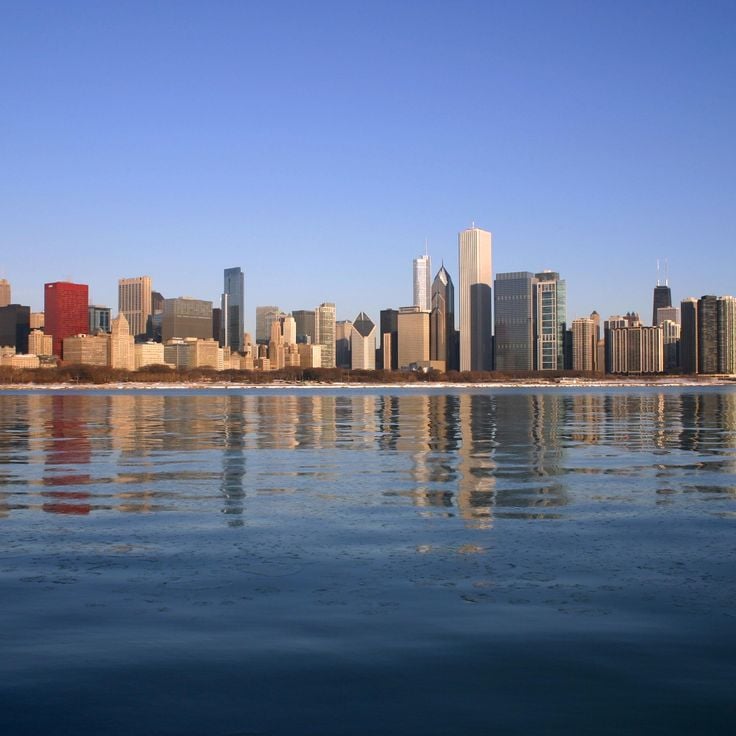
Chicago is a city in Illinois that grew as a major industrial and commercial center. Its skyline shows buildings from different eras, from the late 1800s to today. Lake Michigan runs along the city with parks and public spaces. The downtown core and certain neighborhoods have higher crime rates, especially areas facing economic hardship. Museums throughout the city display its history and culture. Chicago has an active cultural life with music, theater, and strong communities. Visitors should research their destination and take precautions, but will find a complex American city with much to discover.
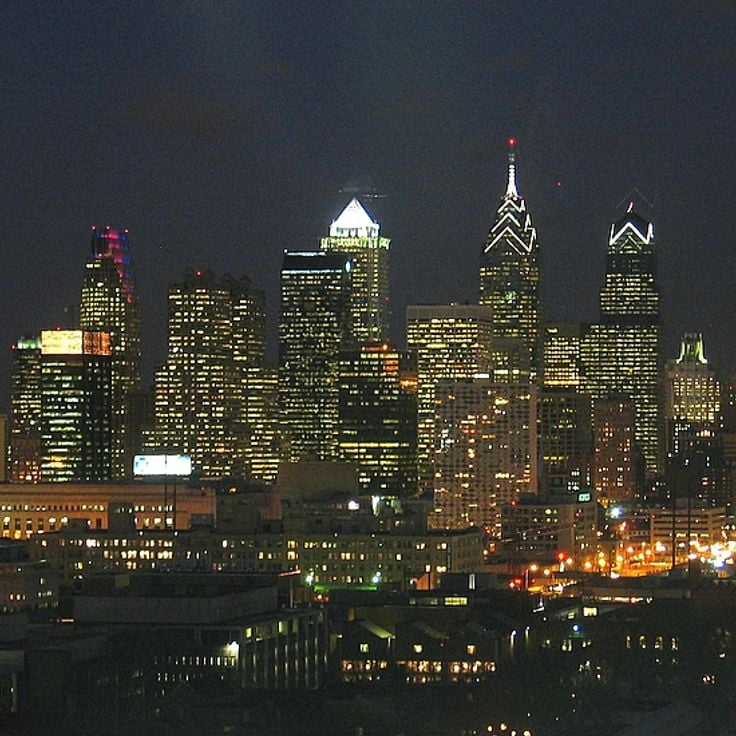
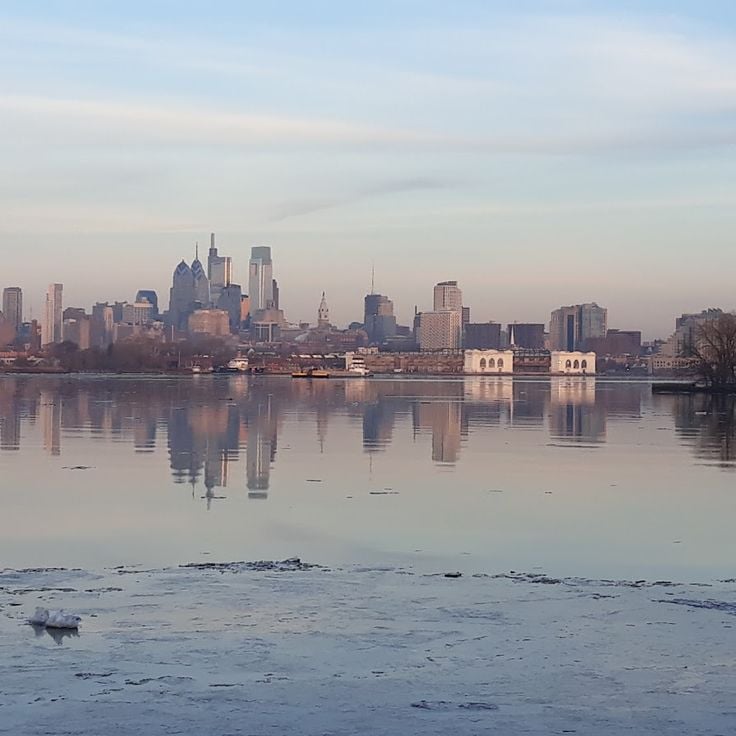
Philadelphia sits in Pennsylvania and served as the birthplace of American independence. The city was where the Declaration of Independence was signed in 1776 and where the Constitution was drafted. Its streets show colonial architecture alongside modern buildings. Philadelphia has a long tradition in trade and crafts that remains visible today. Like many cities in this collection, Philadelphia faces high crime rates in some downtown neighborhoods, particularly in areas around North Philadelphia, where poverty and economic decline have taken hold. Yet the city remains home to active cultural communities, historic sites, and people who continue to live and work here despite these challenges.
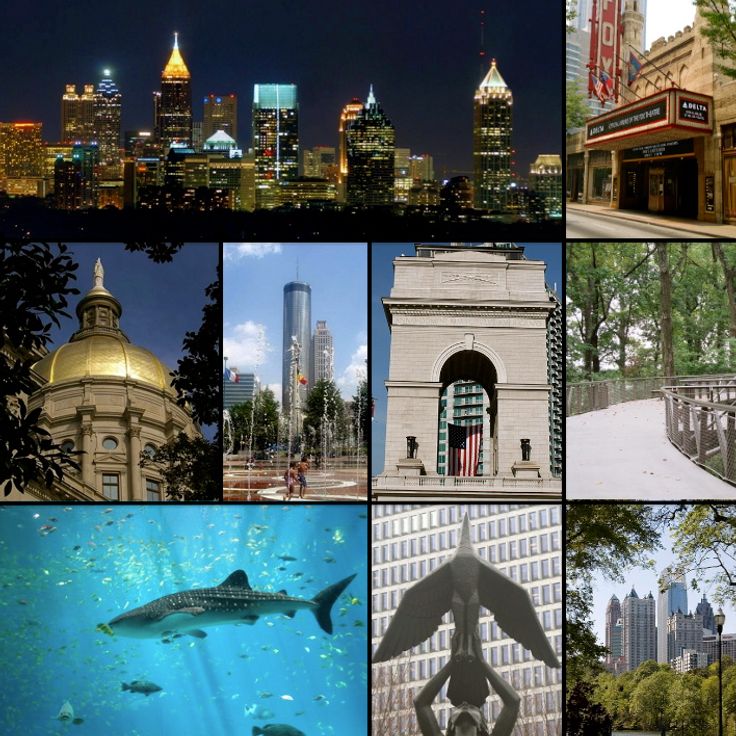
Atlanta is the economic center of Georgia and the American South. The city bears the marks of the civil rights movement and continues to grow as a cultural hub. Today, Atlanta is known for its food scene, music venues, and evolving neighborhoods. Like many large cities, Atlanta struggles with crime in some central areas, though these problems are concentrated in particular districts. People work and live here every day, building communities and sharing their culture. The skyline mixes older buildings from the early 1900s with modern skyscrapers. Atlanta tells the story of the New South and a city in constant change.
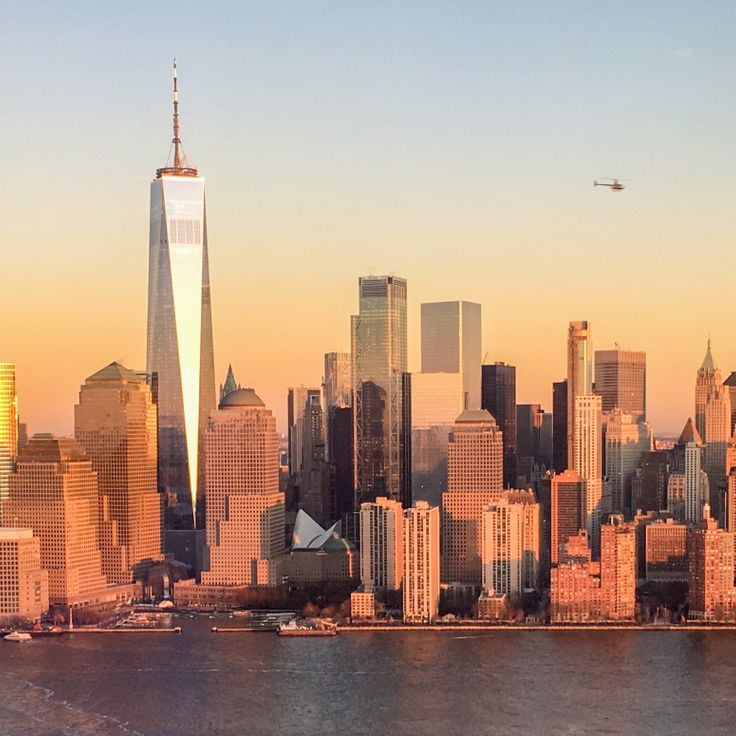
New York is a metropolis that functions differently from any other major city in the world. The city spreads across several districts, each with its own character. Manhattan is the financial and cultural hub with its towers, museums, and theaters. Brooklyn has developed its own identity with active art scenes and old industrial buildings converted into homes and studios. Queens and the Bronx show another side of New York, where people from many countries live and work. The streets are full of movement - people walk, take the subway, work in offices and small shops. The city has old buildings from the early 1900s standing next to modern skyscrapers. Music, art, and theater happen everywhere. While New York appears in this collection because some areas struggle with high crime rates, the city overall remains a center of work, trade, and culture where people from around the world meet. Many neighborhoods are changing and improving, though some areas, especially at night, require caution.
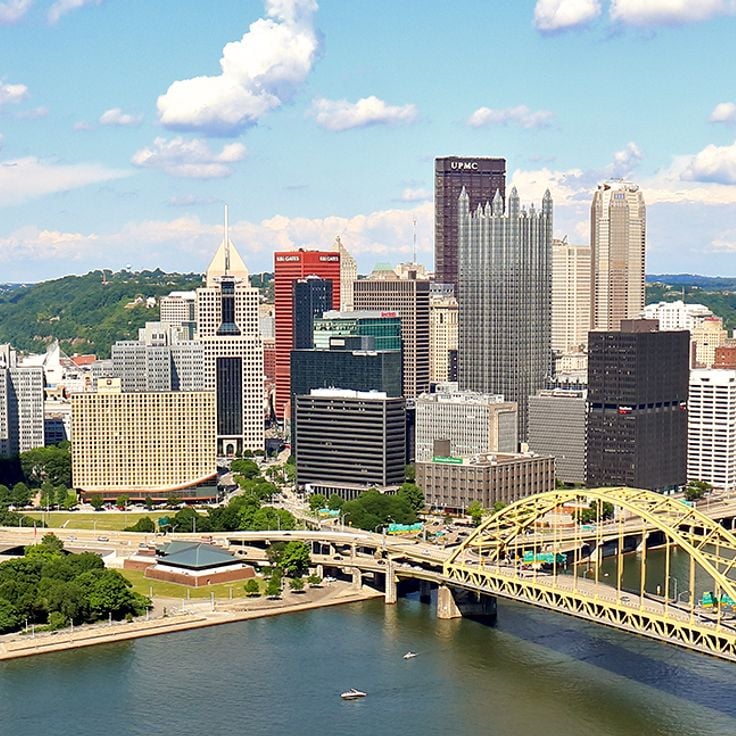
Pittsburgh is a city in Pennsylvania that was once the heart of American steel production. Over recent decades, it has transformed itself into a center for technology, education, and culture. The city sits where three rivers meet, and new neighborhoods are emerging alongside buildings from its industrial past. Pittsburgh appears in this collection because it also struggles with crime in certain areas, particularly those affected by economic decline. However, the city shows how places can reinvent themselves: museums, universities, and new companies now shape its landscape. Visitors find a city of contrasts, where old industrial buildings stand next to modern structures.
Monroe is a city in Louisiana situated along the Ouachita River and serves as a regional hub of local culture. Like many cities in this collection, Monroe has a history shaped by industrial activity and economic change. The city faces economic challenges and higher crime rates in certain areas. Some neighborhoods are undergoing transformation, while others remain problematic, particularly at night. Despite these difficulties, Monroe maintains its identity and its residents continue to live and work there. The city tells the story of American urban centers with their river commerce routes and the meeting places of different generations.
Alexandria is located in Louisiana and belongs to this collection of American cities facing economic hardship and elevated crime rates. The city carries its history in its streets, from its role during the Civil War to its importance as a trading port on the Red River. Architecture reflects prosperity from earlier times, while the community today grapples with the same challenges as many urban centers: economic decline in some neighborhoods, poverty, and various forms of violence. Despite these difficulties, Alexandria preserves its cultural identity and residents work toward their city's future. Visitors should inform themselves and exercise caution, but will encounter an authentic American city away from typical tourist routes.
Camden is a city in New Jersey along the Delaware River boundary. It appears in this collection because of high crime rates in its downtown neighborhoods, linked to poverty and economic decline. Despite these challenges, the city holds its history and culture. Walt Whitman, one of America's most significant poets, lived here. The city tells the story of an industrial and river port center where multiple generations have lived and worked. A visit requires caution and prior research, but offers a glimpse of another America beyond typical tourist routes.
Wilmington in Delaware carries the weight of significant industrial and commercial history. The city developed along the Christina River as an important trading hub. Factories and chemical plants once brought work and prosperity to the region. Today, Wilmington shows buildings from the 19th and 20th centuries that reflect this past. Some neighborhoods are slowly changing, while others bear the marks of economic decline and vacancy. The city appears regularly among those with higher crime rates in specific areas. Still, people live here, work, and keep local traditions alive.
Bessemer is a city in Alabama with a history rooted in the steel industry. Founded in the 19th century, the city played a significant role in the development of American steel production. Like many industrial centers in this collection, Bessemer faces economic challenges and crime concerns, particularly in central neighborhoods. The city retains its identity and heritage, with historic buildings from the steel production era still visible in the urban landscape.
West Memphis is a city in Arkansas situated on the Mississippi River, serving as a cultural and commercial crossroads. The city has developed as a trading hub and transit point where different influences come together. Like many cities in this region, West Memphis faces challenges including elevated crime rates in certain neighborhoods, often linked to economic decline. Visitors should inform themselves before traveling and exercise caution, but can gain insight into a part of America shaped by change.
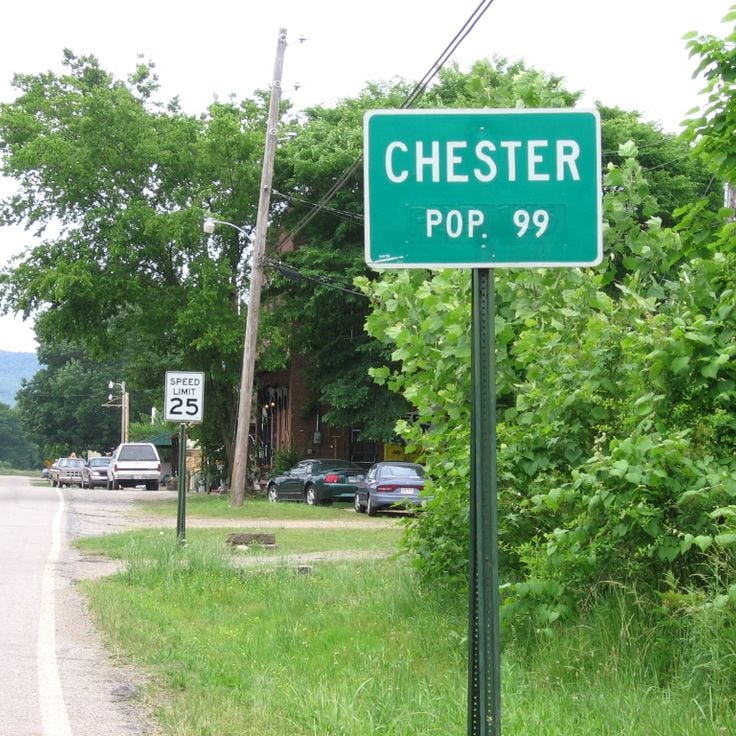
Chester is a city in Pennsylvania on the Delaware River. It was once a major industrial center and shares the history of economic transformation that marks many cities in this collection. Today Chester ranks among U.S. cities with higher crime rates, particularly in the central neighborhoods affected by poverty. The city retains its history and its residents continue to shape life here. Visitors to Chester should seek information before arriving and exercise caution, but will find a different side of America, away from typical tourist routes.
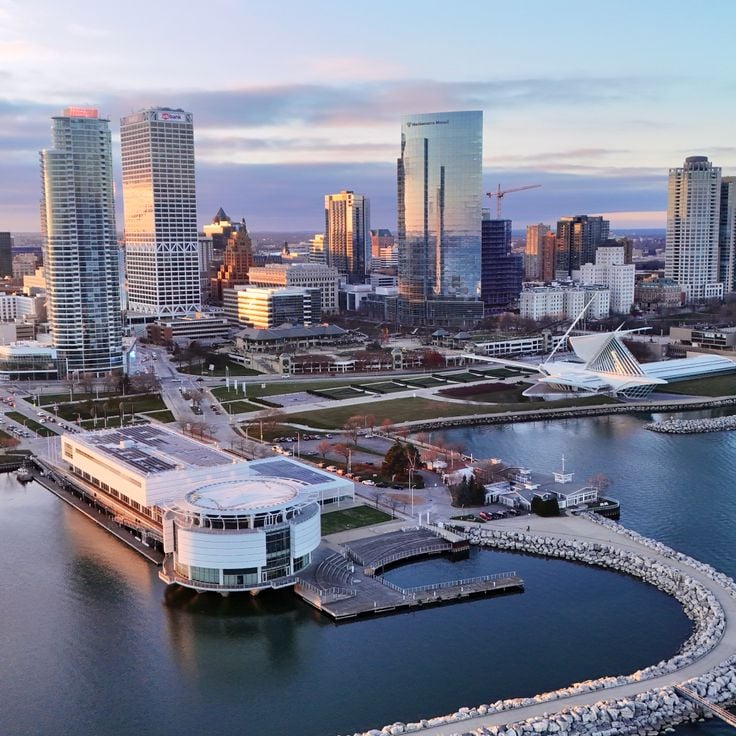
Milwaukee is a city in Wisconsin on the shores of Lake Michigan. Throughout its history, the city developed as a center for beer brewing and maintains this tradition today. The architecture shows buildings from different eras, from early industrial times to the present. Like other cities in this collection, Milwaukee faces challenges including high crime rates in certain neighborhoods, particularly in areas affected by economic decline. Despite these difficulties, Milwaukee retains its own character. The city has an active music scene, strong communities, and places where history continues to matter. For visitors, it is important to gather information beforehand and exercise caution, but the city offers insights into industrial America and its development.
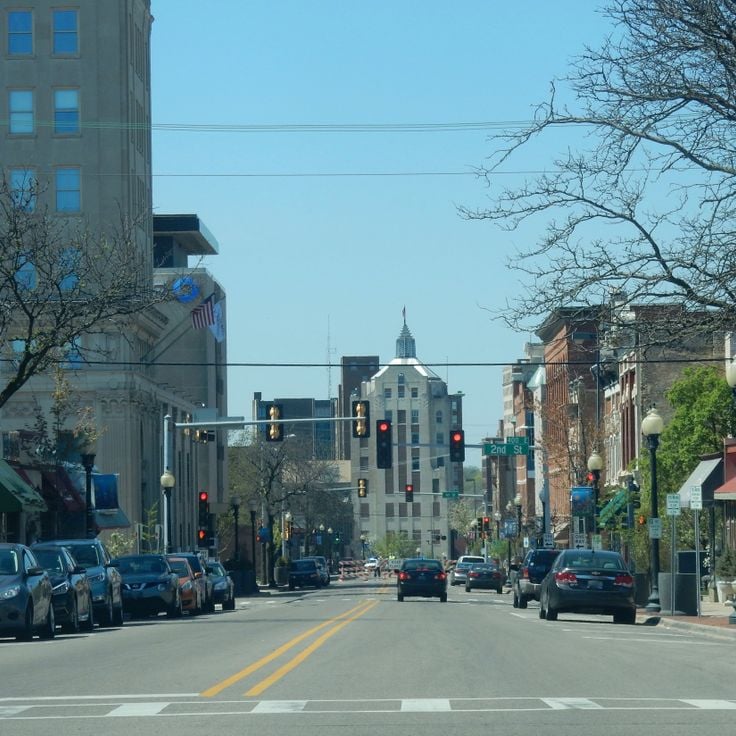
Rockford sits in Illinois as part of a broader collection of American cities with complex histories. The city grew through manufacturing and trade. People who work and live here shape daily life. Rockford shows how cities in the American Midwest developed over time. Like many similar places, it faces economic difficulties and higher crime rates in certain neighborhoods. Yet communities here continue to work and sustain their culture. History and present day mix in its streets.
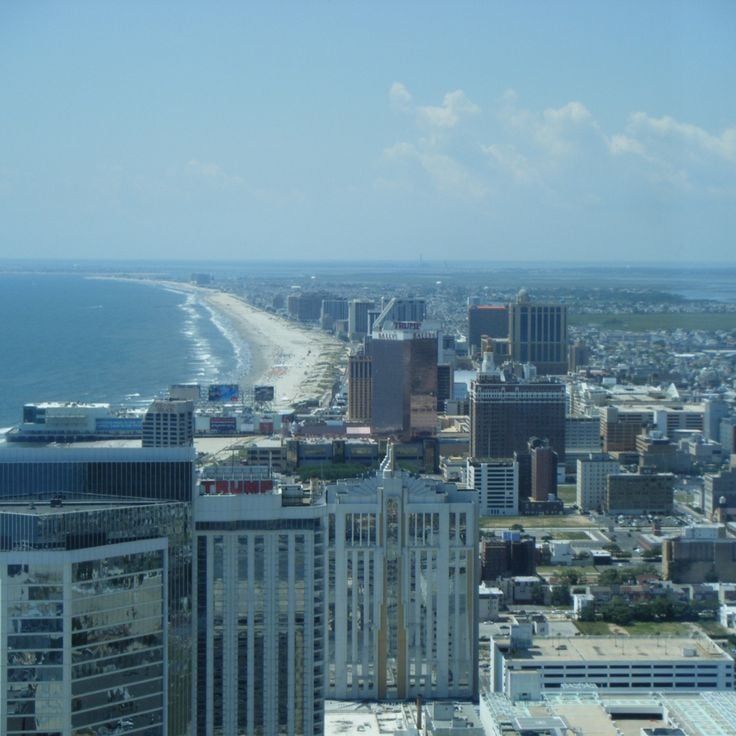
Atlantic City sits on the Atlantic coast of New Jersey and is known for its boardwalk and casinos. The city developed around gambling from the 1970s onward, becoming the East Coast's gambling hub. Like many cities in this collection, Atlantic City struggles with economic hardship. The casinos employ many people, but poverty marks many neighborhoods. Still, visitors come to walk the boardwalk, look out at the ocean, and try their luck in the large gaming halls.
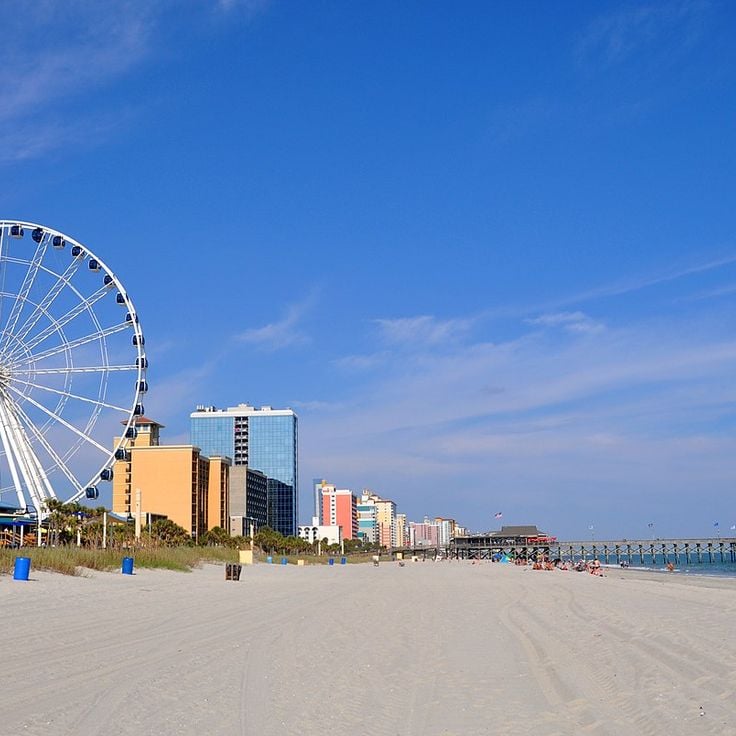
Myrtle Beach is a coastal city in South Carolina known for its beaches and vacation destinations. The city draws visitors with its wide sandy beach and boardwalk. Like many cities in this collection, Myrtle Beach faces challenges that extend beyond the tourist areas. In the central districts, poverty and crime create difficulties that most visitors do not encounter. The contrast between the gleaming beachfront resorts and the less prosperous neighborhoods is clear. Despite these challenges, Myrtle Beach remains an important place for local culture and economy.
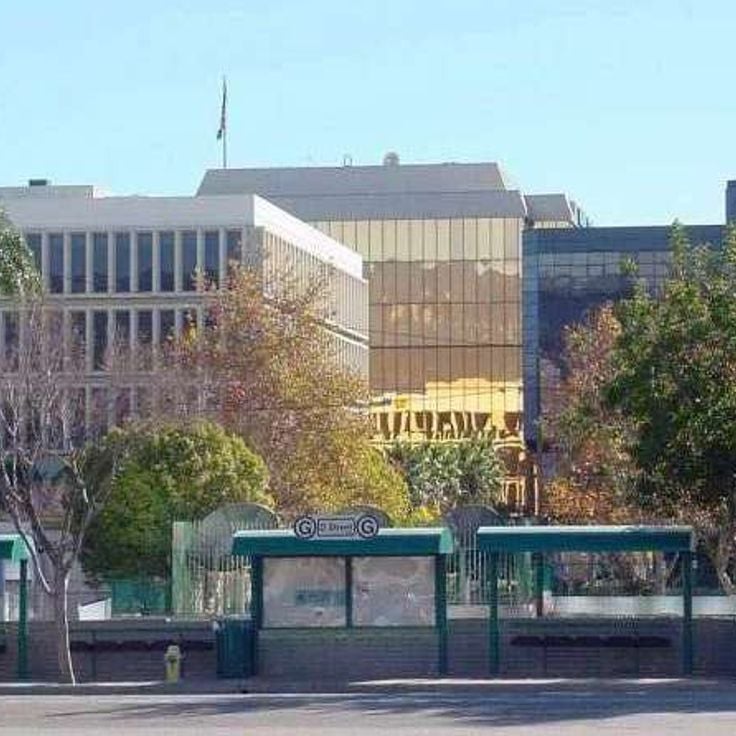
San Bernardino is a city in Southern California with a history as a regional hub. The city sits in a region shaped by railroads and commercial trade routes. Like many cities in this collection, San Bernardino faces high crime rates in certain neighborhoods, particularly in older downtown areas affected by economic decline. Despite these challenges, the city keeps its identity and residents continue to work, live, and maintain their culture. San Bernardino shows a different face of America, away from the usual tourist paths.
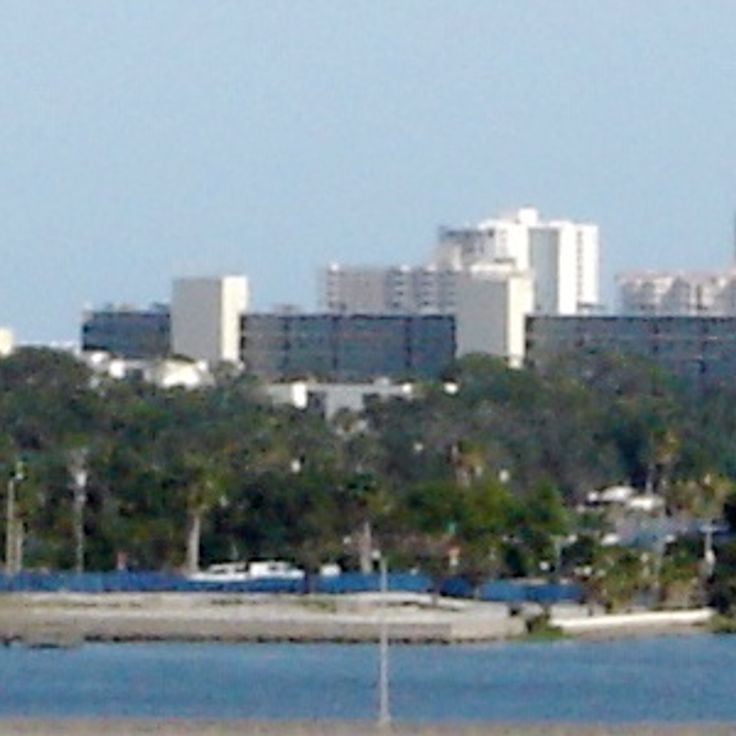
Daytona Beach sits on Florida's Atlantic coast and is known mainly for its famous racing circuit. The city appears in this collection because, like many American cities, it faces challenges with public safety. Daytona Beach has a history as a tourist destination and a draw for motorsports fans, but the city struggles with economic hardship in its downtown neighborhoods. Some areas are marked by poverty and crime, while others are slowly changing. Visitors should research before arriving and exercise caution, but can discover another side of Florida.
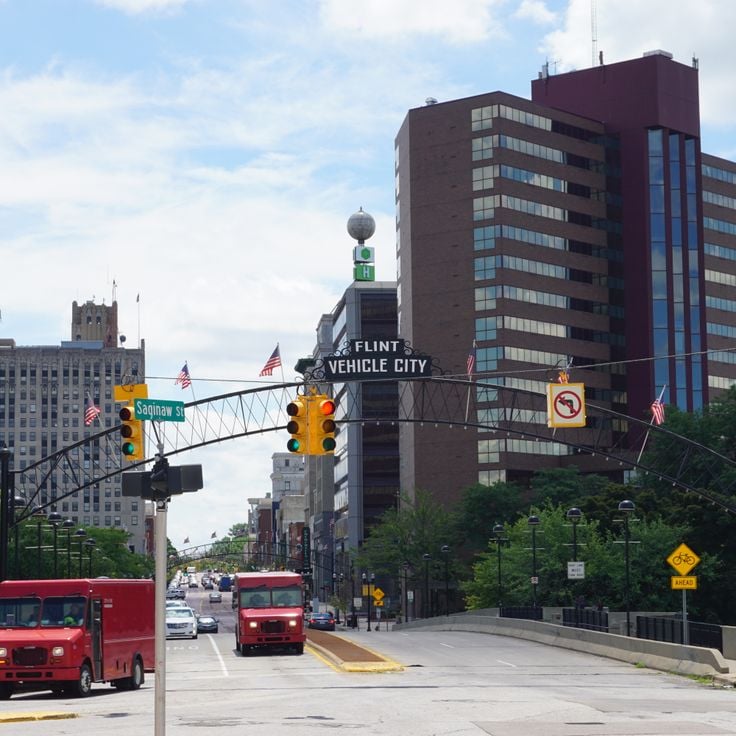
Flint is a city in Michigan shaped by decades of automotive manufacturing. Generations of workers built cars here and defined the community. Today the city reflects the challenges of economic decline: factories have closed and many residents have left. Crime rates remain high, particularly in central neighborhoods. Despite these difficulties, people continue to live and work in Flint, carrying forward the stories of this industrial past. You can still see the legacy of manufacturing and communities that remain connected to this place.
Newburgh sits on the Hudson River in New York and carries traces of its colonial past. The city was an important trade hub and river port, with buildings from the 18th and 19th centuries still visible today. Like many cities in this collection, Newburgh faces economic challenges and crime in its central neighborhoods. Some areas are slowly changing for the better, while others remain difficult. The city tells the story of an American industrial center on a major river.
Ardmore sits in south-central Oklahoma with a history shaped by railroads and oil production. Like many cities in this collection, Ardmore faces economic pressures that affect different neighborhoods in different ways. The city keeps its past alive through older buildings and the stories of people who live there. Visitors who come here see a side of America that lies beyond the usual tourist paths.
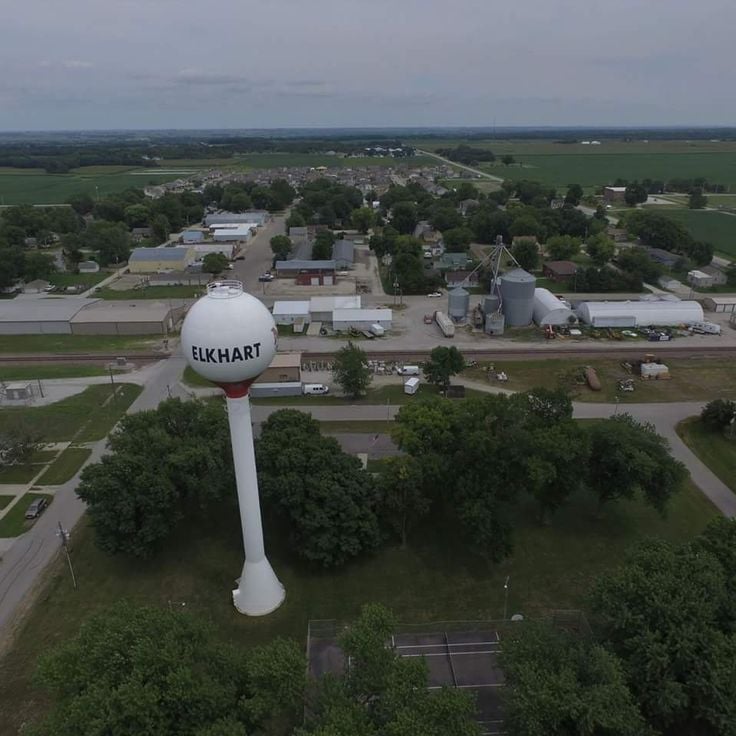
Elkhart is a city in Indiana shaped by American manufacturing. The city grew as a center for recreational vehicle production and musical instrument making. Factories and workshops still operate in Elkhart, defining much of its landscape. Architecture from different eras reflects periods of economic growth and decline. Like many Midwest cities, Elkhart faces social challenges. Yet people here continue to work and build their community.
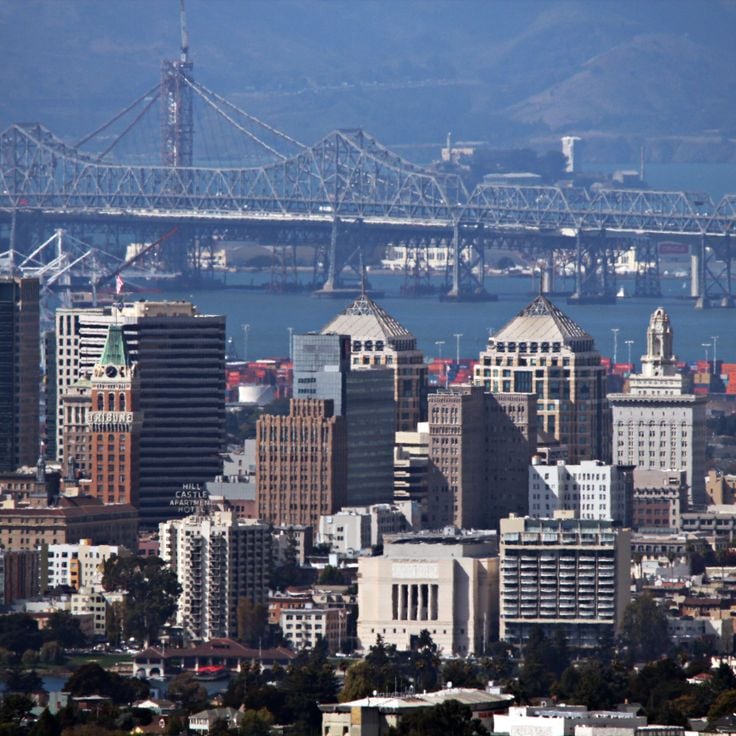
Oakland is a city in the San Francisco Bay area with an active urban culture. It is part of this collection examining American cities where crime rates remain elevated. Oakland faces economic decline in many neighborhoods, particularly in central areas. Robbery, assault, and drug trafficking are widespread problems here. Despite these challenges, Oakland maintains a strong identity and history. Music scenes, art collectives, and engaged communities shape the city. Early 20th century industrial buildings and architecture stand alongside newer development. Visitors to Oakland should research beforehand and take precautions, but can discover another side of America beyond the usual tourist routes.
Saginaw is a city in Michigan on the Saginaw River with an important industrial history. The city was long a major center for lumber processing and later automobile manufacturing. Today Saginaw shows traces of this past in its buildings and structures. Like many industrial cities in the region, Saginaw faces economic challenges and higher crime rates in some central neighborhoods. These areas often struggle with poverty. Despite these difficulties, the city keeps its identity, and its residents work toward positive change.
East Saint Louis is a city in Illinois located on the Mississippi River. It sits on the eastern bank of the river and serves as a regional hub for the surrounding area. Like other cities in this collection, East Saint Louis faces challenges tied to economic change and social difficulties. Visitors should prepare before coming and exercise caution, but the city offers a view of America beyond the typical routes.
Memphis sits in Tennessee as a city deeply connected to American music history. The blues was born here, and rock musicians found their voice in its streets. Like many American industrial cities, Memphis shows its age through early 20th-century buildings and neighborhoods undergoing change. Crime rates remain elevated, especially in central areas marked by poverty and economic decline. Visitors should research beforehand and exercise caution. Despite these challenges, the city holds its cultural identity, and its residents continue to shape daily life through strong musical traditions and community ties.
St. Louis is a city in Missouri on the banks of the Mississippi River. It shaped American history through its role as a trading hub and gateway to the West. The city bears the marks of its past in 19th-century buildings and neighborhoods shaped by different communities. St. Louis faces economic challenges, particularly in central districts where crime and poverty are present. Despite this, people live, work and maintain their culture here. Specific places and active communities show another side of the city worth discovering.
Detroit is a city in Michigan, the historical center of the American automobile industry. The city bears the marks of decades of industrial power and economic change. Wide streets cross neighborhoods lined with early 20th-century factory buildings. Motown music emerged and developed here, shaping local culture. Today Detroit shows a mix of abandoned industrial structures and new initiatives. Many districts suffer from poverty and high crime rates, which calls for caution, especially at night. At the same time, people here actively shape the city and create cultural spaces. Detroit tells the story of an industrial city in transition, with strong communities and a complex past.
Birmingham is a city in Alabama shaped by its industrial past and its place in American history. The city was central to the Civil Rights Movement and this heritage remains visible throughout its neighborhoods. Like many industrial centers, Birmingham faces economic challenges and higher crime rates in certain areas. Yet people continue to live and work here, keeping local culture alive. The city preserves traces of its industrial era and stands as a reminder of a pivotal period in American society.
Baltimore is a city in Maryland on the Chesapeake Bay and a historic port on the East Coast. It has a long history as a trade harbor and industrial center. Today, Baltimore shows the patterns of many older American port cities: parts of the city face economic hardship, while other areas are slowly changing. Neighborhoods in the city center report higher crime rates, especially for property crimes and drug trafficking. Still, people live here, work, and shape the cultural life. Visitors should inform themselves about which areas are safe to visit and explore the city with care.
Kansas City is a city in Missouri shaped by jazz and music history. The jazz legacy still influences daily life and the city's character. Music venues and clubs remain central to the community. The city is also known for its barbecue traditions and food culture. Various neighborhoods show signs of revitalization alongside historic buildings. Like other cities in this collection, Kansas City faces economic difficulties in some central areas, where crime rates remain a concern. Despite these challenges, the city holds onto its identity and residents continue to build its cultural life.
Cleveland is a city in Ohio situated on the shore of Lake Erie, shaped by its history as a major industrial center. The city bears the marks of its industrial past in its buildings and infrastructure. Today, Cleveland faces economic challenges and elevated crime rates in central neighborhoods. These areas are often affected by poverty and economic decline. At the same time, the city maintains its character through active music scenes and strong community identities. Early 20th-century buildings stand alongside ongoing urban renewal efforts. Cleveland tells the story of an American industrial hub and the people who continue to live and work there.
New Orleans is located in Louisiana on the Mississippi River and serves as the center of Creole culture and jazz. This city is part of a collection of about thirty American cities stretching from the Mississippi to Michigan. New Orleans preserves its Creole neighborhoods and French heritage. Like other cities in this collection, New Orleans faces high crime rates, especially in downtown areas affected by poverty and economic decline. Violence takes various forms: armed robbery, assault, and drug trafficking. Despite these challenges, New Orleans maintains its identity. Residents work and live here, sustain an active music scene, and preserve strong community identities. The city tells the story of an important port and a meeting place where multiple generations have gathered. A visit requires caution and planning ahead, but reveals a different America beyond the usual routes.
Little Rock is the capital of Arkansas and sits in the south-central United States. This city carries the weight of difficult history. In the 1950s, Little Rock became the center of an integration crisis when Black students first attended a previously all-white school. These events shaped the nation and show the struggle for equality. Today, museums and historical sites remember this time. The city sits on the Arkansas River with a downtown area of older buildings from the 20th century. Like many cities in this collection, Little Rock struggles with economic challenges and high crime rates in certain neighborhoods. Still, people live and work here, shaping their communities. The city tells the story of the civil rights movement and the industrial past of the American South.
Stockton is located in northern Illinois and belongs to a collection of American cities with elevated crime rates. The city bears the marks of its industrial past and economic decline that has affected many centers in the region. Like other cities in this collection, Stockton faces challenges that primarily affect its downtown areas. Despite these difficulties, the city maintains its own identity and its residents continue to live and work there, keeping local traditions alive.
Chicago is a city in Illinois that grew as a major industrial and commercial center. Its skyline shows buildings from different eras, from the late 1800s to today. Lake Michigan runs along the city with parks and public spaces. The downtown core and certain neighborhoods have higher crime rates, especially areas facing economic hardship. Museums throughout the city display its history and culture. Chicago has an active cultural life with music, theater, and strong communities. Visitors should research their destination and take precautions, but will find a complex American city with much to discover.
Philadelphia sits in Pennsylvania and served as the birthplace of American independence. The city was where the Declaration of Independence was signed in 1776 and where the Constitution was drafted. Its streets show colonial architecture alongside modern buildings. Philadelphia has a long tradition in trade and crafts that remains visible today. Like many cities in this collection, Philadelphia faces high crime rates in some downtown neighborhoods, particularly in areas around North Philadelphia, where poverty and economic decline have taken hold. Yet the city remains home to active cultural communities, historic sites, and people who continue to live and work here despite these challenges.
Atlanta is the economic center of Georgia and the American South. The city bears the marks of the civil rights movement and continues to grow as a cultural hub. Today, Atlanta is known for its food scene, music venues, and evolving neighborhoods. Like many large cities, Atlanta struggles with crime in some central areas, though these problems are concentrated in particular districts. People work and live here every day, building communities and sharing their culture. The skyline mixes older buildings from the early 1900s with modern skyscrapers. Atlanta tells the story of the New South and a city in constant change.
New York is a metropolis that functions differently from any other major city in the world. The city spreads across several districts, each with its own character. Manhattan is the financial and cultural hub with its towers, museums, and theaters. Brooklyn has developed its own identity with active art scenes and old industrial buildings converted into homes and studios. Queens and the Bronx show another side of New York, where people from many countries live and work. The streets are full of movement - people walk, take the subway, work in offices and small shops. The city has old buildings from the early 1900s standing next to modern skyscrapers. Music, art, and theater happen everywhere. While New York appears in this collection because some areas struggle with high crime rates, the city overall remains a center of work, trade, and culture where people from around the world meet. Many neighborhoods are changing and improving, though some areas, especially at night, require caution.
Pittsburgh is a city in Pennsylvania that was once the heart of American steel production. Over recent decades, it has transformed itself into a center for technology, education, and culture. The city sits where three rivers meet, and new neighborhoods are emerging alongside buildings from its industrial past. Pittsburgh appears in this collection because it also struggles with crime in certain areas, particularly those affected by economic decline. However, the city shows how places can reinvent themselves: museums, universities, and new companies now shape its landscape. Visitors find a city of contrasts, where old industrial buildings stand next to modern structures.
Monroe is a city in Louisiana situated along the Ouachita River and serves as a regional hub of local culture. Like many cities in this collection, Monroe has a history shaped by industrial activity and economic change. The city faces economic challenges and higher crime rates in certain areas. Some neighborhoods are undergoing transformation, while others remain problematic, particularly at night. Despite these difficulties, Monroe maintains its identity and its residents continue to live and work there. The city tells the story of American urban centers with their river commerce routes and the meeting places of different generations.
Alexandria is located in Louisiana and belongs to this collection of American cities facing economic hardship and elevated crime rates. The city carries its history in its streets, from its role during the Civil War to its importance as a trading port on the Red River. Architecture reflects prosperity from earlier times, while the community today grapples with the same challenges as many urban centers: economic decline in some neighborhoods, poverty, and various forms of violence. Despite these difficulties, Alexandria preserves its cultural identity and residents work toward their city's future. Visitors should inform themselves and exercise caution, but will encounter an authentic American city away from typical tourist routes.
Camden is a city in New Jersey along the Delaware River boundary. It appears in this collection because of high crime rates in its downtown neighborhoods, linked to poverty and economic decline. Despite these challenges, the city holds its history and culture. Walt Whitman, one of America's most significant poets, lived here. The city tells the story of an industrial and river port center where multiple generations have lived and worked. A visit requires caution and prior research, but offers a glimpse of another America beyond typical tourist routes.
Wilmington in Delaware carries the weight of significant industrial and commercial history. The city developed along the Christina River as an important trading hub. Factories and chemical plants once brought work and prosperity to the region. Today, Wilmington shows buildings from the 19th and 20th centuries that reflect this past. Some neighborhoods are slowly changing, while others bear the marks of economic decline and vacancy. The city appears regularly among those with higher crime rates in specific areas. Still, people live here, work, and keep local traditions alive.
Bessemer is a city in Alabama with a history rooted in the steel industry. Founded in the 19th century, the city played a significant role in the development of American steel production. Like many industrial centers in this collection, Bessemer faces economic challenges and crime concerns, particularly in central neighborhoods. The city retains its identity and heritage, with historic buildings from the steel production era still visible in the urban landscape.
West Memphis is a city in Arkansas situated on the Mississippi River, serving as a cultural and commercial crossroads. The city has developed as a trading hub and transit point where different influences come together. Like many cities in this region, West Memphis faces challenges including elevated crime rates in certain neighborhoods, often linked to economic decline. Visitors should inform themselves before traveling and exercise caution, but can gain insight into a part of America shaped by change.
Chester is a city in Pennsylvania on the Delaware River. It was once a major industrial center and shares the history of economic transformation that marks many cities in this collection. Today Chester ranks among U.S. cities with higher crime rates, particularly in the central neighborhoods affected by poverty. The city retains its history and its residents continue to shape life here. Visitors to Chester should seek information before arriving and exercise caution, but will find a different side of America, away from typical tourist routes.
Milwaukee is a city in Wisconsin on the shores of Lake Michigan. Throughout its history, the city developed as a center for beer brewing and maintains this tradition today. The architecture shows buildings from different eras, from early industrial times to the present. Like other cities in this collection, Milwaukee faces challenges including high crime rates in certain neighborhoods, particularly in areas affected by economic decline. Despite these difficulties, Milwaukee retains its own character. The city has an active music scene, strong communities, and places where history continues to matter. For visitors, it is important to gather information beforehand and exercise caution, but the city offers insights into industrial America and its development.
Rockford sits in Illinois as part of a broader collection of American cities with complex histories. The city grew through manufacturing and trade. People who work and live here shape daily life. Rockford shows how cities in the American Midwest developed over time. Like many similar places, it faces economic difficulties and higher crime rates in certain neighborhoods. Yet communities here continue to work and sustain their culture. History and present day mix in its streets.
Atlantic City sits on the Atlantic coast of New Jersey and is known for its boardwalk and casinos. The city developed around gambling from the 1970s onward, becoming the East Coast's gambling hub. Like many cities in this collection, Atlantic City struggles with economic hardship. The casinos employ many people, but poverty marks many neighborhoods. Still, visitors come to walk the boardwalk, look out at the ocean, and try their luck in the large gaming halls.
Myrtle Beach is a coastal city in South Carolina known for its beaches and vacation destinations. The city draws visitors with its wide sandy beach and boardwalk. Like many cities in this collection, Myrtle Beach faces challenges that extend beyond the tourist areas. In the central districts, poverty and crime create difficulties that most visitors do not encounter. The contrast between the gleaming beachfront resorts and the less prosperous neighborhoods is clear. Despite these challenges, Myrtle Beach remains an important place for local culture and economy.
San Bernardino is a city in Southern California with a history as a regional hub. The city sits in a region shaped by railroads and commercial trade routes. Like many cities in this collection, San Bernardino faces high crime rates in certain neighborhoods, particularly in older downtown areas affected by economic decline. Despite these challenges, the city keeps its identity and residents continue to work, live, and maintain their culture. San Bernardino shows a different face of America, away from the usual tourist paths.
Daytona Beach sits on Florida's Atlantic coast and is known mainly for its famous racing circuit. The city appears in this collection because, like many American cities, it faces challenges with public safety. Daytona Beach has a history as a tourist destination and a draw for motorsports fans, but the city struggles with economic hardship in its downtown neighborhoods. Some areas are marked by poverty and crime, while others are slowly changing. Visitors should research before arriving and exercise caution, but can discover another side of Florida.
Flint is a city in Michigan shaped by decades of automotive manufacturing. Generations of workers built cars here and defined the community. Today the city reflects the challenges of economic decline: factories have closed and many residents have left. Crime rates remain high, particularly in central neighborhoods. Despite these difficulties, people continue to live and work in Flint, carrying forward the stories of this industrial past. You can still see the legacy of manufacturing and communities that remain connected to this place.
Newburgh sits on the Hudson River in New York and carries traces of its colonial past. The city was an important trade hub and river port, with buildings from the 18th and 19th centuries still visible today. Like many cities in this collection, Newburgh faces economic challenges and crime in its central neighborhoods. Some areas are slowly changing for the better, while others remain difficult. The city tells the story of an American industrial center on a major river.
Ardmore sits in south-central Oklahoma with a history shaped by railroads and oil production. Like many cities in this collection, Ardmore faces economic pressures that affect different neighborhoods in different ways. The city keeps its past alive through older buildings and the stories of people who live there. Visitors who come here see a side of America that lies beyond the usual tourist paths.
Elkhart is a city in Indiana shaped by American manufacturing. The city grew as a center for recreational vehicle production and musical instrument making. Factories and workshops still operate in Elkhart, defining much of its landscape. Architecture from different eras reflects periods of economic growth and decline. Like many Midwest cities, Elkhart faces social challenges. Yet people here continue to work and build their community.
Oakland is a city in the San Francisco Bay area with an active urban culture. It is part of this collection examining American cities where crime rates remain elevated. Oakland faces economic decline in many neighborhoods, particularly in central areas. Robbery, assault, and drug trafficking are widespread problems here. Despite these challenges, Oakland maintains a strong identity and history. Music scenes, art collectives, and engaged communities shape the city. Early 20th century industrial buildings and architecture stand alongside newer development. Visitors to Oakland should research beforehand and take precautions, but can discover another side of America beyond the usual tourist routes.
Saginaw is a city in Michigan on the Saginaw River with an important industrial history. The city was long a major center for lumber processing and later automobile manufacturing. Today Saginaw shows traces of this past in its buildings and structures. Like many industrial cities in the region, Saginaw faces economic challenges and higher crime rates in some central neighborhoods. These areas often struggle with poverty. Despite these difficulties, the city keeps its identity, and its residents work toward positive change.
East Saint Louis is a city in Illinois located on the Mississippi River. It sits on the eastern bank of the river and serves as a regional hub for the surrounding area. Like other cities in this collection, East Saint Louis faces challenges tied to economic change and social difficulties. Visitors should prepare before coming and exercise caution, but the city offers a view of America beyond the typical routes.
Memphis sits in Tennessee as a city deeply connected to American music history. The blues was born here, and rock musicians found their voice in its streets. Like many American industrial cities, Memphis shows its age through early 20th-century buildings and neighborhoods undergoing change. Crime rates remain elevated, especially in central areas marked by poverty and economic decline. Visitors should research beforehand and exercise caution. Despite these challenges, the city holds its cultural identity, and its residents continue to shape daily life through strong musical traditions and community ties.
St. Louis is a city in Missouri on the banks of the Mississippi River. It shaped American history through its role as a trading hub and gateway to the West. The city bears the marks of its past in 19th-century buildings and neighborhoods shaped by different communities. St. Louis faces economic challenges, particularly in central districts where crime and poverty are present. Despite this, people live, work and maintain their culture here. Specific places and active communities show another side of the city worth discovering.
Detroit is a city in Michigan, the historical center of the American automobile industry. The city bears the marks of decades of industrial power and economic change. Wide streets cross neighborhoods lined with early 20th-century factory buildings. Motown music emerged and developed here, shaping local culture. Today Detroit shows a mix of abandoned industrial structures and new initiatives. Many districts suffer from poverty and high crime rates, which calls for caution, especially at night. At the same time, people here actively shape the city and create cultural spaces. Detroit tells the story of an industrial city in transition, with strong communities and a complex past.
Birmingham is a city in Alabama shaped by its industrial past and its place in American history. The city was central to the Civil Rights Movement and this heritage remains visible throughout its neighborhoods. Like many industrial centers, Birmingham faces economic challenges and higher crime rates in certain areas. Yet people continue to live and work here, keeping local culture alive. The city preserves traces of its industrial era and stands as a reminder of a pivotal period in American society.
Baltimore is a city in Maryland on the Chesapeake Bay and a historic port on the East Coast. It has a long history as a trade harbor and industrial center. Today, Baltimore shows the patterns of many older American port cities: parts of the city face economic hardship, while other areas are slowly changing. Neighborhoods in the city center report higher crime rates, especially for property crimes and drug trafficking. Still, people live here, work, and shape the cultural life. Visitors should inform themselves about which areas are safe to visit and explore the city with care.
Kansas City is a city in Missouri shaped by jazz and music history. The jazz legacy still influences daily life and the city's character. Music venues and clubs remain central to the community. The city is also known for its barbecue traditions and food culture. Various neighborhoods show signs of revitalization alongside historic buildings. Like other cities in this collection, Kansas City faces economic difficulties in some central areas, where crime rates remain a concern. Despite these challenges, the city holds onto its identity and residents continue to build its cultural life.
Cleveland is a city in Ohio situated on the shore of Lake Erie, shaped by its history as a major industrial center. The city bears the marks of its industrial past in its buildings and infrastructure. Today, Cleveland faces economic challenges and elevated crime rates in central neighborhoods. These areas are often affected by poverty and economic decline. At the same time, the city maintains its character through active music scenes and strong community identities. Early 20th-century buildings stand alongside ongoing urban renewal efforts. Cleveland tells the story of an American industrial hub and the people who continue to live and work there.
New Orleans is located in Louisiana on the Mississippi River and serves as the center of Creole culture and jazz. This city is part of a collection of about thirty American cities stretching from the Mississippi to Michigan. New Orleans preserves its Creole neighborhoods and French heritage. Like other cities in this collection, New Orleans faces high crime rates, especially in downtown areas affected by poverty and economic decline. Violence takes various forms: armed robbery, assault, and drug trafficking. Despite these challenges, New Orleans maintains its identity. Residents work and live here, sustain an active music scene, and preserve strong community identities. The city tells the story of an important port and a meeting place where multiple generations have gathered. A visit requires caution and planning ahead, but reveals a different America beyond the usual routes.
Little Rock is the capital of Arkansas and sits in the south-central United States. This city carries the weight of difficult history. In the 1950s, Little Rock became the center of an integration crisis when Black students first attended a previously all-white school. These events shaped the nation and show the struggle for equality. Today, museums and historical sites remember this time. The city sits on the Arkansas River with a downtown area of older buildings from the 20th century. Like many cities in this collection, Little Rock struggles with economic challenges and high crime rates in certain neighborhoods. Still, people live and work here, shaping their communities. The city tells the story of the civil rights movement and the industrial past of the American South.
Stockton is located in northern Illinois and belongs to a collection of American cities with elevated crime rates. The city bears the marks of its industrial past and economic decline that has affected many centers in the region. Like other cities in this collection, Stockton faces challenges that primarily affect its downtown areas. Despite these difficulties, the city maintains its own identity and its residents continue to live and work there, keeping local traditions alive.
Chicago is a city in Illinois that grew as a major industrial and commercial center. Its skyline shows buildings from different eras, from the late 1800s to today. Lake Michigan runs along the city with parks and public spaces. The downtown core and certain neighborhoods have higher crime rates, especially areas facing economic hardship. Museums throughout the city display its history and culture. Chicago has an active cultural life with music, theater, and strong communities. Visitors should research their destination and take precautions, but will find a complex American city with much to discover.
Philadelphia sits in Pennsylvania and served as the birthplace of American independence. The city was where the Declaration of Independence was signed in 1776 and where the Constitution was drafted. Its streets show colonial architecture alongside modern buildings. Philadelphia has a long tradition in trade and crafts that remains visible today. Like many cities in this collection, Philadelphia faces high crime rates in some downtown neighborhoods, particularly in areas around North Philadelphia, where poverty and economic decline have taken hold. Yet the city remains home to active cultural communities, historic sites, and people who continue to live and work here despite these challenges.
Atlanta is the economic center of Georgia and the American South. The city bears the marks of the civil rights movement and continues to grow as a cultural hub. Today, Atlanta is known for its food scene, music venues, and evolving neighborhoods. Like many large cities, Atlanta struggles with crime in some central areas, though these problems are concentrated in particular districts. People work and live here every day, building communities and sharing their culture. The skyline mixes older buildings from the early 1900s with modern skyscrapers. Atlanta tells the story of the New South and a city in constant change.
New York is a metropolis that functions differently from any other major city in the world. The city spreads across several districts, each with its own character. Manhattan is the financial and cultural hub with its towers, museums, and theaters. Brooklyn has developed its own identity with active art scenes and old industrial buildings converted into homes and studios. Queens and the Bronx show another side of New York, where people from many countries live and work. The streets are full of movement - people walk, take the subway, work in offices and small shops. The city has old buildings from the early 1900s standing next to modern skyscrapers. Music, art, and theater happen everywhere. While New York appears in this collection because some areas struggle with high crime rates, the city overall remains a center of work, trade, and culture where people from around the world meet. Many neighborhoods are changing and improving, though some areas, especially at night, require caution.
Pittsburgh is a city in Pennsylvania that was once the heart of American steel production. Over recent decades, it has transformed itself into a center for technology, education, and culture. The city sits where three rivers meet, and new neighborhoods are emerging alongside buildings from its industrial past. Pittsburgh appears in this collection because it also struggles with crime in certain areas, particularly those affected by economic decline. However, the city shows how places can reinvent themselves: museums, universities, and new companies now shape its landscape. Visitors find a city of contrasts, where old industrial buildings stand next to modern structures.
Monroe is a city in Louisiana situated along the Ouachita River and serves as a regional hub of local culture. Like many cities in this collection, Monroe has a history shaped by industrial activity and economic change. The city faces economic challenges and higher crime rates in certain areas. Some neighborhoods are undergoing transformation, while others remain problematic, particularly at night. Despite these difficulties, Monroe maintains its identity and its residents continue to live and work there. The city tells the story of American urban centers with their river commerce routes and the meeting places of different generations.
Alexandria is located in Louisiana and belongs to this collection of American cities facing economic hardship and elevated crime rates. The city carries its history in its streets, from its role during the Civil War to its importance as a trading port on the Red River. Architecture reflects prosperity from earlier times, while the community today grapples with the same challenges as many urban centers: economic decline in some neighborhoods, poverty, and various forms of violence. Despite these difficulties, Alexandria preserves its cultural identity and residents work toward their city's future. Visitors should inform themselves and exercise caution, but will encounter an authentic American city away from typical tourist routes.
Camden is a city in New Jersey along the Delaware River boundary. It appears in this collection because of high crime rates in its downtown neighborhoods, linked to poverty and economic decline. Despite these challenges, the city holds its history and culture. Walt Whitman, one of America's most significant poets, lived here. The city tells the story of an industrial and river port center where multiple generations have lived and worked. A visit requires caution and prior research, but offers a glimpse of another America beyond typical tourist routes.
Wilmington in Delaware carries the weight of significant industrial and commercial history. The city developed along the Christina River as an important trading hub. Factories and chemical plants once brought work and prosperity to the region. Today, Wilmington shows buildings from the 19th and 20th centuries that reflect this past. Some neighborhoods are slowly changing, while others bear the marks of economic decline and vacancy. The city appears regularly among those with higher crime rates in specific areas. Still, people live here, work, and keep local traditions alive.
Bessemer is a city in Alabama with a history rooted in the steel industry. Founded in the 19th century, the city played a significant role in the development of American steel production. Like many industrial centers in this collection, Bessemer faces economic challenges and crime concerns, particularly in central neighborhoods. The city retains its identity and heritage, with historic buildings from the steel production era still visible in the urban landscape.
West Memphis is a city in Arkansas situated on the Mississippi River, serving as a cultural and commercial crossroads. The city has developed as a trading hub and transit point where different influences come together. Like many cities in this region, West Memphis faces challenges including elevated crime rates in certain neighborhoods, often linked to economic decline. Visitors should inform themselves before traveling and exercise caution, but can gain insight into a part of America shaped by change.
Chester is a city in Pennsylvania on the Delaware River. It was once a major industrial center and shares the history of economic transformation that marks many cities in this collection. Today Chester ranks among U.S. cities with higher crime rates, particularly in the central neighborhoods affected by poverty. The city retains its history and its residents continue to shape life here. Visitors to Chester should seek information before arriving and exercise caution, but will find a different side of America, away from typical tourist routes.
Milwaukee is a city in Wisconsin on the shores of Lake Michigan. Throughout its history, the city developed as a center for beer brewing and maintains this tradition today. The architecture shows buildings from different eras, from early industrial times to the present. Like other cities in this collection, Milwaukee faces challenges including high crime rates in certain neighborhoods, particularly in areas affected by economic decline. Despite these difficulties, Milwaukee retains its own character. The city has an active music scene, strong communities, and places where history continues to matter. For visitors, it is important to gather information beforehand and exercise caution, but the city offers insights into industrial America and its development.
Rockford sits in Illinois as part of a broader collection of American cities with complex histories. The city grew through manufacturing and trade. People who work and live here shape daily life. Rockford shows how cities in the American Midwest developed over time. Like many similar places, it faces economic difficulties and higher crime rates in certain neighborhoods. Yet communities here continue to work and sustain their culture. History and present day mix in its streets.
Atlantic City sits on the Atlantic coast of New Jersey and is known for its boardwalk and casinos. The city developed around gambling from the 1970s onward, becoming the East Coast's gambling hub. Like many cities in this collection, Atlantic City struggles with economic hardship. The casinos employ many people, but poverty marks many neighborhoods. Still, visitors come to walk the boardwalk, look out at the ocean, and try their luck in the large gaming halls.
Myrtle Beach is a coastal city in South Carolina known for its beaches and vacation destinations. The city draws visitors with its wide sandy beach and boardwalk. Like many cities in this collection, Myrtle Beach faces challenges that extend beyond the tourist areas. In the central districts, poverty and crime create difficulties that most visitors do not encounter. The contrast between the gleaming beachfront resorts and the less prosperous neighborhoods is clear. Despite these challenges, Myrtle Beach remains an important place for local culture and economy.
San Bernardino is a city in Southern California with a history as a regional hub. The city sits in a region shaped by railroads and commercial trade routes. Like many cities in this collection, San Bernardino faces high crime rates in certain neighborhoods, particularly in older downtown areas affected by economic decline. Despite these challenges, the city keeps its identity and residents continue to work, live, and maintain their culture. San Bernardino shows a different face of America, away from the usual tourist paths.
Daytona Beach sits on Florida's Atlantic coast and is known mainly for its famous racing circuit. The city appears in this collection because, like many American cities, it faces challenges with public safety. Daytona Beach has a history as a tourist destination and a draw for motorsports fans, but the city struggles with economic hardship in its downtown neighborhoods. Some areas are marked by poverty and crime, while others are slowly changing. Visitors should research before arriving and exercise caution, but can discover another side of Florida.
Flint is a city in Michigan shaped by decades of automotive manufacturing. Generations of workers built cars here and defined the community. Today the city reflects the challenges of economic decline: factories have closed and many residents have left. Crime rates remain high, particularly in central neighborhoods. Despite these difficulties, people continue to live and work in Flint, carrying forward the stories of this industrial past. You can still see the legacy of manufacturing and communities that remain connected to this place.
Newburgh sits on the Hudson River in New York and carries traces of its colonial past. The city was an important trade hub and river port, with buildings from the 18th and 19th centuries still visible today. Like many cities in this collection, Newburgh faces economic challenges and crime in its central neighborhoods. Some areas are slowly changing for the better, while others remain difficult. The city tells the story of an American industrial center on a major river.
Ardmore sits in south-central Oklahoma with a history shaped by railroads and oil production. Like many cities in this collection, Ardmore faces economic pressures that affect different neighborhoods in different ways. The city keeps its past alive through older buildings and the stories of people who live there. Visitors who come here see a side of America that lies beyond the usual tourist paths.
Elkhart is a city in Indiana shaped by American manufacturing. The city grew as a center for recreational vehicle production and musical instrument making. Factories and workshops still operate in Elkhart, defining much of its landscape. Architecture from different eras reflects periods of economic growth and decline. Like many Midwest cities, Elkhart faces social challenges. Yet people here continue to work and build their community.
Oakland is a city in the San Francisco Bay area with an active urban culture. It is part of this collection examining American cities where crime rates remain elevated. Oakland faces economic decline in many neighborhoods, particularly in central areas. Robbery, assault, and drug trafficking are widespread problems here. Despite these challenges, Oakland maintains a strong identity and history. Music scenes, art collectives, and engaged communities shape the city. Early 20th century industrial buildings and architecture stand alongside newer development. Visitors to Oakland should research beforehand and take precautions, but can discover another side of America beyond the usual tourist routes.
Saginaw is a city in Michigan on the Saginaw River with an important industrial history. The city was long a major center for lumber processing and later automobile manufacturing. Today Saginaw shows traces of this past in its buildings and structures. Like many industrial cities in the region, Saginaw faces economic challenges and higher crime rates in some central neighborhoods. These areas often struggle with poverty. Despite these difficulties, the city keeps its identity, and its residents work toward positive change.
East Saint Louis is a city in Illinois located on the Mississippi River. It sits on the eastern bank of the river and serves as a regional hub for the surrounding area. Like other cities in this collection, East Saint Louis faces challenges tied to economic change and social difficulties. Visitors should prepare before coming and exercise caution, but the city offers a view of America beyond the typical routes.