See the monuments around you in AROpen chests in the app
Around Us is built for your phone — point your camera at the streets and discover the monuments and places around you in augmented reality.Around Us is built for your phone — chests unlock when you walk, explore and capture nearby places.
Castile and León in Spain: historic sites, cities and heritage
Castile and León is known through its university towns like Salamanca and its golden main square, its Gothic cathedrals such as those in Burgos or León, and its medieval villages that have kept their walls and cobbled streets. This region in northern Spain also has Romanesque monasteries along the Way of St. James, forts on hilltops, and natural places like the cliffs in Las Batuecas park or the gorges in Duratón.
This collection brings together about forty sites, including historic centers, protected monuments, archaeological sites, and natural areas. It shows the variety of this region, from its towns full of history to its plains and mountains, with its fortified villages and quiet rural sanctuaries.
Castile and León in Spain: historic sites, cities and heritage
Castile and León is known through its university towns like Salamanca and its golden main square, its Gothic cathedrals such as those in Burgos or León, and its medieval villages that have kept their walls and cobbled streets. This region in northern Spain also has Romanesque monasteries along the Way of St. James, forts on hilltops, and natural places like the cliffs in Las Batuecas park or the gorges in Duratón.
This collection brings together about forty sites, including historic centers, protected monuments, archaeological sites, and natural areas. It shows the variety of this region, from its towns full of history to its plains and mountains, with its fortified villages and quiet rural sanctuaries.
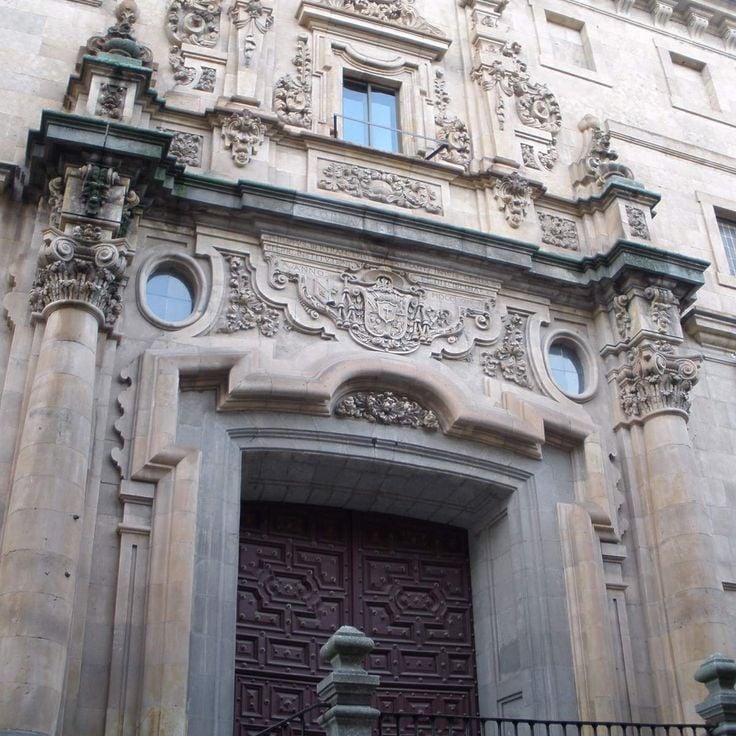
The historic centre of Salamanca shows Renaissance architecture and buildings from different periods layered throughout the centuries. The Plaza Mayor is one of the main squares of the city, surrounded by arcades that form the heart of the centre. The University of Salamanca, one of Europe's oldest, has left its mark on the city. The streets are narrow and winding, typical of medieval town centres. Many facades display detailed stonework and ornamental details from the Renaissance and Baroque periods.
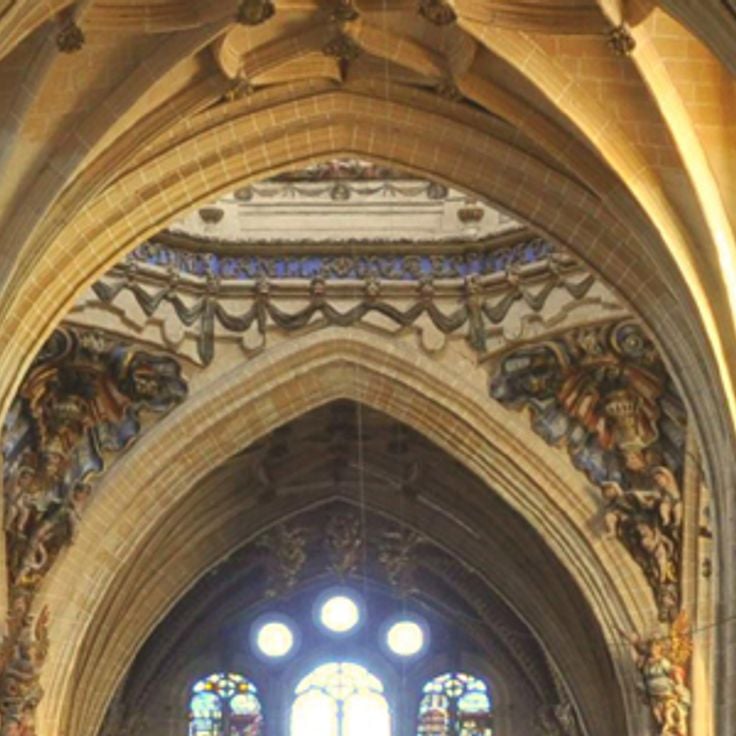
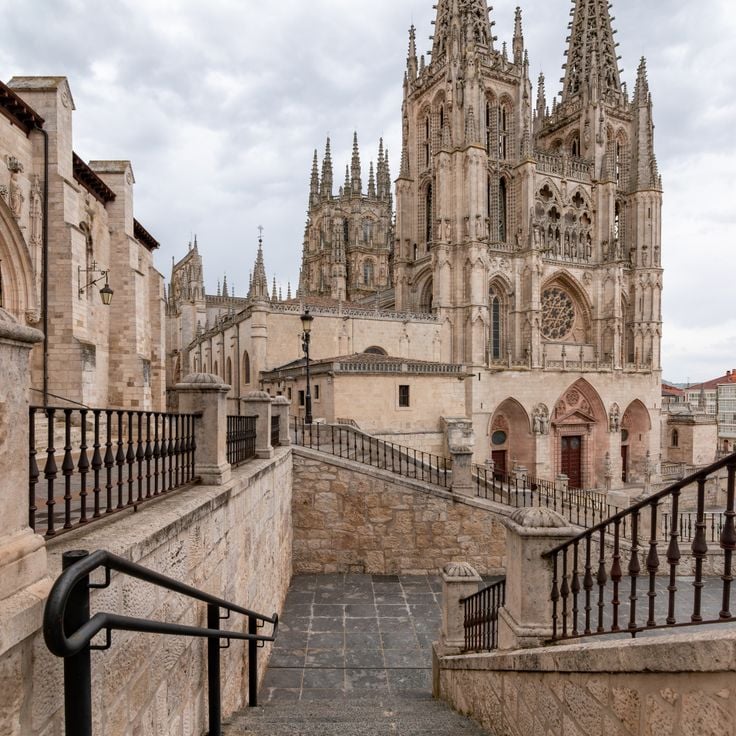
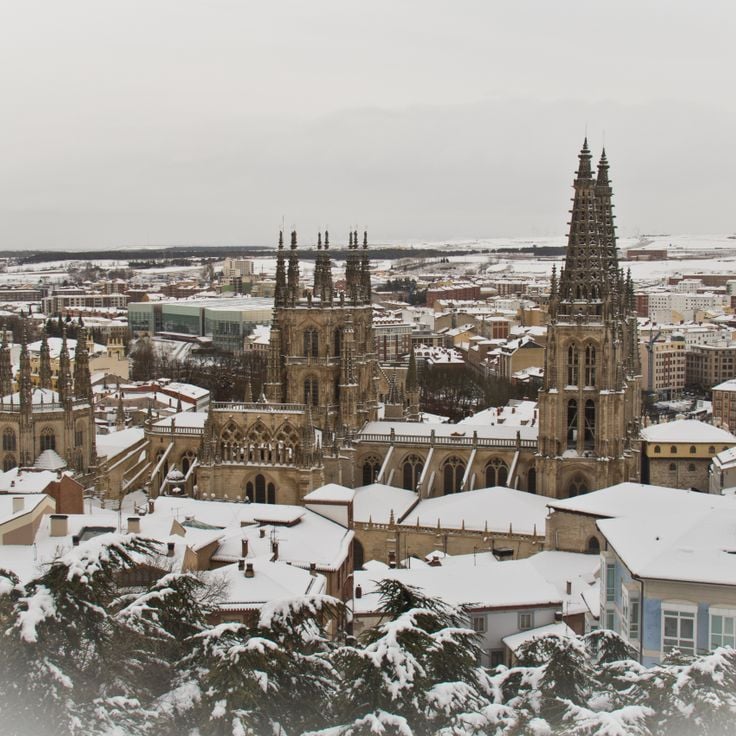
The Cathedral of Burgos is a Gothic structure recognized as a UNESCO World Heritage site. It stands out for its towering spires and richly decorated interior. The building reflects the craftsmanship of artisans across different periods. Inside, you'll find artworks and architectural details that tell the story of centuries of construction. Located in the city center, the cathedral is a significant destination for those interested in medieval architecture and religious art.
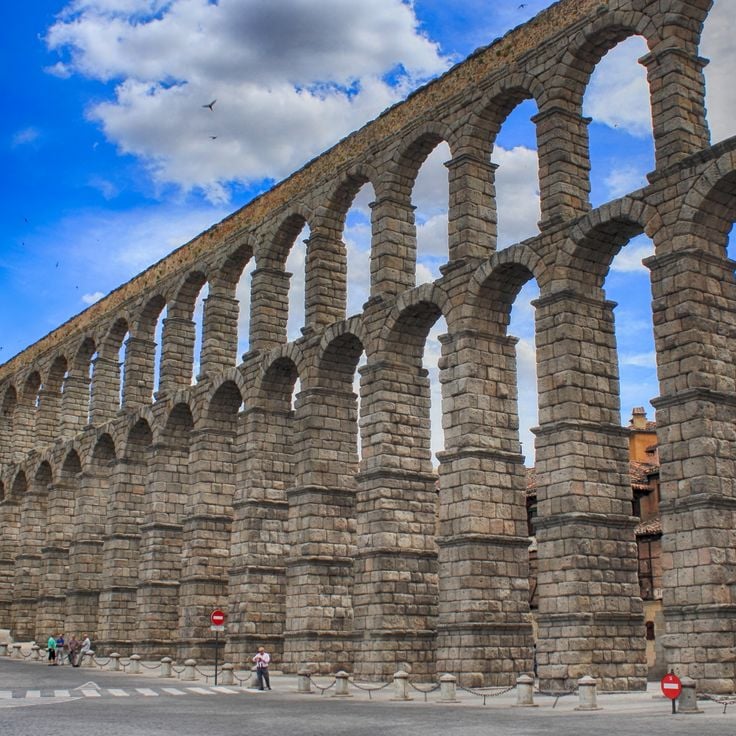
The aqueduct of Segovia is a Roman structure from the 1st century that crosses the city with impressive granite arches. This construction demonstrates Roman engineering skill and continues to shape the city landscape today. The aqueduct is one of the region's most important monuments and reflects the history of Castile-Leon, marked by Roman and medieval structures.
The University of Salamanca is one of the oldest universities in Europe and has shaped the city for centuries. The university buildings show history in their stones, with facades from different periods that generations of students have walked past. When you move through the courtyards, you feel the academic tradition that has lived here since the Middle Ages. The university is closely tied to the Plaza Mayor, the golden heart of Salamanca, where students and visitors meet and the city's life flows around it.
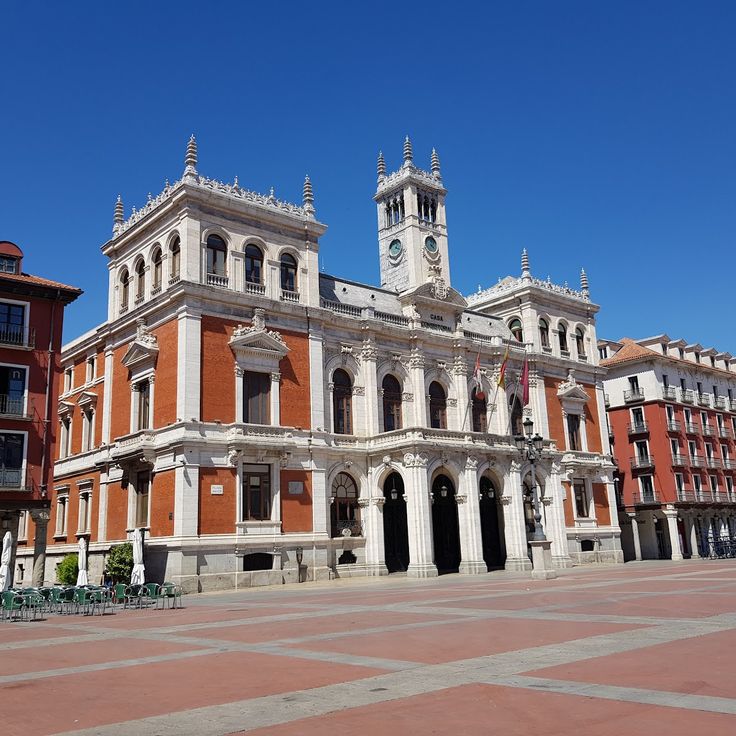
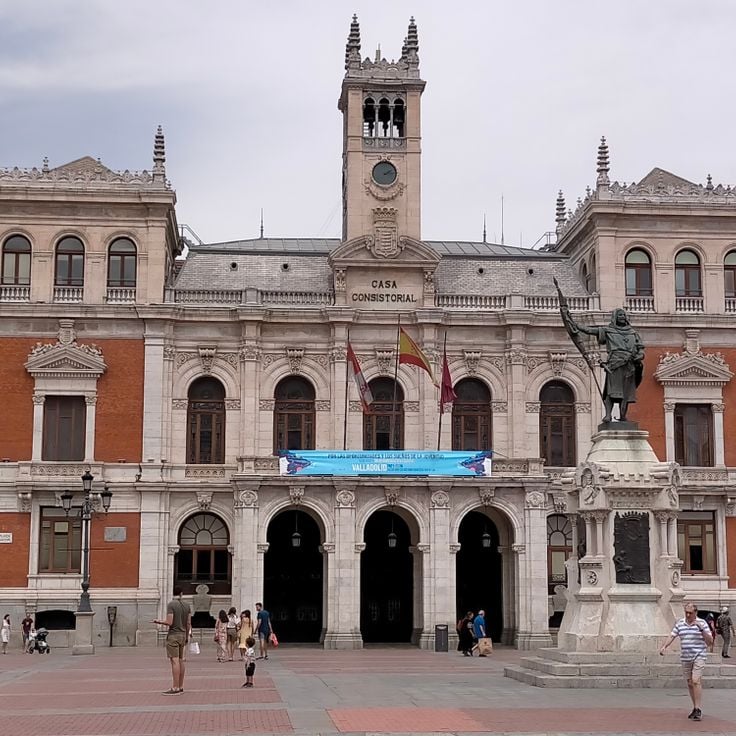
The Plaza Mayor of Valladolid sits at the heart of the city and shows the architectural heritage of the 16th century. This open square has always been a gathering place where people met, markets were held, and the city celebrated its important moments. The buildings surrounding the plaza tell the story of a time when Valladolid was a major center. Today you can walk through here, observe the facades, and understand how life in this region once worked.
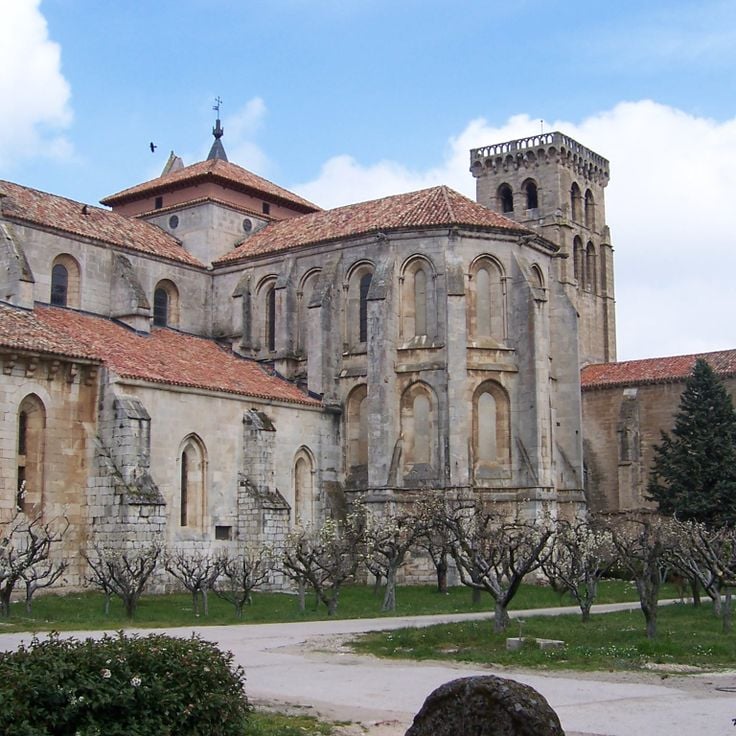
This Cistercian monastery at Burgos holds a Romanesque cloister and medieval buildings that show what monastic life looked like centuries ago. The monastery was an important religious community for women in the Middle Ages. Walking through the cloister and buildings, you see how monks and nuns organized their daily routines in these spaces. The structures remain well-kept, giving visitors a clear picture of medieval monastic living. The monastery sits within the Castile and Leon region, which contains many religious sites from different periods.
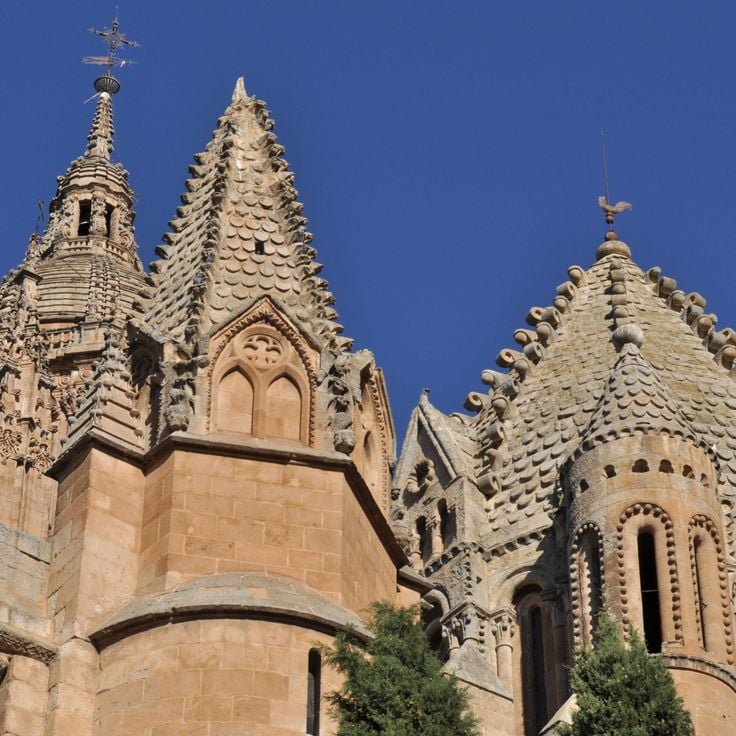
The Old Cathedral of Salamanca is a medieval church built in the Romanesque style, recognizable by its characteristic square tower. Located in the heart of this university city, it forms part of an important architectural ensemble alongside the New Cathedral. The building displays typical Romanesque features and reflects the religious and artistic importance that Salamanca held during the Middle Ages. This cathedral is a significant part of the historical heritage of the Castile and Leon region.
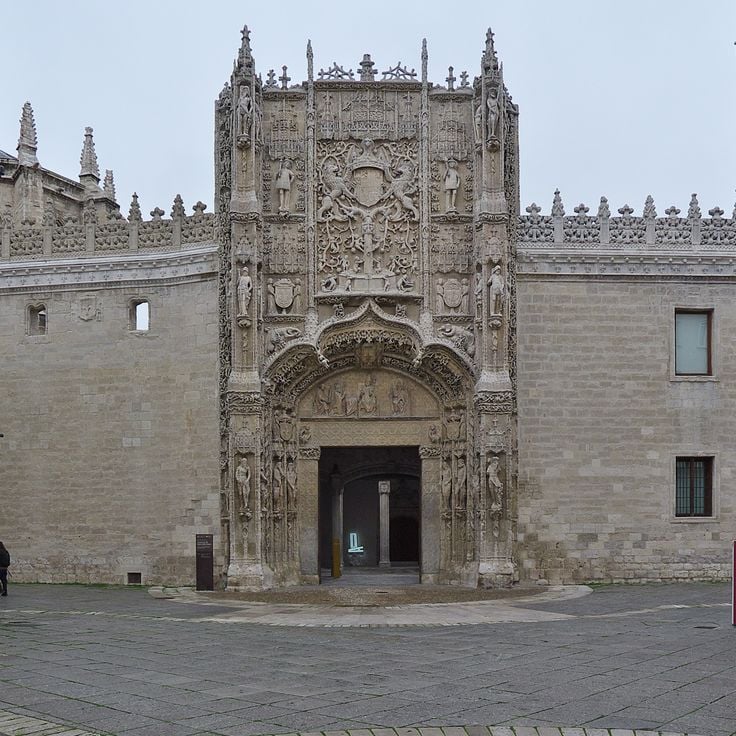
The National Sculpture Museum of Valladolid displays an important collection of Spanish sculptures from the 16th to 18th centuries. The museum occupies a historic building and presents works that reflect the artistic development of this period. Visitors can explore religious sculptures, tombs, and decorative pieces that come from different regions of Spain. The museum offers insight into the craftsmanship and artistic movements that shaped Spanish art during these centuries.
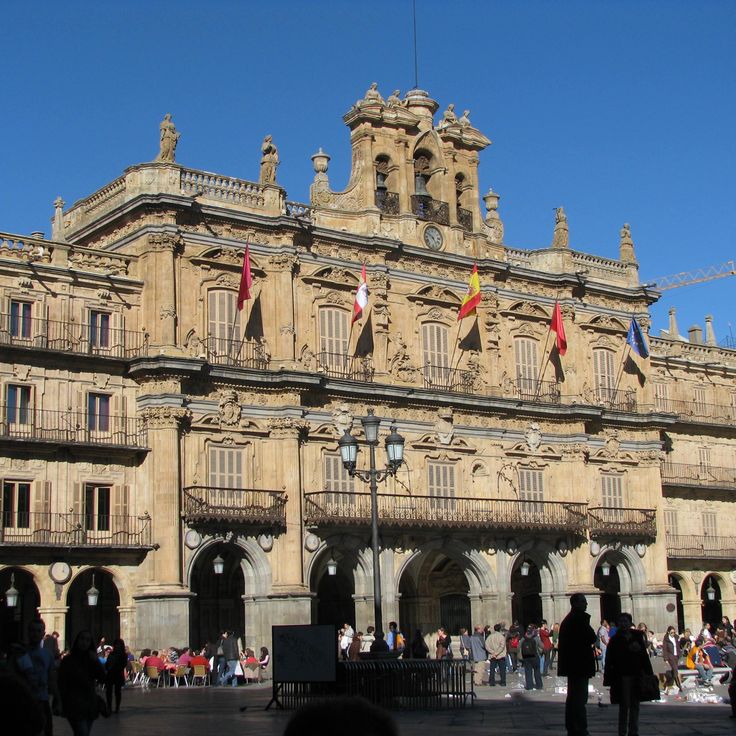
Plaza Mayor de Salamanca sits at the heart of the city and serves as a gathering place for residents and visitors alike. This large rectangular plaza is framed by galleries and arcades that provide shade and shelter. The surrounding facades shine with a golden hue when the sun hits them. Around the plaza, you find restaurants, cafes, and shops that define daily life here. The arcades create a sense of enclosure while still feeling open, making it a comfortable place to spend time.
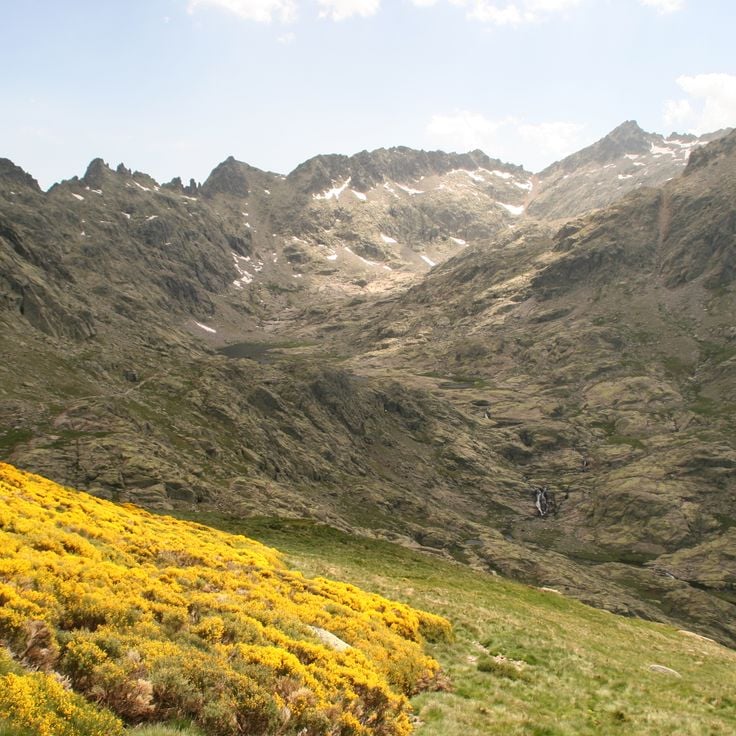
The Sierra de Gredos Natural Park is a mountainous area in Castile and Leon with high peaks, mountain lakes, and wildlife. The park sits in the mountain range between Castile and Extremadura and has trails that run through alpine landscapes. You will find lakes at high altitudes, meadows, and forests with diverse animal life, including ibex and eagles. This park is part of a region known for its medieval villages, castles, and Romanesque monasteries.
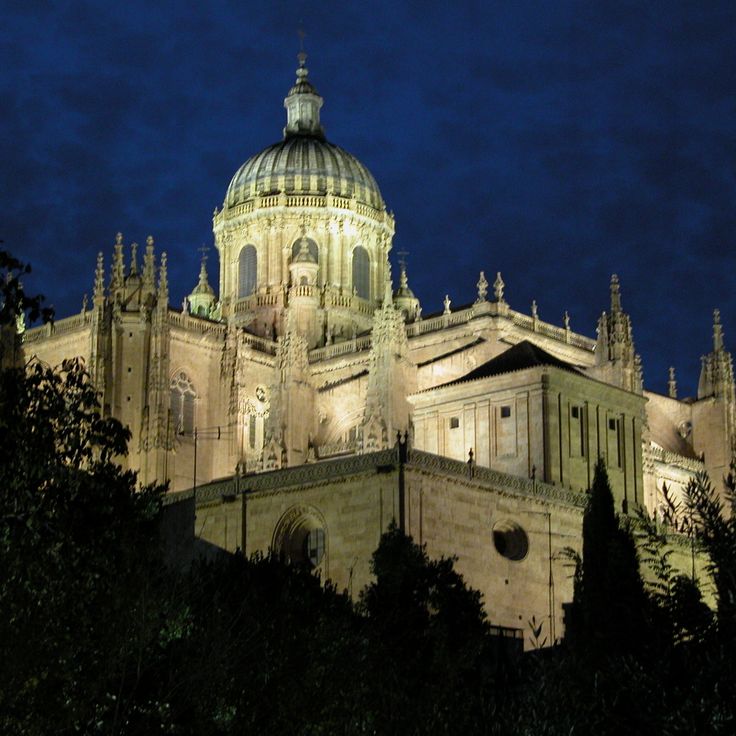
The New Cathedral of Salamanca stands beside the Old Cathedral and represents the Renaissance style of this Spanish city. Built over several centuries, it combines Gothic and Renaissance elements. The facade features detailed sculptures and decorations. Inside, you will find high vaults and ornate details. This cathedral is part of Salamanca's historic center, where you can also visit the famous Plaza Mayor.
León is an old city in northern Spain with medieval streets and historic buildings. The city was an important stop on the road to Santiago de Compostela. Here you will find the Gothic cathedral of León, one of the finest in Spain, with its large windows and impressive architecture. The old town invites you to walk through narrow streets where you discover old houses, small squares, and traces of different periods. León shows you the history of this region at every turn.
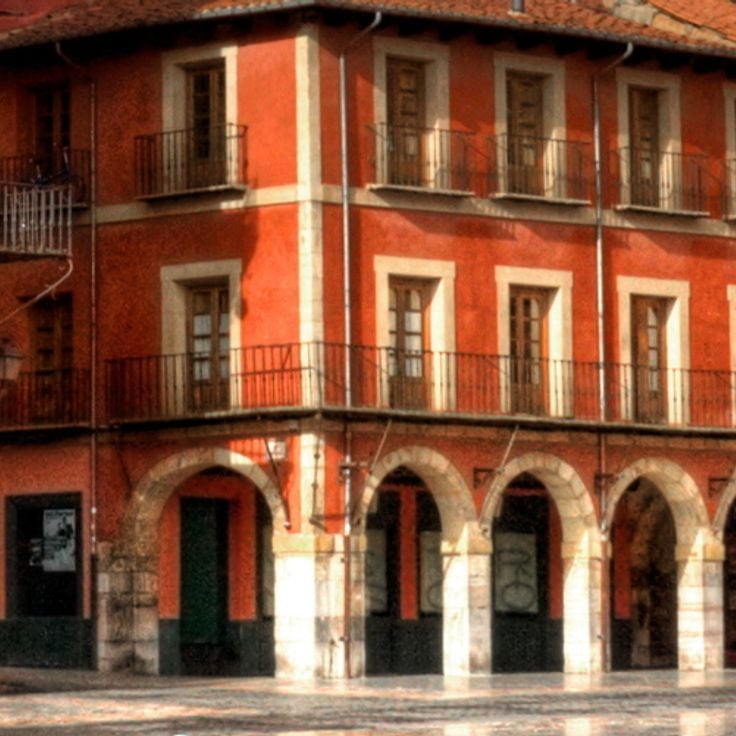
Valladolid is a city in the heart of Castile-León that served as a royal residence for centuries. The main plaza is surrounded by arcades and historic buildings that tell the story of different periods of architecture. The city became an important center for politics and culture in the region. Today, visitors can walk through streets lined with Renaissance palaces, churches, and museums. The plaza itself is a gathering place where people meet, shop, and experience daily life in the city.
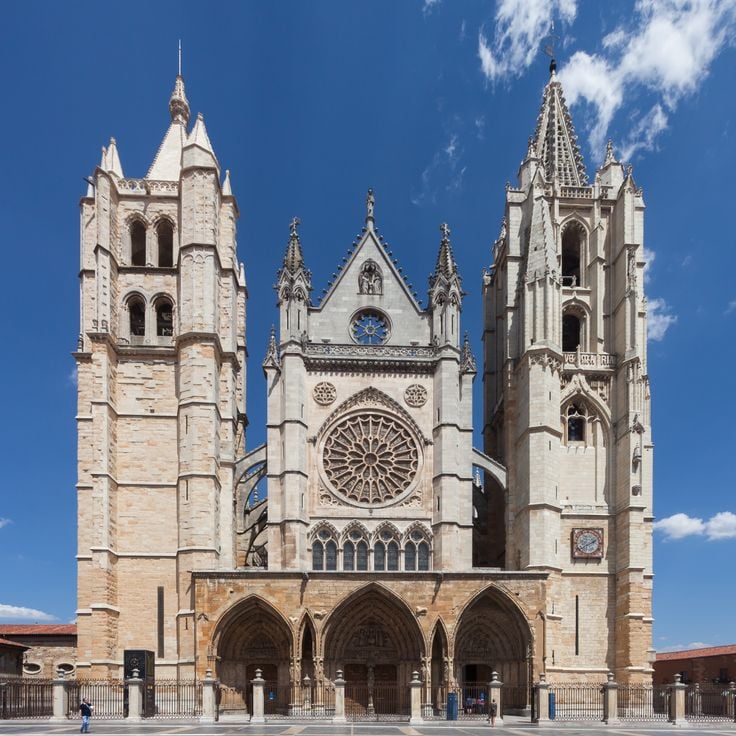
The Cathedral of León is one of Spain's finest examples of Gothic architecture, built over centuries by skilled craftsmen. The exterior features elaborate stone carvings and ornate doorways that draw your eye upward. Inside, the space feels open and soaring, with massive walls of colored glass windows that flood the interior with light. These windows tell religious stories and scenes of daily medieval life. The cathedral served as a major stop for pilgrims traveling to Santiago de Compostela and remains a powerful symbol of León's role in medieval Spain.
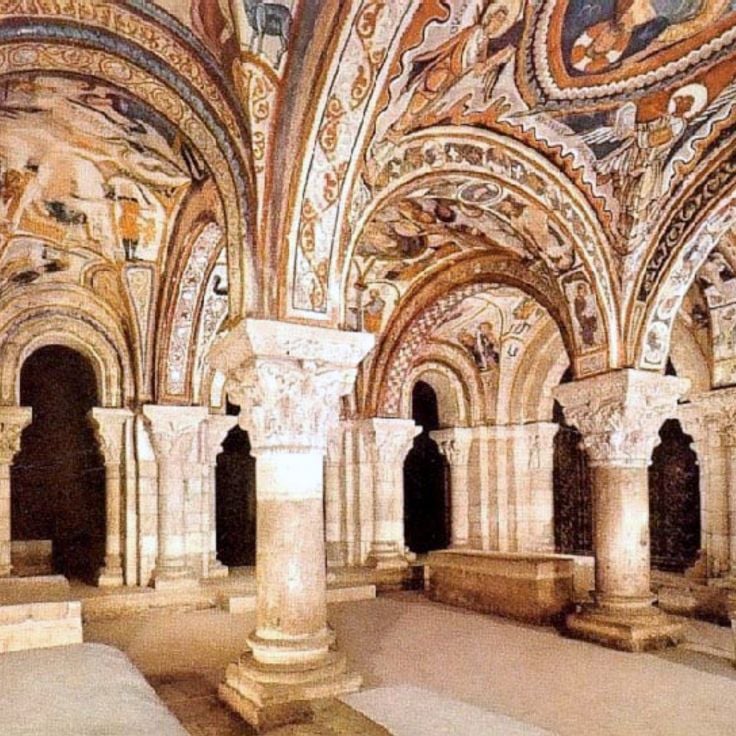
The Basilica San Isidoro in León is a Romanesque church that serves as both a royal mausoleum and a religious sanctuary. Inside, visitors find the tombs of various medieval Spanish kings and queens. The adjoining museum displays an extensive collection of reliquaries and sacred objects from different periods. The building's Romanesque architecture features distinctive stone columns, arches, and decorative elements. This site shows how religious and royal power were closely connected during the medieval period in Spain.
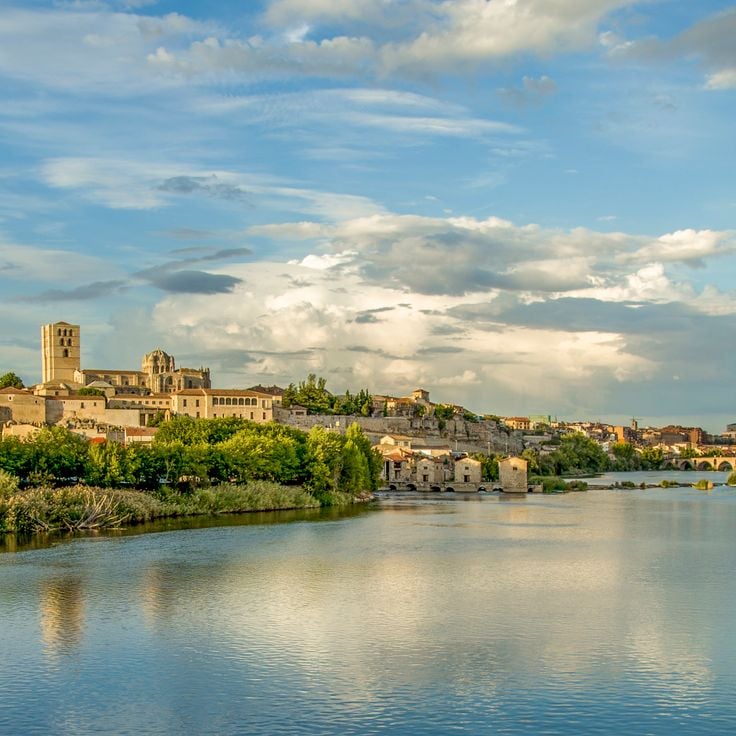
The centre of Zamora reveals the medieval history of this Castilian city. Romanesque churches and buildings shape the townscape, while narrow cobbled streets run between the houses. The city preserves its old structures and offers a glimpse into the past of this region in northern Spain.
Burgos is a medieval city in northern Spain known for its Gothic cathedral and historic center. The cathedral dominates the skyline with its soaring towers and intricate stonework. Narrow streets wind through the old town, lined with buildings that speak to centuries of history. The city was a major stop on the pilgrimage route to Santiago de Compostela. Burgos shows how this region developed through trade, faith, and the movement of people across Spain.
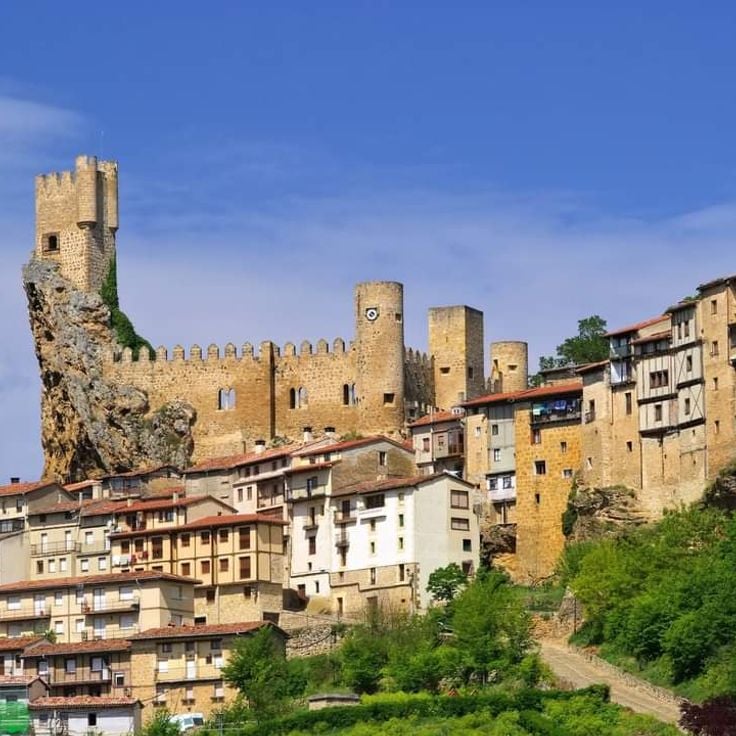
Frias is a small medieval town situated on a hillside in the Castilla-Leon region. Sturdy walls once enclosed the settlement, and a castle stands above the town center. Walking through the narrow streets lined with stone houses, you can see how people lived in the Middle Ages. The fortifications are still visible, offering views of the landscape around them. This town is one of many fortified settlements that dot the northern Spanish plateau.
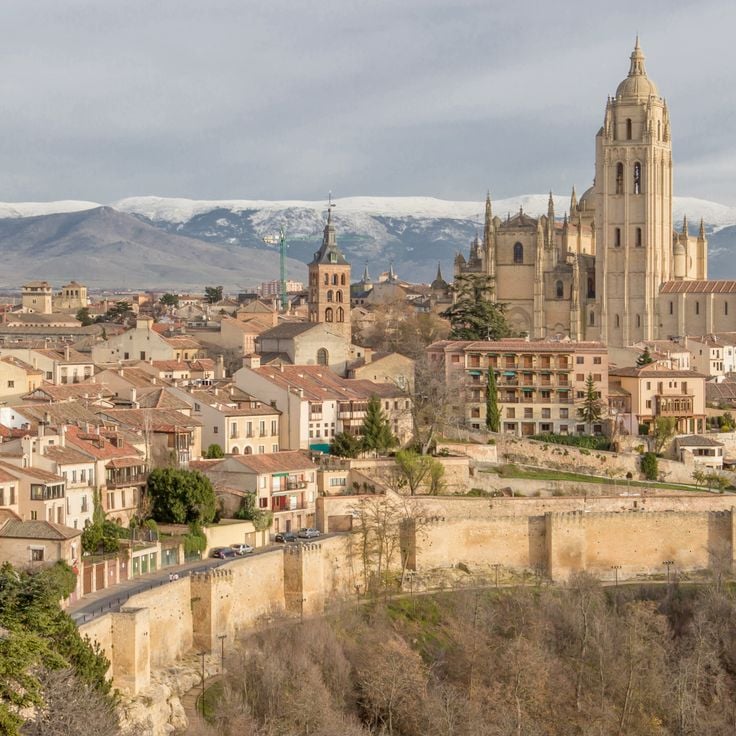
Segovia sits on high ground with medieval architecture and views across the landscape. This city shows the diversity of the Castille-et-Leon region through its historic old town, which documents medieval settlement patterns. The location represents how urban traditions connect with the natural terrain of the northern Spanish plateau.
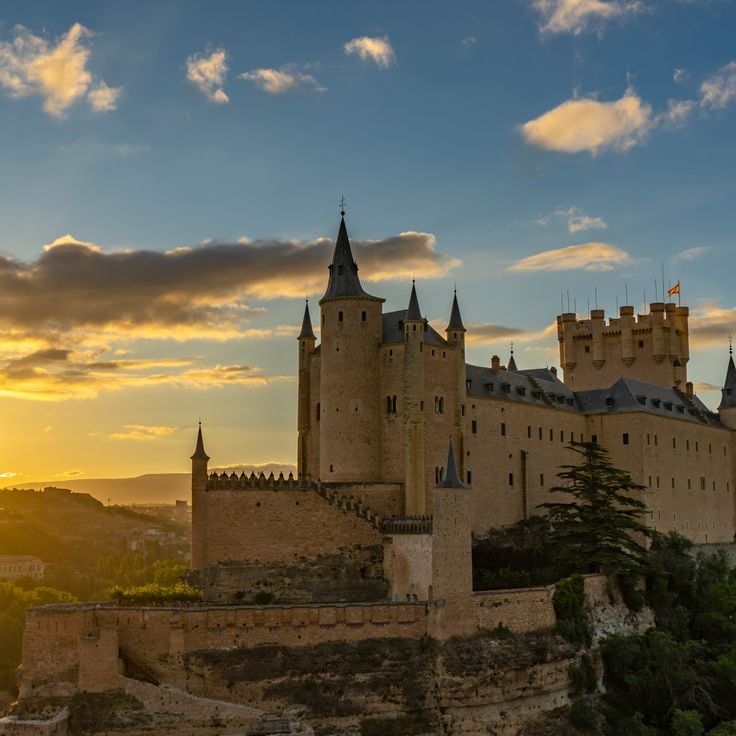
The Alcazar of Segovia is a fortified palace with defensive towers that commands views over the valley below. This imposing structure represents the medieval architecture found throughout Castile and Leon and demonstrates why Segovia was such an important defensive position in northern Spain.
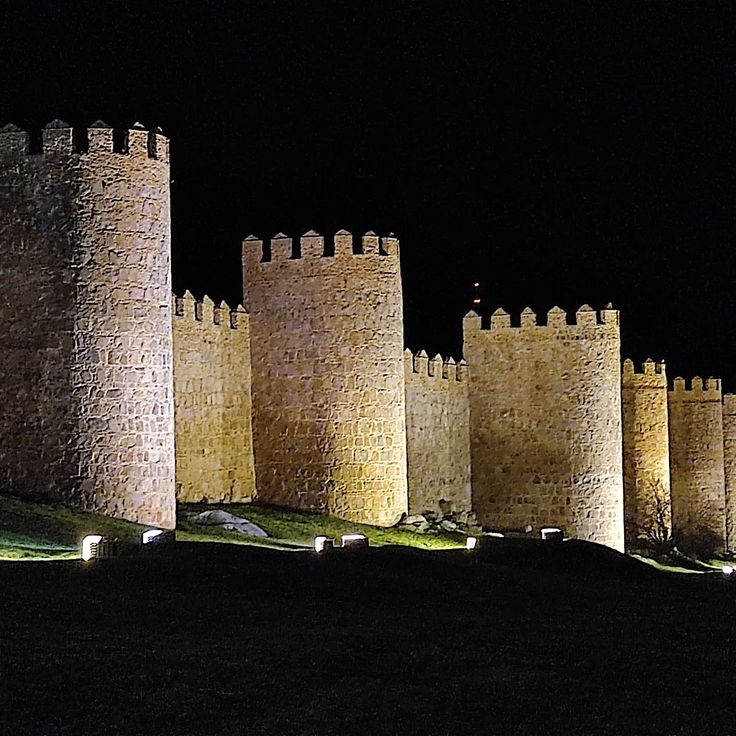
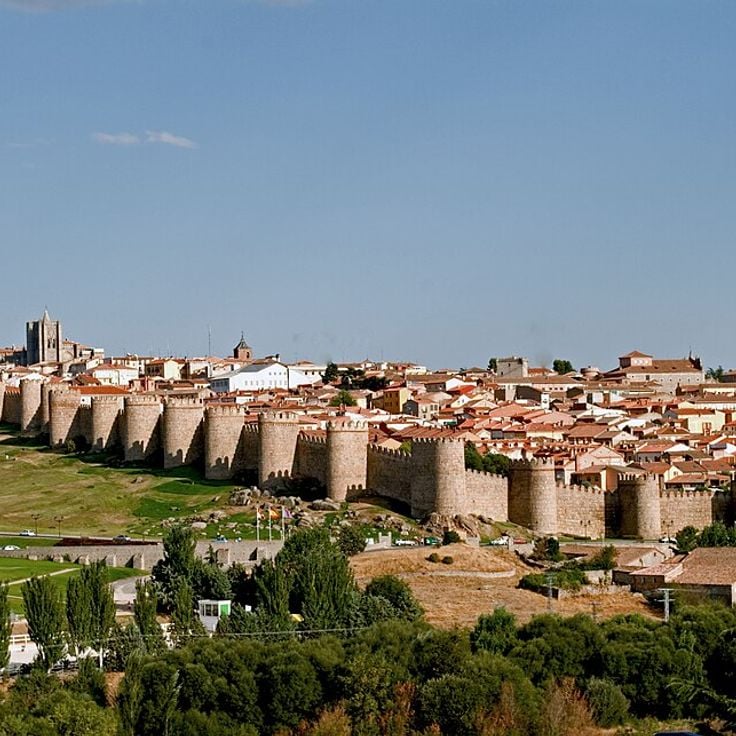
The walls of Avila stand as one of the most complete medieval fortifications in Spain. Built in the 11th century, they encircle the city with stone ramparts punctuated by towers and gates. Walking along these walls gives you views over the old town and the surrounding plains. You can trace the entire perimeter and step through the original gates that once controlled who entered and left the city. The fortification shows how medieval cities protected themselves and organized their defense.
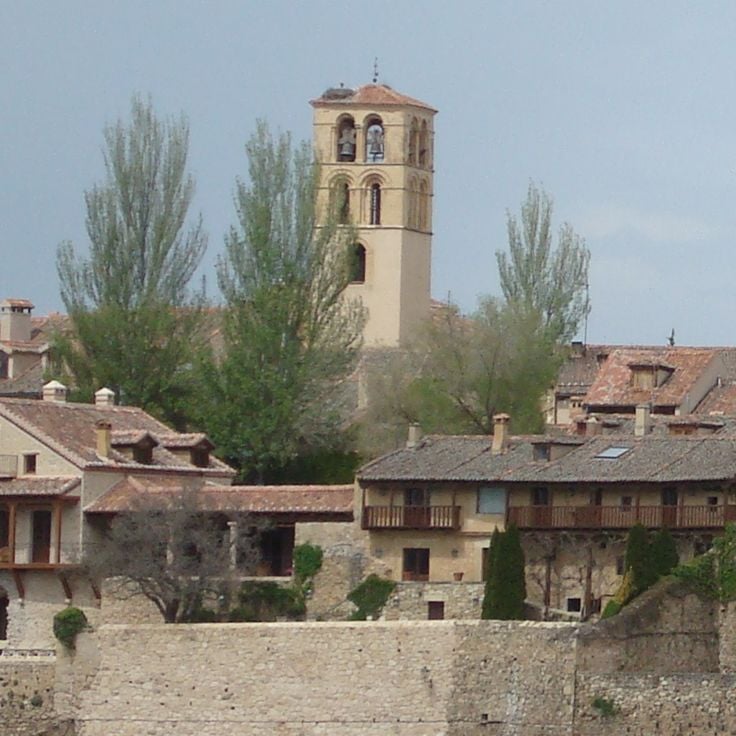
This medieval village of Pedraza is a small settlement with old houses, a central square, and a medieval character. It represents the kind of fortified village common throughout this region of Castile and Leon, with stone-paved streets and buildings that have survived across the centuries. The central square serves as a gathering point where you can observe the daily rhythms of village life.
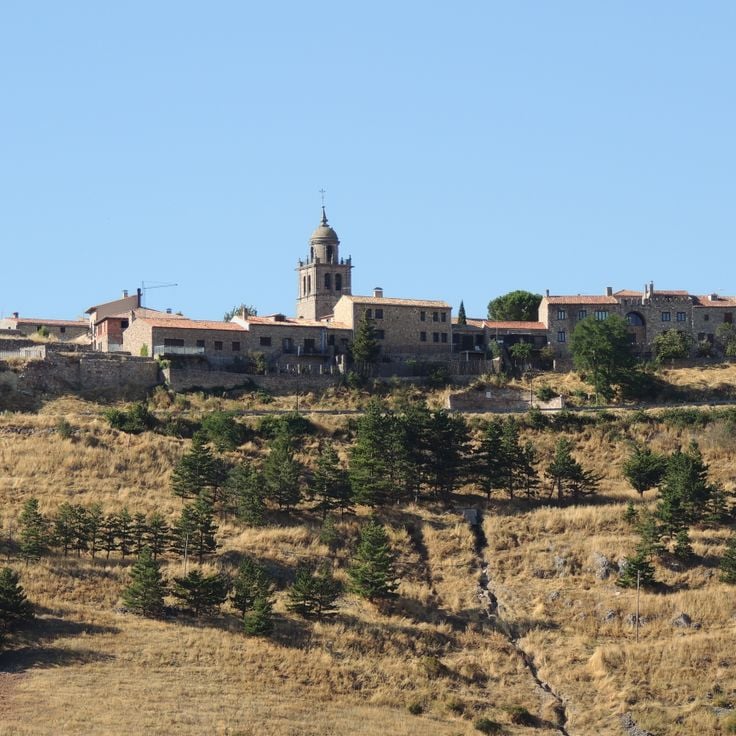
Medinaceli is a village in Castile and Leon set on a plateau and distinguished by a Roman arch from the 1st century. The settlement displays medieval structures in its streets and squares, while the ancient Roman arch stands as evidence of the region's long history. The surrounding landscape consists of high plains that open up across the terrain.
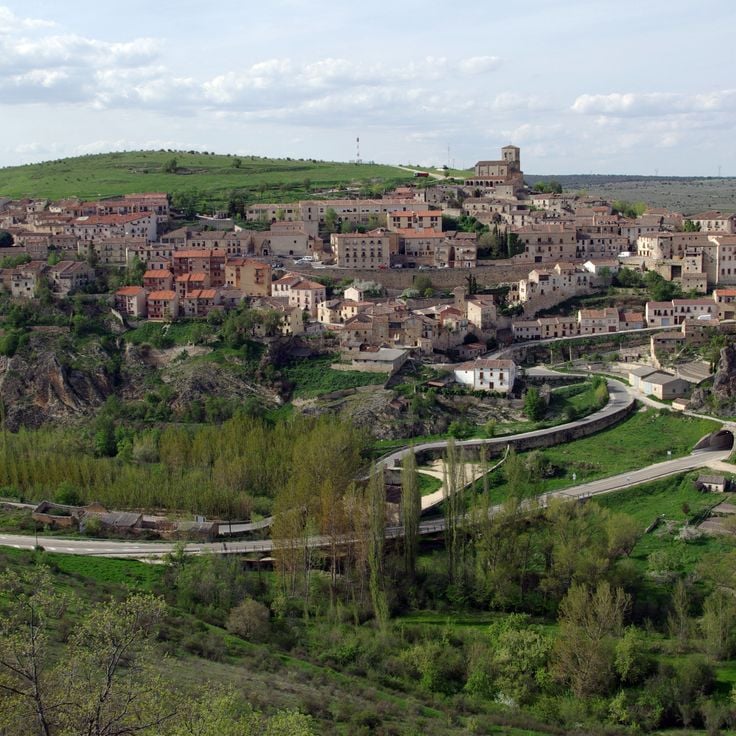
Sepúlveda is a historical town perched above the Duratón gorges. In this collection about Castile and León, it represents the medieval settlements of the region that have kept their old walls and paved streets. The town shows how people lived on these hills and shaped their lives around the dramatic landscapes of river gorges and high plateaus.
Avila is a medieval town completely surrounded by well-preserved city walls. These fortifications date from the 11th century and represent some of Spain's finest examples of medieval defensive architecture. The walls contain towers and gates that still define the town's character today. Inside the fortifications, you will find churches, narrow streets, and squares that reflect daily life in a fortified medieval settlement. Visitors can walk along the walls themselves, which offer views of the town and the surrounding landscape.
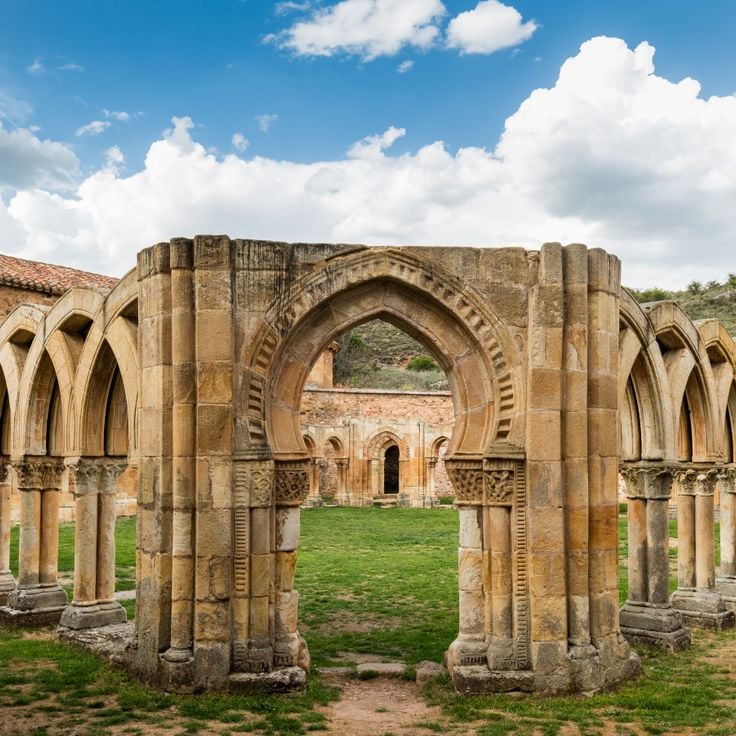
The monastery of San Juan de Duero stands in Soria as a remnant of Romanesque architecture in Castile and Leon. The ruins reveal a decorated cloister with Romanesque features and construction details. Walking through the site gives a sense of the spiritual and cultural role this monastery once played in the region. Visitors can examine the remaining structures and observe the craftsmanship in the cloister's stonework, which reflects the skill of medieval builders.
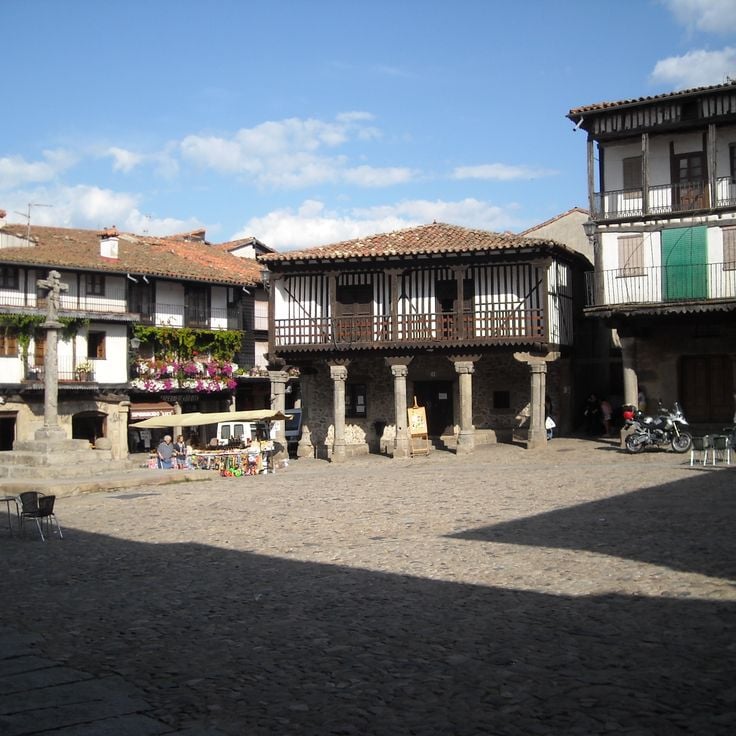
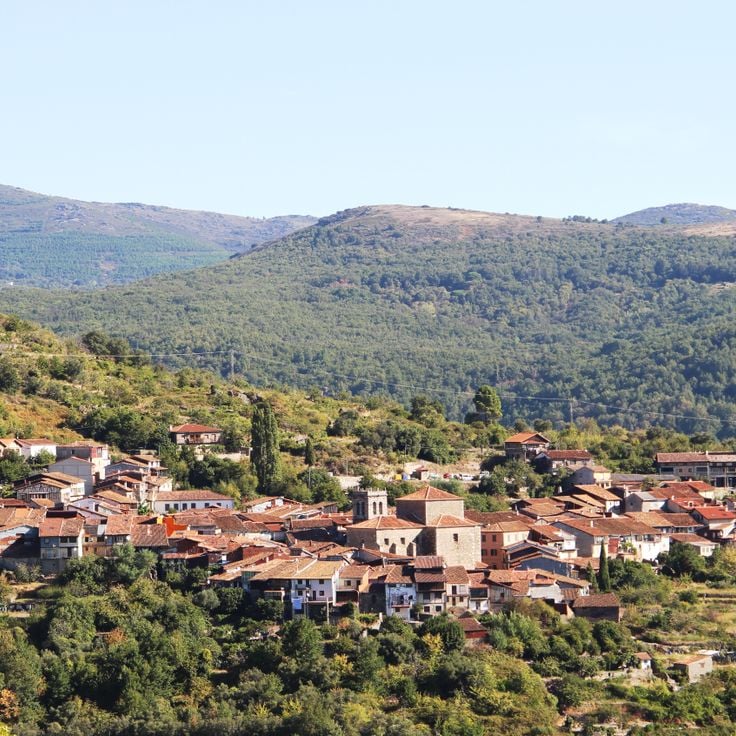
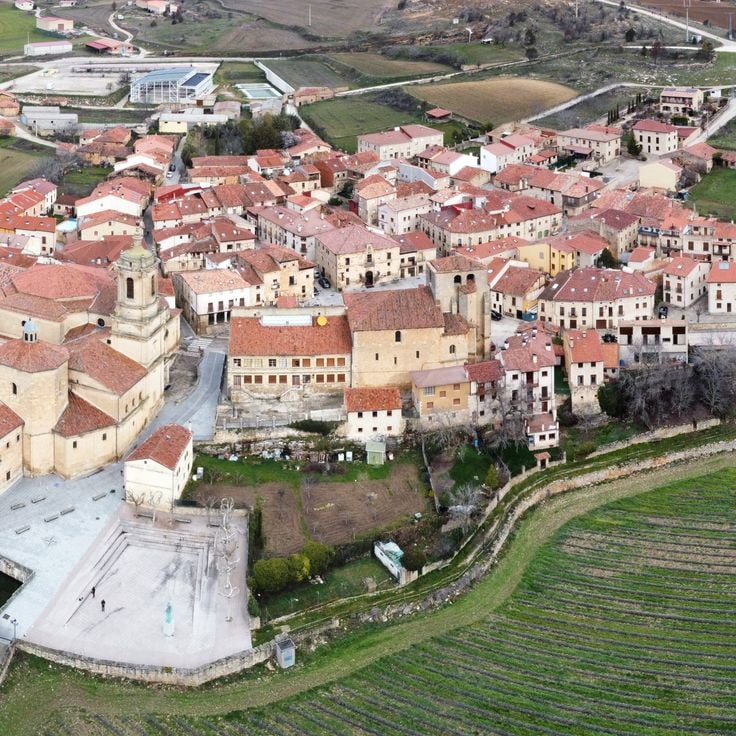
La Alberca is a traditional village in the Sierra de Francia that has kept its historic architecture. Narrow streets wind between stone and timber houses that have been maintained over generations. The village shows how people lived here over the centuries, with its squares, fountains, and the rhythm of rural life. This village is part of the diverse Castile and Leon region, which spans from medieval cities to isolated sanctuaries in the countryside.
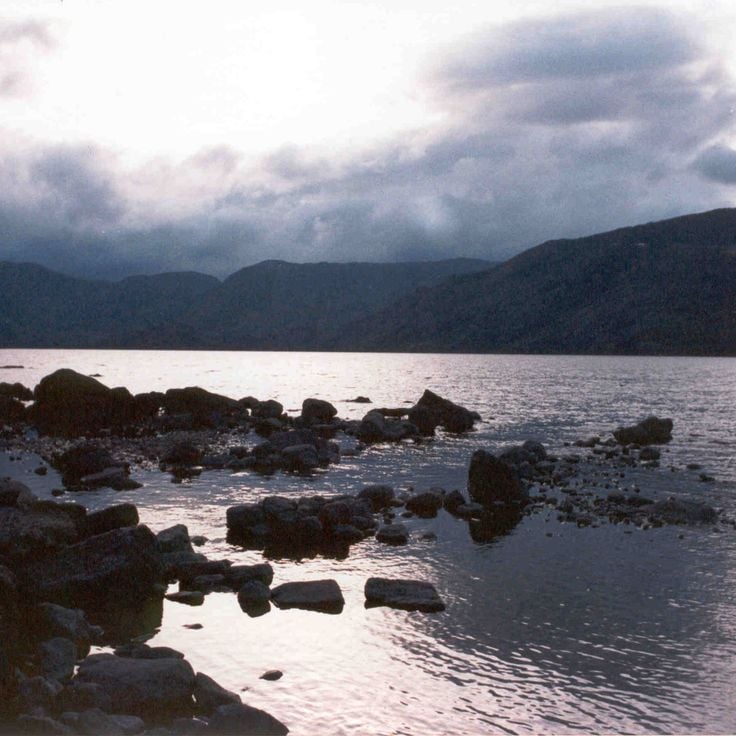
The Lago de Sanabria park sits within this region and holds Spain's largest glacial lake. The water reflects the surrounding mountains and invites walks along the shoreline. The landscape shifts between thick forests and open heights where you can spot eagles and other birds. Small villages by the lake shore preserve local ways of life and offer places to rest.
Mogarraz is a village known for the painted portraits that decorate its house facades. These artworks turn the buildings into a living gallery that reflects the identity and history of the residents. The village fits into the medieval tradition of Castille-et-Leon and shows how small communities transform their homes into expressions of local culture.
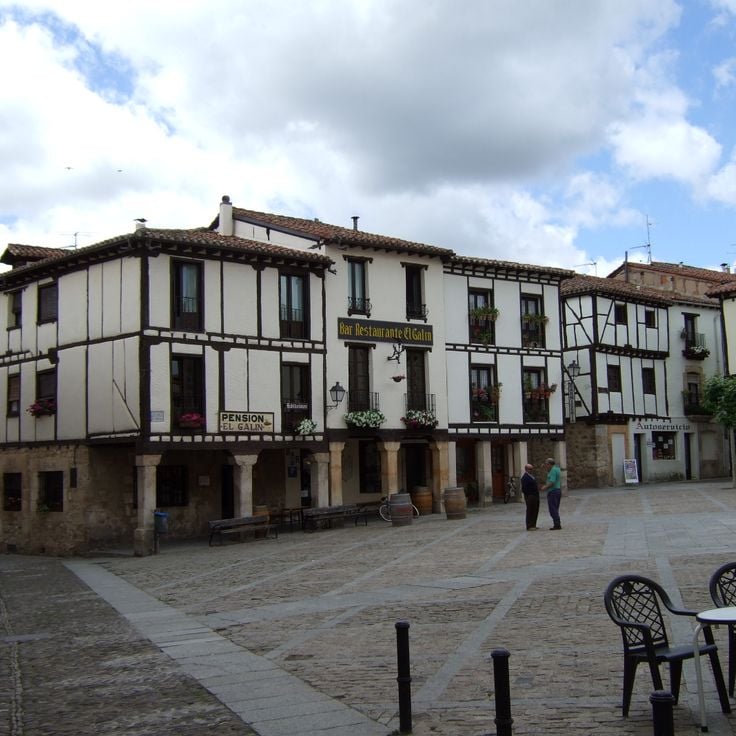
Covarrubias is an old village in this history-filled region, with half-timbered houses and historic squares that reflect life from earlier times. The streets of the village lead past buildings that have lasted for centuries, with their characteristic wooden beams and stone walls. This place shows how people lived and worked in the past in Castile and León.
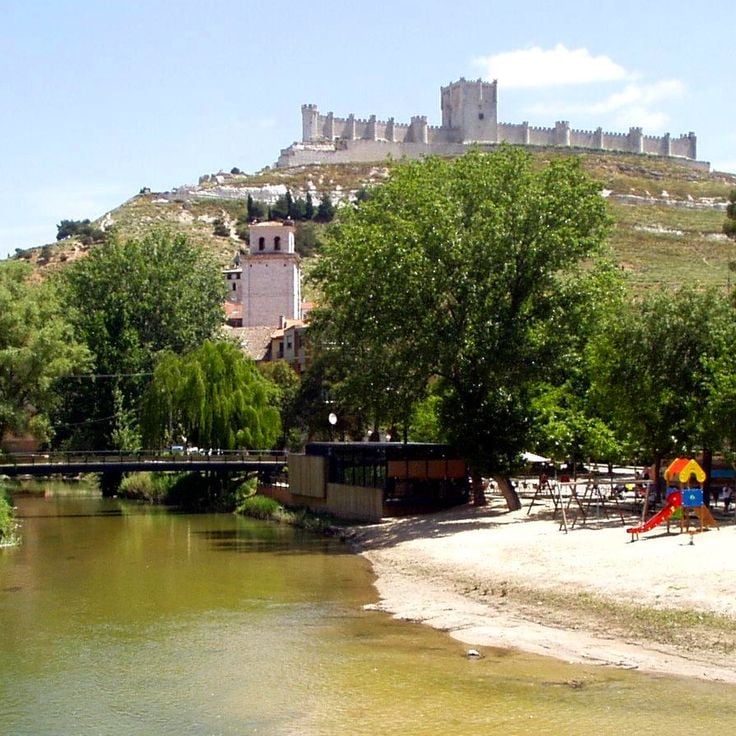
The Castle of Peñafiel is a fortress that rises above the wine region and now houses a wine museum. From its walls, you can see across the valleys and villages of the area. The castle reveals how wine production has shaped this region for centuries. Visitors can explore both the fortress history and local wine traditions here.
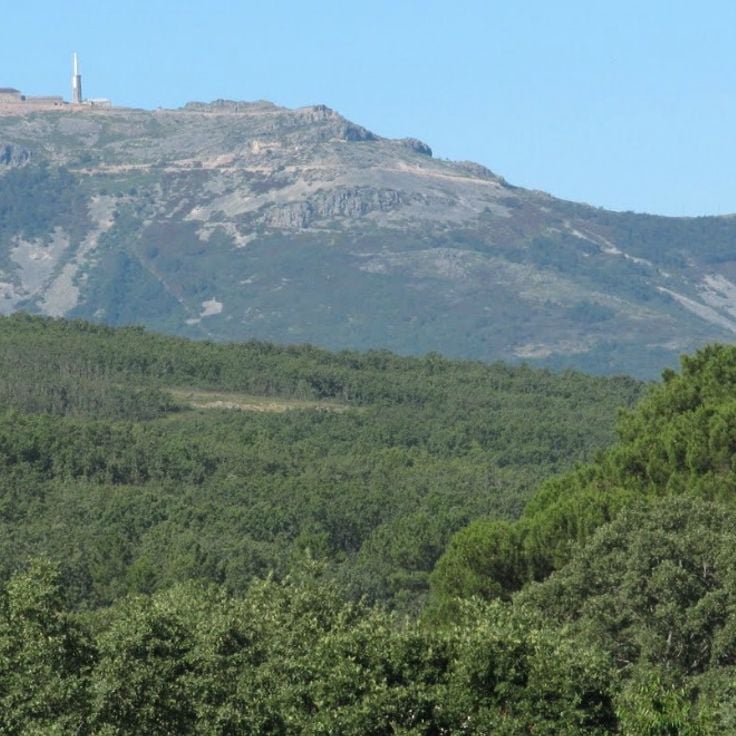
The Natural Park of Las Batuecas Sierra de Francia is part of the diverse landscape that defines this region of Spain. This park features forested mountains and small traditional villages nestled in the valleys. Visitors can hike through woodland and mountain terrain while discovering rural settlements that maintain their historic character. The park represents the natural heritage of Castile and Leon, complementing the region's famous cities, cathedrals, and medieval fortified towns.
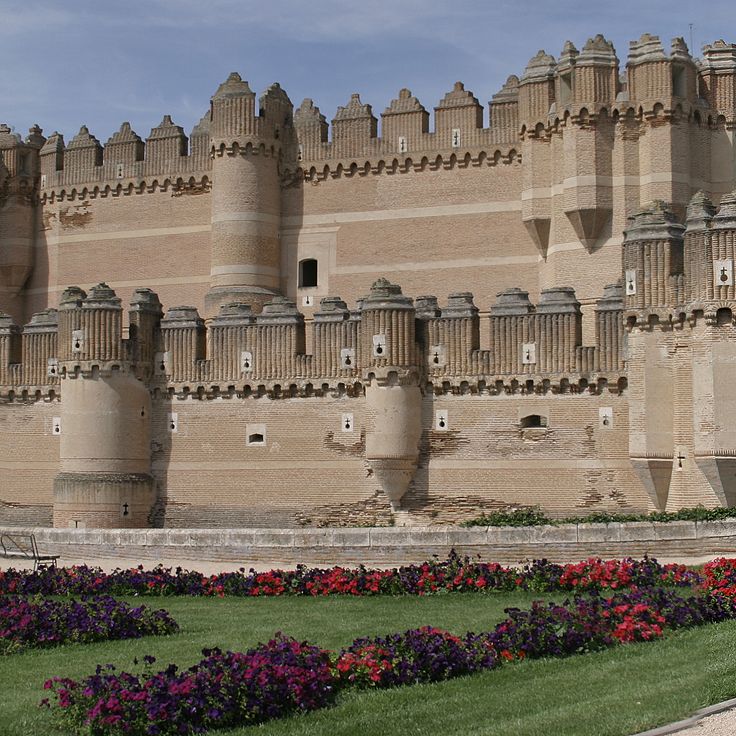
This castle is a Mudejar fortress with ornate walls and towers that shaped the region's military architecture. The construction shows how European and Islamic style elements came together in a single structure. Its form and decorative details tell the story of a time when different cultures coexisted in this area.
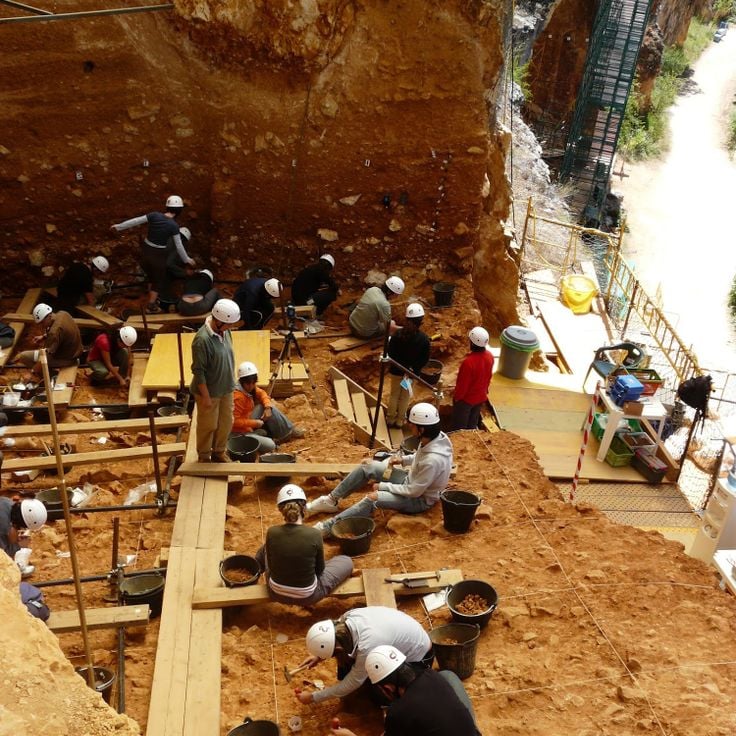
The archaeological site of Atapuerca is a UNESCO World Heritage location in the Castile and Leon region that holds fossils of human remains from the Pleistocene era. Excavations in several caves at this site have revealed traces of very ancient human settlement. The discoveries show how people lived in this area hundreds of thousands of years ago. The site draws visitors interested in early human history and in exploring the natural cave formations.
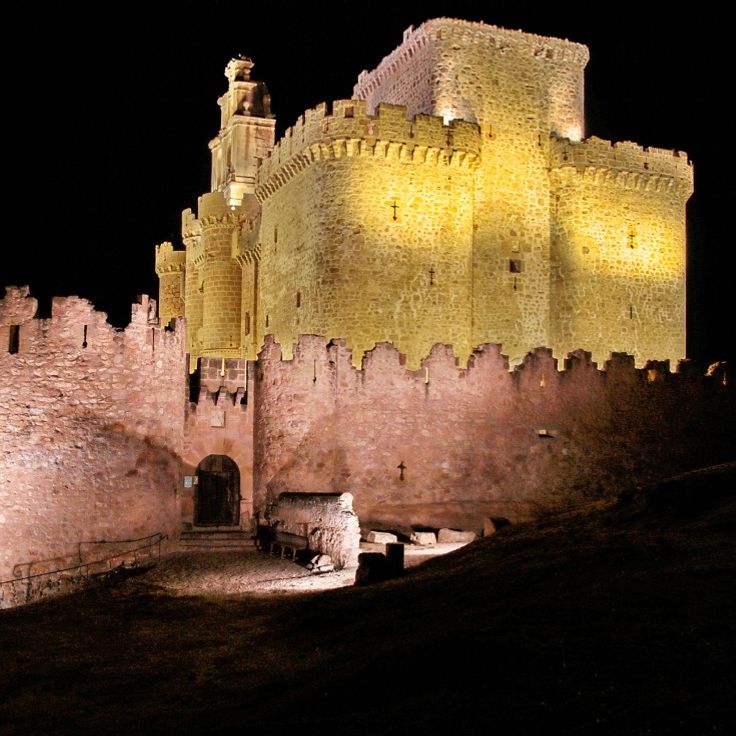
Turegano Castle is a medieval fortress in the Castile and Leon region. What makes this castle distinctive is that a church sits directly inside the fortress walls. The stonework and towers show features typical of medieval military architecture. The castle sits on a hilltop overlooking the surrounding countryside and villages. Walking through it, you can see how the fortress developed over time through different building phases.
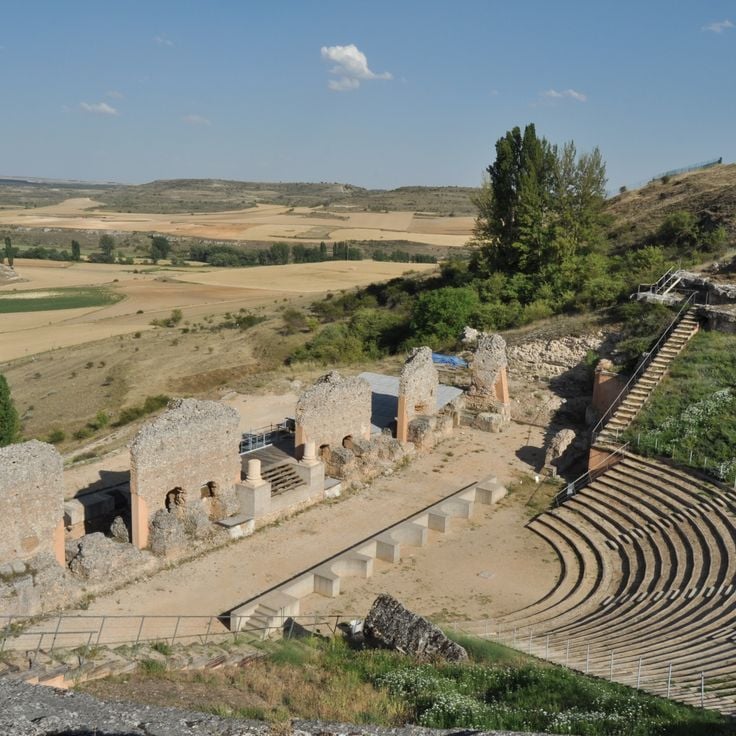
The Roman city of Clunia Sulpicia in Peñalba de Castro contains the remains of an ancient settlement. Visitors can see the ruins of a theater and various buildings scattered across the site. The layout of houses and fragments of public structures give a sense of how people lived here during Roman times. Walking through these archaeological remains tells the story of a significant city from the past.
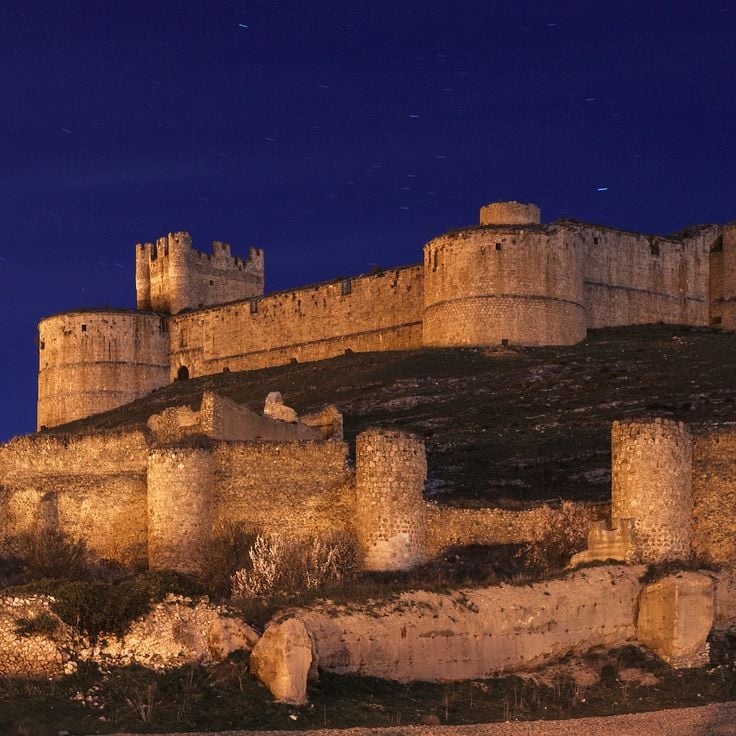
The Château de Berlanga de Duero stands on a hilltop overlooking the village and the surrounding terrain. The ruins of this medieval fortress still show the structure of its walls and give a sense of the region's past. The castle once served as an important point to control the area and the Duero valley. Today, visitors can walk through the remains and experience the history of this fortress.
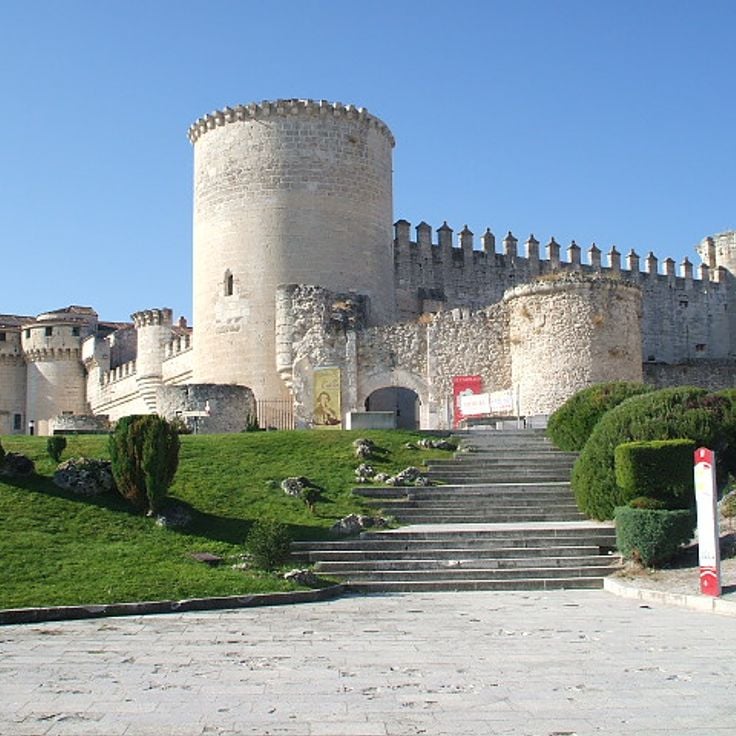
The Castle of Cuellar is a 15th century fortress that defines the character of this town in Castile and Leon. Its angular towers and moats show the defensive construction typical of that era. The structure stands at the heart of the medieval settlement and demonstrates the strategic importance that Cuellar held for the region.
The Benedictine monastery of Santo Domingo de Silos displays the Romanesque style that was common throughout this region of Castile-and-Leon. The cloister features carved capitals created by medieval stonemasons, depicting biblical scenes. The monastery sits near the Way of Saint James and served as a significant stop for pilgrims traveling through the area. The spaces within the monastery offer insight into the life of the Benedictine monks who inhabited it for centuries.
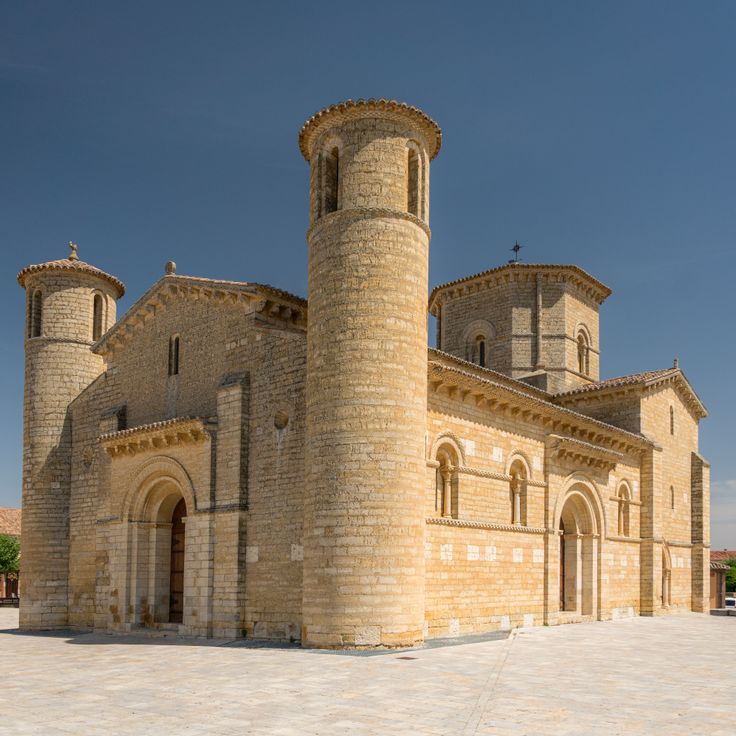
The Church of San Martín de Fromista is an 11th-century Romanesque church standing at an important point along the road to Santiago de Compostela in this region. The building has a simple facade decorated with columns and carved capitals that show the craftsmanship of Romanesque architecture. Visitors can experience the medieval stonework and stand in the quiet space that has occupied this location for nearly 900 years.
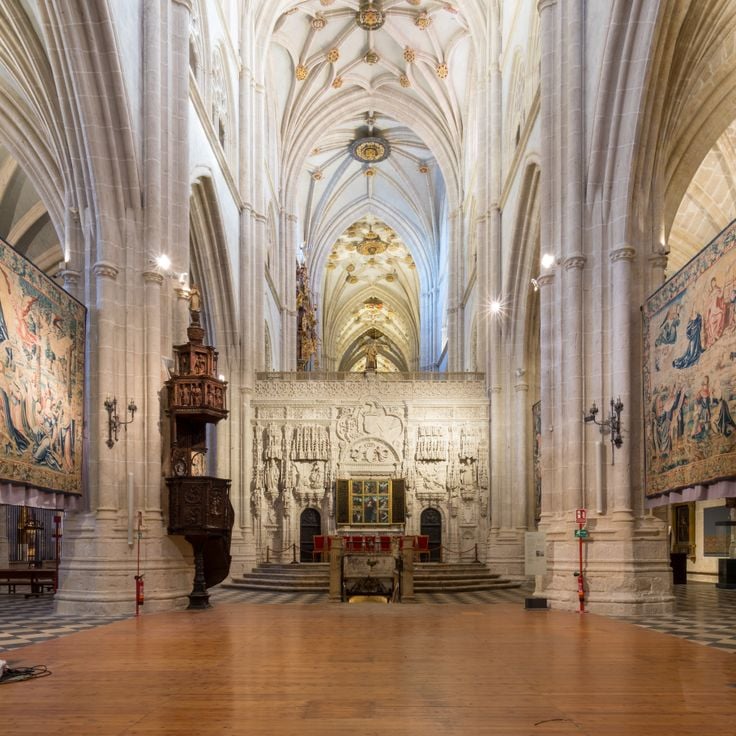
The Cathedral of Palencia stands as a Gothic structure within the Castille-Leon region. Its interior is filled with stained glass windows that cast colored light across the stone walls, and the main altarpiece displays carved details that reflect the craftsmanship of its time. This building shows how communities in this area built their religious centers and the importance they placed on these spaces.
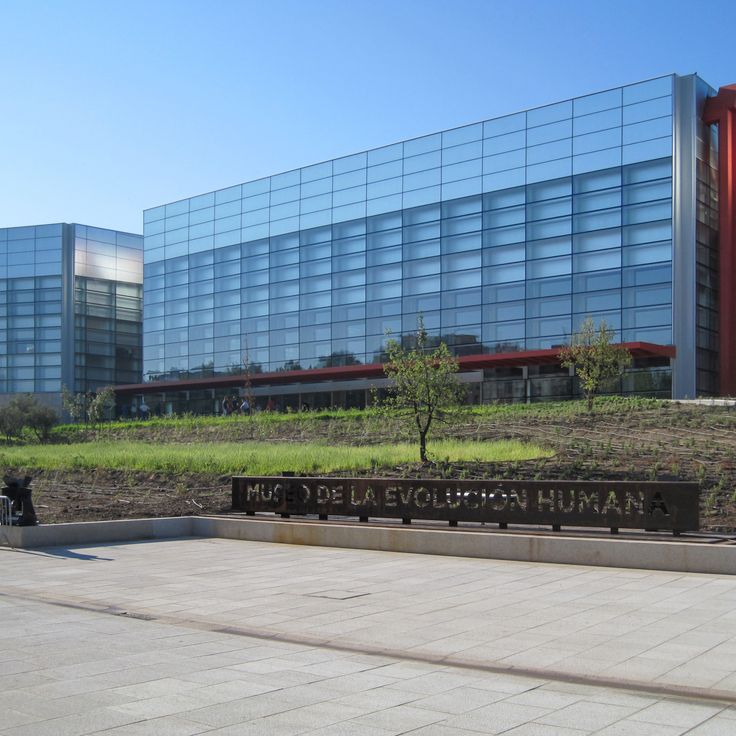
The Museum of Human Evolution in Burgos displays fossils and discoveries from the famous caves of Atapuerca. The collections here show remains that span more than a million years of human history. Visitors can see how early humans developed and what traces they left in this region. The museum offers a window into human origins through archaeological findings and scientific displays.
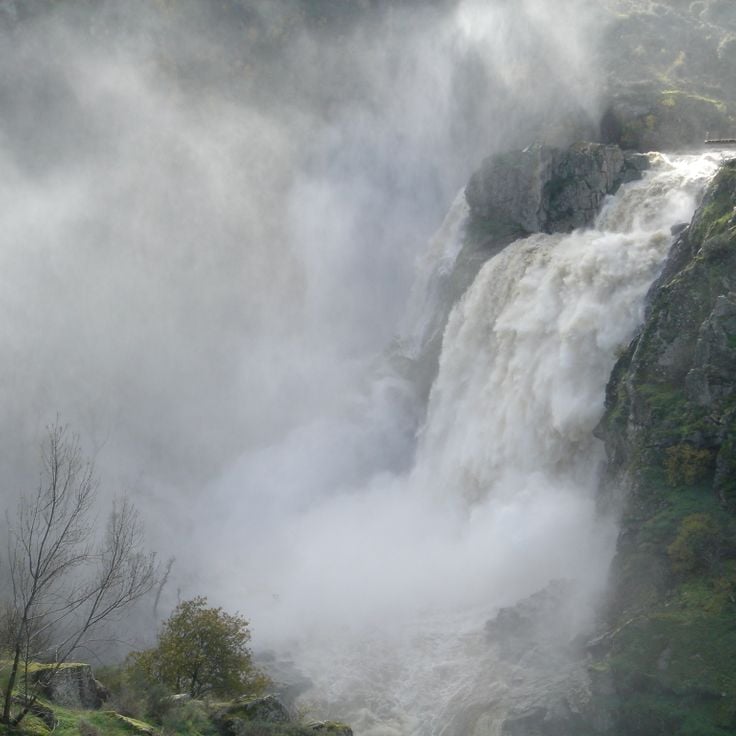
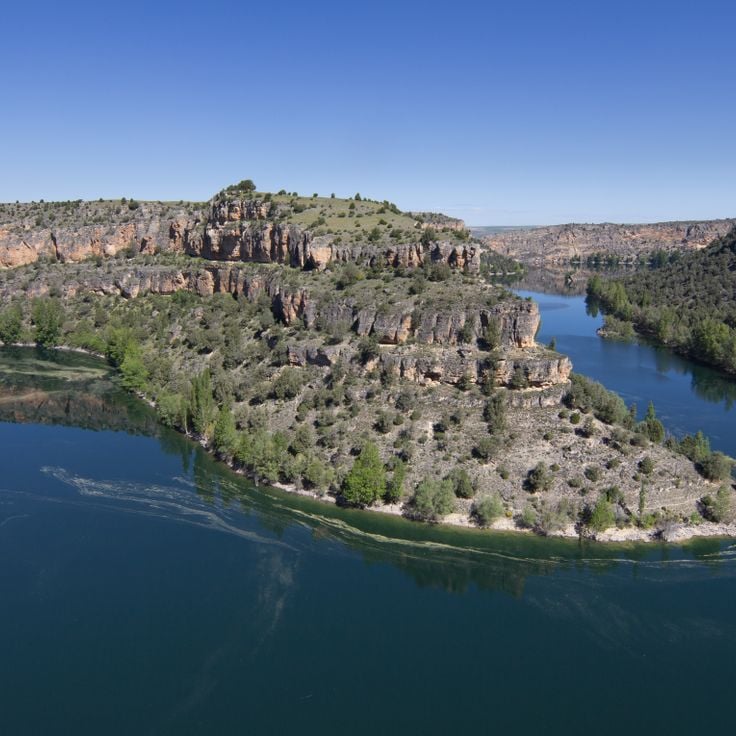
The Hoces del Río Duratón Natural Park near Sepúlveda displays the work of water carving through the landscape. The Duratón River has cut deep gorges into the plateau, creating high cliffs that rise above the water. Visitors walk along paths with views of the canyon below and the river winding through it. The park shows how nature shapes the land over time and offers a sense of the raw power of water and stone.
The Arribes del Duero form a natural border between Spain and Portugal, marked by deep gorges that the Duero river has carved into the plateau over millennia. This area is defined by steep canyon walls, dramatic river valleys, and traditional vineyards planted on the hillsides. Hikers and nature lovers explore narrow paths along the river where they encounter small villages adapted to the rough terrain. The landscape reveals the power of nature and the resilience of communities that have lived here for centuries.
The historic centre of Salamanca shows Renaissance architecture and buildings from different periods layered throughout the centuries. The Plaza Mayor is one of the main squares of the city, surrounded by arcades that form the heart of the centre. The University of Salamanca, one of Europe's oldest, has left its mark on the city. The streets are narrow and winding, typical of medieval town centres. Many facades display detailed stonework and ornamental details from the Renaissance and Baroque periods.
The Cathedral of Burgos is a Gothic structure recognized as a UNESCO World Heritage site. It stands out for its towering spires and richly decorated interior. The building reflects the craftsmanship of artisans across different periods. Inside, you'll find artworks and architectural details that tell the story of centuries of construction. Located in the city center, the cathedral is a significant destination for those interested in medieval architecture and religious art.
The aqueduct of Segovia is a Roman structure from the 1st century that crosses the city with impressive granite arches. This construction demonstrates Roman engineering skill and continues to shape the city landscape today. The aqueduct is one of the region's most important monuments and reflects the history of Castile-Leon, marked by Roman and medieval structures.
The University of Salamanca is one of the oldest universities in Europe and has shaped the city for centuries. The university buildings show history in their stones, with facades from different periods that generations of students have walked past. When you move through the courtyards, you feel the academic tradition that has lived here since the Middle Ages. The university is closely tied to the Plaza Mayor, the golden heart of Salamanca, where students and visitors meet and the city's life flows around it.
The Plaza Mayor of Valladolid sits at the heart of the city and shows the architectural heritage of the 16th century. This open square has always been a gathering place where people met, markets were held, and the city celebrated its important moments. The buildings surrounding the plaza tell the story of a time when Valladolid was a major center. Today you can walk through here, observe the facades, and understand how life in this region once worked.
This Cistercian monastery at Burgos holds a Romanesque cloister and medieval buildings that show what monastic life looked like centuries ago. The monastery was an important religious community for women in the Middle Ages. Walking through the cloister and buildings, you see how monks and nuns organized their daily routines in these spaces. The structures remain well-kept, giving visitors a clear picture of medieval monastic living. The monastery sits within the Castile and Leon region, which contains many religious sites from different periods.
The Old Cathedral of Salamanca is a medieval church built in the Romanesque style, recognizable by its characteristic square tower. Located in the heart of this university city, it forms part of an important architectural ensemble alongside the New Cathedral. The building displays typical Romanesque features and reflects the religious and artistic importance that Salamanca held during the Middle Ages. This cathedral is a significant part of the historical heritage of the Castile and Leon region.
The National Sculpture Museum of Valladolid displays an important collection of Spanish sculptures from the 16th to 18th centuries. The museum occupies a historic building and presents works that reflect the artistic development of this period. Visitors can explore religious sculptures, tombs, and decorative pieces that come from different regions of Spain. The museum offers insight into the craftsmanship and artistic movements that shaped Spanish art during these centuries.
Plaza Mayor de Salamanca sits at the heart of the city and serves as a gathering place for residents and visitors alike. This large rectangular plaza is framed by galleries and arcades that provide shade and shelter. The surrounding facades shine with a golden hue when the sun hits them. Around the plaza, you find restaurants, cafes, and shops that define daily life here. The arcades create a sense of enclosure while still feeling open, making it a comfortable place to spend time.
The Sierra de Gredos Natural Park is a mountainous area in Castile and Leon with high peaks, mountain lakes, and wildlife. The park sits in the mountain range between Castile and Extremadura and has trails that run through alpine landscapes. You will find lakes at high altitudes, meadows, and forests with diverse animal life, including ibex and eagles. This park is part of a region known for its medieval villages, castles, and Romanesque monasteries.
The New Cathedral of Salamanca stands beside the Old Cathedral and represents the Renaissance style of this Spanish city. Built over several centuries, it combines Gothic and Renaissance elements. The facade features detailed sculptures and decorations. Inside, you will find high vaults and ornate details. This cathedral is part of Salamanca's historic center, where you can also visit the famous Plaza Mayor.
León is an old city in northern Spain with medieval streets and historic buildings. The city was an important stop on the road to Santiago de Compostela. Here you will find the Gothic cathedral of León, one of the finest in Spain, with its large windows and impressive architecture. The old town invites you to walk through narrow streets where you discover old houses, small squares, and traces of different periods. León shows you the history of this region at every turn.
Valladolid is a city in the heart of Castile-León that served as a royal residence for centuries. The main plaza is surrounded by arcades and historic buildings that tell the story of different periods of architecture. The city became an important center for politics and culture in the region. Today, visitors can walk through streets lined with Renaissance palaces, churches, and museums. The plaza itself is a gathering place where people meet, shop, and experience daily life in the city.
The Cathedral of León is one of Spain's finest examples of Gothic architecture, built over centuries by skilled craftsmen. The exterior features elaborate stone carvings and ornate doorways that draw your eye upward. Inside, the space feels open and soaring, with massive walls of colored glass windows that flood the interior with light. These windows tell religious stories and scenes of daily medieval life. The cathedral served as a major stop for pilgrims traveling to Santiago de Compostela and remains a powerful symbol of León's role in medieval Spain.
The Basilica San Isidoro in León is a Romanesque church that serves as both a royal mausoleum and a religious sanctuary. Inside, visitors find the tombs of various medieval Spanish kings and queens. The adjoining museum displays an extensive collection of reliquaries and sacred objects from different periods. The building's Romanesque architecture features distinctive stone columns, arches, and decorative elements. This site shows how religious and royal power were closely connected during the medieval period in Spain.
The centre of Zamora reveals the medieval history of this Castilian city. Romanesque churches and buildings shape the townscape, while narrow cobbled streets run between the houses. The city preserves its old structures and offers a glimpse into the past of this region in northern Spain.
Burgos is a medieval city in northern Spain known for its Gothic cathedral and historic center. The cathedral dominates the skyline with its soaring towers and intricate stonework. Narrow streets wind through the old town, lined with buildings that speak to centuries of history. The city was a major stop on the pilgrimage route to Santiago de Compostela. Burgos shows how this region developed through trade, faith, and the movement of people across Spain.
Frias is a small medieval town situated on a hillside in the Castilla-Leon region. Sturdy walls once enclosed the settlement, and a castle stands above the town center. Walking through the narrow streets lined with stone houses, you can see how people lived in the Middle Ages. The fortifications are still visible, offering views of the landscape around them. This town is one of many fortified settlements that dot the northern Spanish plateau.
Segovia sits on high ground with medieval architecture and views across the landscape. This city shows the diversity of the Castille-et-Leon region through its historic old town, which documents medieval settlement patterns. The location represents how urban traditions connect with the natural terrain of the northern Spanish plateau.
The Alcazar of Segovia is a fortified palace with defensive towers that commands views over the valley below. This imposing structure represents the medieval architecture found throughout Castile and Leon and demonstrates why Segovia was such an important defensive position in northern Spain.
The walls of Avila stand as one of the most complete medieval fortifications in Spain. Built in the 11th century, they encircle the city with stone ramparts punctuated by towers and gates. Walking along these walls gives you views over the old town and the surrounding plains. You can trace the entire perimeter and step through the original gates that once controlled who entered and left the city. The fortification shows how medieval cities protected themselves and organized their defense.
This medieval village of Pedraza is a small settlement with old houses, a central square, and a medieval character. It represents the kind of fortified village common throughout this region of Castile and Leon, with stone-paved streets and buildings that have survived across the centuries. The central square serves as a gathering point where you can observe the daily rhythms of village life.
Medinaceli is a village in Castile and Leon set on a plateau and distinguished by a Roman arch from the 1st century. The settlement displays medieval structures in its streets and squares, while the ancient Roman arch stands as evidence of the region's long history. The surrounding landscape consists of high plains that open up across the terrain.
Sepúlveda is a historical town perched above the Duratón gorges. In this collection about Castile and León, it represents the medieval settlements of the region that have kept their old walls and paved streets. The town shows how people lived on these hills and shaped their lives around the dramatic landscapes of river gorges and high plateaus.
Avila is a medieval town completely surrounded by well-preserved city walls. These fortifications date from the 11th century and represent some of Spain's finest examples of medieval defensive architecture. The walls contain towers and gates that still define the town's character today. Inside the fortifications, you will find churches, narrow streets, and squares that reflect daily life in a fortified medieval settlement. Visitors can walk along the walls themselves, which offer views of the town and the surrounding landscape.
The monastery of San Juan de Duero stands in Soria as a remnant of Romanesque architecture in Castile and Leon. The ruins reveal a decorated cloister with Romanesque features and construction details. Walking through the site gives a sense of the spiritual and cultural role this monastery once played in the region. Visitors can examine the remaining structures and observe the craftsmanship in the cloister's stonework, which reflects the skill of medieval builders.
La Alberca is a traditional village in the Sierra de Francia that has kept its historic architecture. Narrow streets wind between stone and timber houses that have been maintained over generations. The village shows how people lived here over the centuries, with its squares, fountains, and the rhythm of rural life. This village is part of the diverse Castile and Leon region, which spans from medieval cities to isolated sanctuaries in the countryside.
The Lago de Sanabria park sits within this region and holds Spain's largest glacial lake. The water reflects the surrounding mountains and invites walks along the shoreline. The landscape shifts between thick forests and open heights where you can spot eagles and other birds. Small villages by the lake shore preserve local ways of life and offer places to rest.
Mogarraz is a village known for the painted portraits that decorate its house facades. These artworks turn the buildings into a living gallery that reflects the identity and history of the residents. The village fits into the medieval tradition of Castille-et-Leon and shows how small communities transform their homes into expressions of local culture.
Covarrubias is an old village in this history-filled region, with half-timbered houses and historic squares that reflect life from earlier times. The streets of the village lead past buildings that have lasted for centuries, with their characteristic wooden beams and stone walls. This place shows how people lived and worked in the past in Castile and León.
The Castle of Peñafiel is a fortress that rises above the wine region and now houses a wine museum. From its walls, you can see across the valleys and villages of the area. The castle reveals how wine production has shaped this region for centuries. Visitors can explore both the fortress history and local wine traditions here.
The Natural Park of Las Batuecas Sierra de Francia is part of the diverse landscape that defines this region of Spain. This park features forested mountains and small traditional villages nestled in the valleys. Visitors can hike through woodland and mountain terrain while discovering rural settlements that maintain their historic character. The park represents the natural heritage of Castile and Leon, complementing the region's famous cities, cathedrals, and medieval fortified towns.
This castle is a Mudejar fortress with ornate walls and towers that shaped the region's military architecture. The construction shows how European and Islamic style elements came together in a single structure. Its form and decorative details tell the story of a time when different cultures coexisted in this area.
The archaeological site of Atapuerca is a UNESCO World Heritage location in the Castile and Leon region that holds fossils of human remains from the Pleistocene era. Excavations in several caves at this site have revealed traces of very ancient human settlement. The discoveries show how people lived in this area hundreds of thousands of years ago. The site draws visitors interested in early human history and in exploring the natural cave formations.
Turegano Castle is a medieval fortress in the Castile and Leon region. What makes this castle distinctive is that a church sits directly inside the fortress walls. The stonework and towers show features typical of medieval military architecture. The castle sits on a hilltop overlooking the surrounding countryside and villages. Walking through it, you can see how the fortress developed over time through different building phases.
The Roman city of Clunia Sulpicia in Peñalba de Castro contains the remains of an ancient settlement. Visitors can see the ruins of a theater and various buildings scattered across the site. The layout of houses and fragments of public structures give a sense of how people lived here during Roman times. Walking through these archaeological remains tells the story of a significant city from the past.
The Château de Berlanga de Duero stands on a hilltop overlooking the village and the surrounding terrain. The ruins of this medieval fortress still show the structure of its walls and give a sense of the region's past. The castle once served as an important point to control the area and the Duero valley. Today, visitors can walk through the remains and experience the history of this fortress.
The Castle of Cuellar is a 15th century fortress that defines the character of this town in Castile and Leon. Its angular towers and moats show the defensive construction typical of that era. The structure stands at the heart of the medieval settlement and demonstrates the strategic importance that Cuellar held for the region.
The Benedictine monastery of Santo Domingo de Silos displays the Romanesque style that was common throughout this region of Castile-and-Leon. The cloister features carved capitals created by medieval stonemasons, depicting biblical scenes. The monastery sits near the Way of Saint James and served as a significant stop for pilgrims traveling through the area. The spaces within the monastery offer insight into the life of the Benedictine monks who inhabited it for centuries.
The Church of San Martín de Fromista is an 11th-century Romanesque church standing at an important point along the road to Santiago de Compostela in this region. The building has a simple facade decorated with columns and carved capitals that show the craftsmanship of Romanesque architecture. Visitors can experience the medieval stonework and stand in the quiet space that has occupied this location for nearly 900 years.
The Cathedral of Palencia stands as a Gothic structure within the Castille-Leon region. Its interior is filled with stained glass windows that cast colored light across the stone walls, and the main altarpiece displays carved details that reflect the craftsmanship of its time. This building shows how communities in this area built their religious centers and the importance they placed on these spaces.
The Museum of Human Evolution in Burgos displays fossils and discoveries from the famous caves of Atapuerca. The collections here show remains that span more than a million years of human history. Visitors can see how early humans developed and what traces they left in this region. The museum offers a window into human origins through archaeological findings and scientific displays.
The Hoces del Río Duratón Natural Park near Sepúlveda displays the work of water carving through the landscape. The Duratón River has cut deep gorges into the plateau, creating high cliffs that rise above the water. Visitors walk along paths with views of the canyon below and the river winding through it. The park shows how nature shapes the land over time and offers a sense of the raw power of water and stone.
The Arribes del Duero form a natural border between Spain and Portugal, marked by deep gorges that the Duero river has carved into the plateau over millennia. This area is defined by steep canyon walls, dramatic river valleys, and traditional vineyards planted on the hillsides. Hikers and nature lovers explore narrow paths along the river where they encounter small villages adapted to the rough terrain. The landscape reveals the power of nature and the resilience of communities that have lived here for centuries.
The historic centre of Salamanca shows Renaissance architecture and buildings from different periods layered throughout the centuries. The Plaza Mayor is one of the main squares of the city, surrounded by arcades that form the heart of the centre. The University of Salamanca, one of Europe's oldest, has left its mark on the city. The streets are narrow and winding, typical of medieval town centres. Many facades display detailed stonework and ornamental details from the Renaissance and Baroque periods.
The Cathedral of Burgos is a Gothic structure recognized as a UNESCO World Heritage site. It stands out for its towering spires and richly decorated interior. The building reflects the craftsmanship of artisans across different periods. Inside, you'll find artworks and architectural details that tell the story of centuries of construction. Located in the city center, the cathedral is a significant destination for those interested in medieval architecture and religious art.
The aqueduct of Segovia is a Roman structure from the 1st century that crosses the city with impressive granite arches. This construction demonstrates Roman engineering skill and continues to shape the city landscape today. The aqueduct is one of the region's most important monuments and reflects the history of Castile-Leon, marked by Roman and medieval structures.
The University of Salamanca is one of the oldest universities in Europe and has shaped the city for centuries. The university buildings show history in their stones, with facades from different periods that generations of students have walked past. When you move through the courtyards, you feel the academic tradition that has lived here since the Middle Ages. The university is closely tied to the Plaza Mayor, the golden heart of Salamanca, where students and visitors meet and the city's life flows around it.
The Plaza Mayor of Valladolid sits at the heart of the city and shows the architectural heritage of the 16th century. This open square has always been a gathering place where people met, markets were held, and the city celebrated its important moments. The buildings surrounding the plaza tell the story of a time when Valladolid was a major center. Today you can walk through here, observe the facades, and understand how life in this region once worked.
This Cistercian monastery at Burgos holds a Romanesque cloister and medieval buildings that show what monastic life looked like centuries ago. The monastery was an important religious community for women in the Middle Ages. Walking through the cloister and buildings, you see how monks and nuns organized their daily routines in these spaces. The structures remain well-kept, giving visitors a clear picture of medieval monastic living. The monastery sits within the Castile and Leon region, which contains many religious sites from different periods.
The Old Cathedral of Salamanca is a medieval church built in the Romanesque style, recognizable by its characteristic square tower. Located in the heart of this university city, it forms part of an important architectural ensemble alongside the New Cathedral. The building displays typical Romanesque features and reflects the religious and artistic importance that Salamanca held during the Middle Ages. This cathedral is a significant part of the historical heritage of the Castile and Leon region.
The National Sculpture Museum of Valladolid displays an important collection of Spanish sculptures from the 16th to 18th centuries. The museum occupies a historic building and presents works that reflect the artistic development of this period. Visitors can explore religious sculptures, tombs, and decorative pieces that come from different regions of Spain. The museum offers insight into the craftsmanship and artistic movements that shaped Spanish art during these centuries.
Plaza Mayor de Salamanca sits at the heart of the city and serves as a gathering place for residents and visitors alike. This large rectangular plaza is framed by galleries and arcades that provide shade and shelter. The surrounding facades shine with a golden hue when the sun hits them. Around the plaza, you find restaurants, cafes, and shops that define daily life here. The arcades create a sense of enclosure while still feeling open, making it a comfortable place to spend time.
The Sierra de Gredos Natural Park is a mountainous area in Castile and Leon with high peaks, mountain lakes, and wildlife. The park sits in the mountain range between Castile and Extremadura and has trails that run through alpine landscapes. You will find lakes at high altitudes, meadows, and forests with diverse animal life, including ibex and eagles. This park is part of a region known for its medieval villages, castles, and Romanesque monasteries.
The New Cathedral of Salamanca stands beside the Old Cathedral and represents the Renaissance style of this Spanish city. Built over several centuries, it combines Gothic and Renaissance elements. The facade features detailed sculptures and decorations. Inside, you will find high vaults and ornate details. This cathedral is part of Salamanca's historic center, where you can also visit the famous Plaza Mayor.
León is an old city in northern Spain with medieval streets and historic buildings. The city was an important stop on the road to Santiago de Compostela. Here you will find the Gothic cathedral of León, one of the finest in Spain, with its large windows and impressive architecture. The old town invites you to walk through narrow streets where you discover old houses, small squares, and traces of different periods. León shows you the history of this region at every turn.
Valladolid is a city in the heart of Castile-León that served as a royal residence for centuries. The main plaza is surrounded by arcades and historic buildings that tell the story of different periods of architecture. The city became an important center for politics and culture in the region. Today, visitors can walk through streets lined with Renaissance palaces, churches, and museums. The plaza itself is a gathering place where people meet, shop, and experience daily life in the city.
The Cathedral of León is one of Spain's finest examples of Gothic architecture, built over centuries by skilled craftsmen. The exterior features elaborate stone carvings and ornate doorways that draw your eye upward. Inside, the space feels open and soaring, with massive walls of colored glass windows that flood the interior with light. These windows tell religious stories and scenes of daily medieval life. The cathedral served as a major stop for pilgrims traveling to Santiago de Compostela and remains a powerful symbol of León's role in medieval Spain.
The Basilica San Isidoro in León is a Romanesque church that serves as both a royal mausoleum and a religious sanctuary. Inside, visitors find the tombs of various medieval Spanish kings and queens. The adjoining museum displays an extensive collection of reliquaries and sacred objects from different periods. The building's Romanesque architecture features distinctive stone columns, arches, and decorative elements. This site shows how religious and royal power were closely connected during the medieval period in Spain.
The centre of Zamora reveals the medieval history of this Castilian city. Romanesque churches and buildings shape the townscape, while narrow cobbled streets run between the houses. The city preserves its old structures and offers a glimpse into the past of this region in northern Spain.
Burgos is a medieval city in northern Spain known for its Gothic cathedral and historic center. The cathedral dominates the skyline with its soaring towers and intricate stonework. Narrow streets wind through the old town, lined with buildings that speak to centuries of history. The city was a major stop on the pilgrimage route to Santiago de Compostela. Burgos shows how this region developed through trade, faith, and the movement of people across Spain.
Frias is a small medieval town situated on a hillside in the Castilla-Leon region. Sturdy walls once enclosed the settlement, and a castle stands above the town center. Walking through the narrow streets lined with stone houses, you can see how people lived in the Middle Ages. The fortifications are still visible, offering views of the landscape around them. This town is one of many fortified settlements that dot the northern Spanish plateau.
Segovia sits on high ground with medieval architecture and views across the landscape. This city shows the diversity of the Castille-et-Leon region through its historic old town, which documents medieval settlement patterns. The location represents how urban traditions connect with the natural terrain of the northern Spanish plateau.
The Alcazar of Segovia is a fortified palace with defensive towers that commands views over the valley below. This imposing structure represents the medieval architecture found throughout Castile and Leon and demonstrates why Segovia was such an important defensive position in northern Spain.
The walls of Avila stand as one of the most complete medieval fortifications in Spain. Built in the 11th century, they encircle the city with stone ramparts punctuated by towers and gates. Walking along these walls gives you views over the old town and the surrounding plains. You can trace the entire perimeter and step through the original gates that once controlled who entered and left the city. The fortification shows how medieval cities protected themselves and organized their defense.
This medieval village of Pedraza is a small settlement with old houses, a central square, and a medieval character. It represents the kind of fortified village common throughout this region of Castile and Leon, with stone-paved streets and buildings that have survived across the centuries. The central square serves as a gathering point where you can observe the daily rhythms of village life.
Medinaceli is a village in Castile and Leon set on a plateau and distinguished by a Roman arch from the 1st century. The settlement displays medieval structures in its streets and squares, while the ancient Roman arch stands as evidence of the region's long history. The surrounding landscape consists of high plains that open up across the terrain.
Sepúlveda is a historical town perched above the Duratón gorges. In this collection about Castile and León, it represents the medieval settlements of the region that have kept their old walls and paved streets. The town shows how people lived on these hills and shaped their lives around the dramatic landscapes of river gorges and high plateaus.
Avila is a medieval town completely surrounded by well-preserved city walls. These fortifications date from the 11th century and represent some of Spain's finest examples of medieval defensive architecture. The walls contain towers and gates that still define the town's character today. Inside the fortifications, you will find churches, narrow streets, and squares that reflect daily life in a fortified medieval settlement. Visitors can walk along the walls themselves, which offer views of the town and the surrounding landscape.
The monastery of San Juan de Duero stands in Soria as a remnant of Romanesque architecture in Castile and Leon. The ruins reveal a decorated cloister with Romanesque features and construction details. Walking through the site gives a sense of the spiritual and cultural role this monastery once played in the region. Visitors can examine the remaining structures and observe the craftsmanship in the cloister's stonework, which reflects the skill of medieval builders.
La Alberca is a traditional village in the Sierra de Francia that has kept its historic architecture. Narrow streets wind between stone and timber houses that have been maintained over generations. The village shows how people lived here over the centuries, with its squares, fountains, and the rhythm of rural life. This village is part of the diverse Castile and Leon region, which spans from medieval cities to isolated sanctuaries in the countryside.
The Lago de Sanabria park sits within this region and holds Spain's largest glacial lake. The water reflects the surrounding mountains and invites walks along the shoreline. The landscape shifts between thick forests and open heights where you can spot eagles and other birds. Small villages by the lake shore preserve local ways of life and offer places to rest.
Mogarraz is a village known for the painted portraits that decorate its house facades. These artworks turn the buildings into a living gallery that reflects the identity and history of the residents. The village fits into the medieval tradition of Castille-et-Leon and shows how small communities transform their homes into expressions of local culture.
Covarrubias is an old village in this history-filled region, with half-timbered houses and historic squares that reflect life from earlier times. The streets of the village lead past buildings that have lasted for centuries, with their characteristic wooden beams and stone walls. This place shows how people lived and worked in the past in Castile and León.
The Castle of Peñafiel is a fortress that rises above the wine region and now houses a wine museum. From its walls, you can see across the valleys and villages of the area. The castle reveals how wine production has shaped this region for centuries. Visitors can explore both the fortress history and local wine traditions here.
The Natural Park of Las Batuecas Sierra de Francia is part of the diverse landscape that defines this region of Spain. This park features forested mountains and small traditional villages nestled in the valleys. Visitors can hike through woodland and mountain terrain while discovering rural settlements that maintain their historic character. The park represents the natural heritage of Castile and Leon, complementing the region's famous cities, cathedrals, and medieval fortified towns.
This castle is a Mudejar fortress with ornate walls and towers that shaped the region's military architecture. The construction shows how European and Islamic style elements came together in a single structure. Its form and decorative details tell the story of a time when different cultures coexisted in this area.
The archaeological site of Atapuerca is a UNESCO World Heritage location in the Castile and Leon region that holds fossils of human remains from the Pleistocene era. Excavations in several caves at this site have revealed traces of very ancient human settlement. The discoveries show how people lived in this area hundreds of thousands of years ago. The site draws visitors interested in early human history and in exploring the natural cave formations.
Turegano Castle is a medieval fortress in the Castile and Leon region. What makes this castle distinctive is that a church sits directly inside the fortress walls. The stonework and towers show features typical of medieval military architecture. The castle sits on a hilltop overlooking the surrounding countryside and villages. Walking through it, you can see how the fortress developed over time through different building phases.
The Roman city of Clunia Sulpicia in Peñalba de Castro contains the remains of an ancient settlement. Visitors can see the ruins of a theater and various buildings scattered across the site. The layout of houses and fragments of public structures give a sense of how people lived here during Roman times. Walking through these archaeological remains tells the story of a significant city from the past.
The Château de Berlanga de Duero stands on a hilltop overlooking the village and the surrounding terrain. The ruins of this medieval fortress still show the structure of its walls and give a sense of the region's past. The castle once served as an important point to control the area and the Duero valley. Today, visitors can walk through the remains and experience the history of this fortress.
The Castle of Cuellar is a 15th century fortress that defines the character of this town in Castile and Leon. Its angular towers and moats show the defensive construction typical of that era. The structure stands at the heart of the medieval settlement and demonstrates the strategic importance that Cuellar held for the region.
The Benedictine monastery of Santo Domingo de Silos displays the Romanesque style that was common throughout this region of Castile-and-Leon. The cloister features carved capitals created by medieval stonemasons, depicting biblical scenes. The monastery sits near the Way of Saint James and served as a significant stop for pilgrims traveling through the area. The spaces within the monastery offer insight into the life of the Benedictine monks who inhabited it for centuries.
The Church of San Martín de Fromista is an 11th-century Romanesque church standing at an important point along the road to Santiago de Compostela in this region. The building has a simple facade decorated with columns and carved capitals that show the craftsmanship of Romanesque architecture. Visitors can experience the medieval stonework and stand in the quiet space that has occupied this location for nearly 900 years.
The Cathedral of Palencia stands as a Gothic structure within the Castille-Leon region. Its interior is filled with stained glass windows that cast colored light across the stone walls, and the main altarpiece displays carved details that reflect the craftsmanship of its time. This building shows how communities in this area built their religious centers and the importance they placed on these spaces.
The Museum of Human Evolution in Burgos displays fossils and discoveries from the famous caves of Atapuerca. The collections here show remains that span more than a million years of human history. Visitors can see how early humans developed and what traces they left in this region. The museum offers a window into human origins through archaeological findings and scientific displays.
The Hoces del Río Duratón Natural Park near Sepúlveda displays the work of water carving through the landscape. The Duratón River has cut deep gorges into the plateau, creating high cliffs that rise above the water. Visitors walk along paths with views of the canyon below and the river winding through it. The park shows how nature shapes the land over time and offers a sense of the raw power of water and stone.
The Arribes del Duero form a natural border between Spain and Portugal, marked by deep gorges that the Duero river has carved into the plateau over millennia. This area is defined by steep canyon walls, dramatic river valleys, and traditional vineyards planted on the hillsides. Hikers and nature lovers explore narrow paths along the river where they encounter small villages adapted to the rough terrain. The landscape reveals the power of nature and the resilience of communities that have lived here for centuries.