See the monuments around you in AROpen chests in the app
Around Us is built for your phone — point your camera at the streets and discover the monuments and places around you in augmented reality.Around Us is built for your phone — chests unlock when you walk, explore and capture nearby places.
From Belle-Île to the Lérins Islands, thirty French island destinations combine history, nature and relaxing moments.
France has many islands that are often forgotten. From Brittany to the Mediterranean, thirty islands await, each with its own character. Some are well known and easy to visit, others need more effort, but all are worth seeing.
In Brittany, Belle-Île-en-Mer will attract those who like steep cliffs and seaside villages. Further south, the Île de Ré and the Île d'Oléron invite you to bike along flat paths and learn how they grow oysters. Elsewhere, small islands like Ouessant or the Île de Sein offer a wild feeling, pushed by Atlantic winds, far from everyday life.
In the Mediterranean, Porquerolles and Port-Cros have clear waters and walking trails. Corsica stands out with its size and many landscapes. Islands like Sainte-Marguerite keep old stories, while others stay quiet and let visitors relax and reconnect with nature. Whether you want history, walking, swimming, or just rest, there is a French island for everyone.
From Belle-Île to the Lérins Islands, thirty French island destinations combine history, nature and relaxing moments.
France has many islands that are often forgotten. From Brittany to the Mediterranean, thirty islands await, each with its own character. Some are well known and easy to visit, others need more effort, but all are worth seeing.
In Brittany, Belle-Île-en-Mer will attract those who like steep cliffs and seaside villages. Further south, the Île de Ré and the Île d'Oléron invite you to bike along flat paths and learn how they grow oysters. Elsewhere, small islands like Ouessant or the Île de Sein offer a wild feeling, pushed by Atlantic winds, far from everyday life.
In the Mediterranean, Porquerolles and Port-Cros have clear waters and walking trails. Corsica stands out with its size and many landscapes. Islands like Sainte-Marguerite keep old stories, while others stay quiet and let visitors relax and reconnect with nature. Whether you want history, walking, swimming, or just rest, there is a French island for everyone.
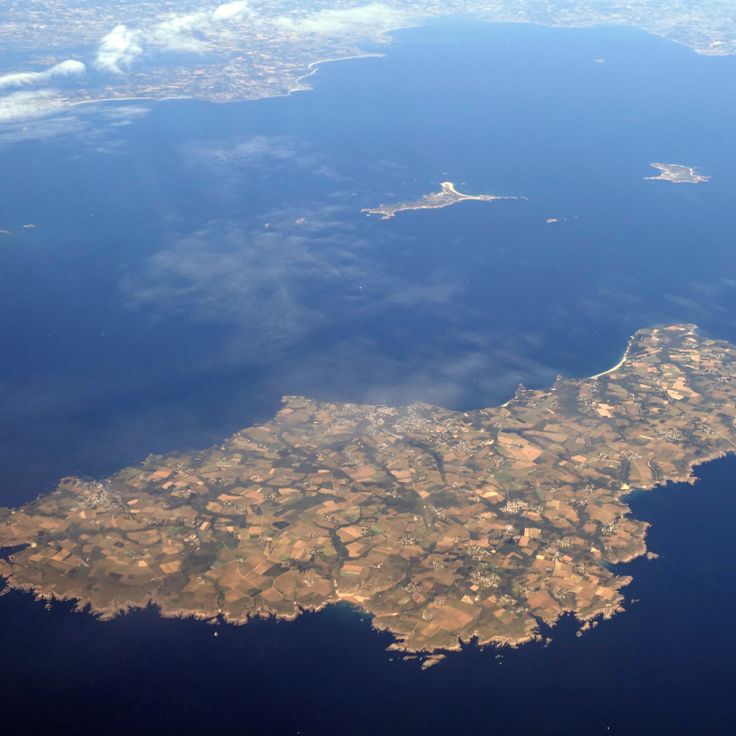
Belle-Île-en-Mer is the largest island in Brittany, sitting off the coast of Morbihan. Its western shore is lined with tall cliffs battered by Atlantic winds, while the eastern side offers calmer bays and small fishing ports. Villages like Le Palais and Sauzon give the island its character, with low stone houses and busy harbor fronts that draw visitors and locals alike.
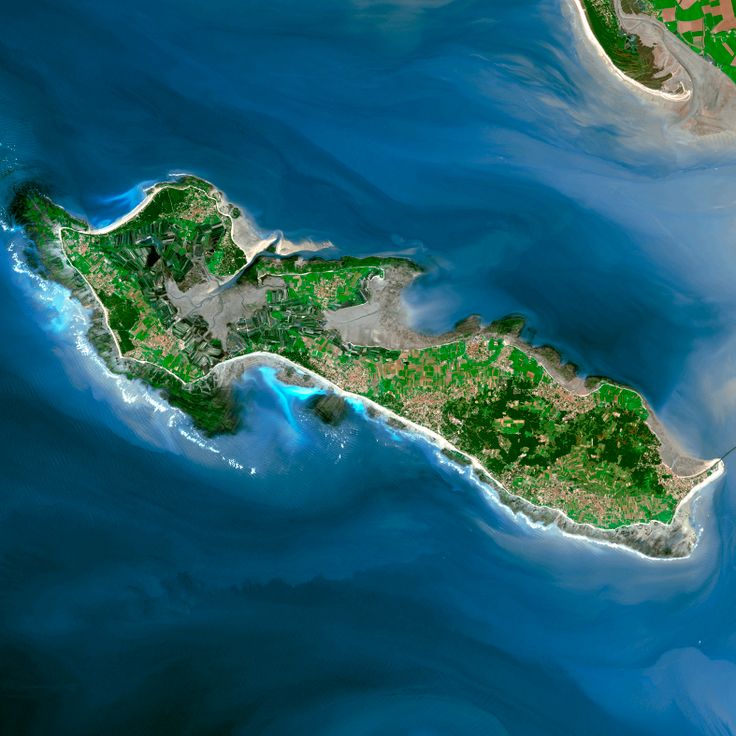
Île de Ré sits off the Charente-Maritime coast and is known for its white villages with blue shutters. People come here to cycle on flat paths that wind through salt marshes and vineyards. The island has its own pace: bright, open, shaped by Atlantic light. Fishing boats line the harbors, and local markets offer oysters and salt harvested from the nearby salt flats.
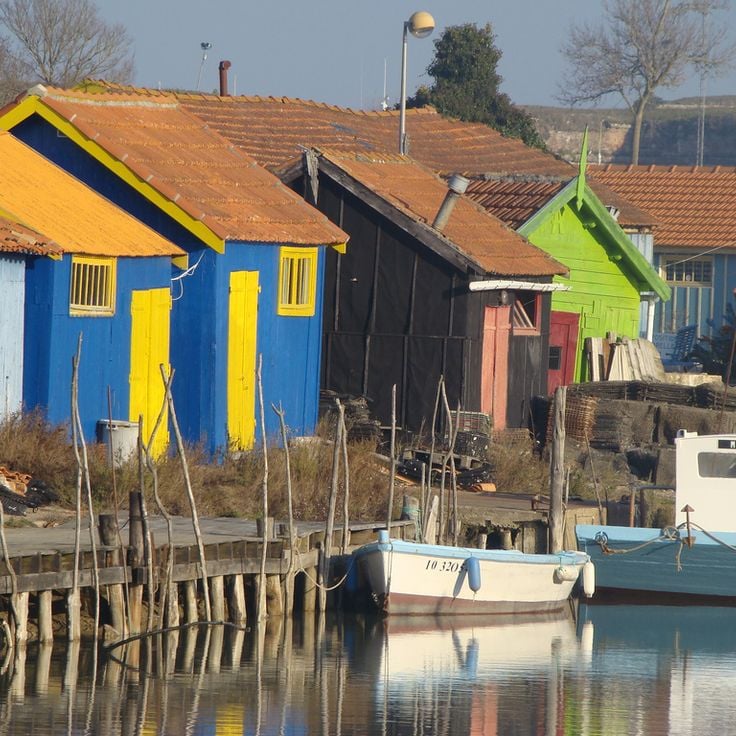
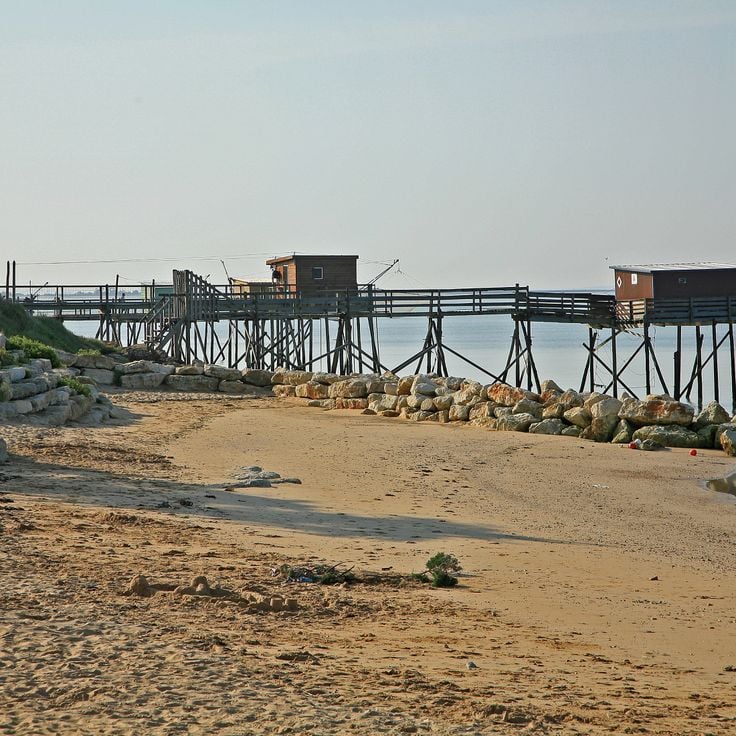
The Île d'Oléron is the largest French island on the Atlantic coast. Wide sandy beaches, pine forests and small harbor villages where oyster farmers keep their wooden shacks right by the water make up the landscape. Getting around by bike is easy since the terrain is flat. Oyster farming is a big part of daily life here, and many villages carry the scent of salt and sea.
Corsica is the largest French island in the Mediterranean. It has high mountains, long sandy beaches, dense forests and small villages clinging to hillsides. The island has its own language, its own cuisine and a history quite different from that of mainland France. You can hike, swim or simply wander through the old streets of towns like Bonifacio or Corte.
The Île d'Yeu sits off the Vendée coast and feels like a place apart. The port side of the island is lined with fishing boats and whitewashed houses, while the opposite shore is all bare rock and crashing waves. A few miles of winding paths connect the two sides, passing through low scrubland. The island is also known as the place where Marshal Pétain spent his final years under house arrest. A short ferry ride brings you there, and a bicycle is the best way to get around.
Porquerolles sits off the Var coast and is part of the Port-Cros National Park. The island has sandy beaches on its northern shore and rocky cliffs to the south. You can only get there by ferry from the mainland. There are no cars on the island, just paths for cyclists and walkers. The water around Porquerolles is clear and popular with snorkelers and divers.
Port-Cros is a small island off the Var coast, protected as a national park since the 1960s. Narrow trails wind through dense forest to rocky shores and sheltered coves. Below the surface, the water is home to sea life that has largely disappeared from other parts of the Mediterranean coast.
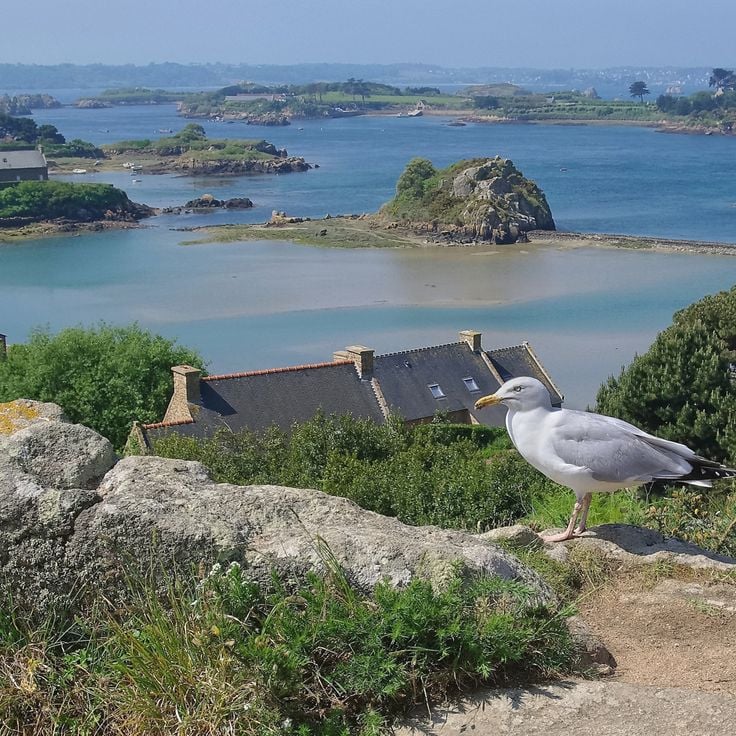
The Île de Bréhat sits off the coast of Brittany in the Côtes-d'Armor and can only be reached by boat. There are no cars on the island, just paths winding between granite rocks and gardens where fig trees and hydrangeas grow. The mild climate allows plants to thrive that you would normally expect further south. You walk everywhere, listen to the sea, and follow the rhythm of the tides.
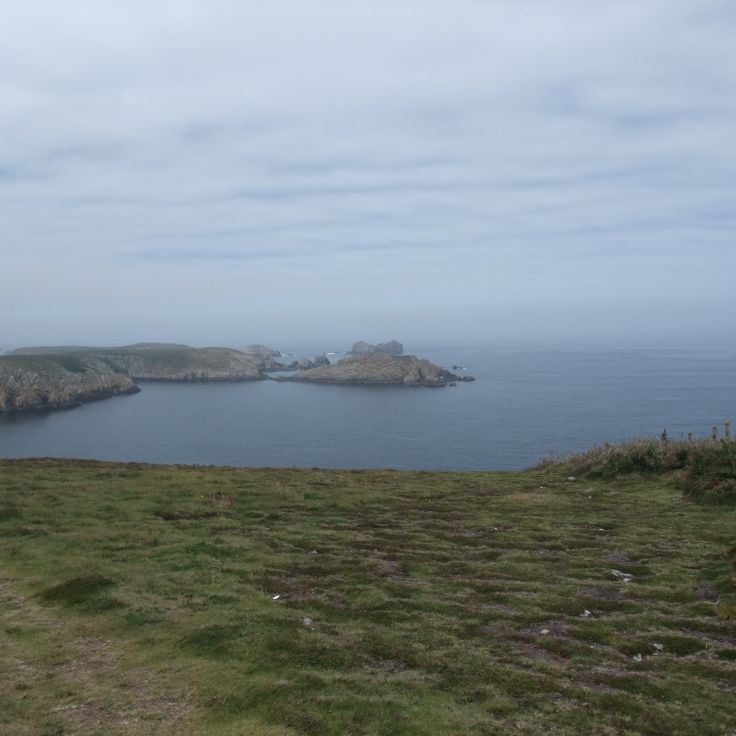
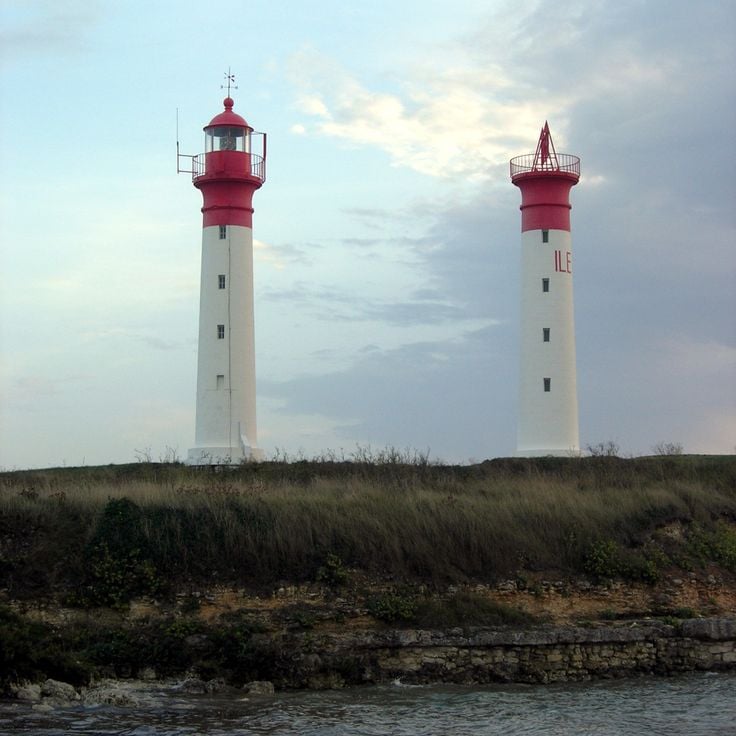
Ouessant sits far off the western tip of Brittany, in the Finistère, pushed out into the Atlantic. The island is known for its lighthouses, which have guided ships through some of the most treacherous waters off the French coast for centuries. The wind rarely stops, the cliffs are rocky and rough, and the land feels open and raw. Life here moves slowly, at a distance from the mainland and its noise.
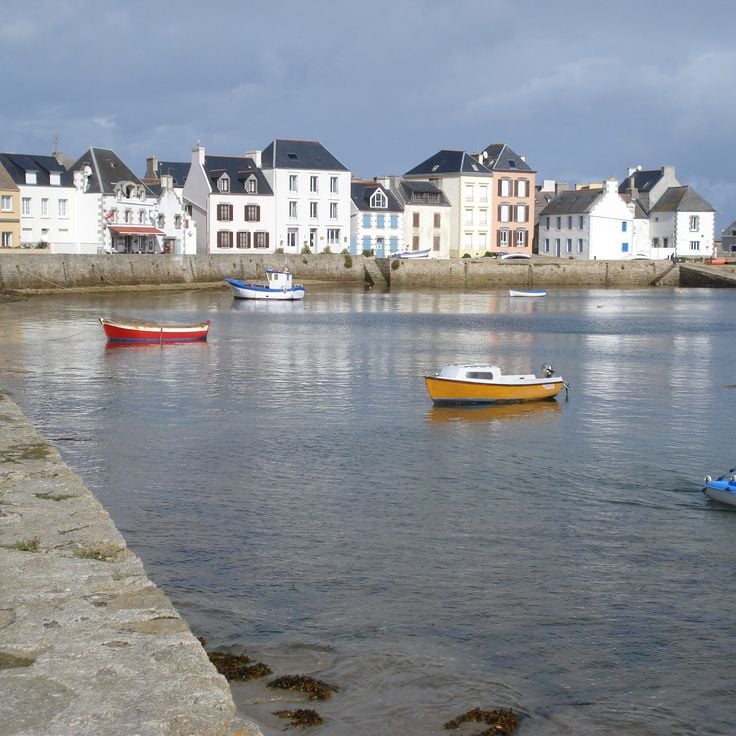
The Île de Sein sits off the tip of the Finistère peninsula, barely rising above the Atlantic Ocean. It is one of the smallest inhabited islands in France, where narrow lanes run between low stone houses and the sea is visible from every corner. There are no cars on the island. The wind blows almost constantly, and the tides shape the rhythm of daily life. It is a place where the ocean feels very close, in every direction.
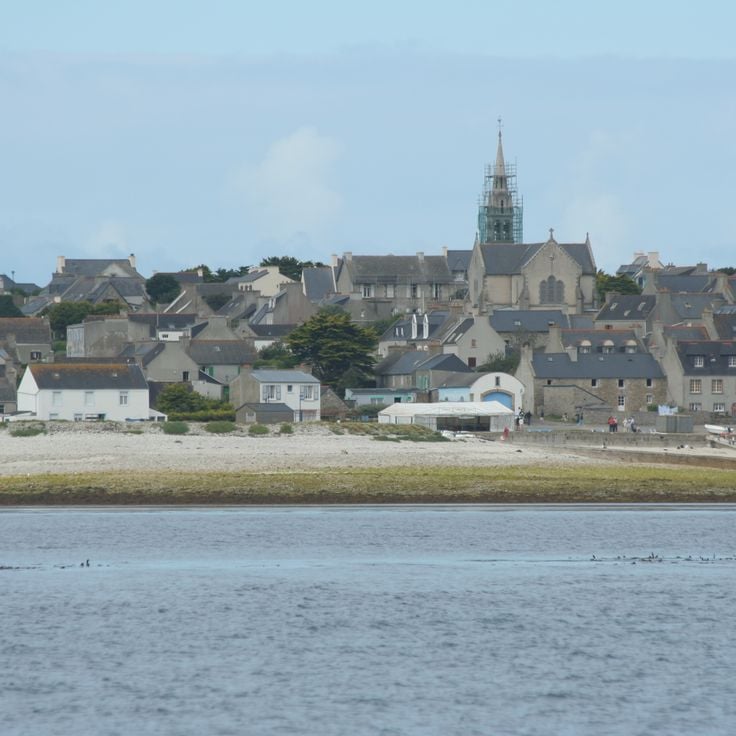
Molène is a small island in the Finistère, sitting in the Iroise Sea between Ouessant and the mainland coast. It is part of a marine nature reserve. The island has almost no cars, just narrow lanes, stone houses, and a small working harbor where fishing boats come and go. The tides shape the rhythm of each day. The Atlantic wind blows constantly, and the light over the water changes by the hour. People come here to slow down and watch the sea.
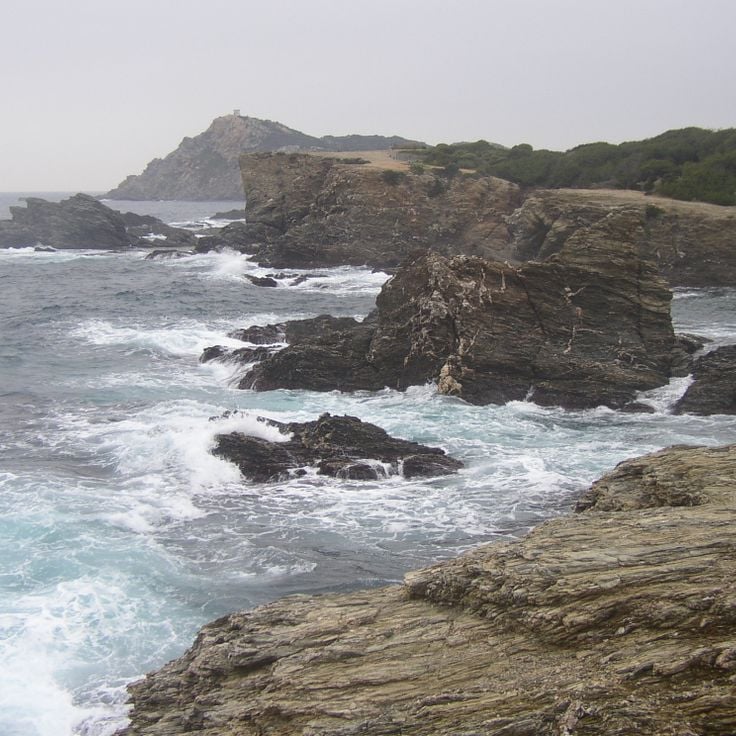
Groix is an island off the coast of Morbihan, known for its unusual geology. The beaches here are rare: the sand curves outward, forming convex beaches, one of the few places in Europe where this happens. The cliffs drop sharply into the sea, and the coastal paths show how the water has shaped the rock over centuries. Life on Groix is slow and simple, and the island is small enough to explore on foot.
Houat is a small island off the coast of Morbihan in Brittany. You reach it by ferry, and the crossing already sets the tone. The island has white sand beaches, low-growing plants, and a small fishing village where life moves slowly. There are almost no cars, the paths are narrow, and most people get around on foot. Houat is the kind of island you visit when you want to step away from ordinary life for a while.
Hoëdic is a small island off the coast of Brittany, in the Morbihan department. You can only get there by ferry, and that alone keeps the crowds away. There are no cars, just footpaths that wind through heath and along rocky shores with open views of the sea. The village is tiny, with an old church tower, a few fishermen's houses, and a handful of cafés. Life here moves with the tides.
Noirmoutier is an island off the Vendée coast that can be reached by bridge or, at low tide, by the Passage du Gois, a road that floods when the sea comes in. The land is flat, marked by salt marshes and tidal mudflats. In spring, mimosa blooms across the island. Local life revolves around salt harvesting, oyster farming, and fresh fish markets.
The Île aux Moines sits in the Gulf of Morbihan and is the largest island in this sheltered bay in Brittany. Small villages, flowering gardens, and narrow paths run across the island. A short ferry ride from Baden brings you there in just a few minutes. The mild climate allows plants to grow that you would normally find further south.
The Île d'Arz sits in the middle of the Golfe du Morbihan and is reached by boat from the nearby shore. The island is small, with paths that wind through fields and along the coastline. Small stone villages, old chapels and fishing boats in the harbor give it a simple, grounded feel. Life here moves slowly. Many visitors come to walk the trails or sit and watch the water. The bay that surrounds the island is dotted with dozens of other small islands, making it one of the most sheltered spots along the Brittany coast.
Île Tatihou sits just off the Normandy coast near Saint-Vaast-la-Hougue, reachable by amphibious boat or on foot at low tide. The island holds a 17th-century tower built as part of Vauban's coastal defense system, now a UNESCO World Heritage site. A small maritime museum tells the story of the sea battles fought nearby. The island also serves as a bird sanctuary, where migratory species stop during their seasonal journeys.
Chausey is an archipelago in the English Channel, close to Mont-Saint-Michel. At low tide, the sea pulls back to reveal a vast field of rocks and islets that stretches as far as the eye can see. At high tide, most of those islets disappear under water, leaving only the main island above the surface. The tidal range here is among the largest in Europe, roughly 50 feet (15 meters), and it sets the pace for everything on the island.
Île Madame sits off the coast of Charente-Maritime and can be reached on foot at low tide via a pebble causeway called the Passe aux Boeufs. The island is small and rarely crowded. Salt marshes cover much of the land, and birds gather there throughout the year. A stone cross marks the grave of hundreds of priests who were imprisoned here during the Revolution and died on the island. A walk around the island takes about an hour.
The Île d'Aix sits off the coast of Charente-Maritime and has no cars at all. You walk or cycle along narrow paths between low white houses. The island is closely tied to Napoleon, who stayed here before being sent to Saint Helena. Two small museums tell that story. Life here moves slowly, the paths are short, and the sea is always close.
Batz is a small island off the coast of Finistère, just a short ferry ride from Roscoff. The island is flat, covered with fields and gardens, and home to a well-known exotic garden where plants from warm climates grow side by side. The lanes are narrow and car-free, and daily life moves at a slow pace tied to the tides. An old lighthouse rises above the island and offers a clear view of the Breton coast.
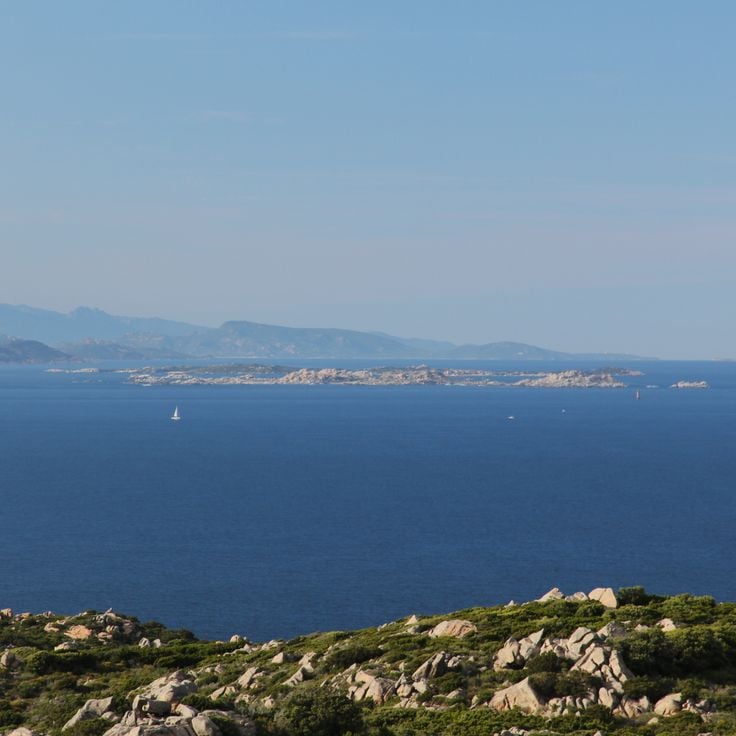
The Lavézi Islands sit at the southern tip of Corsica, in the strait of Bonifacio. They are made up of bare granite rocks that rise straight out of the sea. The water around them is shallow and clear in places, which makes the area popular with snorkelers and divers. There are no roads, no buildings, and no permanent residents. You reach the islands by boat from Bonifacio. On land, marked paths wind between the rocks, with views of the sea on all sides. Vegetation is sparse, and the place feels more like a piece of the sea than of the land.
Embiez is a small island off the coast of the Var, reached by a short ferry ride from the Six-Fours-les-Plages shore. The island has a sheltered harbor, rocky coves, and a vineyard that covers much of the land. There are no cars, only narrow paths between the vines and the sea. It is a good place to walk, swim, and watch the boats come and go.
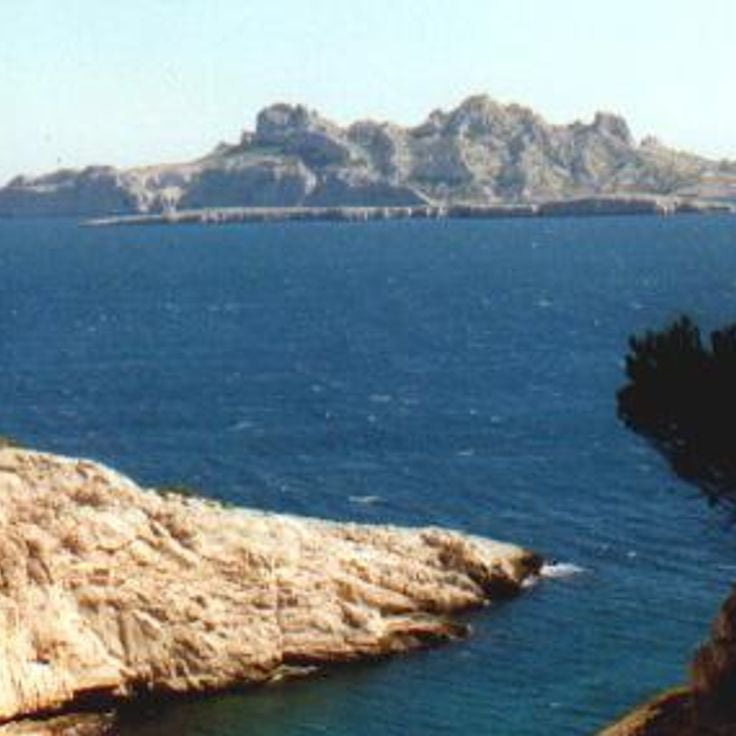
Riou is an uninhabited island off the coast of Marseille, in the Bouches-du-Rhône department. It forms part of a nature reserve dedicated to protecting the plants and animals of the Mediterranean. The rocky shoreline and the clear waters around it attract divers and sailors. On land, seabirds nest here undisturbed, far from the crowds of the mainland.
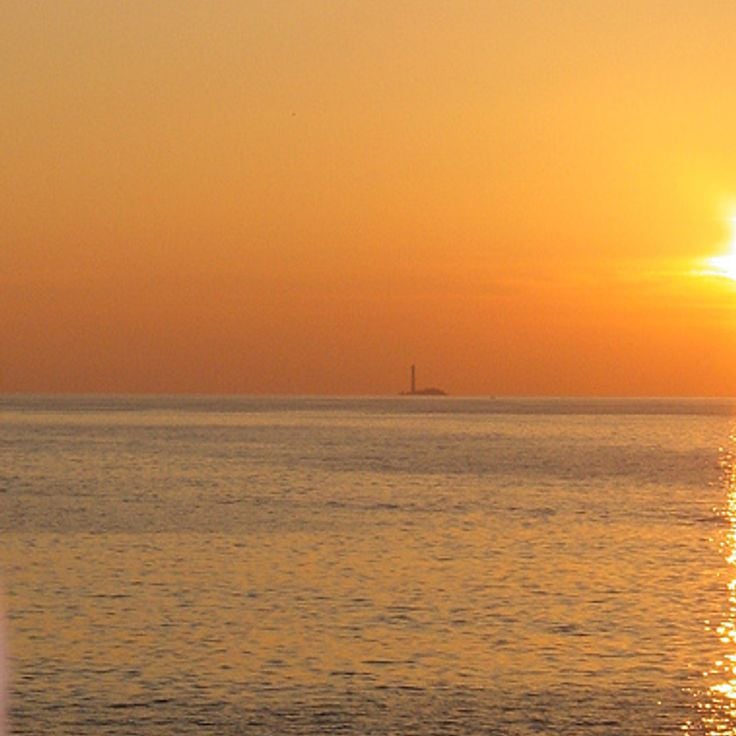
The Planier lighthouse stands on a rocky island off the coast of Marseille and has guided sailors into the bay for centuries. The island itself is bare, windswept, and has no permanent residents. From the sea, the tower is one of the first things you notice when approaching Marseille. There is little here beyond the lighthouse, the open water, and the sky. It is one of those places that feels raw and exposed, shaped entirely by the elements.
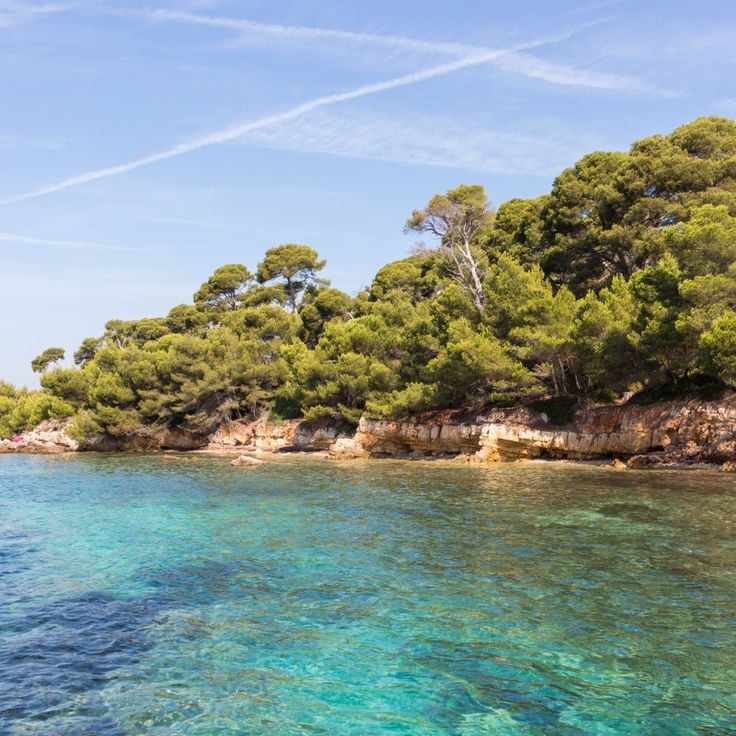
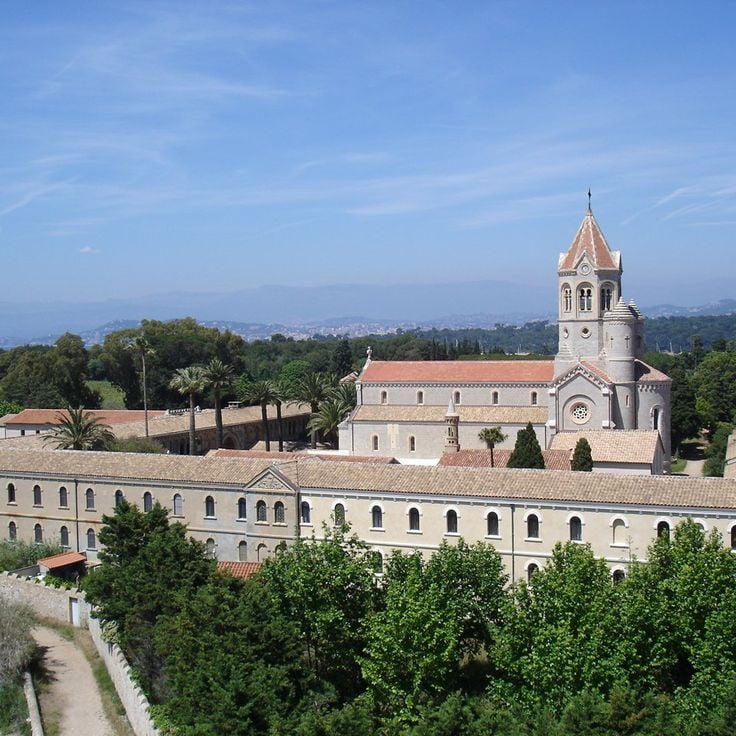
Saint-Honorat is the smaller of the two Lérins Islands off Cannes. A monastery has stood here since the 5th century, and monks still grow grapes on the island today. You can walk around the entire island on foot, visit old stone towers, and enjoy a stillness that feels rare so close to the coast.
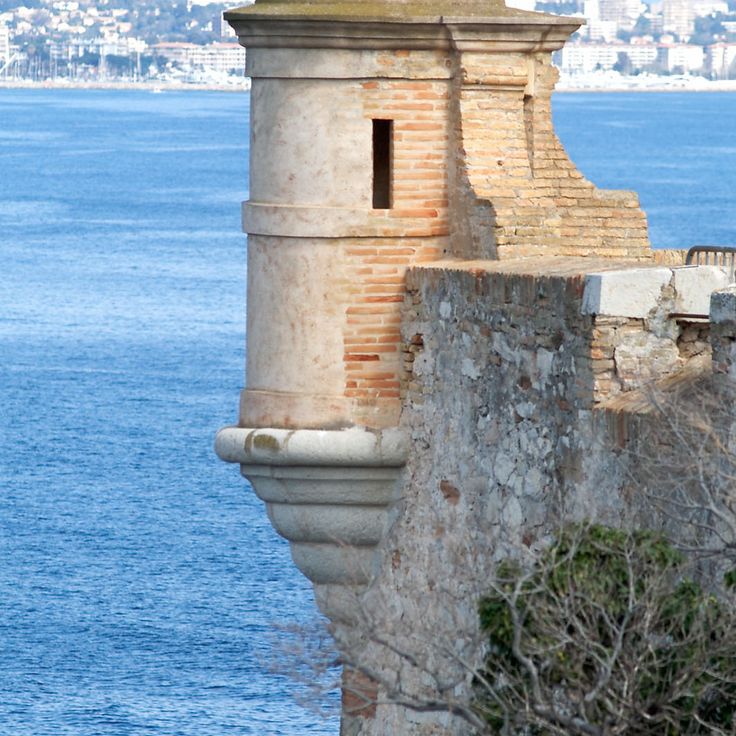
Sainte-Marguerite is a small island just off Cannes, reached by a short ferry ride of about 15 minutes. It is known above all for the Fort Royal, where the mysterious prisoner known as the Man in the Iron Mask was held. You can walk through the old cells and follow the story of this place along the stone walls. Beyond the fort, shaded paths wind through pine and eucalyptus trees down to the water.
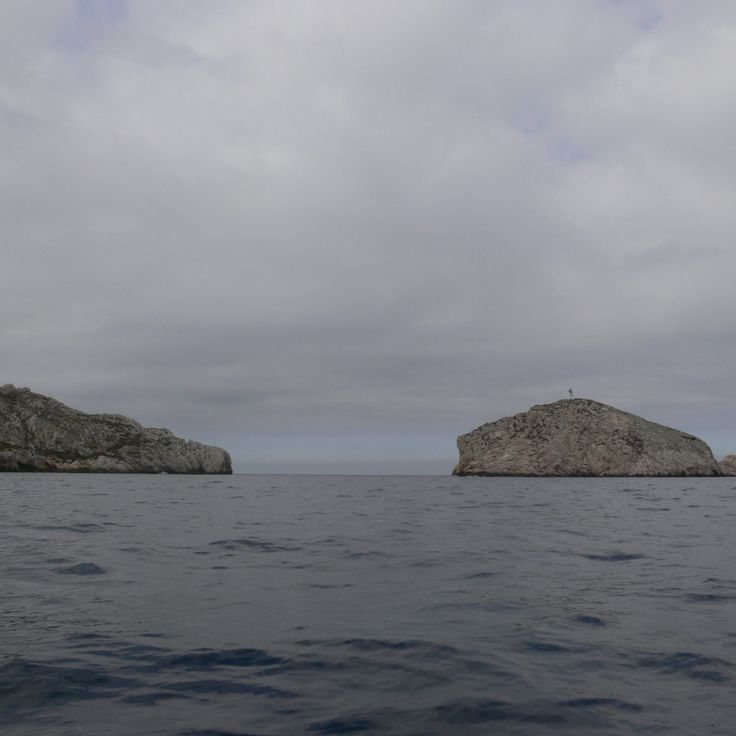
Îlot Tiboulen is a small uninhabited islet in the Frioul Islands, off the coast of Marseille. For those exploring the thirty French islands in this collection, it represents the wilder side of the Mediterranean, a bare rock shaped by wind and sea, far from the crowds.
The Îles de Lérins sit just off the coast of Cannes and can be reached by boat in a few minutes. Sainte-Marguerite is home to an old fort where the Man in the Iron Mask was once held prisoner. Saint-Honorat has a working monastery where monks still grow grapes and make wine. Both islands are covered in pine trees and have quiet paths along the shoreline.
Belle-Île-en-Mer is the largest island in Brittany, sitting off the coast of Morbihan. Its western shore is lined with tall cliffs battered by Atlantic winds, while the eastern side offers calmer bays and small fishing ports. Villages like Le Palais and Sauzon give the island its character, with low stone houses and busy harbor fronts that draw visitors and locals alike.
Île de Ré sits off the Charente-Maritime coast and is known for its white villages with blue shutters. People come here to cycle on flat paths that wind through salt marshes and vineyards. The island has its own pace: bright, open, shaped by Atlantic light. Fishing boats line the harbors, and local markets offer oysters and salt harvested from the nearby salt flats.
The Île d'Oléron is the largest French island on the Atlantic coast. Wide sandy beaches, pine forests and small harbor villages where oyster farmers keep their wooden shacks right by the water make up the landscape. Getting around by bike is easy since the terrain is flat. Oyster farming is a big part of daily life here, and many villages carry the scent of salt and sea.
Corsica is the largest French island in the Mediterranean. It has high mountains, long sandy beaches, dense forests and small villages clinging to hillsides. The island has its own language, its own cuisine and a history quite different from that of mainland France. You can hike, swim or simply wander through the old streets of towns like Bonifacio or Corte.
The Île d'Yeu sits off the Vendée coast and feels like a place apart. The port side of the island is lined with fishing boats and whitewashed houses, while the opposite shore is all bare rock and crashing waves. A few miles of winding paths connect the two sides, passing through low scrubland. The island is also known as the place where Marshal Pétain spent his final years under house arrest. A short ferry ride brings you there, and a bicycle is the best way to get around.
Porquerolles sits off the Var coast and is part of the Port-Cros National Park. The island has sandy beaches on its northern shore and rocky cliffs to the south. You can only get there by ferry from the mainland. There are no cars on the island, just paths for cyclists and walkers. The water around Porquerolles is clear and popular with snorkelers and divers.
Port-Cros is a small island off the Var coast, protected as a national park since the 1960s. Narrow trails wind through dense forest to rocky shores and sheltered coves. Below the surface, the water is home to sea life that has largely disappeared from other parts of the Mediterranean coast.
The Île de Bréhat sits off the coast of Brittany in the Côtes-d'Armor and can only be reached by boat. There are no cars on the island, just paths winding between granite rocks and gardens where fig trees and hydrangeas grow. The mild climate allows plants to thrive that you would normally expect further south. You walk everywhere, listen to the sea, and follow the rhythm of the tides.
Ouessant sits far off the western tip of Brittany, in the Finistère, pushed out into the Atlantic. The island is known for its lighthouses, which have guided ships through some of the most treacherous waters off the French coast for centuries. The wind rarely stops, the cliffs are rocky and rough, and the land feels open and raw. Life here moves slowly, at a distance from the mainland and its noise.
The Île de Sein sits off the tip of the Finistère peninsula, barely rising above the Atlantic Ocean. It is one of the smallest inhabited islands in France, where narrow lanes run between low stone houses and the sea is visible from every corner. There are no cars on the island. The wind blows almost constantly, and the tides shape the rhythm of daily life. It is a place where the ocean feels very close, in every direction.
Molène is a small island in the Finistère, sitting in the Iroise Sea between Ouessant and the mainland coast. It is part of a marine nature reserve. The island has almost no cars, just narrow lanes, stone houses, and a small working harbor where fishing boats come and go. The tides shape the rhythm of each day. The Atlantic wind blows constantly, and the light over the water changes by the hour. People come here to slow down and watch the sea.
Groix is an island off the coast of Morbihan, known for its unusual geology. The beaches here are rare: the sand curves outward, forming convex beaches, one of the few places in Europe where this happens. The cliffs drop sharply into the sea, and the coastal paths show how the water has shaped the rock over centuries. Life on Groix is slow and simple, and the island is small enough to explore on foot.
Houat is a small island off the coast of Morbihan in Brittany. You reach it by ferry, and the crossing already sets the tone. The island has white sand beaches, low-growing plants, and a small fishing village where life moves slowly. There are almost no cars, the paths are narrow, and most people get around on foot. Houat is the kind of island you visit when you want to step away from ordinary life for a while.
Hoëdic is a small island off the coast of Brittany, in the Morbihan department. You can only get there by ferry, and that alone keeps the crowds away. There are no cars, just footpaths that wind through heath and along rocky shores with open views of the sea. The village is tiny, with an old church tower, a few fishermen's houses, and a handful of cafés. Life here moves with the tides.
Noirmoutier is an island off the Vendée coast that can be reached by bridge or, at low tide, by the Passage du Gois, a road that floods when the sea comes in. The land is flat, marked by salt marshes and tidal mudflats. In spring, mimosa blooms across the island. Local life revolves around salt harvesting, oyster farming, and fresh fish markets.
The Île aux Moines sits in the Gulf of Morbihan and is the largest island in this sheltered bay in Brittany. Small villages, flowering gardens, and narrow paths run across the island. A short ferry ride from Baden brings you there in just a few minutes. The mild climate allows plants to grow that you would normally find further south.
The Île d'Arz sits in the middle of the Golfe du Morbihan and is reached by boat from the nearby shore. The island is small, with paths that wind through fields and along the coastline. Small stone villages, old chapels and fishing boats in the harbor give it a simple, grounded feel. Life here moves slowly. Many visitors come to walk the trails or sit and watch the water. The bay that surrounds the island is dotted with dozens of other small islands, making it one of the most sheltered spots along the Brittany coast.
Île Tatihou sits just off the Normandy coast near Saint-Vaast-la-Hougue, reachable by amphibious boat or on foot at low tide. The island holds a 17th-century tower built as part of Vauban's coastal defense system, now a UNESCO World Heritage site. A small maritime museum tells the story of the sea battles fought nearby. The island also serves as a bird sanctuary, where migratory species stop during their seasonal journeys.
Chausey is an archipelago in the English Channel, close to Mont-Saint-Michel. At low tide, the sea pulls back to reveal a vast field of rocks and islets that stretches as far as the eye can see. At high tide, most of those islets disappear under water, leaving only the main island above the surface. The tidal range here is among the largest in Europe, roughly 50 feet (15 meters), and it sets the pace for everything on the island.
Île Madame sits off the coast of Charente-Maritime and can be reached on foot at low tide via a pebble causeway called the Passe aux Boeufs. The island is small and rarely crowded. Salt marshes cover much of the land, and birds gather there throughout the year. A stone cross marks the grave of hundreds of priests who were imprisoned here during the Revolution and died on the island. A walk around the island takes about an hour.
The Île d'Aix sits off the coast of Charente-Maritime and has no cars at all. You walk or cycle along narrow paths between low white houses. The island is closely tied to Napoleon, who stayed here before being sent to Saint Helena. Two small museums tell that story. Life here moves slowly, the paths are short, and the sea is always close.
Batz is a small island off the coast of Finistère, just a short ferry ride from Roscoff. The island is flat, covered with fields and gardens, and home to a well-known exotic garden where plants from warm climates grow side by side. The lanes are narrow and car-free, and daily life moves at a slow pace tied to the tides. An old lighthouse rises above the island and offers a clear view of the Breton coast.
The Lavézi Islands sit at the southern tip of Corsica, in the strait of Bonifacio. They are made up of bare granite rocks that rise straight out of the sea. The water around them is shallow and clear in places, which makes the area popular with snorkelers and divers. There are no roads, no buildings, and no permanent residents. You reach the islands by boat from Bonifacio. On land, marked paths wind between the rocks, with views of the sea on all sides. Vegetation is sparse, and the place feels more like a piece of the sea than of the land.
Embiez is a small island off the coast of the Var, reached by a short ferry ride from the Six-Fours-les-Plages shore. The island has a sheltered harbor, rocky coves, and a vineyard that covers much of the land. There are no cars, only narrow paths between the vines and the sea. It is a good place to walk, swim, and watch the boats come and go.
Riou is an uninhabited island off the coast of Marseille, in the Bouches-du-Rhône department. It forms part of a nature reserve dedicated to protecting the plants and animals of the Mediterranean. The rocky shoreline and the clear waters around it attract divers and sailors. On land, seabirds nest here undisturbed, far from the crowds of the mainland.
The Planier lighthouse stands on a rocky island off the coast of Marseille and has guided sailors into the bay for centuries. The island itself is bare, windswept, and has no permanent residents. From the sea, the tower is one of the first things you notice when approaching Marseille. There is little here beyond the lighthouse, the open water, and the sky. It is one of those places that feels raw and exposed, shaped entirely by the elements.
Saint-Honorat is the smaller of the two Lérins Islands off Cannes. A monastery has stood here since the 5th century, and monks still grow grapes on the island today. You can walk around the entire island on foot, visit old stone towers, and enjoy a stillness that feels rare so close to the coast.
Sainte-Marguerite is a small island just off Cannes, reached by a short ferry ride of about 15 minutes. It is known above all for the Fort Royal, where the mysterious prisoner known as the Man in the Iron Mask was held. You can walk through the old cells and follow the story of this place along the stone walls. Beyond the fort, shaded paths wind through pine and eucalyptus trees down to the water.
Îlot Tiboulen is a small uninhabited islet in the Frioul Islands, off the coast of Marseille. For those exploring the thirty French islands in this collection, it represents the wilder side of the Mediterranean, a bare rock shaped by wind and sea, far from the crowds.
The Îles de Lérins sit just off the coast of Cannes and can be reached by boat in a few minutes. Sainte-Marguerite is home to an old fort where the Man in the Iron Mask was once held prisoner. Saint-Honorat has a working monastery where monks still grow grapes and make wine. Both islands are covered in pine trees and have quiet paths along the shoreline.
Belle-Île-en-Mer is the largest island in Brittany, sitting off the coast of Morbihan. Its western shore is lined with tall cliffs battered by Atlantic winds, while the eastern side offers calmer bays and small fishing ports. Villages like Le Palais and Sauzon give the island its character, with low stone houses and busy harbor fronts that draw visitors and locals alike.
Île de Ré sits off the Charente-Maritime coast and is known for its white villages with blue shutters. People come here to cycle on flat paths that wind through salt marshes and vineyards. The island has its own pace: bright, open, shaped by Atlantic light. Fishing boats line the harbors, and local markets offer oysters and salt harvested from the nearby salt flats.
The Île d'Oléron is the largest French island on the Atlantic coast. Wide sandy beaches, pine forests and small harbor villages where oyster farmers keep their wooden shacks right by the water make up the landscape. Getting around by bike is easy since the terrain is flat. Oyster farming is a big part of daily life here, and many villages carry the scent of salt and sea.
Corsica is the largest French island in the Mediterranean. It has high mountains, long sandy beaches, dense forests and small villages clinging to hillsides. The island has its own language, its own cuisine and a history quite different from that of mainland France. You can hike, swim or simply wander through the old streets of towns like Bonifacio or Corte.
The Île d'Yeu sits off the Vendée coast and feels like a place apart. The port side of the island is lined with fishing boats and whitewashed houses, while the opposite shore is all bare rock and crashing waves. A few miles of winding paths connect the two sides, passing through low scrubland. The island is also known as the place where Marshal Pétain spent his final years under house arrest. A short ferry ride brings you there, and a bicycle is the best way to get around.
Porquerolles sits off the Var coast and is part of the Port-Cros National Park. The island has sandy beaches on its northern shore and rocky cliffs to the south. You can only get there by ferry from the mainland. There are no cars on the island, just paths for cyclists and walkers. The water around Porquerolles is clear and popular with snorkelers and divers.
Port-Cros is a small island off the Var coast, protected as a national park since the 1960s. Narrow trails wind through dense forest to rocky shores and sheltered coves. Below the surface, the water is home to sea life that has largely disappeared from other parts of the Mediterranean coast.
The Île de Bréhat sits off the coast of Brittany in the Côtes-d'Armor and can only be reached by boat. There are no cars on the island, just paths winding between granite rocks and gardens where fig trees and hydrangeas grow. The mild climate allows plants to thrive that you would normally expect further south. You walk everywhere, listen to the sea, and follow the rhythm of the tides.
Ouessant sits far off the western tip of Brittany, in the Finistère, pushed out into the Atlantic. The island is known for its lighthouses, which have guided ships through some of the most treacherous waters off the French coast for centuries. The wind rarely stops, the cliffs are rocky and rough, and the land feels open and raw. Life here moves slowly, at a distance from the mainland and its noise.
The Île de Sein sits off the tip of the Finistère peninsula, barely rising above the Atlantic Ocean. It is one of the smallest inhabited islands in France, where narrow lanes run between low stone houses and the sea is visible from every corner. There are no cars on the island. The wind blows almost constantly, and the tides shape the rhythm of daily life. It is a place where the ocean feels very close, in every direction.
Molène is a small island in the Finistère, sitting in the Iroise Sea between Ouessant and the mainland coast. It is part of a marine nature reserve. The island has almost no cars, just narrow lanes, stone houses, and a small working harbor where fishing boats come and go. The tides shape the rhythm of each day. The Atlantic wind blows constantly, and the light over the water changes by the hour. People come here to slow down and watch the sea.
Groix is an island off the coast of Morbihan, known for its unusual geology. The beaches here are rare: the sand curves outward, forming convex beaches, one of the few places in Europe where this happens. The cliffs drop sharply into the sea, and the coastal paths show how the water has shaped the rock over centuries. Life on Groix is slow and simple, and the island is small enough to explore on foot.
Houat is a small island off the coast of Morbihan in Brittany. You reach it by ferry, and the crossing already sets the tone. The island has white sand beaches, low-growing plants, and a small fishing village where life moves slowly. There are almost no cars, the paths are narrow, and most people get around on foot. Houat is the kind of island you visit when you want to step away from ordinary life for a while.
Hoëdic is a small island off the coast of Brittany, in the Morbihan department. You can only get there by ferry, and that alone keeps the crowds away. There are no cars, just footpaths that wind through heath and along rocky shores with open views of the sea. The village is tiny, with an old church tower, a few fishermen's houses, and a handful of cafés. Life here moves with the tides.
Noirmoutier is an island off the Vendée coast that can be reached by bridge or, at low tide, by the Passage du Gois, a road that floods when the sea comes in. The land is flat, marked by salt marshes and tidal mudflats. In spring, mimosa blooms across the island. Local life revolves around salt harvesting, oyster farming, and fresh fish markets.
The Île aux Moines sits in the Gulf of Morbihan and is the largest island in this sheltered bay in Brittany. Small villages, flowering gardens, and narrow paths run across the island. A short ferry ride from Baden brings you there in just a few minutes. The mild climate allows plants to grow that you would normally find further south.
The Île d'Arz sits in the middle of the Golfe du Morbihan and is reached by boat from the nearby shore. The island is small, with paths that wind through fields and along the coastline. Small stone villages, old chapels and fishing boats in the harbor give it a simple, grounded feel. Life here moves slowly. Many visitors come to walk the trails or sit and watch the water. The bay that surrounds the island is dotted with dozens of other small islands, making it one of the most sheltered spots along the Brittany coast.
Île Tatihou sits just off the Normandy coast near Saint-Vaast-la-Hougue, reachable by amphibious boat or on foot at low tide. The island holds a 17th-century tower built as part of Vauban's coastal defense system, now a UNESCO World Heritage site. A small maritime museum tells the story of the sea battles fought nearby. The island also serves as a bird sanctuary, where migratory species stop during their seasonal journeys.
Chausey is an archipelago in the English Channel, close to Mont-Saint-Michel. At low tide, the sea pulls back to reveal a vast field of rocks and islets that stretches as far as the eye can see. At high tide, most of those islets disappear under water, leaving only the main island above the surface. The tidal range here is among the largest in Europe, roughly 50 feet (15 meters), and it sets the pace for everything on the island.
Île Madame sits off the coast of Charente-Maritime and can be reached on foot at low tide via a pebble causeway called the Passe aux Boeufs. The island is small and rarely crowded. Salt marshes cover much of the land, and birds gather there throughout the year. A stone cross marks the grave of hundreds of priests who were imprisoned here during the Revolution and died on the island. A walk around the island takes about an hour.
The Île d'Aix sits off the coast of Charente-Maritime and has no cars at all. You walk or cycle along narrow paths between low white houses. The island is closely tied to Napoleon, who stayed here before being sent to Saint Helena. Two small museums tell that story. Life here moves slowly, the paths are short, and the sea is always close.
Batz is a small island off the coast of Finistère, just a short ferry ride from Roscoff. The island is flat, covered with fields and gardens, and home to a well-known exotic garden where plants from warm climates grow side by side. The lanes are narrow and car-free, and daily life moves at a slow pace tied to the tides. An old lighthouse rises above the island and offers a clear view of the Breton coast.
The Lavézi Islands sit at the southern tip of Corsica, in the strait of Bonifacio. They are made up of bare granite rocks that rise straight out of the sea. The water around them is shallow and clear in places, which makes the area popular with snorkelers and divers. There are no roads, no buildings, and no permanent residents. You reach the islands by boat from Bonifacio. On land, marked paths wind between the rocks, with views of the sea on all sides. Vegetation is sparse, and the place feels more like a piece of the sea than of the land.
Embiez is a small island off the coast of the Var, reached by a short ferry ride from the Six-Fours-les-Plages shore. The island has a sheltered harbor, rocky coves, and a vineyard that covers much of the land. There are no cars, only narrow paths between the vines and the sea. It is a good place to walk, swim, and watch the boats come and go.
Riou is an uninhabited island off the coast of Marseille, in the Bouches-du-Rhône department. It forms part of a nature reserve dedicated to protecting the plants and animals of the Mediterranean. The rocky shoreline and the clear waters around it attract divers and sailors. On land, seabirds nest here undisturbed, far from the crowds of the mainland.
The Planier lighthouse stands on a rocky island off the coast of Marseille and has guided sailors into the bay for centuries. The island itself is bare, windswept, and has no permanent residents. From the sea, the tower is one of the first things you notice when approaching Marseille. There is little here beyond the lighthouse, the open water, and the sky. It is one of those places that feels raw and exposed, shaped entirely by the elements.
Saint-Honorat is the smaller of the two Lérins Islands off Cannes. A monastery has stood here since the 5th century, and monks still grow grapes on the island today. You can walk around the entire island on foot, visit old stone towers, and enjoy a stillness that feels rare so close to the coast.
Sainte-Marguerite is a small island just off Cannes, reached by a short ferry ride of about 15 minutes. It is known above all for the Fort Royal, where the mysterious prisoner known as the Man in the Iron Mask was held. You can walk through the old cells and follow the story of this place along the stone walls. Beyond the fort, shaded paths wind through pine and eucalyptus trees down to the water.
Îlot Tiboulen is a small uninhabited islet in the Frioul Islands, off the coast of Marseille. For those exploring the thirty French islands in this collection, it represents the wilder side of the Mediterranean, a bare rock shaped by wind and sea, far from the crowds.
The Îles de Lérins sit just off the coast of Cannes and can be reached by boat in a few minutes. Sainte-Marguerite is home to an old fort where the Man in the Iron Mask was once held prisoner. Saint-Honorat has a working monastery where monks still grow grapes and make wine. Both islands are covered in pine trees and have quiet paths along the shoreline.
Each island tells a story. Some have forts from the 17th century, others have been lived in by the same families for many years. Walking or biking, you will see how people live with the sea and tides. Don't rush: take your time to talk with the locals. They know the best places to eat and quiet paths.