Historical Museum at Lund University, Archaeological and history museum in Lund, Sweden
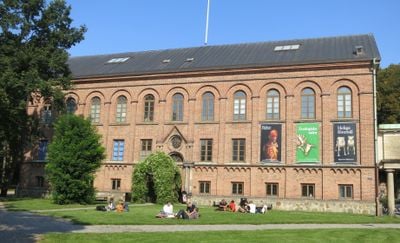
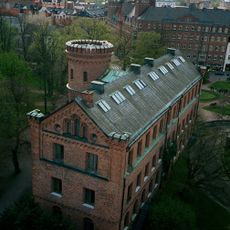
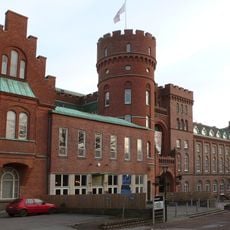
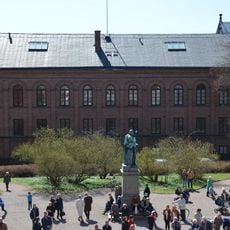
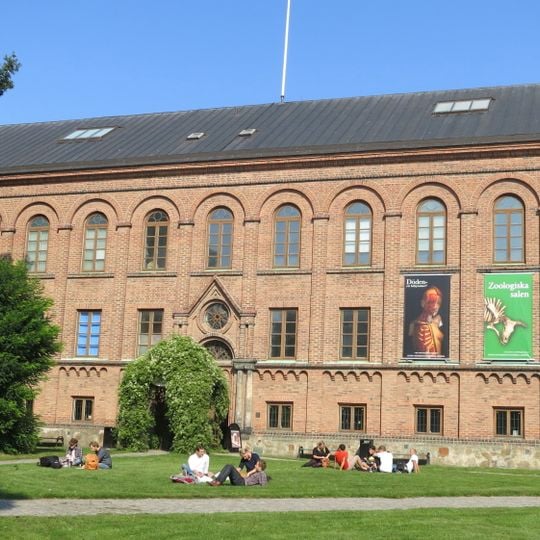
The Historical Museum at Lund University occupies a red-brick building on Krafts torg, constructed 1840–1845 as a bishop's residence to designs by Axel Fredrik Nyström. Its steep grey roof carries dormers and skylights; the facade has round-arched upper windows and a stone-framed central entrance. Inside, four floors hold archaeological finds, medieval church art and coins.
The museum was founded in 1805 as part of the university to preserve knowledge about the region's past. Over time it grew through research and collecting into a scholarly institution focused on documenting local archaeological discoveries.
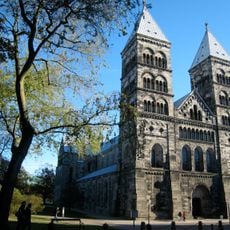
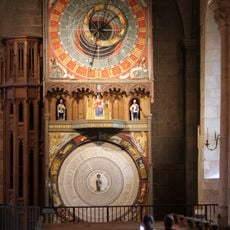
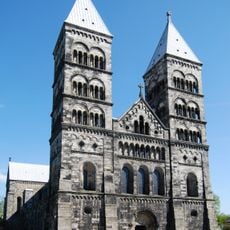
The museum's name in Swedish, Historiska museet, is not tied to the bishop's house it occupies: the building was built in 1840-45 as a bishop's residence but was exchanged with the university in 1848 before any bishop lived there. The cathedral has its own section, with architectural details and vestments from various periods, and medieval sculptures of saints and church silver from Scania fill the galleries.
Visitors should plan for several hours to explore the collections and see all the rooms. The building is easily walkable and located centrally in the city, with plenty of space to move between the displays.
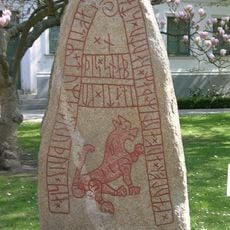
The Hunnestad Monument, once at Hunnestad near Ystad, was depicted in the 17th century as eight stones. Dismantled in the 18th century, three stones were rediscovered in the 19th century and are now at the museum; a fourth was found in 2020 during sewage work in Ystad Municipality.
The community of curious travelers
AroundUs brings together thousands of curated places, local tips, and hidden gems, enriched daily by 94,340 contributors worldwide.