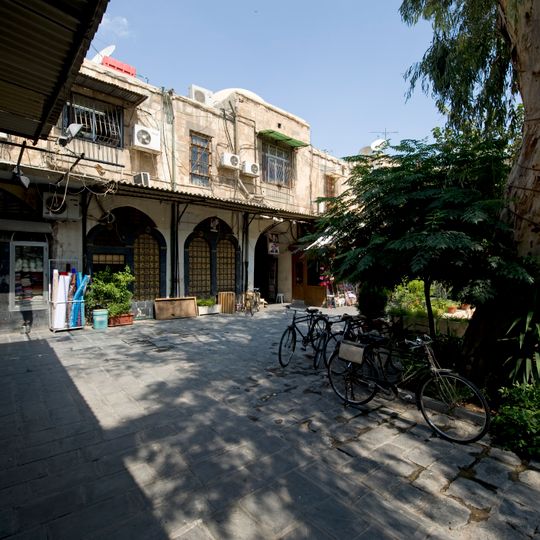
Khan al-Harir, caravanserai in Damascus, Syria
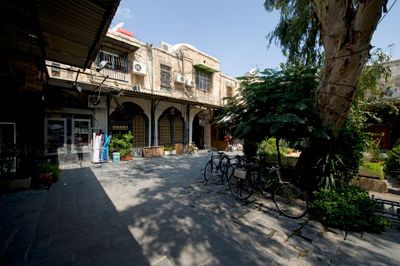
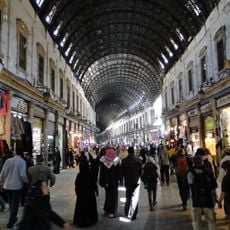
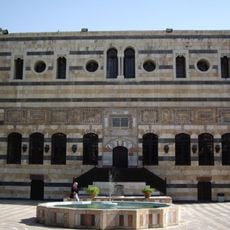
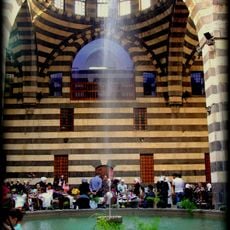
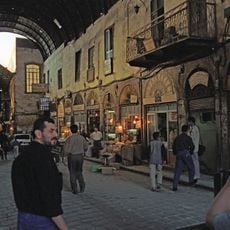
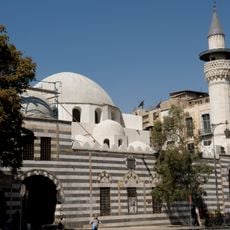
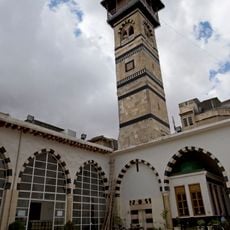
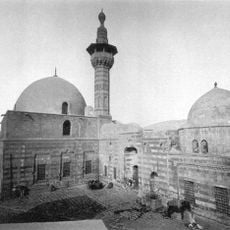
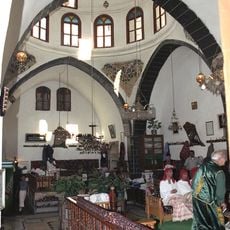
Khan al-Harir is a 16th-century caravanserai in the old part of Damascus built to serve silk merchants and travelers. The building centers on an open courtyard with a water fountain, bordered by 27 covered shops with distinctive stone cupolas overhead and upper-level rooms used for lodging and storage.
Built in the late 1500s by Darwish Pasha, an Ottoman official, the structure was donated as a gift to a nearby mosque to support the local Muslim community. Its construction marked a shift in how merchants and trade were organized in Damascus, establishing the southwest area near the Umayyad Mosque as a major commercial hub.
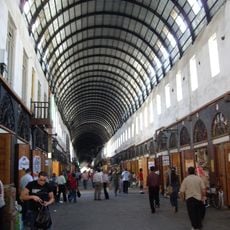
The name Khan al-Harir means 'Silk' in Arabic, reflecting its role as a center for fabric merchants who gathered here to trade. Local shopkeepers still work in the space today, continuing the tradition of buying and selling textiles that shaped this part of the city.
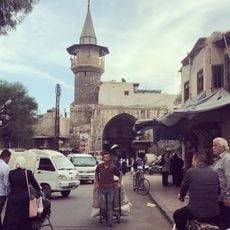
The site is centrally located in Damascus's old market district and accessible on foot from other historic landmarks, with nearby mosques and ancient streets within walking distance. The interior remains quieter than busier parts of the city, allowing you to move through at a relaxed pace and explore the building's layout and remaining shops.
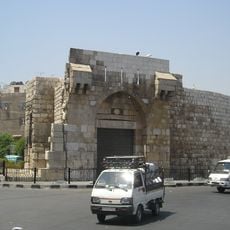
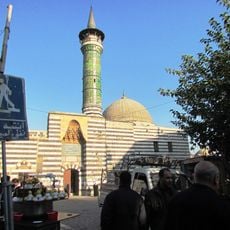
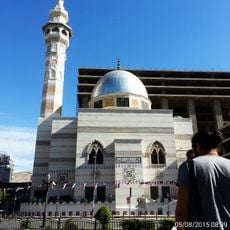
The walls feature an alternating pattern of colored stones laid in a distinctive technique common in older Damascus buildings, giving the structure a subtle visual interest that many visitors overlook. This careful stonework reflects local building practices from the period and remains one of its quieter architectural details.
The community of curious travelers
AroundUs brings together thousands of curated places, local tips, and hidden gems, enriched daily by 90,749 contributors worldwide.