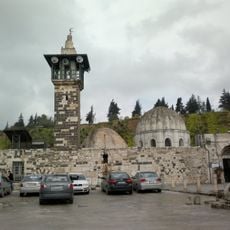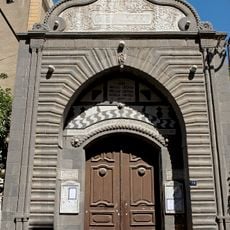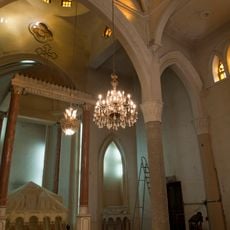
Necropolis of Emesa, Ancient necropolis in Homs, Syria.
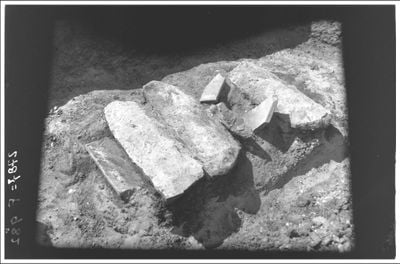
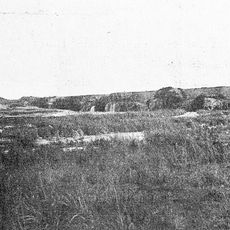
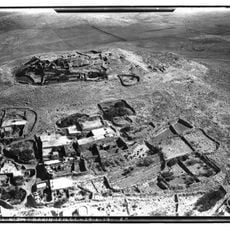
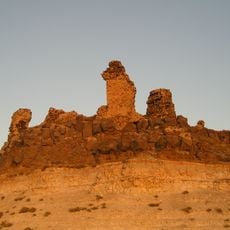
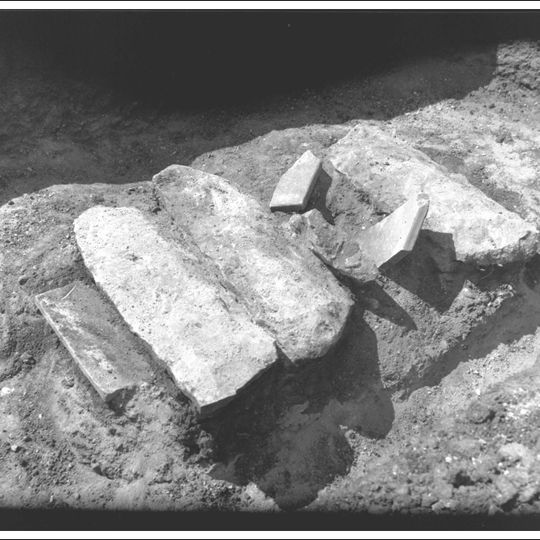
The necropolis of Emesa is an ancient burial ground near Homs with twenty-two excavated tomb chambers built from local black basalt stone near the Orontes River. The structures display a mix of construction methods and burial chamber layouts that reveal different techniques of funerary practice from that era.
The site was discovered through archaeological excavation in 1936 and contained burial chambers from the early Roman period. Much of the grounds were destroyed in 1952 by the construction of the Khalid ibn al-Walid Stadium, resulting in significant loss of the original remains.
The tombs show Parthian-Iranian influences through silver masks, parade weapons, and the notable Emesa helmet from the first century, revealing cultural exchanges in this border region.
Access to the site requires special permission from local authorities and is tightly controlled due to its location in a sensitive region. Visitors should inquire in advance and contact local officials to arrange entry.
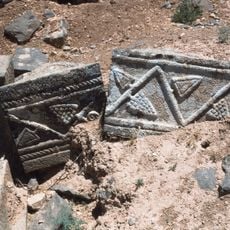
A monumental tomb tower built for Caius Julius Sampsigeramus in 78 AD featured distinctive pyramid caps and detailed column carvings. This structure stands as a rare example of Roman burial architecture blended with local stylistic elements.
The community of curious travelers
AroundUs brings together thousands of curated places, local tips, and hidden gems, enriched daily by 92,187 contributors worldwide.