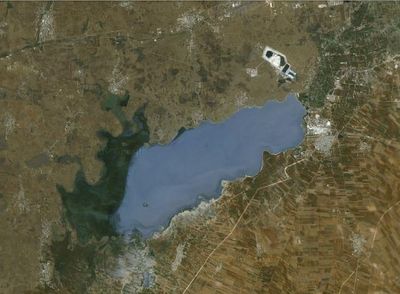
Lake Homs, lake in Syria
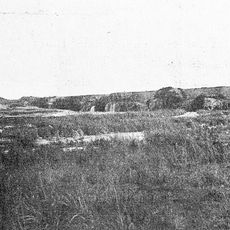
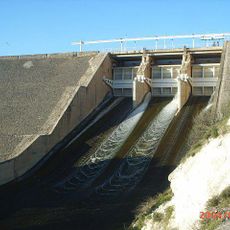
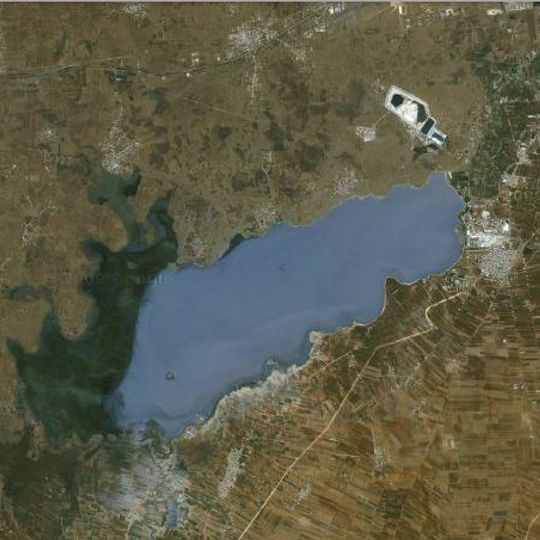
Lake Homs is a large reservoir in Syria created by damming the Orontes River, covering about 60 square kilometers and situated roughly 15 kilometers from the city of Homs. The lake supplies water through a network of canals for irrigation in the surrounding agricultural areas and serves as a major water storage facility for the region.
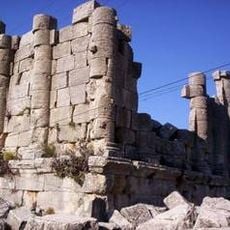
The dam was built by the Romans around 284 AD and stands as one of the oldest and clearest examples of Roman engineering in the region. In 1938 the structure was raised to increase storage capacity to about 200 million cubic meters, allowing it to serve modern water management needs.
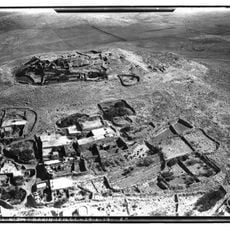
The lake has served as a vital water source for local farming communities for many centuries, shaping how people use and depend on the land. The surrounding region's connection to this reservoir remains strong, with irrigation traditions that have been passed down through generations.
The lake is most easily accessed from the city of Homs and visitors can walk along the flat, open paths around the shoreline without difficulty. The best times to visit are in cooler months or early morning since the area becomes quite hot during the day.
The dam was engineered to follow a natural ridge of basalt rock, showing how Roman builders adapted to the landscape to strengthen their work. Stretching about 2 kilometers long and standing roughly 7 meters tall, the structure has remained remarkably stable and functional despite its age of nearly 2000 years.
The community of curious travelers
AroundUs brings together thousands of curated places, local tips, and hidden gems, enriched daily by 91,548 contributors worldwide.