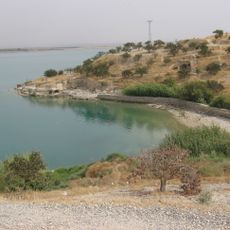
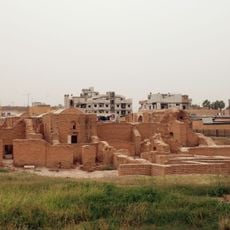
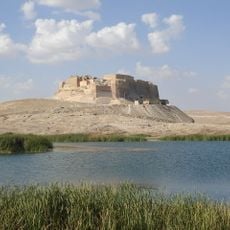
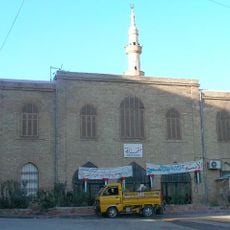
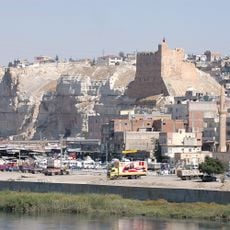
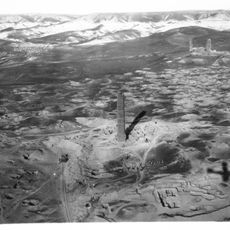
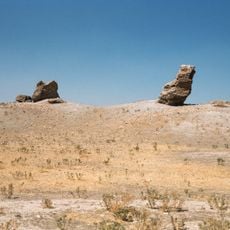
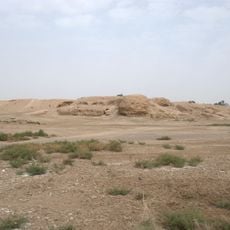
Tell Hadidi, Archaeological tell in Upper Mesopotamia, Syria.
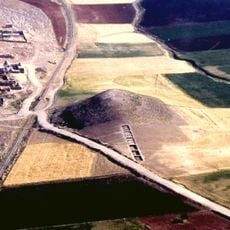
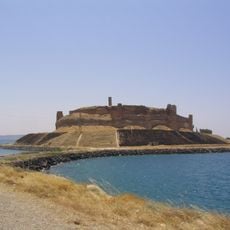
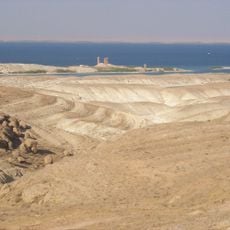
Tell Hadidi is an archaeological mound in Upper Mesopotamia with two distinct sections: an upper tell of 55 hectares on the west side and a lower tell containing Early Bronze Age artifacts. The excavated remains show continuous occupation across thousands of years.
Settlement began around 3300 BC during the Early Bronze Age and continued through several historical phases until Roman times. The site reached its largest size around 2300 BC, after which occupation patterns changed gradually.
The Tablet Building from the 15th century BC held cuneiform records showing how the local community managed legal matters and daily administration. These written records reveal the organized way residents conducted their affairs.
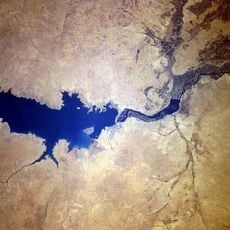
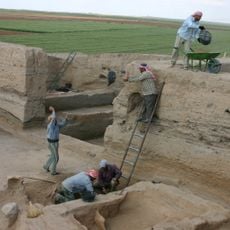
Excavations took place from 1973 to 1977 before the construction of the Tabqa Dam, which dramatically altered site conditions. Visitors should check current access and safety conditions before planning a visit to this location.
Large storage jars and cooking vessels found here display specific improvements in Late Bronze Age pottery manufacturing. The design changes visible in these ceramics show how craftspeople refined their techniques over time.
The community of curious travelers
AroundUs brings together thousands of curated places, local tips, and hidden gems, enriched daily by 90,754 contributors worldwide.