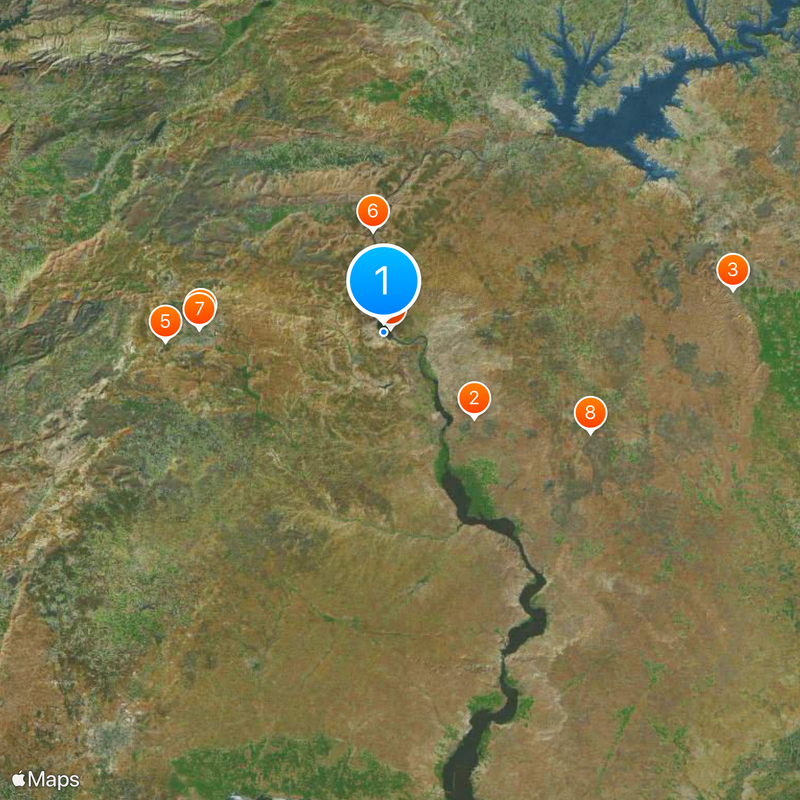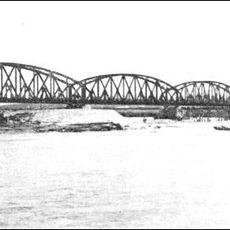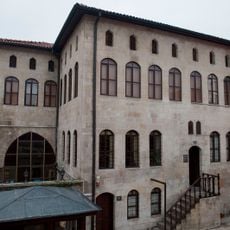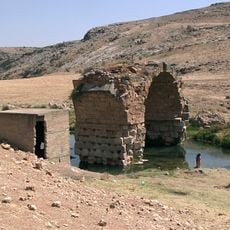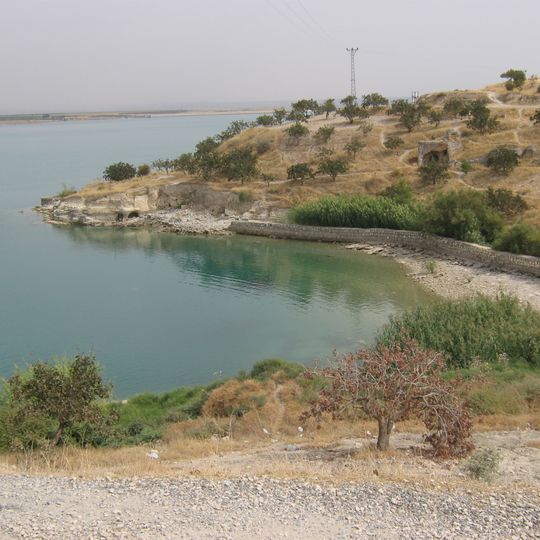
Zeugma, Archaeological site in Gaziantep Province, Turkey.
Zeugma is an ancient city along the Euphrates in Gaziantep Province, built on terraces by the riverbank and holding residential quarters from Roman times. The excavation site shows houses with floor mosaics, public baths, and remnants of streets that once shaped urban life.
The foundation took place around 300 BCE by Seleucus I Nicator as a strategic crossing on the Euphrates. Under Roman rule the city grew into a trade hub with tens of thousands of residents, until the Sassanid invasion in 256 CE destroyed it.
The name means "bridge" or "crossing" in Greek, reflecting the settlement's role as a key river ford where caravans once moved between empires. Today the ruins show how traders and soldiers lived in stone houses with decorated floors that still carry glimpses of daily meals and gatherings.
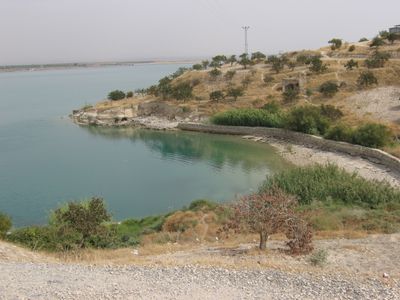
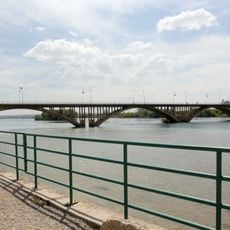
Access to the site follows marked paths leading to uncovered residential areas and baths, with some sections flooded due to dam construction. Sturdy footwear helps when walking over uneven ground with stones and excavation edges.
More than 2,000 Roman houses lie beneath the reservoir water after flooding swallowed large parts of the city. Archaeologists dug in only a few months before the water level rose, rescuing many mosaics while numerous structures remained out of reach.
The community of curious travelers
AroundUs brings together thousands of curated places, local tips, and hidden gems, enriched daily by 91,479 contributors worldwide.