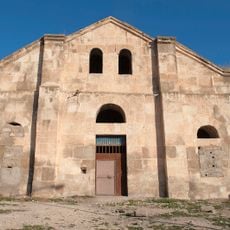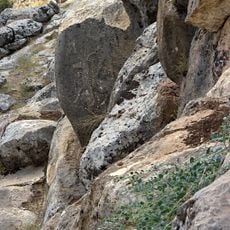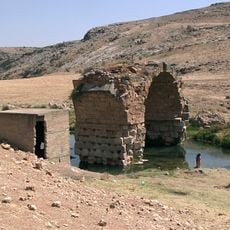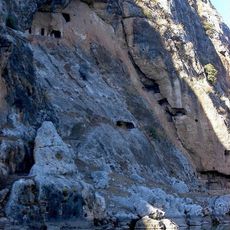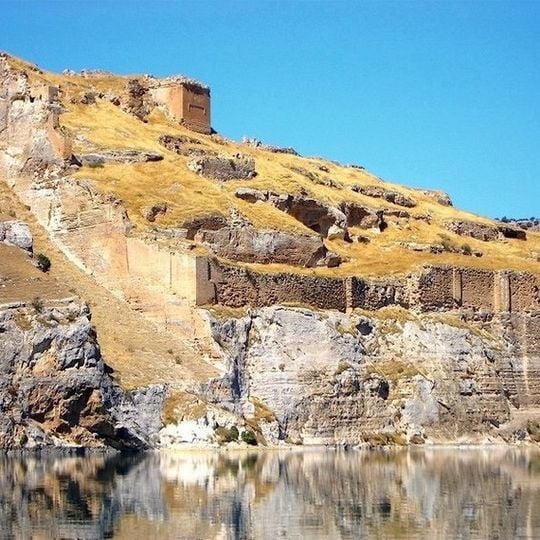
Rumkale, Archaeological site and castle ruin in Nizip, Turkey.
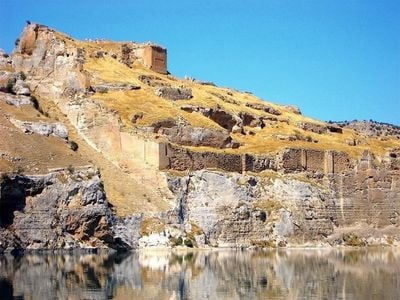
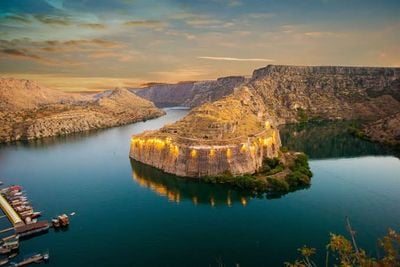
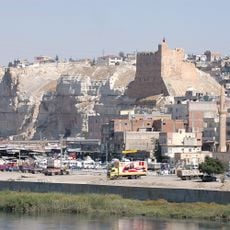
Rumkale is a castle ruin and archaeological site in Gaziantep province, perched on a limestone promontory that rises directly above the Euphrates River. The grounds hold multiple rings of defensive walls, rock-cut churches, and Ottoman-period structures arranged across several terraced levels carved into the cliff face.
The site served as the seat of the Armenian Patriarchate through much of the 13th century, until Mamluk forces seized it in 1293 after a prolonged siege. Before that, Byzantine and earlier communities had already shaped the rock for centuries, making this one of the longest continuously used points along this stretch of river.
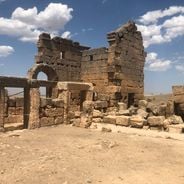
Walking through the site today, visitors can see carved stone doorways and church interiors that hint at a long tradition of Christian worship on this rocky outcrop. The mix of architectural styles left behind by different communities gives the place a layered character that is hard to find elsewhere in the region.
The fortress is most easily reached by boat tour from nearby Halfeti or Birecik, since the rock sits high above the water with no direct road access. Sturdy shoes and enough water are worth bringing, as the paths inside the site cross uneven ground, steps, and loose rock.
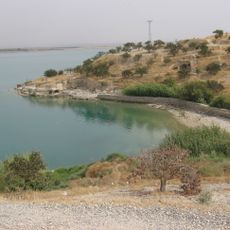
After the Atatürk Dam was completed in the 1990s, rising water levels turned the cliff into something close to an island, cutting off what had once been a land approach. This flooding effectively changed how visitors arrive and gave the site a completely different feel from what it would have looked like for most of its history.
The community of curious travelers
AroundUs brings together thousands of curated places, local tips, and hidden gems, enriched daily by 60,000 contributors worldwide.