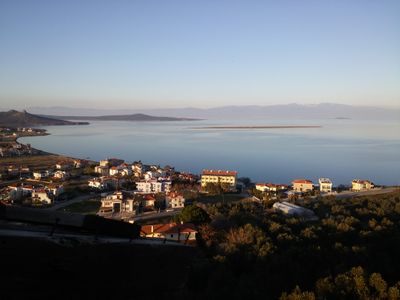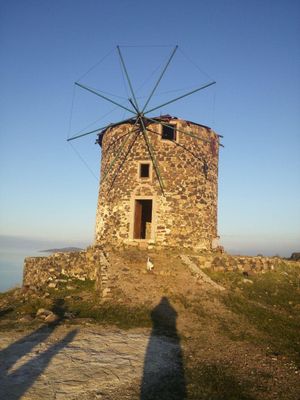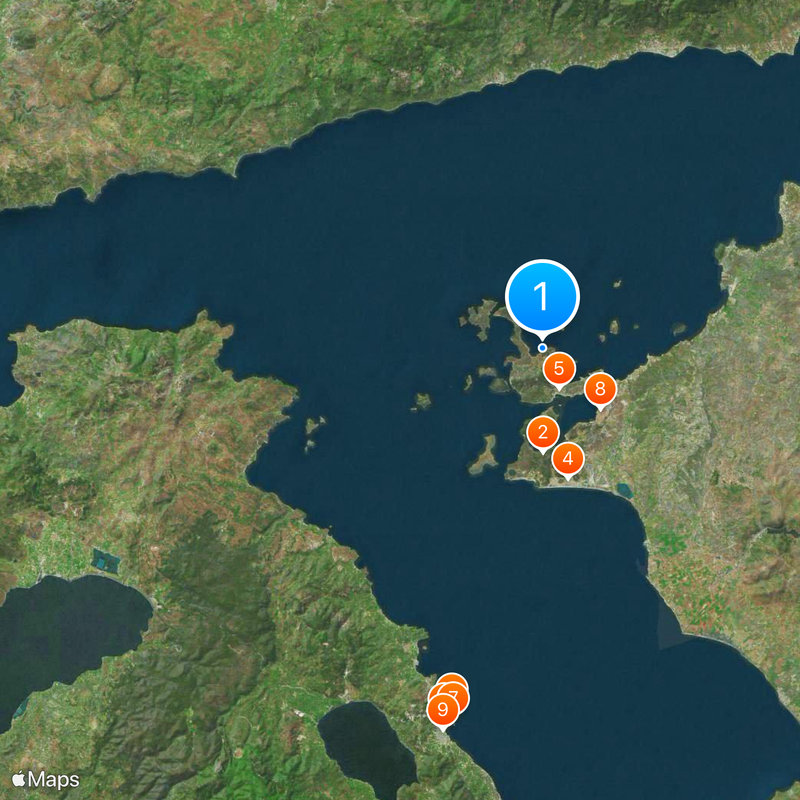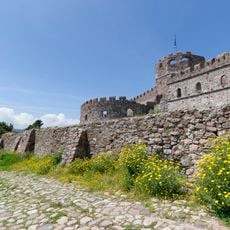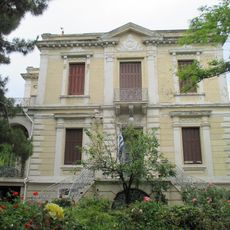
Cunda Island, Mediterranean island in Ayvalık, Turkey.
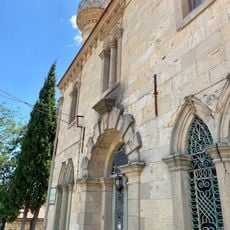
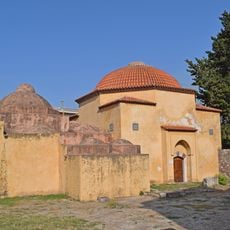
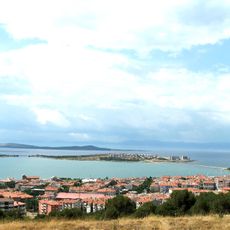
Cunda is an island in the northwestern Aegean Sea that connects to the mainland by a bridge, making it easily accessible. It features traditional stone houses and narrow alleyways that wind down toward the waterfront, creating a tightly woven neighborhood feel.
Until 1923, the island had a predominantly Greek population before the Treaty of Lausanne triggered a population exchange with Cretans and people from Lesbos. This shift fundamentally changed the makeup and cultural fabric of the community.
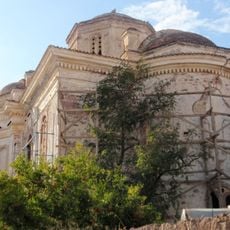
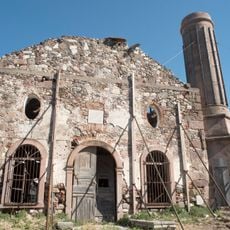
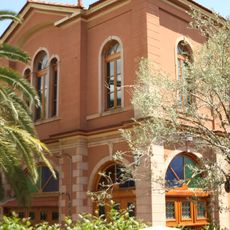
The Taxiarchis Church, a former Greek Orthodox cathedral, now serves as part of a museum and reflects the island's long religious past. Visitors can see the restored structure and how it has been repurposed while maintaining its historical character.
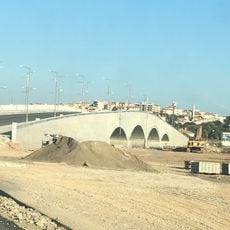
The island is connected to the mainland by a bridge, which you can cross by car, bus, or on foot. The location is accessible year-round, though summer months see more visitors and the waterfront becomes more crowded with shops and cafés.
A bridge built in the 1960s connects this island to neighboring Lale Island and stands as Turkey's first engineering feat spanning waters between land masses. This structure marks a turning point in the country's infrastructure history.
The community of curious travelers
AroundUs brings together thousands of curated places, local tips, and hidden gems, enriched daily by 92,177 contributors worldwide.