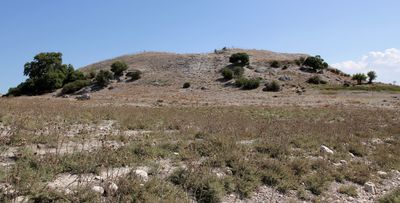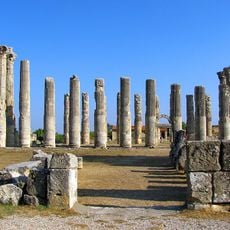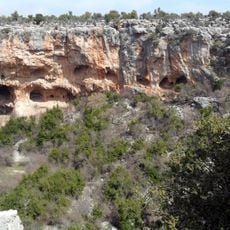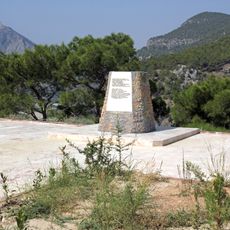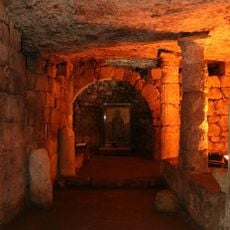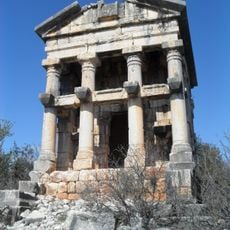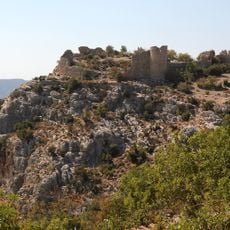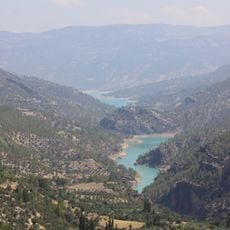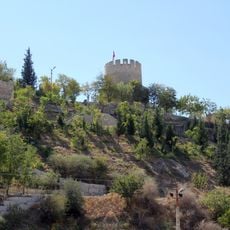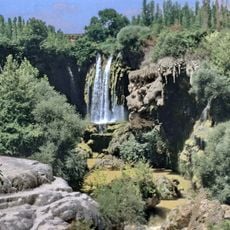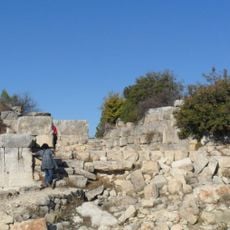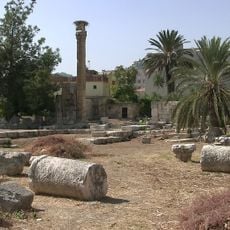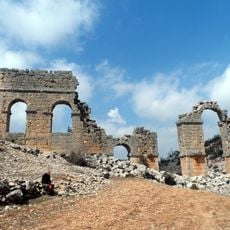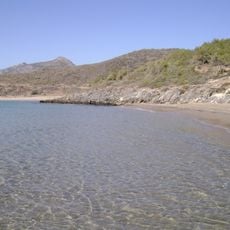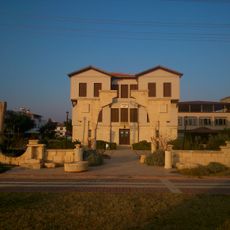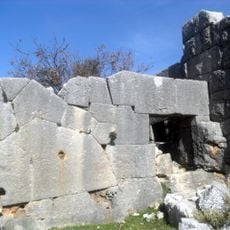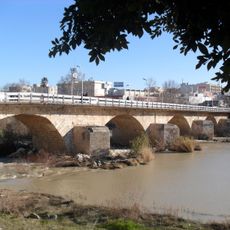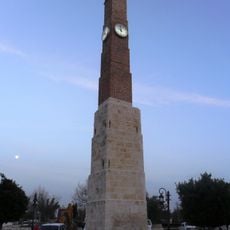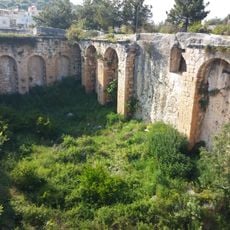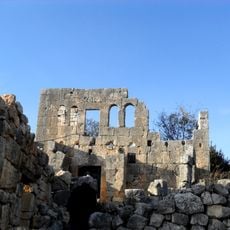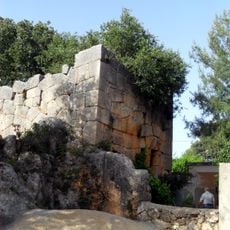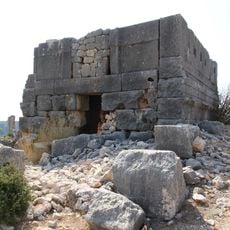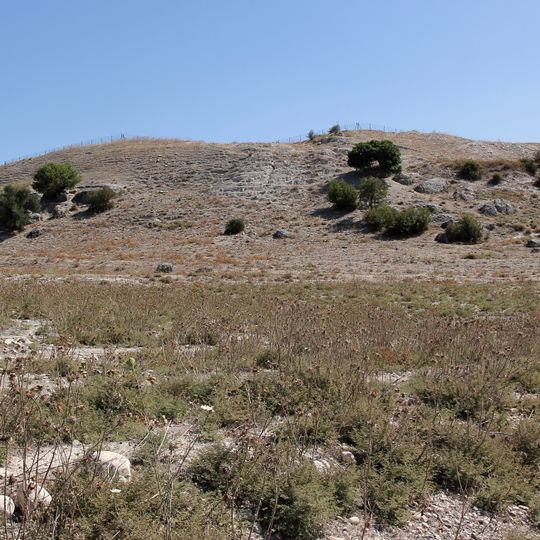
Kilise Tepe, Archaeological mound near Göksu River, Mersin Province, Turkey.
Kilise Tepe is a settlement mound near the Göksu River that contains overlapping layers from different time periods. The site shows evidence of continuous human occupation with structures and remains from multiple ancient epochs.
The site suffered major destruction in the late 13th century BC at the hands of invading groups, after which people rebuilt and lived there again. A second destruction in the mid-12th century BC led to abandonment of the place.
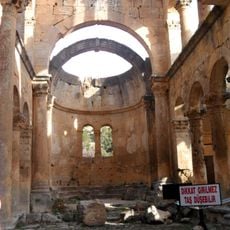
The site's name comes from a chapel that once stood on the mound and held meaning for local communities. This connection between ancient layers and later religious traditions shows how the place drew people's attention across many centuries.
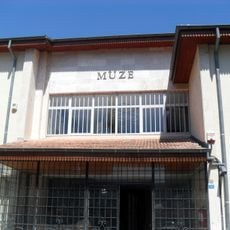
The excavated artifacts from this site are now on display at the Silifke Museum, where visitors can see the finds up close. This museum location provides easy access to understand what archaeologists uncovered at the mound.
Wood fragments from the late Bronze age allowed scientists to determine the exact age of the settlement and showed occupation around 1380 BC. This precise dating gave rare clarity about when people actually lived at this ancient place.
The community of curious travelers
AroundUs brings together thousands of curated places, local tips, and hidden gems, enriched daily by 91,361 contributors worldwide.