Hoosick Falls Historic District, historic district in the United States
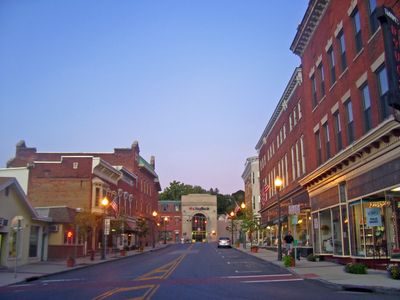
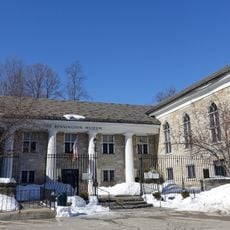
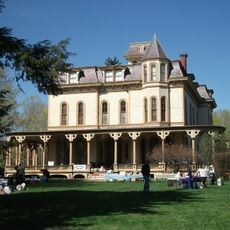
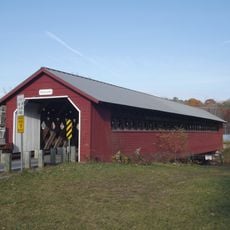
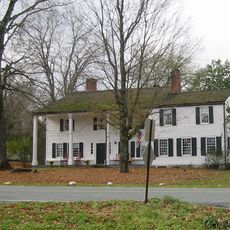
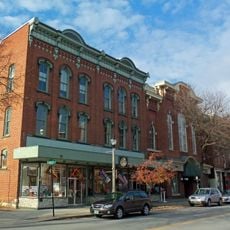
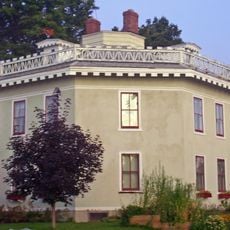
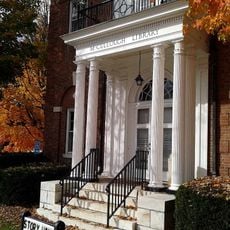
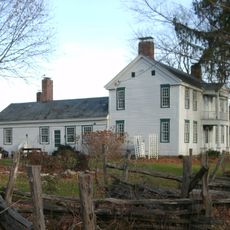
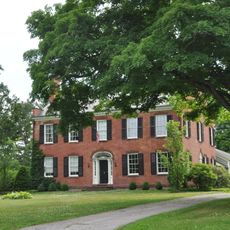
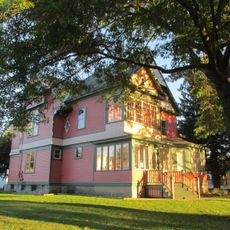
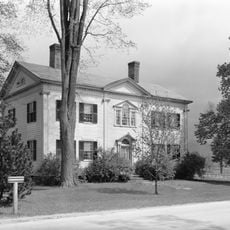
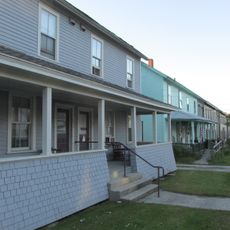
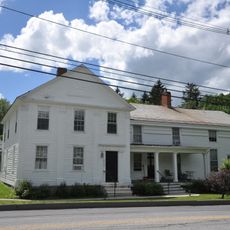
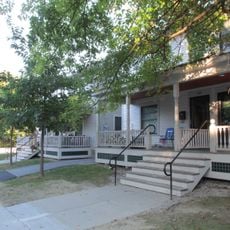
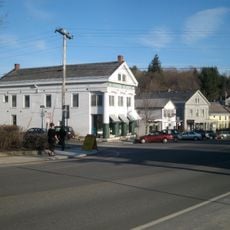
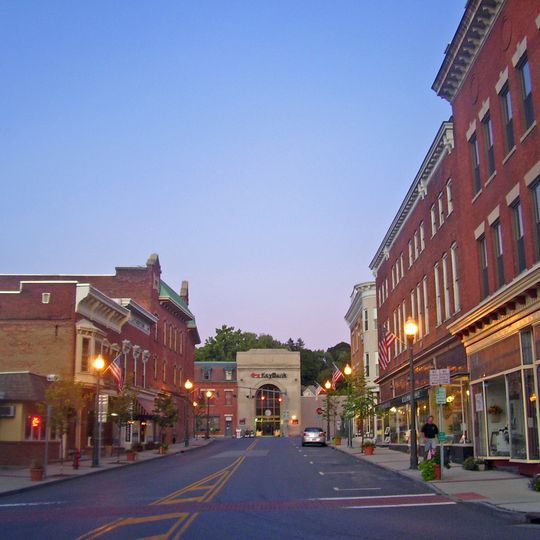
Hoosick Falls Historic District is an eight-acre area in the village center covering mostly Church, Classic, and John streets. The brick and wood buildings from the late 1800s and early 1900s display Italianate and Second Empire styles, with multi-story structures that once served as shops, offices, and small factories.
Settlers from Connecticut founded the village in the 1740s, building a mill and bridge. After official incorporation in 1827, textile mills followed by the Walter A. Wood machinery company drove rapid industrial growth that peaked in the late 1800s, then declined after 1924.
The district was home to artists like painter Grandma Moses, whose work captured everyday rural life and gained international recognition. The murals on buildings and the creative legacy show how art has been woven into the community's identity.
The district spreads south of the Hoosick River in an upside-down L shape, with the post office area on Church Street being a good starting point. The streets are easily walkable, and the original buildings help you navigate through different periods of the town's growth.
The village is known for Grandma Moses, a late-life painter whose folk art was discovered in a local pharmacy, yet few realize that a Teflon factory later released chemicals into the water. The community's vigilant response to clean up the water and build new wells shows how local activism protected public health.
The community of curious travelers
AroundUs brings together thousands of curated places, local tips, and hidden gems, enriched daily by 92,838 contributors worldwide.