Ajuy, Fishing village in Pájara, Spain
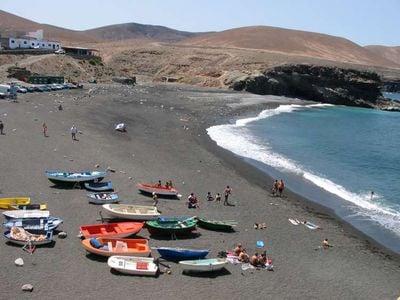
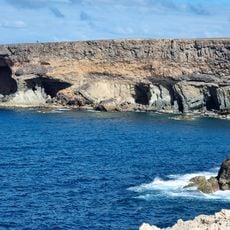
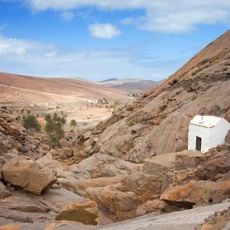
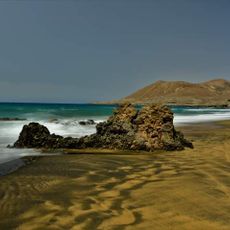
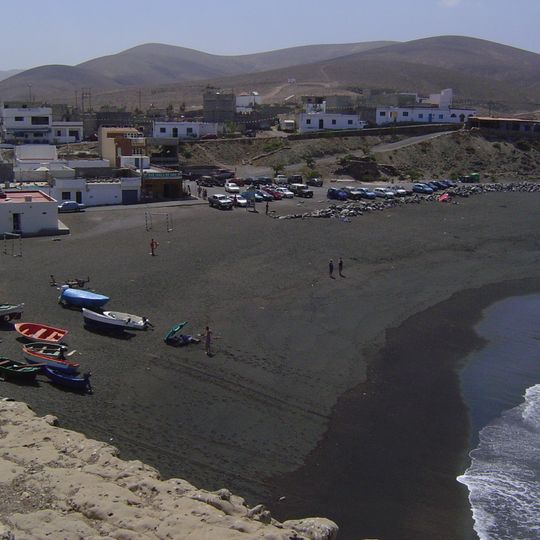
Ajuy sits on Fuerteventura's western coast with a black sand beach hemmed by sheer limestone cliffs and natural caves carved into the rock. The narrow harbor serves small fishing boats, and rocky outcrops extend into the water.
In 1402, Norman explorer Jean de Béthencourt selected this location as his landing point to begin the Spanish conquest of Fuerteventura. This arrival marked the start of European settlement on the island.
Fishing remains central to village life, with locals practicing traditional methods from the harbor each day. The community's identity is rooted in this relationship with the sea that has defined it for centuries.
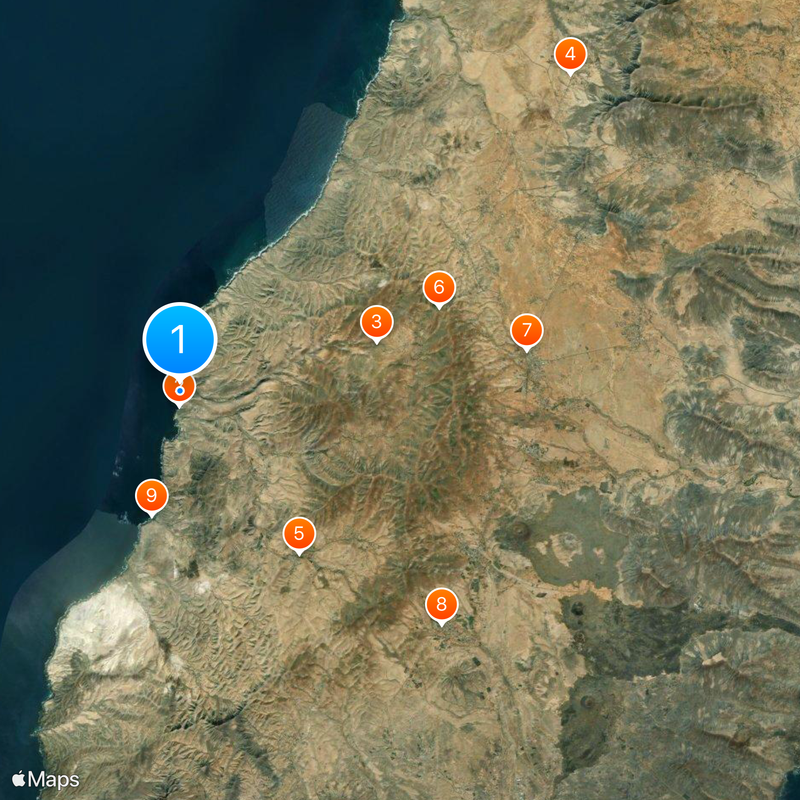
The FV-621 road connects Ajuy to the rest of the island, with bus services running regularly throughout the day. Getting there from other towns takes less than an hour, and parking is available near the beach area.
The limestone extracted here reached exceptional purity and was exported through the port until the late 1800s. This trade once shaped the local economy before fishing became the primary focus again.
The community of curious travelers
AroundUs brings together thousands of curated places, local tips, and hidden gems, enriched daily by 92,778 contributors worldwide.