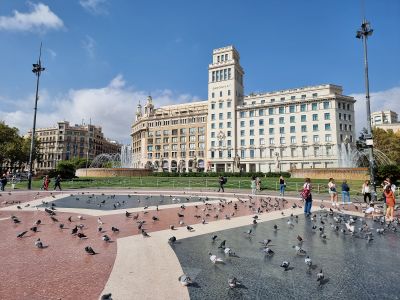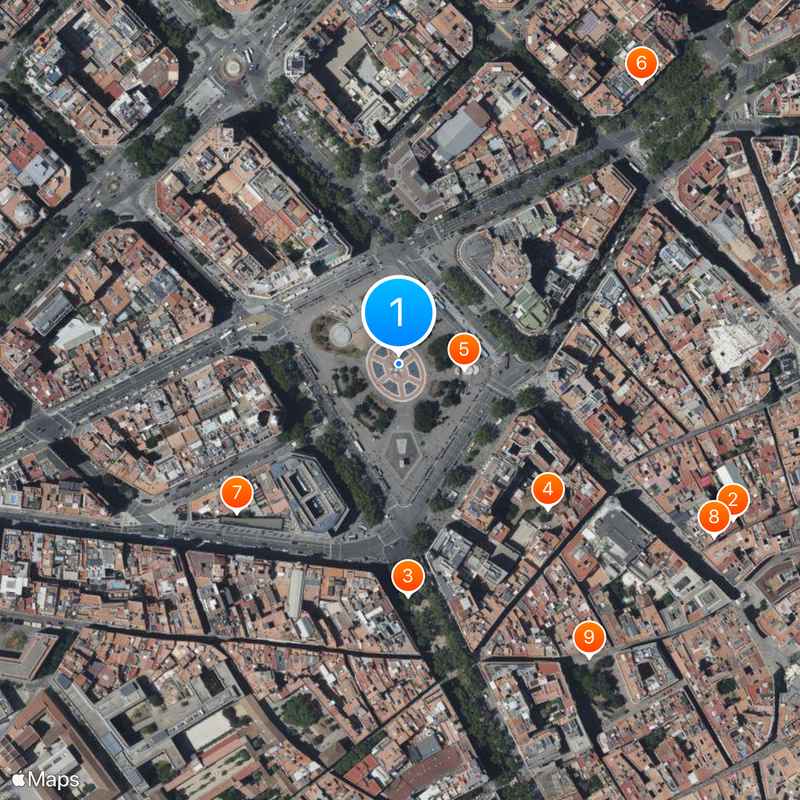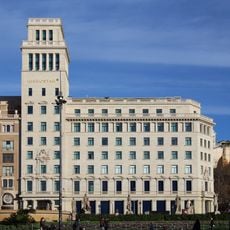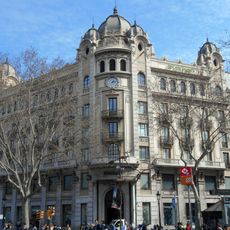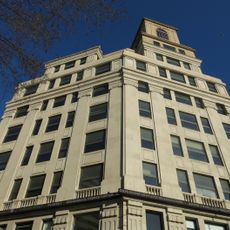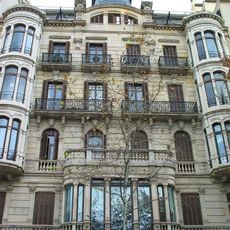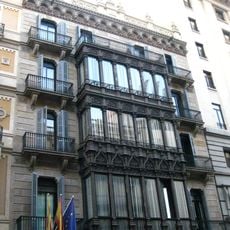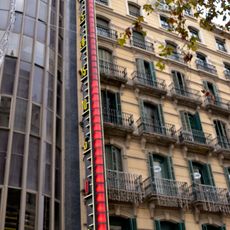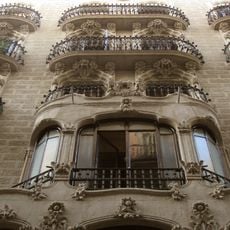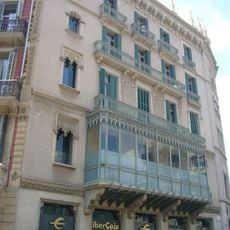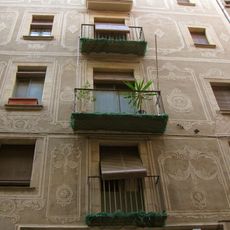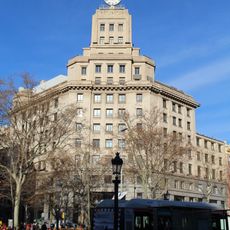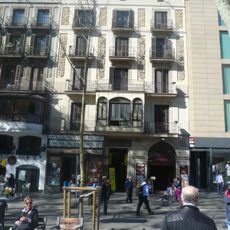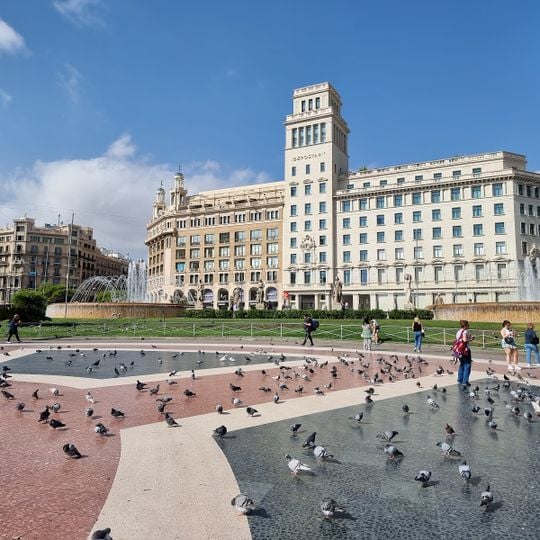
Plaça de Catalunya, Central square at the intersection of Gothic Quarter and Eixample, Barcelona, Spain.
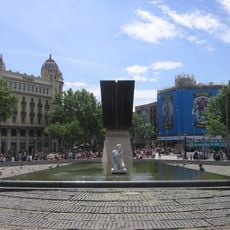
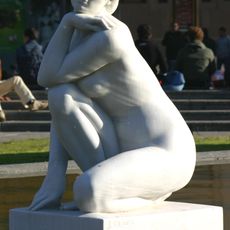
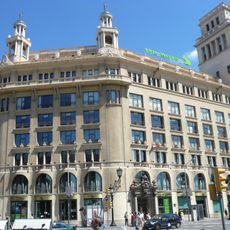
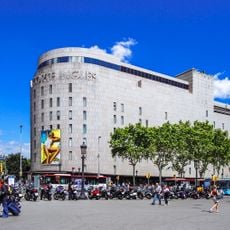
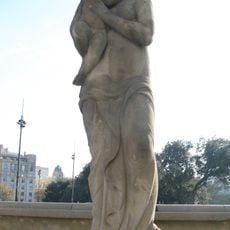
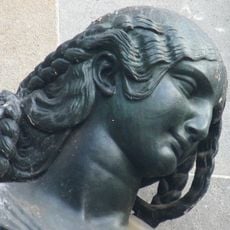
Plaça de Catalunya is a large square marking the transition between the Gothic Quarter and Eixample district in Barcelona, Spain. Several fountains, monuments, and statues spread across the space represent artistic movements ranging from Noucentisme to Neoclassicism.
This plaza emerged after the 1888 Universal Exposition when Barcelona removed its medieval walls and opened access to the new neighborhood. The change marked the beginning of the modern city expansion northward.
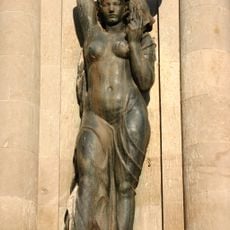
The name ties this plaza to Catalonia as a whole, while six sculptural groups celebrate local traditions: wisdom and labor, shaped by artists like Josep Clarà and Josep Llimona. Today it serves as a meeting point for locals and visitors, often crowded with people sitting on benches or listening to street musicians.
This plaza connects several metro lines, bus routes, and major streets like La Rambla and Passeig de Gràcia, making it an easy reference point for navigating the city. Because of constant tourist and local traffic, it can get very crowded, especially at midday and evening.
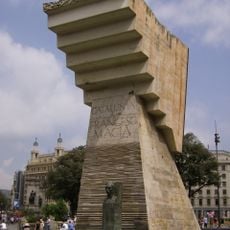
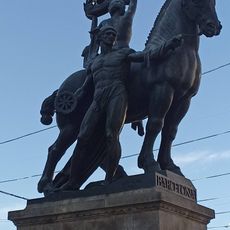
The monument to Francesc Macià was designed by Josep Maria Subirachs, the same sculptor who worked on the facade of the Sagrada Família. It stands as a representation of the presidency of the Catalan Government.
The community of curious travelers
AroundUs brings together thousands of curated places, local tips, and hidden gems, enriched daily by 90,900 contributors worldwide.