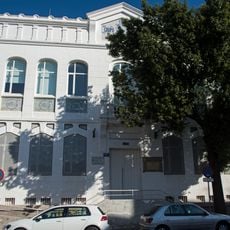
Canal de Alfonso XIII, Maritime canal in Seville, Spain
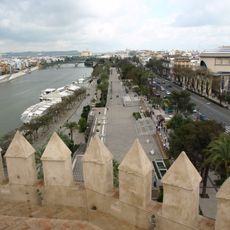
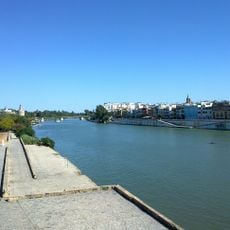
The Canal de Alfonso XIII is an artificial waterway running about 13 kilometers through Seville and dividing the city layout. Two locks allow vessels to move between the port and the Guadalquivir River, while an 800-meter port branch accommodates commercial shipping traffic.
The canal was created in 1946 as an artificial diversion of the original Guadalquivir River course to protect the city from recurring flooding. Water was redirected westward away from the Tablada sandbank, which had been causing regular problems.
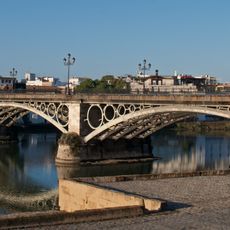
Four major bridges cross the waterway, including the Triana Bridge and San Telmo Bridge, linking different districts together. These crossings have become everyday reference points that shape how residents navigate and experience the city.
The canal system is regulated through underground conduits and is visible from public paths running alongside the water. Access is straightforward, and visitors can use the various bridge crossings to explore the area.
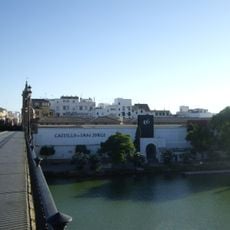
The Meandro de San Jerónimo area contains a water treatment station and extensive parkland that few visitors notice. This quieter section offers a contrast to the busier port operations elsewhere along the waterway.
The community of curious travelers
AroundUs brings together thousands of curated places, local tips, and hidden gems, enriched daily by 91,030 contributors worldwide.