Carranque, municipality of Spain
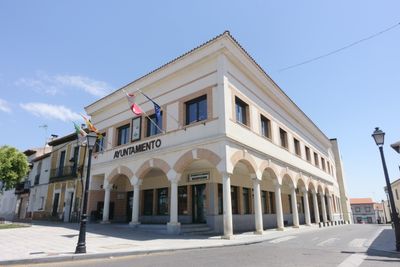
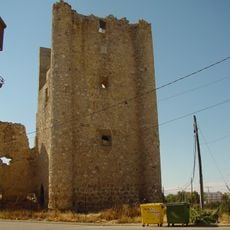
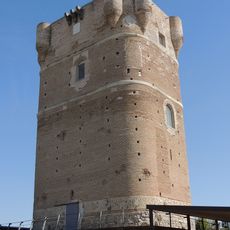
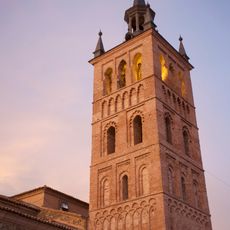
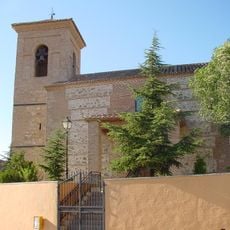
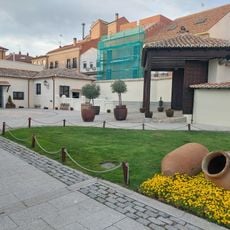
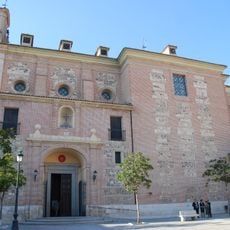
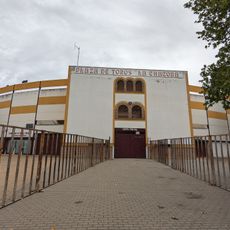
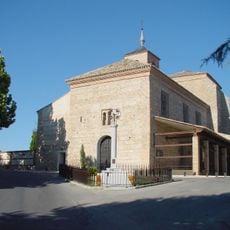
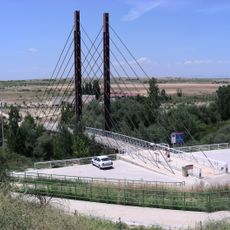
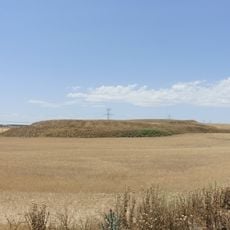
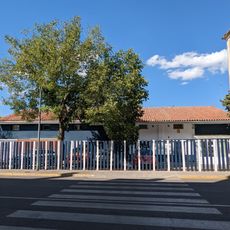
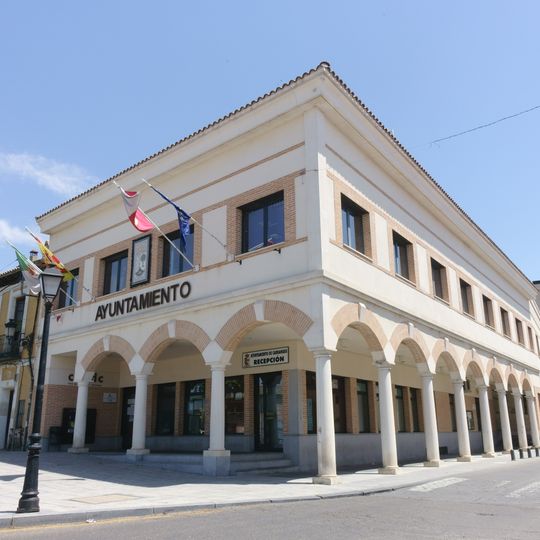
Carranque is a small municipality in Toledo Province in Castile-La Mancha, situated in rural countryside with open fields and the Guadarrama River running through the area. The town features old stone houses with terracotta roofs, a quiet main plaza with a traditional fountain, and a way of life centered on farming and local traditions.
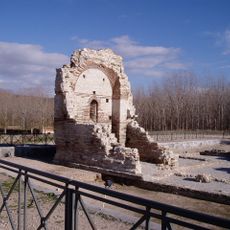
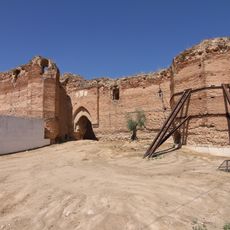
Carranque was established as a Roman villa site in late antiquity and saw periods of Visigothic and Islamic occupation. The Christian conquest in 1085 led to repopulation of the area, after which military orders like the Templars and the Order of Saint John held control of the territory for some time.
The town's name comes from pre-Roman words meaning a place of stones. Throughout the year, residents celebrate traditional festivals like San Antonio de Padua in June, the Virgin del Carmen in July, and Santa Maria Magdalena in September, with processions, dances, and shared meals that reflect how locals keep their customs alive.
A rental car is recommended since public transportation is limited in this area. The archaeological park with remains of the Roman villa can be explored at your own pace, with an interpretation center on-site providing information about the ancient structures and artifacts found during excavations.
The archaeological site contains mosaics depicting scenes from Greek and Roman mythology, with many signed by the artists who created them, offering rare insight into the creative world of Roman craftspeople. These artist signatures are unusual for the period and reveal the skill and recognition these workers received.
The community of curious travelers
AroundUs brings together thousands of curated places, local tips, and hidden gems, enriched daily by 92,352 contributors worldwide.