Villacarrillo, municipality in Jaen, Spain
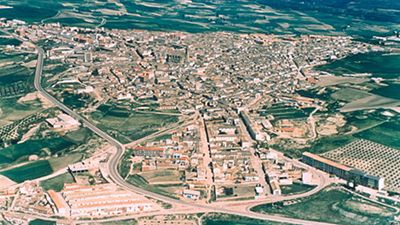
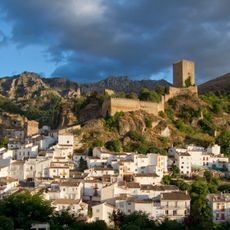
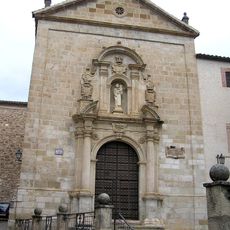
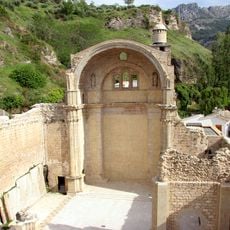
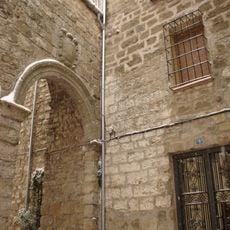
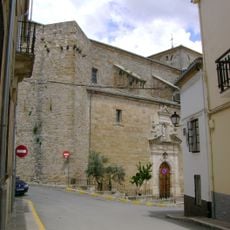
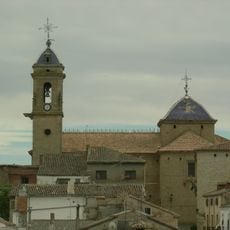
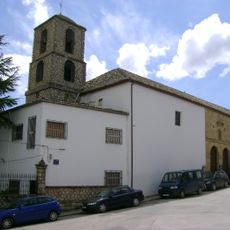
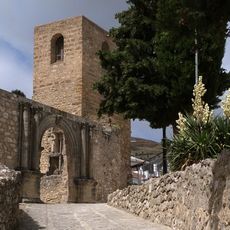
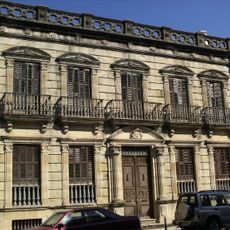
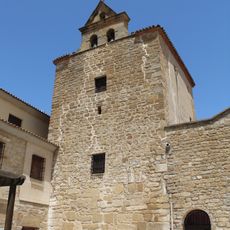
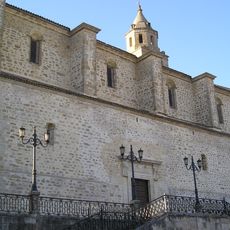
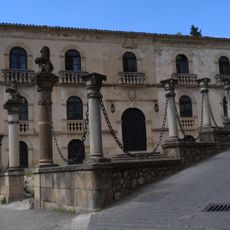
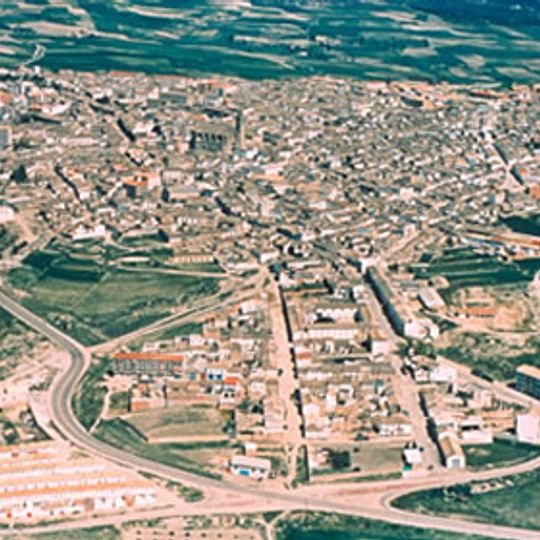
Villacarrillo is a municipality in Jaén Province with winding narrow streets and small squares lined by traditional stone houses with red-tile roofs. The Church of Nuestra Señora de la Asunción, built in the 1600s with a prominent bell tower, dominates the skyline, while a 19th-century neoclassical town hall and the former Franciscan convent of Santa Isabel de los Ángeles show the architectural diversity.
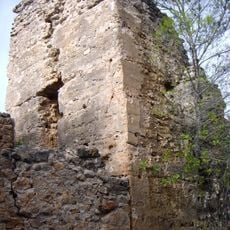
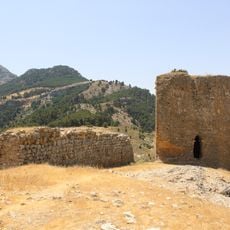
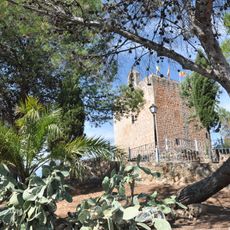
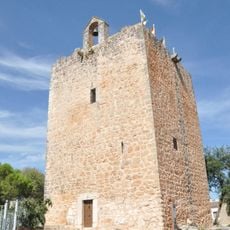
Villacarrillo began as a small defensive tower called Torre de Mingo Pliego and was officially recognized as a village in 1450 by King Juan II. The area was shaped by various civilizations including Romans and Muslims, and it received city status in 1877 through a royal decree from King Alfonso XII.
The name Villacarrillo comes from the Toledo archbishop involved in the town's early origins. Residents keep their traditions alive through festivals and fresh markets where farmers sell local goods and neighbors gather to chat and share news.
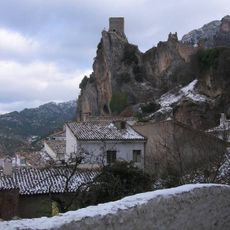
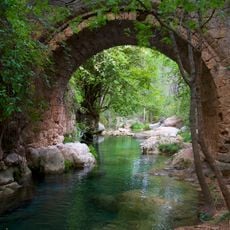
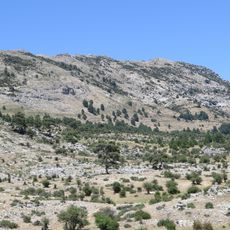
Wear comfortable shoes since the narrow medieval streets require walking to explore and access to various churches involves climbing. The surrounding area around Villacarrillo offers excellent hiking opportunities in the nearby mountains, so plan time to explore the natural landscape beyond the town center.
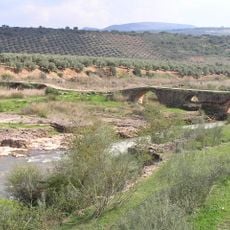
In 1812, the Church of Santa Isabel de los Ángeles hosted an important moment when Spanish leaders swore an oath to the Constitution of Cadiz, marking a significant point in Spain's push for constitutional rights. Villacarrillo is also the world's leading producer of olive oil, with vast olive groves covering the landscape and visitors able to watch production at local mills.
The community of curious travelers
AroundUs brings together thousands of curated places, local tips, and hidden gems, enriched daily by 90,852 contributors worldwide.