Santiago of the Sword, Mountain village in Santiago-Pontones, Spain
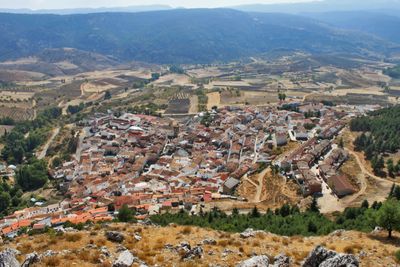
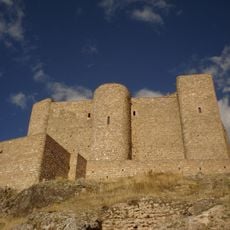
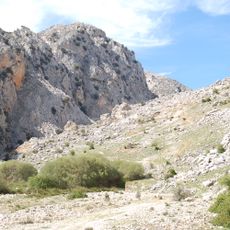
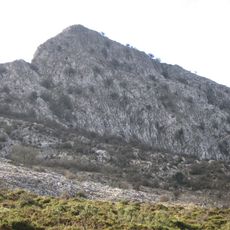
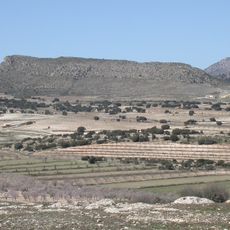
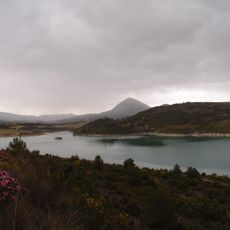
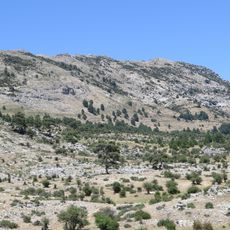
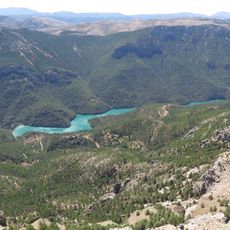
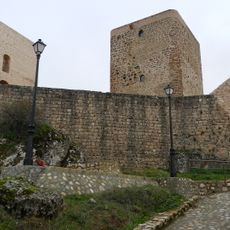
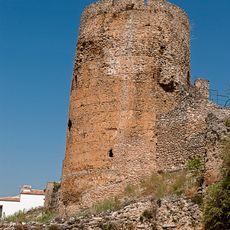
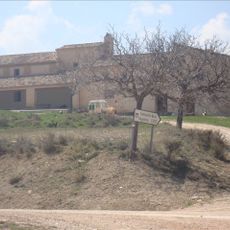
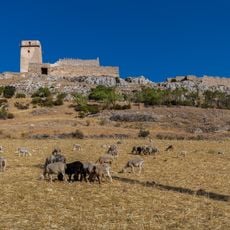
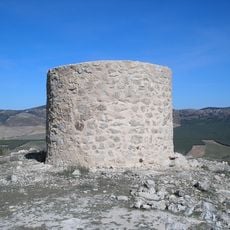
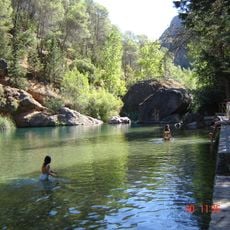
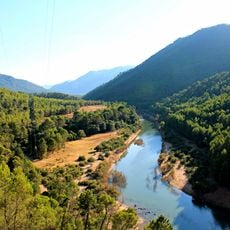
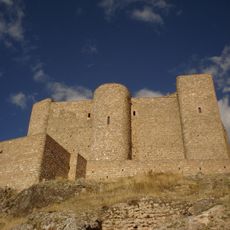
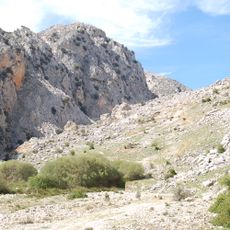
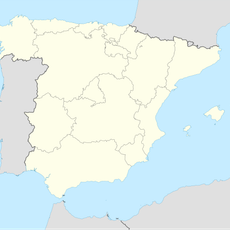
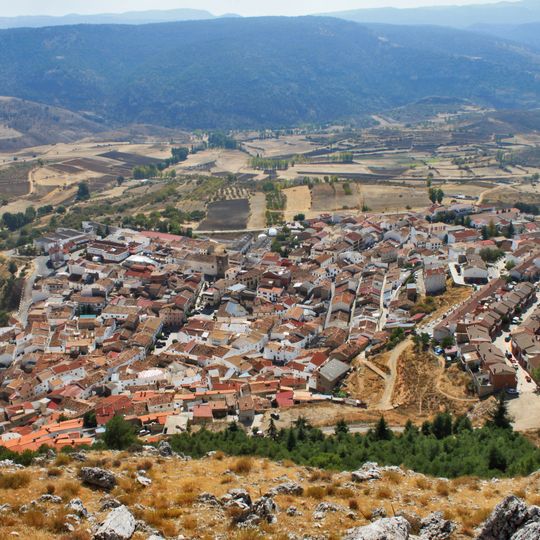
Santiago of the Sword is a mountain village in the Santiago-Pontones area, located at around 1,340 meters elevation in the southeastern Sierra de Segura. The settlement sits along the borders between Albacete and Granada provinces and is surrounded by steep slopes and mountain landscapes.
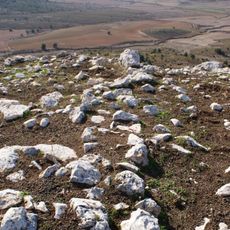
Archaeological findings in the El Engarbo caves indicate the oldest human settlements in the province, where people sustained themselves through hunting deer and wild boar. These early inhabitants utilized the mountainous landscape and the area's natural resources for their survival.
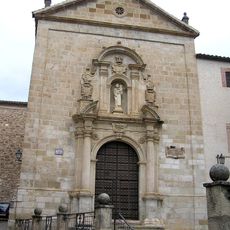
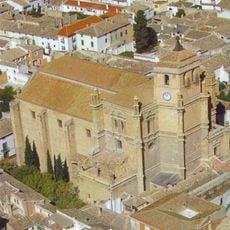
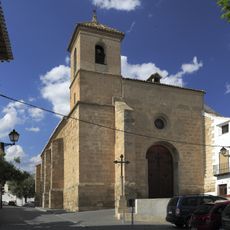
The Parish Church of Santiago Apostol displays a mix of Gothic and Mudejar architectural styles that developed between the 16th and 18th centuries. The Baroque altarpiece from the 18th century forms the visual focal point inside and shows the artistic preferences of different periods.
The village is defined by tourism, livestock farming, olive harvesting, and vegetable growing, with the local economy benefiting from seasonal work in nearby regions. The steep location and mountain roads shape accessibility and how people move around locally.
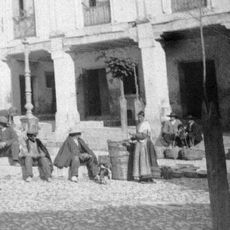
Residents carry the gentilicio 'hornillero', which refers to a medieval furnace where shepherds from the Cuenca mountain ranges gathered. This name preserves the memory of an old tradition of sharing resources among mountain communities.
The community of curious travelers
AroundUs brings together thousands of curated places, local tips, and hidden gems, enriched daily by 92,515 contributors worldwide.