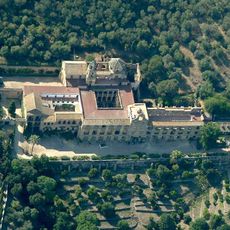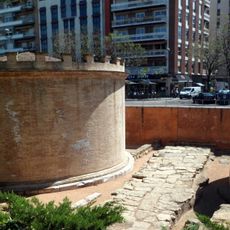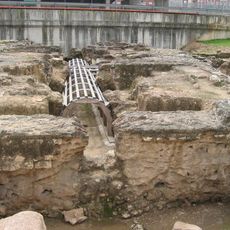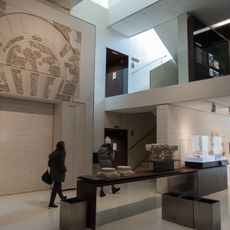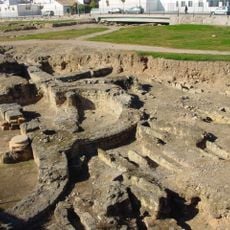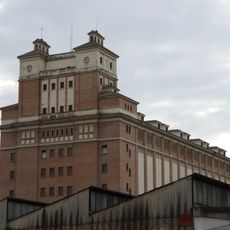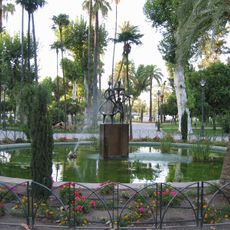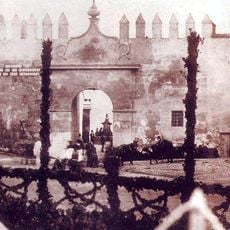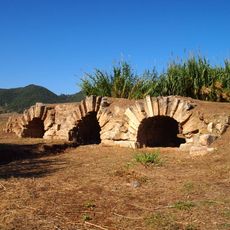
Acueducto de Valdepuentes, Roman aqueduct in Córdoba, Spain.
The Acueducto de Valdepuentes is a Roman water conveyance system that extends roughly 19 kilometers through the Sierra Morena mountains and transported water from natural springs. The structure combined underground channels with about 40 inspection wells to maintain steady water delivery.
The system was built in the late 1st century BCE under Emperor Augustus and was initially called Aqua Augusta. It served the Roman city of Corduba with water and maintained this role across many centuries.
The structure reflects Roman priorities for practical engineering and remains visible today as part of the local landscape. Locals and visitors alike can trace the path of this water system through the countryside surrounding the city.
The site is partly located in remote mountain areas, so sturdy footwear and water are advisable for exploring. Visitors should know that many sections are difficult to access and checking ahead about walkable routes is helpful.
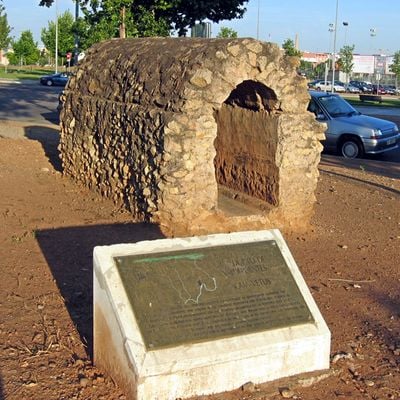
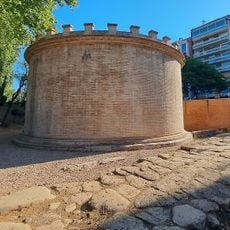
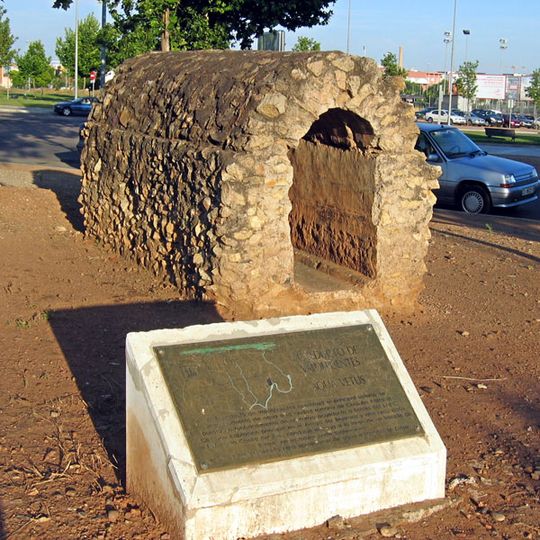
A preserved section about 2.5 meters long was discovered during excavations in Arruzafilla and now stands in a nearby garden. This remnant still shows the craftsmanship of the original Roman builders.
The community of curious travelers
AroundUs brings together thousands of curated places, local tips, and hidden gems, enriched daily by 91,620 contributors worldwide.