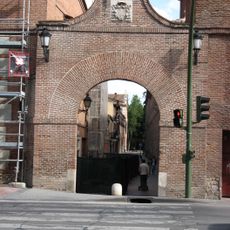
Puerta de Madrid, Neoclassical city gate in Alcalá de Henares, Spain
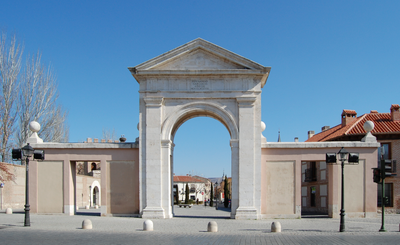
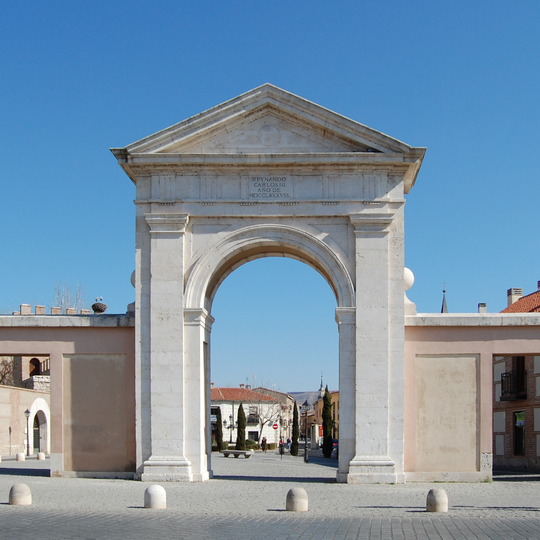
Puerta de Madrid is a neoclassical gateway made from granite and limestone, featuring paired columns and decorative details arranged in perfect symmetry. The structure serves as the main entrance marking the transition into the historic core of the city and the university grounds.
The gate was commissioned by King Charles III and opened in 1788, replacing a medieval entrance that had protected the city center for centuries. Its neoclassical design reflected the artistic preferences of the Spanish Enlightenment period.
The gate reflects the design principles valued during its era, emphasizing order and balanced proportions. Visitors notice how these classical forms continue to define the entrance to the historic district and shape how people move through this part of the city.
The gate remains accessible year-round and serves as a natural starting point for exploring the historic district on foot. From this location, visitors can easily reach the main attractions of the old city center in all directions.
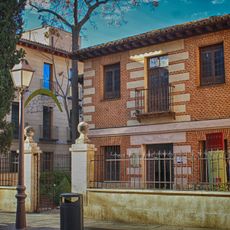
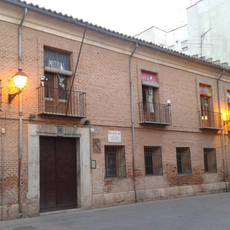
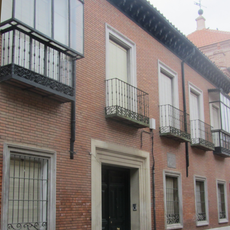
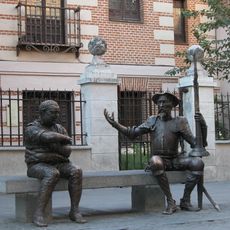
Adjacent to the gate stands one of the few surviving historic inns, the Inn of Hell, which appears in an alternate version of Don Quixote. This literary connection makes the location noteworthy for readers familiar with Cervantes and his famous work.
The community of curious travelers
AroundUs brings together thousands of curated places, local tips, and hidden gems, enriched daily by 60,000 contributors worldwide.