Palacio Ducal de Béjar, Renaissance palace in Béjar, Spain.
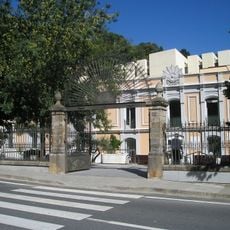
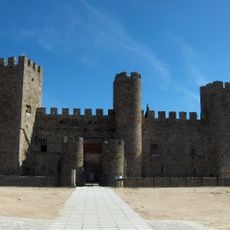
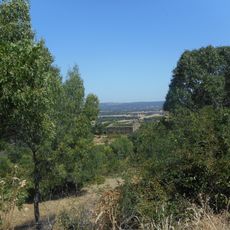
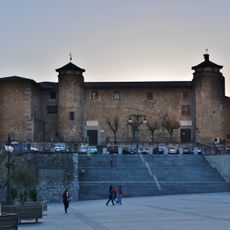
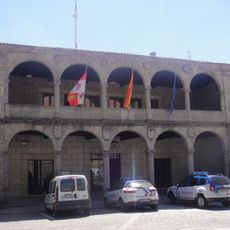
Palacio Ducal de Béjar is a Renaissance palace in the town with a rectangular floor plan and four corner towers rising from its stone walls. The structure balances defensive characteristics with elegant facades featuring arches and regularly spaced windows throughout.
The first building on the site was a rectangular castle with towers at its corners, probably raised together with the town walls during the Christian repopulation of Béjar. The present palace was built in the 16th century by Francisco de Zúñiga y Sotomayor, duke of Béjar and duke of Plasencia, at the same time as the Renaissance garden of El Bosque. One tower was destroyed in the 18th century by a fire started by lightning. It was declared a national historic monument on 3 June 1931.
The palace is also called the palace of the counts of Béjar, and its present form is tied to Francisco de Zúñiga y Sotomayor, duke of Béjar and duke of Plasencia, who rebuilt it in the 16th century, at the same time as the Renaissance garden of El Bosque. The Benedictine monk and painter Juan Andrés Ricci dedicated his treatise La pintura sabia (1660–1662) to the duchess of Béjar.
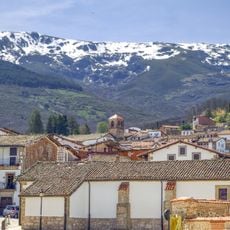
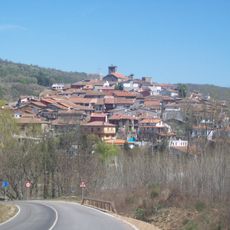
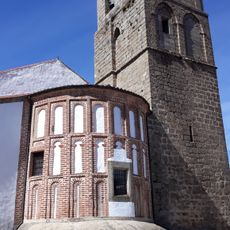
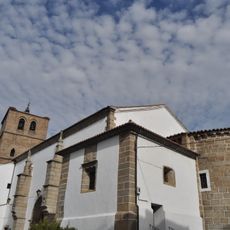
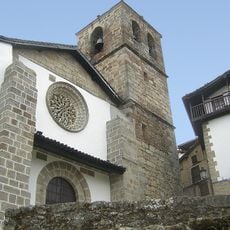
The palace stands in the centre of Béjar, in the province of Salamanca, Castile and León, and was declared a national historic-artistic monument on 3 June 1931. Visitors should plan around guided visits, since the interior is not freely walkable, and confirm opening arrangements before travelling.
Inside, a Camera Obscura installed in 2011 projects real-time views of the town onto a wall through a rotating lens system. This optical device captures light and transforms it into live panoramic views of Béjar's surroundings.
The community of curious travelers
AroundUs brings together thousands of curated places, local tips, and hidden gems, enriched daily by 94,930 contributors worldwide.