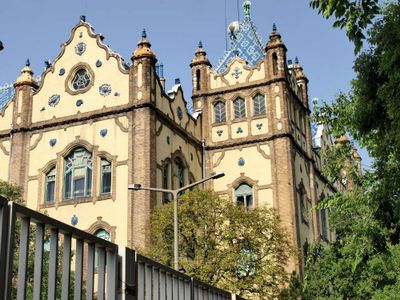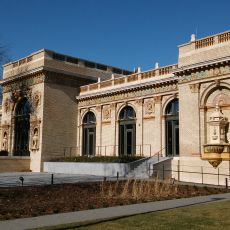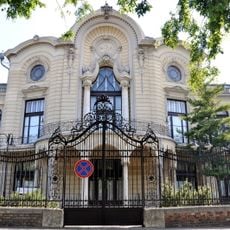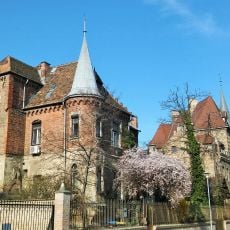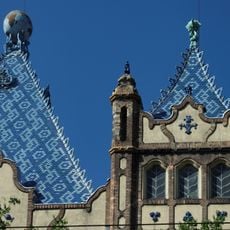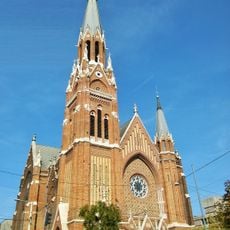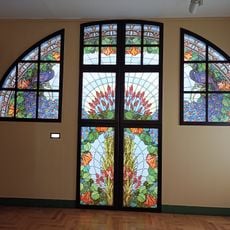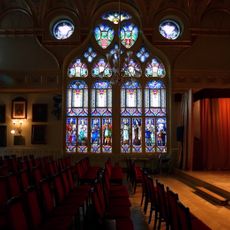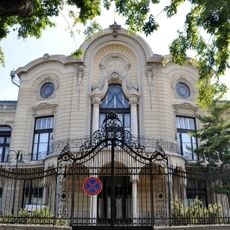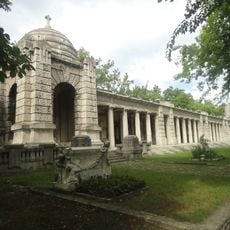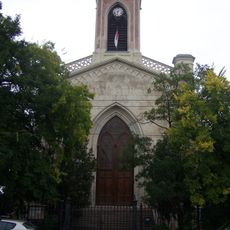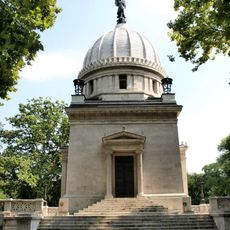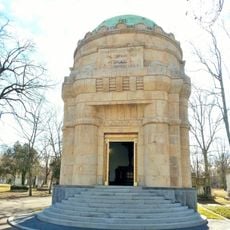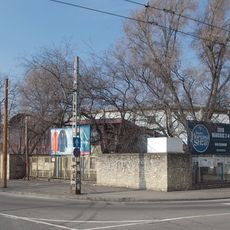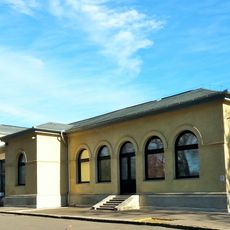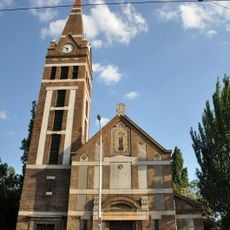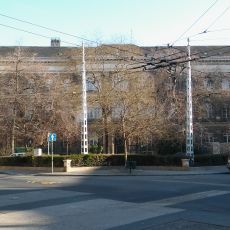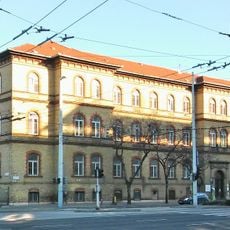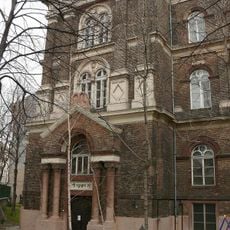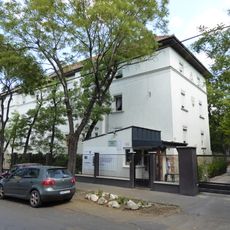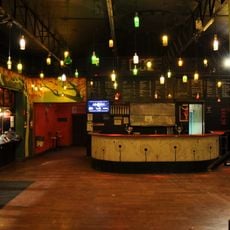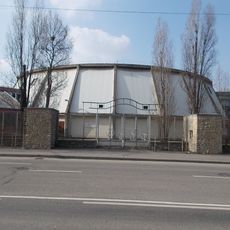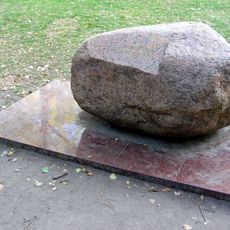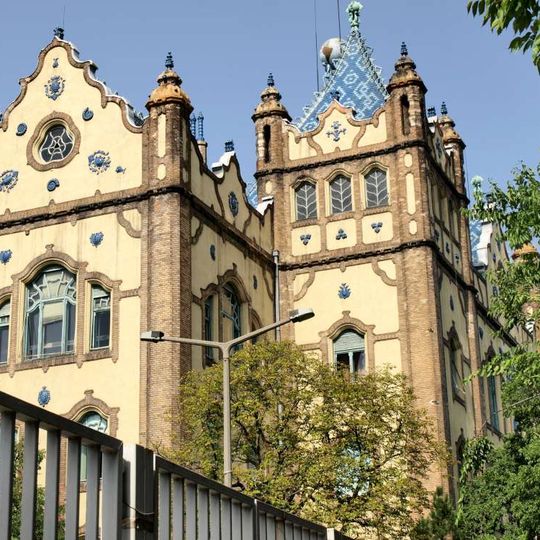
Geological Museum of Budapest, Geological museum in Stefánia út, Budapest, Hungary.
The Geological Museum of Budapest is a geological museum in Budapest, Hungary, housing minerals, fossils, and rock samples gathered mainly from the Carpathian Basin. The collection ranges from small crystals to large rock formations and covers a broad span of the region's natural history.
The Hungarian Geological Society established the museum in 1869 to study and preserve the natural history of the region. The building was designed by Ödön Lechner and completed in 1896, marking a period when Hungary was investing heavily in national scientific institutions.
The building is sometimes called the Stefánia Palace, a name that reflects the grand ambitions of Hungarian science in the late 19th century. Walking through the halls, visitors can see how the space was designed to give the study of the earth a sense of importance and ceremony.
Visits are generally possible only with advance booking, so it is worth contacting the museum before you plan your trip. Wednesday daytime is usually when tours are offered, but availability can change and it is best to confirm directly with the staff.
The collection holds fluorescent minerals from the Franklin and Sterling mines in New Jersey, donated by the Cherepy family, that glow in vivid colors under ultraviolet light. Seeing these North American specimens here, far from where they were found, is one of those small surprises that makes the visit memorable.
The community of curious travelers
AroundUs brings together thousands of curated places, local tips, and hidden gems, enriched daily by 91,689 contributors worldwide.