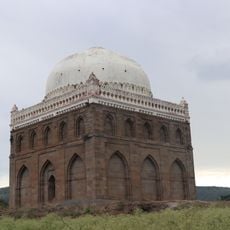
Bhandardara, Hill station village in Ahilyanagar district, India
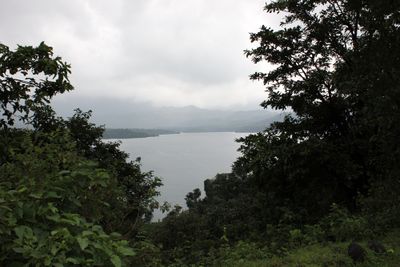
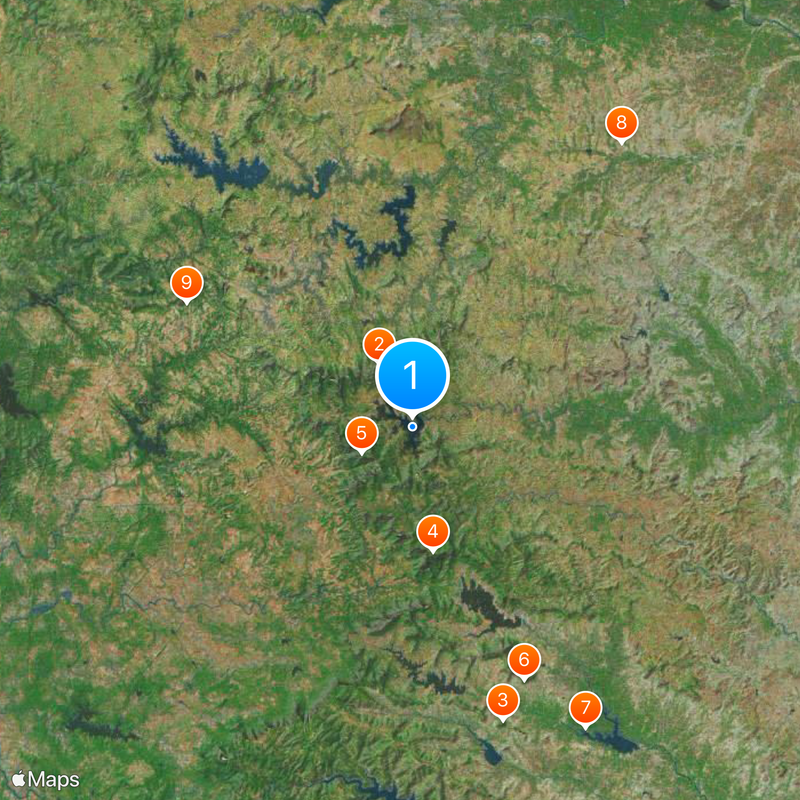
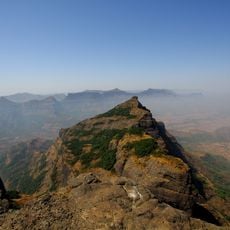
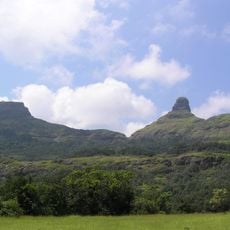
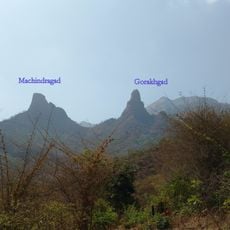
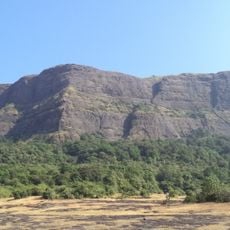
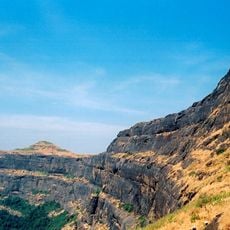
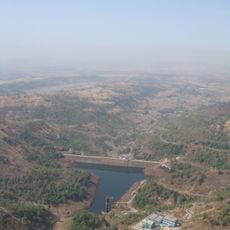
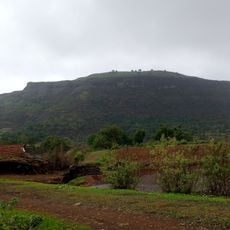
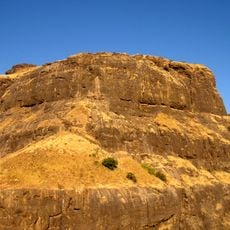
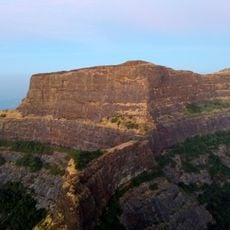
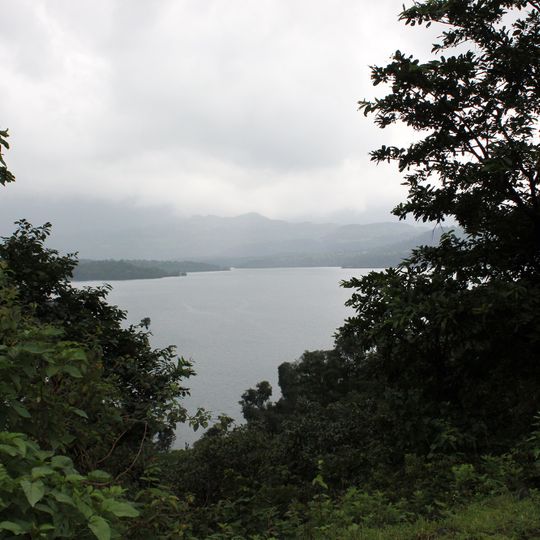
Bhandardara is a hill station village in Ahilyanagar district, India, resting at 740 meters (2,428 feet) elevation along the banks of the Pravara River. Dense forests cover the steep slopes all around, while a large reservoir forms the center of the landscape and is ringed by several peaks.
The area saw its greatest change when British engineers built Wilson Dam in 1910, creating one of India's earliest dams. This construction transformed the valley into a lake landscape and brought irrigation to the surrounding regions.
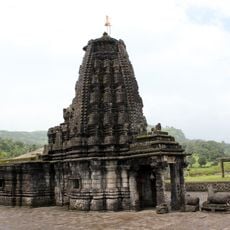
The name comes from the Sanskrit word for treasury, pointing to old legends about hidden riches in the surrounding mountains. Visitors today notice the quiet village lanes, where locals go about their daily routines in traditional dress and small shops offer regional produce.
Access comes via road connections from Mumbai (185 kilometers or 115 miles), Pune (161 kilometers or 100 miles), or Nashik (72 kilometers or 45 miles), with the drive including winding mountain stretches. Lodging and restaurants in the village are limited, so booking ahead is advisable during the main season from October to February.
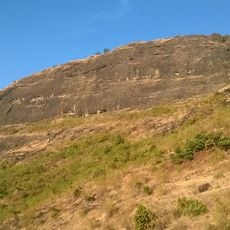
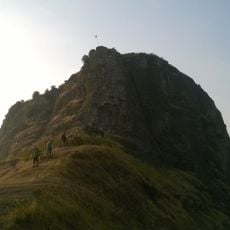
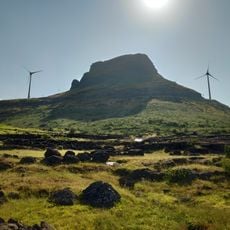
Nearby Mount Kalsubai rises as Maharashtra's highest peak at 1,646 meters (5,400 feet) and draws hikers with trails through grassland and rock formations. At certain spots on the lake, visitors can watch underground water outlets during the monsoon season that shoot up from the bottom like geysers.
The community of curious travelers
AroundUs brings together thousands of curated places, local tips, and hidden gems, enriched daily by 91,561 contributors worldwide.