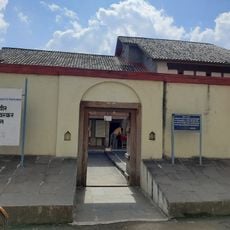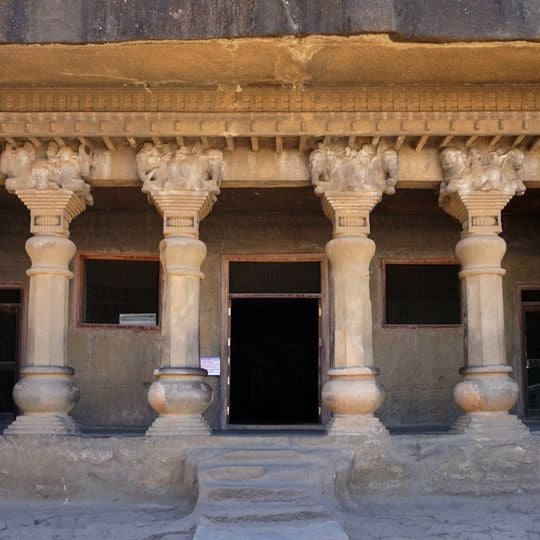
Nasik inscription of Ushavadata, Ancient inscription in Nashik Caves, India
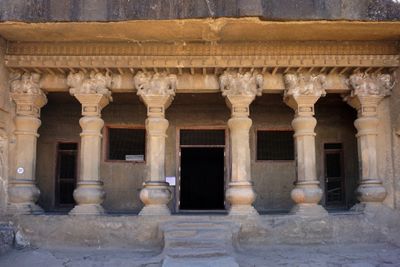
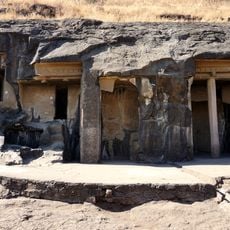
The Nasik inscription extends across the entrance of Cave No. 10 with text carved into stone during the second century. The carved letters cover the rock face at this location and record administrative matters from that period.
The inscription was created around 120 CE and records donations and achievements of Ushavadata, son-in-law of Western Satrap ruler Nahapana. This document reveals family connections and power structures among regional leaders during that era.
The inscription shows how Sanskrit gradually replaced Prakrit as the language of official records in the region. You can see this linguistic shift reflected in how texts were carved into stone during this period.
The text is located in a cave that is straightforward to reach, where you can view and study the carved words directly. Since the inscription sits in an open entrance area, the light is best for reading the letters in early morning or late afternoon hours.
The inscription mentions generous gifts such as 300,000 cattle, which shows the economic power and social rank of Ushavadata. These specific numbers reveal how wealthy individuals used their resources through public donations to support their communities.
The community of curious travelers
AroundUs brings together thousands of curated places, local tips, and hidden gems, enriched daily by 91,261 contributors worldwide.