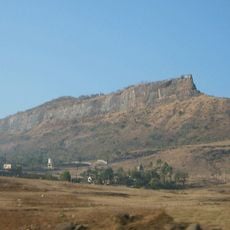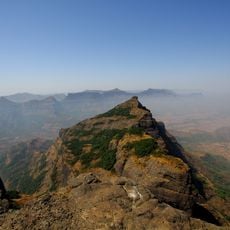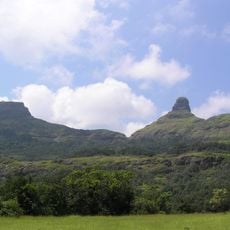
Tulja Caves, Buddhist caves in Junnar, India
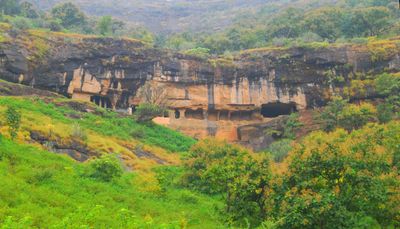
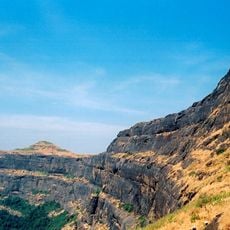
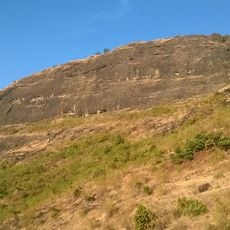
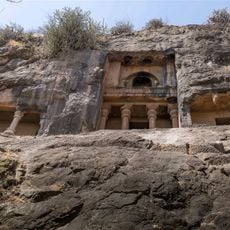
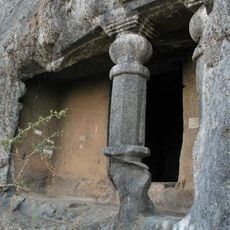
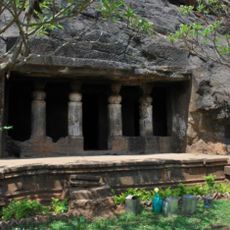
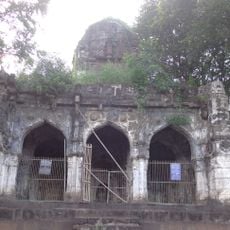
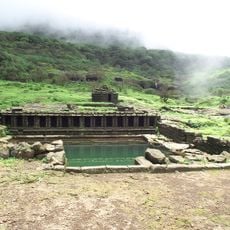
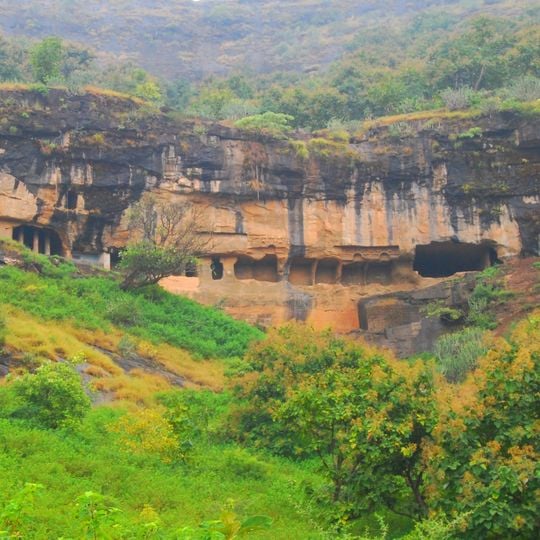
The Tulja Caves are a group of eleven rock-cut chambers near Junnar in Pune district, India. The rooms are fitted with octagonal pillars and carefully carved stonework cut directly into the natural rock face.
The caves were created between the 1st century BC and the 1st century AD, when Junnar sat along active trade routes that brought wealth to the region. This flow of commerce attracted patrons who funded the construction of the Buddhist complex.
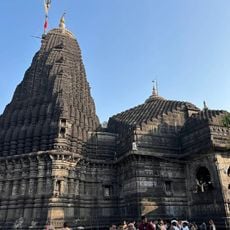
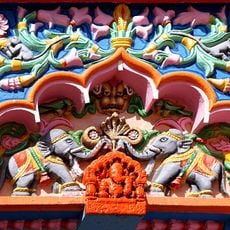
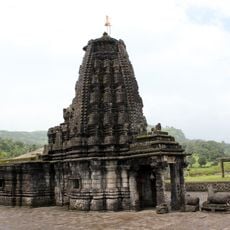
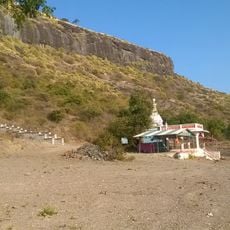
Cave three was converted from a Buddhist space into a Hindu temple dedicated to the goddess Tulja, shown with eight arms riding a lion. The name of the whole site comes from this goddess, which shows how deeply this later use shaped the identity of the place.
The site lies just west of Junnar and can be reached as a day trip from Pune along mostly paved roads. It is managed by the Archaeological Survey of India, which oversees access and keeps the site open to visitors.
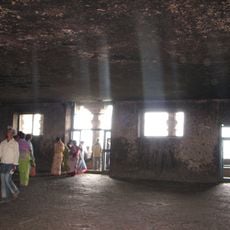
The second chamber is a circular hall where twelve octagonal pillars surround a central stupa. Traces of paint are still visible on the ceiling, left over from decorations that once covered the surface.
The community of curious travelers
AroundUs brings together thousands of curated places, local tips, and hidden gems, enriched daily by 90,810 contributors worldwide.