Abhaneri, village in Rajasthan, India
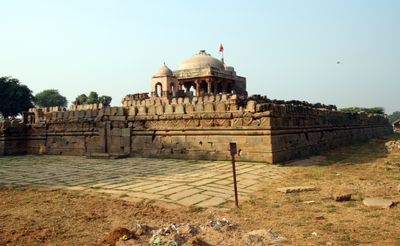
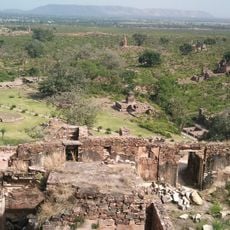
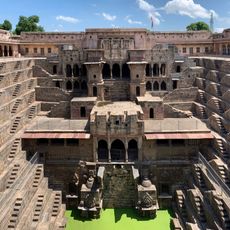
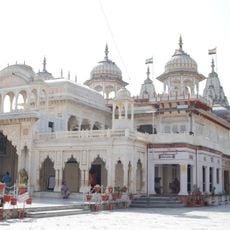
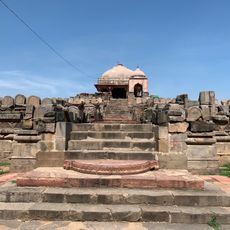
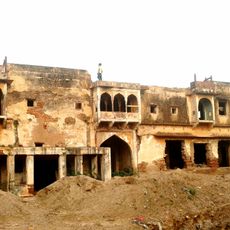
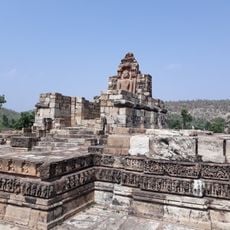
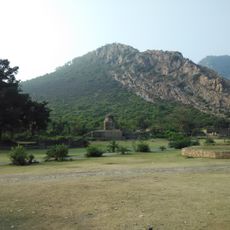
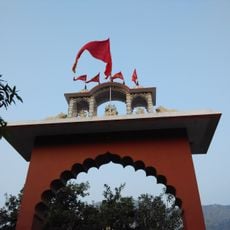
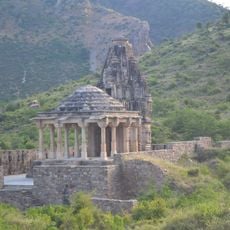
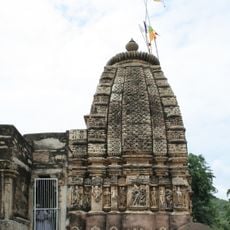
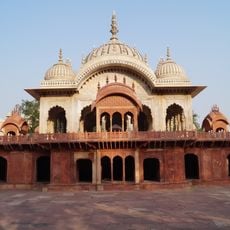
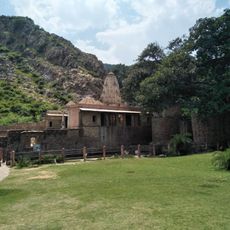
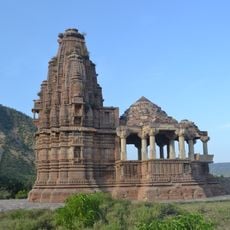
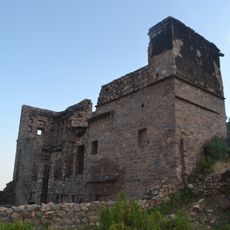
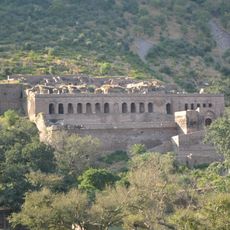
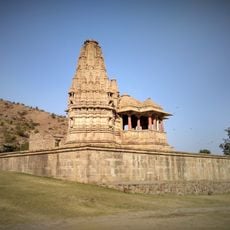
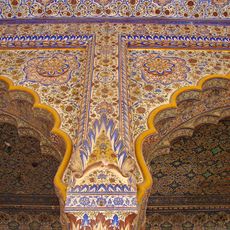
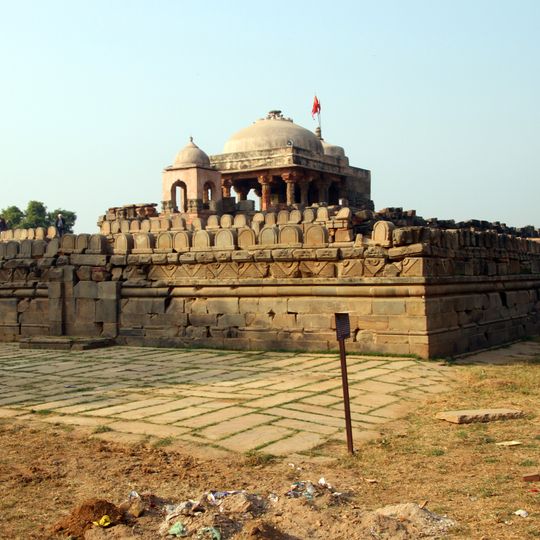
Abhaneri is a small village in Dausa district in Rajasthan, located about 95 kilometers from Jaipur along the road between Jaipur and Agra. It is known mainly for two ancient structures: Chand Baori, a stepped well with 13 levels descending about 20 meters (66 feet) into the ground, and the ruins of Harshat Mata Temple with surviving stone carvings from the 10th century.
The village was founded in the 9th century by King Raja Chand of the Gurjar kingdom and developed as an important settlement. Over centuries it came under control of various rulers including the Chahamanas, Mahmud of Ghazni, the Mughals, and Marathas, before eventually becoming part of Jaipur State.
The name Abhaneri comes from 'Abha Nagri,' meaning 'city of brightness.' Local residents perform traditional dances like Ghoomar and Kalbelia here, keeping cultural practices alive and giving visitors a window into how the community expresses itself through movement.
The village is easily reached by road along the highway connecting Jaipur and Agra, with regular bus services and taxi options from nearby cities. The best time to visit is from October to March when the weather is cool and comfortable for walking and exploring the ruins.
The village gained wider attention after the film 'Paheli' was shot here, bringing international focus to the area's beauty. Chand Baori was engineered as a clever water storage system for dry seasons, demonstrating how earlier peoples solved water scarcity through thoughtful design.
The community of curious travelers
AroundUs brings together thousands of curated places, local tips, and hidden gems, enriched daily by 60,000 contributors worldwide.