Ganges Canal, Historic irrigation canal in Haridwar, India
Ganges Canal is an irrigation canal in Rajasthan, India, drawing water from a barrage on the Ganges River at Haridwar and sending it through a branching network of smaller channels across the region. The main channel runs for a considerable distance before splitting into distributaries that reach farmland across several districts.
A British engineer designed and built this system in the 1840s in response to severe famines that had repeatedly struck the region. After its completion, it was regarded as one of the largest irrigation works of its time and served as a model for later canal projects across India.
The canal shares its name with the Ganges, the most sacred river in India, which gives it a special standing among many local communities. Along its banks, people can often be seen drawing water or pausing near the flow, treating it with a respect that goes beyond its practical role.
The canal is easiest to see from the towns along its course, with Haridwar being the most accessible starting point since that is where the main intake stands. Paths alongside the channel are often unpaved and can become muddy in the wet season, so sturdy footwear is a good idea.
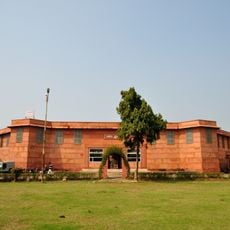
The construction of the canal led directly to the founding of a technical school in Roorkee in 1847, which today stands as one of the oldest engineering colleges in Asia. That school trained many of the engineers who later planned and built much of modern India's infrastructure.
The community of curious travelers
AroundUs brings together thousands of curated places, local tips, and hidden gems, enriched daily by 91,576 contributors worldwide.