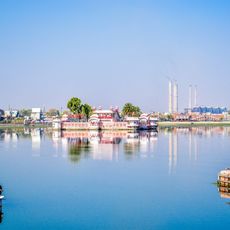
Ramgarh crater, Meteor impact crater in Baran district, India.
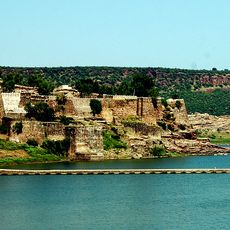
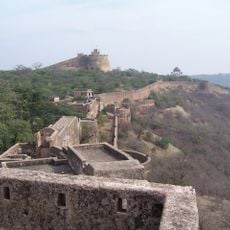
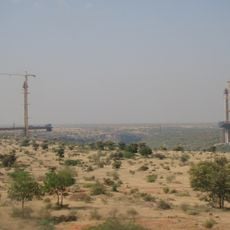
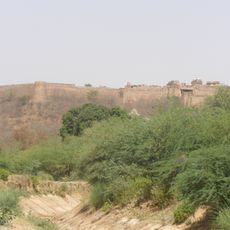
Ramgarh crater is a circular depression spanning 3.5 kilometers across with a raised rim and flat central area. The entire formation sits at about 260 meters above sea level and creates a distinctive geological feature in the landscape.
The site was discovered by geologist Frederick Richard Mallet in 1869 and recognized as an impact crater by the Geological Society of London in 1960. This scientific acknowledgment marked a turning point in understanding the geological history of the region.
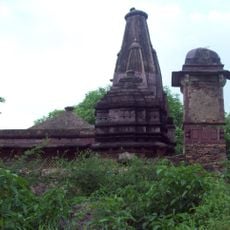
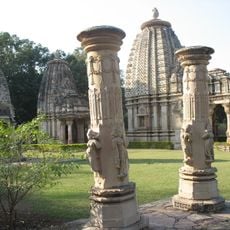
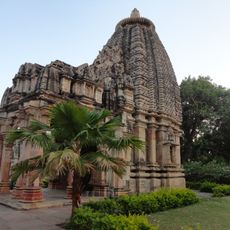
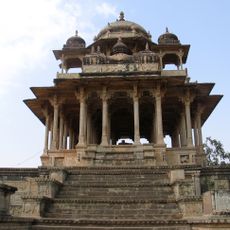
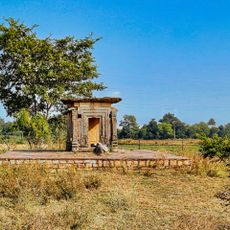
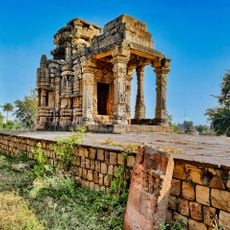
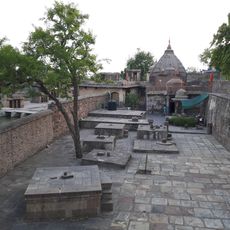
The Bhand Deva Temple sits at the center of this geological formation, built in the 10th century following Khajuraho architectural style. The temple shows how this place has held religious significance for local communities across many centuries.
The crater sits roughly 40 kilometers north of Baran and is easily accessible from major roads including the Delhi-Mumbai Expressway. The best time to visit is during the dry season when paths are easier to navigate and weather conditions are more favorable.
Rock samples from the site contain high concentrations of iron, nickel, and cobalt that clearly point to extraterrestrial origins. This mineral composition sets the location apart from other geological formations in the surrounding area.
The community of curious travelers
AroundUs brings together thousands of curated places, local tips, and hidden gems, enriched daily by 91,389 contributors worldwide.