Hunasagi, town in Karnataka, India
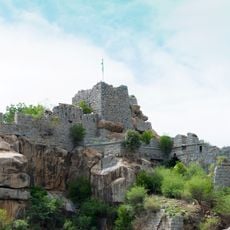
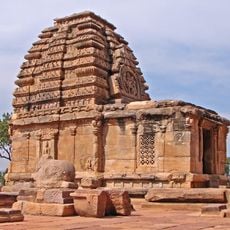
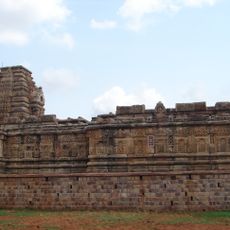
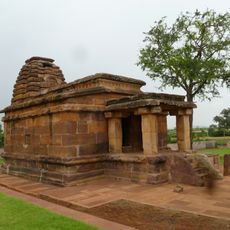
Hunasagi is a small settlement in the Yadgir district of Karnataka, India, situated in dry plains surrounded by rocky hills. The village consists of simple stone and clay houses along narrow streets, with the Bhima River flowing nearby to provide water for farming and daily use.
Excavations have revealed many stone tools from the Lower Paleolithic period, showing that people have lived and worked here for thousands of years. These findings help scientists understand how early humans used stones for cutting, scraping, and hunting activities.
The name Hunasagi comes from the word 'Hunas', referring to a nomadic group that came to India around the 5th century CE, with '-agi' meaning settlement in Kannada. Residents celebrate traditional festivals with songs and dances that have remained part of daily life for generations, connecting people to their land and heritage.
The settlement is best reached by road using local buses or private vehicles that connect it to nearby towns like Shorapur. The nearest train station is in Yadgiri, from where it is a short drive to the village.
Over 15,000 stone tools have been discovered here from what is believed to be India's oldest human settlement, predating similar finds in southern Tamil Nadu. These artifacts make the village an important location for understanding the earliest human activity on the subcontinent.
The community of curious travelers
AroundUs brings together thousands of curated places, local tips, and hidden gems, enriched daily by 92,814 contributors worldwide.