Cape Breton Island, Island in Nova Scotia, Canada
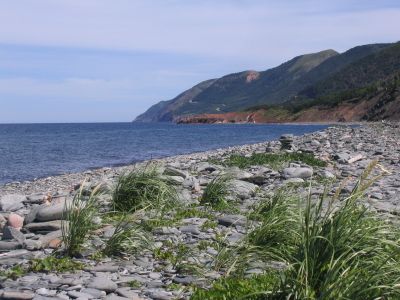
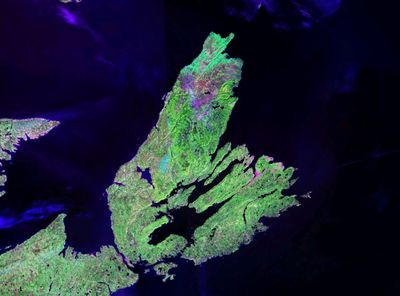
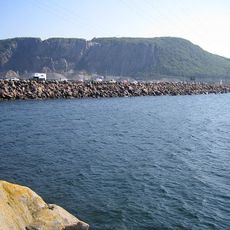
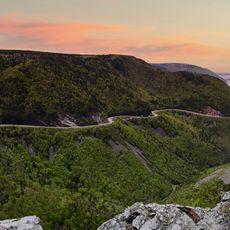
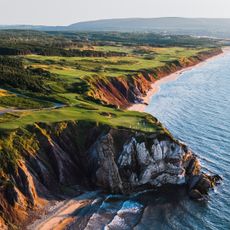
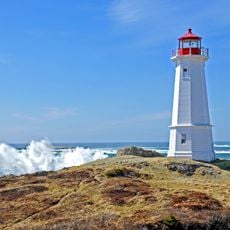
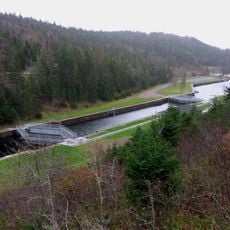
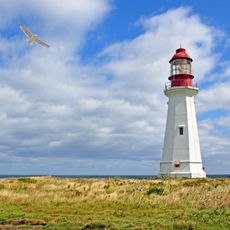
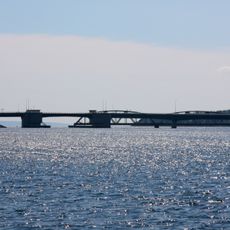
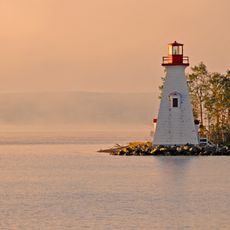
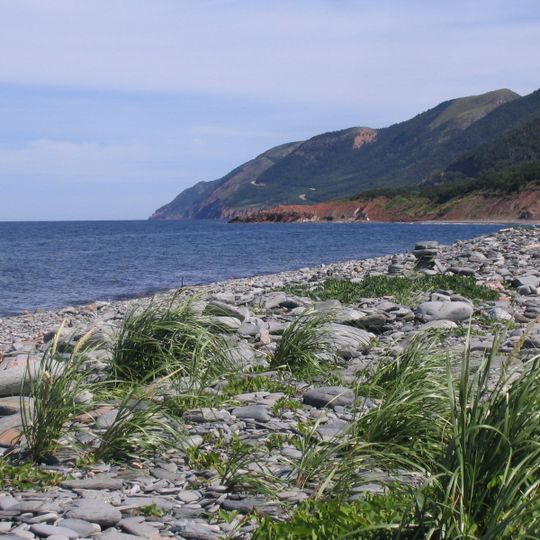
This island forms the northeastern portion of Nova Scotia, separated from the mainland by the Strait of Canso and connected by a causeway. Rocky shores alternate with forested uplands, while deep inlets and rolling valleys shape the interior landscape.
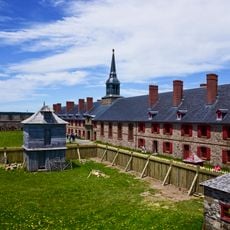
French settlers built the fortress of Louisbourg on the Atlantic coast in the early 18th century before British forces took control. The shift to British rule in 1763 shaped later development and led to the arrival of Scottish immigrants in subsequent decades.
In smaller coastal towns, visitors sometimes hear Gaelic spoken in conversation, and many residents maintain ties to Scottish or Irish ancestry. Fiddle music and step-dancing performances take place in community halls, offering travelers a chance to witness living cultural traditions firsthand.
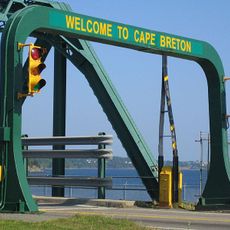
The causeway in the south provides the only road link to the island, and drivers should expect winding coastal roads, especially in the northern section. On windy days, exposed stretches can be challenging, so cautious driving is advisable.
Tidal shifts along the Atlantic coast can exceed 6 feet (2 meters), revealing wide beaches at low tide and dramatically different shorelines at high tide. Some remote coves are only safely accessible at certain times of day because the water rises quickly.
The community of curious travelers
AroundUs brings together thousands of curated places, local tips, and hidden gems, enriched daily by 90,984 contributors worldwide.