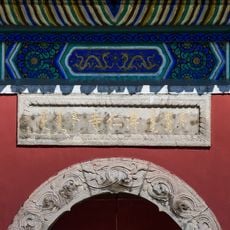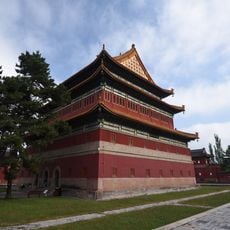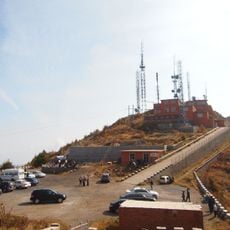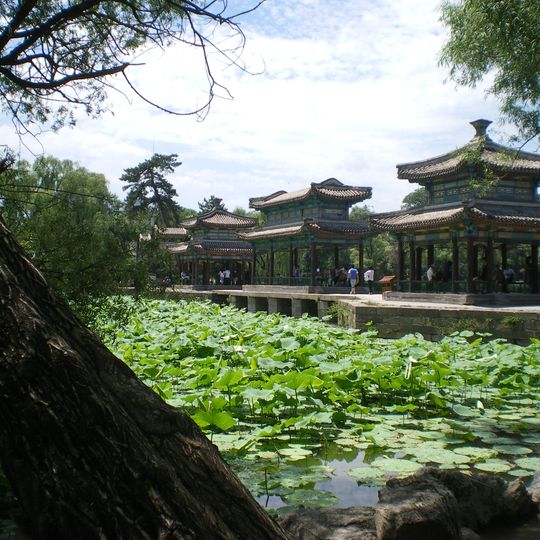
Chengde Mountain Resort and its outlying temples, Imperial summer palace complex in Chengde, China.
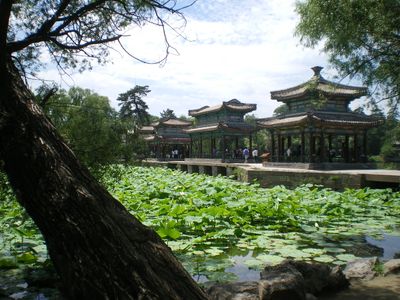
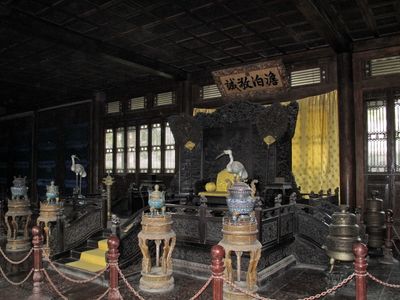
Chengde Mountain Resort is a Qing imperial complex of palaces, gardens and lakes covering 5.6 km² in Chengde, Hebei. Its southern palace zone was laid out to resemble Beijing's Forbidden City, with a front court for receiving officials and envoys and rear living quarters. The grounds combine lake, plain and mountain sections, and the surrounding temples include a 70-metre stone pagoda built in 1751.
Construction began in 1703 and took nearly a century to complete, coinciding with the Qing dynasty's period of territorial expansion and cultural consolidation. The site was developed as a strategic retreat for imperial rulers seeking refuge from summer heat and political demands at the main capital.
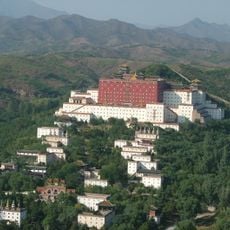
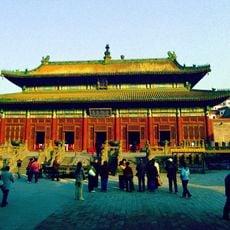
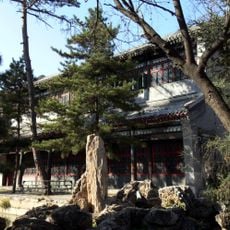
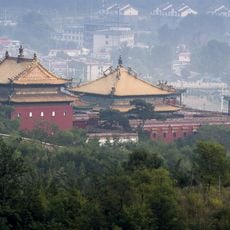
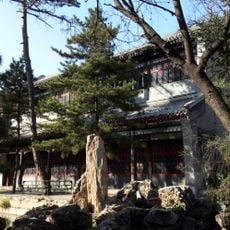
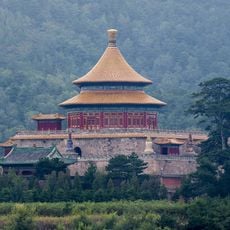
The temples throughout this complex showcase building styles from different regions of China, blending Tibetan Buddhist traditions with local architecture that visitors can observe while walking between structures. This architectural mix reflects how the imperial court brought together influences from across its vast empire into one place.
The mountain location keeps temperatures noticeably cooler than in the nearby capital, making visits during warmer months comfortable without excessive heat. Wearing sturdy shoes is advisable since exploring this large complex involves considerable walking through varied terrain.
The resort holds a single 70-metre stone pagoda, built in 1751 under the Qianlong Emperor. Its octagonal base supports nine storeys faced with coloured glazed tiles, and a gilded round spire tops the steeple. It is counted among the tallest pagodas in China.
The community of curious travelers
AroundUs brings together thousands of curated places, local tips, and hidden gems, enriched daily by 93,119 contributors worldwide.