Puning Temple, Buddhist temple in Chengde, China
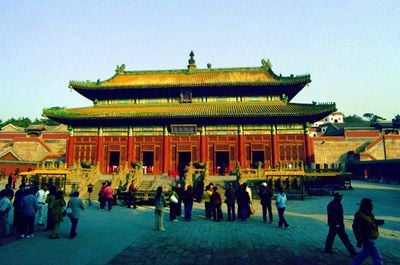
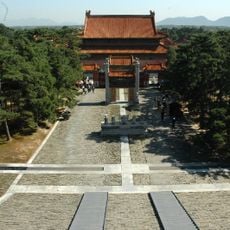
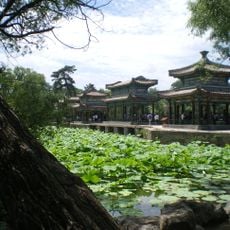
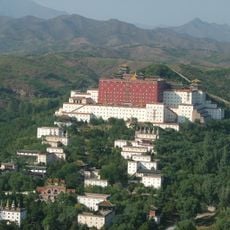
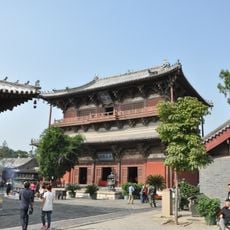
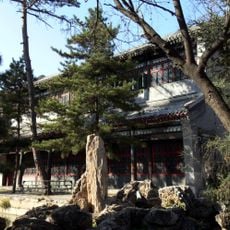
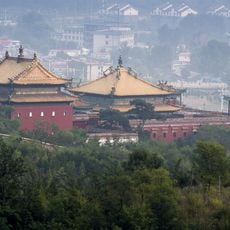
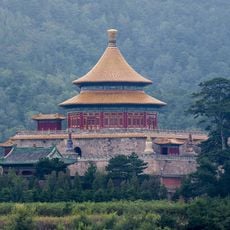
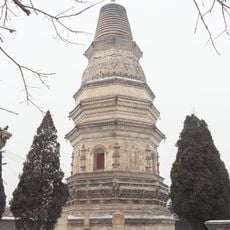
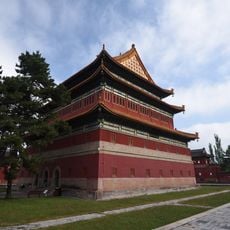
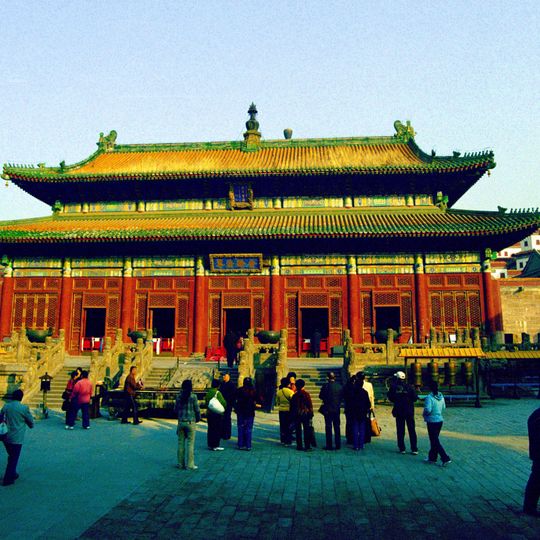
Puning Temple is a Buddhist sanctuary in Chengde that spans a large area with several main structures throughout the grounds. The site contains a Hall of Great Buddha, an Imperial Stele Pavilion, and a Mahayana Hall that visitors encounter as they walk through the complex.
Emperor Qianlong commissioned the temple's construction in 1755 following military campaigns against the Dzungar people in northwestern regions. The building served as a symbol of imperial authority and helped strengthen connections with peoples from the western areas.
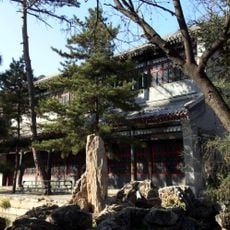
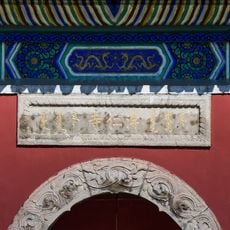
The temple displays a blend of Chinese architectural elements in its front sections and Tibetan design influences in the rear areas. Visitors can observe how these two building traditions come together in the layout and decoration of the various courtyards and halls.
The grounds are manageable to explore on foot and the paths between the various halls are clearly marked. The best times to visit are early morning or late afternoon when fewer visitors are present.
Inside the temple stands a striking wooden statue of Bodhisattva Avalokitesvara crafted from five different types of wood. The combination of pine, cypress, and elm demonstrates the craftsmanship that went into creating this figure.
The community of curious travelers
AroundUs brings together thousands of curated places, local tips, and hidden gems, enriched daily by 91,186 contributors worldwide.